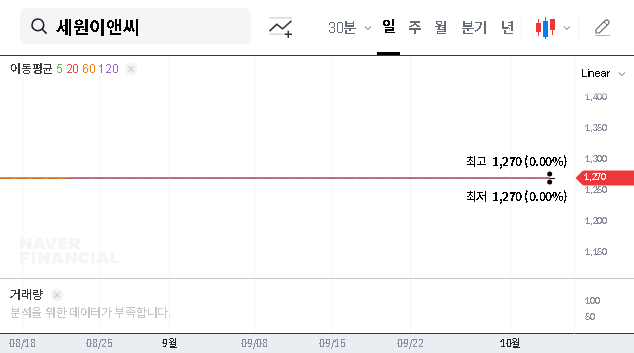
The situation surrounding the Sewon E&C delisting has reached a critical and final stage. For all shareholders and concerned investors, the time for uncertainty is over, and the window for action is rapidly closing. On October 2, 2025, a court decision sealed the company’s fate, resuming the delisting process and initiating a final liquidation trading period. This guide provides a comprehensive breakdown of what this means, the underlying causes, and the immediate steps you must take to protect your capital.
Understanding the gravity of this event is paramount. A company delisting is not a temporary setback; it is a fundamental shift that can lead to the near-total loss of invested funds. We will explore the timeline, the financial red flags that led to this point, and provide a clear, actionable strategy for investors caught in this crisis.
The Final Verdict: Sewon E&C Delisting is Official
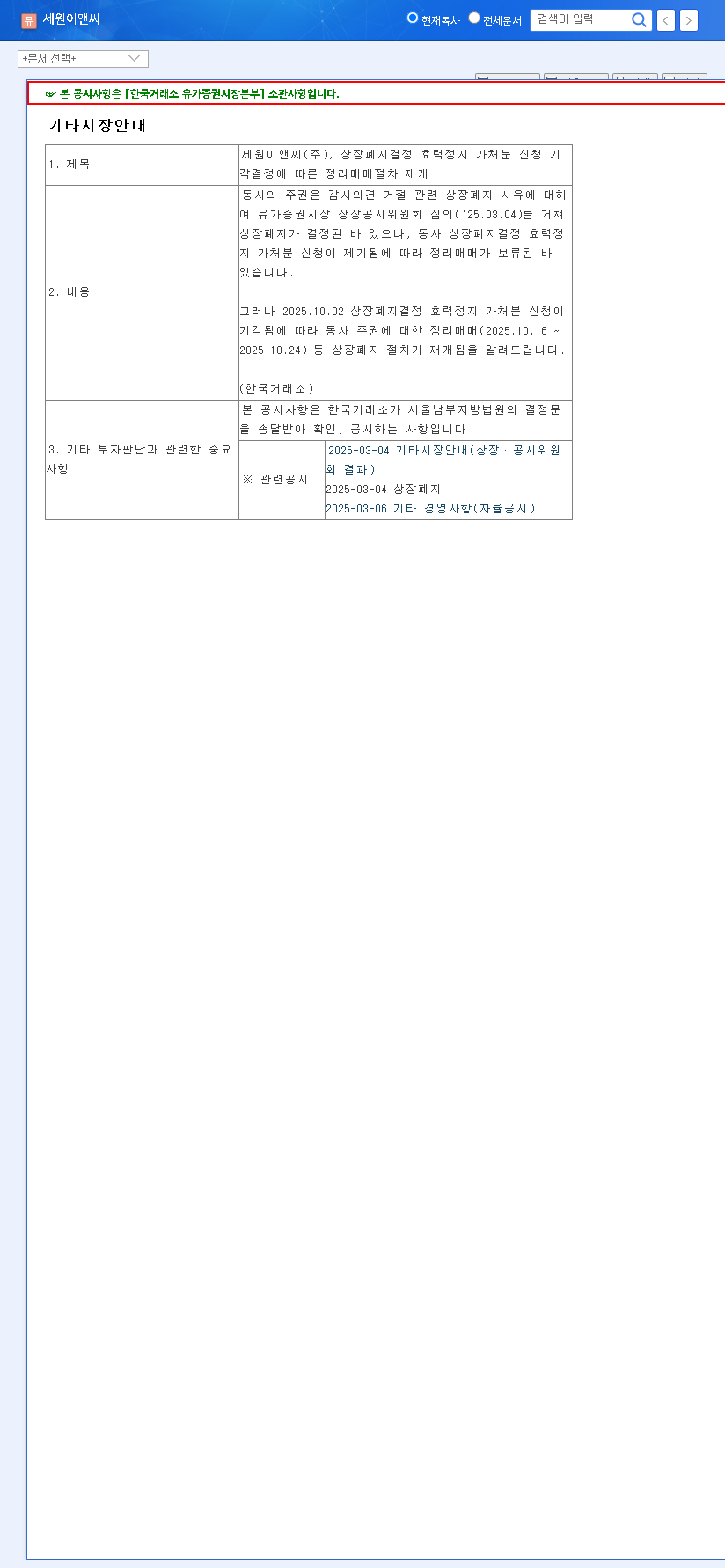
The pivotal moment arrived on October 2, 2025, when the Seoul Central District Court denied Sewon E&C’s application for an injunction that had temporarily paused the delisting procedure. This ruling effectively removed the last roadblock, putting the company back on the path to being removed from the stock exchange. The decision was formally announced, and you can review the Official Disclosure (Source: DART) for complete details.
As a direct result, a final liquidation trading period has been scheduled. This is the last chance for shareholders to trade their stock on the open market.
- •Event: Injunction to suspend delisting denied.
- •Liquidation Trading Period: October 16, 2025 – October 24, 2025.
- •Final Delisting Date: Expected immediately after the liquidation period.
Why Was This Inevitable? A Cascade of Failures
The Sewon E&C delisting was not a sudden event. It was the culmination of severe, unresolved issues that eroded market trust and violated listing requirements.
1. The Fatal Blow: A Qualified Audit Opinion
The single most critical factor was the company’s failure to receive an unqualified audit opinion. An auditor issues a qualified audit opinion when they cannot verify the accuracy or completeness of a company’s financial statements. This is a massive red flag for investors and regulators, as it casts fundamental doubt on the transparency and reliability of the company’s reported finances. For a publicly traded company, this is often a direct path to delisting.
2. A Deep Dive into Financial Distress
The audit opinion was a symptom of a deeper disease: catastrophic financial performance. Despite a marginal increase in revenue, the company’s core financial health was in freefall during 2024. This made the Sewon E&C delisting a foregone conclusion for many analysts.
Despite ongoing plant supply contracts, widening losses, severe cash flow problems, and unresolved payment issues created a perfect storm of financial instability that auditors could not ignore.
Key indicators from 2024 pointed to this crisis:
- •Operating Profit: A staggering loss of KRW 13.99 billion, a significant increase from the previous year.
- •Net Income: Loss deepened further to KRW 48.78 billion.
- •Operating Cash Flow: Remained negative at (KRW 5.20 billion), signaling an inability to generate cash from its core business.
The Unavoidable Fallout: What Delisting Means for You
Once a company is delisted, the consequences are severe for the company, its stock, and most importantly, its investors. For more information on the general risks, you can read this guide on delisted stocks from Investopedia.
- •Plummeting Stock Value: During the liquidation trading period, a massive sell-off is expected, driving the share price down drastically as investors rush for the exit.
- •Loss of Liquidity: After delisting, shares are no longer traded on the main exchange. They become illiquid ‘unlisted stock’, which is incredibly difficult to sell. The value often approaches zero.
- •Corporate Credibility Destroyed: Delisting makes it nearly impossible for a company to raise new capital, secure loans, or maintain trust with business partners, accelerating its financial decline.
Investor Action Plan: What You Must Do Now
Given the confirmed Sewon E&C delisting, a passive approach will likely result in a total loss. Swift, decisive action is required.
1. Sell During the Liquidation Trading Period (Oct 16-24)
This is your final, most realistic opportunity to recover any portion of your investment. While the price will be low, it will be substantially better than holding unlisted shares with virtually no market value. The goal is no longer profit, but loss mitigation.
2. Strictly Prohibit New Investments
Do not attempt to ‘buy the dip’ or engage in speculative trading. The extreme volatility is driven by panic selling, not underlying value. Any new investment at this stage carries an exceptionally high risk of complete loss. It is crucial to understand and avoid common investor mistakes in these situations.
3. Make a Calm, Rational Decision
Emotional decisions can lead to worse outcomes. Acknowledge the reality of the situation: the company is being delisted. Your objective now is to salvage what you can. Consult with a financial advisor if needed, but act quickly within the liquidation trading window.
In conclusion, the Sewon E&C delisting process is underway. For investors, the most prudent course of action is to accept this reality and utilize the upcoming liquidation trading period to divest from the company and prevent further financial damage.
Leave a Reply