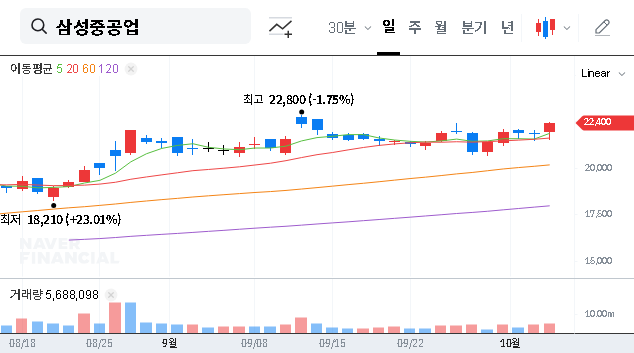
As the investment community turns its attention to the upcoming Samsung Heavy Industries Q3 earnings call on October 23, 2025, a critical narrative is taking shape. The company stands at a crossroads, balancing a record-breaking order book for high-value vessels against a significant financial storm brewing from the Russian Zvezda shipyard incident. This analysis unpacks the key factors that will define SHI’s performance, offering investors a comprehensive look at the risks and opportunities ahead.
While the first half of 2025 showcased robust fundamentals with 5.177 trillion KRW in sales and an order backlog exceeding 45 trillion KRW, the Q3 report will be the true test of resilience. The central question is whether SHI’s operational strength can absorb the multibillion-dollar shock from the Zvezda contract cancellations and associated derivatives losses.
The Zvezda Incident: A Trillion-Won Shadow
The most significant headwind facing Samsung Heavy Industries is the fallout from the Zvezda incident. The cancellation of contracts with the Russian shipyard has created a perfect storm of direct and indirect financial pressures. The market anticipates a direct impact on Q3 earnings, with potential losses including an estimated 2.8 trillion KRW in derivatives valuation losses and a 2 trillion KRW contract termination charge.
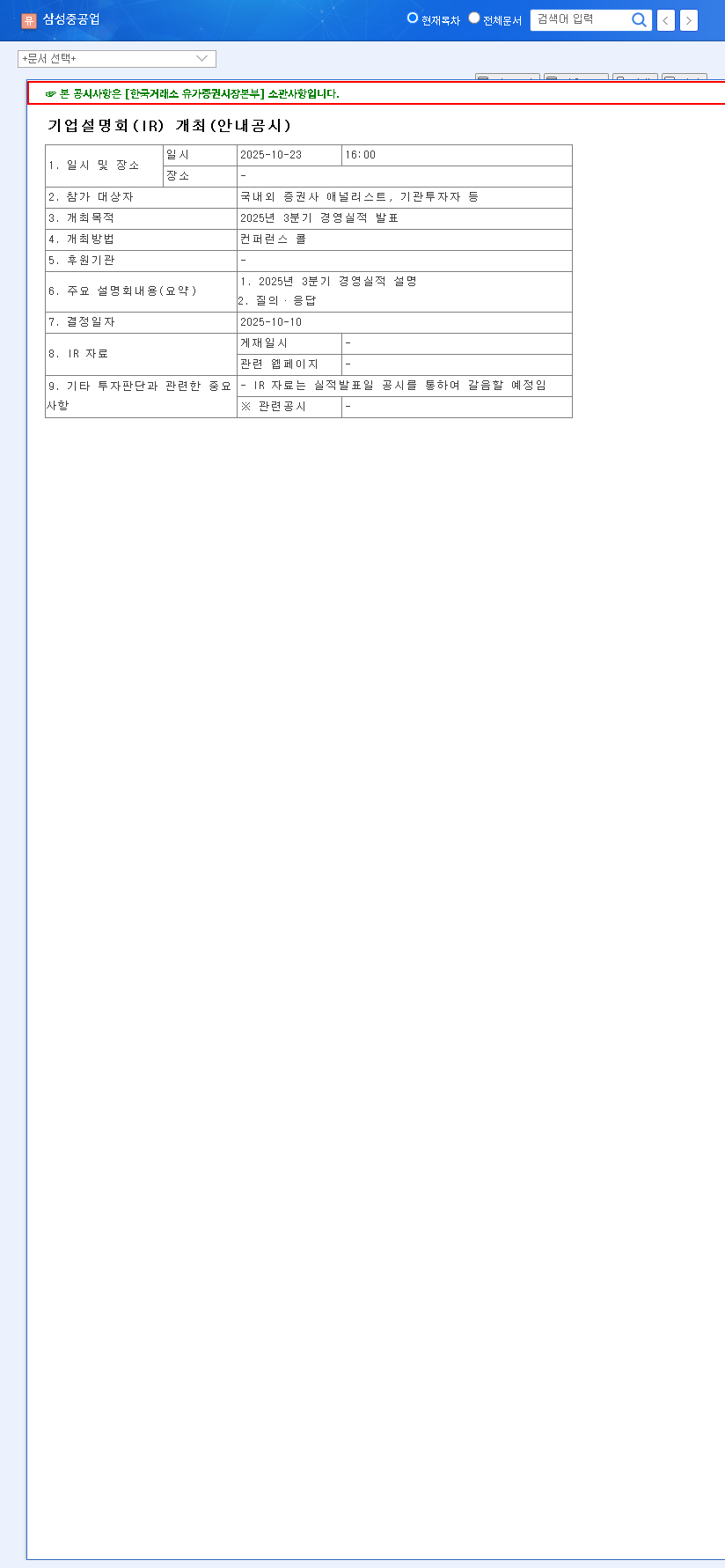
This complex situation is further compounded by the ongoing international arbitration process, the outcome of which remains uncertain and could introduce additional financial volatility. Investors will be scrutinizing management’s commentary for clarity on the accounting treatment of these losses and the company’s strategy for mitigating further damage. For detailed information, see the Official Disclosure (Source: DART).
The core challenge for investors is to weigh the severe, but potentially one-off, financial impact of the Zvezda incident against the company’s long-term, sustainable growth drivers in the high-value shipbuilding sector.
Fundamental Strengths: The Engine of Recovery
Despite the Zvezda overhang, SHI’s core business remains fundamentally strong, supported by powerful tailwinds in the global maritime industry.
Dominance in High-Value Vessel Orders
SHI’s strategic focus on high-value vessels, particularly LNG carriers and large container ships, is its primary competitive advantage. This segment is driven by long-term, non-cyclical demand. Stricter environmental regulations from the International Maritime Organization (IMO) are accelerating the need for a global fleet replacement cycle with eco-friendly, fuel-efficient vessels. This regulatory push creates a sustained demand pipeline where SHI’s technological expertise gives it a significant edge.
Strategic Diversification
Recognizing the cyclical nature of shipbuilding, SHI is wisely expanding into new business areas. Ventures into ship leasing and fuel supply are designed to create more stable, recurring revenue streams. Progress updates on these initiatives during the Q3 earnings call will be crucial for evaluating the company’s long-term vision and its ability to build a more resilient business model.
Macroeconomic Landscape: Opportunities and Risks
The broader economic environment presents a mixed bag for SHI. Rising global oil demand could spur a recovery in offshore plant orders, a historically strong segment for the company. However, volatility in currency and interest rate markets requires careful management.
- •Exchange Rates: A strengthening KRW/USD rate is a double-edged sword, benefiting export contract values but increasing import costs and negatively impacting derivatives valuations linked to the Zvezda contracts.
- •Interest Rates: Potential rate cuts by the US Federal Reserve and the Bank of Korea could lower financing costs but also directly influence the valuation of interest-rate-sensitive financial instruments on SHI’s books.
Investor Action Plan for the Q3 IR Call
To make an informed decision, investors should focus on these key areas during the Samsung Heavy Industries Q3 earnings presentation:
- •Zvezda Clarity: Demand a clear and transparent explanation of the total financial impact, the timeline for resolution, and the legal strategy for the arbitration.
- •Forward-Looking Order Book: Look for updates on new high-value vessel orders and management’s outlook on the global shipbuilding industry for 2026.
- •Risk Management: Assess the robustness of the company’s strategies for managing currency, interest rate, and counterparty risks going forward.
- •New Business Progress: Seek tangible metrics on the performance and future potential of the ship leasing and fuel supply divisions.
Ultimately, the Q3 2025 earnings report will be a pivotal moment. While the short-term financial results will likely be challenging, SHI’s long-term value proposition remains tied to its leadership in the next generation of eco-friendly shipbuilding. A clear strategy from management to navigate the current crisis will be essential to restoring investor confidence and setting the stage for future growth.
Leave a Reply