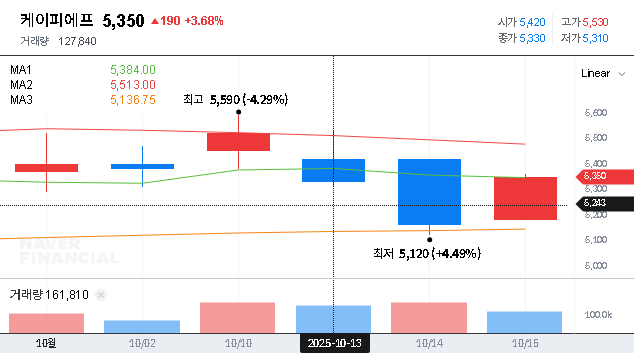
The recent announcement of the KPF TMC share sale has sent ripples through the investment community. KPF (ticker: 024880), a prominent player in its industry, has unveiled a plan to dispose of a significant ₩14 billion stake in its subsidiary, TMC. This strategic maneuver coincides with TMC’s highly anticipated listing on the KOSPI market, creating a complex scenario filled with both opportunity and risk for current and prospective investors. This comprehensive KPF investment analysis will dissect the motivations behind this decision, evaluate the potential financial impacts, and provide a clear roadmap for what to monitor in the coming months.
Dissecting the KPF TMC Share Disposition
The Core Details of the Transaction
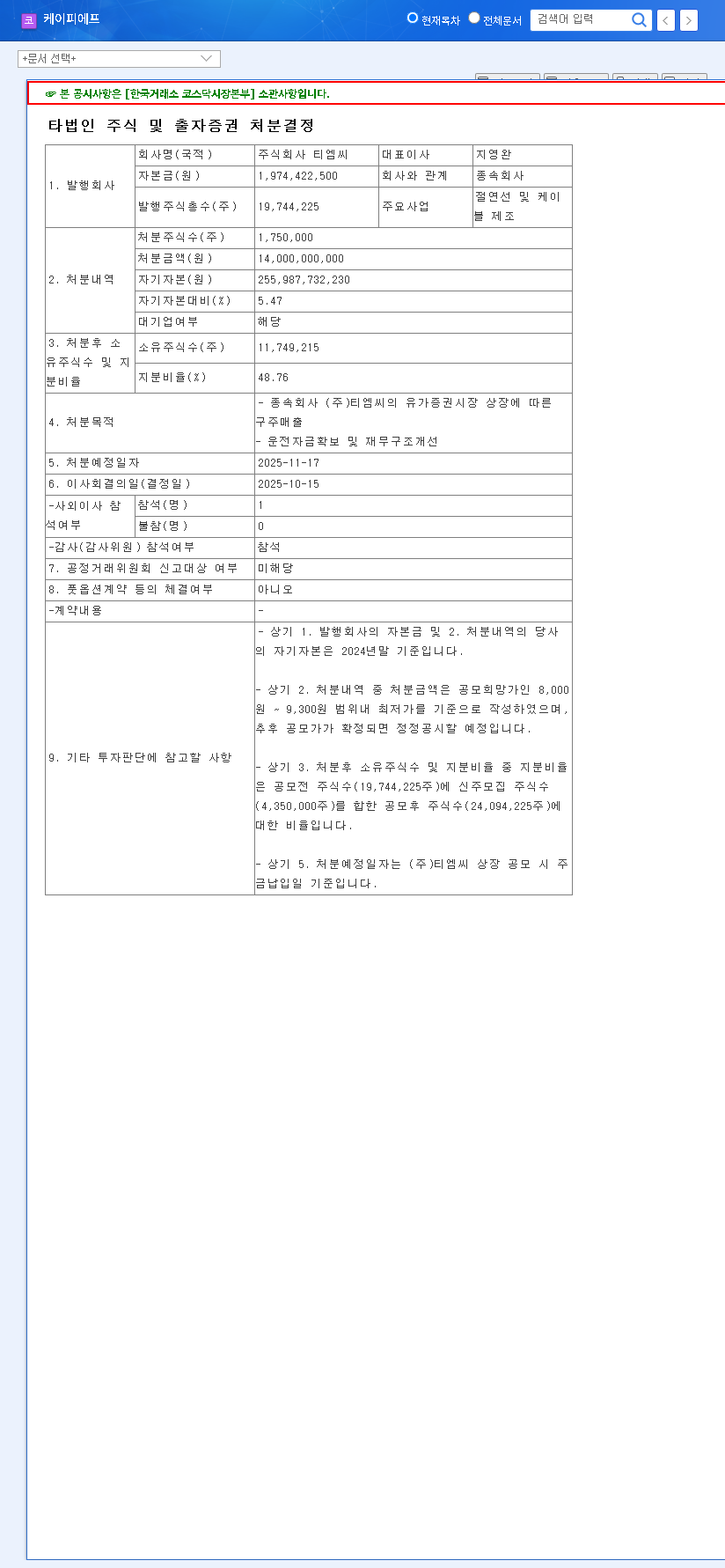
On October 15, 2025, KPF formally announced its decision to sell approximately ₩14 billion worth of shares in its subsidiary, TMC, via a secondary offering. This move is timed to leverage the momentum from the TMC KOSPI listing. According to the Official Disclosure filed with DART, this disposition represents 5.47% of KPF’s total capital. Consequently, KPF’s ownership stake in TMC will be reduced, though it will maintain a controlling interest at 48.76%.
Strategic Rationale: Why Now?
The decision behind the KPF share disposition is not merely about cashing out; it’s a multi-faceted strategy aimed at strengthening the company’s foundation. The key objectives are:
- •Capitalizing on the IPO: The listing of a subsidiary provides a prime opportunity for the parent company to unlock value and recoup its initial investment at a favorable market valuation.
- •Securing Vital Working Capital: An infusion of ₩14 billion in cash provides significant liquidity, enhancing operational flexibility and reducing reliance on external financing.
- •Improving the Financial Structure: The proceeds can be used to pay down debt, which lowers the company’s debt-to-equity ratio and strengthens the balance sheet, making KPF a more attractive and stable investment.
For investors, the ₩14 billion KPF TMC share sale represents a pivotal moment, blending immediate financial strengthening with long-term strategic questions about growth and governance.
Opportunities and Risks for KPF Investors
The Bull Case: Positive Impacts and Growth Momentum
The immediate and most tangible benefit is the significant cash injection. This ₩14 billion, representing about 12.6% of KPF’s market capitalization, bolsters short-term stability. Beyond this, the capital unlocks new avenues for growth. KPF will have the resources to invest in R&D, explore strategic M&A opportunities, or expand into new markets. This move could be a precursor to exploring KPF’s future growth sectors. Furthermore, a successful TMC KOSPI listing could lead to a positive re-evaluation of KPF’s remaining 48.76% stake, creating substantial unrealized value on its books.
The Bear Case: Potential Risks and Volatility
No strategic decision is without its risks. The reduction in ownership to 48.76% slightly weakens KPF’s direct control over TMC, potentially changing the dynamic from a subsidiary to an affiliate. More critically, the success of this move is heavily dependent on TMC’s post-listing performance. Investors should understand the inherent risks associated with Initial Public Offerings (IPOs). If TMC’s stock falters due to market conditions or underwhelming performance, the value of KPF’s retained shares will also decline. Finally, the ultimate success hinges on how prudently KPF allocates the new capital. A poor investment strategy could squander the benefits of this liquidity event.
Investor Action Plan: Key Factors to Monitor
To make an informed decision on KPF stock, investors must remain vigilant and closely track several key developments until the scheduled disposition date of November 17, 2025, and beyond:
- •TMC IPO Performance: Scrutinize the IPO pricing, initial market reception, and early trading performance. The success of the TMC KOSPI listing is the primary catalyst for KPF’s valuation.
- •KPF’s Capital Allocation Strategy: Look for official communications from KPF detailing their plans for the ₩14 billion. Will it go towards debt repayment, a special dividend, or new growth initiatives?
- •Financial Ratio Improvements: Monitor KPF’s quarterly reports following the cash infusion. Look for tangible improvements in key metrics like the debt-to-equity ratio and current ratio.
- •Market & Regulatory Updates: Stay informed about any changes in market sentiment or regulatory hurdles that could impact the timeline or terms of the KPF share disposition.
In conclusion, the KPF TMC share sale is a calculated move to de-risk KPF’s balance sheet and unlock new potential. While it introduces new variables, diligent monitoring of the factors above will empower investors to navigate this period effectively and make strategic decisions based on a clear understanding of the evolving situation.
Leave a Reply