Tag: WCP

  • (393890) WCP Stock Analysis: Q3 2025 Earnings Shock & Cautious Investment Outlook

    (393890) WCP Stock Analysis: Q3 2025 Earnings Shock & Cautious Investment Outlook

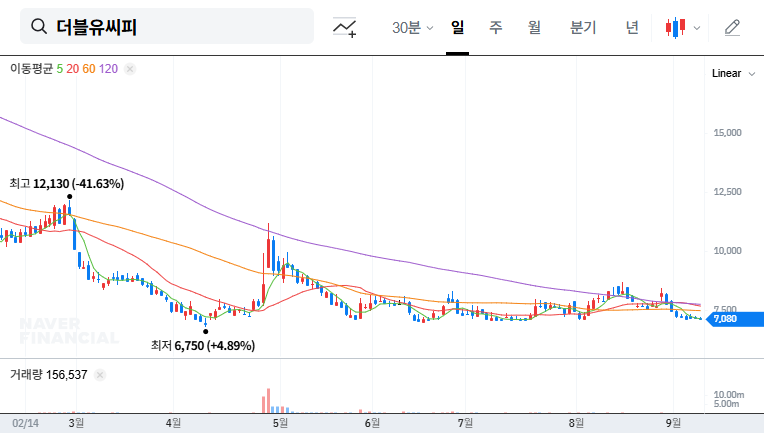
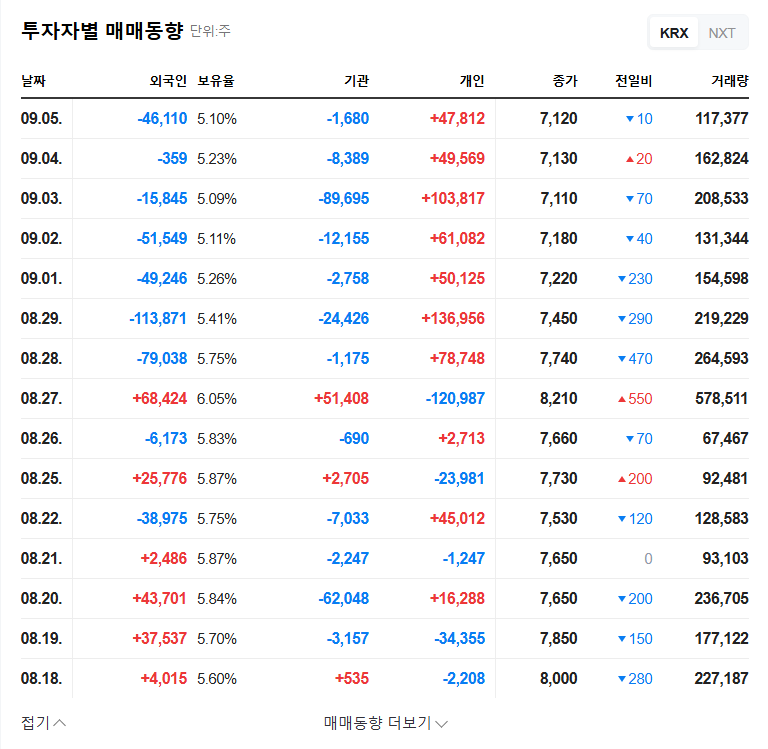
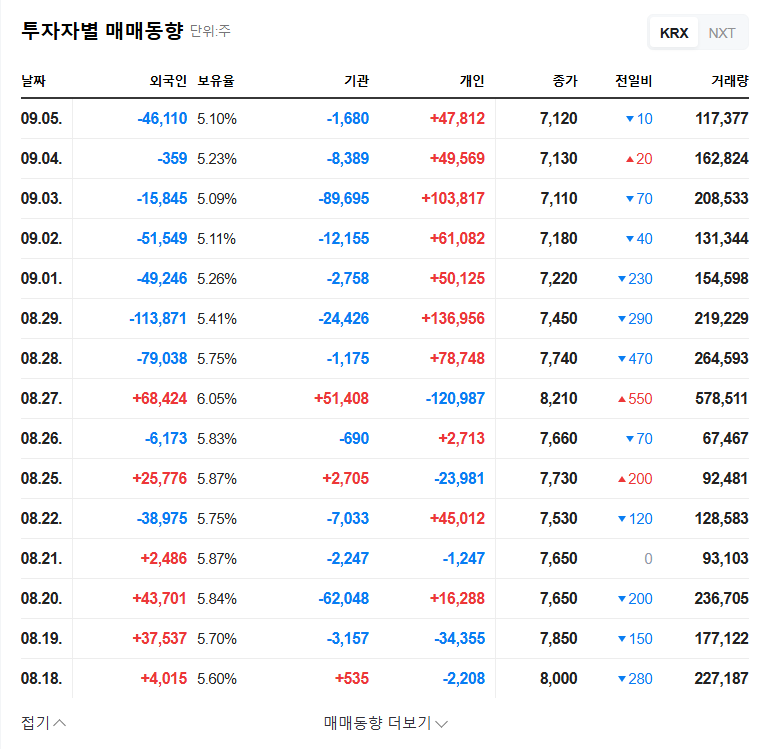
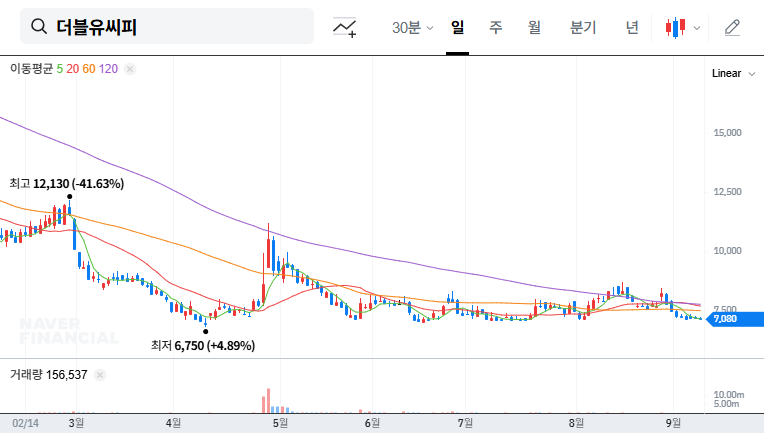
    The recent Q3 2025 earnings report for W-SCOPE CHUNGJU PLANT has cast a significant shadow over the WCP stock outlook, sending ripples of concern through the investment community. With sales figures falling drastically short of estimates and operating losses widening, stakeholders are questioning the company’s path forward. Can WCP navigate these turbulent waters and capitalize on its long-term growth drivers? This in-depth WCP stock analysis dissects the disappointing quarterly results, evaluates the underlying fundamentals, and outlines a prudent investment strategy for the challenging period ahead.

    WCP Q3 2025 Earnings: A Disappointing Reality

    W-SCOPE CHUNGJU PLANT (WCP) officially disclosed its provisional earnings for the third quarter of 2025, confirming performance that was significantly below market consensus. This report, available via the Official Disclosure (DART), unfortunately extends the trend of sluggish performance seen since the second half of 2024, amplifying investor anxiety about the company’s trajectory and the immediate future of WCP stock.

    Unpacking the Underwhelming Q3 Financials

    The numbers paint a stark picture of the current operational challenges:

    • Revenue: KRW 29.1 billion, a significant 24.0% miss compared to the KRW 38.4 billion estimate.
    • Operating Profit: A loss of KRW -31.0 billion, expanding 59.0% beyond the anticipated KRW -19.5 billion loss.
    • Net Profit: A continued loss, recorded at KRW -46.1 billion.

    This sharp quarterly revenue decline and the deepening operating losses are direct results of a dual-pronged problem: a widespread slowdown in the secondary battery market combined with WCP’s specific business and financial vulnerabilities.

    Core Challenges vs. Long-Term Potential

    To formulate a sound WCP investment strategy, investors must weigh the severe short-term headwinds against the company’s foundational strengths and long-term market opportunities.

    Negative Headwinds Impacting WCP Stock

    • EV Market ‘Chasm’: The global EV market is experiencing a temporary but impactful slowdown, often referred to as ‘crossing the chasm,’ where growth stalls between early adopters and the mass market. This directly curtails demand for WCP’s battery separators.
    • High Fixed Costs: Despite falling revenue, the company’s high fixed costs associated with large-scale manufacturing facilities have exacerbated operating losses, creating a significant barrier to profitability.
    • Policy & Financial Risks: Uncertainty surrounding U.S. policies like the IRA Act could hinder North American expansion, while significant foreign currency liabilities (USD 3.77B, EUR 0.875B) expose the company to exchange rate volatility.

    Positive Drivers for Future Growth

    Despite the gloom, WCP’s long-term value proposition remains intact, anchored by several key strengths.

    • Inevitable EV Expansion: The long-term trend is undeniable. Projections for global EV market growth of ~20% in 2025 will fundamentally drive demand for essential components like battery separators.
    • Technological Edge: WCP’s proprietary 5.5m wide-format production and low trimming ratio are significant competitive advantages, enabling higher efficiency and quality for top-tier battery manufacturers.
    • Strategic European Entry: The planned Hungarian subsidiary is a critical move to capture Europe’s burgeoning EV market and establish a local supply chain, which could be a major catalyst for future W-SCOPE CHUNGJU PLANT earnings.

    Investment Opinion and Go-Forward Strategy

    The Q3 2025 earnings release has undeniably re-calibrated the short-term outlook for WCP stock. The severity of the revenue miss and expanded losses makes a bullish stance untenable at this time.

    Given the current operational and financial pressures, our official investment opinion on W-SCOPE CHUNGJU PLANT (WCP) is a ‘Cautious Neutral.’ A wait-and-see approach is recommended until clear signs of a turnaround emerge.

    Key Monitoring Points for Investors

    Investors considering or holding WCP stock should adopt a vigilant monitoring strategy focused on these catalysts:

    • Performance Turnaround Signals: Scrutinize Q4 2025 and H1 2026 reports for any stabilization in revenue and a narrowing of losses. The successful ramp-up of the Hungarian plant and new customer supply agreements are critical proof points.
    • Macro & Industry Shifts: Keep a close watch on the recovery pace of the global EV market. For more context, you can read our guide on understanding the secondary battery market. Policy changes and raw material price trends are also key risk factors.
    • Financial Health Metrics: Monitor the company’s debt-to-equity ratio (currently 109.5%) and any new initiatives aimed at deleveraging or improving its financial structure.

    Frequently Asked Questions (FAQ)

    What were WCP’s provisional earnings for Q3 2025?

    For Q3 2025, WCP reported revenue of KRW 29.1 billion, an operating loss of KRW -31.0 billion, and a net loss of KRW -46.1 billion. These results were significantly below market expectations.

    What are the main reasons for WCP’s poor performance?

    The underperformance is primarily due to a slowdown in global EV demand, a high fixed-cost structure that magnifies losses during revenue downturns, and general weakness in the secondary battery sector.

    Does WCP still have long-term growth potential?

    Yes. Despite short-term pain, its long-term drivers include the continued global adoption of EVs, superior production technology, strategic expansion into the European market, and the potential to apply its technology to new industries.

    What is the current investment recommendation for WCP stock?

    The current investment opinion for WCP stock is ‘Cautious Neutral’. This advises investors to exercise patience and wait for concrete evidence of a performance and financial turnaround before committing new capital.

    (393890) WCP Stock Analysis: Q3 2025 Earnings Shock & Cautious Investment Outlook 관련 이미지
    (393890) WCP Stock Analysis: Q3 2025 Earnings Shock & Cautious Investment Outlook 관련 이미지
  • (393890) W-SCOPE (393890) Stock Analysis: Q3 2025 IR Preview & Future Outlook

    (393890) W-SCOPE (393890) Stock Analysis: Q3 2025 IR Preview & Future Outlook

    The global electric vehicle (EV) market is navigating a period of turbulence, and the ripple effects are being felt throughout the entire supply chain. For W-SCOPE CHUNGJU PLANT Co., Ltd. (393890), a key manufacturer of battery separators, this has translated into significant financial pressure. With a staggering 77.2% year-on-year revenue drop and ongoing operating losses, investors are watching with bated breath. The upcoming Q3 2025 Investor Relations (IR) conference on November 10, 2025, represents a critical moment for the company. Will it signal a turnaround, or are there further headwinds ahead? This comprehensive W-SCOPE stock analysis will dissect the company’s financial health, market position, and the potential impact of the IR event.

    W-SCOPE stands at a crossroads. Its long-term potential in the EV separator market is undeniable, but navigating the current short-term financial storm will be the ultimate test of its strategy and resilience. The Q3 IR is not just an earnings call; it’s a referendum on the company’s future.

    Deep Dive: W-SCOPE’s Financial Health (H1 2025)

    The first half of 2025 painted a challenging picture for W-SCOPE CHUNGJU PLANT. The numbers, as detailed in their latest Official Disclosure, reveal the extent of the current slump. Understanding these figures is crucial for any potential investor.

    Performance & Financial Burden

    • Severe Revenue Contraction: Revenue plummeted to 54,512 million KRW, a 77.2% decrease compared to the previous year, directly reflecting the slowdown in global EV demand.
    • Persistent Losses: The company posted an operating loss of (56,435) million KRW and a net loss of (61,350) million KRW. These figures are exacerbated by the significant capital expenditures on new facilities, particularly the Hungary plant.
    • Escalating Debt: The debt-to-equity ratio climbed to 109.5%, a concerning increase that signals growing financial risk. This is primarily driven by long-term borrowings to fund European expansion.
    • Negative Cash Flow: Operating cash flow remains in the negative, indicating that the core business operations are currently consuming more cash than they generate, placing further strain on liquidity.

    Market Dynamics and Future Strategy

    While the current financials are bleak, W-SCOPE’s strategy is focused on a long-term recovery powered by market expansion. The EV separator market is still projected for robust long-term growth, with a forecasted CAGR of over 12%. However, navigating the short-term volatility, influenced by factors like high interest rates and shifting government subsidies as noted by the International Energy Agency, is the immediate challenge.

    The Hungary Plant: A High-Stakes Gambit

    The centerpiece of W-SCOPE’s future is its massive investment in a new production facility in Hungary. This move is designed to position the company as a key supplier within the burgeoning European EV battery ecosystem. Success here is non-negotiable.

    • Strategic Location: The plant provides proximity to major European gigafactories, reducing logistics costs and strengthening partnerships with key clients like Samsung SDI and SK On.
    • Capacity Expansion: With a goal of 2.3 billion sqm of production capacity by 2025, W-SCOPE is betting on a sharp rebound in demand. The Hungary plant, slated for mass production in 2026, is essential to meeting this target.
    • Competitive Edge: Localized production helps W-SCOPE compete more effectively against rivals and navigate potential European trade policies. For more on this, see our analysis of the global battery supply chain.

    The Q3 IR: Potential Scenarios & Stock Impact

    The upcoming W-SCOPE IR event will be intensely scrutinized. The stock, which has trended downwards to 17,880 KRW (as of Oct 24, 2025), is primed for a significant move. Here are the potential catalysts:

    Potential Positives (Bull Case)

    • An earnings report that beats grim market expectations, showing a slower rate of revenue decline or narrowing losses.
    • Concrete, positive updates on the Hungary plant’s construction timeline and secured initial orders.
    • Announcement of new technology breakthroughs in next-generation separators or new client acquisitions.

    Potential Negatives (Bear Case)

    • Q3 earnings that are worse than expected, deepening investor concerns about profitability.
    • News of delays or budget overruns at the Hungary facility, pushing the timeline for recovery further out.
    • A lack of clear strategy to manage debt and improve cash flow, or hints at dilutive fundraising.

    Investor Action Plan & Conclusion

    For investors, the current situation demands a nuanced approach. The long-term thesis for W-SCOPE remains intact, tied to the inevitable growth of electrification. However, the short-term risks are substantial.

    Recommendation: Careful Observation & Strategic Entry. Short-term volatility is almost guaranteed. A positive IR could spark a relief rally, but persistent downward pressure is likely if financial concerns aren’t addressed convincingly. The real turning point for a long-term investment will be tangible progress on the Hungary plant’s operational readiness and the securing of major European contracts. Investors should listen closely during the Q&A session for management’s tone and specifics on these critical milestones. Ultimately, W-SCOPE’s journey through this challenging period will be a case study in strategic investment and operational execution in the dynamic EV industry.

    (393890) W-SCOPE (393890) Stock Analysis: Q3 2025 IR Preview & Future Outlook 관련 이미지
    (393890) W-SCOPE (393890) Stock Analysis: Q3 2025 IR Preview & Future Outlook 관련 이미지
  • WCP (393890) Convertible Bond Issuance: Analyzing the Impact on Stock Price – ₩36B Funding vs. Share Dilution Risk

    WCP (393890) Convertible Bond Issuance: Analyzing the Impact on Stock Price - ₩36B Funding vs. Share Dilution Risk 대표 차트 이미지

    1. What Happened?: WCP Announces ₩36 Billion Convertible Bond Issuance

    On September 8, 2025, WCP announced the issuance of ₩36 billion in convertible bonds. The conversion price is set at ₩7,396, significantly higher than the current stock price of ₩2,575. These funds are intended for operating expenses and repayment of short-term debt.

    2. Why?: Deteriorating Performance and the Need for Funding

    WCP recorded a sharp decline in sales and a substantial operating loss in the first half of 2025. The global slowdown in the electric vehicle market and intensifying competition are cited as the main causes. Continuing investments, including the expansion of its Hungarian plant, require significant funding. This poor performance raises concerns about WCP’s financial health. The convertible bond issuance appears to be a measure to address this funding shortage.

    3. What’s Next?: Share Dilution Risk and Fundamental Improvement

    • Potential Share Dilution: If the convertible bonds are converted into shares, the value of existing shareholders’ equity could be diluted. Given the considerable difference between the current stock price and the conversion price, the dilution could be substantial.
    • Fundamental Improvement is Key: While the convertible bond issuance provides short-term funding, it is not a fundamental solution. Without improvement in performance and stabilization of the financial structure, stock price recovery will be difficult, and the risk of share dilution will increase.

    4. Investor Action Plan: Proceed with Caution and Monitor Continuously

    Investors should not be swayed by short-term stock price fluctuations and should closely monitor WCP’s fundamental improvements and the likelihood of convertible bond conversion. Caution is advised for investment at this time, and it is crucial to continuously monitor the company’s management strategy and changes in market conditions.

    What are convertible bonds?

    Convertible bonds are a type of bond that can be converted into shares of the issuing company’s stock after a certain period.

    How does issuing convertible bonds affect stock prices?

    In the short term, the influx of funds can have a positive impact on the stock price. However, in the long term, the dilution effect from share conversion can put downward pressure on the stock price.

    Should I invest in WCP’s convertible bonds?

    WCP is currently facing declining performance and financial instability. Investing in convertible bonds carries high risk, so careful investment decisions are necessary. Thoroughly review the company’s fundamentals before making any investment decisions.

    WCP (393890) Convertible Bond Issuance: Analyzing the Impact on Stock Price - ₩36B Funding vs. Share Dilution Risk 관련 이미지
    WCP (393890) Convertible Bond Issuance: Analyzing the Impact on Stock Price - ₩36B Funding vs. Share Dilution Risk 관련 이미지
  • WCP’s H1 2025 Earnings Analysis: Revenue Growth Overshadowed by Widening Losses – Investment Strategies?

    1. What Happened? (H1 2025 Earnings Analysis)

    WCP reported KRW 38.2 billion in revenue for H1 2025, exceeding market expectations with a 39% YoY increase. However, operating losses widened to KRW -26 billion and net losses to KRW -27.9 billion. Why did profitability decline despite revenue growth?

    2. Why These Results? (Cause Analysis)

    The main culprits for the worsening losses are increased R&D expenses and higher fixed costs due to investments like the Hungary plant expansion. The slowdown in global EV market growth and policy uncertainties in North America also contributed negatively. Conversely, stricter global environmental regulations could act as a long-term growth driver.

    • Positive Factors:
      • Revenue Growth
      • Long-term Growth Potential (EV Market Growth)
    • Negative Factors:
      • Deepening Losses
      • High Fixed Costs
      • Worsening Financial Health (Increased Debt Ratio)
      • Customer Concentration
      • Foreign Exchange Risk

    3. What’s Next? (Future Outlook)

    In the short term, downward pressure on the stock price is expected due to the poor earnings. However, if the Hungary plant operates successfully and profitability improvement efforts become visible, there is potential for a mid-to-long-term stock price recovery. WCP’s technological competitiveness, including its 5.5m wide manufacturing equipment technology and European market entry, are positive factors for the future.

    4. What Should Investors Do? (Investment Strategy)

    WCP currently presents a situation of coexisting growth and risk. Maintaining a conservative investment perspective is recommended. Closely monitor future earnings announcements for continued revenue growth, narrowing losses, and the possibility of turning profitable. Continuously track the company’s cost optimization efforts, financial restructuring plans, and changes in the macroeconomic and industrial environment. Considering a gradual purchase strategy when turnaround signals become clear is advisable.

    How was WCP’s performance in the first half of 2025?

    WCP achieved KRW 38.2 billion in revenue, a 39% YoY increase. However, operating losses widened to KRW -26 billion, and net losses reached KRW -27.9 billion.

    What are the main reasons for the decline in profitability?

    Increased R&D expenses, higher fixed costs due to investments such as the Hungary plant expansion, and a slowdown in global EV market growth are identified as the main factors.

    Should I invest in WCP?

    A conservative investment approach is currently recommended. It’s crucial to closely monitor future earnings improvements, cost optimization efforts, and financial restructuring plans before making investment decisions.

  • WCP Q2 2025 Earnings: Revenue Up, But Profits Remain Elusive. What Should Investors Do?

    WCP Q2 Earnings: What Happened?

    WCP’s Q2 revenue reached 38.2 billion KRW, a 134% surge compared to Q1. Despite this growth, the company recorded an operating loss of 26 billion KRW and a net loss of 28 billion KRW.

    Why the Continued Losses?

    The persistence of losses despite revenue growth stems from a combination of factors:

    • External Factors: Uncertainties in the EV market, fluctuations in raw material prices, and changes in exchange rates and interest rates negatively impacted profitability.
    • Internal Factors: Inefficiencies in cost structure and potential price reductions also contributed to the losses.

    What’s Next for WCP?

    WCP’s future performance hinges on several key factors, including the detailed Q2 report, the pace of EV market recovery, and the stabilization of raw material prices and exchange rates. The company needs to focus on maintaining its competitive edge, such as its 5.5m wide web production technology, while implementing concrete strategies to improve profitability.

    Action Plan for Investors

    Investors should consider the following factors when making investment decisions:

    • Thoroughly analyze the detailed Q2 report to understand the specific reasons for the underperformance.
    • Monitor the EV market recovery, raw material price stabilization, and exchange rate fluctuations.
    • Assess the effectiveness of WCP’s cost structure improvement and profitability enhancement strategies.

    Frequently Asked Questions

    What was WCP’s Q2 revenue?

    WCP’s Q2 revenue was 38.2 billion KRW.

    Why is WCP still reporting losses?

    The continued losses are due to external factors like EV market uncertainties, fluctuating raw material prices, and changes in exchange rates and interest rates, coupled with internal factors like inefficiencies in cost structure.

    Should I invest in WCP?

    Investment decisions should be made carefully, considering the detailed Q2 report, market conditions, and WCP’s future strategies.

  • WCP Stock Analysis: Rebound After Q1 Shock? A Deep Dive into the August 1st Q2 Earnings Call

    What’s Happening? The Q1 Shock and the Approaching Day of Reckoning

    WCP’s Q1 2025 performance was far worse than market expectations, raising serious concerns about the company’s fundamentals.

    • 📉 Disastrous Results: Revenue of KRW 16.3B (down 87% YoY), Operating Loss of KRW 30.4B, Net Loss of KRW 33.4B.
    • ⛓️ Weakening Financial Health: Increased burden of fixed costs due to plunging sales, and a rising debt-to-equity ratio (from 86.87% to 95.36%).

    In this context, the August 1st Q2 earnings announcement and IR will be a pivotal event, potentially defining the company’s short-term and long-term trajectory.

    Why Did This Happen? 3 Key Reasons for the Plunge

    WCP’s crisis is the result of a combination of factors, both internal and external.

    • 1. EV Market Slowdown (The Chasm): This is the primary cause. The decline in demand, especially from the crucial North American market where WCP has high export exposure, was a direct hit.
    • 2. Heavy Investment Burden: Ongoing large-scale investments, such as the new plant in Hungary, are adding significant financial pressure, which becomes a serious risk amidst plummeting revenues.
    • 3. Macroeconomic Headwinds: An unfavorable external environment, including high interest rates in the US and Europe, currency volatility (KRW/USD), and rising raw material prices, adds to the pressure. Political risks, such as potential changes in US EV policy, create further uncertainty.

    So What? The August 1st IR: A Crossroads of Hope and Fear

    The stock price could move dramatically depending on the outcome of the IR. Investors should be prepared for two distinct scenarios.

    • 😇 The Bull Case (Hope):
      • – Q2 results show improvement from Q1, offering a glimpse of recovery.
      • – The company presents a concrete and achievable strategy for improving profitability (e.g., cost reduction, productivity gains).
      • – A clear and positive update on the Hungary plant’s progress and future production roadmap is shared.
    • 👿 The Bear Case (Fear):
      • – Q2 performance is as bad as, or worse than, Q1.
      • – Management’s explanations are insufficient or overly generic.
      • – There is no clear plan to mitigate risks from currency fluctuations and raw material prices.

    Investor Action Plan: Your IR Checklist

    With high short-term volatility expected, it’s crucial to base decisions on a cool-headed analysis rather than emotion. Use the checklist below to assess the situation and build your investment strategy.

    • ✅ The Q2 Numbers: How much have revenue and operating profit improved from Q1? Do the figures beat market consensus?
    • ✅ Profitability Strategy: Are the company’s plans for cost reduction and new market entry specific and realistic?
    • ✅ Financial Health Management: How will the company manage liquidity risk amid rising debt and investment burdens?
    • ✅ The Hungary Plant’s Future: What is the construction progress, future production timeline, and expected yield/profitability?
    • ✅ Risk Management: Given the volatile market, consider diversification to manage risk effectively.

    Ultimately, WCP’s future hinges on the August 1st announcement. It is critical to carefully evaluate whether the company demonstrates a clear vision and the ability to execute its way out of this crisis before making any investment decisions.

    Q. When is WCP’s Q2 2025 earnings announcement?

    A. The Q2 2025 earnings will be announced along with a corporate IR (Investor Relations) session on August 1st, 2025.

    Q. What was the main reason for WCP’s poor Q1 performance?

    A. The primary cause was the slowdown in the global electric vehicle (EV) market, often referred to as the ‘Chasm’ phenomenon. This led to decreased demand for secondary batteries and their materials, with the slump in the North American market being particularly impactful.

    Q. What needs to happen for WCP’s stock to rebound?

    A. A stock rebound would likely require a significant improvement in Q2 results compared to Q1. Furthermore, the company must present a credible and concrete growth strategy during its IR, covering cost reduction, new client acquisition, and a clear vision for the Hungary plant to restore investor confidence.

    Q. What is the biggest risk when investing in WCP right now?

    A. The biggest risk is extremely high short-term volatility. It is advisable to avoid making hasty investment decisions before the Q2 results are released. Any investment should be made cautiously, considering your personal risk tolerance and employing risk management strategies like diversification.