Tag: Stake Sale

  • (293490) Kakao Games Sells Kakao VX Stake for ₩259.5B: A Strategic Pivot or a Desperate Move? | 2025 Stock Analysis

    (293490) Kakao Games Sells Kakao VX Stake for ₩259.5B: A Strategic Pivot or a Desperate Move? | 2025 Stock Analysis

    The gaming industry is at a crossroads, and the recent news surrounding the Kakao Games Kakao VX deal has sent ripples through the market. Kakao Games Corp. announced its decision to divest its entire stake in subsidiary Kakao VX for a substantial ₩259.5 billion. This isn’t just a simple asset sale; it represents a critical strategic pivot that could redefine the company’s future trajectory, financial structure, and growth prospects.

    For investors, the key question is whether this move is a masterstroke to secure future growth or a reactive measure to patch up a deteriorating balance sheet. Will this divestment act as the catalyst for a comeback, pulling the company out of its H1 2025 financial slump? Or are there more fundamental challenges that this cash infusion can’t solve? This comprehensive analysis provides a deep dive into the Kakao Games stake sale and offers a clear investment strategy for 2025.

    The Landmark Deal: Deconstructing the Kakao VX Divestment

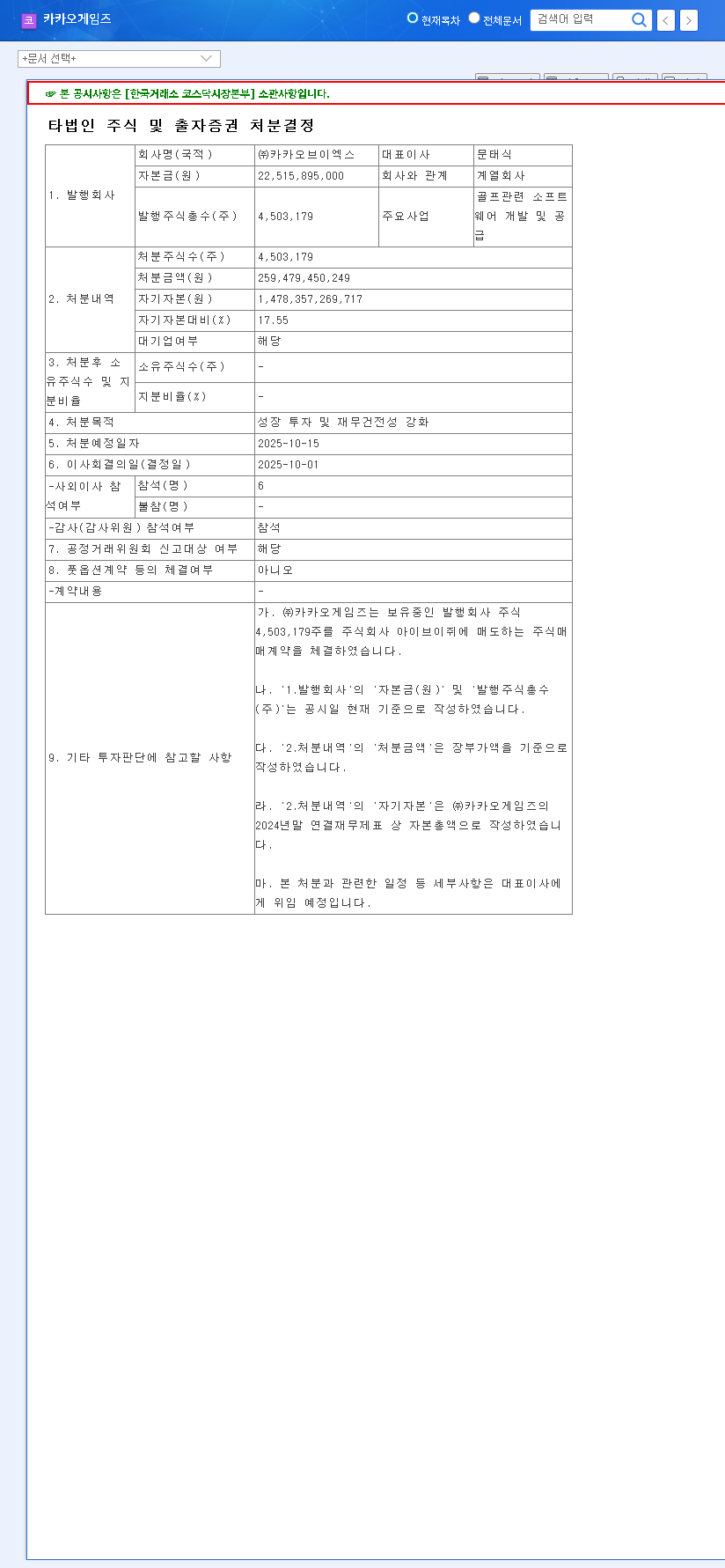
    On October 1, 2025, Kakao Games confirmed its board’s resolution to dispose of its entire holding in Kakao VX Co., Ltd., a subsidiary known for its golf-related software and screen golf technology. This transaction, scheduled for completion by October 15, 2025, is valued at ₩259.5 billion (approximately $190 million USD), a figure that represents a significant 17.55% of Kakao Games’ total capital.

    • Disposal Target: Full stake in Kakao VX Co., Ltd.
    • Disposal Amount: ₩259.5 billion.
    • Ratio to Equity Capital: 17.55%.
    • Official Disclosure: The transaction details were formally registered, and you can view the filing here: Source.

    Why Now? Analyzing Kakao Games’ Financial Health

    The official reasoning provided by Kakao Games for this significant move is to secure funds for ‘growth investment and to strengthen financial soundness.’ A closer look at the company’s H1 2025 financial report reveals why this action was not just strategic, but necessary.

    The first half of 2025 painted a grim picture for Kakao Games, marked by declining revenue, a swing to an operating loss, and a concerning surge in debt.

    Key Financial Red Flags from H1 2025

    • Plummeting Revenue: Consolidated revenue fell by a sharp 27.9% year-over-year to ₩238.66 billion.
    • Operating Loss: The company recorded an operating loss of ₩21.05 billion, a stark reversal from the profit seen in the previous year, driven by high R&D spending and other costs.
    • Soaring Debt: Long-term borrowings ballooned from ₩147 billion to ₩626.7 billion, pushing the debt-to-equity ratio to an alarming 119.55%.

    Given this context, the sale of Kakao VX, a non-core asset, is a clear attempt to inject vital liquidity, pay down debt, and refocus capital on the primary gaming business, which has faced headwinds in a competitive market. For more on market trends, see this analysis from leading industry reports.

    Investment Impact: The Pros and Cons of the Kakao Games Stake Sale

    The divestment of the Kakao VX stake will have a multifaceted impact on Kakao Games’ stock and long-term outlook.

    The Upside: A Path to Recovery?

    • Strengthened Balance Sheet: The ₩259.5 billion cash infusion provides immediate liquidity to reduce debt and alleviate financial pressure, which the market should view favorably.
    • Capital for Core Business: These funds can be reinvested into developing promising new titles and expanding the global publishing footprint, fueling future growth engines.
    • Strategic Focus: Shedding the non-core golf business allows management to concentrate exclusively on its core competency: game development and publishing.

    The Downside: Lingering Headwinds

    • No Quick Fix for Performance: The sale does not immediately solve the underlying issue of declining revenue from existing titles like ‘Odin: Valhalla Rising’. Core business recovery is still paramount.
    • Execution Risk: The success of this move hinges on how effectively the new capital is deployed. A failure to produce hit titles or successful blockchain initiatives (BORA) would negate the benefits.
    • Persistent Financial Burden: Even with the cash injection, the company’s high debt load and significant R&D expenses remain considerable challenges that require ongoing management.

    2025 Investor Action Plan & Outlook

    While the Kakao Games Kakao VX deal is a step in the right direction, significant uncertainties remain. A prudent approach is necessary. Investors should closely monitor several key performance indicators before making a decision.

    • New Title Pipeline: Watch the launch and market reception of upcoming games like ‘Goddess Order’. Success here is crucial. Explore our analysis of upcoming game releases for more context.
    • Debt Reduction: Track how the funds are used and whether there is a measurable improvement in the debt-to-equity ratio in the coming quarters.
    • Profitability Metrics: Look for signs of improved operational efficiency and a return to operating profit.

    Given the balance of positive potential and persistent risks, a “Hold” rating is appropriate. This event creates potential upside, but the company must still prove it can execute on its recovery plan. A wait-and-see approach is recommended.

    Disclaimer: This content is for informational purposes only and does not constitute investment advice. All investment decisions should be made with the consultation of a qualified financial professional.
    (293490) Kakao Games Sells Kakao VX Stake for ₩259.5B: A Strategic Pivot or a Desperate Move? | 2025 Stock Analysis 관련 이미지
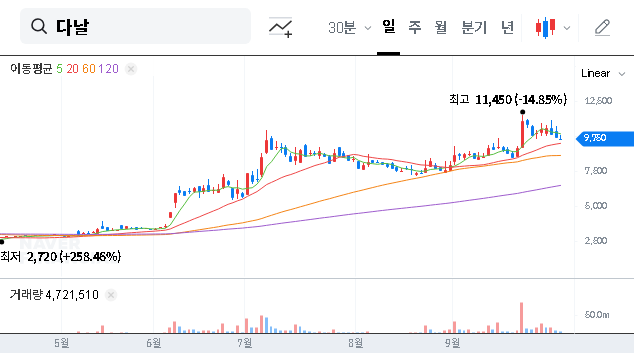
  • (064260) Danal Stock (064260) Analysis: CEO Sells 3.3M Shares – What Investors Must Know

    (064260) Danal Stock (064260) Analysis: CEO Sells 3.3M Shares – What Investors Must Know

    The outlook for Danal stock (064260) has been thrown into uncertainty following a significant and surprising announcement: a massive share sale by CEO Park Sung-Chan. This move, which reduces his controlling stake, has sent ripples of concern through the investor community. When a top executive divests a substantial portion of their holdings, it inevitably raises critical questions about the company’s future trajectory and financial stability. Is this a sign of an impending crisis, or a strategic financial maneuver? This comprehensive Danal investment analysis will delve into the details of the CEO’s sell-off, examine the company’s underlying financial health, and provide a strategic playbook for current and potential investors.

    The Catalyst: Deconstructing the CEO’s Share Sale

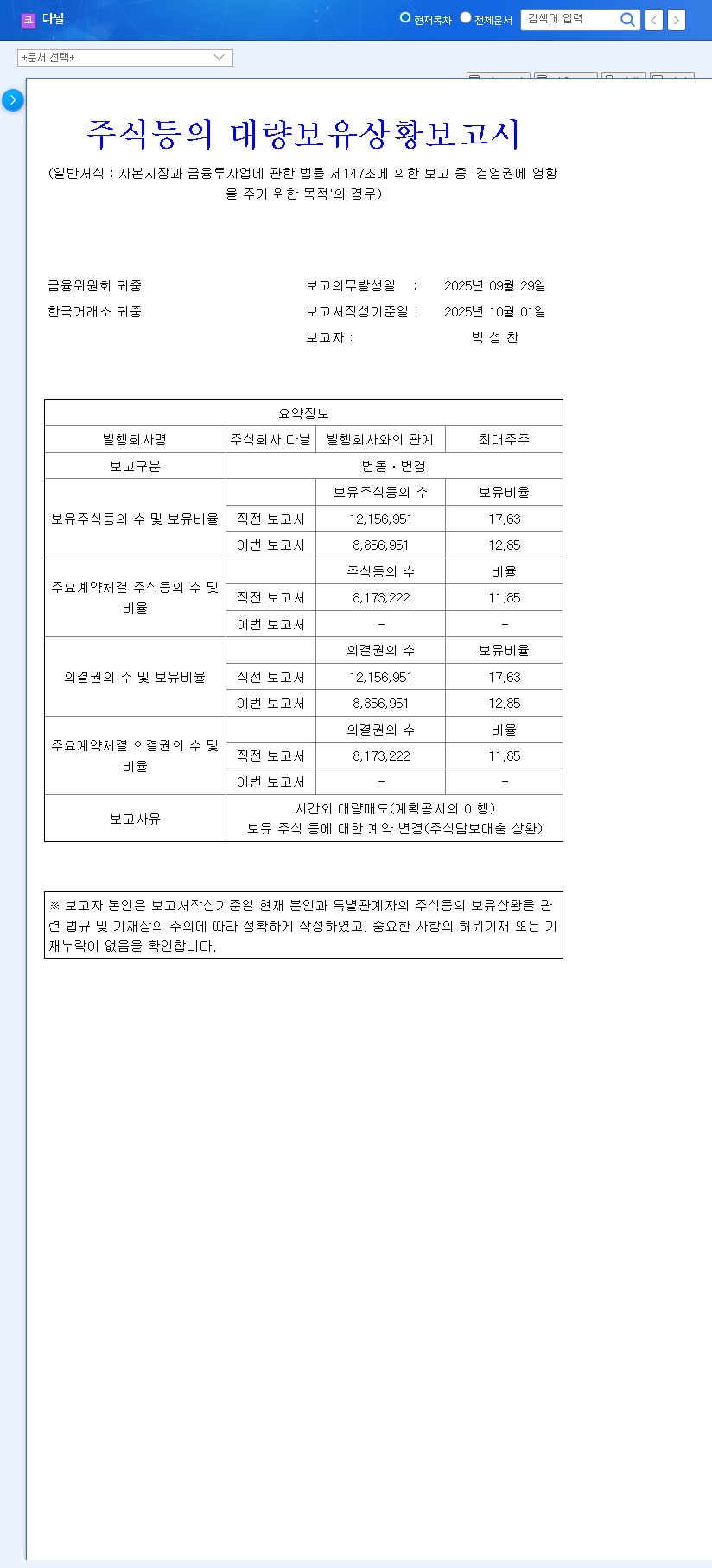
    On September 29, 2025, a major event reshaped the ownership structure of Danal. CEO Park Sung-Chan executed an after-hours block trade, selling 3.3 million shares. This single transaction represented a significant 4.78% of the company’s total shares.

    The immediate consequence was a reduction of the CEO’s stake from 17.63% down to 12.85%. Crucially, the stated purpose of his holdings was officially changed from ‘management control,’ a detail that has not gone unnoticed by the market. The official reasons provided for this substantial divestment were the “fulfillment of a planned disclosure” and the “repayment of stock-backed loans.” The transaction was formally recorded, and you can review the Official Disclosure (Source: DART) for complete details. However, seasoned investors know that such moves are rarely simple and often point to deeper underlying issues.

    Unpacking the ‘Why’: Danal’s Financial Headwinds

    While repaying loans can be a prudent financial step, the timing of this Danal CEO sell-off aligns with a period of deteriorating performance for the company, suggesting the need for liquidity may be more urgent than portrayed. A look at Danal’s recent financial reports paints a concerning picture.

    Deteriorating Core Fundamentals

    According to the H1 2025 report, Danal is facing significant challenges:

    • Performance Decline: The company reported noticeable decreases in consolidated revenue and operating profit, culminating in a net loss for the period.
    • External Pressures: This downturn is attributed to a combination of a global economic slowdown, fierce market competition, and rising investment costs for its new business ventures.

    Alarming Financial Health Indicators

    The balance sheet reveals further reasons for concern. Total liabilities have surged, pushing the company’s debt-to-equity ratio to an unnerving 176.3%. A high ratio like this indicates a heavy reliance on debt to finance assets, which is a significant risk, especially in a rising interest rate environment. The need to sell a personal stake to repay stock-backed loans could be interpreted as a signal that traditional financing options are less available or more costly, amplifying market worries about the company’s financial footing. You can learn more about analyzing a company’s debt-to-equity ratio in our guide.

    Market Impact: What This Means for the Danal Stock Price

    A major sell-off by a CEO is one of the most powerful negative signals in the stock market, as noted by financial experts at Reuters. The implications for the Danal stock (064260) are likely to be multifaceted and predominantly negative in the short to medium term.

    • Immediate Downward Pressure: The introduction of 3.3 million shares into the market creates a supply glut. This overhang is highly likely to suppress the stock price as the market absorbs the new supply.
    • Erosion of Investor Confidence: The market often interprets a CEO’s sale as a loss of faith in the company’s future prospects. This can trigger a decline in overall investor sentiment and potentially lead to further selling.
    • Increased Management Uncertainty: With a reduced stake and a change in holding purpose, questions about the CEO’s long-term commitment and the stability of the company’s management will arise. This uncertainty can deter new investment.

    Investor Strategy: Navigating the Danal Stock Outlook

    Given the combination of poor fundamentals and negative market signals, a prudent and cautious approach is essential. Here are some strategic considerations for investors examining the Danal stock outlook.

    Short-Term (1-3 Months)

    A defensive, wait-and-see stance is strongly advised. The stock will likely experience volatility and downward pressure. Aggressive buying at this stage is high-risk, as the full impact of the news has yet to be priced in. Monitor trading volumes to see when the selling pressure begins to subside.

    Mid-to-Long-Term (6-18 Months)

    The company’s long-term recovery depends on its ability to execute a turnaround. Investors should closely monitor key performance indicators for signs of genuine improvement before considering a position. Watch for:

    • New Business Traction: Tangible results and revenue growth from its investments in AI and virtual assets.
    • Core Business Stabilization: Improvement in the performance of its primary commerce segment.
    • Financial Deleveraging: A clear plan and progress in reducing the debt-to-equity ratio and strengthening the balance sheet.

    Investment Opinion: Based on current information, a “Sell” or “Review Hold” rating is appropriate for the Danal stock. The confluence of negative fundamentals and a significant insider sale presents a high-risk profile that warrants extreme caution. A conservative strategy is recommended until clear, positive catalysts for growth emerge.

    Disclaimer: This analysis is for informational purposes only and is based on publicly available data. Investment decisions carry risk, and the ultimate responsibility rests with the individual investor. Please conduct your own due diligence and consult a financial advisor.

    (064260) Danal Stock (064260) Analysis: CEO Sells 3.3M Shares – What Investors Must Know 관련 이미지
  • (016580) Whanin Pharmaceutical Stock Forecast (016580): In-Depth Analysis of NPS Stake Sale

    (016580) Whanin Pharmaceutical Stock Forecast (016580): In-Depth Analysis of NPS Stake Sale

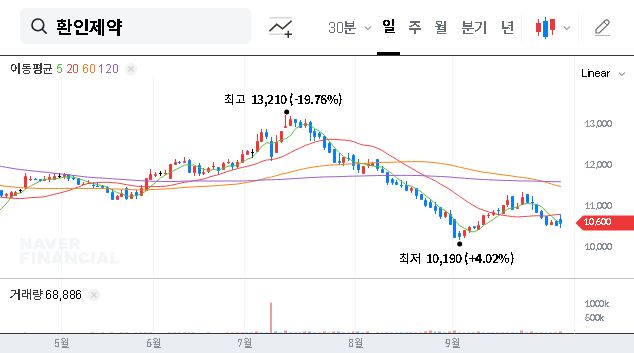
    The recent news that the National Pension Service (NPS) has sold a portion of its holdings has sent ripples through the investment community, raising questions about the future of Whanin Pharmaceutical stock. When a major institutional investor reduces its stake, it can trigger concerns about downward price pressure and a shift in market sentiment. Is this a simple portfolio rebalancing, or does it signal a deeper change in the company’s outlook? This in-depth analysis will explore the full context to help investors make informed decisions.

    We will delve into the specifics of the NPS sale, examine the robust fundamentals of Whanin Pharmaceutical, and consider the broader market factors to provide a clear, long-term perspective on the company’s intrinsic value.

    The Catalyst: Deconstructing the NPS Stake Sale

    A formal disclosure recently confirmed that the National Pension Service (NPS), a significant shareholder, has reduced its position in Whanin Pharmaceutical (016580). Understanding the details of this event is the first step in a proper analysis.

    Event Details and Official Source

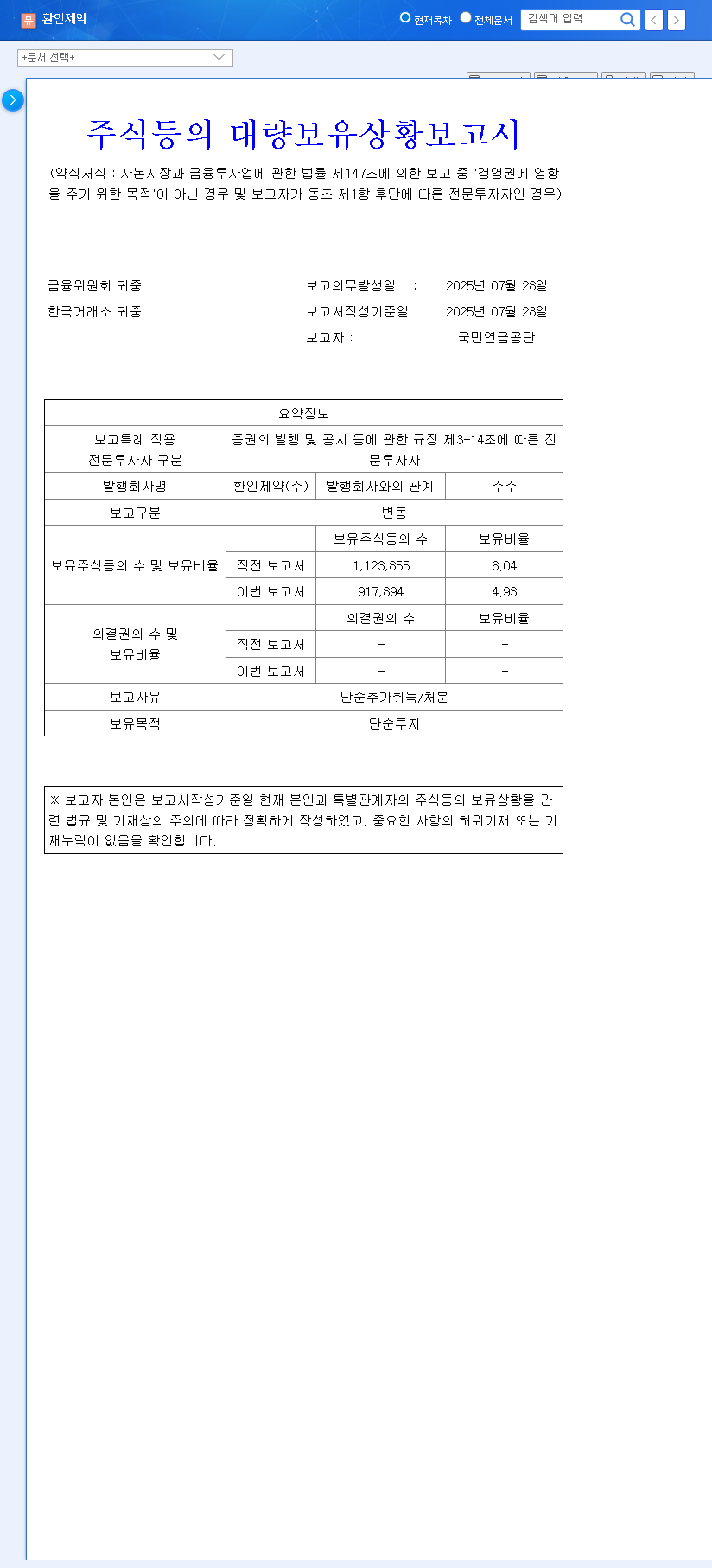
    • Event: NPS submitted a Simplified Report on Large Shareholdings.
    • Details: The NPS stake decreased from 6.04% to 4.93%, a reduction of 1.11 percentage points.
    • Stated Purpose: The official reason for the sale is listed as ‘Simple Investment’.
    • Official Disclosure: The complete details can be verified directly from the regulatory filing. (Source: DART)

    Typically, the sale of shares by an influential body like the NPS can create short-term selling pressure as the market absorbs the new supply. This can temporarily dampen the Whanin Pharmaceutical stock forecast, irrespective of the company’s underlying health.

    Evaluating Whanin Pharmaceutical’s Fundamentals

    To determine if the NPS sale is a red flag, we must look past the immediate market noise and analyze the company’s core business and financial stability. Whanin Pharmaceutical’s fundamentals remain a key pillar for its long-term valuation.

    Core Business Strength and Financial Health

    Whanin Pharmaceutical is a dominant player in the pharmaceutical industry, with a particularly high market share in the neuropsychiatric drug sector. This specialization provides a strong competitive moat. A review of its 2024 business report highlights several key points:

    • Financial Stability: The company boasts a consolidated debt-to-equity ratio of just 12.95%. This exceptionally low figure indicates a very stable and resilient financial structure, minimizing risks from interest rate fluctuations.
    • Sales Growth: Revenue increased by 12.7% year-over-year in 2024, demonstrating consistent demand for its products and strong market positioning.
    • Profitability Context: While operating and net income saw a decrease, this was attributed to increased costs and capital expenditures. This often suggests a company is in an investment phase, sacrificing short-term profits for long-term growth and innovation.

    The NPS sale appears to be a matter of portfolio management rather than a verdict on Whanin’s strong fundamentals. The market’s short-term reaction often overlooks underlying financial health and long-term growth drivers like R&D pipelines.

    Outlook: Short-Term Headwinds vs. Long-Term Potential

    The key question for investors is how to weigh the short-term supply pressure against the company’s long-term growth prospects. The evidence suggests that while the Whanin Pharmaceutical stock price may face temporary volatility, the core value proposition remains intact.

    Key Drivers for Future Growth

    The future trajectory of the 016580 stock analysis will depend less on institutional trading and more on these fundamental drivers:

    • Core Business Competitiveness: Continued dominance in the neuropsychiatric drug market provides a stable revenue base. For more on sector trends, you can read our deep dive into the 2024 pharmaceutical market.
    • New Ventures: Expansion into new areas, such as animal pharmaceuticals, offers promising avenues for diversification and revenue growth.
    • R&D Pipeline: The progress of new drug developments, like WID-RGC20, represents significant upside potential that could unlock substantial future value.

    Investor Strategy and Final Takeaway

    For savvy investors, separating signal from noise is crucial. The NPS stake reduction is primarily noise—a short-term event that does not alter the company’s fundamental story. Institutional selling can be driven by many factors, including risk management and sector allocation strategies, as noted by leading financial publications like Bloomberg.

    Actionable Advice for Investors

    Rather than reacting to short-term price movements, a rational approach is to focus on the company’s intrinsic value. Monitor the progress of its business expansion, profitability improvements, and R&D milestones. The recent dip could even present a buying opportunity for those with a long-term investment horizon who believe in the company’s core strengths. The current market reaction to the NPS stake sale is not a sufficient reason to alter a positive long-term investment thesis on Whanin Pharmaceutical stock.

    Disclaimer: This content is for informational purposes only and does not constitute financial advice. All investment decisions should be made based on your own research and judgment.

    (016580) Whanin Pharmaceutical Stock Forecast (016580): In-Depth Analysis of NPS Stake Sale 관련 이미지
  • (097950) CJ CheilJedang CJ Feed&Care Sale: A Full Analysis of the Strategic Divestiture

    (097950) CJ CheilJedang CJ Feed&Care Sale: A Full Analysis of the Strategic Divestiture

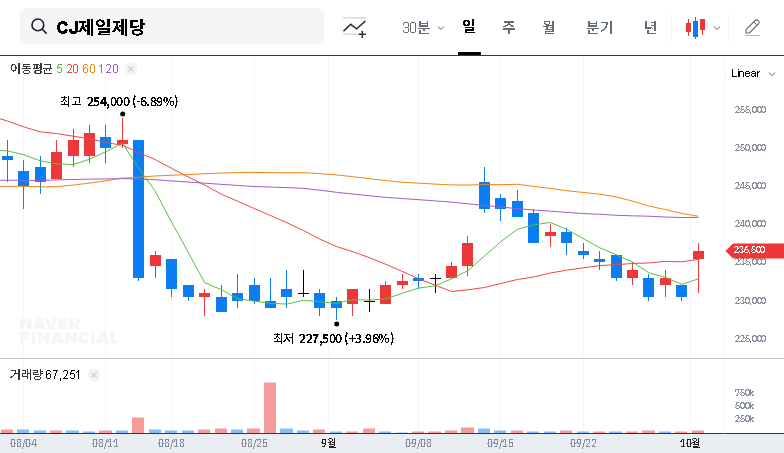
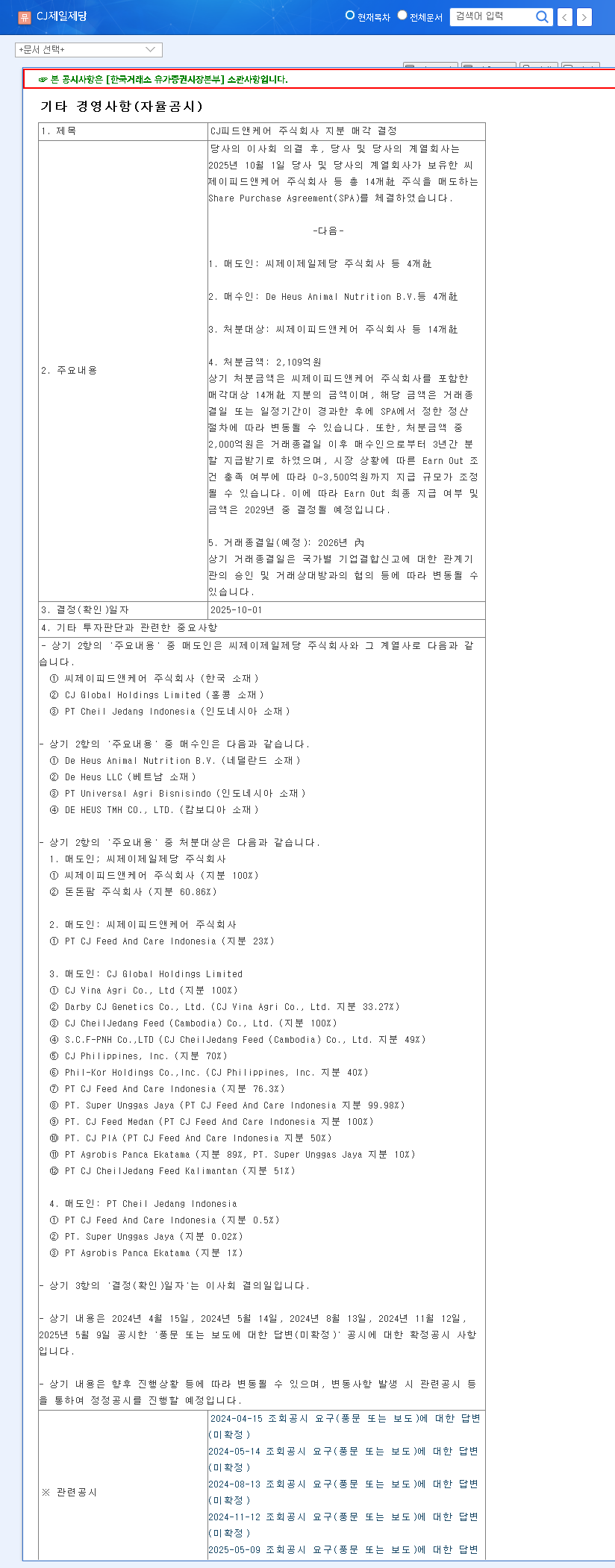
    The recent CJ CheilJedang CJ Feed&Care sale has sent ripples through the market, marking a pivotal moment in the company’s long-term strategy. This significant divestiture, involving CJ Feed&Care Co., Ltd. and 13 other subsidiaries to De Heus Animal Nutrition B.V., is far more than a simple asset sale. It represents a calculated move to sharpen focus, bolster financial health, and accelerate investment into high-growth sectors. This analysis will dissect the background of the deal, its strategic implications, and its potential impact on CJ CheilJedang’s future corporate value, providing clear insights for investors and industry observers.

    Transaction Overview: The Core Details

    On October 1, 2025, CJ CheilJedang’s board of directors approved the agreement to divest its entire stake in the Feed & Care (F&C) business. This decision was formally announced in a regulatory filing. You can view the Official Disclosure on DART for complete transparency. Here are the key transaction points:

    • Seller: CJ CheilJedang Corporation and 4 affiliated companies.
    • Buyer: De Heus Animal Nutrition B.V. and 4 other entities.
    • Disposal Target: A total of 14 companies, headlined by CJ Feed&Care Co., Ltd.
    • Disposal Amount: Provisional sum of KRW 210.9 billion, with a potential additional KRW 0-350 billion based on Earn-out conditions.
    • Payment Terms: KRW 200 billion paid in installments over 3 years post-closing, with the Earn-out determined by 2029.
    • Expected Closing: Within 2026, contingent upon regulatory approvals.

    The ‘Why Now?’: Strategic Rationale Behind the Divestiture

    The timing of the CJ CheilJedang CJ Feed&Care sale is not arbitrary. It reflects a proactive strategy to navigate market volatility and double down on core strengths. The rationale can be broken down into three key pillars.

    1. Laser Focus on High-Value Core Businesses

    The F&C business, while stable, has demonstrated lower profitability and growth potential compared to CJ CheilJedang’s thriving Food and BIO segments. By divesting, the company can redirect capital, talent, and executive attention toward these high-margin, high-growth areas. This move is a classic example of portfolio optimization designed to enhance overall corporate competitiveness and align with long-term growth trends in wellness and biotechnology.

    This strategic pivot allows CJ CheilJedang to exit a highly competitive, lower-margin industry to fully capitalize on its innovative strengths in the global Food and BIO markets.

    2. Fortifying the Financial Foundation

    The infusion of over KRW 210 billion (and potentially more) will significantly de-leverage the balance sheet and enhance financial soundness. The structured payment terms ensure a stable, long-term cash inflow, which can be strategically deployed for debt reduction. This improves key financial metrics and provides a robust buffer against economic headwinds, a prudent move in today’s uncertain global economy. For more on market trends, see this analysis on global M&A activity from Bloomberg.

    3. Fueling Future Growth Engines

    The proceeds are earmarked for reinvestment. This capital will likely fuel aggressive R&D in areas like alternative proteins, microbiome technology, and advanced bio-fermentation. By funding innovation, CJ CheilJedang is not just optimizing its current portfolio but actively building its next generation of revenue streams. To learn more, read our deep dive into CJ CheilJedang’s BIO Business Strategy.

    Impact on Fundamentals & Investor Outlook

    This divestiture is poised to have a multi-faceted, largely positive impact on CJ CheilJedang’s fundamentals. While a short-term dip in consolidated revenue is expected due to the exclusion of the F&C segment, the long-term outlook is promising.

    Key Investment Positives

    • Improved Profitability: Exiting the lower-margin F&C business is expected to lift the company’s overall operating profit margin, net profit margin, and Return on Equity (ROE).
    • Enhanced Financial Health: Significant cash inflow will reduce debt and strengthen the balance sheet, increasing corporate resilience.
    • Accelerated Growth: Concentrated investment in high-potential Food and BIO sectors can unlock new growth S-curves and enhance long-term shareholder value.

    Potential Risks to Monitor

    • Earn-out Uncertainty: The final sale price is variable, introducing uncertainty into cash flow projections until 2029.
    • Execution Risk: The successful reinvestment of capital into new ventures requires flawless execution and market acceptance.
    • Transaction Delays: The closing is subject to antitrust and other regulatory approvals, which could introduce unforeseen delays.

    In conclusion, the CJ CheilJedang CJ Feed&Care sale is a decisive strategic action that positions the company for a more profitable and innovative future. While investors should monitor the associated risks, the move is a clear positive signal of management’s commitment to optimizing its portfolio and creating sustainable, long-term value.

    (097950) CJ CheilJedang CJ Feed&Care Sale: A Full Analysis of the Strategic Divestiture 관련 이미지
  • (011210) Hyundai Wia Stock Analysis: Navigating the NPS Stake Sale & Future Growth

    (011210) Hyundai Wia Stock Analysis: Navigating the NPS Stake Sale & Future Growth

    The recent news of the National Pension Service (NPS) reducing its holdings in Hyundai Wia stock has sent ripples through the investment community, raising questions about the company’s immediate future. When a major institutional investor makes such a move, it’s natural to feel uncertain. This comprehensive analysis will look beyond the headlines to provide a clear, data-driven perspective on what this means for Hyundai Wia’s fundamentals, its long-term investment value, and how you should strategically approach your position.

    We’ll dissect the reasons behind the sale, evaluate the underlying strength of the company, and provide a roadmap for making informed decisions rather than reacting to short-term market noise surrounding your Hyundai Wia investment.

    The Official Disclosure: What Exactly Happened?

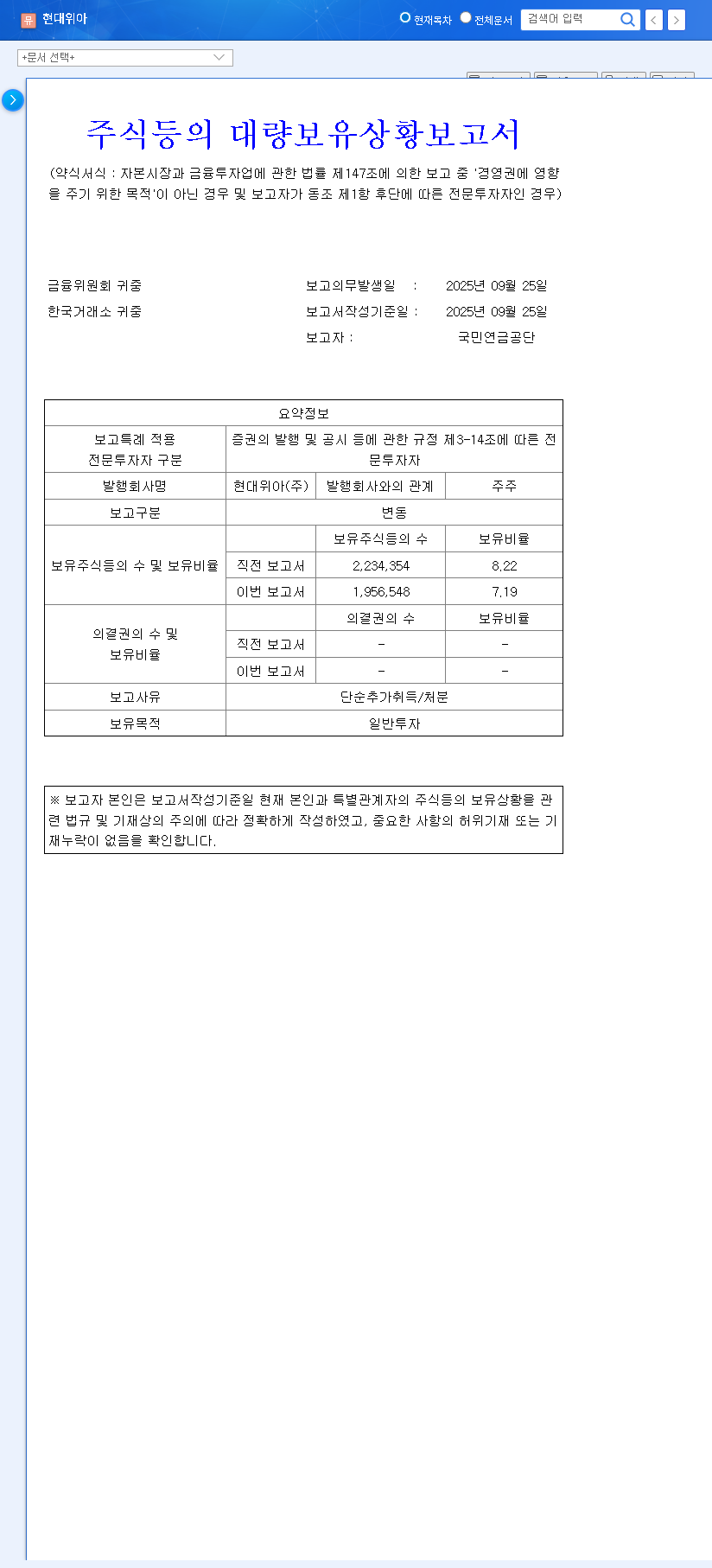
    On October 1, 2025, the National Pension Service formally disclosed a reduction in its Hyundai Wia stake. The filing confirmed a decrease of 1.03 percentage points, bringing their ownership down from 8.22% to 7.19%. The move was officially confirmed in a public disclosure (Official Disclosure) with the stated reason of ‘simple additional acquisition/disposal’.

    • Reporting Entity: National Pension Service (NPS)
    • Date of Disclosure: October 1, 2025
    • Change in Holdings: 8.22% → 7.19% (a 1.03% decrease)
    • Purpose of Holding: General Investment

    Decoding the Motives: Why Did the NPS Reduce Its Stake?

    While the term ‘simple disposal’ can seem vague, it’s crucial to understand that for an entity the size of the NPS, investment decisions are rarely based on a single company’s performance. More often, they are part of a much larger, strategic portfolio management process. This could include rebalancing sector allocations, taking profits after a period of good performance, or managing overall risk exposure across trillions of won in assets. It is more likely a top-down portfolio adjustment rather than a bottom-up indictment of Hyundai Wia’s fundamentals.

    The NPS stake sale should be viewed primarily as a strategic portfolio rebalancing act, not a red flag on Hyundai Wia’s intrinsic corporate value or future prospects.

    Assessing the True Impact on Hyundai Wia’s Investment Value

    Short-Term Headwinds: Supply Pressure and Investor Sentiment

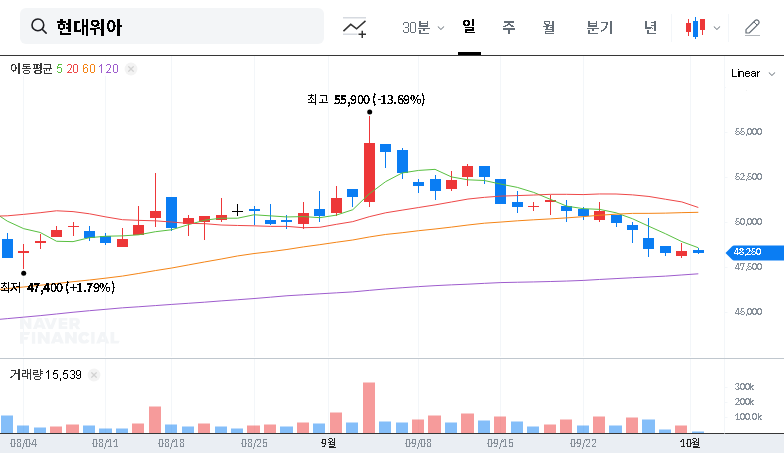
    In the immediate term, the sale of a significant block of shares can create a supply-demand imbalance, putting downward pressure on the Hyundai Wia stock price. This can also trigger a temporary contraction in investor sentiment, as other market participants may worry about further sales. This period of volatility is a risk that short-term-focused investors must consider carefully.

    Long-Term Outlook: Strong Fundamentals Remain Intact

    Looking beyond the immediate market reaction, the long-term investment thesis for Hyundai Wia remains robust. The company’s core business is aligned with powerful secular trends in the automotive and defense industries. The underlying corporate value is driven by tangible progress in high-growth areas. For more details on market trends, investors often consult authoritative sources like Bloomberg’s market analysis section.

    • Electrification & Future Mobility: Hyundai Wia is not just a legacy auto parts supplier; it’s a key player in the transition to electric vehicles (EVs). Its development of integrated drive modules and thermal management systems for EVs positions it as a critical supplier for the future of mobility. To learn more, see our guide on investing in the EV components market.
    • Expanding Defense Sector: The company’s defense business is an increasingly important growth engine. With growing global demand for advanced artillery and naval systems, Hyundai Wia’s expertise provides a stable, high-margin revenue stream that diversifies its income away from the cyclical auto industry.
    • Strategic Business Realignment: The recent sale of its machine tool business demonstrates a sharp focus on core competencies. This move streamlines operations, improves capital efficiency, and allows management to concentrate resources on the high-growth electrification and defense sectors.

    Investment Strategy: How to Approach Hyundai Wia Stock Now

    The key takeaway is to separate the short-term market noise from the long-term business reality. The NPS stake sale is a significant event, but it does not alter the fundamental growth trajectory of Hyundai Wia.

    For long-term investors, any price weakness resulting from this institutional sell-off could present an attractive entry point. The core drivers—EV transition, defense sector growth, and enhanced corporate focus—remain firmly in place. The investment thesis is not built on the whims of a single fund but on the company’s ability to execute its strategic vision.

    For short-term traders, caution is advised. The overhang from the sale could lead to continued volatility. It is essential to monitor trading volumes and price action closely before making any moves. The wisest approach is to focus on the company’s upcoming earnings reports and business performance updates to validate the long-term growth story before committing capital.

    (011210) Hyundai Wia Stock Analysis: Navigating the NPS Stake Sale & Future Growth 관련 이미지
  • (003530) Hanwha’s Dunamu Stake Sale: A 2025 In-Depth Analysis for Investors

    (003530) Hanwha's Dunamu Stake Sale: A 2025 In-Depth Analysis for Investors 대표 차트 이미지

    The financial markets are buzzing with recent reports that Hanwha Investment & Securities is reviewing the sale of its highly valuable Hanwha Investment & Securities Dunamu stake. This development is far more than a simple corporate transaction; it represents a pivotal moment that could reshape the company’s financial future and significantly influence its stock value. For investors, this news presents a complex scenario filled with both promising opportunities and considerable uncertainty. Will this move unlock new avenues for growth, or will it introduce unforeseen risks?

    This comprehensive analysis delves into the core of this issue, examining the company’s fundamentals, the potential market reactions, and the macroeconomic factors at play. We will provide a clear, data-driven investment strategy to help you navigate the weeks ahead as more information comes to light.

    The Core Issue: A Potential Dunamu Stake Sale

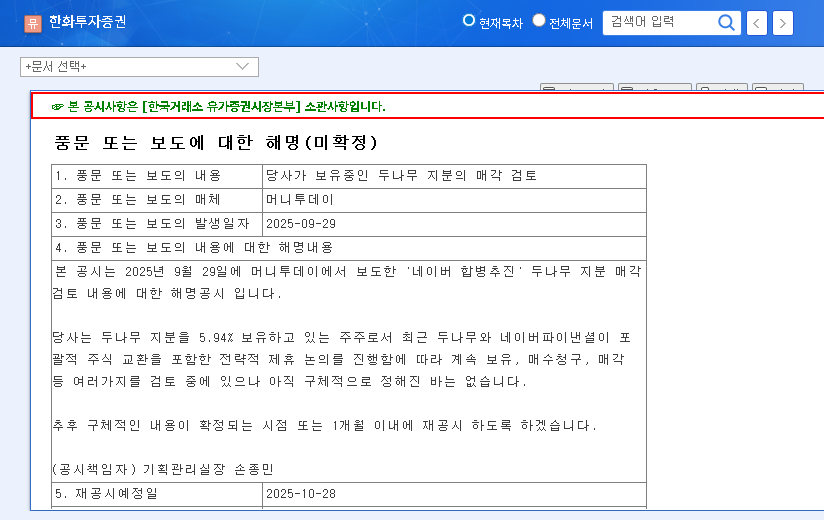
    On September 29, 2025, the market was stirred by reports that Hanwha Investment & Securities was actively considering the divestment of its holdings in Dunamu, the operator of South Korea’s largest cryptocurrency exchange, Upbit. In response, the company released an Official Disclosure (Source: DART) clarifying its position. The disclosure stated that due to strategic alliance discussions between Dunamu and Naver Financial, Hanwha is reviewing a spectrum of options—including retaining the stake, exercising put options, or proceeding with a full sale. Critically, no final decision has been made.

    All eyes are now on the scheduled re-disclosure on October 28, 2025. This announcement is expected to provide much-needed clarity on the company’s intentions and will be a key catalyst for market movement.

    The potential sale of the Dunamu stake is a double-edged sword. A high valuation could lead to a significant cash infusion and strategic realignment, while a failure to sell or a low price could signal underlying market weakness and disappoint investors.

    Hanwha’s Financial Health: A Look at the Fundamentals (H1 2025)

    To understand the implications of this potential sale, we must first assess Hanwha Investment & Securities’ current corporate value. Based on its H1 2025 report, the company exhibits a solid yet complex financial profile:

    • Robust Performance Growth: The company reported a significant year-on-year increase in both consolidated operating profit and net profit. This was driven by strong performance in derivatives trading, stable revenues from its Wealth Management (WM) and Investment Banking (IB) divisions, and a successful turnaround of its Vietnamese subsidiary, Pinetree Securities.
    • Strategic Expansion: Hanwha is actively building future growth engines by expanding its footprint in Southeast Asian markets and investing in its digital capabilities through strategic FinTech partnerships. For more on this, investors can review our guide on emerging market investment.
    • Excellent Financial Stability: The firm boasts a Net Capital Ratio (NCR) of 743%, a figure that indicates very sound financial health and a strong buffer against market shocks.
    • Revenue Structure Volatility: A notable concern is the high proportion of profits derived from derivatives and FVTPL financial instruments. This reliance makes earnings susceptible to market volatility, a risk factor that investors must carefully consider.

    Market Impact Analysis: From Stocks to Macroeconomics

    The news surrounding the Dunamu stake sale will undoubtedly influence market indicators. Here’s a breakdown of what to watch.

    Direct Impact on Hanwha Investment & Securities Stock

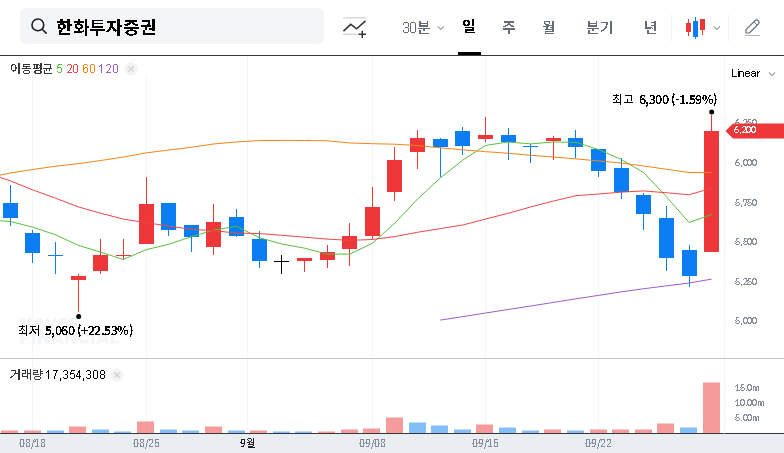
    The primary effect will be on Hanwha’s stock price, which faces both upside and downside pressures. A successful sale at a premium valuation would likely boost investor confidence and drive the stock higher. Conversely, a failed deal or a sale at a discount could lead to significant negative sentiment and a price drop.

    Broader Macroeconomic Considerations

    Several macroeconomic factors could influence both the sale’s outcome and the company’s performance. As noted by leading financial experts at Bloomberg, global interest rates are a key factor. Rising rates, particularly in the U.S., can negatively affect a securities firm’s bond portfolio valuation and increase funding costs. Additionally, currency fluctuations (EUR/KRW, USD/KRW) are critical, as foreign exchange gains contributed significantly to Hanwha’s H1 2025 profits. Monitoring these trends is essential for a complete picture.

    Investment Opinion: Why a ‘Neutral (Hold)’ Stance is Prudent

    Given the current landscape, our investment opinion for Hanwha Investment & Securities is ‘Neutral (Hold)’. This recommendation is based on the significant uncertainty and the balanced nature of potential outcomes.

    • High Uncertainty: The deal is not confirmed. Key details regarding the valuation, potential buyers, and even the decision to sell are unknown. Investing heavily in either direction before the October 28th disclosure would be speculative.
    • Balanced Risk/Reward: The potential upside from a successful, high-value sale is counterbalanced by the significant downside risk if the deal falls through or disappoints the market. This equilibrium supports a wait-and-see approach.
    • Solid but Volatile Fundamentals: While the company’s core business is performing well, its reliance on volatile income streams means the Hanwha Investment & Securities Dunamu stake sale is unlikely to fundamentally alter its risk profile overnight.

    Your Action Plan: A Prudent Investment Strategy

    For now, patience is key. Investors should focus on gathering information and preparing for the next market catalyst. Here are four crucial steps to take:

    • Await the October 28 Disclosure: This is non-negotiable. The details revealed in the re-disclosure will provide the first concrete basis for a revised investment thesis.
    • Assess Dunamu’s Fair Valuation: Independently analyze Dunamu’s growth prospects, competitive position in the crypto market, and the synergistic value of its partnership with Naver Financial to form an opinion on its fair market value.
    • Monitor the Macro Environment: Keep a close watch on interest rate policies from central banks, currency exchange rates, and global trade indicators that could impact market sentiment.
    • Analyze Hanwha’s Core Business: Look beyond the Dunamu headline. Continue to track the performance of Hanwha’s WM, IB, and Trading divisions to ensure the underlying business remains strong.

    In conclusion, while the potential sale of the Hanwha Investment & Securities Dunamu stake is an exciting development, it is shrouded in uncertainty. A prudent, information-driven, and patient approach is the most logical investment strategy until the picture becomes clearer.

    (003530) Hanwha's Dunamu Stake Sale: A 2025 In-Depth Analysis for Investors 관련 이미지
    (003530) Hanwha's Dunamu Stake Sale: A 2025 In-Depth Analysis for Investors 관련 이미지
  • (037270) YG PLUS Stock: Deep Dive Analysis of Weverse (HYBE) Stake Sale & 2025 Investor Outlook

    (037270) YG PLUS Stock: Deep Dive Analysis of Weverse (HYBE) Stake Sale & 2025 Investor Outlook 대표 차트 이미지

    The outlook for YG PLUS stock (037270) has become a major topic of discussion following a significant move by one of its key shareholders. On September 29, 2025, Weverse Company, a subsidiary of global entertainment powerhouse HYBE, announced the disposal of a substantial portion of its shares. This action has sent ripples through the investment community, raising critical questions about HYBE’s strategy, the short-term pressure on YG PLUS’s valuation, and the company’s long-term fundamental health. This comprehensive YG PLUS stock analysis will dissect the event, explore the underlying motivations, and provide a clear, actionable outlook for current and potential investors.

    The Event: Weverse Company Reduces Its Stake

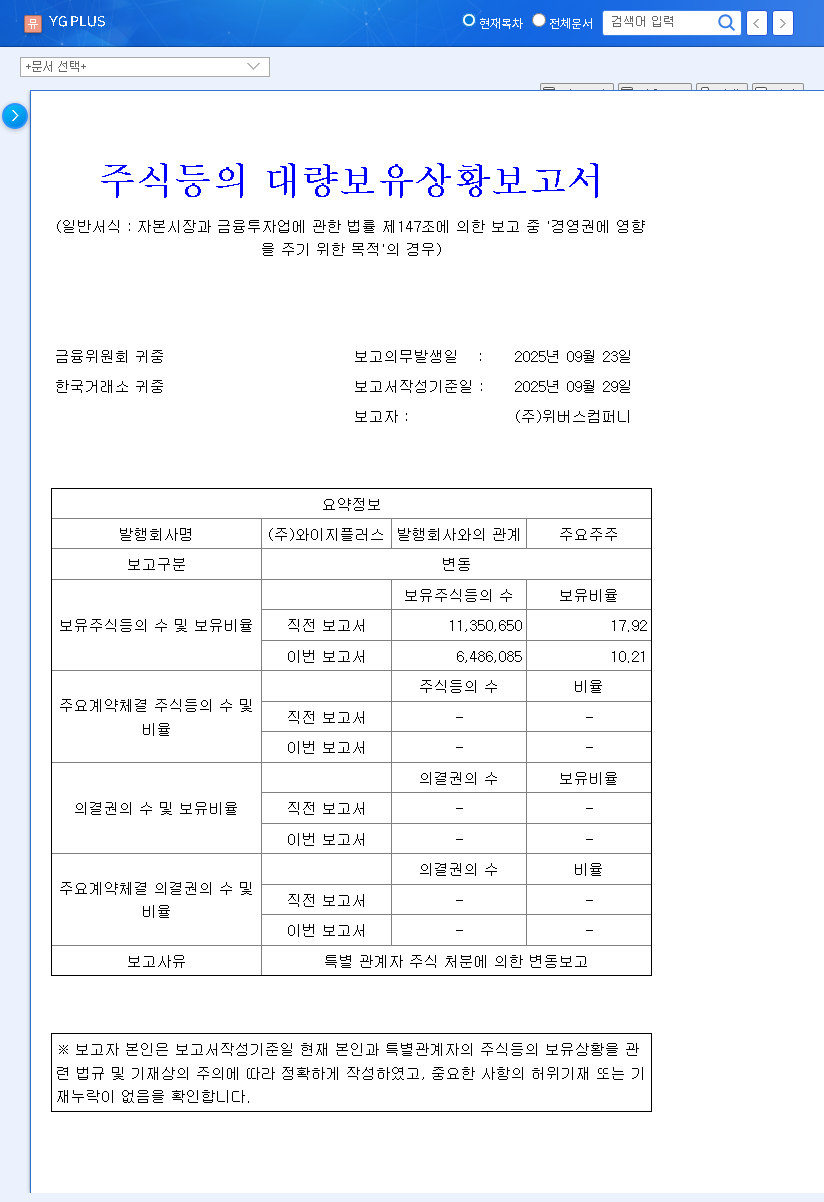
    The core of the news is a strategic divestment. Weverse Company Inc. executed an after-hours block trade, significantly reducing its ownership in YG PLUS. The transaction details were officially confirmed in a regulatory filing and can be summarized as follows:

    • Seller: Weverse Company Inc. (a special related party of HYBE)
    • Method: After-hours block trade
    • Stake Change: A decrease from 17.92% to 10.21%, marking a 7.71 percentage point reduction.

    This move effectively alters the shareholder landscape and signals a potential shift in the strategic alliance between HYBE and YG PLUS. The full details are available to the public. (Source: Official DART Disclosure)

    Decoding HYBE’s Strategy: Why Sell Now?

    While no single reason was officially stated, market analysts speculate on several strategic motivations behind HYBE’s decision to liquidate part of its YG PLUS stock holding. Understanding these potential drivers is key to forecasting future movements.

    Strategic Portfolio Rebalancing

    Large corporations like HYBE periodically review and rebalance their investment portfolios. This sale could represent a strategic pivot, allowing HYBE to reallocate capital towards core business areas or new ventures that promise higher synergy or growth, a move often discussed by leading financial outlets like Reuters.

    Capital Acquisition for Future Growth

    The proceeds from the sale provide HYBE with significant liquidity. This capital could be earmarked for major upcoming projects, artist development, technology investments (like further enhancing the Weverse platform itself), or strategic mergers and acquisitions. This aligns with HYBE’s aggressive growth trajectory, which we cover in our analysis of HYBE’s global strategy.

    Impact Analysis on YG PLUS Stock

    The impact of this sale can be viewed through two distinct lenses: the immediate market reaction and the underlying long-term fundamentals of the business.

    Short-Term: Market Pressure and Investor Uncertainty

    A block sale of this magnitude inevitably introduces selling pressure. The increased supply of shares can lead to a short-term price decline. Furthermore, it creates uncertainty. Investors may worry about the reasons behind the sale or the possibility of further divestment, leading to a temporary contraction in sentiment and increased stock volatility.

    While the short-term noise can be distracting, the long-term value of YG PLUS stock will ultimately be determined by its own operational performance and fundamental financial health, not just the actions of a single shareholder.

    Long-Term: A Focus on Core Fundamentals

    Looking beyond the immediate reaction, the sale has limited direct impact on YG PLUS’s day-to-day operations or its core business. Based on its H1 2025 financial reports, the company has several key factors working in its favor:

    • Profitability Turnaround: YG PLUS successfully turned an annual operating loss in 2024 into a KRW 12.9 billion operating profit in the first half of 2025, driven by cost efficiencies and strong performance in its financial investment arm.
    • Strong Financial Structure: The company boasts a low debt-to-equity ratio of just 35.55% and growing total equity, indicating a stable and healthy balance sheet.
    • Growth Potential: The global explosion of K-POP continues to fuel long-term growth potential for its core music distribution and artist merchandise (MD) businesses.

    However, investors must also consider the challenges, such as a recent decline in revenue from these core segments and intensifying competition within the broader entertainment market.

    Actionable Strategy for Investors

    Given the mixed signals, a prudent approach is recommended. The optimal strategy depends on your investment horizon.

    For short-term traders, caution is advised. The stock may experience continued volatility as the market absorbs the news of the stake sale. For long-term investors, this could present a buying opportunity if the price dips significantly. The focus should be on the company’s ability to execute its strategy and grow its core business. Key areas to monitor include:

    • Revenue Growth: Can the company reverse the recent decline in its music and MD businesses?
    • New Growth Engines: What steps are being taken to diversify revenue and secure new avenues for growth?
    • Profitability Momentum: Can the company sustain the positive operating profit trend seen in H1 2025?

    Frequently Asked Questions

    Q1: What are the key details of the Weverse Company stake sale in YG PLUS?

    A1: On September 29, 2025, HYBE’s subsidiary Weverse Company sold a portion of its YG PLUS shares via a block trade, reducing its stake from 17.92% to 10.21%.

    Q2: What is the immediate impact on YG PLUS stock?

    A2: The sale is likely to create short-term selling pressure and increase market volatility, potentially leading to a temporary stock price decline due to supply concerns and investor uncertainty.

    Q3: Does this sale negatively affect YG PLUS’s business?

    A3: The sale itself does not directly impact the company’s operations. The long-term outlook depends on YG PLUS’s own fundamentals, such as its recent return to profitability and its ability to grow revenue in the expanding K-POP market.

    Q4: What is the most likely reason HYBE sold the shares?

    A4: It’s likely a strategic move by HYBE for portfolio rebalancing, securing liquid capital for new investments, or a re-evaluation of its synergistic relationship with YG PLUS.

    (037270) YG PLUS Stock: Deep Dive Analysis of Weverse (HYBE) Stake Sale & 2025 Investor Outlook 관련 이미지
    (037270) YG PLUS Stock: Deep Dive Analysis of Weverse (HYBE) Stake Sale & 2025 Investor Outlook 관련 이미지
  • CR Holdings (000480) Stock Forecast: Major Shareholder Sells Stake – What’s Your Investment Strategy?

    CR Holdings (000480) Stock Forecast: Major Shareholder Sells Stake - What's Your Investment Strategy? 대표 차트 이미지

    1. What Happened? Analysis of the Stake Sale Event

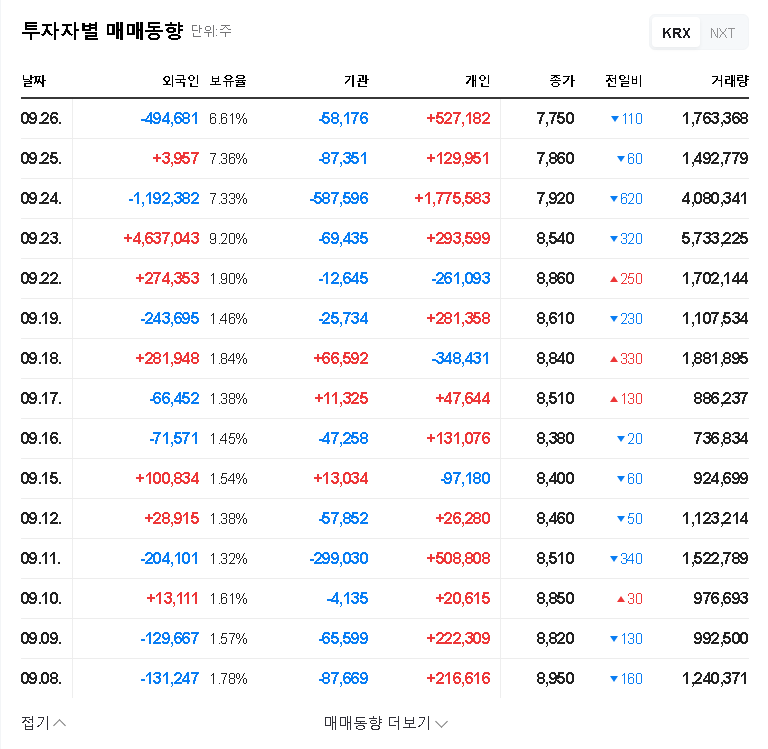
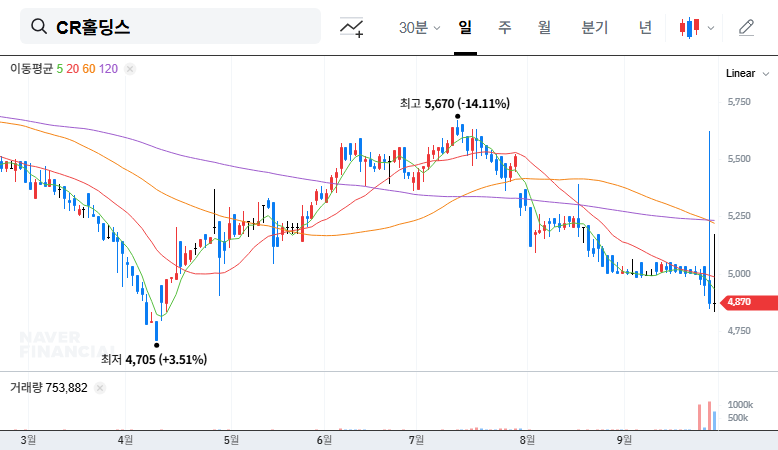
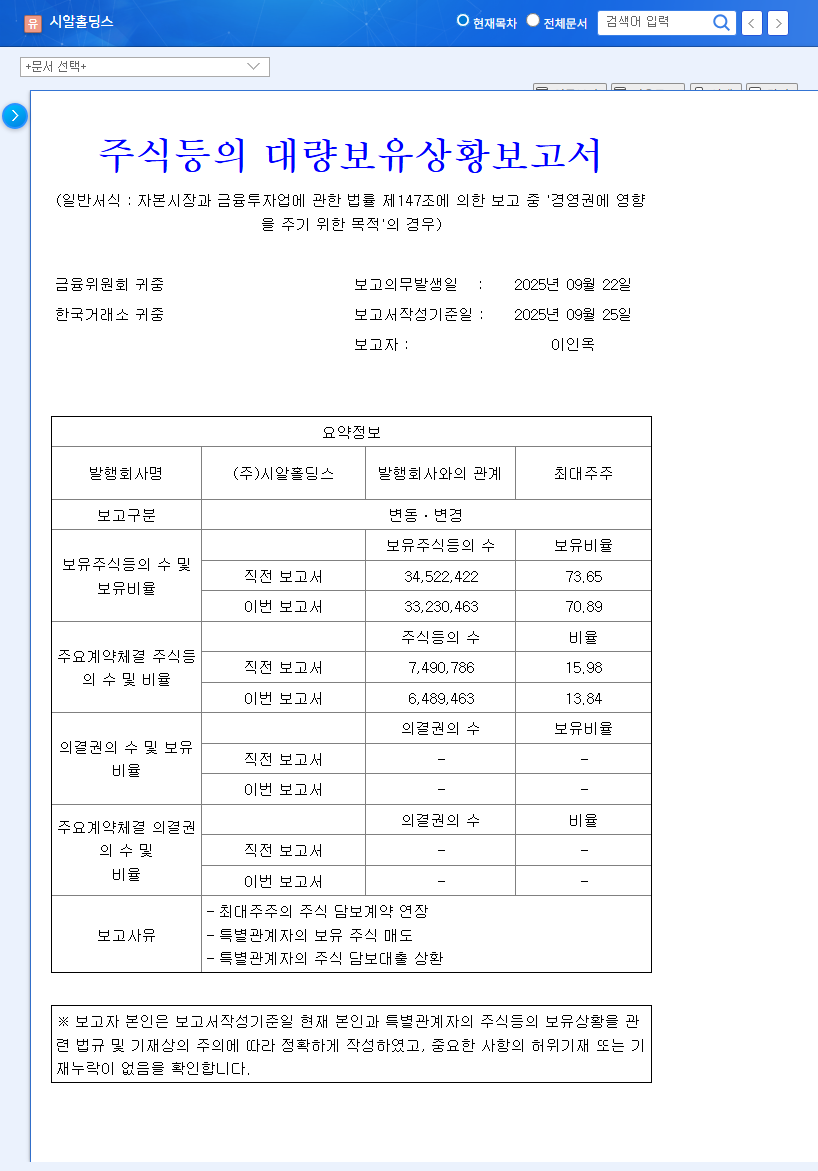
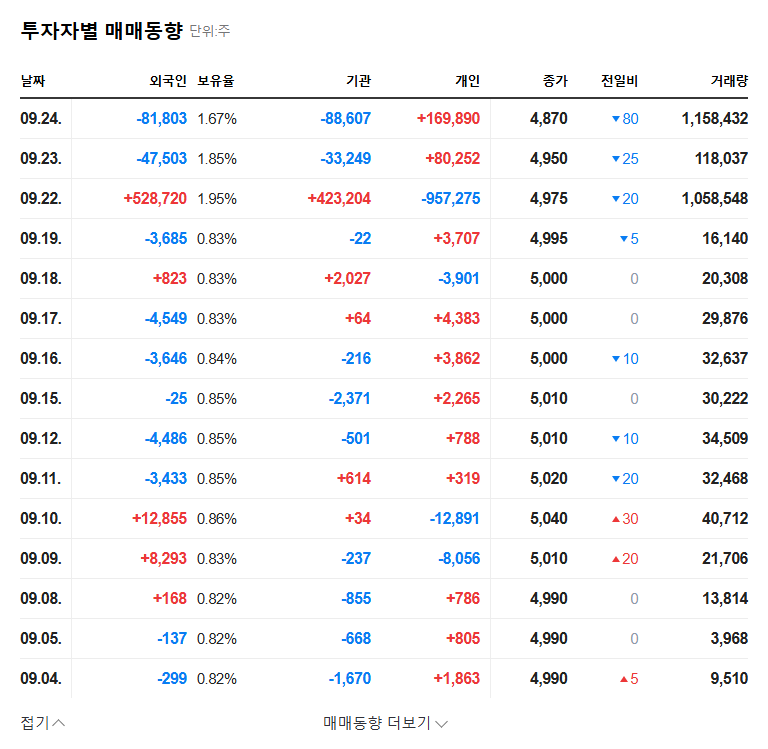
    The largest shareholder of CR Holdings, Lee In-ok, and other related parties sold 2.76% of their stake. The main reasons were revealed to be the extension of a share pledge agreement and repayment of loans by related parties. This raises concerns about short-term downward pressure on the stock price and supply-demand imbalance.

    2. Why Does it Matter? CR Holdings Fundamental Analysis (2025 Half-Year)

    CR Holdings is a holding company with a diversified business portfolio. In the first half of 2025, while sales slightly increased, operating profit and net income decreased. Rising raw material prices, exchange rate fluctuations, and losses from equity method investments are analyzed as the main causes.

    • Refractory Manufacturing: Maintaining industry leadership, but dependence on overseas raw materials and China’s environmental regulations are risk factors.
    • Machinery Parts Manufacturing: Increased sales of Hyundai/Kia Motors are positive, but declining performance of specific subsidiaries.
    • Golf Course, Real Estate: Sluggish performance.

    The worsening macroeconomic environment, such as rising interest rates and increasing exchange rate volatility, is also a burden on CR Holdings.

    3. What Should You Do? Investment Strategy Suggestions

    Short-term Investment Strategy: Sell or wait and see. Due to the high possibility of a stock price decline caused by the stake sale event, it is recommended to wait and see in the short term.

    Mid- to Long-term Investment Strategy: Consider purchasing in installments when the stock price falls. Considering the improvement in CR Holdings’ fundamentals and the development of new businesses, you can consider a strategy of purchasing in installments when the stock price falls. However, risk factors such as earnings volatility and changes in the macroeconomic environment should be continuously monitored.

    4. Investor Action Plan: Key Checkpoints

    • Further stake sales by related parties
    • 2025 annual earnings (especially improvement in net income)
    • Interest rate and exchange rate trends
    • Performance changes by business segment
    • Development of new growth engines

    FAQ

    Why is CR Holdings’ major shareholder’s stake sale a problem?

    The sale of a major shareholder’s stake raises concerns about management stability and can lead to short-term downward pressure on the stock price. Large-scale selling, in particular, can have a negative impact on market supply and demand.

    What is CR Holdings’ core business?

    CR Holdings operates a diversified business portfolio centered around refractory manufacturing, including machinery parts, golf courses, and real estate.

    What should I be aware of when investing in CR Holdings?

    In the short term, you should carefully monitor the impact of the stake sale event. In the mid to long term, monitor the improvement in fundamentals and changes in the macroeconomic environment.

    CR Holdings (000480) Stock Forecast: Major Shareholder Sells Stake - What's Your Investment Strategy? 관련 이미지
    CR Holdings (000480) Stock Forecast: Major Shareholder Sells Stake - What's Your Investment Strategy? 관련 이미지
  • Metacare Stock Forecast: Chungdam Mayhills Divests 3.58% Stake, What Should Investors Do?


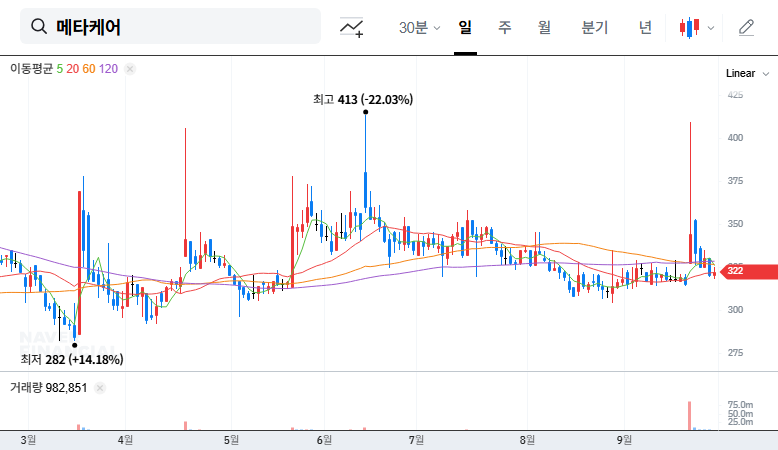
    Metacare Stock Forecast: Chungdam Mayhills Divests 3.58% Stake, What Should Investors Do? 대표 차트 이미지


    What Happened?

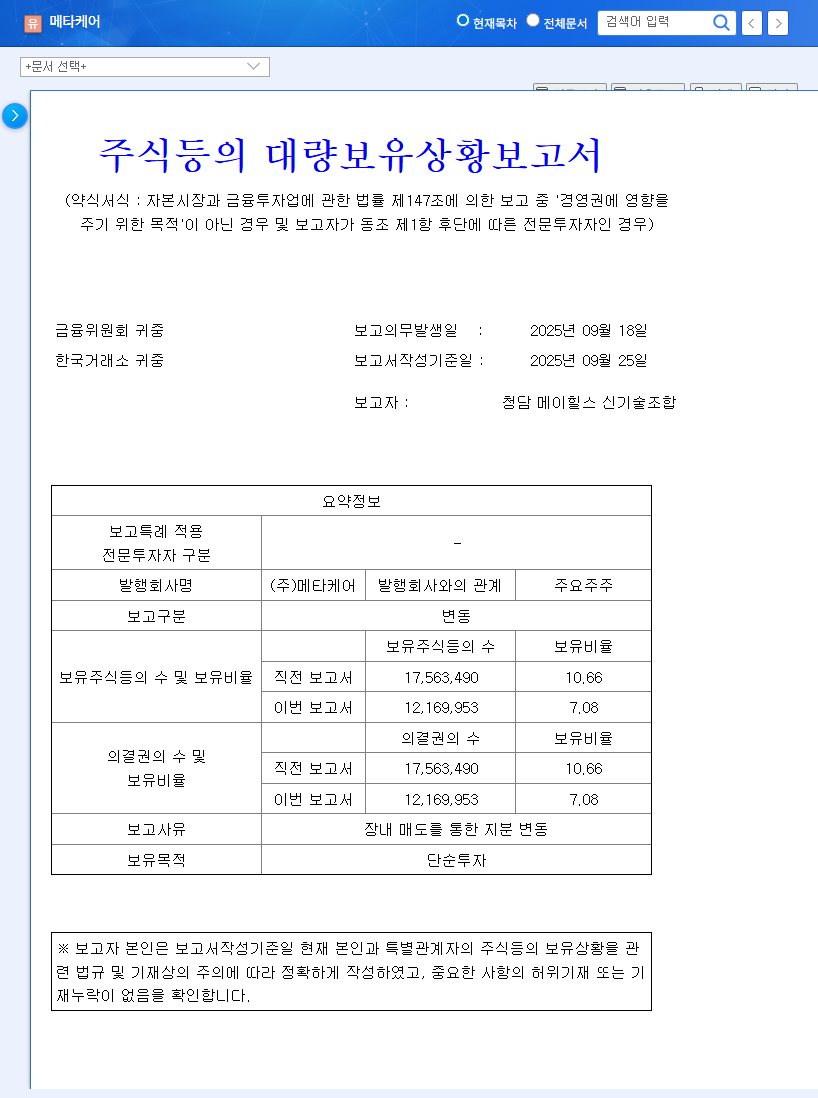
    Chungdam Mayhills New Technology Association reduced its stake in Metacare from 10.66% to 7.08%, a decrease of 3.58%p, through on-market sales on September 18, 2025. They sold 4,255,000 shares at an average price of KRW 392 per share.

    Why Did They Sell?

    The official reason for the sale was stated as achieving the objective of ‘simple investment.’ However, market concerns are rising regarding Metacare’s financial risks, including its high debt ratio and accumulated deficit. While Metacare is striving to secure growth momentum through business diversification, uncertainties surrounding new businesses also exist.

    So, What Will Happen to Metacare’s Stock Price?

    • Short-term Impact: The large sale is likely to put downward pressure on the stock price. Supply and demand imbalances may occur, and investor sentiment could be negatively affected.
    • Long-term Impact: The stock’s direction will depend on Metacare’s core business growth, the performance of new businesses, and the overall market environment.
    • Opportunity: If Metacare’s fundamentals are solid and growth potential is high, this stake sale could present a buying opportunity.

    What Should Investors Do?

    Hasty investment decisions should be avoided. Carefully consider the following:

    • The possibility of further sales by the selling entity
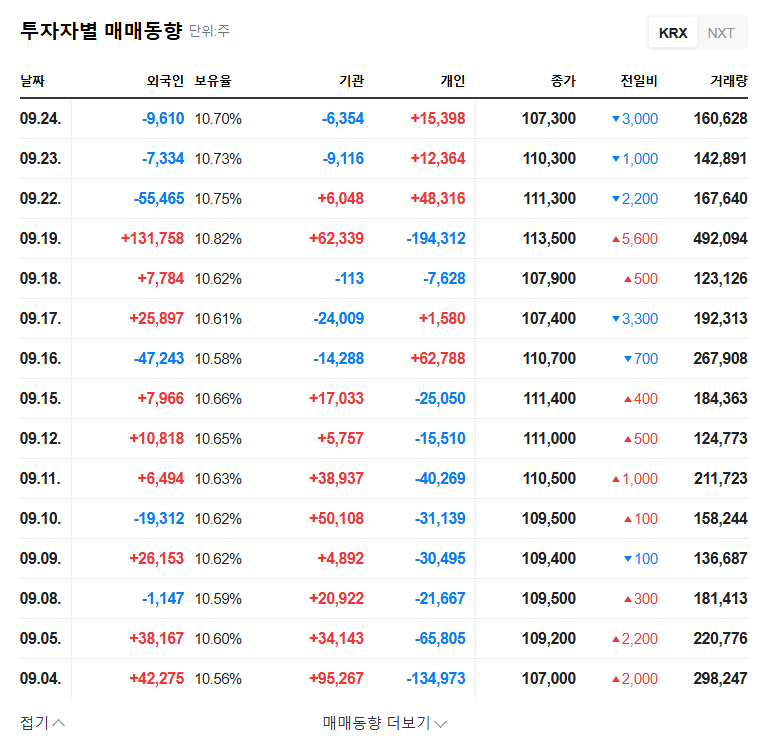
    • Stake changes by institutional investors and foreigners
    • Metacare management’s response
    • Whether the performance of new businesses becomes visible
    • The overall market environment (interest rates, exchange rates, competitive landscape)

    Making investment decisions through thorough analysis is crucial. This report is for informational purposes only, and the responsibility for investment decisions rests solely with the investor.


    FAQ

    Why did Chungdam Mayhills sell its stake in Metacare?

    Officially, it was stated as achieving the objective of ‘simple investment.’

    How will this stake sale affect Metacare’s stock price?

    In the short term, it is likely to put downward pressure on the price. The long-term impact will depend on Metacare’s fundamentals and the market environment.

    Should I invest in Metacare?

    The investment decision is the sole responsibility of the investor. Please refer to this analysis and carefully consider Metacare’s business status, financial condition, and market environment before making a decision.

    What is the outlook for Metacare?

    While the company is striving to secure growth momentum through business diversification, there are risk factors such as a high debt ratio and uncertainties surrounding new businesses.


    Metacare Stock Forecast: Chungdam Mayhills Divests 3.58% Stake, What Should Investors Do? 관련 이미지
    Metacare Stock Forecast: Chungdam Mayhills Divests 3.58% Stake, What Should Investors Do? 관련 이미지


  • Jinheung Engineering’s Stake Sale Rumors Resurface: Opportunity or Trap? A Fact-Check and Investment Strategy Analysis

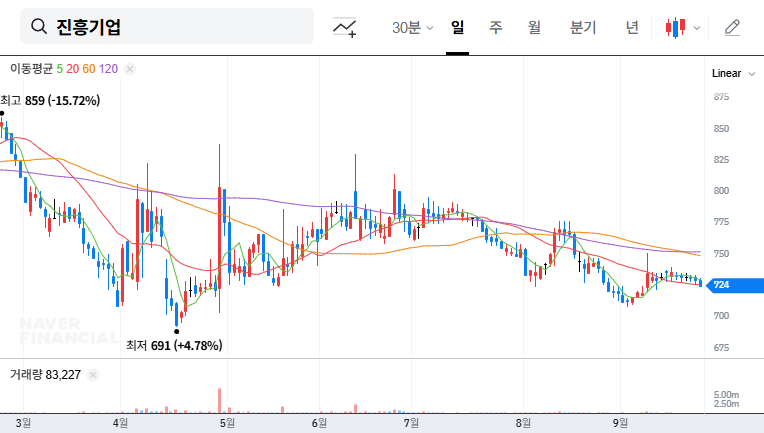
    Jinheung Engineering’s Stake Sale Rumors Resurface: Opportunity or Trap? A Fact-Check and Investment Strategy Analysis 대표 차트 이미지

    1. What Happened? Background of the Stake Sale Rumors and Clarification Announcement Analysis

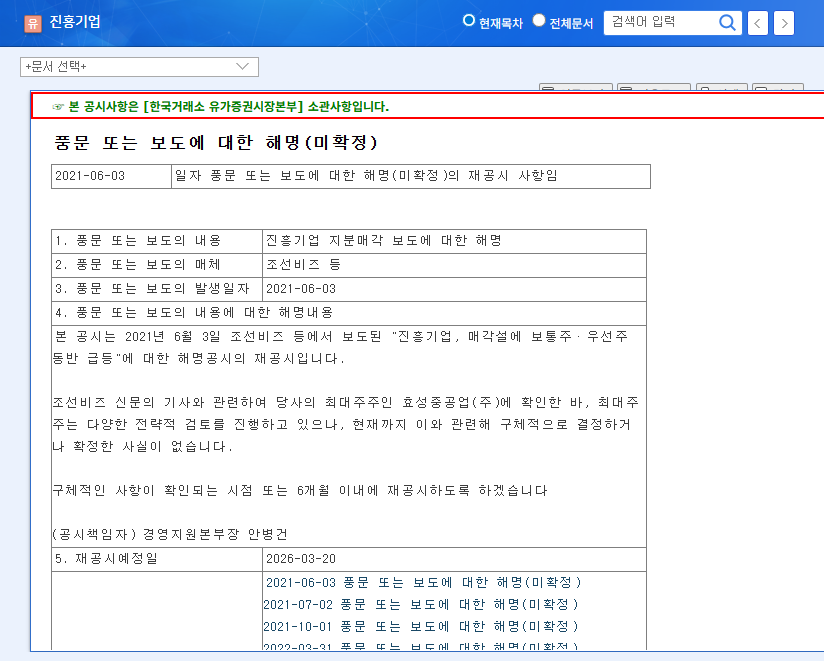
    Media outlets like Chosun Biz reported rumors of Jinheung Engineering’s stake sale, causing a surge in its stock price. Hyosung Heavy Industries (the largest shareholder) issued a clarification announcement stating, “Various strategic reviews are underway, but nothing has been confirmed.” A similar clarification was issued in June 2021, after which the stock price experienced a short-term surge followed by a correction. Given the scheduled re-announcement on March 20, 2026, a cautious approach is necessary.

    2. Why Is It Important? Jinheung Engineering’s Current Status and Future Outlook

    Jinheung Engineering’s 2025 half-year earnings showed a decline in sales and a net loss. Factors weakening its fundamentals include the construction industry downturn, rising raw material prices, and difficulties in PF procurement. However, the increase in order backlog and high profitability in the private construction sector are positive signs. A stake sale could be an opportunity to turn the situation around, but if it falls through, the risks could increase significantly.

    3. So, What Will Happen? Analysis of Short-term/Mid-to-long-term Impacts

    • Short-term Impact: While expectations of a stake sale could drive stock prices up, the clarification announcement may limit the extent of the increase.
    • Mid-to-long-term Impact: A successful stake sale could improve the company’s financial structure and secure new growth engines. However, if the sale falls through, the resulting uncertainty could lead to a stock price decline.

    4. What Should Investors Do? Key Investment Strategies and Action Plan

    • Gather Information: Continuously monitor the progress of Hyosung Heavy Industries’ strategic review and the re-announcement scheduled for March 20, 2026.
    • Fundamental Analysis: Continuously monitor changes in Jinheung Engineering’s fundamentals, including earnings improvement and management of litigation risks.
    • Macroeconomic Analysis: It is crucial to develop an investment strategy that considers macroeconomic conditions, such as the outlook for the construction industry and interest rate fluctuations.

    Frequently Asked Questions

    Is the Jinheung Engineering stake sale confirmed?

    No. Currently, rumors of a sale have been reported, and the company has issued a clarification announcement stating that “nothing has been confirmed.”

    Is it a good idea to invest in Jinheung Engineering?

    Investment decisions should be made based on individual judgment. However, it is advisable to make careful investment decisions by referring to the information and analysis presented in this article. It is especially important to check the re-announcement on March 20, 2026.

    How will the stake sale rumors affect the stock price?

    In the short term, it could act as a momentum for stock price increases, but considering the clarification announcement and the company’s fundamentals, the increase may be limited. In the mid-to-long term, the impact on the stock price is expected to vary significantly depending on whether the stake sale is realized and its outcome.

    Jinheung Engineering’s Stake Sale Rumors Resurface: Opportunity or Trap? A Fact-Check and Investment Strategy Analysis 관련 이미지
    Jinheung Engineering’s Stake Sale Rumors Resurface: Opportunity or Trap? A Fact-Check and Investment Strategy Analysis 관련 이미지