Tag: Stake Sale

  • (009190) DAIYANG METAL (009190) Stock: Full Analysis of BB-One Stake Sale & Future Outlook

    (009190) DAIYANG METAL (009190) Stock: Full Analysis of BB-One Stake Sale & Future Outlook

    A significant development has unfolded for DAIYANG METAL (009190), sending ripples through the investment community. BB-One Partnership, a major institutional shareholder, has divested a substantial portion of its stake, raising critical questions about the company’s future. While DAIYANG METAL has shown promising signs of a financial turnaround, this large-scale sale creates uncertainty. This comprehensive analysis will delve into the company’s core fundamentals, the external market pressures, and the direct impact of this shareholder change on DAIYANG METAL stock, providing a clear roadmap for investors.

    The Catalyst: BB-One Partnership’s Major Stake Sale

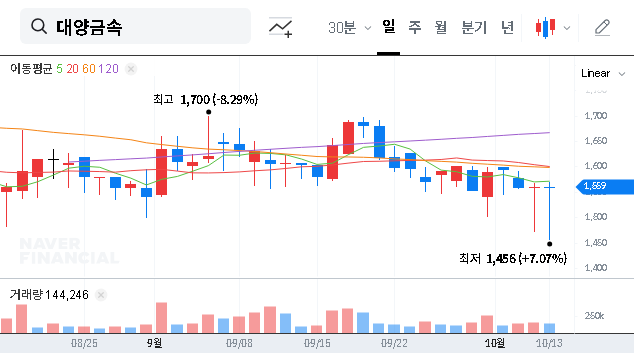
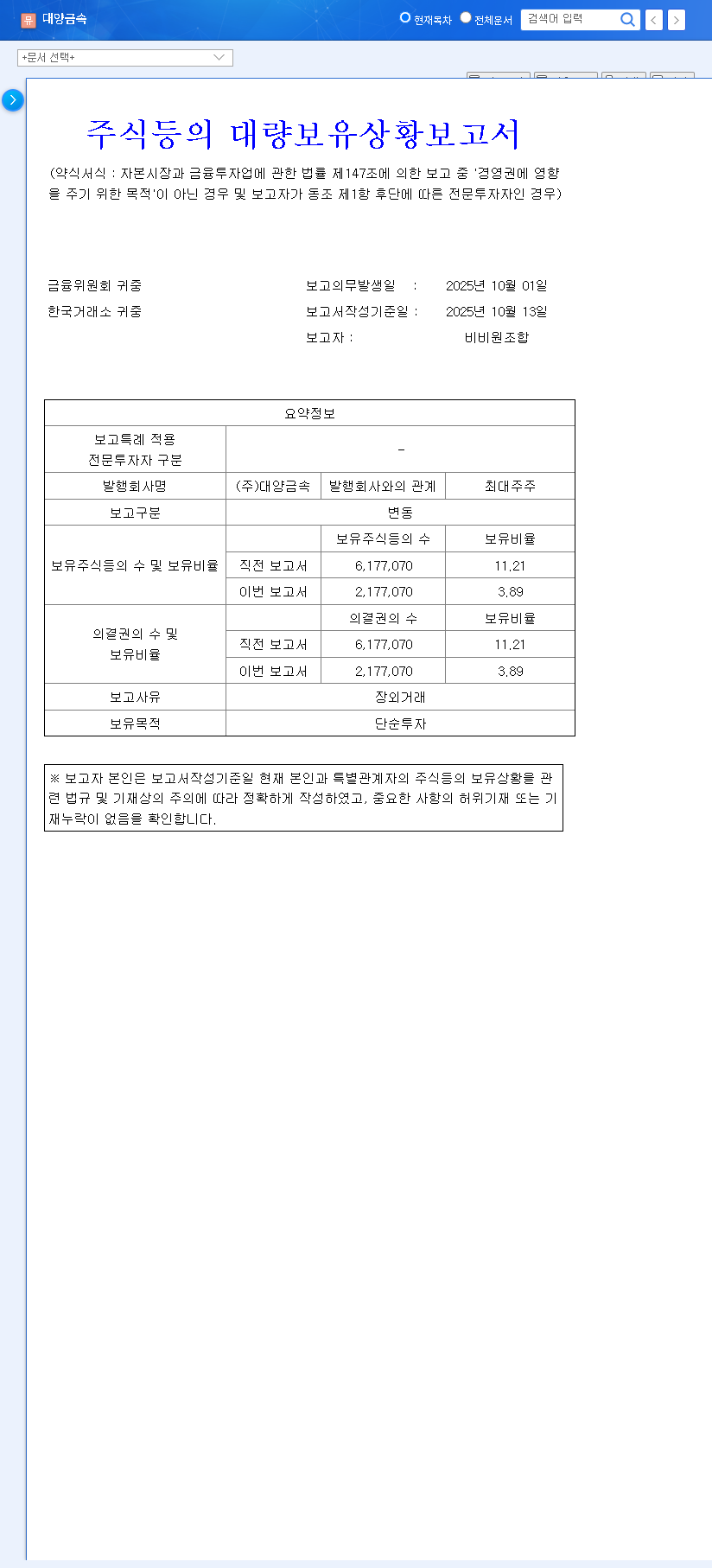
    On October 13, 2025, a mandatory disclosure revealed a pivotal shift in the ownership structure of DAIYANG METAL CO., LTD (009190). BB-One Partnership, a key investor, executed a large-scale, off-market sale, drastically reducing its holdings from 11.21% down to just 3.89%. An off-market transaction is a private sale between two parties, and a divestment of this magnitude from a major shareholder is often a signal that warrants careful scrutiny. The details of this transaction were made public through an Official Disclosure on DART. Given DAIYANG METAL’s market capitalization of approximately 67.3 billion KRW, this event represents a significant liquidity event that can impact market dynamics.

    A Deep Dive into DAIYANG METAL (009190) Fundamentals

    To understand the context of the stake sale, we must analyze the company’s recent performance and financial health. The first half of 2025 presented a mixed but cautiously optimistic picture for DAIYANG METAL.

    The Bright Side: A Return to Profitability

    • Revenue Growth: A modest year-on-year revenue increase to 111.392 billion KRW was achieved, driven largely by stronger export performance.
    • Operating Profit Turnaround: The company successfully shifted from an operating loss to a profit of 2.597 billion KRW, a testament to improved operational efficiency and reduced administrative expenses.
    • Net Profit Turnaround: Similarly, net income turned positive at 2.661 billion KRW, bolstered by non-operating gains.
    • Stronger Balance Sheet: An increase in total equity and cash equivalents suggests improving financial soundness and better short-term liquidity.

    Headwinds and Hurdles: Critical Risks to Consider

    • Raw Material Costs: Rising prices for imported stainless steel Hot Coil pose a direct threat to profit margins.
    • Debt Burden: The upcoming maturity of convertible bonds (CB) on November 10, 2025, is a major financial hurdle that requires a clear refinancing or repayment strategy to avoid potential shareholder dilution.
    • Production Decline: A sharp 50% year-on-year drop in stainless steel cold rolled sheet production is a significant red flag, indicating falling market demand or internal operational issues.
    • Receivables Management: An increase in accounts receivable requires proactive credit risk management to ensure healthy cash flow.

    Market & Industry Analysis: The External Pressures

    DAIYANG METAL does not operate in a vacuum. The broader economic environment presents its own set of challenges. The global steel market is currently experiencing a downturn, characterized by weak demand and volatile raw material prices. Competition within the stainless steel sector is fierce, putting constant pressure on pricing and quality. Furthermore, macroeconomic factors like fluctuating interest rates and currency exchange rates (KRW/USD, KRW/EUR) directly impact borrowing costs, import expenses, and export revenues for DAIYANG METAL.

    Analyzing the Ripple Effect: How the Stake Sale Impacts DAIYANG METAL Stock

    The exit of a major shareholder like BB-One Partnership can have several immediate and mid-term consequences for the stock price:

    In the short term, the primary impact will likely be negative. The perception of a key investor losing confidence, combined with a potential oversupply of shares, can create significant downward pressure on the DAIYANG METAL stock price.

    • Selling Pressure: A large block of shares changing hands can lead to increased selling in the open market, creating a supply-demand imbalance.
    • Deteriorated Investor Sentiment: Despite the positive earnings turnaround, a major shareholder’s exit can be interpreted as a lack of faith in the company’s long-term prospects, spooking retail and institutional investors alike.
    • Weakened Shareholder Activism: With its stake below 5%, BB-One’s ability to influence management or advocate for shareholder rights is significantly diminished, which could be a negative for corporate governance.

    Investment Outlook & Recommendation

    Given the conflicting signals—improving profits versus a major stake sale and underlying operational risks—a cautious approach is essential. For the mid-to-long-term trajectory of DAIYANG METAL stock, investors should closely monitor the company’s ability to address its fundamental challenges. Key performance indicators will be the recovery of production volume, sustained cost management, and a successful resolution to the convertible bond maturity. Until these uncertainties are resolved and a pattern of sustained improvement is confirmed, the investment risk remains elevated.

    Overall Opinion: We are issuing a ‘Sell-Hold‘ recommendation. Existing investors may consider holding but should be wary of short-term volatility. New investors are advised to wait on the sidelines until there is clearer evidence of structural improvements in the company’s fundamentals and the market has fully absorbed the impact of this stake sale.

    Frequently Asked Questions (FAQ)

    Q1: What was the major shareholder change for DAIYANG METAL (009190)?

    A1: BB-One Partnership, a major shareholder, sold a large portion of its shares, reducing its stake in DAIYANG METAL from 11.21% to 3.89% through off-market transactions.

    Q2: How will this stake sale impact DAIYANG METAL’s stock price?

    A2: It is expected to create short-term downward pressure on the stock due to increased selling volume and negative investor sentiment. The mid-to-long-term impact will depend on the company’s fundamental performance.

    Q3: What are the key fundamentals for DAIYANG METAL right now?

    A3: The company achieved a positive turnaround in operating and net profit in H1 2025. However, it still faces significant risks, including rising raw material costs, a heavy debt burden with maturing convertible bonds, and a sharp decline in production volume.
    (009190) DAIYANG METAL (009190) Stock: Full Analysis of BB-One Stake Sale & Future Outlook 관련 이미지
  • (032350) Lotte Tour Development Stock: Analysis of VIP Asset Management’s Sale & Future Outlook

    (032350) Lotte Tour Development Stock: Analysis of VIP Asset Management’s Sale & Future Outlook

    The financial markets were recently stirred by a significant disclosure concerning Lotte Tour Development stock. VIP Asset Management, a major institutional investor, announced a reduction of over 1% in its holdings. This move, officially labeled a ‘simple investment-purpose market sale’, has sent ripples through the investment community. What does this significant shareholding change truly mean for the company’s stock price, its long-term corporate value, and your personal investment strategy?

    This in-depth analysis unpacks the background, implications, and future outlook following VIP Asset Management’s stake sale. We will dissect Lotte Tour Development’s current financial health, evaluate the shifting macroeconomic landscape, and provide actionable insights to help you navigate this pivotal moment.

    The Catalyst: VIP Asset Management Reduces Its Stake

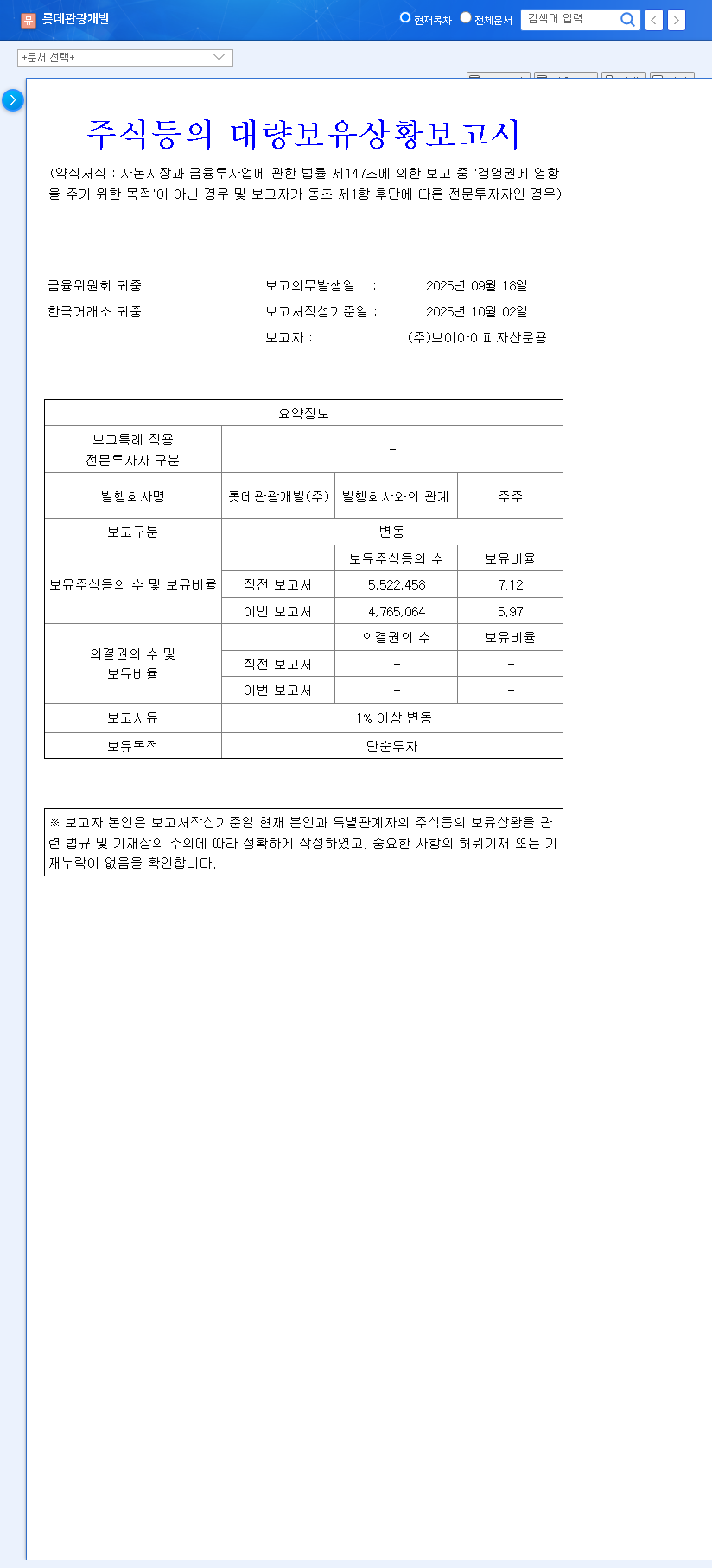
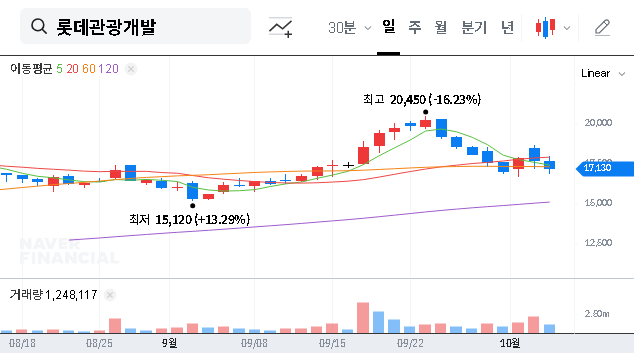
    On October 10, 2025, VIP Asset Management filed a mandatory “Report on Status of Large Shareholding” for Lotte Tour Development. The critical detail within this filing, which can be viewed in the Official Disclosure (Source), was the reduction of their stake from 7.12% to 5.97%. While a 1.15% reduction might seem small, a sale of this magnitude from a prominent asset manager is a signal that warrants careful examination. It immediately raises questions about their confidence in the future of the Lotte Tour Development stock.

    Why Now? A Look at Lotte Tour’s Financials and Market Pressures

    The decision to sell was likely not made in a vacuum. It reflects a complex interplay between the company’s internal performance and external macroeconomic forces.

    1. Analysis of Lotte Tour’s H1 2025 Financial Performance

    A closer look at the Lotte Tour financials reveals a mixed but challenging picture:

    • Revenue vs. Profit Paradox: Operating revenue for the first half of 2025 was KRW 279.63 billion, a significant 40.66% decrease year-on-year. Paradoxically, operating profit rose by 18.29% to KRW 46.139 billion. This suggests aggressive cost-cutting measures are working, but the top-line growth is struggling. Crucially, the company’s net income remained negative at -KRW 17.628 billion, a major concern for investors focused on bottom-line results.
    • Segment Divergence: The company’s core Casino business, while down 34.27%, still accounts for nearly 70% of revenue and remains the profit engine. However, the Travel and Hotel businesses have plummeted 45.55% and 57.43% respectively, crippled by weak consumer sentiment and a notable decline in tourism from China.
    • Financial Burdens: Persistent net losses, driven by exchange rate volatility and rising financial costs, diminish the stock’s attractiveness. For an institutional investor like VIP Asset Management, this ongoing financial drag may have outweighed the potential for future recovery.

    2. The Evolving Macroeconomic Environment

    Global economic factors add another layer of complexity to any Lotte Tour Development investment:

    • Rising Exchange Rates: The strengthening USD against the KRW (trending towards 1,425) directly impacts the bottom line by increasing foreign exchange losses, especially for the casino segment which deals heavily with international patrons.
    • Interest Rate Uncertainty: While central banks have paused rate hikes, the threat of future volatility remains, potentially increasing the company’s significant debt servicing costs.
    • Positive Tailwinds: It’s not all negative. Falling oil prices (around $61.51/barrel) provide relief on transportation costs for the beleaguered travel and hotel sectors, offering a potential boost to margins if demand returns.

    The sale by a major shareholder acts as a negative signal, potentially creating short-term price pressure. It forces the market to re-evaluate the risk-reward profile of Lotte Tour Development stock in light of its financial and macroeconomic challenges.

    Investor Action Plan: A Prudent and Watchful Strategy

    While this event may cause short-term volatility, the long-term impact on the company’s intrinsic value is not yet determined. Lotte Tour Development is showing discipline in cost management, but the headwinds are strong. Investors should adopt a cautious approach and monitor several key areas:

    • Monitor Shareholder Activity: Keep a close eye on any further changes in VIP Asset Management’s stake. Are they continuing to sell, or was this a one-time rebalancing?
    • Analyze Upcoming Earnings: The H2 2025 and 2026 earnings reports will be critical. Look for a stabilization or recovery in the travel and hotel segments and continued profitability in the casino business.
    • Track Macro Indicators: Pay special attention to the KRW/USD exchange rate. A reversal in its trend could provide significant relief. For more global context, resources like Bloomberg’s market analysis are invaluable.
    • Look for Strategic Shifts: Watch for company announcements regarding new growth drivers or diversification efforts, which could change the long-term narrative. This is similar to what we discussed in our Deep Dive into the Asian Casino Market.

    Frequently Asked Questions

    Why did VIP Asset Management sell its shares?

    The official reason was a ‘simple investment purposes market sale.’ This is often a way to realize profits, rebalance a portfolio, or reduce exposure to a stock they perceive as having increased risk due to financial or macroeconomic factors.

    What is the immediate impact on Lotte Tour Development stock?

    A large sale from a known investor typically puts short-term downward pressure on the stock price as it can be interpreted as a negative signal by the broader market.

    What macroeconomic factor is most critical right now?

    The rising KRW/USD exchange rate is a major headwind. It can increase costs and lead to foreign exchange losses, directly hurting the company’s profitability. Monitoring this indicator is crucial.

    Disclaimer: This report is for informational purposes only and is based on publicly available information. The ultimate responsibility for investment decisions rests solely with the investor. The author bears no legal responsibility for any investment outcomes. Always conduct your own thorough research.

    (032350) Lotte Tour Development Stock: Analysis of VIP Asset Management's Sale & Future Outlook 관련 이미지
  • (058470) Leeno Industrial Stock (058470): In-Depth Analysis of Wasatch Sale & Future Outlook

    (058470) Leeno Industrial Stock (058470): In-Depth Analysis of Wasatch Sale & Future Outlook

    The recent news of Wasatch Advisors, LP reducing its stake in Leeno Industrial (058470) has understandably caused a stir among investors. When a major institutional player sells off a significant block of shares, it’s natural to question the company’s future. But does this move signal a genuine problem, or is it merely market noise? This Leeno Industrial stock analysis moves beyond the headlines to provide a clear, evidence-based perspective.

    We will dissect the rationale behind Wasatch Advisors’ decision, perform a deep dive into Leeno Industrial’s robust fundamentals, analyze the broader macroeconomic environment, and project a realistic trajectory for the stock. Our goal is to equip you with the insights needed to make informed decisions about your investment in Leeno Industrial 058470.

    The Wasatch Advisors Stake Sale: What Happened?

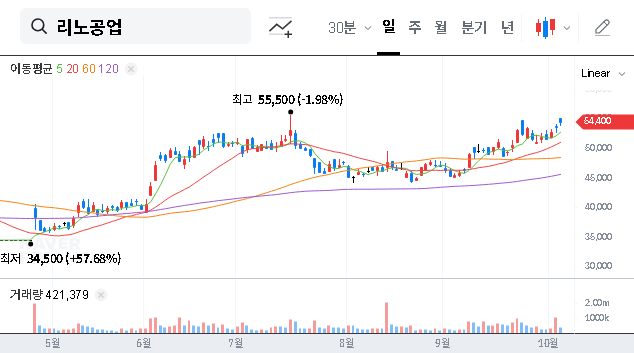
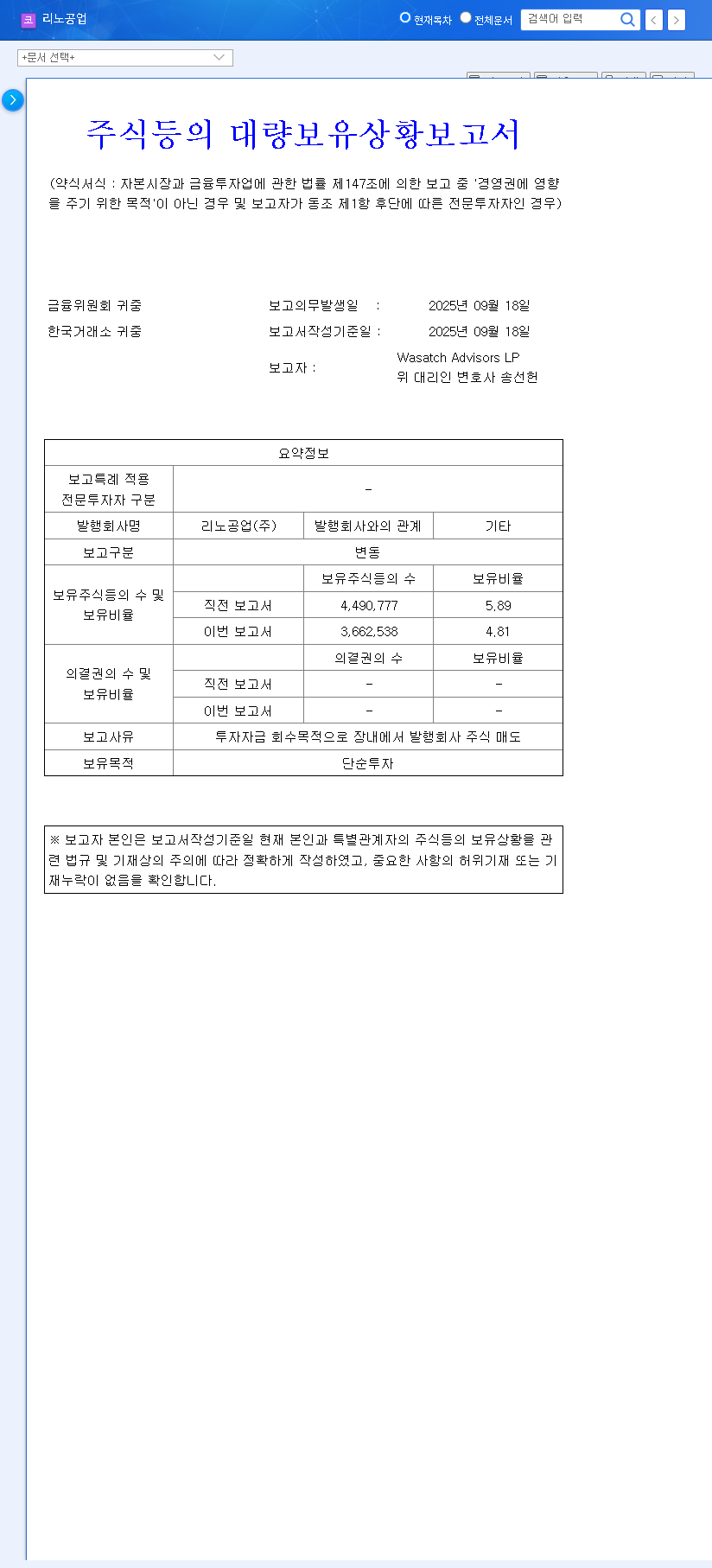
    On September 18, 2025, Wasatch Advisors, LP, a notable foreign institutional investor, filed a report detailing a change in its holdings of Leeno Industrial stock. The filing, available in the Official Disclosure, indicated a reduction in its stake from 5.89% to 4.81%—a decrease of 1.08 percentage points. The officially stated reason was to recoup investment funds via open market transactions.

    It’s crucial to understand that institutional sales are often driven by portfolio-level strategies, such as rebalancing or profit-taking, rather than a negative outlook on a single company. Wasatch Advisors labeled this a ‘simple investment’ maneuver, not a reaction to deteriorating fundamentals.

    Market Impact Analysis: Short-Term Pressure vs. Long-Term Strength

    Immediate Market Effects

    The sale of approximately 95,793 shares injects significant supply into the market. This will likely create short-term downward pressure on the Leeno Industrial stock price and may lead to increased volatility as the market absorbs these shares. Furthermore, as reported by leading financial news outlets, such a move by a well-known fund can temporarily dampen investor sentiment, regardless of the stated reason.

    Are Leeno Industrial’s Fundamentals Still Rock-Solid?

    Despite the market noise, Leeno Industrial’s core business remains exceptionally strong, operating in the high-demand sectors of semiconductor test components (IC TEST SOCKET, LEENO PIN) and medical device components. A look at its 2025 H1 report reveals several key strengths:

    • Dominant Semiconductor Division: Accounting for nearly 90% of sales, this division is perfectly positioned to capitalize on the growth of future-proof industries like AI, data centers, and autonomous vehicles. Both Logic and Memory semiconductor segments show positive growth prospects.
    • Stable Medical Device Division: This segment provides consistent, stable revenue, benefiting from the expanding global market for ultrasound diagnostic equipment.
    • Commitment to Innovation: With roughly 3.6% of revenue reinvested into R&D, the company stays ahead of rapid technological shifts, securing its competitive edge in next-generation semiconductor markets.
    • Impeccable Financial Health: A strict debt-free management policy provides a fortress-like balance sheet. While H1 2025 revenue saw a year-over-year decrease amid market adjustments, the company successfully defended its profitability, maintaining a high operating profit margin.

    Macroeconomic Tailwinds and Headwinds

    No company exists in a vacuum. The following macroeconomic factors are critical to any Leeno Industrial stock analysis:

    • Interest Rate Environment: With both the US and Korea entering an interest rate cut cycle in late 2024, the cost of capital is decreasing. This can lower corporate financing costs, stimulate business investment, and encourage a market preference for risk-on assets like equities.
    • Currency Fluctuations: Leeno Industrial has significant overseas sales, making it sensitive to the KRW/USD exchange rate. A strong dollar can boost profitability. The recent fluctuation between KRW 1,350 and KRW 1,650 is a key variable to monitor.
    • Key Risk Factors: Investors must remain aware of potential risks, including a global economic slowdown, intensifying competition, raw material price volatility, and geopolitical tensions impacting global semiconductor supply chains.

    Investment Outlook and Action Plan

    Investment Opinion: Cautiously Optimistic (Neutral to Positive)

    Short-Term View: The selling pressure from the Wasatch sale is a real factor. Investors should anticipate potential volatility in the coming weeks. This period could present a buying opportunity for those with a long-term horizon, as the price dip is driven by supply dynamics, not fundamental weakness.

    Mid-to-Long-Term View: The long-term investment outlook for Leeno Industrial stock is highly positive. The company’s market leadership, strong financial health, and alignment with powerful growth trends in AI and data processing create significant potential for capital appreciation. Once the short-term selling pressure abates, the stock price is well-positioned for a rebound and sustained growth.

    Key Considerations for Investors

    Moving forward, investors should continuously monitor Wasatch Advisors’ activity and the movements of other institutional investors. Pay close attention to Leeno Industrial’s quarterly earnings reports for confirmation of its continued profitability and growth. Finally, make investment decisions based on a thorough evaluation of the fundamental data provided, not on short-term market sentiment.

    Disclaimer: This article is for informational purposes only and does not constitute financial advice. The final responsibility for investment decisions rests with the individual investor.

    (058470) Leeno Industrial Stock (058470): In-Depth Analysis of Wasatch Sale & Future Outlook 관련 이미지
  • (056190) SFA Stock (056190) Analysis: Is Bearing AM’s Stake Sale a Red Flag or a Buying Opportunity?

    (056190) SFA Stock (056190) Analysis: Is Bearing AM’s Stake Sale a Red Flag or a Buying Opportunity?

    When a major institutional investor like Bearing Asset Management adjusts its position, the market takes notice. The recent disclosure of their stake reduction in SFA stock (056190) has sent ripples through the investment community, leaving shareholders and potential investors with a critical question: Is this a warning sign of underlying weakness, or a momentary fluctuation creating a new entry point? This comprehensive SFA stock analysis moves beyond the headlines to dissect the company’s intrinsic value, long-term potential, and what this move truly means for your portfolio.

    The Breaking News: Bearing AM Adjusts Its SFA Stock Position

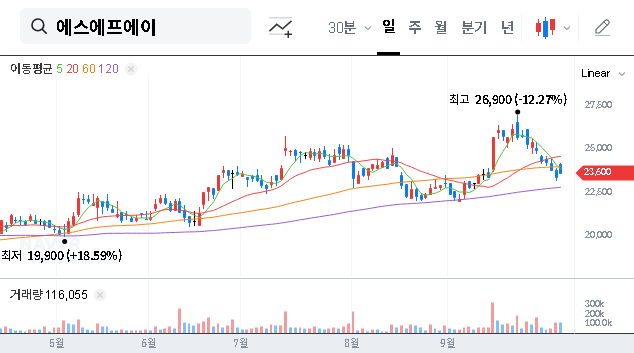
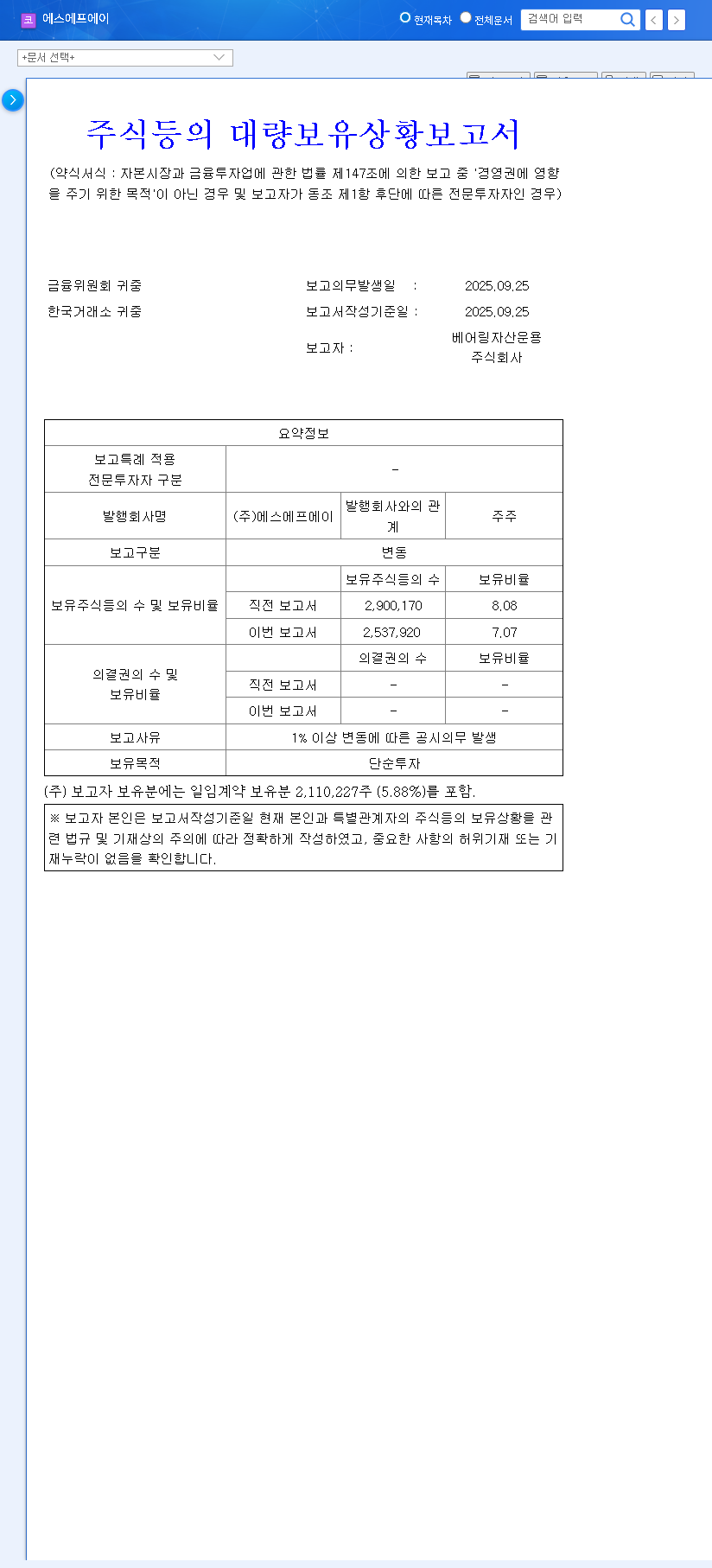
    On October 2, 2025, an official report revealed that Bearing Asset Management, a significant institutional holder, had reduced its stake in SFA Engineering Corporation. Through a series of on-market transactions, the firm executed a net sale of approximately 1.01%, bringing its total holding down from 8.08% to 7.07%. The stated purpose for their holding was ‘simple investment’. You can view the complete filing in the Official Disclosure on the DART system (Source).

    This type of move can trigger immediate market speculation. While a 1% reduction isn’t a complete exit, it’s a notable change that warrants careful examination. The key is to understand the potential drivers behind such a decision.

    For investors, the central challenge is to distinguish between a strategic portfolio adjustment by a single fund and a genuine red flag concerning the company’s future. The answer lies in the fundamentals.

    Decoding the Sale: Strategic Rebalancing or Fundamental Concerns?

    Asset management firms adjust their holdings for a multitude of reasons, and not all of them are negative for the underlying company. It’s crucial to consider the possibilities:

    • Portfolio Rebalancing: This is a common and often neutral reason. A fund might sell a portion of a winning stock to lock in profits, manage risk, or reallocate capital to an undervalued sector. This is a standard part of what financial experts call strategic asset allocation and may have little to do with SFA’s performance.
    • Negative Outlook: The more concerning possibility is that Bearing AM’s analysis has uncovered potential headwinds for the SFA stock. This could relate to a perceived slowdown in SFA’s key markets, increased competition, or concerns about future profitability.
    • Liquidity Needs: The fund might simply need to raise cash to meet redemptions from its own investors, a factor completely external to SFA.

    Since the exact motive is undisclosed, our focus must shift from speculation to an objective evaluation of SFA’s business health and growth prospects.

    SFA’s Fundamentals: A Resilient Foundation for Growth

    Despite the market noise from the sale, SFA’s core business segments present a compelling picture. The company is a key player in high-growth industries, including smart factory solutions, secondary batteries, and semiconductors.

    Robust Profitability and Smart Factory Leadership

    SFA demonstrated a strong recovery in the first half of 2025, with revenues hitting KRW 843.4 billion and an operating profit of KRW 50.2 billion. This signals a return to form after previous setbacks. The company’s smart factory solutions division is poised to capitalize on the global push for industrial automation, especially in the semiconductor, distribution, and secondary battery sectors. By integrating AI and cutting-edge technologies, SFA is solidifying its competitive edge.

    Strategic Moves in the Secondary Battery Market

    The strategic acquisition of CIS is a significant catalyst, bolstering SFA’s capabilities in the booming secondary battery industry. This move enhances its product portfolio and market position, aligning the company with the explosive growth of electric vehicles and energy storage solutions. For a deeper understanding of this sector, you can read our analysis of the secondary battery market.

    Semiconductor Packaging Potential

    While its subsidiary, SFA Semiconductor, is currently navigating operating losses, it holds significant long-term growth potential. Expansion into the S-LSI sector and the growth of its Philippine subsidiary are key initiatives that could unlock substantial value as the semiconductor cycle turns positive.

    SFA Investment Outlook: Navigating the Path Forward

    The SFA investment outlook hinges on balancing the short-term market pressure against the company’s long-term fundamental strengths.

    • Short-Term View: The immediate impact of the sale is increased supply, which could exert downward pressure on the SFA stock price. Investors should brace for potential volatility and monitor whether Bearing AM continues to sell. However, the company’s solid performance may provide a floor, limiting an excessive decline.
    • Mid-to-Long-Term View: This is where the focus should be. SFA’s core competitiveness in future-facing industries remains intact. The key drivers of value will not be a single investor’s actions, but rather SFA’s ability to secure new orders, innovate technologically, and execute its growth strategy in high-demand markets.

    Investor Takeaway & Key Monitoring Points

    In conclusion, while Bearing Asset Management’s stake sale is a notable event that introduces short-term uncertainty, it should not overshadow SFA’s robust fundamentals and promising growth trajectory. Prudent investors should focus on the underlying business performance.

    What should SFA investors monitor?

    Keep a close watch on these key areas:

    • Any further changes in Bearing AM’s shareholding.
    • SFA’s upcoming quarterly earnings reports and new order announcements.
    • Capital expenditure trends in the smart factory and secondary battery industries.
    • Global macroeconomic shifts, particularly interest rates and their impact on industrial investment.

    By focusing on these fundamental drivers, investors can make informed decisions based on SFA’s long-term value creation potential rather than reacting to short-term market sentiment.

    (056190) SFA Stock (056190) Analysis: Is Bearing AM's Stake Sale a Red Flag or a Buying Opportunity? 관련 이미지
  • (187660) Hyundai ADM Bio Stake Sale: An In-Depth Analysis for Investors

    (187660) Hyundai ADM Bio Stake Sale: An In-Depth Analysis for Investors

    The recent Hyundai ADM Bio stake sale has sent significant shockwaves through the investment community, raising critical questions about the company’s future. When a major shareholder like Sangsangin Savings Bank significantly reduces its position, it’s more than a simple transaction; it’s a signal that demands careful analysis. This move is expected to create short-term volatility for Hyundai ADM Bio stock and highlights underlying challenges within its core operations, from its struggling CRO business to the high-stakes world of new drug development.

    For investors, this development is a pivotal moment. Is this a temporary downturn or a sign of deeper fundamental issues? This guide provides a comprehensive breakdown of the stake sale, its potential repercussions, and a strategic checklist for navigating the uncertainty surrounding Hyundai ADM Bio.

    Unpacking the Hyundai ADM Bio Stake Sale Event

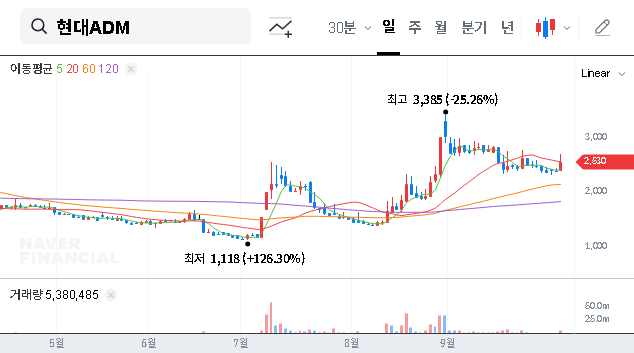
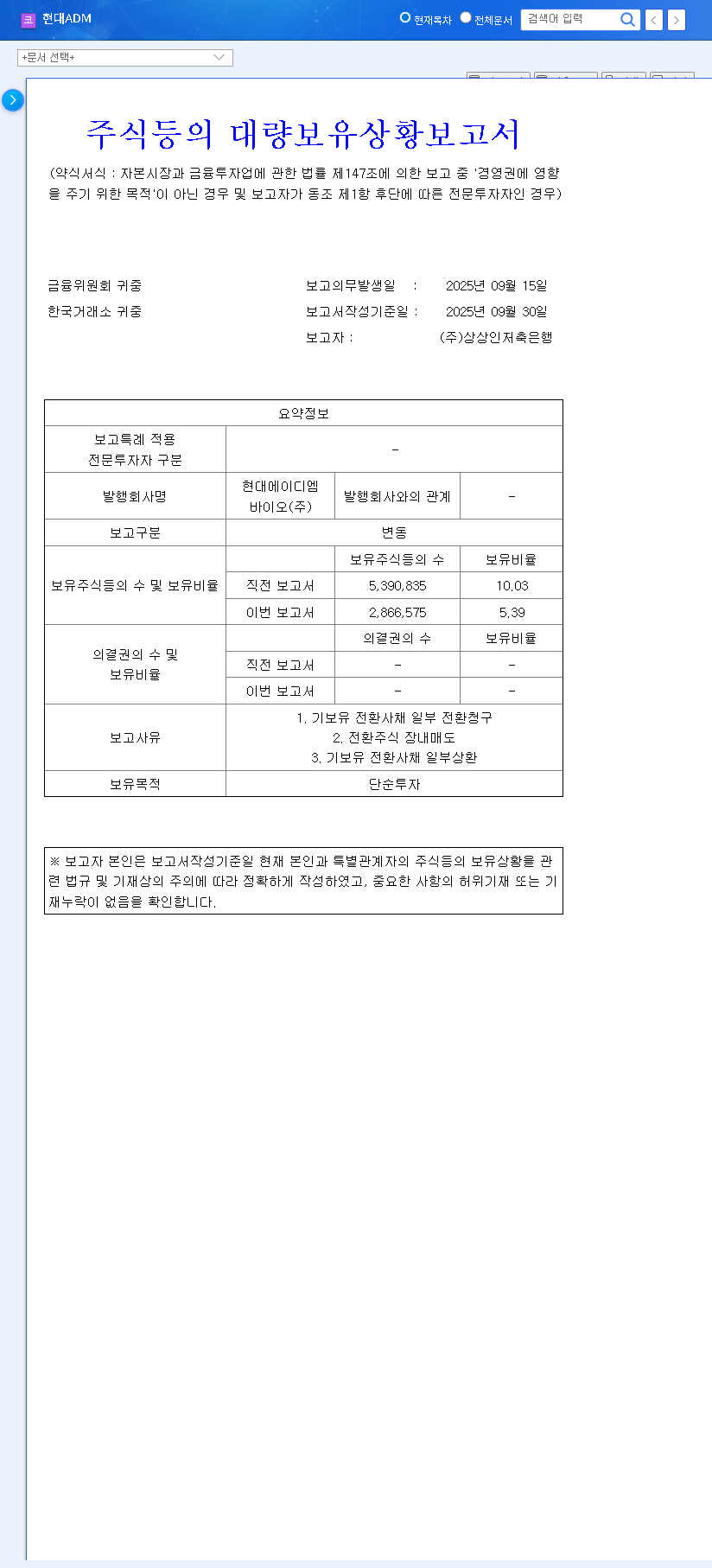
    According to an official disclosure filed on October 2, 2025, Sangsangin Savings Bank and two of its affiliates—Sangsangin Securities and Sangsangin Plus Savings Bank—executed a substantial sell-off of their shares in Hyundai ADM Bio. The group’s collective ownership plummeted from 10.03% down to 5.39%, a staggering reduction of 4.64 percentage points. This represents the sale of over 870,000 common shares on the open market.

    The official reason cited for the sale was a ‘simple investment’ adjustment, primarily involving the sale of shares obtained after exercising conversion rights on previously held convertible bonds (CBs). You can view the complete filing here: Official Disclosure (DART). This large volume of shares entering the market is a primary driver of the expected downward pressure on the stock price.

    Why Did Sangsangin Group Divest? The Underlying Risks

    While ‘simple investment’ is the public rationale, such a significant divestment is rarely without cause. The move likely reflects concerns over several fundamental risks embedded in Hyundai ADM Bio’s business model and financial health.

    Deterioration of the Core CRO Business

    The company’s core Contract Research Organization (CRO business) has been facing a significant slump. A CRO provides support to the pharmaceutical, biotechnology, and medical device industries in the form of research services. A decline in this revenue stream directly impacts profitability and cash flow, making it difficult to fund other, more speculative ventures. This shrinking business line is a major red flag for investors looking for stable growth.

    Uncertainty in New Drug Development

    Hyundai ADM Bio has pivoted its focus towards high-risk, high-reward oncology drug development. However, this area is fraught with peril. Recent setbacks, including subsidiary liquidations, looming patent expirations, and the voluntary withdrawal of clinical trial plans, cast a long shadow over the potential success of its pipeline. The long and expensive road to drug approval means that any uncertainty can spook investors.

    The divestment by a major institutional holder isn’t just a transaction; it’s often interpreted by the market as a vote of no confidence in a company’s ability to overcome its immediate fundamental challenges.

    Market Impact and Strategic Considerations for Investors

    The consequences of the Hyundai ADM Bio stake sale are multifaceted. In the short term, the introduction of nearly a million shares creates a supply-demand imbalance that will almost certainly pressure the stock price downwards. This is compounded by the share dilution effect from the conversion of bonds into equity.

    Beyond the technicals, the sale erodes market sentiment. When a knowledgeable insider sells, other investors question their own positions. This can trigger further selling and increase volatility. Therefore, a cautious and well-informed approach is paramount.

    Investor Checklist: Key Areas to Monitor

    Given the heightened uncertainty, investors should shift from passive holding to active monitoring. Focus on tangible evidence of progress and stability. For the latest financial news, it’s always wise to consult an authoritative source like Bloomberg.

    • Oncology Pipeline Progress: Look for concrete results. Are they publishing positive clinical trial data? Are new patents being filed? Tangible scientific progress is the only true long-term value driver.
    • CRO Business Turnaround: Monitor quarterly earnings for any signs of stabilization or recovery in the core CRO business. New contracts or strategic partnerships would be a positive signal.
    • Financial Health Improvement: Keep a close eye on the company’s balance sheet. Are they managing their debt effectively? Watch for further CB issuance or other dilutive financing measures. For more on this, see our guide on how to analyze a biotech company’s financials.
    • Ownership Structure Changes: With Sangsangin Group reducing its stake, who might step in? The emergence of a new strategic investor could be a powerful catalyst for the stock.
    • Management Communication: Pay close attention to official statements from Hyundai ADM Bio’s management. Their transparency and strategic vision in response to these challenges will be telling.

    In conclusion, investing in Hyundai ADM Bio at this juncture carries significant risk. The short-term outlook is bearish due to market pressures from the stake sale. A prudent strategy involves staying on the sidelines until the company demonstrates tangible progress in addressing its fundamental business and financial weaknesses. Careful, continuous monitoring is the best approach for any potential or current investor.

    (187660) Hyundai ADM Bio Stake Sale: An In-Depth Analysis for Investors 관련 이미지
  • (228670) GIC Ray Stake Sale: A Deep-Dive Analysis for Investors (2025)

    (228670) GIC Ray Stake Sale: A Deep-Dive Analysis for Investors (2025)

    The recent GIC Ray stake sale has sent ripples through the investment community, raising critical questions about the future of digital dentistry leader, Ray (RAY). When a powerhouse institutional investor like Singapore’s sovereign wealth fund, GIC Private Limited, divests a significant portion of its shares, investors understandably wonder: is this a routine portfolio adjustment or a red flag signaling underlying issues? This comprehensive analysis will dissect the transaction, evaluate Ray’s current fundamentals, and provide a clear-eyed view for current and prospective shareholders.

    Understanding the nuances behind a major shareholder’s actions is key. This move by GIC could represent either a strategic financial maneuver or a response to perceived risks, and the distinction is crucial for your investment strategy.

    Deconstructing the GIC Ray Stake Sale

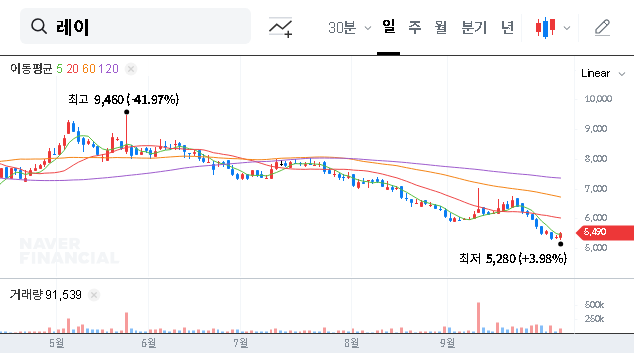
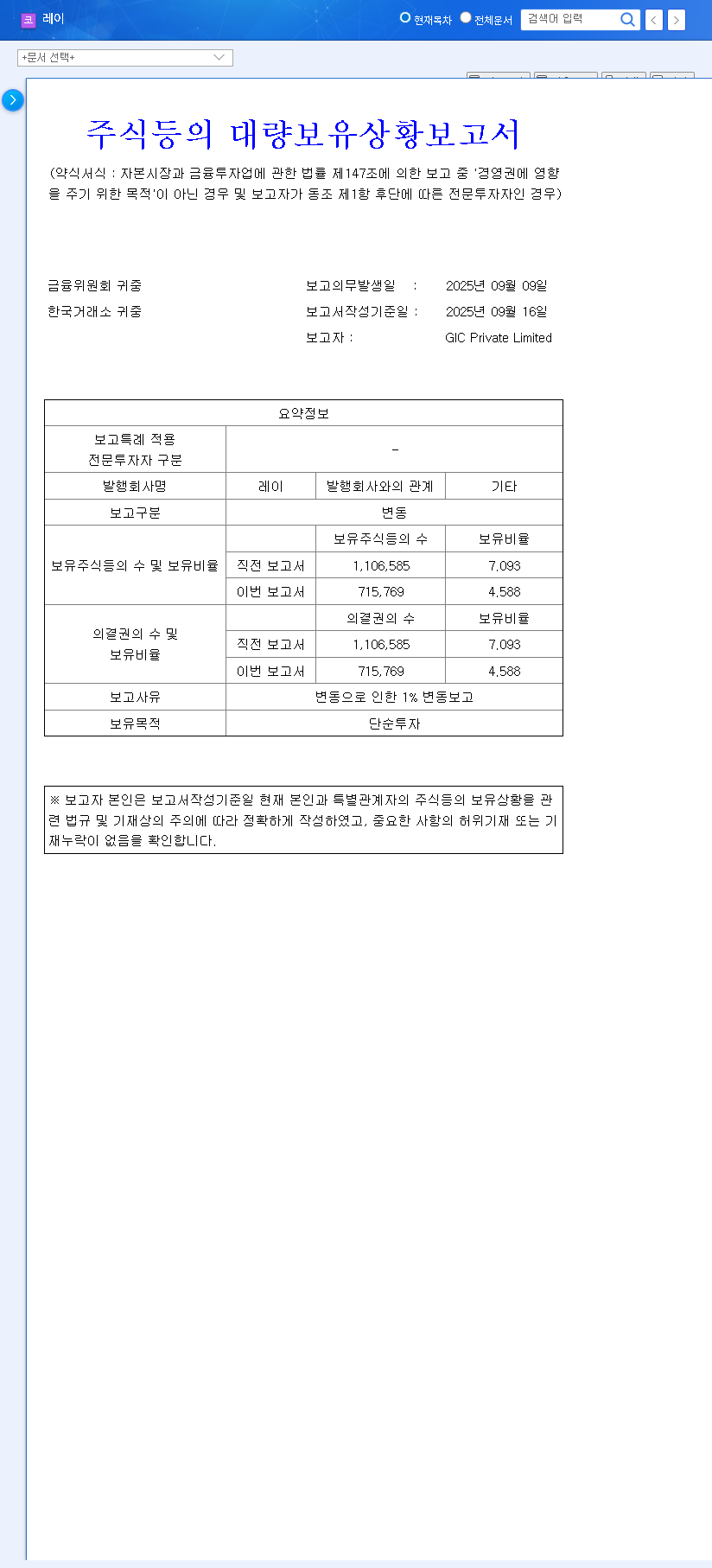
    According to the official disclosure filed, GIC Private Limited executed open market transactions to sell 119,141 shares of Ray. This action reduced its total stake from 7.093% down to 4.588%—a substantial decrease of nearly 2.51 percentage points. The officially stated purpose for the ownership was ‘simple investment’. You can view the complete filing here: Official Disclosure (DART).

    What Does ‘Simple Investment’ Really Mean?

    While the term ‘simple investment’ sounds innocuous, the motivations behind such a large sale can be complex. For a sovereign wealth fund like GIC, which manages a massive global portfolio, several factors could be at play:

    • Strategic Portfolio Rebalancing: GIC regularly fine-tunes its holdings to maintain a desired asset allocation. The sale might be part of a broader strategy to reduce exposure to a specific sector, market cap, or geographical region, having little to do with Ray’s individual performance.
    • Profit Realization: It’s standard practice for institutional investors to lock in gains after a stock has performed well over a period. This is a disciplined approach to investment management, ensuring returns are captured.
    • Capital Redeployment: GIC may have identified what it perceives as more promising investment opportunities elsewhere and is liquidating a portion of its Ray stock to free up capital for these new ventures.

    Despite these plausible explanations, the market often interprets large institutional sales with caution, creating short-term uncertainty for Ray (RAY) stock.

    Assessing Ray’s Core Fundamentals

    To determine if GIC’s sale is a precursor to trouble, we must look past the transaction and analyze the company’s underlying health. Ray operates in the high-growth digital dentistry market, but faces its own set of challenges.

    Strengths and Opportunities

    • Market Leadership: Ray is a unique player in Korea, offering a complete suite of digital dental diagnosis and treatment solutions, from imaging to manufacturing.
    • Global Reach: With a high percentage of overseas sales and crucial FDA certifications, Ray has proven its competitiveness on the world stage.
    • Future-Focused Innovation: The company is actively investing in next-generation technologies like AI-driven diagnostics and 3D virtual patient systems, positioning it for future growth. Learn more about trends in the digital dentistry market here.

    Weaknesses and Threats

    • Financial Pressures: A recent slowdown in revenue and a shift to an operating loss in H1 2025 are significant concerns. These were driven by heavy R&D spending and higher administrative costs.
    • Debt and Cash Flow: A high debt-to-equity ratio of 174.3% and consistently negative operating cash flow signal a need for improved financial discipline and operational efficiency.
    • Macroeconomic Headwinds: As a major exporter, Ray is sensitive to currency fluctuations. While a weaker KRW can boost revenue, rising global interest rates could increase the burden of its debt.

    Investor Action Plan: Key Factors to Monitor

    In light of the GIC Ray stake sale and the company’s mixed fundamentals, a cautious but observant approach is warranted. Investors should focus on the following key performance indicators:

    1. Path to Profitability: The single most important factor is a clear improvement in earnings for H2 2025 and beyond. Watch for the successful commercialization of R&D projects and effective cost-control measures in upcoming quarterly reports.

    2. Shareholder Movements: Keep a close watch on any further sales by GIC or other major institutional holders. Conversely, new institutional investment could be a strong bullish signal, indicating that the market sees value at current prices.

    3. Financial Health Metrics: Monitor the company’s progress in reducing its debt-to-equity ratio and achieving positive operating cash flow. These are vital signs of sustainable long-term health.

    In conclusion, while GIC’s divestment creates short-term noise and highlights existing financial concerns, it doesn’t invalidate Ray’s strong market position and long-term growth potential in the digital dentistry sector. Prudent investors will weigh the immediate sentiment against the company’s fundamental strengths and make informed decisions based on tangible progress in the coming quarters.

    Disclaimer: This content is for informational purposes only and is based on publicly available data. It does not constitute investment advice. All investment decisions should be made at your own discretion and responsibility after conducting thorough research.

    (228670) GIC Ray Stake Sale: A Deep-Dive Analysis for Investors (2025) 관련 이미지
  • (228670) Ray Co., Ltd. Stock Analysis: Navigating the Singapore Government Stake Sale

    (228670) Ray Co., Ltd. Stock Analysis: Navigating the Singapore Government Stake Sale

    The outlook for Ray Co., Ltd. stock has become a hot topic for investors, stirred by a significant stake sale from a major shareholder: the Government of Singapore. Compounded by a challenging performance in the first half of 2025, the market is buzzing with questions. Is this a signal of an impending crisis, or does it unveil a unique buying opportunity for those with a long-term vision? This comprehensive analysis will dissect Ray’s financial health, explore the implications of the Singapore government’s actions, and provide strategic insights to help you navigate this period of uncertainty.

    The Event: Singapore Government Reduces Stake in Ray Co., Ltd.

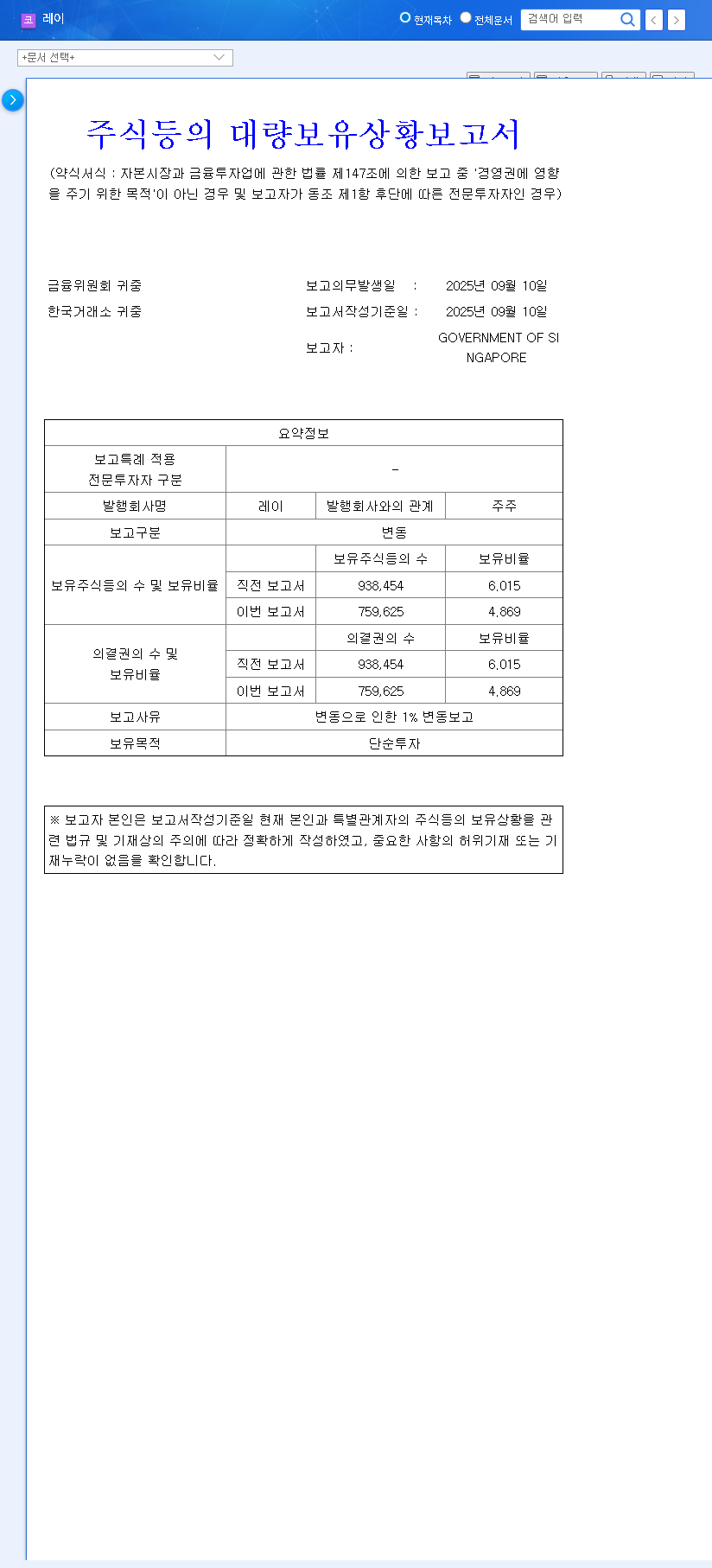
    According to official filings, the Government of Singapore executed a series of open-market sales between September 5 and September 10, 2025. They offloaded a total of 135,331 shares of Ray Co., Ltd. stock, causing their ownership to decrease from 6.015% to 4.869%—a notable drop of 1.146 percentage points. The officially stated reason for this move was for ‘simple investment purposes,’ a common justification for portfolio rebalancing. You can view the Official Disclosure (DART) for precise details. However, when a major institutional shareholder exits, it inevitably sends ripples through the market and raises concerns among retail investors.

    While the sale is framed as a simple portfolio adjustment, its timing, combined with recent performance woes, creates significant short-term headwinds and uncertainty for the Ray Co., Ltd. stock price.

    Deep Dive: Analyzing Ray Co.’s Financial Health and Market Position

    To understand the context of the Singapore government stake sale, we must first conduct a thorough Ray Co stock analysis, weighing its growth drivers against its current challenges.

    Long-Term Growth Drivers (The Bull Case)

    • Global Market Dominance: With an impressive 89% of its sales generated overseas and established bases in 13 countries, Ray Co. has proven global competitiveness. Future growth is anticipated from strategic expansion into high-potential emerging markets.
    • Diversified Product Portfolio: The company is smartly evolving from a focus on digital diagnostic systems to encompass digital therapeutic solutions, clear aligners, and comprehensive dental platforms, securing multiple engines for future revenue.
    • Commitment to Innovation: Significant and continuous investment in R&D, particularly in core technologies like AI-driven platforms and 3D scanning, keeps Ray at the forefront of technological innovation in the dental industry.

    Immediate Headwinds (The Bear Case)

    • Sluggish Recent Performance: H1 2025 revenue was KRW 51.97 billion, a steep 34.8% drop year-over-year. Both operating profit and net income swung to a deficit, reflecting a global economic slowdown, a temporary contraction in the dental market, and rising SG&A/R&D expenses.
    • High Financial Burden: A consolidated debt ratio of 174.3% is concerning. This is exacerbated by a significant amount of convertible bonds and derivative liabilities, which puts a strain on the company’s financial stability.
    • Macroeconomic Sensitivities: Given its high overseas sales, Ray is vulnerable to exchange rate volatility. Furthermore, rising interest rates globally have increased financial costs to KRW 10.13 billion, a 58% year-over-year jump, squeezing margins.

    Stock Price Impact: Short-Term Pain vs. Long-Term Gain?

    In the short term, the sale by a major institutional holder is likely to create downward pressure on the Ray Co., Ltd. stock price. This action can weaken investor sentiment, especially when paired with the news of poor H1 performance. However, the mid-to-long-term trajectory will ultimately be dictated by the company’s ability to improve its fundamental performance. If Ray can demonstrate a strong earnings recovery and manage its financial structure more effectively, the impact of this single sale could become a minor footnote in its history. The global dental market is projected for strong growth, according to reports from sources like market research firms, which provides a favorable long-term tailwind for the industry.

    Prudent Investment Strategies for Ray Co., Ltd. Stock

    Given the mix of positive long-term potential and negative short-term signals, investors should adopt a cautious and well-researched approach. For those looking to invest, consider these strategies based on your investment horizon.

    For Short-Term Traders

    A highly conservative stance is recommended. Monitor the stock for signs of stabilization and watch for any further sales from major shareholders. Attempting to trade based on technical support levels is possible but carries significant risk in the current volatile environment.

    For Mid-to-Long-Term Investors

    Your focus should be on fundamental recovery. Closely watch for signs of earnings improvement in the upcoming H2 2025 and 2026 reports. Pay keen attention to the performance of new business ventures and the company’s strategy for managing its financial risks, including debt and currency exposure. Understanding these factors is key to learning how to evaluate medical technology stocks for the long haul. A gradual entry or dollar-cost averaging could be a prudent approach once positive signals emerge.

    In conclusion, while Ray Co., Ltd. possesses promising long-term growth potential within the expanding dental medical device stock sector, it is currently navigating a period of significant challenge. Prudence is advised until the company provides clear evidence of a turnaround in its financial performance.

    Disclaimer: This analysis is for informational purposes only and does not constitute investment advice. All investment decisions should be made based on your own research and risk tolerance.

    (228670) Ray Co., Ltd. Stock Analysis: Navigating the Singapore Government Stake Sale 관련 이미지
  • (175330) JB Financial Group & Samyangsa Stake Sale: A 2025 Investor’s Deep Dive

    (175330) JB Financial Group & Samyangsa Stake Sale: A 2025 Investor’s Deep Dive

    A recent development concerning JB Financial Group has sent ripples through the investment community. On October 2, 2025, a significant ownership change was disclosed by major shareholder Samyangsa, sparking debate about its implications. This Samyangsa stake sale raises critical questions: Is this a sign of short-term turbulence for the JB Financial Group stock, or does it signal a fundamental shift requiring a new investor strategy? This article provides a comprehensive analysis, breaking down the event, its market impact, and the underlying strength of the company to guide your investment decisions.

    Key Takeaway: While Samyangsa’s stake sale introduces short-term market noise, the core investment thesis for JB Financial Group should remain anchored to its robust fundamentals and long-term growth prospects.

    Event Deconstructed: The Samyangsa Stake Sale

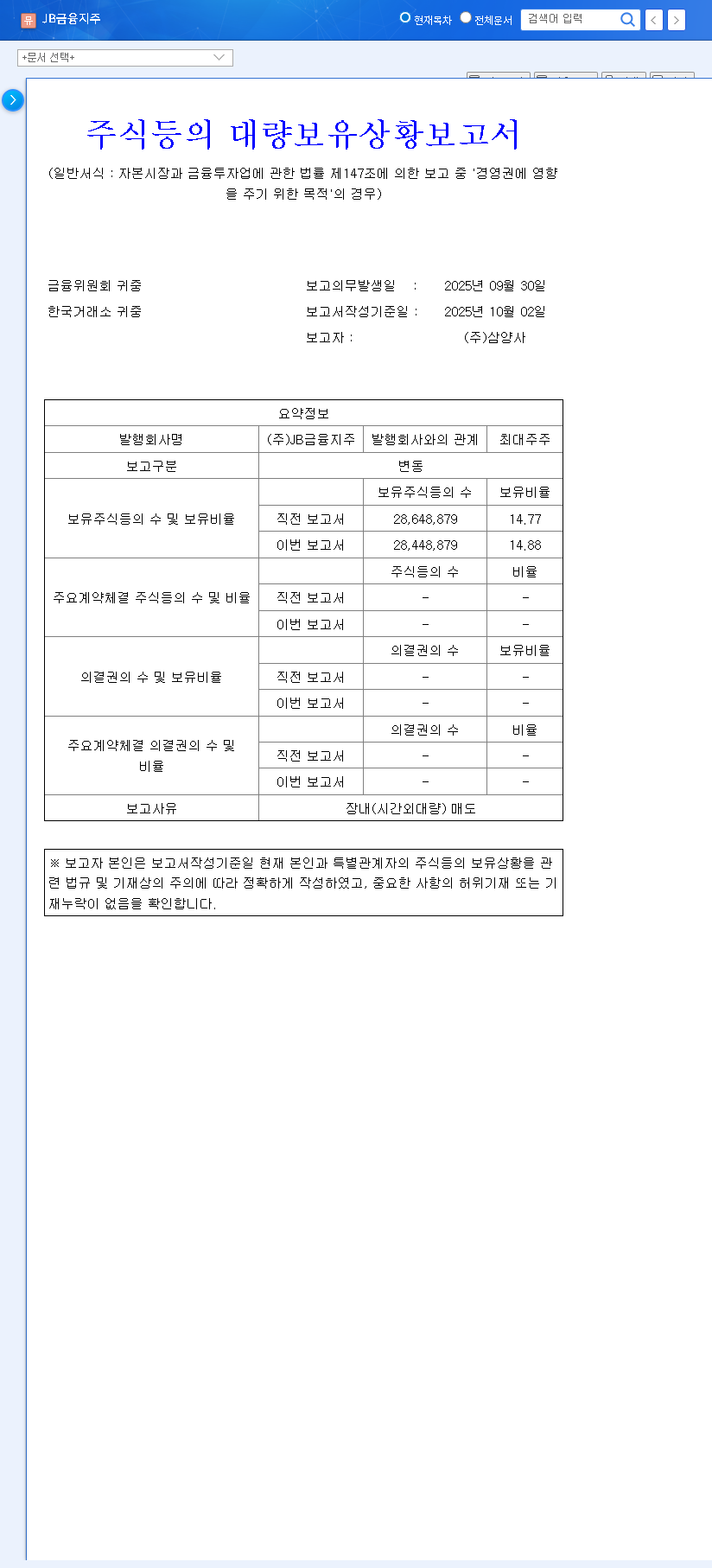
    On October 2, 2025, an official disclosure confirmed that Samyangsa, a major shareholder, adjusted its position in JB Financial Group. According to the Official Disclosure (DART), Samyangsa sold 200,000 shares via an off-exchange block trade. This method is often used to minimize immediate market price impact. Curiously, despite the sale, Samyangsa’s reported stake changed from 14.77% to 14.88%. Most importantly, the company explicitly maintained its holding purpose as ‘management influence,’ a detail that has captured significant market attention.

    Understanding the Market’s Reaction

    The market’s interpretation of such events is multifaceted. Here’s a breakdown of the immediate and potential impacts on the JB Financial Group stock:

    • Short-Term Volatility: The news of a large shareholder selling can create a supply-demand imbalance, even with a block trade. This often leads to temporary downward pressure as some investors react to the headline without a deeper analysis.
    • Focus on ‘Management Influence’: This is the key puzzle piece. Selling shares while aiming to retain influence is not a simple profit-taking move. It could suggest strategic repositioning, a desire to free up capital for other ventures, or a prelude to introducing another strategic partner. For more context on shareholder activism, see this analysis from a leading financial publication like Bloomberg.
    • Awaiting Consensus: As of now, a clear market consensus has not formed. The lack of immediate brokerage reports means investors are currently navigating with limited guidance, heightening the need for a focus on fundamentals.

    Analyzing JB Financial Group Fundamentals

    Beyond the market noise, the long-term value of JB Financial Group is rooted in its solid operational foundation. As of the first half of 2025, the company’s fundamentals remain robust, providing a strong counter-narrative to any short-term stock pressure.

    • Diversified and Stable Portfolio: The group’s strength comes from its well-balanced structure, including core banking units (Jeonbuk Bank, Gwangju Bank), a robust specialized financing arm (JB Woori Capital), and an asset management division. This diversification ensures stable revenue streams across different economic cycles.
    • Impressive Profitability: With a controlling interest Return on Equity (ROE) of 13.1% and a Return on Assets (ROA) of 1.11%, JB Financial Group demonstrates industry-leading profitability. Its net profit of KRW 370.4 billion in H1 2025 underscores its consistent performance.
    • Strong Capital Adequacy: A Common Equity Tier 1 (CET1) ratio of 12.40% indicates a solid capital base, providing a crucial buffer against economic headwinds and supporting future growth initiatives.
    • Shareholder-Friendly Policies: The company’s commitment to shareholder returns, with targets like a 50% shareholder return ratio, signals a management team focused on delivering value.

    Crafting Your Investor Strategy

    Given the circumstances, a thoughtful investor strategy is essential. It’s crucial to separate the temporary event from the company’s long-term trajectory. For those looking to refine their approach, consider our guide on how to analyze financial stocks.

    Recommendations for Navigating the Situation

    1. Leverage Short-Term Dips: Any price decline resulting from this news could present a buying opportunity. If the stock drops without a corresponding change in its strong JB Financial Group fundamentals, it enhances its undervaluation appeal for long-term investors.

    2. Anchor Decisions in Fundamentals: Do not let short-term sentiment dictate your actions. The company’s consistent performance, high profitability, and stable capital base are the true indicators of its long-term potential.

    3. Monitor Ownership Dynamics: Keep a close eye on any further disclosures from Samyangsa or news about potential new strategic investors. The ongoing ‘management influence’ narrative will be a key factor in the company’s governance story.

    Frequently Asked Questions (FAQ)

    Q1: What is the core of the JB Financial Group Samyangsa stake sale event?
    A1: Samyangsa, a major shareholder, sold 200,000 shares of JB Financial Group on Oct 2, 2025. Critically, it maintained its holding purpose as ‘management influence,’ suggesting a strategic motive rather than a simple exit.

    Q2: How will this stake sale impact JB Financial Group’s stock price?
    A2: In the short term, it may cause price volatility and downward pressure due to market sentiment. However, this is expected to be temporary, as the underlying business performance has not changed.

    Q3: Have JB Financial Group’s fundamentals been affected by this sale?
    A3: No. The stake sale is an ownership event and does not directly alter the company’s strong fundamentals, which include a diversified portfolio, high profitability, and solid capital adequacy as of H1 2025.

    Q4: What should investors monitor going forward?
    A4: Investors should watch for further stake changes from Samyangsa, pay close attention to JB Financial Group’s full-year earnings reports and strategic updates, and consider the broader macroeconomic environment’s impact on financial stocks.

    (175330) JB Financial Group & Samyangsa Stake Sale: A 2025 Investor's Deep Dive 관련 이미지
  • (036710) Symtek Holdings (036710) Stock: Full Analysis of Shinhan’s Divestment & Investor Guide

    (036710) Symtek Holdings (036710) Stock: Full Analysis of Shinhan’s Divestment & Investor Guide

    The recent divestment by Shinhan Asset Management from Symtek Holdings (036710) has sent shockwaves through the investment community. When a major institutional player completely exits a position, it naturally raises questions for every other shareholder. Is this a sign of impending trouble, or simply a strategic portfolio realignment? This comprehensive investment analysis will dissect the situation, explore the underlying fundamentals of Symtek Holdings stock, and provide a clear action plan for current and potential investors.

    The Catalyst: Shinhan Asset Management’s Complete Exit

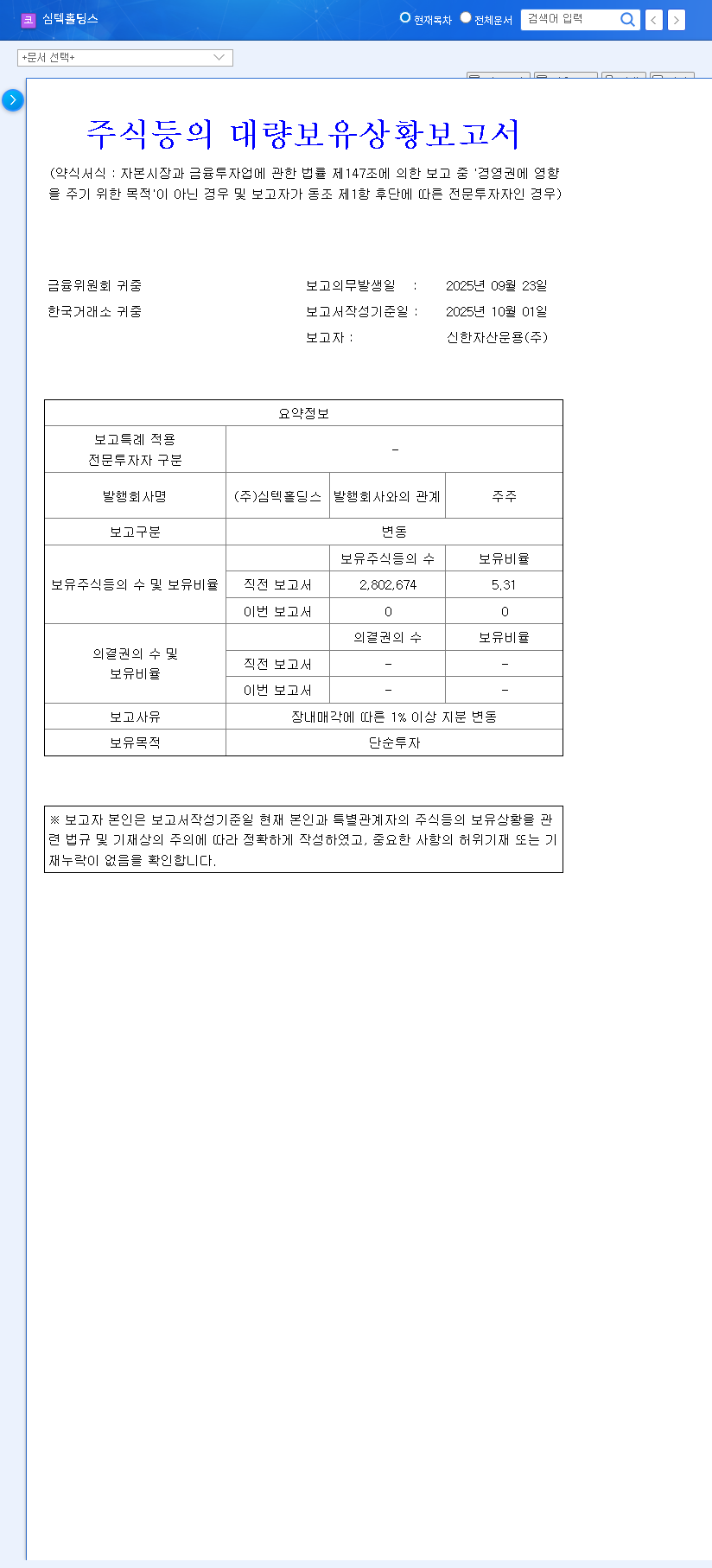
    On October 2, 2025, a significant disclosure was made public: Shinhan Asset Management, a notable institutional investor, had sold its entire 5.31% stake in Symtek Holdings. This transaction reduced their ownership from a substantial position to zero, marking a definitive and complete withdrawal. This wasn’t a gradual reduction but a full divestment, a move that markets often interpret with caution. The official filing provides the concrete details of this major shift in ownership.

    For full transparency, the transaction was documented in an official disclosure. Source: Click to view DART report. Understanding the ‘what’ is the first step; now we must delve into the ‘why’.

    Why Now? Unpacking the Rationale Behind the Sale

    An institutional exit is rarely based on a single factor. It’s typically a confluence of the company’s internal health, industry trends, and broader macroeconomic pressures. For Symtek Holdings, the picture is complex.

    Corporate Fundamentals: A Precarious Financial State

    At the heart of the concern lies the financial health of Symtek Holdings, a holding company whose fortunes are tied to its subsidiary, Symtek Co., Ltd., a PCB manufacturer. The H1 2025 report revealed several red flags that likely influenced Shinhan Asset Management‘s decision:

    • High Debt-to-Equity Ratio: The ratio has climbed to a concerning 464.12%. Such high leverage increases financial risk, making the company vulnerable to interest rate hikes and economic downturns.
    • Worsening Profitability: Declining sales have led to sustained consolidated operating and net losses. An expanding accumulated deficit signals ongoing struggles to achieve profitability.
    • Latent Risks: Liabilities from derivatives, convertible bonds, and bonds with warrants pose a threat of future stock dilution and financial strain.

    Market Environment: A Mix of Headwinds and Tailwinds

    While the company’s financials are a concern, the broader market provides a mixed outlook. The global PCB market is projected to grow, driven by demand in AI, 5G, and automotive sectors. However, the semiconductor and IT industries, which are key clients, are currently in a cyclical downturn, creating significant uncertainty, as reported by leading financial analysts (like those at Reuters). Furthermore, while potential interest rate cuts could offer some relief, Symtek’s heavy debt load means interest expenses will remain a major burden.

    For investors, the core dilemma is whether Symtek Holdings’ long-term growth potential in the expanding PCB market can outweigh its immediate, and significant, financial vulnerabilities. Shinhan’s exit suggests that, for them, the risk was no longer worth the potential reward.

    Projected Impact on Symtek Holdings Stock

    Short-Term: Heightened Volatility & Negative Sentiment

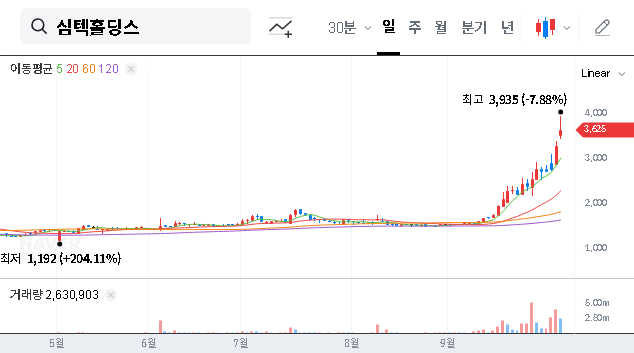
    The immediate market reaction to such a large stake sale is almost always negative. We can expect downward pressure on the Symtek Holdings stock price due to a simple supply-demand imbalance. The influx of shares into the market, coupled with weakened investor sentiment, is likely to increase volatility and test key technical support levels.

    Mid-to-Long-Term: A Return to Fundamentals

    While sentiment drives short-term prices, a company’s intrinsic value is determined by its long-term fundamentals. Shinhan’s sale does not alter Symtek’s business operations, its technological capabilities, or its client relationships. The long-term trajectory of the stock will depend on whether management can successfully navigate its financial challenges and capitalize on the growth opportunities we discussed in our deep dive into the PCB market outlook. The key will be the company’s ability to demonstrate a clear path to profitability and debt reduction in upcoming quarters.

    Investor Action Plan: A Prudent Strategy Moving Forward

    Panic selling is rarely a wise strategy. Instead, a measured approach based on careful monitoring is recommended for those holding Symtek Holdings stock.

    • Monitor Key Metrics: Watch stock price action and trading volume closely. Pay attention to upcoming earnings reports for any signs of improvement in profitability and debt management.
    • Track Industry Recovery: The timing of the semiconductor and IT market rebound is a critical catalyst. Positive news for the broader industry will be positive for Symtek.
    • Look for New Institutional Interest: The exit of one major investor creates a vacuum. Watch for filings that indicate a new major shareholder is taking a position, which could be a strong bullish signal.

    Frequently Asked Questions (FAQ)

    Q1: Does Shinhan’s sale mean Symtek Holdings is a bad investment?
    A1: Not necessarily. It means that for Shinhan, the risk/reward profile no longer fit their strategy. It highlights existing financial risks but doesn’t erase the company’s market position or growth potential. Investors must weigh these factors for themselves.

    Q2: What is the most critical factor for the Symtek Holdings stock recovery?
    A2: The most critical factor is a tangible improvement in the company’s financial structure. This includes reducing its high debt-to-equity ratio and demonstrating a clear path back to sustainable profitability, likely tied to a recovery in the semiconductor industry.

    Q3: Should I sell my Symtek Holdings stock now?
    A3: This article provides analysis, not financial advice. The decision to sell depends on your personal risk tolerance, investment horizon, and belief in the company’s ability to overcome its current challenges. The short-term will likely be volatile.

    (036710) Symtek Holdings (036710) Stock: Full Analysis of Shinhan's Divestment & Investor Guide 관련 이미지
  • (460930) Hyundai HIMS Stake Sale: A Deep Dive for Investors (2025 Analysis)

    (460930) Hyundai HIMS Stake Sale: A Deep Dive for Investors (2025 Analysis)

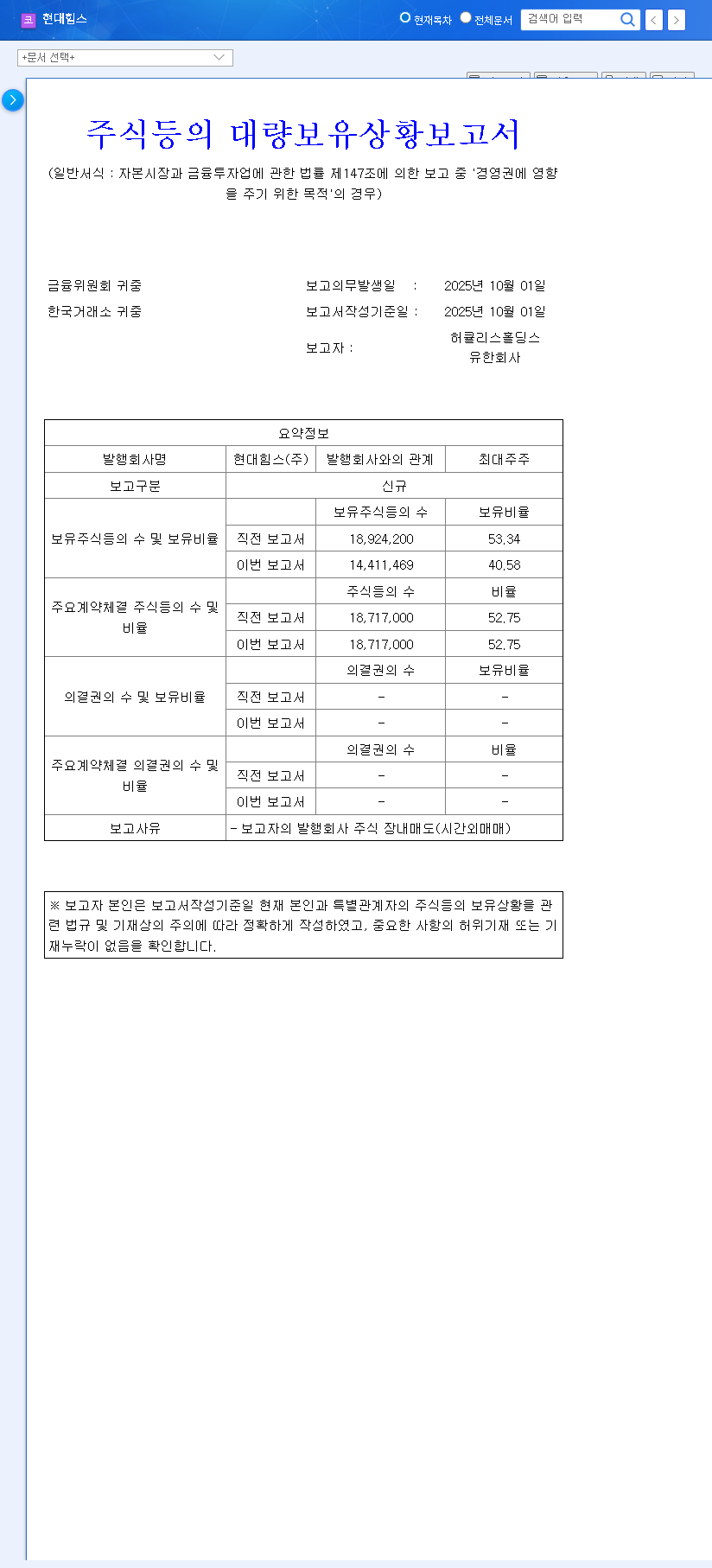
    The recent Hyundai HIMS stake sale has sent ripples through the investment community. On October 1, 2025, major shareholder Hercules Holdings Co., Ltd., announced the sale of a significant 12.76% stake in the specialized shipbuilding equipment manufacturer. This move has understandably raised questions, prompting many analysts to shift their recommendations from ‘Buy’ to ‘Hold’.

    What does this large-scale block sale mean for the future of Hyundai HIMS stock? Is this a signal of declining confidence, or a strategic move that could unlock long-term value? This comprehensive analysis will explore the sale’s details, Hyundai HIMS’s robust fundamentals, and the macroeconomic landscape to provide investors with a clear path forward.

    Anatomy of the Hyundai HIMS Stake Sale

    The news broke through an official public disclosure. Hercules Holdings confirmed the sale of 4,512,731 common shares via off-hour block trading. This transaction reduced their ownership from a controlling 53.34% to a still substantial 40.58%. You can view the full report here: Official Disclosure (DART).

    The stated reason for the sale was the ‘dissolution of management influence purposes.’ This phrase is key. Rather than a panicked exit, it suggests a deliberate strategic shift to reduce governance-related uncertainties. For investors, this could be interpreted as a long-term positive, potentially leading to greater management transparency and operational efficiency.

    While any large stake sale can create short-term volatility, the underlying motive—improving corporate governance—points towards a healthier long-term outlook for Hyundai HIMS.

    Beyond the Sale: Is Hyundai HIMS Fundamentally Strong?

    Despite the market noise surrounding the Hyundai HIMS stake sale, the company’s core fundamentals remain impressively robust. A closer look at its financial health and business strategy provides a solid foundation for a long-term investment perspective.

    Exceptional Financial Performance (H1 2025)

    The company’s half-year report for 2025 paints a picture of financial strength and growth:

    • Revenue: Reached KRW 120.67 billion, showing a steady year-over-year increase.
    • Operating Profit: Surged to KRW 15.499 billion, a significant improvement demonstrating enhanced profitability.
    • Net Profit: Grew substantially to KRW 11.754 billion.
    • Financial Soundness: Boasts a remarkably low debt-to-equity ratio of just 37.08%, indicating minimal financial risk and a strong balance sheet.

    Dual-Engine Growth: Stable Core & Future-Facing Ventures

    Hyundai HIMS’s strategy is twofold. It relies on its stable core business while investing in high-growth new sectors. Its traditional operations, manufacturing ship blocks and marine equipment, are secured by long-term contracts with giants like HD Hyundai Heavy Industries. This provides a reliable revenue stream.

    Simultaneously, the company is positioning itself for the future:

    • Smart Ports: Its entry into the Port Container Crane (DTQC) business aligns perfectly with the global trend of automating and modernizing ports.
    • Green Shipping: In response to stricter environmental regulations, Hyundai HIMS is now manufacturing cargo holds and fuel tanks for eco-friendly ships (LNG, methanol, ammonia), tapping into a massive, long-term growth market. For more on this trend, see this analysis on sustainable shipping.

    Macro Environment: Tailwinds for the Shipbuilding Sector

    The value of Hyundai HIMS stock is also influenced by broader economic factors, which currently appear favorable. A stabilizing interest rate environment in both the US and Korea could lower financing costs, while stable oil prices help manage operational expenses. Critically, key shipping indices like the Baltic Crude Tanker Index are recovering, signaling renewed demand in the shipping and shipbuilding industries. This positive macro backdrop provides a supportive environment for Hyundai HIMS to execute its growth plans. Investors can track these trends on authoritative platforms like Reuters Markets.

    Investor Playbook: From ‘Buy’ to ‘Hold’

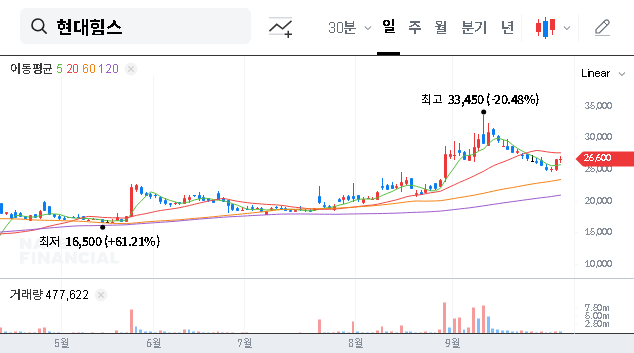
    Given the short-term market pressure from the large share sale, a temporary adjustment in investment strategy is prudent. The previous ‘Buy’ recommendation is now shifted to ‘Hold’ or ‘Monitor.’ This approach acknowledges the immediate risk of price volatility while keeping an eye on the compelling long-term potential.

    Savvy investors should use this period to observe key developments:

    • Monitor for any additional stake changes from Hercules Holdings.
    • Track order intake and revenue growth from the new eco-friendly equipment and port crane businesses.
    • Watch for updates on business synergy within the wider HD Hyundai Group.
    • Stay informed about the progress of any outstanding litigation and its potential financial impact.

    In conclusion, the Hyundai HIMS stake sale is a pivotal event, but not necessarily a negative one. It creates a short-term overhang on the stock but may pave the way for better governance and a more focused strategy. With rock-solid fundamentals and promising growth avenues, Hyundai HIMS remains a compelling company for patient, long-term investors.

    Disclaimer: This analysis is for informational purposes only and is based on publicly available information. Investment decisions carry risk, and the final responsibility rests with the individual investor.

    (460930) Hyundai HIMS Stake Sale: A Deep Dive for Investors (2025 Analysis) 관련 이미지