Tag: SMCG

  • (460870) SMCG CO.,Ltd (460870) Stock Analysis: Navigating the Truston Stake Sale

    (460870) SMCG CO.,Ltd (460870) Stock Analysis: Navigating the Truston Stake Sale

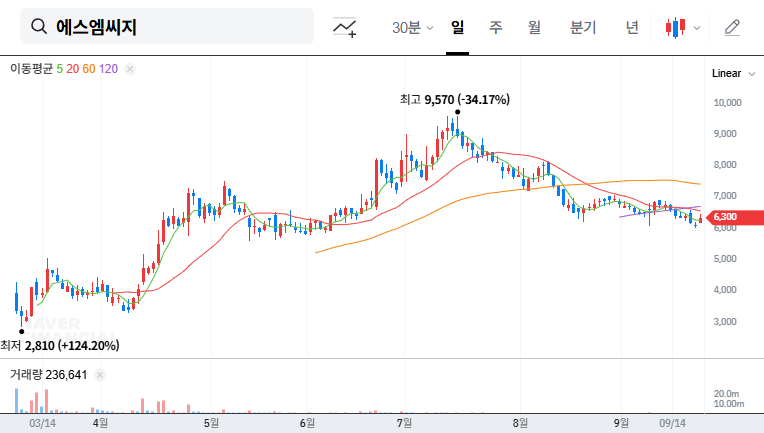
    Recent market volatility has placed a spotlight on SMCG CO.,Ltd (460870), particularly after news emerged that a major institutional investor, Truston Asset Management, significantly reduced its holdings. This development has understandably triggered a wave of concern among investors, raising critical questions about the company’s future stock trajectory and underlying value. Is this a signal of fundamental weakness, or a market overreaction creating a potential opportunity? This comprehensive SMCG stock analysis aims to dissect the company’s intrinsic value by examining its H1 2025 earnings, core business strengths, and the broader market forces at play.

    We will explore the implications of the Truston Asset Management stake sale, weigh macroeconomic variables, and provide a clear investment strategy for both short-term and long-term investors. Join us as we uncover the true state and future potential of SMCG.

    The Catalyst: Truston Asset Management’s Stake Reduction

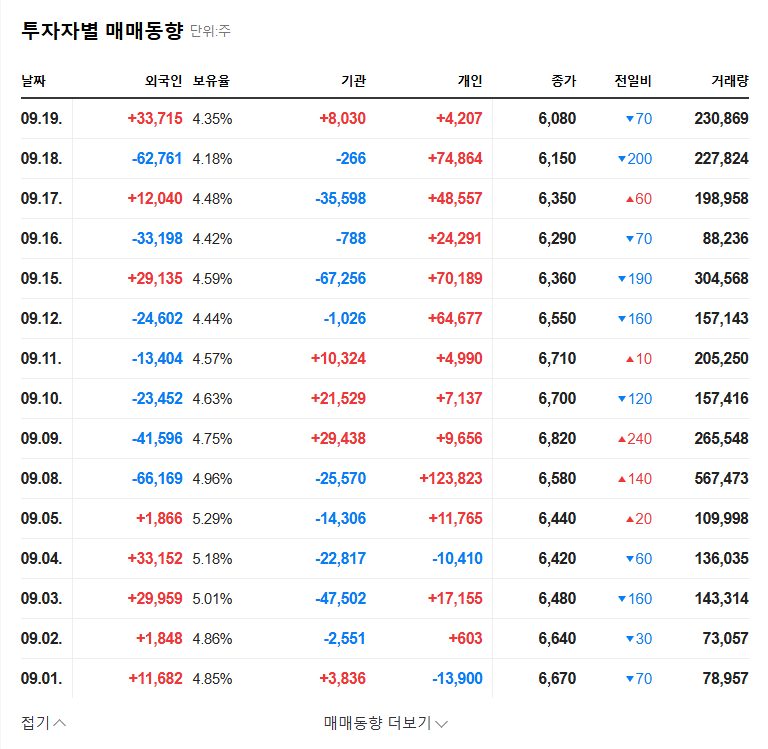
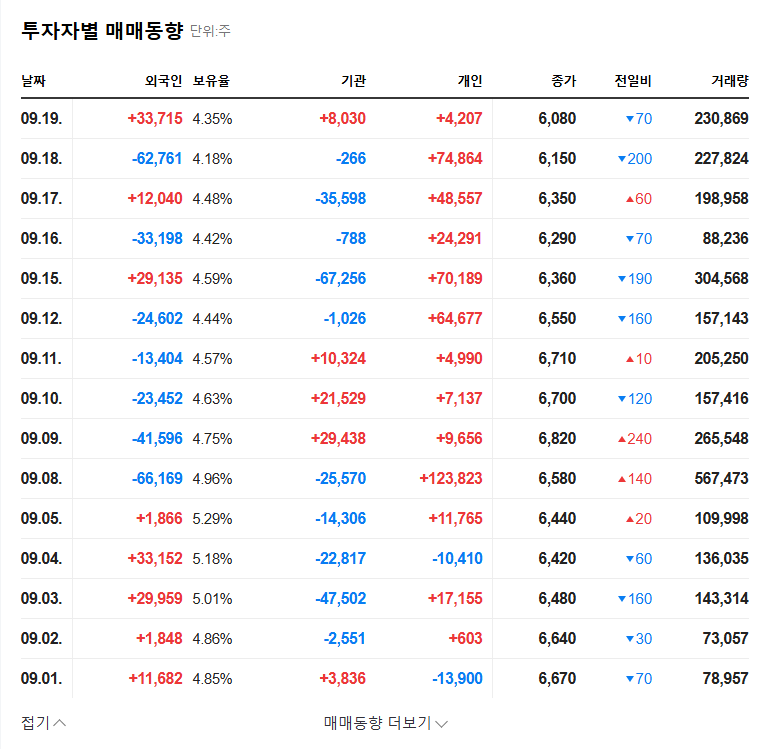
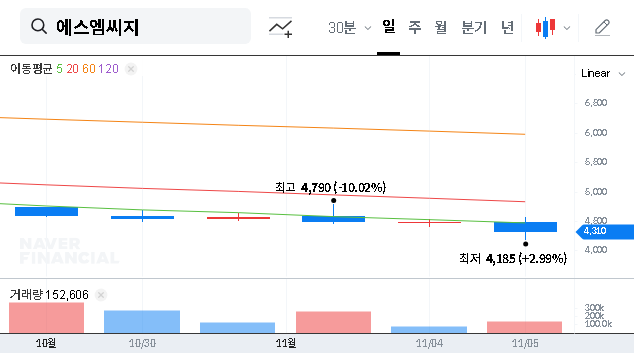
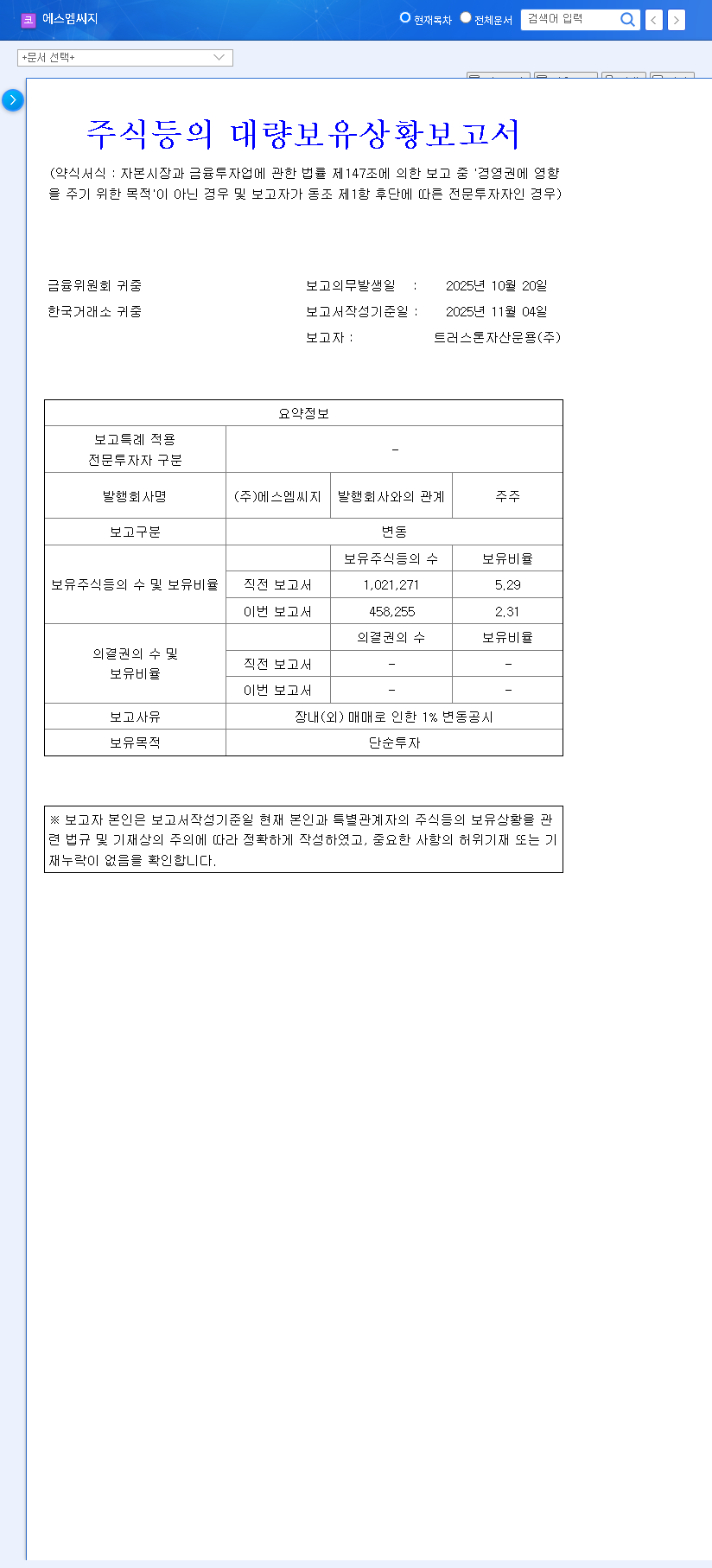
    On November 5, 2025, a key disclosure shook investor confidence in SMCG CO.,Ltd (460870). Truston Asset Management, a prominent domestic asset manager, filed a ‘Report on the Status of Large Shareholdings’ revealing a significant change in its investment. According to the official disclosure, which can be viewed here: Official Disclosure (DART), Truston reduced its stake from 5.29% down to 2.31%. This 2.98 percentage point decrease was executed via market and off-market transactions between October 29 and November 4, 2025. The stated purpose was ‘simple investment,’ suggesting this may be a portfolio rebalancing rather than a vote of no-confidence in SMCG’s core business.

    While any large stake sale can create short-term selling pressure, it is crucial to analyze whether this move reflects a change in the company’s fundamentals or simply an institutional strategy shift.

    Fundamental Analysis of SMCG CO.,Ltd (460870)

    To understand the long-term picture, we must look beyond the recent news and into the company’s core operations and financial health.

    Core Business: A Leader in K-Beauty Packaging

    SMCG specializes in manufacturing high-quality cosmetic glass containers and provides comprehensive full-packaging Original Design Manufacturing (ODM) services. The company’s competitive edge is built on several key pillars:

    • Eco-Friendly Innovation: SMCG leverages proprietary, eco-friendly glass materials and unique manufacturing technologies, positioning it perfectly to meet the growing global demand for sustainable packaging and ESG-conscious products.
    • Global Client Network: The company has cultivated strong, long-term relationships with major global beauty brands, giving it a stable and diverse revenue base.
    • Favorable Market Trends: SMCG is a direct beneficiary of the global expansion of K-beauty packaging, the shift to online retail, and the premiumization of cosmetics. Our internal analysis of the beauty market confirms these are durable, long-term trends.

    H1 2025 Financial Performance: A Mixed Picture

    The H1 2025 financial report for SMCG CO.,Ltd (460870) reveals a period of strategic investment and transition. While sales showed growth, profitability faced headwinds. Revenue climbed to 29.289 billion KRW, a positive sign of continued demand. However, operating profit fell to 2.729 billion KRW. This compression in margins is primarily attributed to increased costs associated with new business investments and significant facility expansions aimed at future growth. The company reported a net loss, though the deficit narrowed compared to the previous year. On a brighter note, the KOSDAQ listing significantly improved the financial structure by reducing debt and increasing equity, thereby bolstering long-term stability.

    Navigating Macroeconomic Headwinds

    Like any global manufacturer, SMCG is exposed to macroeconomic variables. Fluctuations in currency exchange rates can be a double-edged sword, boosting export revenue but also increasing raw material import costs. Furthermore, rising interest rates in key markets, as reported by institutions like the Federal Reserve, could increase borrowing costs and dampen overall investment sentiment. Managing these external risks will be critical for SMCG’s performance in the coming quarters.

    Future Outlook & Investment Strategy

    Despite short-term pressures, the long-term growth potential for SMCG CO.,Ltd (460870) remains compelling. The company’s technological advantages in sustainable cosmetic glass containers and its strong global footing are significant assets. The key challenge is navigating the current phase of investment. Investors must see a clear return on the recent capital expenditures through improved profitability and efficiency.

    Actionable Advice for Investors

    • For Short-Term Traders: The volatility caused by the Truston sale presents risks. A cautious approach is advised. Closely monitor institutional trading flows and upcoming earnings releases for signs of stabilization before entering a position.
    • For Long-Term Investors: Focus on the fundamental growth story. The current price dip could be an entry point, but it’s contingent on the company demonstrating a clear path back to net profitability. Monitor the performance of new facilities and management’s strategy for debt reduction.

    Frequently Asked Questions (FAQ)

    Q1: Is Truston’s stake sale a major red flag for SMCG’s value?

    Not necessarily. Given the ‘simple investment’ purpose and the ~3% scale, it is more likely a portfolio management decision by Truston than a direct indictment of SMCG’s long-term prospects. However, it does create short-term market uncertainty that investors must acknowledge.

    Q2: What is SMCG’s strongest competitive advantage?

    SMCG’s primary advantage lies in its proprietary eco-friendly technology for producing cosmetic glass containers. This aligns perfectly with the powerful ESG and sustainability trends in the global beauty industry, giving it a distinct edge over competitors.

    Q3: What are the key risks to watch when investing in SMCG?

    The most significant risks are the temporary slowdown in profitability due to high investment costs, a relatively high debt burden, and exposure to macroeconomic volatility (interest rates and currency fluctuations). Investors should monitor upcoming earnings reports for evidence that these risks are being effectively managed.
    (460870) SMCG CO.,Ltd (460870) Stock Analysis: Navigating the Truston Stake Sale 관련 이미지
  • SMCG Announces Treasury Stock Disposal: Analyzing the Impact on Corporate Value


    SMCG Announces Treasury Stock Disposal: Analyzing the Impact on Corporate Value 대표 차트 이미지


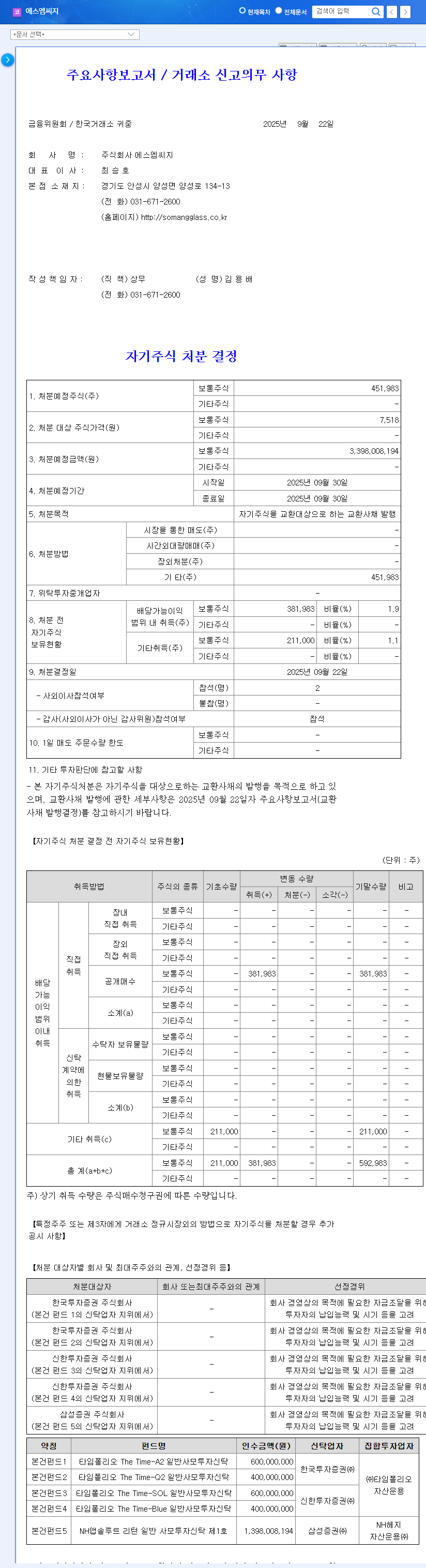
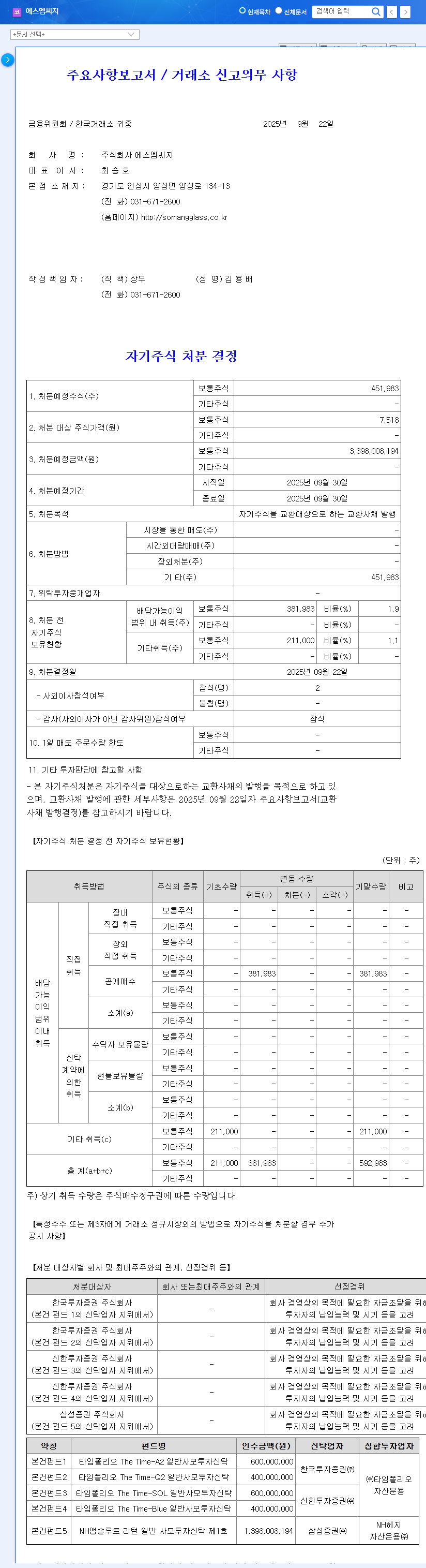
    SMCG Decides to Dispose of 450,000 Treasury Shares (for Convertible Bond Issuance)

    On September 22, 2025, SMCG announced the disposal of 451,983 treasury shares (2.28% of total outstanding shares). This amounts to 3.4 billion won and is intended for convertible bond issuance.

    Why the Treasury Stock Disposal? (Background and Objectives)

    SMCG aims to raise capital through the issuance of convertible bonds. The procured funds will be used for R&D investment, business expansion, and improvement of financial structure. As the company has shown a high debt ratio since its KOSDAQ listing, it is noteworthy whether this fundraising will contribute to strengthening its financial soundness.

    Impact on Stock Price? (Analysis of Positive/Negative Factors)

    • Positive Factors: Securing growth momentum through fundraising, potential improvement of financial structure
    • Negative Factors: Concerns about short-term stock dilution due to treasury stock disposal, possibility of additional dilution upon conversion of convertible bonds

    Despite the positive market environment such as K-beauty growth, online channel expansion, and ESG management, the high debt ratio and net loss in the first half of 2025 are points to be aware of when investing. The impact of this treasury stock disposal on the stock price will depend on various factors, including convertible bond conditions, fund utilization plans, and market conditions.

    What Should Investors Do Now? (Key Checkpoints)


    FAQ

    Will SMCG’s treasury stock disposal negatively impact the stock price?

    There is a possibility of stock dilution in the short term, but the long-term impact will depend on the results of utilizing the funds raised through the convertible bond issuance.

    Is SMCG’s financial status sound?

    The high debt ratio and the net loss recorded in the first half of 2025 are points to be aware of when investing. However, the situation may change depending on future efforts to improve the financial structure.

    What should I consider when investing in SMCG?

    It is important to make investment decisions by comprehensively considering convertible bond conditions, fund utilization plans, improvements in financial soundness, profitability improvement trends, and market conditions.


    SMCG Announces Treasury Stock Disposal: Analyzing the Impact on Corporate Value 관련 이미지
    SMCG Announces Treasury Stock Disposal: Analyzing the Impact on Corporate Value 관련 이미지


  • SMCG Issues KRW 3.4B Convertible Bonds: What’s Next for the Stock?


    SMCG Issues KRW 3.4B Convertible Bonds: What's Next for the Stock? 대표 차트 이미지


    1. What Happened? SMCG Announces Convertible Bond Issuance

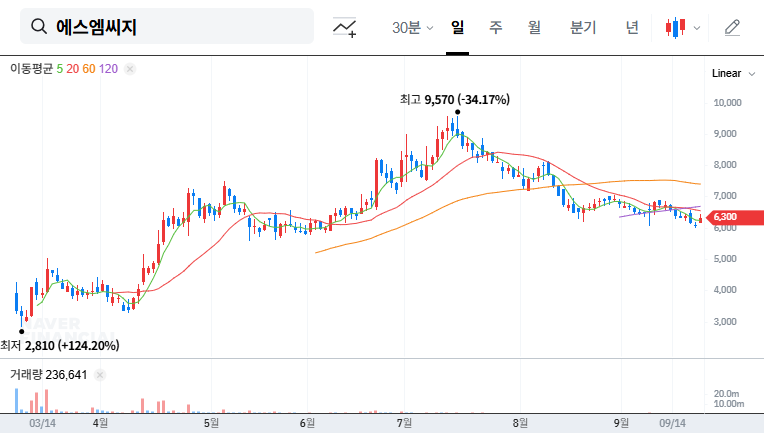
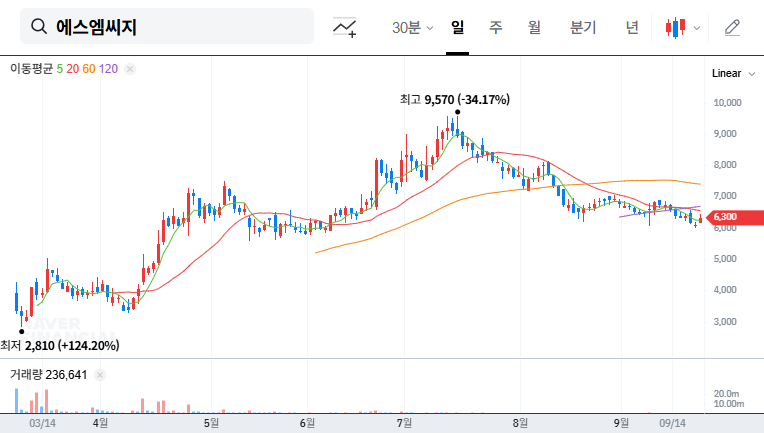
    On September 22, 2025, SMCG announced the issuance of KRW 3.4 billion in convertible bonds. The conversion price is set at KRW 7,518 (higher than the current stock price of KRW 6,300), with payment due on September 30th. The conversion period is from October 30, 2025, to August 30, 2029.

    2. Why the Bond Issuance? Funding Objectives and Background

    SMCG aims to secure funds for R&D, facility investment, business expansion, and improve its financial structure through this bond issuance. Considering the declining stock price since its KOSDAQ listing, opting for convertible bonds instead of issuing new shares seems strategic.

    3. What’s the Impact on the Stock? Positive/Negative Analysis

    • Positive Aspects:
      • Securing working capital and increased financial flexibility
      • Opportunity for enhanced growth momentum
      • High conversion price reflecting confidence in future stock price appreciation
    • Potential Negative Aspects:
      • Potential increase in capital costs
      • Increased stock price volatility due to the gap between the conversion price and the current stock price
      • Potential burden from large-scale stock conversion at maturity
      • Exacerbation of high debt-to-equity ratio

    4. What Should Investors Do? Key Checkpoints

    • Monitor the use of funds and execution of plans
    • Keep an eye on future earnings announcements (revenue growth, operating margin improvement, net income turning to profit)
    • Check changes in financial soundness indicators (debt ratio, interest coverage ratio, etc.)
    • Understand the trends in exchange rates and raw material prices
    • Analyze global economic and cosmetics market trends

    Investors should be aware of potential short-term stock price volatility and make investment decisions based on a comprehensive assessment of the company’s long-term growth potential and risks.


    FAQ

    What are convertible bonds?

    Convertible bonds are bonds that can be converted into shares of the issuing company’s stock. Investors can either receive bond interest until maturity or convert them into shares within a specified period.

    How will the SMCG convertible bond issuance affect the stock price?

    In the short term, there may be downward pressure on the stock price due to concerns about stock dilution. However, in the long term, there is also the possibility of stock price appreciation due to improved performance resulting from the use of funds.

    What are the key points to consider when investing?

    Investment decisions should be made after considering various factors such as fund utilization plans, earnings trends, changes in financial soundness indicators, and changes in the external environment.


    SMCG Issues KRW 3.4B Convertible Bonds: What's Next for the Stock? 관련 이미지
    SMCG Issues KRW 3.4B Convertible Bonds: What's Next for the Stock? 관련 이미지


  • SMCG Share Sale: What Does It Mean for Investors?


    SMCG Share Sale: What Does It Mean for Investors? 대표 차트 이미지


    What Happened at SMCG?

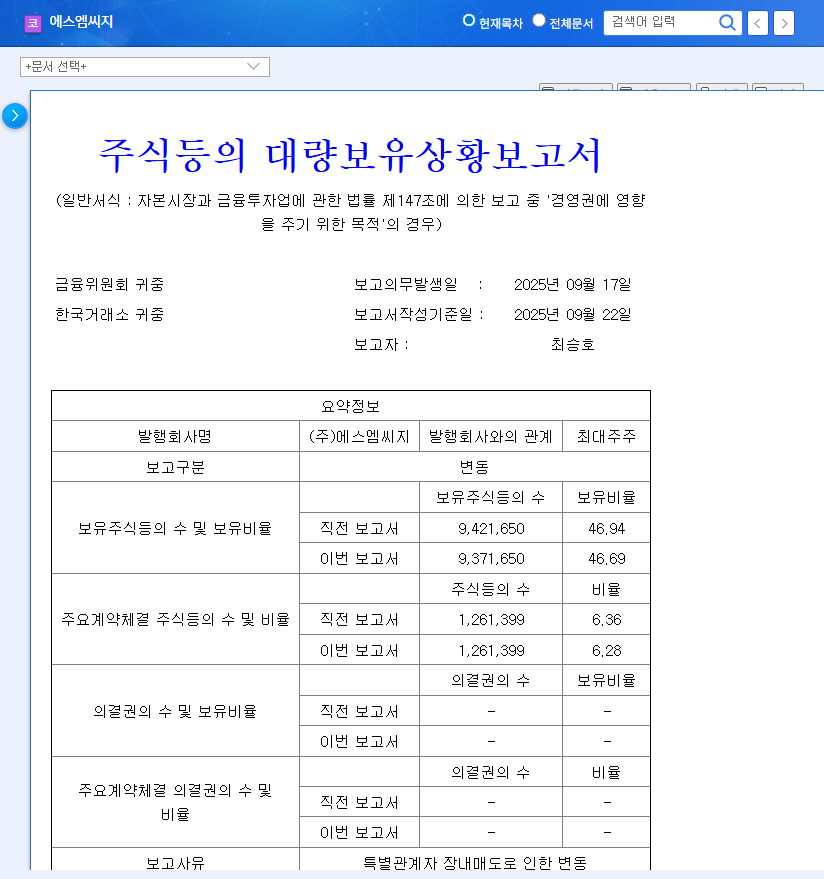
    On September 22, 2025, Yong-bae Kim, a close associate of SMCG’s largest shareholder, sold 50,000 shares (0.25%p) of the company. This slightly decreased the combined stake held by related parties, including CEO Seung-ho Choi, from 46.94% to 46.69%.

    Why the Sale, and What’s the Market Impact?

    The reason for Kim’s sale hasn’t been officially disclosed. While it could be for personal financial reasons, investors should consider various scenarios, including potential changes in management control. This sale could negatively impact SMCG’s stock price in the short term. Insider selling often creates uncertainty and dampens investor sentiment.

    Is SMCG Still an Attractive Investment?

    Despite the short-term risks, SMCG remains an attractive investment opportunity. In the first half of 2025, the company’s revenue and operating profit increased by 57.9% and 174.7% year-over-year, respectively, demonstrating robust growth. Positive factors include the K-Beauty boom, increasing demand for eco-friendly glass containers, and the expansion of the premium cosmetics market. The company’s financial structure has also improved since its KOSDAQ listing.

    What Should Investors Do?

    Investors considering SMCG should be aware of potential short-term price volatility. It’s crucial to carefully monitor the possibility of further share sales, potential management changes, and shifts in fundamental indicators. A long-term investment perspective is recommended. Pay close attention to any further sales by Kim, the company’s official stance on management control, and changes in key financial metrics.


    FAQ

    Why did Yong-bae Kim sell his shares?

    The official reason for the sale has not been disclosed. It may be for personal financial management, but investors should consider all possibilities.

    What is the outlook for SMCG’s stock price?

    The stock price might experience volatility in the short term due to the sale. However, the company’s long-term growth potential should be considered.

    What should investors be aware of when considering SMCG?

    Investors should monitor further share sales, potential management changes, and changes in the company’s key financial indicators.


    SMCG Share Sale: What Does It Mean for Investors? 관련 이미지
    SMCG Share Sale: What Does It Mean for Investors? 관련 이미지


  • SMCG Stock Forecast: Asset Management Firm Acquires 5% Stake! 🚀 Uncovering Investment Opportunities

    SMCG Stock Forecast: Asset Management Firm Acquires 5% Stake! 🚀 Uncovering Investment Opportunities 대표 차트 이미지

    1. What Happened?

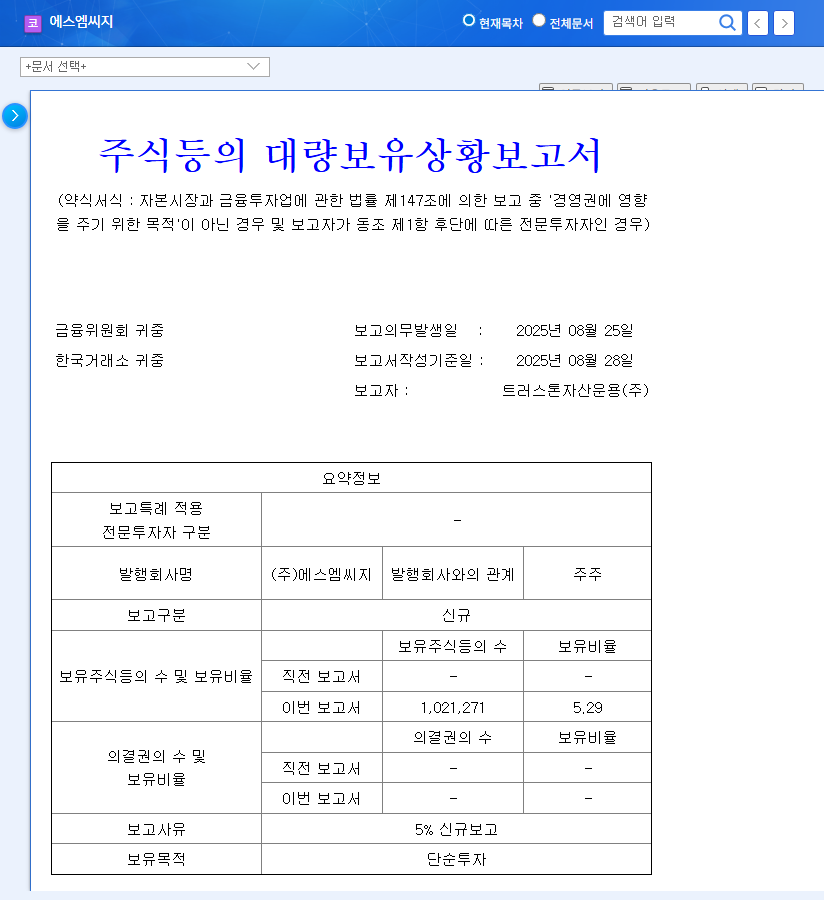
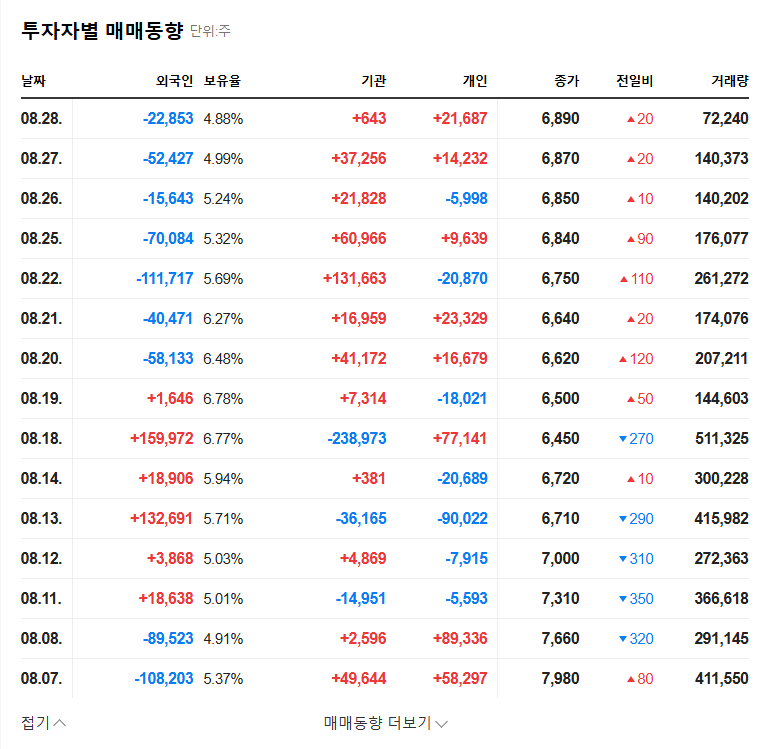
    On August 29, 2025, a public announcement revealed that an asset management firm acquired 5.29% of SMCG’s shares through on-market purchases. Although stated as a simple investment, the market interprets it as a positive signal.

    2. Why is it Important?

    Securing a stake by an institutional investor signifies recognition of the company’s growth potential and investment value. This is particularly positive for SMCG, which has successfully achieved a turnaround to profit and benefits from the growth of the K-Beauty market. With 707 proprietary molds, diverse small-quantity production capabilities, and customized development expertise, SMCG has demonstrated its technological prowess and quality competitiveness through collaborations with global companies. The increasing demand for eco-friendly glass containers due to ESG and premiumization trends is also a promising aspect.

    • Strengths: Solid fundamentals, benefiting from K-Beauty growth, aligned with eco-friendly trends
    • Opportunities: Increased production capacity, expansion of R&D investment
    • Weaknesses: High inventory levels, negative operating cash flow
    • Threats: Raw material price volatility, macroeconomic uncertainty

    3. So, What’s Next?

    The acquisition of the stake by the asset management firm is likely to provide short-term upward momentum for the stock price. The mid-to-long-term outlook is also positive, but it’s crucial to monitor inventory management and improvement in operating cash flow.

    4. What Should Investors Do?

    Approaching from a buy perspective, it’s advisable to consider a dollar-cost averaging strategy. Continuous monitoring of market conditions and company changes is essential, paying close attention to further stake changes, earnings announcements, and new product developments.

    Q: What is SMCG’s main business?

    A: SMCG specializes in ODM of cosmetic glass containers. They develop various small-quantity production and customized containers based on 707 proprietary molds.

    Q: Why should I invest in SMCG?

    A: It possesses growth potential with successful turnaround to profit, benefiting from K-Beauty market growth and eco-friendly trends. The stake acquisition by the asset management firm signals recognition of the company’s value.

    Q: What are the points to consider when investing?

    A: High inventory levels and negative operating cash flow require continuous monitoring. Also, be mindful of macroeconomic changes and raw material price volatility.

    SMCG Stock Forecast: Asset Management Firm Acquires 5% Stake! 🚀 Uncovering Investment Opportunities 관련 이미지
    SMCG Stock Forecast: Asset Management Firm Acquires 5% Stake! 🚀 Uncovering Investment Opportunities 관련 이미지
  • SMCG Q2 Earnings Disappoint: Analyzing Growth Potential and Investment Risks

    1. SMCG Q2 Earnings: Below Expectations

    SMCG reported Q2 2025 revenue of ₩16.1B (-10% YoY), operating profit of ₩1.7B (-11% YoY), and net income of ₩1.3B (-41% YoY), missing market expectations. The significant decline in net income has raised investor concerns.

    2. Reasons for Underperformance: One-off Costs and External Factors

    The disappointing results are attributed to a combination of factors, including increased one-time costs related to a merger, higher financial expenses, rising raw material prices, and unfavorable exchange rate fluctuations. Operating cash flow also worsened due to increased inventory.

    3. Positive Factors: Growth Momentum Remains

    • • Supplying global beauty companies: L’Oreal, Johnson & Johnson
    • • Benefiting from ESG and premiumization trends: Eco-friendly glass containers
    • • Expansion of production capacity and automation investment
    • • K-Beauty growth and export diversification
    • • Expected improvement in financial structure through KOSDAQ listing

    4. Action Plan for Investors: 5 Key Checkpoints

    SMCG presents both growth potential and short-term financial risks. Consider these 5 points before investing:

    • • Possibility of earnings turnaround in the second half
    • • Trend of financial health improvement (debt ratio reduction)
    • • Improvement in working capital management efficiency
    • • New order wins and global market expansion performance
    • • Exchange rate fluctuation risk management strategy

    Frequently Asked Questions

    What is SMCG’s main business?

    SMCG manufactures cosmetic containers, specializing in colored glass containers. They supply products to global beauty companies like L’Oreal and Johnson & Johnson.

    Why were Q2 earnings disappointing?

    A combination of increased one-time merger costs, higher financial expenses, rising raw material prices, and unfavorable exchange rates contributed to the underperformance.

    What is the outlook for SMCG?

    While positive factors like K-beauty growth, ESG trends, and production capacity expansion exist, managing financial risks is crucial. Close monitoring of future earnings improvement is necessary.

  • SMCG Stock Option Exercise: Impact on Stock Price?

    1. What Happened?

    SMCG announced the exercise of stock options, representing 2.69% of its total outstanding shares. The exercise date is August 29th, and the exact number of shares exercised will be announced later. This is a significant event to consider, along with the issuance of convertible bonds (KRW 1.395 billion) announced in the amended quarterly report in March.

    2. Why Does it Matter?

    The exercise of stock options affects the dilution of existing shareholders’ equity, changes in capital structure, and ultimately, the stock price. When considered alongside the convertible bond issuance, the dilution effect could be more substantial. These changes are essential factors for investors’ decision-making.

    3. How Will it Affect the Stock Price?

    Currently, SMCG’s stock price is showing an upward trend. Although a dilution effect is expected, its limited scale suggests a minimal negative impact on the stock price. However, the stock price volatility could increase depending on factors such as the actual number of shares exercised, raw material price fluctuations, and market conditions. The interaction with the convertible bond issuance from the March quarterly report amendment should also be closely monitored.

    4. What Should Investors Do?

    Investors should continuously monitor the actual number of shares exercised, SMCG’s future quarterly performance, raw material price fluctuations, and the conversion of convertible bonds. This will allow them to respond quickly to changes in market conditions and make informed investment decisions.

    What is a stock option exercise?

    It’s a system that grants company employees and others the right to purchase company shares at a predetermined price. When this right is exercised, new shares are issued, potentially diluting the equity value of existing shareholders.

    What’s the impact on the SMCG stock price?

    This stock option exercise corresponds to 2.69% of the total shares, so the dilution effect is expected to be limited. However, the impact may vary depending on the actual number of shares exercised.

    What precautions should investors take?

    Investors should continuously monitor factors such as the actual number of shares exercised, future quarterly performance, raw material price fluctuations, and conversion of convertible bonds, responding flexibly to changes in market conditions.