Tag: Share Buyback

  • (183190) ASIA CEMENT Share Buyback: In-Depth Analysis & Stock Outlook (183190)

    (183190) ASIA CEMENT Share Buyback: In-Depth Analysis & Stock Outlook (183190)

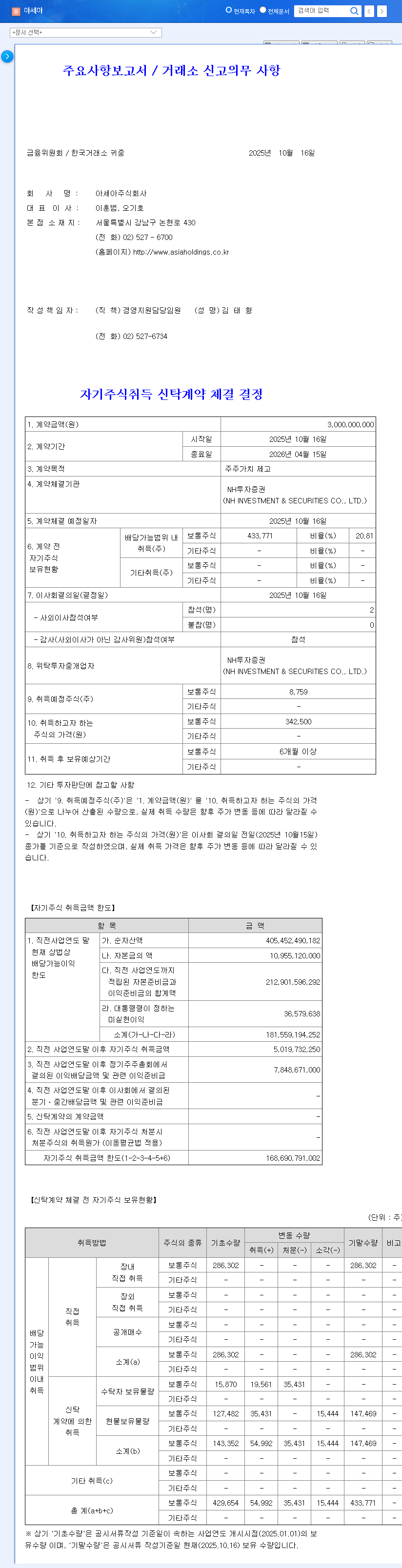
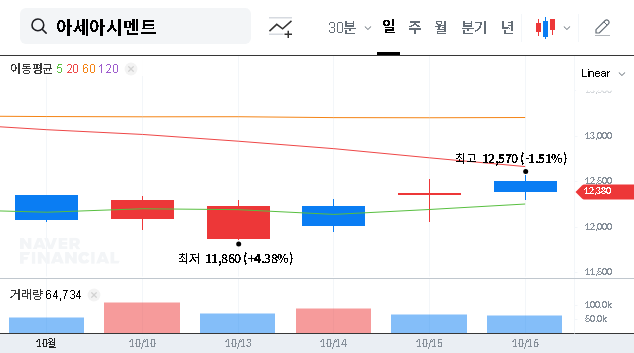
    The recent ASIA CEMENT share buyback announcement has sent ripples through the investment community. With a commitment to acquire KRW 5 billion in treasury shares, ASIA CEMENT CO.,LTD. (183190) is making a significant statement about its financial health and future outlook. This move, representing over 1% of its market capitalization, signals management’s belief that the company’s stock is undervalued and is a direct action to enhance shareholder value.

    For current shareholders and potential investors, this decision raises critical questions. How will this treasury stock acquisition affect the stock price in the short and long term? What are the underlying risks? This comprehensive analysis will break down the implications of ASIA CEMENT’s strategy, providing a clear roadmap for your investment decisions.

    Deconstructing the KRW 5 Billion Share Buyback

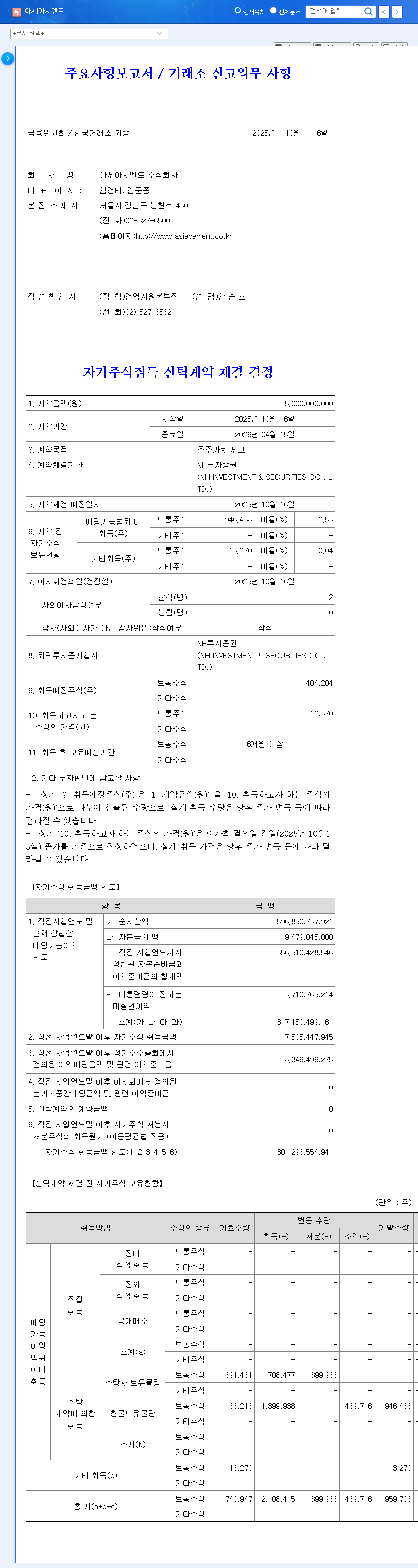
    On October 16, 2025, ASIA CEMENT CO.,LTD. officially disclosed its plan to repurchase its own stock. The core details of this strategic financial maneuver are crucial for understanding its potential impact. The company will execute this through a trust agreement with NH Investment & Securities.

    Key Details of the Announcement

    • Acquisition Amount: A substantial KRW 5 billion.
    • Market Impact: This represents approximately 1.08% of the company’s market capitalization of KRW 462.4 billion.
    • Execution Period: The buyback is scheduled from October 16, 2025, to April 15, 2026.
    • Stated Purpose: To stabilize the stock price and ultimately enhance shareholder value.
    • Source: The details can be verified in the Official Disclosure on DART.

    A share buyback of this scale is a powerful communication tool. It tells the market that the company’s leadership has strong confidence in its operational stability and future growth prospects, viewing its own stock as a prime investment.

    Impact Analysis: What This Means for ASIA CEMENT Stock

    A treasury stock acquisition can influence a company’s valuation through several mechanisms. Understanding these effects is key to anticipating the potential trajectory of the ASIA CEMENT stock price.

    Potential for Short-Term Price Appreciation

    The immediate effect is often positive. By reducing the number of shares available on the open market, the company can artificially boost key financial metrics. This creates positive sentiment, which can lead to a short-term rally.

    • Increased EPS: With fewer shares outstanding, the Earnings Per Share (EPS) ratio improves, making the stock appear more profitable and attractive. You can learn more about how EPS is calculated and its importance from authoritative sources.
    • Positive Investor Psychology: The move signals confidence from the inside, encouraging existing investors to hold and new investors to buy in.
    • Demand Catalyst: The buyback itself creates a consistent source of demand for the stock over the acquisition period, which can support the price.

    Path to Long-Term Value Creation

    While the short-term effects are notable, the long-term success of the ASIA CEMENT share buyback depends on follow-through. If this is part of a broader strategy of prudent capital allocation and shareholder returns, the market may re-evaluate the company’s intrinsic value upwards. Continued buybacks or a future decision to cancel the acquired shares could further enhance long-term shareholder profits.

    Investor Strategy: Navigating Risks and Opportunities

    While the buyback is a positive signal, it is not a guarantee of future returns. Astute investors must consider potential risks and develop a clear action plan.

    Key Risk Factors to Monitor

    • Market Headwinds: A broader market downturn or negative news specific to the construction/cement industry could overwhelm the positive impact of the buyback.
    • Execution Pace: If the company acquires shares too slowly or fails to complete the full KRW 5 billion purchase, market confidence could wane.
    • Fundamental Performance: The buyback cannot mask underlying weaknesses. The company must continue to deliver strong operational results and profitability.

    Recommended Investor Action Plan

    To make an informed decision, proactive research is essential. We recommend the following steps:

    • Analyze Company Fundamentals: Dive into ASIA CEMENT’s latest financial reports. Assess revenue growth, profit margins, and debt levels.
    • Monitor Industry Trends: Keep an eye on the health of the construction sector, raw material costs, and government infrastructure projects. For more details, see our full analysis of the South Korean cement industry.
    • Track Buyback Progress: Follow company disclosures to monitor the pace and volume of the share repurchases.
    • Look for Future Policies: Watch for announcements regarding dividend policies or plans for share cancellation, which would signal a deeper commitment to shareholder returns.

    In conclusion, the ASIA CEMENT share buyback is a significant and positive development. It provides a potential catalyst for the stock but should be viewed within the broader context of the company’s fundamentals and market conditions. A disciplined and research-based approach will be the key to capitalizing on this opportunity.
    (183190) ASIA CEMENT Share Buyback: In-Depth Analysis & Stock Outlook (183190) 관련 이미지
  • (002030) ASIA HOLDINGS CO.,LTD Share Buyback (002030): A Deep Dive for Investors

    (002030) ASIA HOLDINGS CO.,LTD Share Buyback (002030): A Deep Dive for Investors

    The recent announcement of the ASIA HOLDINGS CO.,LTD share buyback has generated significant buzz among investors. The company (KOSDAQ: 002030) has committed to a 3 billion won share repurchase program, citing a desire to ‘enhance shareholder value.’ But what does this corporate action truly mean for your portfolio? This comprehensive analysis goes beyond the headlines to dissect the key details, potential stock price impact, and a clear strategy for current and prospective investors.

    Core Details of the Share Buyback Announcement

    To understand the implications, we must first look at the specifics of the plan. The company has entered into a trust agreement with NH Investment & Securities to execute the buyback. This move is a direct signal from management, but its scale and timing are crucial for interpreting its potential effectiveness.

    Official Announcement Details:
    Company: ASIA HOLDINGS CO.,LTD (002030)
    Value: 3 Billion KRW (approx. 0.42% of market capitalization)
    Contract Period: October 16, 2025, to April 15, 2026
    Stated Purpose: To enhance shareholder value and stabilize stock price.
    Source: Official Disclosure (DART)

    Analyzing the Impact on ASIA HOLDINGS CO.,LTD’s Stock Price

    A share buyback, or share repurchase, can influence a company’s stock in several ways. The effects can be categorized into short-term sentiment drivers and long-term value creation, both of which merit careful consideration.

    Short-Term Effects: A Boost to Investor Confidence?

    In the immediate aftermath of the announcement, the market reaction is often positive. Here’s why:

    • Supply Reduction: By buying back shares from the open market, the company reduces the total number of outstanding shares. This can artificially inflate key metrics like Earnings Per Share (EPS), making the stock appear more attractive.
    • Positive Signaling: A buyback signals that management believes the company’s stock is undervalued. It’s a tangible way of saying, “We think our shares are a great investment right now.”
    • Price Support: The act of buying provides a floor of demand, which can help stabilize the stock price during periods of market volatility.

    However, the scale of this particular ASIA HOLDINGS CO.,LTD share buyback is modest at 0.42% of its market cap. While positive, this amount may not be substantial enough to trigger a major, sustained rally on its own. It’s more likely to provide a gentle tailwind rather than a powerful push.

    Mid- to Long-Term Outlook: Beyond the Initial Hype

    The true long-term impact of this share repurchase hinges entirely on the company’s underlying fundamentals and future actions. A buyback is not a substitute for genuine business growth. If the company’s core operations are strong—with growing revenue, healthy profit margins, and a solid competitive position—the buyback can amplify shareholder returns. Conversely, if the buyback is being used to mask poor operational performance, its positive effects will be fleeting.

    A Smart Action Plan for Investors

    Given the available information, a prudent investor should view this news as one piece of a much larger puzzle. Here is a strategic checklist to guide your decision-making process:

    • Conduct Deep Fundamental Analysis: Go beyond this event. It is essential to analyze ASIA HOLDINGS CO.,LTD’s financial health. Look at revenue trends, debt levels, and profitability ratios. A great place to start is by learning how to analyze a company’s balance sheet.
    • Monitor Buyback Execution: Keep an eye on disclosures during the contract period. Is the company actively buying shares, or was this merely an announcement to boost sentiment? Consistent purchasing shows real commitment.
    • Assess the Broader Context: Consider the industry outlook and the company’s competitive position. Is the sector growing? Does ASIA HOLDINGS CO.,LTD have a durable competitive advantage?
    • Look for Future Shareholder Policies: This buyback could be the first step in a more shareholder-friendly strategy. Look for announcements regarding dividends or future capital allocation plans.

    Conclusion: A Positive Signal, But Diligence is Key

    The ASIA HOLDINGS CO.,LTD share buyback is an encouraging development that demonstrates management’s commitment to enhancing shareholder value. It can provide short-term price support and improve investor sentiment. However, its relatively small scale means it cannot be the sole basis for an investment decision. The long-term success of the stock will be determined by the company’s fundamental business performance. We recommend investors use this news as a catalyst for deeper due diligence, not as a standalone buy signal.

    Frequently Asked Questions (FAQ)

    Q1: How will this share buyback directly affect ASIA HOLDINGS CO.,LTD’s stock price?
    A1: In the short term, it may create positive sentiment and support the price. By reducing the number of shares, it also increases EPS. However, its small size (0.42% of market cap) may limit a dramatic price surge. Long-term impact depends on the company’s financial health.

    Q2: What is the main reason for the ASIA HOLDINGS CO.,LTD share repurchase?
    A2: The officially stated purpose is to ‘enhance shareholder value.’ This is a common corporate finance strategy to signal management’s confidence that the stock is undervalued and to return capital to shareholders.

    Q3: What should I do as an investor in light of this news?
    A3: View this news as a single data point. The most prudent action is to conduct a thorough analysis of the company’s fundamentals, including its financial statements, growth prospects, and competitive landscape, before making any investment decisions.

    Disclaimer: This analysis is for informational purposes only and does not constitute financial advice. All investment decisions should be made at the investor’s own discretion.

    (002030) ASIA HOLDINGS CO.,LTD Share Buyback (002030): A Deep Dive for Investors 관련 이미지
  • (204610) T3 Share Buyback Analysis (2025): A Smart Move or Risky Gamble?

    (204610) T3 Share Buyback Analysis (2025): A Smart Move or Risky Gamble?

    T3 Inc. has thrust itself into the market spotlight with a significant announcement: a KRW 3 billion share buyback and cancellation plan. In a period marked by struggles in its core gaming business, this move raises a critical question for investors: Is this a genuine signal of an impending turnaround and a commitment to shareholder value, or merely a temporary tactic to boost a flagging stock price? This comprehensive T3 stock analysis will dissect the decision, examine the company’s underlying fundamentals, and provide a clear action plan for anyone considering an investment.

    While the T3 share buyback offers immediate positive momentum, its long-term success hinges entirely on the fundamental recovery of the company’s core business and the growth of its new ventures.

    Decoding the KRW 3 Billion T3 Share Buyback Announcement

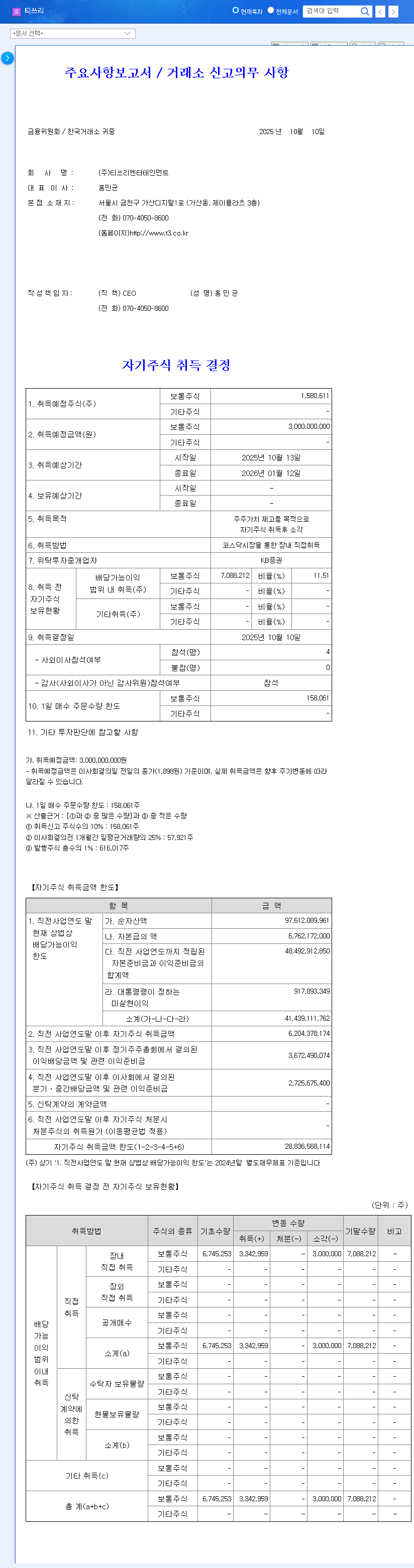
    On October 10, 2025, T3 Inc. formally declared its intention to acquire and subsequently cancel its own treasury shares. This is a direct and powerful method to enhance shareholder value. Here are the crucial details of the plan:

    • Company: T3 Inc. (Market Cap: KRW 116.4 Billion)
    • Total Value: KRW 3 Billion
    • Shares to Acquire: 1,580,611 common shares
    • Percentage of Market Cap: 2.57%
    • Method: Direct acquisition on the KOSDAQ market
    • Purpose: Treasury stock acquisition for cancellation

    The decision to not just buy back but to cancel the shares is particularly significant. It permanently reduces the number of outstanding shares, preventing them from being reissued later. The full details can be reviewed in the company’s Official Disclosure on DART.

    The Strategic ‘Why’: A Signal of Confidence Amidst Challenges?

    This share buyback isn’t happening in a vacuum. To understand the motivation, we must look at T3’s complex internal situation and financial standing.

    A Tale of Diverging Business Performance

    T3’s business is currently a mixed bag. The core Game Service division, once the primary growth engine, has seen its revenue fall by 47.16% due to the slowing of its flagship ‘Audition’ IP. Conversely, its Distribution and Other Business divisions are showing signs of life, turning profitable and hinting at successful diversification into new solutions and technologies. This suggests management may believe the market is overly punishing the stock for the gaming division’s slump while ignoring the potential in other areas.

    The Financial Foundation: How Can T3 Afford This?

    A crucial factor enabling this treasury stock acquisition is T3’s improving financial health. Based on its H1 2025 report, the company has made significant strides:

    • Reduced Debt: Total liabilities have decreased by a substantial 31.05%, indicating a much stronger and less risky balance sheet.
    • Increased Equity: Total equity has risen by 4.29%, driven by net income improvements.
    • Recovering Cash Flow: Operating cash flow is showing signs of recovery, ensuring the business can fund its operations.

    This fortified financial position suggests that the KRW 3 billion outlay is manageable and represents a calculated investment in restoring market confidence. For those looking to dive deeper, understanding these metrics is key. You can learn more by reading our guide on how to analyze company financial statements.

    Market Impact & Investment Thesis

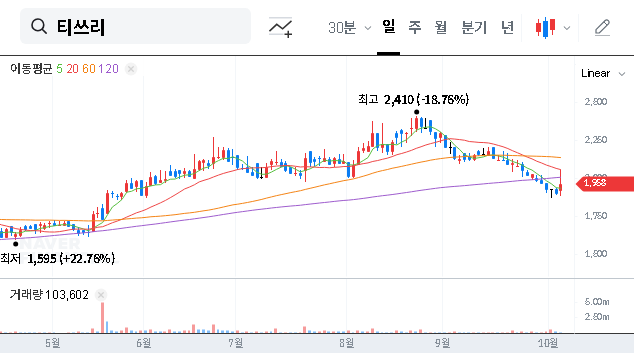
    By taking shares off the market, the T3 share buyback mechanically increases each remaining share’s claim on the company’s profits. This boosts a key metric called Earnings Per Share (EPS), which is often a strong catalyst for stock price appreciation. Historically, buyback announcements are received positively by the market as they signal that management believes the stock is undervalued.

    This action is particularly potent in the current macroeconomic environment of high interest rates and exchange rate volatility. In times of uncertainty, such a decisive move to protect shareholder value can differentiate a company from its peers and attract investor attention.

    An Action Plan for T3 Investors

    The Bull Case (Reasons for Optimism)

    • Aggressive Shareholder Returns: The buyback and cancellation is a powerful, shareholder-friendly signal.
    • Solid Financial Footing: The company can afford the move without jeopardizing its stability.
    • Diversification Potential: Early success in new ventures could provide future growth engines.

    The Bear Case (Key Risks to Monitor)

    • Core Business Decline: A share buyback cannot fix a fundamental drop in game revenue.
    • Macroeconomic Headwinds: A poor overall market can mute the positive effects of the buyback.
    • Low Foreign Ownership: The move may not be enough on its own to attract significant institutional capital.

    In conclusion, while the T3 share buyback provides a compelling short-term catalyst, a sustainable long-term T3 Inc. investment requires a clear path to recovery for the gaming division and continued execution in its newer business segments. This action buys the company time and goodwill; now it must deliver on performance.

    (204610) T3 Share Buyback Analysis (2025): A Smart Move or Risky Gamble? 관련 이미지
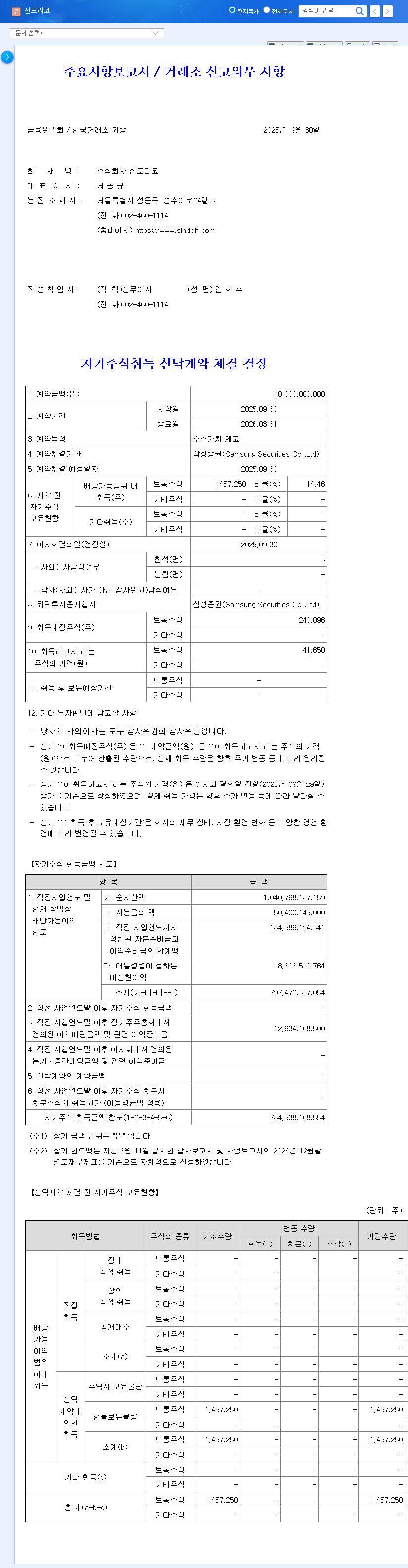
  • (029530) Sindoh Share Buyback (029530): KRW 10B Investment Analysis

    (029530) Sindoh Share Buyback (029530): KRW 10B Investment Analysis

    In a significant move capturing investor attention, Sindoh (029530) has announced a substantial KRW 10 billion Sindoh share buyback program. This decision comes at a pivotal moment, as the company navigates a period of financial underperformance against a backdrop of global economic uncertainty. For investors, the key question is clear: Is this stock repurchase a strategic masterstroke to unlock shareholder value and signal a confident future, or is it a short-term measure to placate the market? This comprehensive investment analysis will dissect the buyback’s context, potential impacts, and crucial considerations for anyone monitoring Sindoh 029530.

    The Announcement: A KRW 10 Billion Commitment to Shareholders

    On September 30, 2025, Sindoh, a stalwart in the office equipment sector, formally disclosed its plan to acquire its own shares through a trust agreement. The company has allocated KRW 10 billion for this purpose, contracting with Samsung Securities to execute the buyback. The program is set to run for six months, from September 30, 2025, to March 31, 2026. This move is explicitly aimed at enhancing shareholder value and stabilizing the stock price. You can view the complete filing in the Official Disclosure (DART).

    Analyzing the ‘Why’: Strategy Amidst a Downturn

    Confronting Recent Financial Headwinds

    The timing of the Sindoh share buyback is critical. The company’s H1 2025 report revealed challenging results: sales fell 16.13% year-on-year to KRW 150.28 billion, and operating profit saw a steep 91.88% decline to just KRW 1.63 billion. A significant 27.27% drop in exports highlighted the impact of a global slowdown, ultimately pushing the company to a net loss of KRW 1.51 billion. These figures paint a picture of a company facing intense competition and volatile raw material prices, making the commitment of KRW 10 billion to a buyback a bold statement of confidence.

    A Fortress Balance Sheet and Tech Foundation

    Despite the operational struggles, Sindoh’s financial foundation is exceptionally strong. A staggering current ratio of 1,752.43% and a minuscule debt-to-equity ratio of 7.90% indicate immense liquidity and low financial risk. This robust balance sheet is precisely what enables the company to fund a significant stock repurchase without jeopardizing its operational stability. Furthermore, consistent R&D investment and a portfolio of 673 industrial property rights underscore a commitment to long-term technological competitiveness, a crucial asset in the rapidly evolving office equipment industry. For more information on what these metrics mean, you can read this guide on Understanding Financial Ratios for Tech Companies.

    The core of this decision lies in the tension between recent poor performance and an incredibly strong financial structure. Management is signaling that they believe the company’s intrinsic value is far greater than its current market price reflects.

    Potential Impacts of the Sindoh Share Buyback

    A share buyback, also known as a stock repurchase, can have several positive effects. By reducing the number of shares outstanding, it mechanically increases key per-share metrics. A detailed explanation of this mechanism can be found on high-authority sites like Investopedia.

    The Bull Case: Enhanced Value and Confidence

    • Increased EPS and ROE: With fewer shares in circulation, Earnings Per Share (EPS) and Return on Equity (ROE) are likely to increase, assuming profits stabilize or grow. This makes the stock appear more attractive on a fundamental basis.
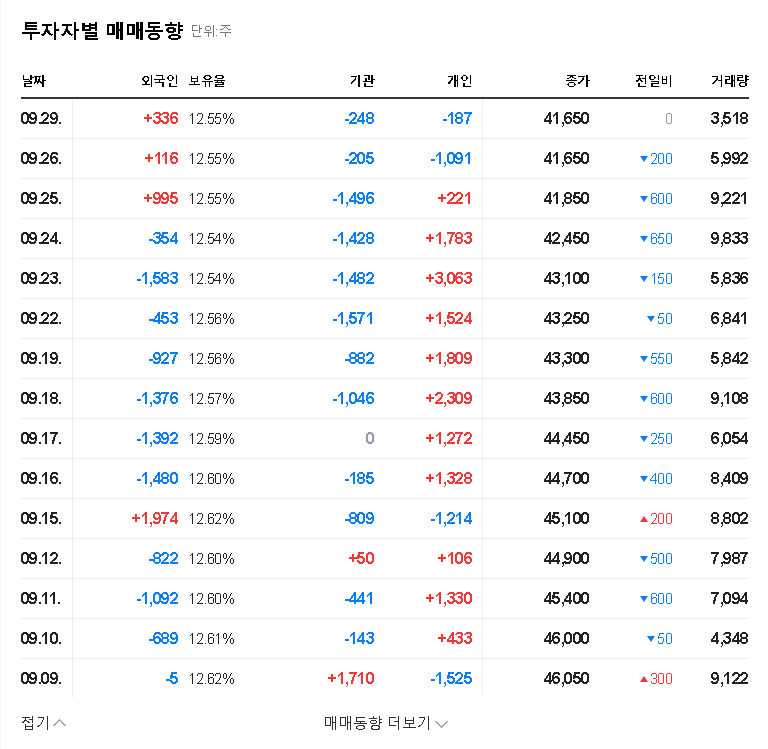
    • Stock Price Support: The buyback creates a consistent source of demand for the stock, which can act as a floor, preventing sharp price declines and contributing to overall stability during volatile periods.
    • Positive Management Signal: A buyback is often interpreted as a sign that the company’s management believes its stock is undervalued. This can significantly boost investor confidence and sentiment.

    The Bear Case: A Band-Aid on a Deeper Wound

    • Dependency on Performance: The positive effects of the buyback will be short-lived if not supported by a genuine turnaround in operational performance. A stock repurchase cannot indefinitely prop up a stock price if revenues and profits continue to decline.
    • Opportunity Cost: The KRW 10 billion could have been used for other strategic initiatives, such as acquisitions, aggressive R&D into new technologies, or marketing pushes to reclaim market share.
    • Market Headwinds: Broader macroeconomic factors, such as rising interest rates, currency fluctuations, and a sustained global slowdown, could overwhelm the positive impact of the buyback.

    Investor Action Plan & Final Verdict

    Our overall investment opinion for Sindoh 029530 remains Neutral. The Sindoh share buyback is an undeniably positive signal of commitment to shareholder value, made possible by an exemplary balance sheet. It provides a strong reason for existing shareholders to hold and a point of interest for potential investors.

    However, this action must be viewed as a single piece of a larger puzzle. A sustainable rally in the stock price will depend entirely on the company’s ability to navigate the tough market, innovate, and restore its profitability. Investors should not rely on the buyback alone but should instead monitor the following key points closely.

    Key Monitoring Points for Investors:

    • Buyback Execution: Track the progress and pace of the share repurchase over the next six months.
    • Quarterly Earnings Reports: Scrutinize the upcoming financial reports for any signs of a turnaround in sales and operating profit.
    • Strategic Initiatives: Look for announcements regarding new products, market expansion, or efficiency improvements that address the core performance issues.
    • Macroeconomic Indicators: Keep an eye on global trade data, currency exchange rates (especially USD/KRW), and raw material costs.

    Disclaimer: This article is for informational purposes only and does not constitute investment advice. All investment decisions should be made based on your own research and risk tolerance.

    (029530) Sindoh Share Buyback (029530): KRW 10B Investment Analysis 관련 이미지
    (029530) Sindoh Share Buyback (029530): KRW 10B Investment Analysis 관련 이미지
  • Manho Steel Announces KRW 25 Billion Share Buyback: Impact on Stock Price and Investment Strategy


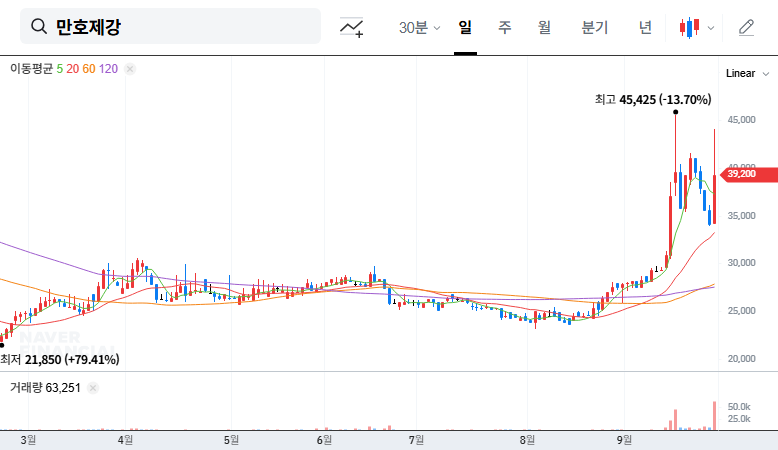
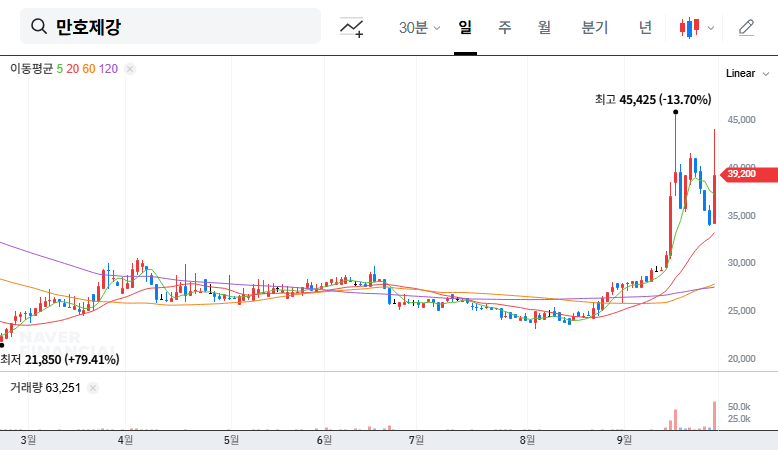
    Manho Steel Announces KRW 25 Billion Share Buyback: Impact on Stock Price and Investment Strategy 대표 차트 이미지


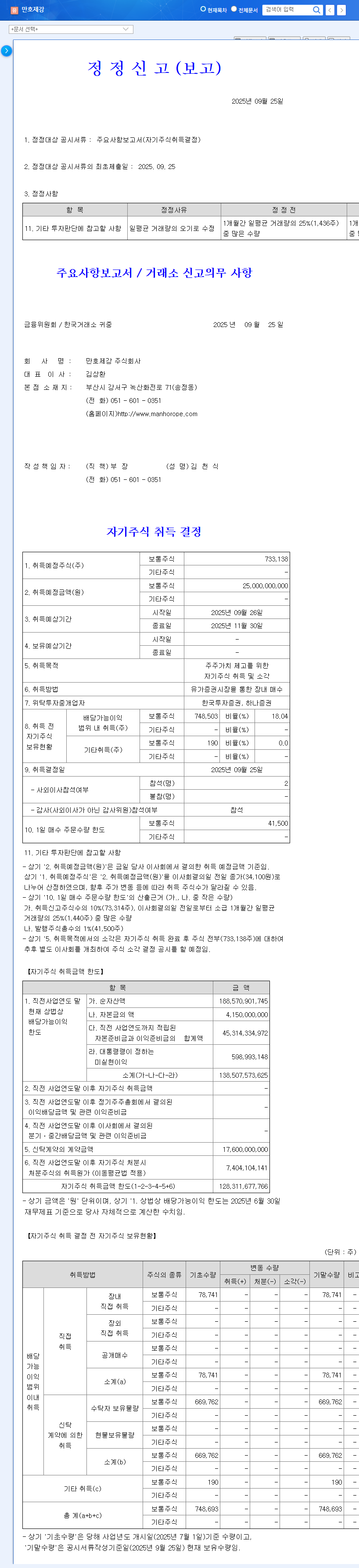
    1. What Happened? : Manho Steel Announces KRW 25 Billion Share Buyback

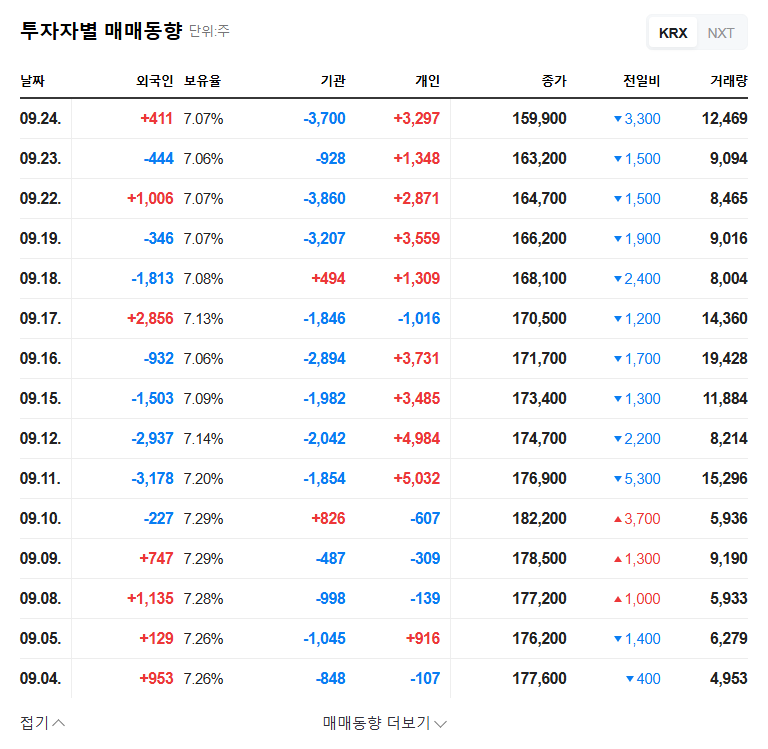
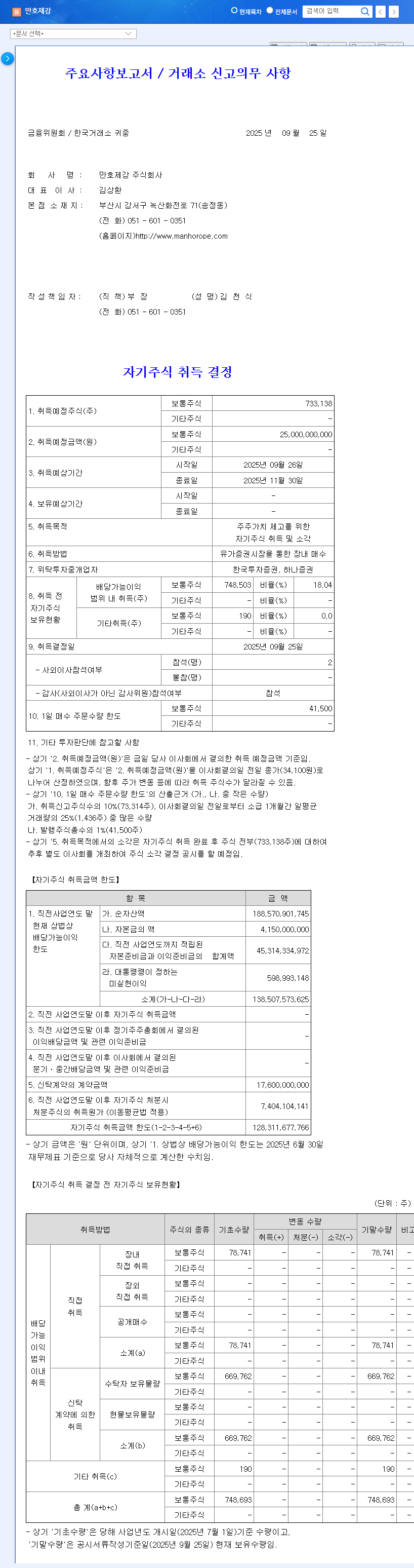
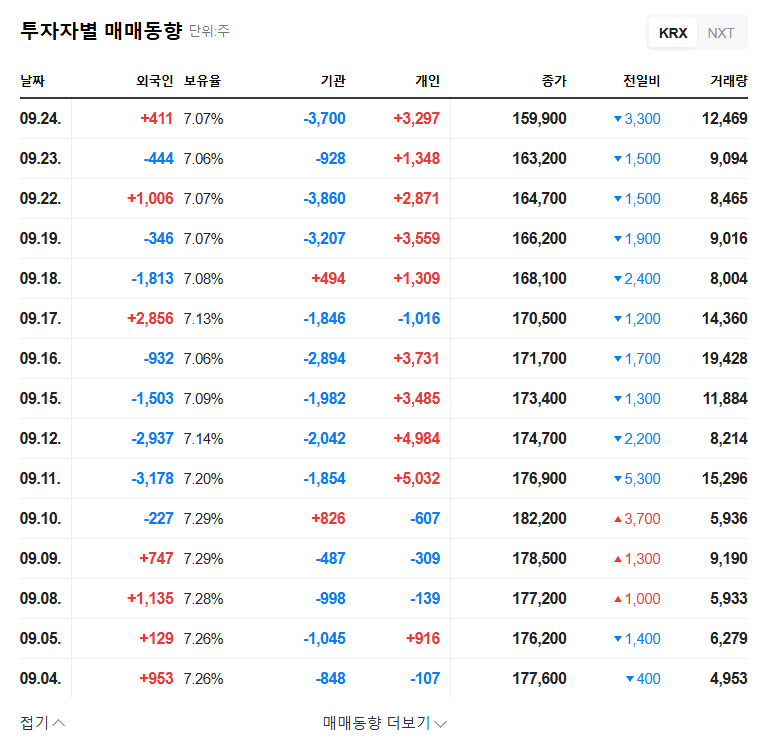
    Manho Steel announced on September 25, 2025, its decision to repurchase KRW 25 billion worth of its own shares to enhance shareholder value. The company plans to buy back 733,138 common shares through open market purchases via Korea Investment & Securities and Hana Financial Investment.

    2. Why the Buyback? : Enhancing Shareholder Value and Boosting Stock Price

    The primary objective of this share buyback is to enhance shareholder value and boost the stock price. Repurchasing and subsequently retiring these shares will reduce the number of outstanding shares, leading to an increase in earnings per share (EPS) and book value per share (BPS). This is generally viewed as a positive catalyst for stock price appreciation.

    3. What’s the Expected Impact? : Short-Term Momentum and Long-Term Value Creation

    In the short term, the announcement itself can generate positive market sentiment, potentially driving a price rally. In the long run, the actual retirement of shares should increase the intrinsic value of the company, potentially leading to higher dividend payouts for shareholders.

    • Positive Factors: Improving financial health, net income turning to profit
    • Negative Factors: Continued decline in revenue, macroeconomic uncertainties (exchange rates, raw material prices)

    4. What Should Investors Do? : Close Monitoring and a Long-Term Perspective

    Investors should closely monitor the progress of the buyback program and its impact on the stock price. It’s crucial to avoid short-term market fluctuations and focus on the company’s underlying fundamentals and long-term growth potential when making investment decisions. Continued attention to Manho Steel’s future earnings announcements and market dynamics is recommended.


    Frequently Asked Questions (FAQ)

    What is a share buyback?

    A share buyback is when a company repurchases its own shares from the open market. This is often done to enhance shareholder value, stabilize stock price, or return excess cash to shareholders.

    How does a share buyback affect the stock price?

    Share buybacks typically reduce the number of outstanding shares, which increases earnings per share (EPS) and book value per share (BPS), often leading to a higher stock price.

    What is the size of Manho Steel’s share buyback program?

    Manho Steel’s buyback program is worth KRW 25 billion, representing 17.67% of its market capitalization.

    How is Manho Steel’s financial health?

    While revenue has been declining, the company has shown improvement in reducing its operating loss and achieving net income profitability. Its financial health is also strengthening.

    What should investors consider when investing in Manho Steel?

    While share buybacks can be positive, they do not guarantee stock price appreciation. Investors should consider the company’s overall performance, market conditions, and other factors before making investment decisions.


    Manho Steel Announces KRW 25 Billion Share Buyback: Impact on Stock Price and Investment Strategy 관련 이미지
    Manho Steel Announces KRW 25 Billion Share Buyback: Impact on Stock Price and Investment Strategy 관련 이미지


  • Manho Steel’s Share Buyback: A Bullish Signal? Key Analysis for Investors!


    Manho Steel's Share Buyback: A Bullish Signal? Key Analysis for Investors! 대표 차트 이미지


    1. What Happened? : Manho Steel Announces ₩25 Billion Share Buyback

    On September 25, 2025, Manho Steel announced a significant share buyback and cancellation program amounting to ₩25 billion, representing 17.67% of its total outstanding shares. This move, aimed at enhancing shareholder value, is creating ripples in the market.

    2. Why? : The Rationale and Expected Impact of the Buyback

    Share buybacks reduce the number of outstanding shares, thereby increasing earnings per share (EPS) and book value per share (BPS). This translates to higher returns for shareholders and fuels expectations of a stock price increase. In Manho Steel’s case, the substantial ₩25 billion buyback is likely to attract market attention and be interpreted as a positive signal.

    3. So What? : Positive Effects and Hidden Risks

    • Positive Effects: Enhanced shareholder value, stock price appreciation potential, possible improvement in financial structure
    • Hidden Risks: Potential cash depletion, uncertainty of actual impact, market volatility, existing fundamental risks (global economic downturn, increased competition, past financial issues, etc.)

    Despite a decline in sales in FY2023, Manho Steel showed positive signs by reducing its operating loss through cost reductions and improved gross profit margin. However, external factors like the global economic downturn and increased competition, along with internal factors such as past financial statement revisions, remain potential risks.

    4. Investor Action Plan : Proceed with Caution

    While the share buyback may provide short-term momentum for stock price appreciation, long-term investment decisions should prioritize fundamental improvement. Investors should carefully consider the current business environment, financial health, and external factors before making investment choices. Avoid impulsive decisions based solely on the share buyback announcement.


    FAQ

    Will Manho Steel’s share buyback positively impact its stock price?

    While short-term momentum is possible, the long-term impact hinges on the company’s fundamental improvement.

    With a ₩25 billion buyback, are there any concerns about Manho Steel’s financial health?

    A thorough review of the company’s financial health and liquidity is crucial. Potential cash depletion should be a key consideration.

    Is it a good time to invest in Manho Steel?

    Consider the company’s fundamentals, external environment, and other factors in addition to the share buyback before making an investment decision.


    Manho Steel's Share Buyback: A Bullish Signal? Key Analysis for Investors! 관련 이미지
    Manho Steel's Share Buyback: A Bullish Signal? Key Analysis for Investors! 관련 이미지


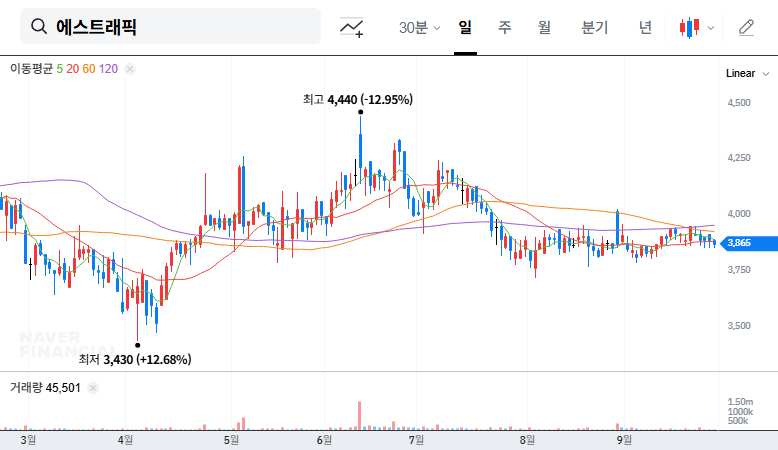
  • S-Traffic Announces Share Buyback: Impact on Investors

    S-Traffic Announces Share Buyback: Impact on Investors 대표 차트 이미지

    S-Traffic Share Buyback: What Happened?

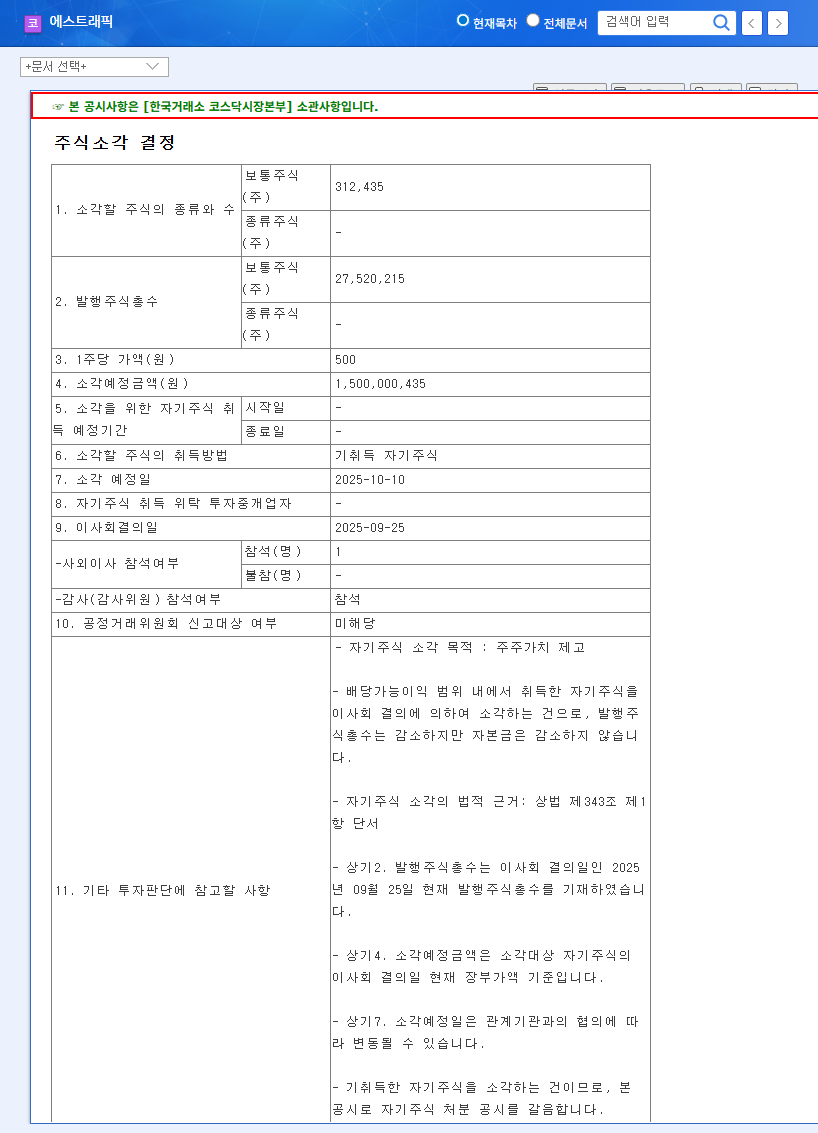
    S-Traffic decided to repurchase and retire 312,435 shares, worth approximately KRW 1.5 billion. This represents about 1.4% of the current market capitalization.

    Why the Share Buyback?

    Share buybacks are typically conducted to enhance shareholder value. Reducing the number of outstanding shares increases earnings per share (EPS) and book value per share (BPS) while strengthening the company’s financial structure. S-Traffic’s decision is likely interpreted as a shareholder return policy based on strong performance. In the first half of 2025, sales increased by 29% year-over-year, with operating profit and net income also showing significant growth. The performance of the US subsidiary’s railway projects was particularly noteworthy.

    How Will the Buyback Affect the Stock Price?

    Share buybacks can drive stock price increases due to increased value per share, improved financial structure, and demonstration of shareholder return commitment. With a current P/E ratio of 6.74, a stock price increase could further lower the P/E, making it more attractive. However, the buyback size, representing 1.4% of the market capitalization, is relatively small. It’s more likely to be interpreted as part of a consistent shareholder return policy rather than a trigger for a sharp price jump.

    What Should Investors Do?

    • Short-Term: Investors should consider potential price fluctuations around the buyback date (October 10) due to increased market attention.
    • Long-Term: Given S-Traffic’s solid fundamentals, growth potential in the railway sector, and the likelihood of continued shareholder return policies, the long-term investment outlook remains positive. However, investors should be aware of potential price volatility due to market conditions and macroeconomic factors.
    What is a share buyback?

    A share buyback is when a company repurchases its own shares and retires them. This reduces the number of outstanding shares, thus increasing the value per share.

    Will the S-Traffic share buyback positively impact the stock price?

    Share buybacks are generally seen as a positive signal for shareholder value and can have a positive effect on stock prices. However, other factors such as market conditions must also be considered.

    What is S-Traffic’s main business?

    S-Traffic operates in the road and rail traffic system sector and is growing based on next-generation railway technologies such as LTE-R and CBTC.

    S-Traffic Announces Share Buyback: Impact on Investors 관련 이미지
    S-Traffic Announces Share Buyback: Impact on Investors 관련 이미지
  • The Nature Holdings Announces Share Buyback: A Bullish Signal or a Temporary Boost?

    The Nature Holdings Announces Share Buyback: A Bullish Signal or a Temporary Boost? 대표 차트 이미지

    1. What Happened?

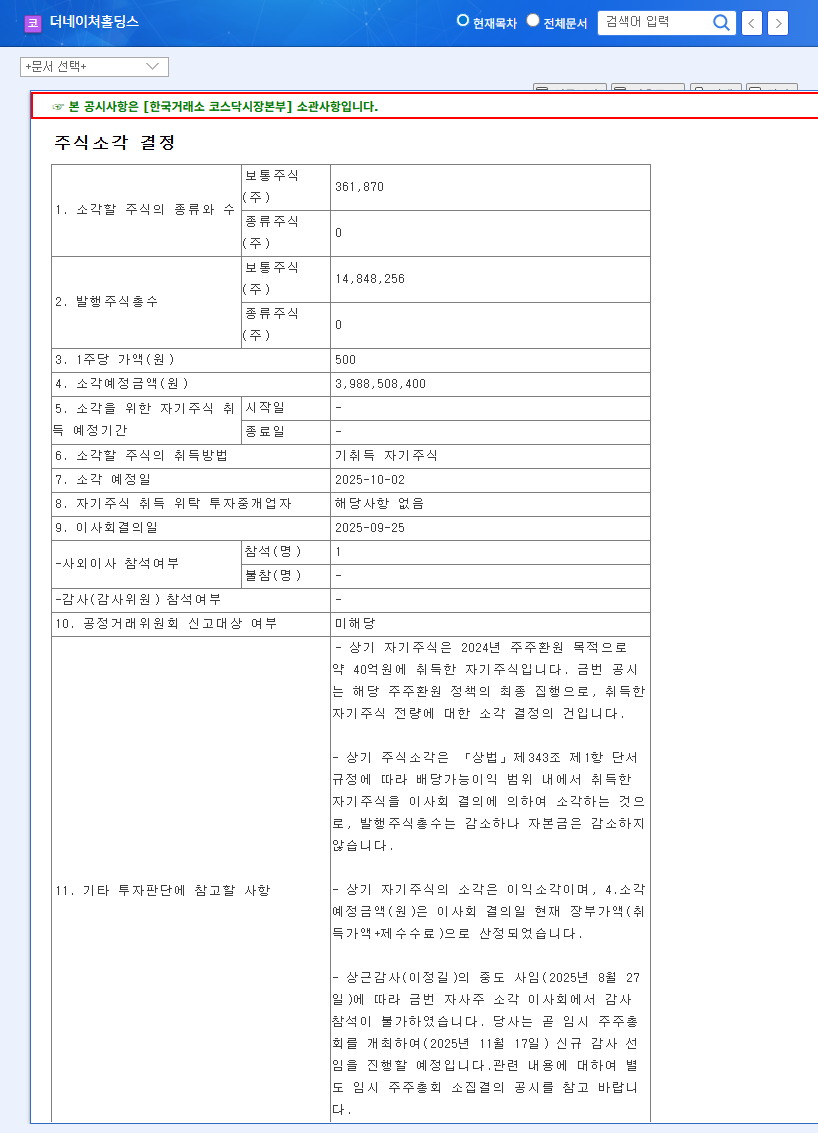
    On September 25, 2025, The Nature Holdings announced its decision to repurchase and retire 361,870 common shares, equivalent to approximately KRW 4 billion. The buyback is scheduled for October 2, 2025, and will utilize treasury shares.

    2. Why the Buyback?

    The Nature Holdings has been actively expanding its portfolio, acquiring Barrel in 2022 and Deus Ex Machina in 2024, and entering the Chinese market in 2023. However, the company reported declining sales and profits in the first half of 2025. In this context, the share buyback is interpreted as an effort to enhance shareholder value by increasing earnings per share (EPS) and creating upward momentum for the stock price.

    3. What Are the Potential Outcomes?

    • Positive Effects: Increased share value, improved shareholder-friendly image, potential short-term stock price increase
    • Negative/Cautionary Points: Potential weakening of stock price momentum if underperformance continues, increased macroeconomic uncertainty, changes in financial structure

    While the buyback could positively impact the stock price in the short term, the long-term trend will depend on the company’s ability to improve its financial performance.

    4. What Should Investors Do?

    • Short-Term Investors: Consider short-term profit-taking strategies, leveraging the potential stock price momentum
    • Long-Term Investors: Closely monitor the company’s performance, focusing on growth in overseas markets and brand portfolio expansion
    • Risk Management: Continuously assess risk factors such as exchange rate volatility, inventory management, and accounts receivable collection
    What is a share buyback?

    A share buyback is when a company repurchases its own shares and retires them, reducing the number of outstanding shares and increasing the value of each remaining share.

    What is the size of The Nature Holdings’ share buyback?

    The buyback is for 361,870 common shares, worth approximately KRW 4 billion, representing 2.7% of the company’s market capitalization.

    How does a share buyback affect the stock price?

    Share buybacks typically have a positive impact on stock prices due to the anticipated increase in share value. However, other factors, such as company performance, can also influence stock price movements.

    The Nature Holdings Announces Share Buyback: A Bullish Signal or a Temporary Boost? 관련 이미지
    The Nature Holdings Announces Share Buyback: A Bullish Signal or a Temporary Boost? 관련 이미지
  • Seojin System Announces KRW 10 Billion Share Buyback: What’s Next?


    Seojin System Announces KRW 10 Billion Share Buyback: What's Next? 대표 차트 이미지


    1. Seojin System Announces KRW 10 Billion Buyback: What Happened?

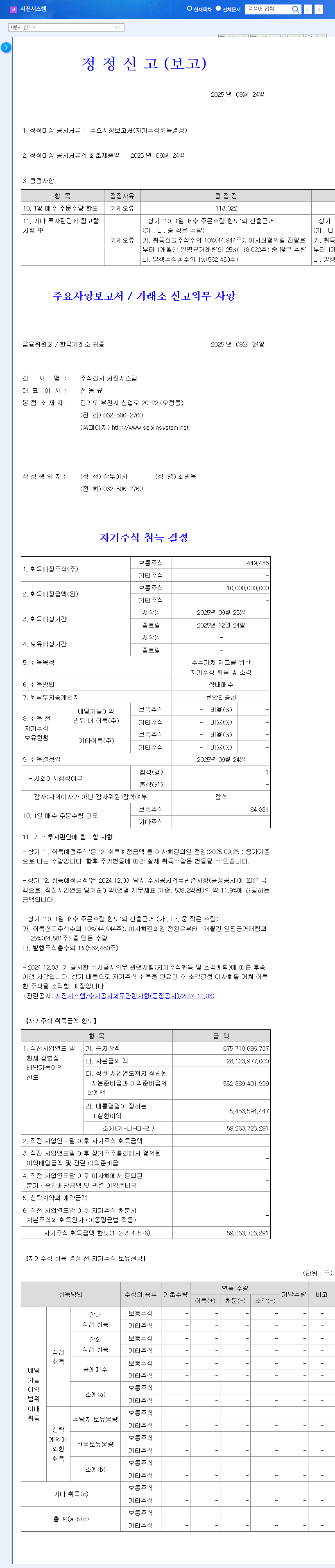
    On September 24, 2025, Seojin System announced its decision to repurchase and retire KRW 10 billion worth of its common stock (449,438 shares) through open market purchases. The company stated that this decision aims to enhance shareholder value.

    2. Why the Share Buyback?

    Seojin System has been facing financial difficulties, recording KRW 539.844 billion in revenue (a 55.5% decrease YoY) and a net loss of KRW 80.091 billion in the first half of 2025. Sluggish demand and intensifying competition in key sectors like ESS, semiconductors, and telecommunications equipment are cited as the primary causes. In this context, the share buyback can be interpreted as a strategy to alleviate investor concerns and boost market sentiment.

    3. Impact of the Buyback on Stock Price

    • Positive Effects:
      • Increased Earnings Per Share (EPS) and Book Value Per Share (BPS) due to reduced outstanding shares.
      • Enhanced shareholder value and improved investor sentiment.
      • Demonstrates management’s confidence in the company’s value.
    • Neutral/Considerations:
      • Potential for only short-term impact without fundamental improvements.
      • Possible increase in financial burden due to KRW 10 billion funding.
      • Concerns about financial health with a debt-to-equity ratio of 1.83 based on the half-year report.

    4. Investor Action Plan

    • Short-term Investment: Anticipate short-term stock price gains due to the buyback announcement.
    • Mid-to-Long-term Investment:
      • Monitor the recovery and order intake of key business segments (ESS, EV components, semiconductor equipment, telecommunications equipment).
      • Evaluate the growth potential and profitability of the new container box business.
      • Analyze efforts to improve financial soundness, debt management, and the impact of macroeconomic factors such as interest rates, exchange rates, and oil prices.

    While the share buyback is a positive signal, the key lies in improving performance. Investment decisions should be made considering fundamentals, macroeconomic conditions, and other factors.


    FAQ

    What is the size of Seojin System’s share buyback?

    KRW 10 billion.

    When will the share buyback take place?

    Decided on September 24, 2025, it will be conducted through open market purchases.

    Will the share buyback have a positive impact on the stock price?

    It could have a positive impact in the short term, but the company’s fundamental improvement is crucial in the long term.

    What are Seojin System’s main businesses?

    ESS, electric vehicle and battery components, semiconductor equipment, and telecommunications equipment.


    Seojin System Announces KRW 10 Billion Share Buyback: What's Next? 관련 이미지


  • HuVitz Share Buyback: Investment Strategy Analysis (Effective Oct 1, 2025)


    HuVitz Share Buyback: Investment Strategy Analysis (Effective Oct 1, 2025) 대표 차트 이미지


    HuVitz Announces 5.8 Billion KRW Share Buyback (Effective October 1, 2025)

    HuVitz has decided to repurchase and retire 673,508 shares, equivalent to 5.8 billion KRW. The cancellation date is scheduled for October 1, 2025. This represents approximately 5.06% of the company’s market capitalization.

    Why the Share Buyback?

    While no official announcement has been made regarding the rationale, share buybacks are typically used to enhance shareholder value and improve investor sentiment. Reducing the number of outstanding shares increases earnings per share (EPS) and book value per share (BPS), and is generally perceived as a positive signal of returning value to shareholders.

    How Will the Buyback Impact Stock Price?

    Positive Impacts

    • Increased Shareholder Value: Higher EPS and BPS are expected.
    • Improved Investor Sentiment: Seen as a positive step towards returning value to shareholders.
    • Improved Financial Structure: Increased capital efficiency (indirect effect).

    Negative Impacts and Considerations

    • Cash Outflow: 5.8 billion KRW outflow (however, considered minimal given current cash reserves).
    • Potential Conflict with Existing Investment Plans: Requires careful review of funding for future growth initiatives (however, negative impact is unlikely).
    • Stock Price Volatility: Potential for short-term gains followed by market-driven volatility.

    HuVitz Fundamental Analysis (2025 Semi-Annual Report)

    Revenue: 59.021 billion KRW (Slight increase YoY) – Driven by strong performance in ophthalmic diagnostic devices and lens processing equipment, and global distribution network expansion.

    Operating Income: 5.128 billion KRW (Decrease YoY) – Impacted by increased R&D and marketing expenses.

    Net Income: 1.313 billion KRW (Significant decrease YoY)

    Financial Health: Debt-to-equity ratio of 47.99% (Improved), short-term borrowings of 68.853 billion KRW (Requires liquidity management).

    Investment Strategy

    Short-Term: The share buyback is a positive signal, suggesting potential for short-term price appreciation. Monitor market reaction leading up to the October 1st effective date.

    Long-Term: Consider the overall fundamentals, including the growth potential of the ophthalmic medical device market and the outcomes of R&D investments. The buyback is expected to have a positive impact on long-term investor sentiment.


    FAQ

    When will the HuVitz share buyback take place?

    It is scheduled for October 1, 2025.

    What is the size of the share buyback?

    It involves 673,508 common shares, approximately 5.8 billion KRW.

    What is the impact of the share buyback on the stock price?

    Generally, a positive impact can be expected, including increased Earnings Per Share (EPS) and Book Value Per Share (BPS), as well as improved investor sentiment. However, the possibility of short-term cash outflow and increased stock price volatility due to market conditions should also be considered.


    HuVitz Share Buyback: Investment Strategy Analysis (Effective Oct 1, 2025) 관련 이미지
    HuVitz Share Buyback: Investment Strategy Analysis (Effective Oct 1, 2025) 관련 이미지