Tag: Semiconductor Equipment

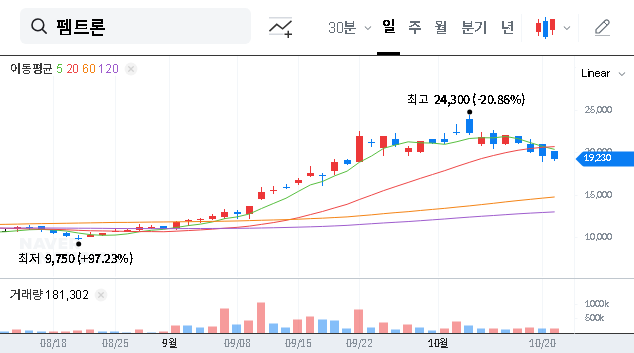
  • (168360) PEMTRON IR October 2025: A Deep Dive for Investors on Stock Price Impact

    (168360) PEMTRON IR October 2025: A Deep Dive for Investors on Stock Price Impact

    The upcoming PEMTRON IR (Investor Relations) briefing, scheduled for October 22, 2025, is poised to be a pivotal event for investors. As a key player in the advanced inspection equipment industry, PEMTRON Corporation is set to unveil its current performance and future strategic vision. With market anticipation building, this briefing could significantly influence the PEMTRON stock price and redefine its trajectory.

    This comprehensive guide will delve into what investors should expect from the PEMTRON IR, analyze potential outcomes, and provide an actionable strategy to navigate the post-event market landscape. We will explore the details, assess the stakes, and help you make informed decisions to protect and grow your investment.

    Event Details: The October 2025 PEMTRON IR Briefing

    PEMTRON Corporation has formally announced its investor relations event, a critical communication channel between the company’s management and its shareholders. Here are the key details:

    • Date: October 22, 2025
    • Time: 10:00 AM
    • Agenda: A comprehensive overview of the company’s current business status, strategic initiatives, financial health, and a forward-looking vision, followed by a live Q&A session.

    The primary purpose of this investor briefing is to bridge the information gap, enhance transparency, and ultimately boost long-term corporate value. For official details, investors can refer to the company’s filing. Source: Click to view DART report.

    Given the current lack of detailed brokerage reports and defined market expectations, this IR event is not just an update; it’s a critical moment that could set the tone for PEMTRON’s valuation for months to come.

    Potential Scenarios for the PEMTRON Stock Price

    The market’s reaction to the PEMTRON IR will hinge on the substance and clarity of the information presented. Here are three potential scenarios that could unfold, impacting the PEMTRON stock price.

    Positive Impact Scenarios

    A successful IR could lead to a significant uptick. This might be triggered by:

    • Visionary Growth Strategy: Unveiling a clear, ambitious plan for new market entry, technological innovation (e.g., next-gen 3D inspection tech), or major R&D breakthroughs.
    • Major Contract Wins: Announcing new, high-value partnerships or contracts with industry leaders, validating their competitive edge.
    • Strong Financial Outlook: Presenting better-than-expected earnings guidance or a robust financial position that resolves investor uncertainty.
    • Confident Q&A Session: Management’s ability to answer tough questions with clarity and confidence can build immense trust.

    Negative Impact Scenarios

    Conversely, the IR could disappoint the market if it reveals:

    • Underwhelming Guidance: A cautious or downwardly revised forecast for future revenue or profitability could trigger a sell-off.
    • Unexpected Challenges: Disclosure of operational issues, competitive threats, or supply chain disruptions that were not previously priced in by the market.
    • Evasive Q&A Responses: Vague or ambiguous answers from leadership can erode investor confidence and be interpreted as hiding negative information.

    Neutral Impact Scenarios

    It’s also possible for the event to have a muted short-term effect on the PEMTRON Corporation stock if the content is largely procedural. This occurs when the presentation simply reiterates publicly known information without providing any new, substantive insights or failing to address the core questions investors have. While not negative, it represents a missed opportunity to build positive momentum.

    Investor Action Plan: What to Do Before and After the IR

    Preparation is key. Here’s a strategic plan for investors to maximize their understanding and make sound decisions based on the outcome of the PEMTRON IR.

    • Analyze the Presentation Deeply: Don’t just skim the slides. Scrutinize the details of the business model, financial projections, and growth levers presented. Compare the new information against previous statements.
    • Evaluate the Q&A Session: The questions from analysts and investors often highlight key market concerns. Pay close attention to the tone, confidence, and specificity of the management’s responses.
    • Monitor Market Reaction: Observe trading volume and price action immediately following the IR. Also, watch for new reports from financial analysts. For context, you can compare this to general market analysis from authoritative sources like Bloomberg.
    • Re-evaluate Company Fundamentals: Use the newly disclosed information to update your investment thesis. Does the IR reinforce or challenge your reasons for holding the stock? To learn more, read our guide on How to Analyze a Tech Company’s Fundamentals.

    Frequently Asked Questions (FAQ)

    Q1: When is the PEMTRON Corporation IR event?
    A1: The investor relations briefing is scheduled for October 22, 2025, at 10:00 AM.

    Q2: What is the main goal of this PEMTRON IR?
    A2: The primary objective is to improve investor understanding of the company’s operations, strategy, and financial health, thereby enhancing corporate value and transparency.

    Q3: What are the key factors that could positively affect the PEMTRON stock price?
    A3: Positive catalysts include the announcement of a strong growth vision, new major contracts, better-than-expected financial guidance, and a confident, transparent Q&A session with management.

    Q4: What should I focus on immediately after the investor briefing concludes?
    A4: Immediately after, you should analyze the presentation content, review the Q&A for underlying sentiment, monitor the market’s initial reaction (price and volume), and begin re-evaluating PEMTRON’s fundamental value based on the new data.

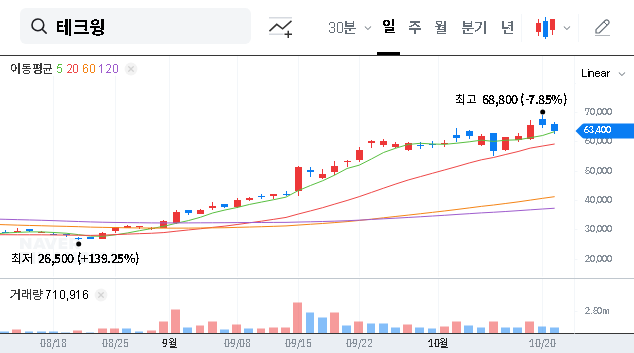
    (168360) PEMTRON IR October 2025: A Deep Dive for Investors on Stock Price Impact 관련 이미지
  • (089030) Techwing Q3 2025 Earnings Miss: Deep Dive Analysis & Stock Strategy

    (089030) Techwing Q3 2025 Earnings Miss: Deep Dive Analysis & Stock Strategy

    The latest financial report from Techwing, Inc., a key player in the semiconductor inspection equipment sector, has sent ripples of concern through the market. The highly anticipated Techwing Q3 2025 earnings report revealed a significant shortfall against market expectations, raising critical questions about the company’s current trajectory and future prospects. Is this a temporary dip in a volatile market, or does it signal deeper challenges ahead? This comprehensive analysis will dissect the official figures, explore the potential impact on Techwing’s stock, and outline strategic considerations for investors.

    Decoding the Techwing Q3 2025 Earnings Report

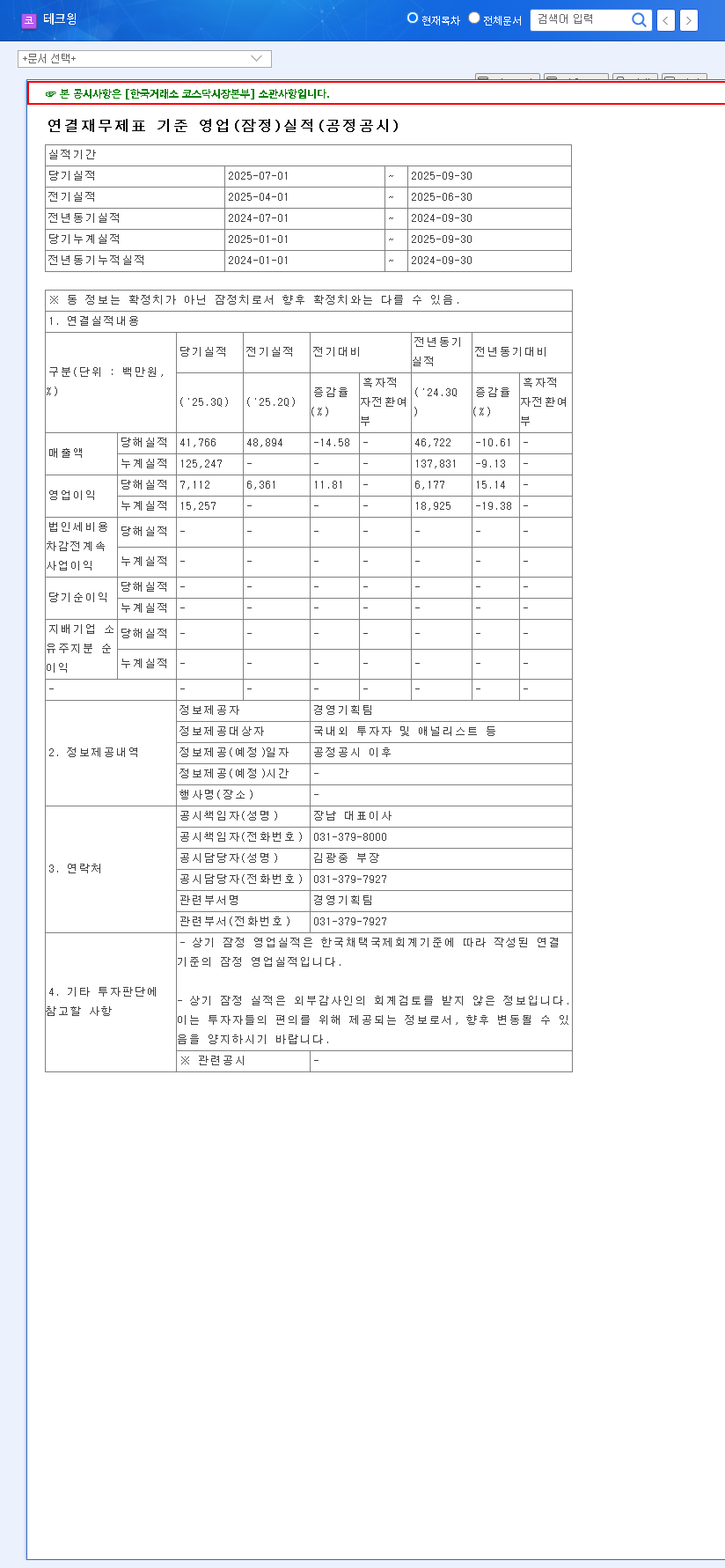
    On October 21, 2025, Techwing released its provisional consolidated operating results, which immediately caught the attention of analysts and investors. The numbers, detailed in the company’s Official Disclosure (Source: DART), paint a picture of underperformance that cannot be ignored. Let’s break down the key metrics that fell short.

    A Stark Miss on Key Financials

    The provisional Q3 results were substantially below the consensus estimates, signaling issues with both top-line growth and operational efficiency. The deviation from projections was significant:

    • Revenue: Reported at KRW 41.8 billion, a 31.0% miss compared to the KRW 60.7 billion estimate.
    • Operating Profit: Came in at KRW 7.1 billion, a staggering 36.0% below the KRW 11.1 billion forecast.

    This dual miss suggests that the company is facing not only challenges in securing sales but also mounting pressure on its profitability. Such a performance often triggers a re-evaluation of a company’s standing within the competitive semiconductor equipment market.

    Historical Context: A Pattern of Volatility

    A single quarter’s performance rarely tells the whole story. However, examining Techwing’s results over the past year reveals a concerning pattern of instability. After a weak start in Q1 2025, the company showed signs of a rebound in Q2, only to see revenue and profit decline again in Q3. This yo-yo effect points to a business model that is highly sensitive to external market dynamics, such as fluctuating memory chip prices and global macroeconomic headwinds. This lack of consistent, predictable growth is a major red flag for long-term investors seeking stability. A thorough Techwing stock analysis must account for this inherent volatility.

    The core challenge for Techwing is to demonstrate whether this Q3 slump is an anomaly or the new normal. The market is now looking for a clear path back to sustainable growth and profitability.

    Implications for Techwing Stock and Investment Strategy

    The disappointing Techwing Q3 2025 earnings are almost certain to have tangible consequences for its stock price and overall market perception. Investors must prepare for potential short-term turbulence while critically assessing the company’s long-term value proposition.

    Short-Term: Expect Increased Volatility

    In the immediate aftermath, expect downward pressure on Techwing’s stock. The significant miss will likely trigger sell-offs from institutional and retail investors alike. Increased stock price volatility is a given as the market digests this negative news. Short-term traders may exploit this volatility, but long-term investors should resist making knee-jerk decisions.

    Long-Term: Structural Concerns Emerge

    The most critical question is whether this underperformance stems from structural problems. Are competitors gaining market share? Is there a fundamental slowdown in demand for Techwing’s specific product lines? According to market reports from sources like Reuters, the entire semiconductor sector is facing cyclical challenges, but a miss of this magnitude could suggest company-specific issues. A sound Techwing investment strategy requires separating industry-wide trends from internal weaknesses.

    Strategic Actions for Stakeholders

    In light of these results, both investors and the company’s management must adopt a prudent and strategic approach to navigate the path forward.

    Recommendations for Investors

    • Exercise Caution: Avoid hasty buying or selling. A ‘wait-and-see’ approach is advisable until management provides a clear explanation and recovery plan.
    • Conduct Deeper Research: Look beyond the headline numbers. Analyze competitor performance, industry forecasts, and upcoming product cycles for Techwing.
    • Monitor Communications: Pay close attention to the company’s upcoming earnings call and any subsequent press releases for insights into the root causes of the miss.

    Imperatives for Techwing’s Management

    • Transparent Communication: The company must proactively and transparently communicate the reasons for the shortfall to rebuild investor confidence.
    • Present a Clear Recovery Plan: Articulating a concrete, actionable plan to address the performance issues is crucial for stabilizing the stock and reassuring the market.

    In conclusion, the Techwing Q3 2025 earnings serve as a critical wake-up call. While the results are undoubtedly disappointing, they also present an opportunity for a strategic reset. The company’s next moves will be pivotal in determining whether this quarter was a stumble or the beginning of a fall.

    (089030) Techwing Q3 2025 Earnings Miss: Deep Dive Analysis & Stock Strategy 관련 이미지
  • (265520) APSYSTEM OLED Expansion: A Deep Dive into the 60B KRW Bet on 8th-Gen & IT OLED Dominance

    (265520) APSYSTEM OLED Expansion: A Deep Dive into the 60B KRW Bet on 8th-Gen & IT OLED Dominance

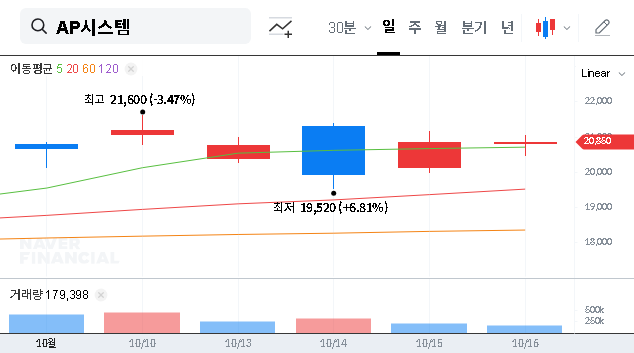
    The recent announcement of Advanced Process Systems Corporation’s (APSYSTEM) OLED expansion, funded by a massive 60 billion KRW asset acquisition, has sent ripples through the display technology industry. This strategic investment is not just about acquiring land and buildings; it’s a calculated move to significantly ramp up production capacity and solidify the company’s leadership in the next wave of OLED equipment manufacturing. As the demand for vibrant, efficient OLED screens explodes across IT devices, this expansion signals a pivotal moment for APSYSTEM and the broader market.

    In this analysis, we will delve into the details of this acquisition, explore the strategic rationale behind the focus on 8th-gen OLED and IT OLED technologies, and assess the potential impacts—both positive and challenging—for investors and the industry at large.

    Decoding the 60 Billion KRW Move: The Core of the APSYSTEM OLED Expansion

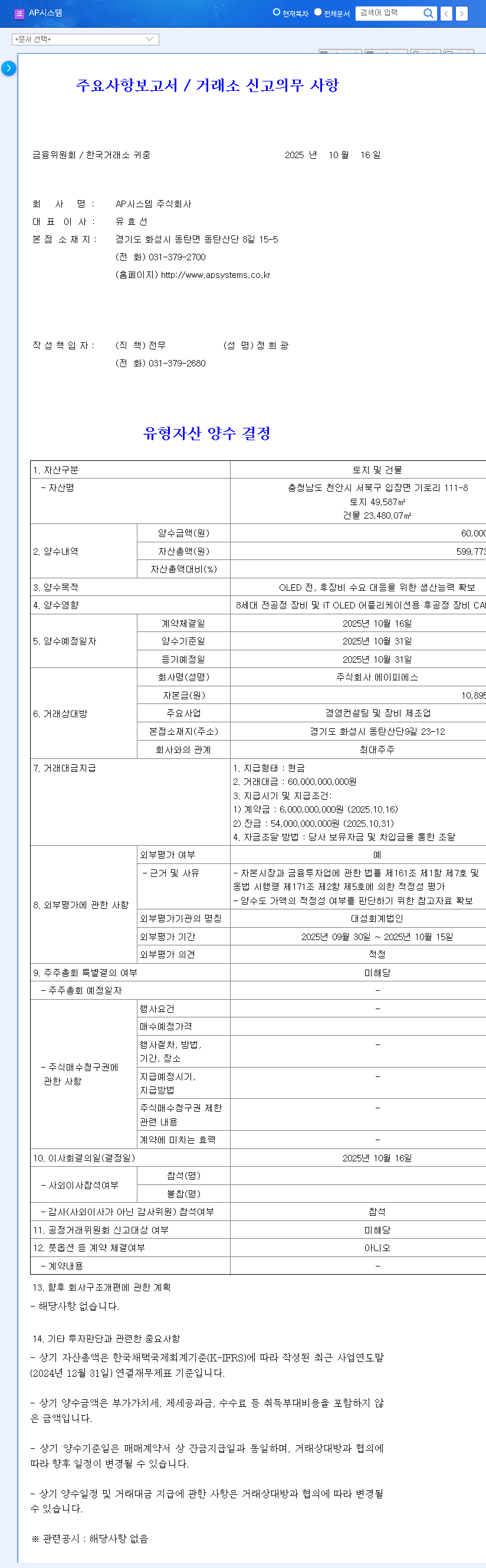
    On October 16, 2025, Advanced Process Systems Corporation formalized its commitment to future growth by acquiring significant tangible assets. The specifics of this transaction were outlined in an Official Disclosure (DART report) and involve the purchase of land and buildings from its largest shareholder, APS Co., Ltd.

    The primary goal of this acquisition is to proactively expand production capacity (CAPA) to meet the surging global demand for both front-end and back-end OLED manufacturing equipment, securing a competitive edge for years to come.

    The key details of the acquisition are as follows:

    • Acquired Assets: Land (49,587㎡) and buildings (23,480.07㎡) in Cheonan-si, Chungcheongnam-do.
    • Acquisition Value: 60 billion KRW, which represents a substantial 10.0% of APSYSTEM’s total assets.
    • Funding Source: A combination of the company’s proprietary funds and external borrowings.
    • Transaction Timeline: Contract dated October 16, 2025, with registration scheduled for October 31, 2025.

    Strategic Rationale: Why Now?

    The timing of this investment is critical. The display market is at an inflection point, with OLED technology rapidly displacing traditional LCDs. For those unfamiliar with the core technology, OLED (Organic Light Emitting Diode) represents a monumental leap in display quality, offering perfect blacks, vibrant colors, and thinner form factors. This has fueled unprecedented demand.

    Targeting the Future: 8th-Gen and IT OLED Equipment Manufacturing

    APSYSTEM’s expansion specifically targets two high-growth segments. The push for 8th-gen OLED production lines is driven by the need to manufacture larger, higher-resolution panels for TVs and high-end monitors more efficiently. Concurrently, the IT OLED market—encompassing tablets, laptops, and automotive displays—is emerging as a new battleground for display manufacturers. By scaling up its OLED equipment manufacturing capabilities, APSYSTEM is positioning itself as a key supplier for these critical, next-generation production lines, ensuring it can meet the aggressive ramp-up schedules of its clients.

    Potential Impacts and Investor Considerations

    This forward-looking investment brings both significant opportunities and notable risks that warrant careful consideration.

    The Upside: Growth and Competitive Edge

    • Revenue & Market Share Growth: Enhanced production capacity directly enables APSYSTEM to bid on more projects and fulfill larger orders, translating into higher revenue and an expanded market footprint.
    • Strengthened Industry Position: Securing CAPA for 8th-gen and IT OLED solidifies their indispensable role in the global display manufacturing supply chain, creating a moat against competitors.

    Risks and Areas for Due Diligence

    • Financial Leverage: The use of borrowings to fund part of the 60 billion KRW will increase interest expenses. Investors should monitor the company’s debt levels and cash flow to ensure its financial health remains robust during this expansion phase.
    • Related-Party Transaction: As the seller is the largest shareholder, scrutiny regarding the fairness of the transaction price is warranted. Transparent disclosure and adherence to corporate governance best practices are essential to maintain investor trust.
    • Execution Risk: Building out capacity is only the first step. Successfully installing equipment, ramping up production, and achieving high utilization rates are critical for the investment to translate into profit.

    In conclusion, the APSYSTEM OLED expansion is a bold and necessary strategic investment that aligns perfectly with the trajectory of the display industry. While not without financial and execution risks, the move positions the company to capitalize on the immense growth in the 8th-gen OLED and IT markets. For investors, this signals a company with a clear vision for long-term dominance, but one that requires continued monitoring of its financial disclosures and market execution.

    (265520) APSYSTEM OLED Expansion: A Deep Dive into the 60B KRW Bet on 8th-Gen & IT OLED Dominance 관련 이미지
  • (131290) TSE Treasury Stock Disposition: A 13.9B KRW Move Investors Must Analyze

    (131290) TSE Treasury Stock Disposition: A 13.9B KRW Move Investors Must Analyze

    The recent announcement of the TSE treasury stock disposition has captured the attention of the market. TSE CO.,Ltd, a key player in semiconductor inspection equipment, has unveiled a plan to sell 13.9 billion KRW in treasury stock. This strategic financial maneuver, aimed at securing operational and facility funds, presents a critical juncture for the company and its investors. Is this a savvy move to fuel future growth, or does it signal underlying financial pressures that could lead to shareholder value dilution?

    This comprehensive analysis will dissect the implications of TSE’s decision. We’ll explore the immediate impact on the TSE stock price, the long-term effects on corporate value, and the crucial signals investors must monitor. For full transparency, the company’s filing can be reviewed in the Official Disclosure (DART).

    Understanding the TSE Treasury Stock Disposition

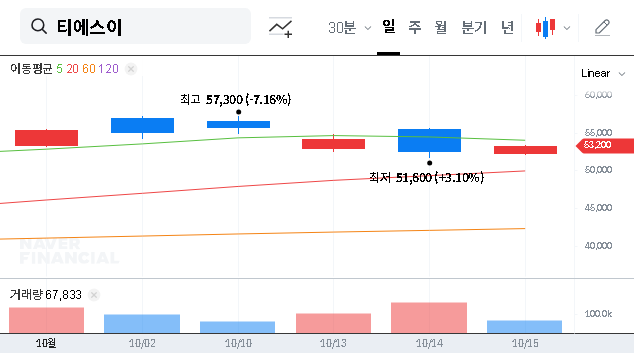
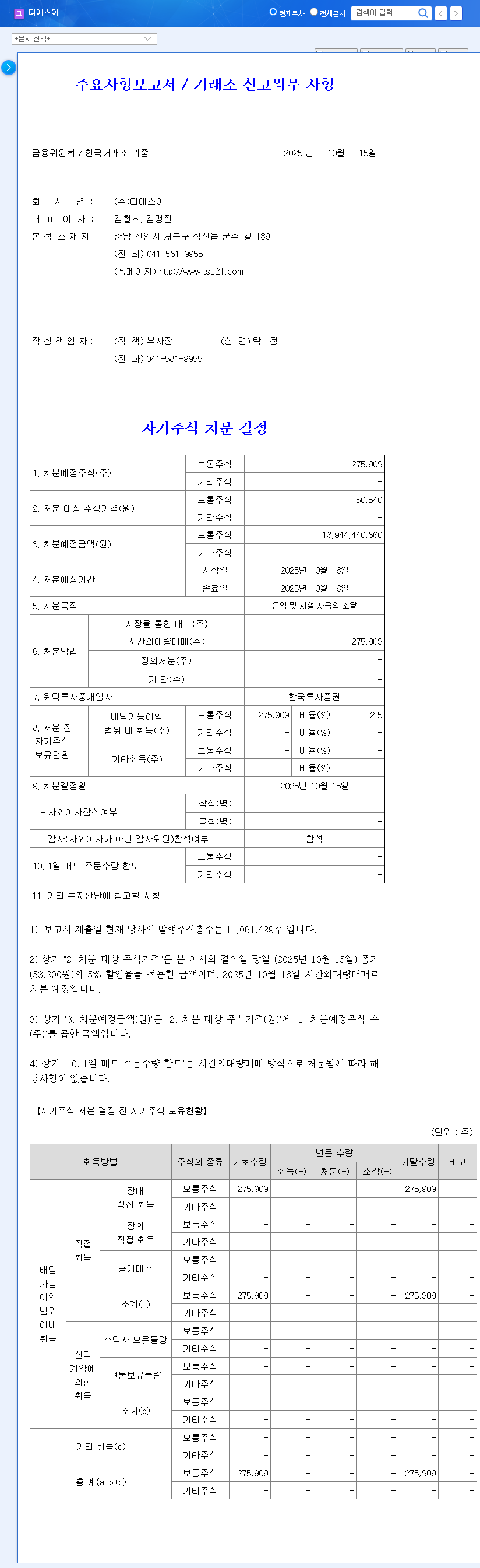
    On October 15, 2025, TSE CO.,Ltd disclosed its plan to dispose of 275,909 of its own common shares, known as treasury stock. The transaction, valued at approximately 13.9 billion KRW and brokered by Korea Investment & Securities, effectively reintroduces these shares into the market. But why does a company buy back its own shares only to sell them later?

    Treasury stock is often held for various corporate purposes, such as employee stock options or for use in acquisitions. A treasury stock sale like this one is primarily a capital-raising strategy. Instead of issuing new shares or taking on debt, the company sells existing assets (its own stock) to generate cash. The stated purpose for this infusion of capital is twofold: operational funding and facility investment.

    Decoding the ‘Why’: Operational and Facility Funds

    The company’s justification for the sale provides the first clues for our investor analysis. Let’s break down what these categories mean.

    1. Securing Operational Funds

    This refers to the cash needed for day-to-day business activities. While it could be a proactive measure to improve cash flow for large-scale projects or R&D, it can sometimes be interpreted as a signal that current operations are not generating sufficient cash. In the competitive semiconductor sector, this could mean funding advanced research into next-generation probe cards or test sockets to stay ahead of rivals.

    2. Investing in Facility Funds

    This is the forward-looking component. Facility investments are about growth—expanding production capacity, upgrading to more advanced manufacturing equipment, or building new testing centers. For TSE, this could mean acquiring state-of-the-art machinery to produce finer-pitch components for the latest generation of microchips. A successful facility investment can lead to significant revenue growth and market share gains.

    The core question for investors is whether this 13.9 billion KRW is being used to patch a leak or build a new engine for growth. The answer will determine the long-term trajectory of the TSE stock price.

    Potential Impacts on TSE’s Stock and Corporate Value

    A TSE treasury stock disposition creates both opportunities and risks that investors must weigh carefully.

    The Bull Case (Positive Impacts)

    • Strengthened Financial Health: An immediate 13.9B KRW cash injection bolsters the balance sheet, providing financial flexibility and reducing reliance on debt.
    • Fueling Future Growth: If invested wisely in high-ROI facility upgrades, this capital can secure long-term growth drivers, enhancing TSE’s competitive edge in the semiconductor market.
    • Positive Market Signaling: If the company effectively communicates a compelling growth story tied to this funding, it can boost investor confidence. For insights into broader market trends, it’s often helpful to consult resources like major financial news outlets.

    The Bear Case (Potential Risks)

    • Shareholder Value Dilution: This is the most significant risk. By increasing the number of shares available on the market, the ownership stake and earnings per share (EPS) of existing shareholders are diluted, which can put downward pressure on the stock price.
    • Negative Signaling: If the market perceives the sale as a move to cover operational shortfalls rather than to fund growth, it can erode investor confidence and negatively impact the company’s valuation.
    • Execution Risk: The success of this move hinges on TSE’s ability to generate a return on this new capital that outweighs the cost of dilution. A poorly executed expansion plan could be detrimental.

    Strategic Action Plan for Investors

    Given the dual nature of this event, a prudent investor must remain vigilant. Here are the key areas to monitor:

    • Monitor Fund Usage Plans: Watch for subsequent company announcements that provide specific details on how the 13.9B KRW will be allocated. Vague plans are a red flag; concrete, strategic initiatives are a positive sign.
    • Analyze the Disposition Price: The price at which the shares are sold is critical. A sale at or above the current market price is favorable, while a significant discount could be a cause for concern.
    • Re-evaluate Company Fundamentals: This event should trigger a fresh look at TSE’s core business. For more on this, see our guide on how to conduct a fundamental stock analysis. Assess their profitability, competitive position, and the overall health of the semiconductor industry.
    • Watch Market and Analyst Reactions: Pay close attention to how institutional investors and securities analysts react. Their revised ratings and reports can provide valuable third-party perspectives on the TSE stock price.

    In conclusion, TSE’s treasury stock disposition is a pivotal event, not merely a routine financial transaction. For informed investors, it’s a call to action—a time to dig deeper, ask critical questions, and position their portfolio based on a thorough understanding of the risks and rewards at play.

    (131290) TSE Treasury Stock Disposition: A 13.9B KRW Move Investors Must Analyze 관련 이미지
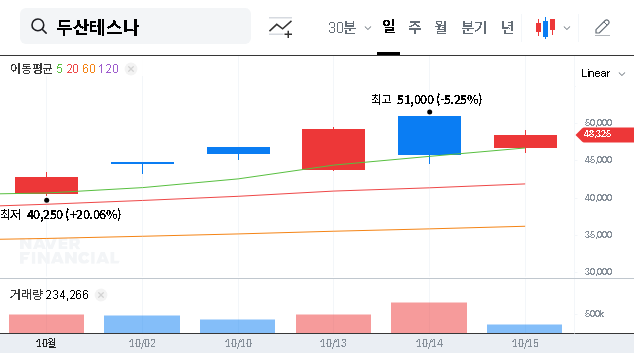
  • (131970) DOOSAN TESNA Investment: A ₩171.4B Move to Dominate Semiconductor Testing

    (131970) DOOSAN TESNA Investment: A ₩171.4B Move to Dominate Semiconductor Testing

    In a bold strategic move set to reshape the competitive landscape, DOOSAN TESNA Inc., a pivotal player in the semiconductor test industry, has announced a landmark decision. The core of this development is the massive DOOSAN TESNA investment of ₩171.4 billion (approximately $125 million USD) into state-of-the-art semiconductor test equipment. This major capital expenditure, representing a staggering 21.76% of the company’s total assets, signals a clear ambition to capture future growth. This analysis will dissect the investment’s strategic rationale, financial implications, and the critical risk factors investors must consider.

    Dissecting the ₩171.4 Billion Landmark Deal

    On October 15, 2025, DOOSAN TESNA Inc. formalized its commitment through an official disclosure, detailing the acquisition of tangible assets. The investment specifically targets advanced semiconductor test equipment and machinery, a critical component in the chip manufacturing lifecycle. This equipment will be sourced from industry-leading global suppliers, including Advantest Corporation, SEMES Co., Ltd., and INTER ACTION Corporation, ensuring access to cutting-edge technology. The payment will be made in cash upon the arrival and verification of the equipment, highlighting the company’s strong liquidity position for this strategic deployment.

    This isn’t just an equipment upgrade; it’s a foundational investment in future capacity and technological leadership, positioning DOOSAN TESNA to capitalize on the next wave of semiconductor innovation.

    Strategic Rationale: Meeting Surging Semiconductor Demand

    The primary driver behind the DOOSAN TESNA investment is a proactive response to the explosive growth in demand for semiconductor testing services. The entire semiconductor industry is undergoing a structural expansion, fueled by advancements in AI, automotive technology, 5G, and the Internet of Things (IoT). According to industry analysis from firms like Gartner, the demand for complex chip testing is expected to grow exponentially. This investment is a calculated move to not only service the expanding needs of existing clients but also to attract new high-volume customers and significantly increase market share.

    Key Objectives of the Investment:

    • Capacity Expansion: Directly increase production capacity to handle higher volumes of wafer and chip testing, reducing bottlenecks and improving turnaround times.
    • Technological Advancement: Acquire next-generation equipment to enter the high-value-added test market, catering to more complex and sophisticated semiconductor designs.
    • Enhanced Efficiency: Leverage new machinery and automation to improve overall operational efficiency, which can lead to better margins and cost savings.

    Opportunities vs. Risks: An Investor’s Perspective

    While this investment holds immense potential, savvy investors must weigh the promising opportunities against the inherent risks. A successful execution could cement DOOSAN TESNA Inc.’s position as a market leader for years to come.

    The Growth Opportunity

    The upside is significant. Enhanced testing capabilities directly correlate with higher revenue potential. By offering high-performance, specialized testing services, the company can command premium pricing, boosting profitability. Furthermore, this move strengthens its competitive moat, making it a more attractive partner for the world’s leading fabless companies and foundries. This could lead to long-term, high-volume contracts and stable revenue streams.

    Potential Risks to Monitor

    • Financial Pressure: A cash outflow of ₩171.4 billion is substantial and could strain short-term liquidity. Careful cash flow management will be critical.
    • Market Cyclicality: The semiconductor industry is famously cyclical. A market downturn could delay the return on this investment if demand does not materialize as projected.
    • Technological Obsolescence: Technology in this sector evolves rapidly. The new equipment could become outdated faster than anticipated, requiring further capital expenditure down the line.
    • Operational Execution: Integrating new equipment and training personnel can lead to initial inefficiencies or operational challenges that could temporarily impact productivity.

    Investor Action Plan & Due Diligence

    For investors, this announcement necessitates a thorough review. The DOOSAN TESNA investment is a long-term play on the growth of the entire semiconductor ecosystem. It’s crucial to look beyond the headline number and analyze the underlying financial health and strategic planning of the company. A great starting point is the primary source document itself. You can review the complete filing here: Official Disclosure (DART Report).

    Beyond this, investors should perform a deep fundamental analysis, similar to the process outlined in our guide on how to analyze semiconductor stocks. Continuously monitor the company’s quarterly reports for updates on equipment utilization rates, revenue growth from new services, and management’s commentary on market conditions. This proactive monitoring will be key to understanding if the investment is delivering on its promising potential.

    (131970) DOOSAN TESNA Investment: A ₩171.4B Move to Dominate Semiconductor Testing 관련 이미지
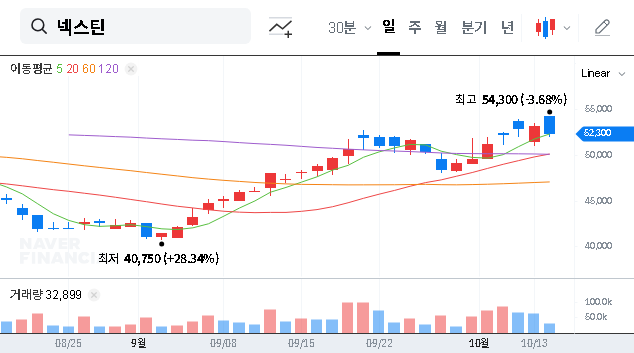
  • (348210) NEXTIN Inc. (348210) IR Analysis: Deep Dive into AI Semiconductor Growth

    (348210) NEXTIN Inc. (348210) IR Analysis: Deep Dive into AI Semiconductor Growth

    In the rapidly evolving AI semiconductor landscape, key technology providers are under intense scrutiny. A prime example is NEXTIN Inc. (348210), a pivotal player whose unique wafer micro-pattern inspection equipment is critical for next-generation chip manufacturing. The company is poised to capture the market’s attention with an upcoming Investor Relations (IR) conference, a critical event that could redefine its valuation and future trajectory.

    This comprehensive analysis offers investors a detailed guide, exploring NEXTIN’s fundamentals, the potential stock-moving outcomes of the IR event, and its strategic position within the broader market. Will this be the catalyst for NEXTIN’s next major leap forward?

    The Event: What Investors Need to Know

    NEXTIN Inc. (348210) has officially scheduled its Investor Relations (IR) conference for October 15, 2025, at 10:00 AM KST. This event is a crucial platform for the company to engage directly with the investment community, providing transparent updates on its business operations, recent performance, and strategic vision. For those seeking official confirmation, the company’s filing can be viewed here: Official Disclosure (DART). The presentation is expected to address market inquiries head-on, aiming to fortify investor confidence.

    Analyzing NEXTIN Inc. (348210)’s Core Strengths

    NEXTIN has carved out a formidable niche in the front-end semiconductor process with its highly specialized wafer inspection equipment. Its fundamental strengths provide a solid foundation for growth.

    With its proprietary 2D imaging technology, NEXTIN is not just a participant but a key innovator in the quality control ecosystem that enables the complex manufacturing of modern AI semiconductors.

    Unrivaled Technological Competitiveness

    At the heart of NEXTIN’s value proposition is its patented 2D imaging and multi-focal plane inspection technology, a world-first that sets it apart from competitors. This technology is critical for detecting microscopic defects on wafers, a process essential for ensuring the high yields required for advanced chips, including HBM and AI accelerators. Its technical prowess is often compared to industry giant KLA Corporation, and its established supply history with major players like SK Hynix and SMIC validates its global-standard capabilities. The company is also actively developing next-generation 3D semiconductor inspection equipment to stay ahead of the curve.

    Robust Financial Health & Performance

    NEXTIN’s financial statements paint a picture of stability and growth. The company reported revenue of 113.72 billion KRW in 2024, a significant increase driven by surging demand for AI semiconductor inspection tools. Coupled with efficient cost management, this led to improved operating profits. Furthermore, a low debt-to-equity ratio of just 16.95% and a substantial increase in cash reserves signal strong liquidity and a resilient financial structure, empowering it to fund R&D and navigate market volatility. For more context on market trends, investors can read our full analysis on the semiconductor equipment market.

    Potential IR Impact: Catalysts and Risks

    The upcoming NEXTIN IR event is a double-edged sword, with the potential to either significantly boost or temper the company’s stock price. Here’s a breakdown of the factors at play.

    Positive Catalysts to Watch For

    • Clarity on Key Contracts: A detailed, positive update on the fulfillment status of major contracts, especially the one with SK Hynix, would immediately alleviate market concerns and build confidence.
    • Strong AI Narrative: A compelling presentation that clearly links NEXTIN’s wafer inspection equipment directly to the production of high-demand AI chips could lead to a significant re-evaluation of its market value.
    • Future Tech Roadmap: A concrete and believable roadmap for 3D inspection technology and overseas expansion could excite investors about long-term growth prospects.

    Potential Negative Factors

    • Vague or Disappointing Updates: If the presentation lacks specifics or provides ambiguous answers, especially regarding the SK Hynix contract, it could trigger a negative market reaction.
    • Unrealistic Projections: Overly ambitious timelines for new technology or market entry without clear execution plans could damage management’s credibility.
    • Macroeconomic Headwinds: Negative commentary on the broader semiconductor industry outlook or macroeconomic challenges could overshadow positive company-specific news, according to industry reports.

    Investor Action Plan & Key Questions

    To make the most of this IR, investors should focus on getting answers to the following critical questions:

    Q1: What is the definitive status and future outlook for the SK Hynix contract?

    Look for a clear explanation of the 0% fulfillment rate and a concrete timeline for execution and revenue recognition. This is arguably the most pressing issue for a thorough NEXTIN stock analysis.

    Q2: How is NEXTIN’s technology directly enabling higher yields in HBM and AI chip manufacturing?

    The company needs to provide specific examples or case studies demonstrating its value proposition in the most lucrative segment of the market.

    Q3: What is the commercialization timeline for the 3D semiconductor inspection equipment?

    A detailed roadmap, including testing phases, potential customers, and target launch dates, is essential to validate this key pillar of their future growth strategy.

    By closely monitoring the company’s answers to these questions and observing their ongoing communication efforts post-event, investors can gain a much clearer picture of the investment thesis for NEXTIN Inc. (348210).

    (348210) NEXTIN Inc. (348210) IR Analysis: Deep Dive into AI Semiconductor Growth 관련 이미지
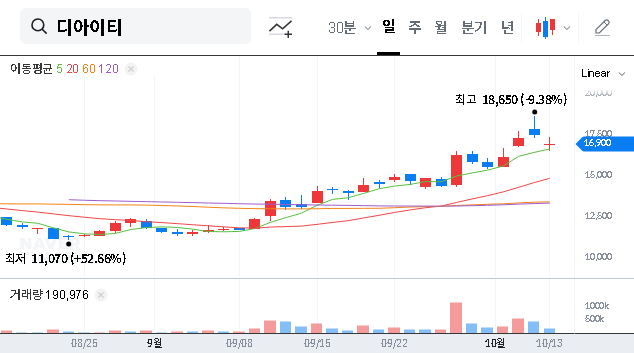
  • (110990) DIT Corp. Treasury Stock Disposal: A Deep Dive for Investors (2025 Analysis)

    (110990) DIT Corp. Treasury Stock Disposal: A Deep Dive for Investors (2025 Analysis)

    In a recent corporate filing, DIT Corp., a key player in advanced solutions for the display and semiconductor industries, announced a DIT Corp. treasury stock disposal aimed at funding employee bonuses. For investors, this news raises critical questions: Is this a positive sign of rewarding talent, or a minor event overshadowed by bigger challenges? How will this decision truly affect the DIT Corp. stock price and long-term corporate value?

    This comprehensive analysis cuts through the noise. We will dissect the details of the treasury stock disposal, evaluate DIT Corp.’s current financial health and market position, and provide a clear, actionable investment strategy. From short-term market flickers to the fundamental drivers of growth, this guide offers the clarity you need to navigate your DIT investment analysis effectively.

    Understanding the DIT Corp. Treasury Stock Disposal

    On October 13, 2025, DIT Corp. officially disclosed its plan to dispose of 22,881 common treasury shares. This transaction, valued at approximately KRW 400 million, represents a mere 0.12% of the company’s total outstanding shares. The stated purpose is straightforward: to fund performance-based bonuses for its employees. You can view the Official Disclosure (DART Report) for primary source verification.

    A treasury stock disposal is when a company sells shares that it had previously repurchased from the open market. Unlike issuing new shares, this action does not dilute the ownership stake of existing shareholders, though it does convert a non-operating asset (treasury stock) back into cash on the balance sheet.

    While seemingly minor, this action is a strategic lever used by management. By rewarding employees with stock-related compensation, the company aims to enhance morale, boost productivity, and align employee interests with those of shareholders. However, its true impact can only be assessed within the broader context of the company’s financial standing and the prevailing economic climate.

    Analyzing DIT Corp.’s Current Financial Landscape

    Core Strengths and Pressing Weaknesses

    DIT Corp. operates at the cutting edge, supplying AOI, LASER, and VISION AI Solutions to high-growth sectors. Its commitment to innovation is clear, with consistent R&D spending aimed at capturing market share in AI, electric vehicles, and OLED technology. Despite this forward-looking strategy, the company faces significant headwinds. The first half of 2025 saw a sharp decline in profitability, with revenue dropping 56.5% and operating profit falling 42.8% year-over-year. This performance slump is largely due to a heavy reliance on a single major client, ‘Company A’, which accounts for over 62% of sales. This concentration poses a substantial risk to revenue stability.

    On the positive side, DIT’s financial foundation remains solid. A low debt-to-equity ratio of just 11.09% and a healthy cash reserve provide a crucial buffer against market volatility and operational challenges. However, looming legal risks, including allegations of technology leakage and commercial disputes, cast a shadow over investor confidence and could lead to unforeseen liabilities.

    The Macroeconomic Headwinds

    The broader economic environment presents further challenges. Persistently high interest rates in both the US (4.25%) and Korea (2.50%) increase the cost of capital for future expansion and can dampen investor appetite for growth stocks. Furthermore, a high KRW/USD exchange rate (KRW 1,436.00) can impact the competitiveness of exports and affect profit margins on international sales. These external factors create a difficult operating environment that DIT Corp. must navigate alongside its internal challenges.

    The Real Impact on DIT Corp. Stock Price & Value

    Given the small scale of the DIT Corp. treasury stock disposal, its direct, immediate impact on the stock price will likely be minimal. The market has more significant factors to consider. However, we can analyze the potential positive and negative implications.

    Potential Positives

    • Enhanced Employee Motivation: Rewarding performance with an employee stock bonus can significantly boost morale and loyalty. In a high-tech industry where talent is paramount, retaining key engineers and researchers is critical for long-term innovation and competitiveness.
    • Signal of Confidence: Management may see this as a signal that they are investing in their most valuable asset—their people—which they believe will drive future growth, justifying the cash outflow.

    Potential Negatives & Risks

    • Negligible Market Impact: The disposal of just 0.12% of shares is too small to create significant selling pressure or materially affect supply-demand dynamics for the stock. For more on this, see this guide on corporate finance actions from an authoritative source.
    • Opportunity Cost: While not a large sum, the KRW 400 million could have been allocated elsewhere—such as R&D, debt reduction, or a shareholder dividend. In light of declining profits, some investors may view this as a non-essential expenditure.
    • Negative Market Perception: In a bearish climate fueled by poor recent performance, the market might interpret any cash outflow negatively, potentially causing minor, short-term price volatility as algorithms and traders react to the headline.

    Actionable Investment Strategy for DIT Corp.

    Prudent investors should view the treasury stock disposal as a minor footnote in the larger story of DIT Corp. Your focus should remain firmly on the company’s fundamentals.

    • Monitor Customer Diversification: The most critical task for DIT’s management is to reduce its dependency on ‘Company A’. Scrutinize quarterly reports for evidence of new major clients or growth in other segments.
    • Track Profitability Recovery: Look for a turnaround in revenue and operating profit. A return to growth is the most powerful catalyst for the DIT Corp. stock price. For guidance, you can read our guide on analyzing tech company earnings reports.
    • Follow Legal Developments: Pay close attention to company announcements regarding the resolution of its legal challenges. A clear and favorable resolution would remove a significant overhang of uncertainty.

    In conclusion, the DIT Corp. treasury stock disposal is a positive gesture toward employees but not a game-changer for investors. The company’s future value will be determined by its ability to innovate, diversify its customer base, and navigate its legal and macroeconomic risks successfully.

    Frequently Asked Questions (FAQ)

    Q1: What was the main reason for DIT Corp.’s treasury stock disposal?
    A1: The primary purpose was to fund performance-based bonuses for employees, an initiative designed to improve morale, reward hard work, and align staff interests with corporate success.

    Q2: Should I expect the DIT Corp. stock price to drop because of this?
    A2: A significant drop is highly unlikely. The volume of shares (0.12% of total) is too small to have a material impact. The stock’s direction will depend more on upcoming earnings reports and news about its core business.

    Q3: What are the key metrics to watch for DIT Corp. moving forward?
    A3: Focus on fundamental indicators: revenue growth from new customers, improvements in operating profit margins, successful outcomes from R&D investments, and any updates on the resolution of outstanding legal issues.

    Disclaimer: This analysis is for informational purposes only and is based on publicly available data. It does not constitute investment advice. All investment decisions should be made based on your own research and risk tolerance.

    (110990) DIT Corp. Treasury Stock Disposal: A Deep Dive for Investors (2025 Analysis) 관련 이미지
  • (170920) LTC Stock Forecast: Institutional Sell-Off & In-Depth Investment Analysis

    (170920) LTC Stock Forecast: Institutional Sell-Off & In-Depth Investment Analysis

    The latest news surrounding LTC stock (170920) has sent ripples through the investment community. Soosung Asset Management, a significant institutional player, has officially reduced its holdings, a move that demands careful consideration from every current and prospective investor. This action can influence short-term market sentiment and raises critical questions about the company’s long-term trajectory. Is this a red flag signaling underlying issues, or a fleeting market event that creates a prime buying opportunity?

    This comprehensive LTC investment analysis will dissect the situation, exploring the immediate impacts, the company’s core fundamentals, and what this means for your investment strategy. We’ll provide the clarity you need to navigate the uncertainty and make an informed decision about the future of your LTC stock position.

    Understanding the News: Soosung’s Stake Reduction

    The Official Disclosure: What Changed?

    On October 2, 2025, a significant disclosure was made. Soosung Asset Management announced a decrease in its holdings of LTC shares from 6.80% down to 4.77%. This 2.03 percentage point reduction is not a trivial adjustment and represents a substantial transaction that the market is bound to notice. You can view the Official Disclosure (DART Source) for complete transparency.

    Potential Reasons for the Sale

    An institutional sell-off is rarely driven by a single factor. The analysis points to a combination of strategic financial maneuvers:

    • Convertible Bond (CB) Strategy: Soosung executed a multi-part strategy involving its privately placed Convertible Bonds. A portion was sold off-market, while another was converted into shares, directly impacting the overall holding percentage as part of a standard CB investment cycle.
    • Profit Realization & Rebalancing: Over 200,000 common shares were sold directly on the open market. This could be a classic case of realizing profits after a period of growth or a strategic rebalancing of their portfolio to manage risk and allocate capital to other opportunities.

    It’s crucial to distinguish between a strategic portfolio adjustment by an institution and a flight from a company with failing fundamentals. Often, the former creates opportunity for retail investors.

    Analyzing the Impact on the LTC Share Price

    Immediate Market Reaction: The Supply Pressure Effect

    In the short term, news of a major investor reducing their stake can weaken investor sentiment. The on-market sale of over 200,000 shares introduces significant selling pressure. This sudden increase in supply, without an equivalent increase in demand, could lead to a temporary dip in the LTC share price. Traders should be prepared for heightened volatility.

    The Bigger Picture: Is This a Fundamental Shift for LTC Stock?

    While the short-term noise is important, long-term investors must look deeper. The 2% stake reduction is significant but may not signal a complete loss of faith in LTC’s core business. The crucial factor is whether the company’s fundamentals remain intact. While the converted CBs create a potential for future share supply (an ‘overhang’), this is a technical market factor, not necessarily a reflection of poor business performance. The real determinants of long-term value will be LTC’s operational results and broader market trends, such as those covered by financial authorities like Bloomberg’s market analysis.

    A Deep Dive into LTC’s Core Fundamentals (H1 2025)

    To truly gauge the LTC stock forecast, we must look past this single event and examine the company’s health. The H1 2025 report provides a solid foundation:

    • Resilient Revenue: Consolidated revenue reached 137.2 billion KRW, maintaining year-on-year growth. While the pace has slowed, indicating potential headwinds in the semiconductor and display sectors, the top line remains robust.
    • Improved Profitability: Operating profit showed positive improvement. This suggests strong cost management and a successful focus on higher-margin products, a sign of operational efficiency.
    • Future-Focused Investment: LTC maintains a stable capital structure while actively investing in R&D and new business ventures to secure future growth engines.

    These fundamentals suggest that the company’s intrinsic value proposition has not been fundamentally altered by Soosung’s recent sale. For more on evaluating company health, you can read our guide to fundamental analysis.

    Strategic LTC Investment Analysis: Your Action Plan

    So, how should you position yourself? Your approach to this LTC stock news depends heavily on your investment horizon.

    For the Short-Term Trader

    Caution is the word of the day. The selling pressure from Soosung could lead to price drops and volatility. Consider a wait-and-see approach or be prepared to implement strict stop-loss orders to manage downside risk if you decide to enter a position.

    For the Mid-to-Long-Term Investor

    This is where the opportunity may lie. If you believe in LTC’s solid fundamentals and its long-term strategy, a temporary price dip caused by this market event could be an attractive entry point. A patient investor who is not swayed by short-term noise may find this an ideal moment to initiate or add to a position, focusing on the recovery of the semiconductor industry and the performance of LTC’s new business ventures.

    (170920) LTC Stock Forecast: Institutional Sell-Off & In-Depth Investment Analysis 관련 이미지
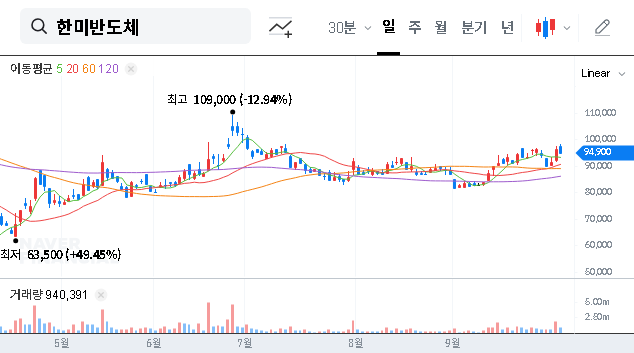
  • (042700) Hanmi Semiconductor’s Singapore Move: A Strategic Play to Dominate the Global AI & HBM Market

    (042700) Hanmi Semiconductor’s Singapore Move: A Strategic Play to Dominate the Global AI & HBM Market

    The artificial intelligence revolution is fundamentally reshaping our world, and at its core lies the powerful engine of advanced semiconductors. Specifically, High Bandwidth Memory (HBM) has emerged as a critical bottleneck and opportunity in this new era. In a decisive move to capitalize on this trend, Hanmi Semiconductor, a global leader in semiconductor equipment, has announced a significant strategic expansion by establishing a new subsidiary in Singapore. This isn’t merely a geographic expansion; it’s a calculated maneuver to solidify its dominance in the burgeoning AI semiconductor market and strengthen its leadership in HBM equipment manufacturing. This analysis explores the profound implications of this decision for investors and the industry at large.

    The Announcement: A New Strategic Hub in Singapore

    On October 2, 2025, Hanmi Semiconductor officially confirmed the establishment of ‘HANMI SINGAPORE Pte. Ltd.’, a wholly-owned local subsidiary. The initial investment of approximately SGD 648,798 (around 700 million KRW) will establish a base for the development, sales, and service of semiconductor manufacturing equipment and related components. This strategic decision was formally documented in the company’s public filing. (Official Disclosure: DART Source).

    Why Singapore? The Strategic Imperative for AI Dominance

    The choice of Singapore is a clear reflection of Hanmi Semiconductor’s forward-looking strategy. The primary drivers are twofold: to aggressively address the explosive growth of the AI and HBM markets and to foster closer, more responsive relationships with its key global customers, many of whom have a significant presence in the region.

    By establishing a local presence, Hanmi Semiconductor can drastically reduce lead times, enhance collaborative engineering, and provide real-time support, creating a powerful competitive moat in the fast-paced semiconductor industry.

    The Critical Role of HBM Equipment

    The demand for AI processing power has led to a surge in the need for HBM, which involves vertically stacking memory chips to achieve incredible data transfer speeds. This complex process requires highly specialized equipment. Hanmi Semiconductor is a market leader in this domain with its flagship products, the DUAL TC BONDER and 6-SIDE INSPECTION systems. These tools are indispensable for manufacturing the next generation of AI chips. Being closer to fabrication plants and R&D centers in Asia allows Hanmi to align its product roadmap directly with the needs of tech giants, a crucial advantage in semiconductor investment analysis.

    Analysis of Potential Impacts and Corporate Health

    Growth Catalysts and Competitive Advantages

    • Strengthened Customer Relationships: Proximity to major clients will enhance local support and co-development efforts, leading to faster innovation cycles and increased new orders.
    • Capturing AI Market Growth: The Singapore hub will act as a launchpad to capitalize on the relentless growth of the AI semiconductor market, which, according to industry forecasts, is projected to expand significantly.
    • Revenue & Export Expansion: Enhanced sales and marketing activities in a key global market are poised to drive substantial global revenue growth and diversify income streams.
    • Solidified Tech Leadership: Faster feedback loops from local clients will inform next-generation HBM equipment development, reinforcing Hanmi’s technological edge.

    Underpinned by Robust Financials

    This strategic expansion is backed by an exceptionally strong financial foundation. As of its H1 2025 report, Hanmi Semiconductor demonstrated remarkable profitability with an operating profit margin of 47.6%. Furthermore, its financial health is pristine, evidenced by a low debt-to-equity ratio of 26.7% and a current ratio of 284.3%. This financial stability gives the company the flexibility to invest in long-term growth initiatives like the Hanmi Singapore subsidiary without undue risk. Investors interested in the fundamentals can explore our deep dive on analyzing semiconductor company financials.

    Investor Outlook: A Long-Term Positive Catalyst

    The establishment of the Singapore subsidiary is a pivotal strategy for Hanmi Semiconductor, aimed at securing future growth engines and bolstering its global competitiveness. While initial operating costs and local market competition present minor short-term risks, they are far outweighed by the long-term strategic benefits.

    Given the company’s robust fundamentals, unique technological leadership in essential HBM equipment, and the powerful tailwinds of the AI revolution, this expansion is assessed as a profoundly positive event. It significantly enhances the company’s medium-to-long-term growth trajectory. Therefore, we maintain a positive outlook (‘Buy’ rating), and advise investors to monitor the increased order flow and market share gains resulting from this strategic global positioning.

    Disclaimer: The analysis above is for informational purposes only. The final responsibility for any investment decisions rests solely with the individual investor.

    (042700) Hanmi Semiconductor's Singapore Move: A Strategic Play to Dominate the Global AI & HBM Market 관련 이미지
  • (319660) PSK Stock Analysis (319660): National Pension Service Cuts Stake – What Investors Must Know

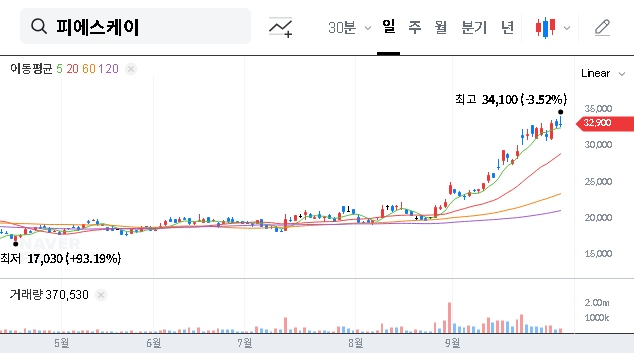
    (319660) PSK Stock Analysis (319660): National Pension Service Cuts Stake – What Investors Must Know

    Investors in PSK stock (319660) are on high alert after a significant portfolio adjustment by one of South Korea’s largest institutional investors. The National Pension Service (NPS) recently announced a reduction in its holdings of the semiconductor equipment specialist, sending ripples through the market. This move prompts critical questions: Is this a routine portfolio rebalancing, or does it signal underlying concerns about the company’s future? This analysis will dissect the NPS stake reduction, examine PSK’s current fundamentals, and provide a clear outlook for investors.

    The Disclosure: NPS Reduces PSK Stake

    On October 1, 2025, an official disclosure revealed that the National Pension Service had decreased its ownership in PSK from 8.12% to 7.08%, a net reduction of 1.04%. According to the filing, the reason cited was a “simple investment purpose, resulting from additional acquisitions/disposals.” You can view the filing directly from the source: Official Disclosure. While the stated reason appears neutral, any reduction in holdings by a major entity like the NPS is scrutinized by the market and can act as a catalyst for selling pressure and heightened volatility for PSK stock.

    Analyzing the ‘Why’: PSK’s Fundamentals and Market Headwinds

    To understand the potential rationale behind the NPS stake reduction, we must look beyond the disclosure and evaluate PSK’s internal health and the external environment it operates in.

    1. A Look at Corporate Fundamentals

    PSK’s recent financial performance presents a mixed picture. The 2025 half-year report indicated a significant downturn, with revenue dropping by 47% and operating profit by 48.5% year-over-year. This slump was primarily attributed to weaker sales in non-semiconductor process equipment and rising administrative costs. However, the company’s financial foundation remains solid. Its debt-to-equity ratio is a healthy 19.93%, and a notable increase in operating cash flow suggests efficient core operations. Furthermore, PSK continues to invest heavily in its future, with R&D expenditures accounting for 8.2% of revenue—a crucial factor for staying competitive in the fast-evolving semiconductor equipment industry.

    While the top-line numbers are concerning, PSK’s strong balance sheet and commitment to R&D provide a buffer and a potential springboard for future growth once the industry cycle turns positive.

    2. Macroeconomic and Industry Context

    No company operates in a vacuum. Rising interest rates in the U.S. and Korea increase the cost of capital, potentially dampening corporate investment and investor sentiment. Simultaneously, exchange rate volatility poses both a risk and an opportunity. For PSK, with more USD-denominated assets than liabilities, a stronger dollar can boost profits. However, this factor is a double-edged sword that requires careful risk management. On a brighter note, the long-term outlook for the semiconductor industry remains robust. According to industry analysis from authoritative sources like Gartner, the demand for advanced chips continues to grow, which will inevitably drive investment in sophisticated semiconductor equipment.

    3. Known Risk Factors

    Investors must also weigh an ongoing patent infringement lawsuit with competitor Lam Research. An unfavorable outcome could have a material impact on PSK’s financial statements and market position. This existing legal risk, combined with the news of the NPS sale, could compound investor caution and create headwinds for the PSK stock price.

    Investor Action Plan: Navigating the Uncertainty

    In light of the NPS’s move and the company’s current state, a measured approach is crucial. The short-term outlook for PSK stock is likely to be choppy, with downward pressure from the stake sale. However, the mid-to-long-term trajectory will depend on fundamental improvements and industry tailwinds. Here are key areas for investors to monitor:

    • Quarterly Performance: Watch for a recovery in revenue and operating profit. A clear sign of a turnaround, tied to the broader semiconductor cycle, will be the most powerful bullish catalyst.
    • Patent Litigation Updates: Stay informed on any developments in the Lam Research lawsuit. A settlement or favorable ruling could remove a significant overhang from the stock.
    • Institutional Investor Flow: Monitor whether other major institutions follow the NPS’s lead or if they use the price dip as a buying opportunity. This will provide clues about broader market sentiment.
    • Industry Investment Trends: Track capital expenditure plans from major chipmakers like TSMC, Samsung, and Intel. Increased spending by these giants is a direct leading indicator for equipment suppliers like PSK. For more on this, see our guide on how to analyze semiconductor stocks.

    Conclusion: Signal or Noise?

    The National Pension Service‘s stake reduction is a significant event that introduces short-term risk and uncertainty for PSK stock. However, it may ultimately be more noise than a definitive signal about the company’s long-term demise. PSK’s solid financial health, technological edge, and the structural growth of the semiconductor industry remain compelling long-term positives. Prudent investors should proceed with caution, weigh the risks against the potential rewards, and base their decisions on the fundamental developments in the coming quarters.

    (319660) PSK Stock Analysis (319660): National Pension Service Cuts Stake – What Investors Must Know 관련 이미지