Tag: Remed

  • Remed Stock Forecast: Analyzing Samsung’s Stake Change (September 2025)


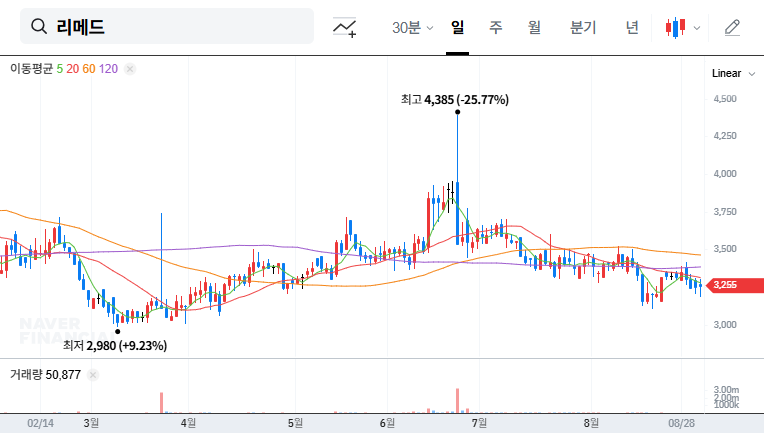
    Remed Stock Forecast: Analyzing Samsung's Stake Change (September 2025) 대표 차트 이미지


    What Happened? – Samsung’s Stake Change

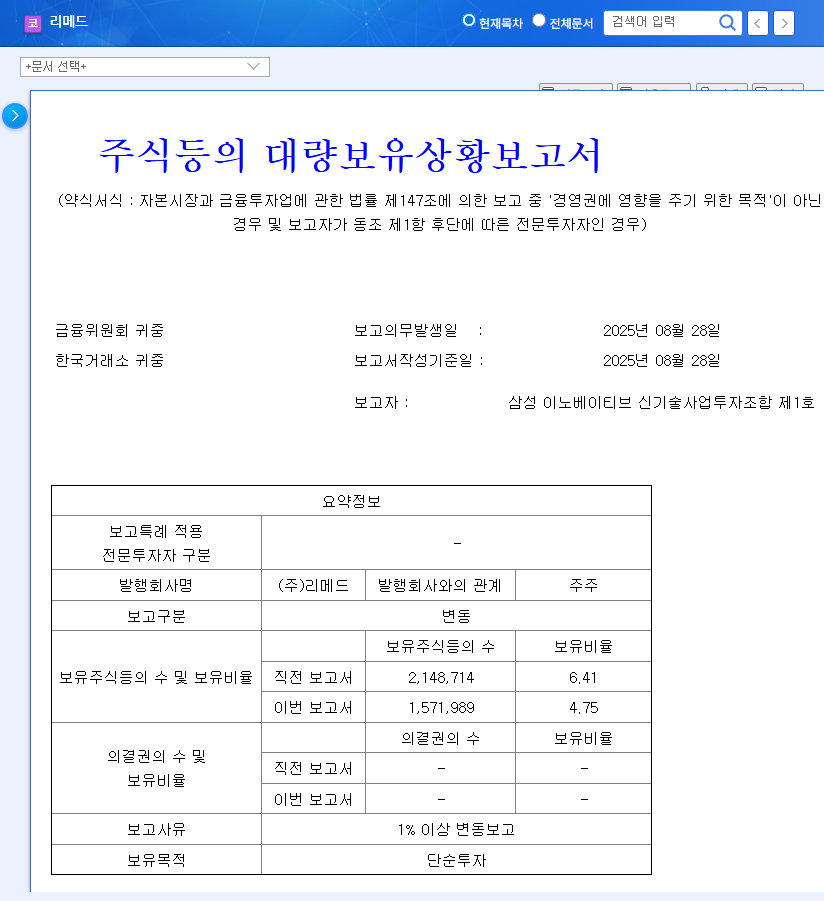
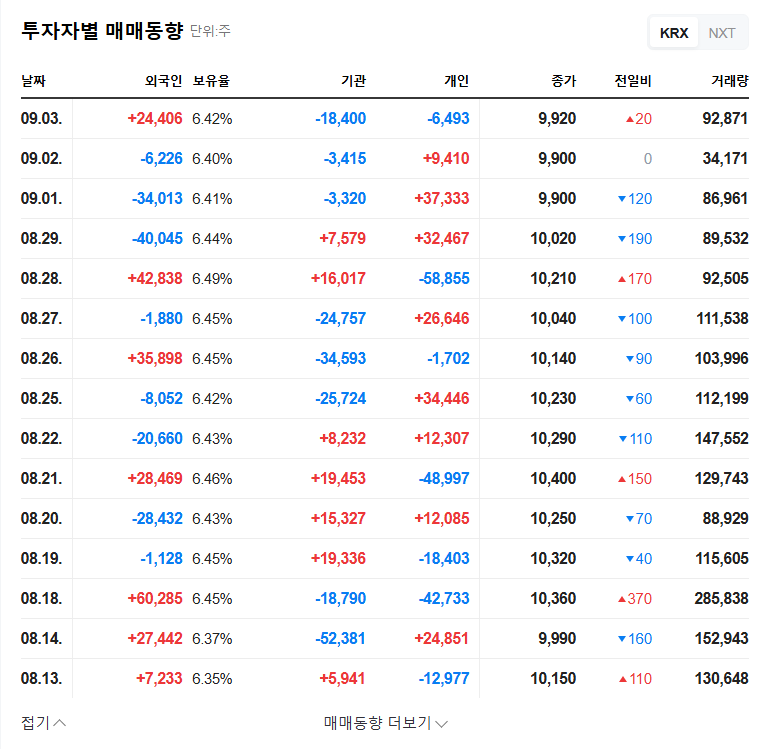
    On September 3, 2025, Samsung Innovative New Technology Investment Association No. 1 reduced its stake in Remed (302550) from 6.41% to 4.75%, a decrease of 1.66%. This follows the conversion of convertible bonds into common stock on August 28th and is likely due to profit-taking or portfolio rebalancing.

    Why Does It Matter? – Implications and Fundamental Analysis

    While the stake change may cause short-term stock volatility, it doesn’t directly impact Remed’s fundamentals. The bond conversion is positive for Remed, strengthening its financial structure through increased capital.

    However, Remed’s H1 2025 results show declining sales and operating profit, which could negatively impact investor sentiment. Decreased exports in the chronic pain treatment business are the primary cause, coupled with increased selling, general, and administrative expenses.

    Positive aspects include FDA approval for a brain rehabilitation product, ongoing clinical trials for Alzheimer’s/stroke, collaboration with Zimmer in chronic pain treatment, and new product launches in the aesthetics business, all pointing to growth potential. However, FX volatility and rising logistics costs pose risks.

    What Should Investors Do? – Investment Strategies

    In the short term, investors should be mindful of potential selling pressure due to the stake change and monitor stock movements closely.

    Long-term investors should focus on fundamental improvements, particularly sales recovery in the chronic pain treatment business and the performance of the aesthetics business. It’s crucial to distinguish between the effects of the bond conversion and actual value growth.

    Key Monitoring Points:

    • H2 2025 and full-year earnings (sales recovery, operating profit improvement)
    • Overseas sales performance of chronic pain treatment and Zimmer collaboration
    • Expansion of new indications for brain rehabilitation and market response to BrainStim
    • New product launches and market competitiveness in the aesthetics business
    • FX and macroeconomic trends


    Frequently Asked Questions

    What are Remed’s main businesses?

    Remed operates in brain rehabilitation, chronic pain treatment, and aesthetics. Each area holds growth potential based on innovative technology.

    How will Samsung’s stake change affect Remed’s stock price?

    It may cause short-term volatility, but the long-term impact depends on fundamental improvements. The bond conversion is positive for Remed’s financial structure.

    What should investors consider when investing in Remed?

    Consider risk factors like weak H1 results and macroeconomic uncertainty. Continuously monitor future earnings improvements and new business performance.


    Remed Stock Forecast: Analyzing Samsung's Stake Change (September 2025) 관련 이미지
    Remed Stock Forecast: Analyzing Samsung's Stake Change (September 2025) 관련 이미지


  • Remed (302550) H1 2025 Earnings Report Analysis: Investment Strategy and Future Outlook

    1. What Happened? H1 2025 Earnings Breakdown

    Remed’s H1 2025 earnings are marked by declining sales and worsening profitability. Consolidated revenue decreased by 8.2% year-over-year, and operating profit turned negative. The preliminary Q2 2025 results are particularly concerning, with revenue plummeting by 57.9%.

    2. Why the Decline? Reasons for Underperformance

    The primary reason for the decline is attributed to the sluggish overseas sales in the chronic pain treatment division. Increased SG&A expenses and R&D investments also contributed to the worsening profitability. The uncertain macroeconomic environment poses further risks.

    3. What’s Next? Investment Strategy and Future Outlook

    A cautious investment approach is recommended in the short term. However, considering Remed’s core technology and the growth potential of the healthcare market, there might be opportunities for bargain hunting in the mid-to-long term. Investors should closely monitor the company’s strategies for improving earnings and securing new growth engines.

    4. Investor Action Plan

    • Short-term Investment: Cautious approach, maintain a wait-and-see attitude.
    • Mid-to-Long-term Investment: Look for bargain hunting opportunities, monitor earnings improvement and new growth engine development.
    • Risk Management: Be mindful of delayed earnings recovery, new product development failures, intensified competition, and increased exchange rate/interest rate volatility.

    Frequently Asked Questions

    How did Remed perform in H1 2025?

    Revenue decreased by 8.2% year-over-year, and operating profit turned negative. Q2 2025 results were particularly weak.

    Should I invest in Remed?

    A cautious approach is advised in the short term, but there may be long-term opportunities. Consider the core technology and growth potential before making an investment decision.

    What are Remed’s main businesses?

    Remed operates in brain rehabilitation, chronic pain treatment, and aesthetics.

  • Remed Stock Forecast: Opportunity or Crisis After Samsung’s Divestment?

    1. Why Did Samsung Divest from Remed?

    Officially, Samsung stated ‘investment portfolio strategy adjustment.’ However, the sale of a substantial number of shares in a short period may indicate concerns about changing market conditions or lowered expectations for Remed’s growth potential. Given the increasing macroeconomic uncertainties at the time, such as interest rate hikes in the US and Europe and rising raw material prices, it’s possible these factors influenced the decision.

    2. How Strong Are Remed’s Fundamentals?

    Despite a decline in sales, Remed achieved improved operating profit margins in Q1 2025 due to cost reductions and improved sales and administrative expenses efficiency.

    • Brain Rehabilitation: Positive factors include the launch of antidepressants and FDA approvals, while negative factors include clinical trial stages for Alzheimer’s/stroke treatments and intensifying competition.
    • Chronic Pain Treatment: Positive factors include FDA approval for NMS products and a favorable market response to Salus FSWT, offset by intensifying competition with BTL.
    • Aesthetics: A short-term negative is the Allergan supply disruption, but long-term growth potential exists with new product launch plans and growth in the EBD market.

    3. What’s the Forecast for Remed’s Stock Price?

    Samsung’s large-scale selling could negatively impact the stock price in the short term. This could lead to a decline in investor sentiment and put downward pressure on the stock. However, if Remed’s fundamentals remain strong, the impact may be limited. In the long term, the success of Remed’s US market entry and new product development strategy will likely have a greater impact on the stock price.

    4. What Actions Should Investors Take?

    Instead of reacting to short-term price fluctuations, investors should focus on Remed’s fundamentals and long-term growth potential. It’s crucial to analyze analyst reports to understand market expectations and continuously monitor competitor trends and changes in relationships with key customers.

    What does Samsung’s divestment from Remed signify?

    Officially it’s portfolio adjustment, but it could be interpreted as a sign of concern about Remed’s future.

    What are Remed’s main businesses?

    Remed operates in brain rehabilitation, chronic pain treatment, and aesthetics.

    What are the key investment points for Remed?

    Key investment points include US market entry, new product development, and strong fundamentals.