Tag: Rehabilitation Robot

  • (460940) P&S Robotics Bonus Issue: Deep Dive on Stock Price Impact & 2025 Investment Strategy

    (460940) P&S Robotics Bonus Issue: Deep Dive on Stock Price Impact & 2025 Investment Strategy

    The recent announcement of the P&S Robotics bonus issue has captured significant investor attention. On October 24, 2025, the company disclosed a 1:1 bonus issue, effectively doubling the number of outstanding shares. This corporate action, detailed in their Official DART Disclosure, raises a critical question for current and potential shareholders: is this a signal of strength, or merely a financial maneuver? This article provides a comprehensive analysis of the bonus issue’s potential impact on the stock price and outlines a strategic investment approach.

    The core challenge for investors is to look beyond the immediate effects of the bonus issue and assess whether P&S Robotics’ underlying fundamentals can support long-term growth after the inevitable stock price dilution.

    What Exactly is a Bonus Issue?

    A bonus issue, also known as a scrip issue or capitalization issue, is a corporate action where a company distributes additional shares to existing shareholders, free of charge, in proportion to their current holdings. In this case, a 1:1 ratio means for every one share an investor owns, they will receive one new share. It’s crucial to understand that this is fundamentally an accounting adjustment. The company converts its reserves and retained earnings into share capital. As leading financial resources like Investopedia explain, no new cash is raised, and the company’s total market capitalization theoretically remains the same immediately after the issue.

    Companies typically do this to increase the liquidity of their shares by making them more affordable, which can attract a wider base of retail investors. However, it does not inherently increase the value of the company.

    P&S Robotics: A Fundamental Analysis (H1 2025)

    To understand the long-term implications of the P&S Robotics bonus issue, we must first analyze the company’s core health. P&S Robotics is a company with a compelling story but also faces notable headwinds.

    Core Strengths & Opportunities

    • Unique Technology: The company holds a strong competitive moat with its patents in patient-specific gait rehabilitation training robots.
    • Global Expansion: Exports to 16 countries and CE MDR certification provide credibility and a pathway for growth in lucrative overseas markets.
    • Product Diversification: New developments like the Healerbot and Babybot signal an expanding portfolio beyond their flagship products.
    • High Entry Barriers: The technology-intensive nature of the medical robotics industry protects against new competitors.

    Weaknesses & Potential Risks

    • Recent Performance Slowdown: Decreased revenue and operating profit in the first half of 2025 is a significant concern for investors.
    • High Export Dependence: Revenue is vulnerable to exchange rate volatility, particularly with the Euro and USD.
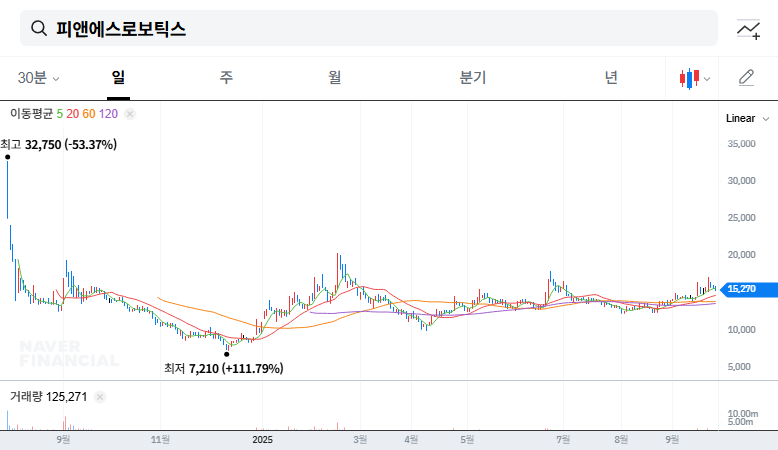
    • Declining Stock Price Trend: The persistent downtrend since its 2024 IPO indicates negative market sentiment that a bonus issue may not fix.
    • Rising Debt: An increase in the debt-to-equity ratio requires careful financial management going forward.

    Projected Impact of the Bonus Issue on Stock Price

    Short-Term Outlook: Dilution and Volatility

    The most immediate and certain effect will be stock price dilution. With double the number of shares, the price per share will theoretically be halved on the ex-bonus date to keep the market capitalization constant. For example, a stock trading at 10,000 KRW would adjust to 5,000 KRW. While this lower price point and increased share count might boost trading volume temporarily, any positive sentiment is likely to be short-lived as the market refocuses on the company’s actual performance.

    Mid- to Long-Term Outlook: Fundamentals are Key

    In the long run, the bonus issue is irrelevant to the company’s value. The stock’s trajectory will be dictated entirely by its ability to execute its business plan. A sustained recovery in stock price will depend on reversing the recent earnings slowdown, achieving commercial success with new products, and effectively managing its balance sheet. Macroeconomic factors, such as currency fluctuations and global interest rate policies, will also play a significant role given the company’s reliance on exports. For a broader view, you can explore our complete guide to the robotics industry.

    Investor Action Plan & Final Verdict

    Given the current context of declining profits and negative stock momentum, the P&S Robotics bonus issue should be viewed with prudence, not excitement. It is not a catalyst for a fundamental re-rating of the stock. Investors should focus on the following key performance indicators to make informed decisions:

    • H2 2025 and 2026 Earnings Reports: Is the company reversing its revenue decline and improving profitability?
    • New Product Revenue: Track the market adoption and sales figures for the Healerbot and Babybot.
    • Financial Health: Monitor the debt-to-equity ratio and cash flow statements for signs of stability or stress.
    • Market Share Growth: Assess whether the company is gaining ground in both domestic and key international markets.

    In conclusion, while the bonus issue increases share liquidity, it does not alter the fundamental investment case for P&S Robotics. A prudent strategy involves careful monitoring of the company’s operational performance before making any investment decisions based on this corporate action.

  • (290660) NEOFECT Weber Instrument Merger: A Complete Investor Analysis (2026)

    (290660) NEOFECT Weber Instrument Merger: A Complete Investor Analysis (2026)

    The recent announcement of the NEOFECT Weber Instrument merger marks a pivotal moment for both companies and their investors. NEOFECT Co.,Ltd has initiated a strategic acquisition of its subsidiary, Weber Instrument, in a move that signals a significant shift in its operational and growth strategy. This corporate restructuring is far more than an internal shuffle; it’s a calculated decision designed to reshape NEOFECT’s position in the competitive medical device market. For investors, understanding the nuances of this deal—from potential synergies to inherent risks—is crucial for making informed decisions.

    This comprehensive report breaks down the NEOFECT acquisition of Weber Instrument, analyzing the strategic rationale, expected financial outcomes, and critical factors investors must monitor as the merger progresses towards its January 2026 completion date.

    The Merger Unveiled: Key Details of the NEOFECT Acquisition

    NEOFECT has formally announced, through an official disclosure, its plan to absorb Weber Instrument. In this transaction, NEOFECT will be the surviving entity, fully integrating Weber Instrument’s established operations in medical device manufacturing and sales. This move consolidates NEOFECT’s control and streamlines its corporate structure. The Official Disclosure (Source: DART) provides the foundational details of this significant event.

    • Merging Entities: NEOFECT Co.,Ltd (Surviving Company) and Weber Instrument (Disappearing Subsidiary).
    • Primary Goal: To boost management efficiency and fortify business competitiveness.
    • Merger Agreement Date: October 15, 2025.
    • Projected Merger Date: January 1, 2026.
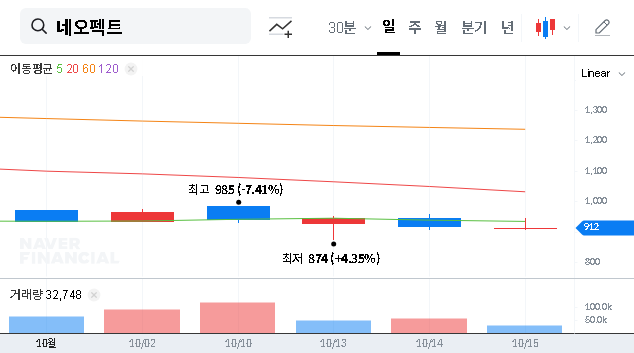
    • Current NEOFECT Stock Status: Trading is currently suspended pending further developments.

    Strategic Rationale: Why This Medical Device Merger Now?

    The timing of the NEOFECT Weber Instrument merger is driven by a clear objective: to create a more agile, efficient, and competitive entity. By absorbing its subsidiary, NEOFECT aims to unlock significant operational synergies and solidify its market standing amidst a rapidly evolving healthcare landscape, a trend seen across the industry according to reports from sources like Bloomberg’s healthcare analysis.

    The core motivation is to enhance management efficiency and strengthen business competitiveness. This full integration is expected to streamline operations, reduce costs, and expand NEOFECT’s product portfolio.

    Key Synergy Drivers

    • Operational Streamlining: Eliminating redundant administrative, marketing, and R&D functions will simplify the decision-making process and significantly cut overhead costs.
    • Portfolio Diversification: Fully absorbing Weber Instrument’s medical device manufacturing expertise allows NEOFECT to broaden its business scope and create a more robust and diverse product lineup.
    • Enhanced Market Position: By internalizing specialized manufacturing and sales talent, NEOFECT can react faster to market demands and build a stronger competitive moat in the global medical device sector. This is a critical component of modern corporate restructuring strategies.

    Potential Impacts: A Balanced View for Investors

    While the long-term vision is optimistic, investors must weigh both the potential upsides and the immediate challenges associated with this merger.

    Positive Outlook (The Upside)

    • Improved Profitability: The combination of increased efficiency and reduced costs is expected to directly contribute to NEOFECT’s bottom line over the long term.
    • Accelerated Growth: The integrated medical device business can serve as a powerful new growth engine, strengthening NEOFECT’s overall market presence.
    • Enhanced Agility: A unified command structure enables swifter, more decisive action in response to market opportunities and threats.

    Risks and Considerations (The Downside)

    • Financial Drag from Losses: Weber Instrument’s net loss of KRW 1.4 billion will be absorbed by NEOFECT, potentially creating a short-term financial burden. A clear turnaround strategy is imperative.
    • Undefined Merger Terms: Crucial details like merger ratios are still pending. These terms will directly influence shareholder value and market perception.
    • Market Volatility: The temporary trading suspension creates liquidity constraints. The reaction of the NEOFECT stock price upon resumption will be a key indicator of market sentiment.
    • Shareholder Approval Risk: The merger is contingent on the outcome of the shareholder meeting. Dissenting voices and the exercise of appraisal rights could introduce complications.

    Investor Action Plan & FAQ

    Given the variables at play, investors should adopt a vigilant and informed approach. Focus on official disclosures and fundamental analysis rather than market speculation.

    Q: What is the main purpose of the NEOFECT Weber Instrument merger?

    A: The primary goal is to improve overall management efficiency and strengthen business competitiveness by fully integrating Weber Instrument’s medical device operations, aiming for cost reduction and portfolio expansion.

    Q: Should I be concerned about Weber Instrument’s net loss?

    A: Yes, the absorption of Weber’s KRW 1.4 billion net loss presents a short-term risk. Investors should look for a clear, detailed strategy from NEOFECT’s management on how they plan to achieve profitability for the integrated unit.

    Q: What specific information should I monitor closely?

    A: Prioritize future announcements on the specific merger ratio, as this directly affects shareholder value. Additionally, monitor the post-merger financial reports of the combined entity and the market’s reaction once NEOFECT stock trading resumes.

    In conclusion, the NEOFECT acquisition of Weber Instrument is a bold strategic play. While it presents a compelling path to long-term growth and enhanced profitability, it is not without its immediate risks. Careful due diligence and continuous monitoring of official communications will be paramount for any investor navigating this corporate evolution.

    (290660) NEOFECT Weber Instrument Merger: A Complete Investor Analysis (2026) 관련 이미지