Tag: Q3 Earnings

  • (018260) Samsung SDS Q3 Earnings 2025: A Deep Dive on AI, Cloud, and Stock Impact

    (018260) Samsung SDS Q3 Earnings 2025: A Deep Dive on AI, Cloud, and Stock Impact

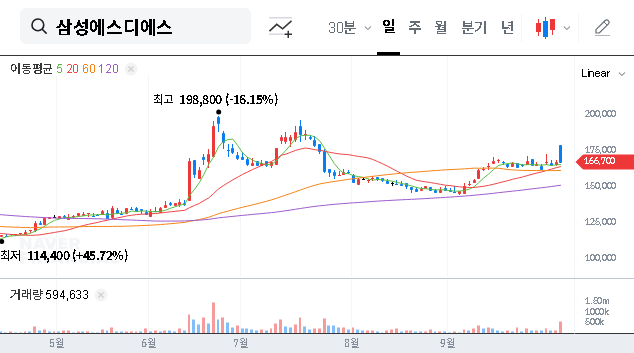
    The upcoming Samsung SDS Q3 earnings briefing, scheduled for October 30, 2025, is a pivotal event for investors. As a leader in IT services and logistics, Samsung SDS (018260) is increasingly betting its future on high-growth sectors like artificial intelligence and cloud computing. This analysis will dissect the company’s current financial health, explore the potential market impact of the Q3 results, and provide a strategic outlook for those considering a Samsung SDS investment.

    We’ll delve into the key growth drivers, identify potential risks, and outline what stakeholders should be listening for during the call to make informed decisions about the future of Samsung SDS stock.

    Event Snapshot: Samsung SDS Q3 Earnings Call

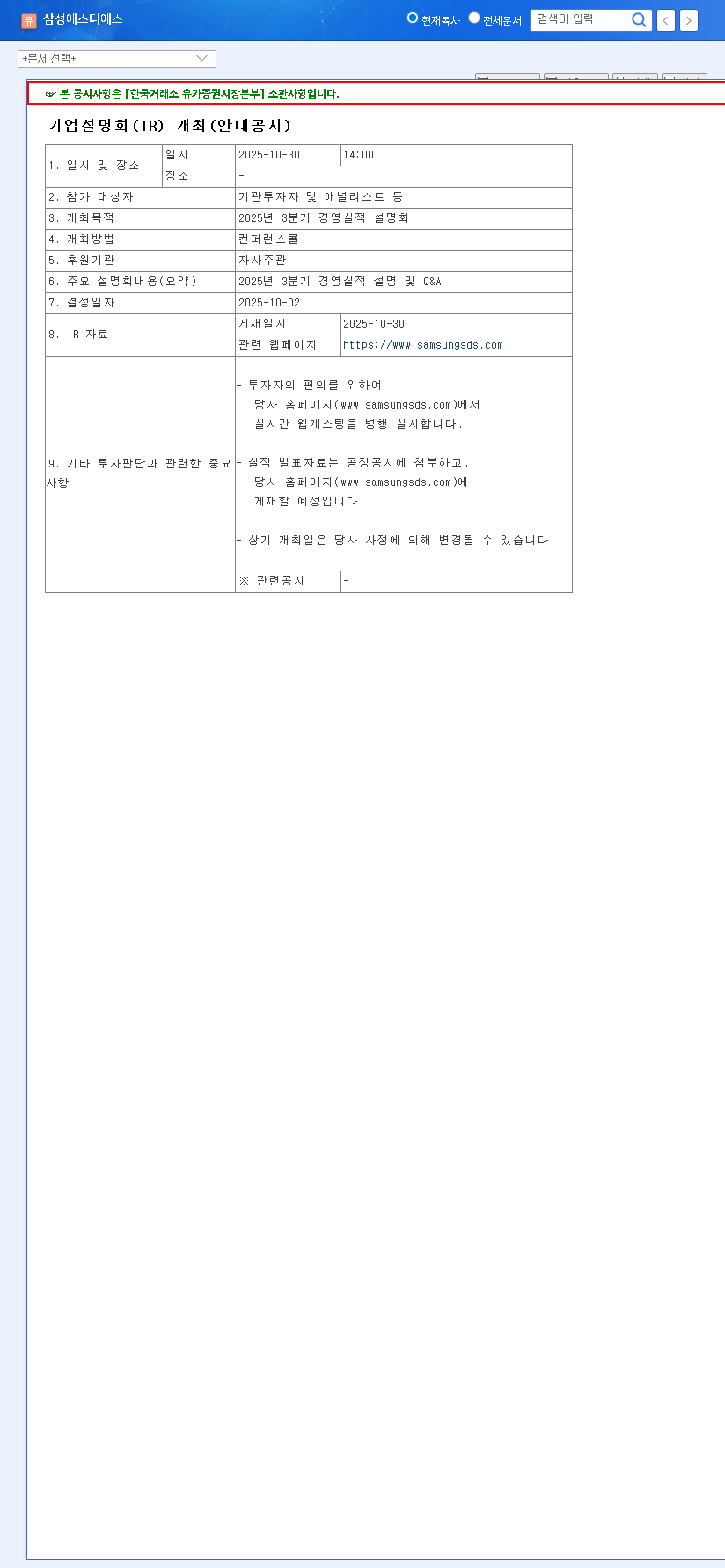
    Mark your calendars: Samsung SDS will present its Q3 2025 financial results and business outlook on October 30, 2025, at 2:00 PM KST. This briefing is more than just a numbers report; it’s a critical opportunity for management to articulate their strategy, particularly concerning the performance and roadmap for their burgeoning AI and cloud divisions. The subsequent Q&A session will offer invaluable, direct insights into the company’s trajectory.

    Fundamental Analysis: Growth Drivers & Key Risks

    Powering Growth with Samsung SDS AI and Cloud

    The core of the investment thesis for Samsung SDS revolves around its successful transition into a next-generation technology provider. The company’s focus on Samsung SDS AI and Samsung SDS cloud services is not just a talking point; it’s a significant revenue driver. The IT Services division’s growth, which outpaced the logistics arm in H1 2025, was largely fueled by cloud adoption.

    Key platforms to watch are the generative AI offerings: FabriX (an enterprise collaboration platform) and Brity Copilot (an AI-powered work assistant). Their adoption rates and monetization strategies will be a focal point of the Q3 earnings call.

    Furthermore, the expansion of its GPU-as-a-Service (GPUaaS) offering positions Samsung SDS to capitalize on the insatiable demand for AI-driven computational power. Investors should look for concrete metrics on customer acquisition and revenue contribution from these new technology ventures. To understand the broader market, you can explore market trends in cloud computing for more context.

    Financial Stability vs. Profitability Challenges

    Financially, Samsung SDS stands on solid ground. A consolidated debt-to-equity ratio of 33.23% indicates low leverage and a resilient balance sheet. Consistent investment in R&D (1.54% of sales) further reinforces its commitment to innovation. For a complete financial overview, investors can review the Official Disclosure on DART.

    However, headwinds exist that could affect the Samsung SDS stock price:

    • Logistics Margin Pressure: The logistics division’s operating profit margin (13.8%) lags behind the IT services unit. Any failure to present a clear path to improving profitability could weigh on investor sentiment.
    • Regional Disparities: A reported 8.2% revenue decrease in China highlights geopolitical and economic risks. The company must address its strategy for navigating these challenging markets.
    • Macroeconomic Factors: Global economic slowdowns, persistent high-interest rates, and currency fluctuations are external risks that require savvy management and hedging strategies.

    Potential Scenarios Following the Q3 Earnings Call

    Positive Scenario (Bull Case)

    If Q3 results significantly beat expectations, showcasing accelerated growth in the Samsung SDS cloud and AI divisions, the stock could see a substantial rally. A positive surprise would be concrete evidence of FabriX and Brity Copilot gaining major enterprise clients, coupled with a clear, actionable plan to boost logistics profitability. This would signal strong execution and validate the company’s long-term growth narrative.

    Neutral Scenario (Base Case)

    An in-line earnings report that meets market consensus would likely keep the stock price stable. In this scenario, the company demonstrates steady, continued growth in its core businesses. The focus would be on management’s forward-looking guidance. Positive commentary on the AI pipeline and a stable outlook for the logistics sector would reinforce confidence, preventing any significant sell-off.

    Negative Scenario (Bear Case)

    Downward pressure on the Samsung SDS stock is likely if Q3 results miss expectations or if guidance is weak. Key triggers for a negative reaction would include a slowdown in cloud revenue growth, an admission of slower-than-expected adoption of AI platforms, or a further deterioration in logistics margins without a credible solution. This would raise concerns about the company’s ability to navigate the competitive landscape and macroeconomic challenges.

    Investor Action Plan & Strategic Outlook

    The Samsung SDS Q3 earnings report is a critical data point. For long-term investors, the key is to look beyond a single quarter’s results and focus on the strategic trajectory. The company’s push into generative AI is a high-potential area; to learn more about generative AI platforms, see our related analysis.

    Investment Opinion: Neutral with a Positive Long-Term Bias. While short-term volatility is expected around the earnings release, the company’s solid financial footing and strategic investments in AI and cloud create a compelling long-term growth story. We recommend that investors carefully analyze the Q3 report and management’s commentary before making new investment decisions. Pay closest attention to the growth rate of high-margin IT services and any specific progress on improving logistics profitability.

    Disclaimer: This analysis is for informational purposes only and is based on publicly available information. Investment decisions should be made based on individual research and consultation with a financial advisor.
    (018260) Samsung SDS Q3 Earnings 2025: A Deep Dive on AI, Cloud, and Stock Impact 관련 이미지
  • (035760) CJ ENM Q3 IR Analysis (2025): A Deep Dive for Investors on Stock Rebound Potential

    (035760) CJ ENM Q3 IR Analysis (2025): A Deep Dive for Investors on Stock Rebound Potential

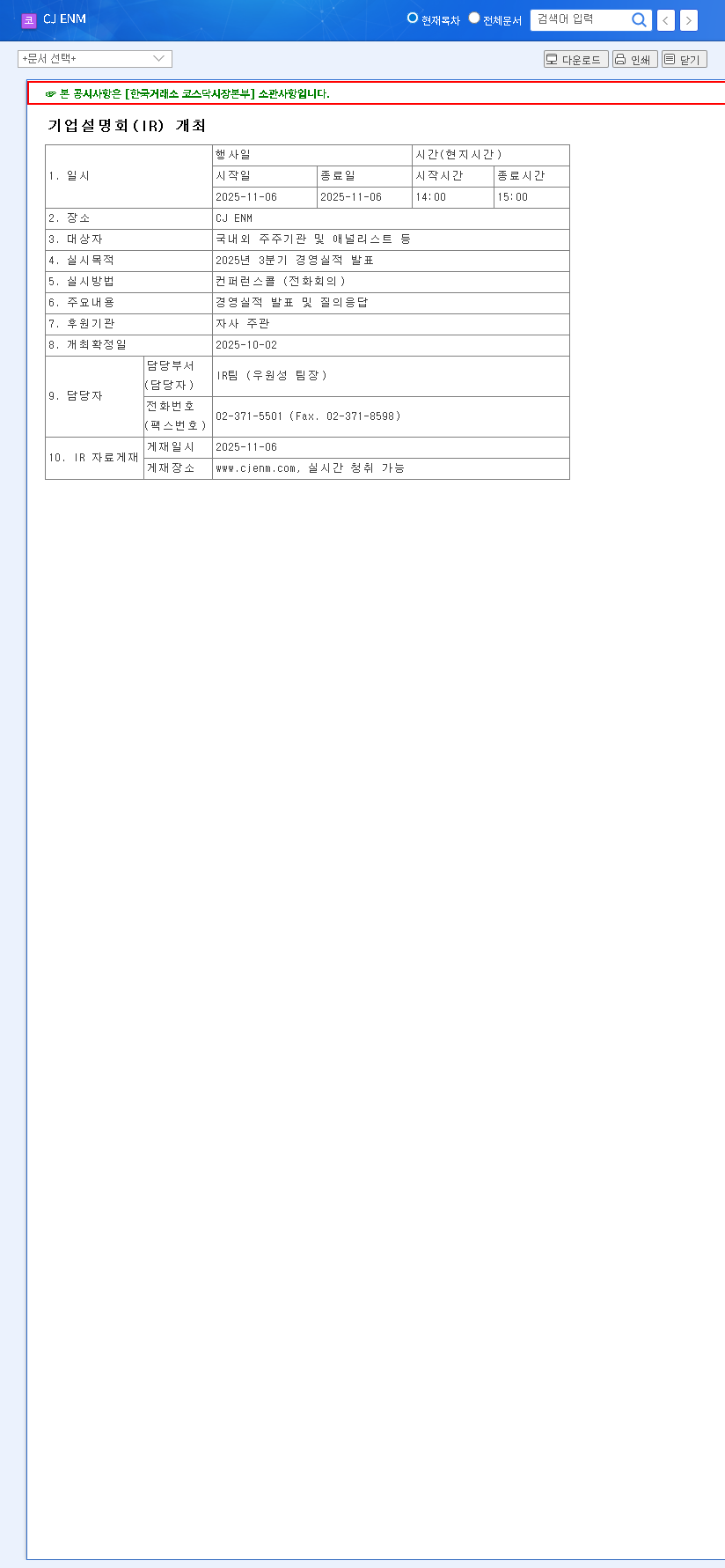
    As the November 6, 2025, conference call approaches, the investment community is intensely focused on the upcoming CJ ENM Q3 IR. After a challenging first half marked by declining profitability, this investor relations event represents a pivotal moment for the South Korean media powerhouse. Stakeholders are eager to learn if the company has charted a course for a significant rebound. Can CJ ENM reassure the market and unveil new, potent growth engines to drive its stock value forward? This analysis provides a comprehensive deep dive into the factors that will shape the company’s future.

    We will dissect CJ ENM’s H1 2025 financial performance, explore the macroeconomic headwinds, and identify the key catalysts and risks that investors must watch during the Q3 earnings announcement. From content competitiveness to financial health, this report offers crucial insights for making informed decisions regarding CJ ENM stock.

    “The upcoming CJ ENM Q3 IR is more than just a financial report; it’s a critical test of management’s strategy and their ability to navigate a complex media landscape. The market is looking for a clear, credible roadmap back to profitable growth.”

    Deconstructing the H1 2025 Performance Slump

    In the first half of 2025, CJ ENM’s financials presented a mixed picture. While the company achieved external growth with sales reaching KRW 2.4511 trillion (a 5.70% YoY increase), its profitability suffered a significant blow. Operating profit plummeted by 38.50% to just KRW 29.3 billion, signaling deep-seated issues that require immediate attention. The primary culprits for this decline were:

    • Media Platform Division: This segment saw its operating profit fall by 8.24%, widening its deficit due to sluggish advertising revenue and increased content amortization costs.
    • Film & Drama Division: Despite hit shows, operating profit in this key area also dropped by 38.50% because of escalating production costs and higher investment expenses aimed at global competitiveness.

    This comprehensive performance is documented in the company’s regulatory filings. For a detailed breakdown, investors can consult the Official Disclosure (DART).

    Catalysts and Risks on the Horizon

    Despite the H1 challenges, a nuanced CJ ENM investment analysis reveals both powerful growth drivers and significant risks that could sway the stock’s trajectory.

    Potential Positive Catalysts

    • Global Content Powerhouse: The phenomenal success of titles like ‘Queen of Tears’ and ‘Lovely Runner’ underscores CJ ENM’s world-class content creation capabilities. Monetizing this IP globally remains a massive opportunity.
    • TVING’s Strategic Expansion: The launch of ad-supported tiers and a focused global expansion plan for its streaming service, TVING, could unlock new revenue streams and subscriber growth.
    • Tech-Driven Innovation: Investments in AI and virtual production studios are not just buzzwords; they represent a concrete strategy to enhance efficiency and reduce production costs long-term.

    Key Risk Factors to Monitor

    • Macroeconomic Pressures: As noted by leading financial analysts at Reuters, factors like currency volatility (the rising USD/KRW rate caused a KRW 5.3 billion derivative loss) and interest rate fluctuations pose ongoing threats to profitability.
    • Intense Competition: The streaming and content landscape is fiercely competitive. CJ ENM must continually innovate to maintain its market share against both local and global giants.
    • Meeting Market Expectations: The CJ ENM Q3 IR will be heavily scrutinized. Any earnings miss or a perceived lack of clarity in their forward-looking strategy could trigger a negative market reaction.

    Investor Action Plan for the Q3 IR Event

    Navigating the post-IR period requires a strategic approach. Investors should consider the following actions to capitalize on opportunities while mitigating risks.

    1. Analyze the IR Presentation’s Specificity

    Listen for concrete, measurable goals. Vague promises of ‘improving profitability’ are not enough. Look for specific figures, timelines, and strategies for the Media Platform and Film & Drama divisions. The credibility of the management team will be judged on the details they provide.

    2. Monitor the Q&A Session

    The unscripted Q&A with analysts is often the most revealing part of an IR call. Pay close attention to how management handles tough questions about debt, competition, and cash flow. Honest and transparent answers can build significant investor trust.

    3. Adopt a Balanced, Long-Term View

    Avoid knee-jerk reactions to short-term price volatility. The core value of CJ ENM lies in its content creation engine and growing global footprint. While immediate financial health is critical, it’s also important to assess if the long-term growth story remains intact. For more on this, consider our guide to investing in Korean media stocks.

    Conclusion: A Defining Moment for CJ ENM Stock

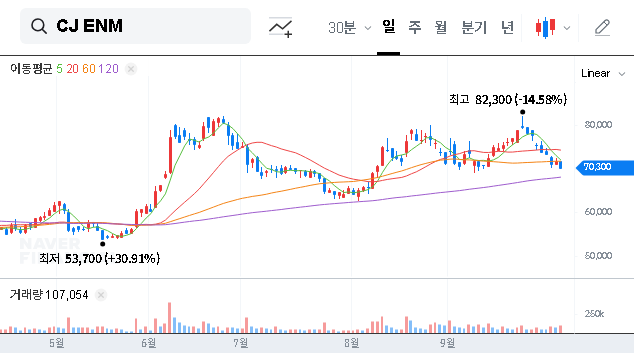
    The CJ ENM Q3 IR is far more than a routine update; it is a referendum on the company’s ability to pivot from a period of struggle to one of renewed strength. A successful presentation—one that is transparent about challenges and confident in its strategic solutions—could restore market confidence and set the stage for a positive re-rating of the stock. Conversely, a failure to address key concerns could prolong the period of uncertainty. Investors should watch closely, as the outcomes of this event will likely dictate the narrative for CJ ENM stock for months to come.

    (035760) CJ ENM Q3 IR Analysis (2025): A Deep Dive for Investors on Stock Rebound Potential 관련 이미지
  • Seoul Semiconductor Forecasts Q3 2025 Revenue Rebound: Profitability Remains Uncertain

    1. Seoul Semiconductor’s Q3 2025 Earnings Announcement: Key Highlights

    On August 12, 2025, Seoul Semiconductor projected revenue of KRW 260 billion for Q3. This represents an 8.7% increase compared to Q1’s KRW 239.2 billion. However, both operating and net income figures remain undisclosed.

    2. Positive vs. Negative Factors: A Balanced Analysis

    Positive Factors:

    • – Potential for a second consecutive quarter of revenue growth

    Negative Factors:

    • – Uncertainty due to undisclosed operating profit
    • – Continued operating losses in Q1
    • – External headwinds such as high interest rates, inflation, and intensified competition in the LED market

    3. Key Checklist for Investors: Building an Investment Strategy

    Short-Term Investment Strategy:

    • – Make investment decisions after confirming the Q3 earnings release
    • – Prepare for potential increased stock price volatility

    Mid- to Long-Term Investment Strategy:

    • – Confirm whether operating profit turns positive
    • – Monitor the commercialization of next-generation technologies and their contribution to profitability
    • – Consider a dollar-cost averaging strategy in case of stock price decline

    4. Future Outlook: What’s Next for Seoul Semiconductor?

    Seoul Semiconductor’s future hinges on achieving operating profit in Q3, successfully commercializing its next-generation technologies, and navigating the changing macroeconomic environment. Investors should consider these factors comprehensively to make informed investment decisions.

    Frequently Asked Questions

    What is Seoul Semiconductor’s projected revenue for Q3 2025?

    KRW 260 Billion.

    Has the operating profit forecast been released?

    No, the operating profit forecast was not provided in this announcement.

    What are the key points to consider when investing?

    Key considerations include whether the company achieves operating profit, successful commercialization of next-generation technologies, and changes in the macroeconomic environment. It’s important to be mindful of potential short-term stock price volatility and make careful investment decisions.

  • SeAH Besteel Holdings Q3 2025 Earnings: A Deeper Dive into the Unexpected Net Income Drop

    1. Q3 Earnings Analysis: Revenue Growth, Net Income Decline

    SeAH Besteel Holdings reported revenue of KRW 964.5 billion in Q3 2025, exceeding expectations. However, operating income came in at KRW 44.6 billion and net income at KRW 18 billion, significantly below forecasts. While operating income showed substantial improvement year-over-year, the reasons for the net income decline remain unclear and require further analysis within the detailed earnings report.

    2. Exploring the Net Income Drop: Subsidiary Performance?

    • Potential Subsidiary Underperformance: As a holding company, SeAH Besteel Holdings’ performance is heavily reliant on the performance of its subsidiaries. Factors such as a slowdown in the special steel market and fluctuations in raw material prices could have impacted subsidiary earnings.
    • External Factors: External influences like exchange rate fluctuations, persistently high interest rates, and rising raw material costs may have negatively affected profitability.

    3. Investor Action Plan: Proceed with Caution

    SeAH Besteel Holdings’ Q3 earnings present both positive and negative aspects. Investors should carefully review the detailed earnings report to understand the reasons behind the net income decline and closely monitor subsidiary performance and external market conditions. Particular attention should be paid to future special steel market trends, raw material price fluctuations, and changes in exchange rates and interest rates. A cautious approach to investment decisions is recommended.

    Q: What’s the key takeaway from SeAH Besteel Holdings’ Q3 earnings?

    A: The key takeaway is the significant drop in net income despite exceeding revenue expectations.

    Q: What caused the net income decline?

    A: The precise reasons are unclear based on the preliminary earnings release. Potential factors include subsidiary underperformance and external market conditions. The detailed report will provide further clarity.

    Q: What should investors consider?

    A: Investors should carefully review the detailed earnings report, monitor subsidiary performance, and pay attention to external market factors before making investment decisions.

  • POSCO DX Q3 2025 Earnings Disappoint: Analysis and Outlook for Investors

    1. POSCO DX Q3 2025 Earnings: Key Highlights

    POSCO DX reported revenue of 272.9 billion KRW, operating profit of 17.1 billion KRW, and net profit of 14.2 billion KRW for Q3 2025. These figures represent a decrease across all metrics compared to the previous quarter.

    2. Reasons for the Earnings Decline

    The primary drivers behind this disappointing performance are attributed to delayed investments from key clients (POSCO Group) and a challenging macroeconomic environment. The slowdown in the steel industry and prevailing high interest rates appear to have negatively impacted POSCO DX’s IT services and automation businesses.

    • Client Investment Delays: Adjustments in the investment timing by POSCO Group have contributed to the decline in the automation business segment.
    • Macroeconomic Uncertainty: Global economic slowdown, decreased steel demand, and high interest rates have negatively impacted overall performance.

    3. Looking Ahead: Growth Drivers and Outlook

    Despite the short-term setback, POSCO DX maintains long-term growth potential. New orders, such as the Gwangyang Steel Works crane automation project, offer positive signs. The company’s strategic expansion into AI and robotics-based automation also warrants attention. Furthermore, the performance of its generative AI business, including P-GPT, is expected to contribute to future earnings improvements.

    4. Action Plan for Investors

    Investors should closely monitor POSCO Group’s investment plans, the performance of new growth businesses, and shifts in the macroeconomic landscape. Continuous monitoring of the company’s order backlog and financial health is crucial for informed investment decisions.

    What were POSCO DX’s Q3 2025 earnings?

    Revenue was 272.9 billion KRW, operating profit was 17.1 billion KRW, and net profit was 14.2 billion KRW, all showing a decrease compared to the previous quarter.

    What are the main reasons for the earnings decline?

    Delayed client investments and macroeconomic uncertainty are considered the primary factors.

    What is the outlook for POSCO DX?

    While the company holds growth potential driven by AI and robotics automation, as well as generative AI, future performance is highly dependent on changes in the macroeconomic environment.

  • Optisys Q3 2025 Dividend Analysis: Understanding the ₩100 Dividend and Investment Strategy

    1. Optisys Q3 2025 Performance Analysis: Back to Black, But…

    Optisys returned to profitability in Q3 2025, driven primarily by growth in sales of optical link products for video signals. However, high dependence on key customers and significant selling, general, and administrative expenses pose risks. The company’s export-oriented business model also makes it susceptible to exchange rate fluctuations.

    2. Decoding the ₩100 Dividend: Shareholder-Friendly or Limited Impact?

    The ₩100 dividend per share can be interpreted as a shareholder-friendly policy. However, the low dividend yield of 1.1% translates to a limited practical return on investment. The direct impact of the dividend announcement on the stock price is expected to be minimal.

    3. Optisys Investment Strategy: Focusing on Long-Term Fundamentals

    Investing in Optisys requires a focus on the company’s long-term fundamentals rather than short-term stock price fluctuations. A thorough analysis of competitor analysis, customer diversification strategy, cost management strategy, and future growth strategy is crucial. External factors such as rising raw material prices and the potential for a global economic downturn should also be considered.

    4. Action Plan for Investors: 4 Key Questions

    • ▸ What are Optisys’s competitive advantages and market share?
    • ▸ How effective is the strategy to reduce dependence on key customers?
    • ▸ What is the company’s strategy to address rising raw material prices?
    • ▸ Can R&D investments translate into future growth?

    Frequently Asked Questions

    What is Optisys’s main business?

    Optisys develops and manufactures optical link cables, connectors, and related products for video signal transmission. They primarily supply products used in high-resolution video transmission.

    When will the dividend be paid?

    The exact dividend payment date should be confirmed through Optisys’s official announcements.

    What are the key risks to consider when investing in Optisys stock?

    Key risk factors include dependence on major customers, exchange rate volatility, and fluctuations in raw material prices. Thorough company analysis is necessary before investing.

  • SK Square’s Treasury Stock Disposal: What Investors Need to Know

    1. What Happened? SK Square’s Treasury Stock Disposal

    On July 24, 2025, SK Square announced its decision to dispose of 21,909 treasury shares, worth approximately KRW 3.4 billion, to fund long-term incentive payments. The disposal amount is insignificant compared to the total number of outstanding shares.

    2. Why the Disposal? Understanding the Rationale

    The treasury stock disposal aims to fund long-term incentives for employees and is expected to have a limited direct impact on the company’s financials. However, it can influence market sentiment, and investors should consider factors such as the lack of market expectations, potential short-term stock price fluctuations, and the interplay with strong Q3 earnings.

    3. What’s Next? Market Outlook and Potential Impact

    Short-term stock price fluctuations are possible, but the strong Q3 results are expected to offset this. However, macroeconomic factors like a potential global recession, rising raw material prices, interest rate hikes, exchange rate fluctuations, a slowdown in the Chinese economy, and the continued deficit of 11st pose greater risks to SK Square’s fundamentals.

    4. What Should Investors Do? Actionable Insights

    Instead of reacting to short-term stock price movements, investors should develop an investment strategy by considering SK Square’s mid- to long-term growth potential and the hidden risks. Continuous monitoring of the aforementioned macroeconomic factors and 11st’s performance is crucial.

    Is SK Square’s treasury stock disposal bad for the stock price?

    While treasury stock disposals can negatively affect stock prices in the short term, the small size and the positive purpose (incentive payments) of this disposal suggest a limited impact. However, market conditions and investor sentiment can still influence price movements.

    How was SK Square’s Q3 2025 performance?

    SK Square reported strong Q3 2025 earnings with a net profit of KRW 1.6122 trillion.

    What should I be aware of when investing in SK Square?

    • Potential global recession
    • Fluctuations in raw material prices
    • Interest rate hikes
    • Exchange rate fluctuations
    • China’s economic slowdown
    • 11st’s continued deficit

    These macroeconomic factors and subsidiary risks require close monitoring.

  • Coocon Stock Forecast: Major Shareholder Reduces Stake – What Investors Need to Know

    What Happened?

    Weepy&C, Coocon’s largest shareholder, decreased its stake from 33.16% to 32.31%, a 0.85%p drop. This was a result of stake changes by related parties, suggesting a strategic adjustment rather than a simple selloff.

    Why Does It Matter?

    While not an immediate threat to management control, this stake reduction adds uncertainty. Changes in major shareholder ownership can signal potential management disputes, increasing stock volatility. Combined with Coocon’s weak Q3 earnings, this could negatively impact investor sentiment.

    What’s Next?

    Short-term downward pressure on the stock price is expected, but the long-term trajectory depends on Coocon’s fundamentals and the success of its new businesses. MyData, data combining, and financial product brokerage offer high growth potential, but competition and regulatory risks exist. Current interest rate hikes and exchange rate fluctuations could also affect profitability.

    What Should Investors Do?

    Investment decisions should consider management uncertainty, economic downturn, intensifying competition, and regulatory risks. Focus on monitoring Coocon’s new business performance and fundamental changes rather than short-term price fluctuations. Stay updated on management updates through disclosures and quarterly reports, paying close attention to Weepy&C’s future actions and management’s response strategies.

    Q: How does Weepy&C’s stake change affect Coocon’s management?

    A: While not an immediate threat, the stake reduction increases the possibility of future management disputes. Investors should monitor future stake changes and management’s response.

    Q: What is the outlook for Coocon’s stock price?

    A: Short-term downward pressure is expected due to the stake change and weak earnings. Long-term price movement depends on new business growth and macroeconomic conditions.

    Q: What should investors consider when investing in Coocon?

    A: Consider management uncertainty, competition, regulatory changes, and macroeconomic factors. Analyze Coocon’s business model, financials, and market environment carefully before making investment decisions.

  • HD Hyundai Electric Q3 Earnings Disappoint: What Investors Need to Know

    HD Hyundai Electric Q3 Earnings: Unpacking the Disappointment

    HD Hyundai Electric reported Q3 2025 revenue of ₩906.2 billion, operating profit of ₩209.1 billion, and net income of ₩142.4 billion, missing market estimates. Rising raw material prices, unfavorable exchange rate fluctuations, and rising interest rates are cited as key contributors. The significant decline in net income warrants further investigation.

    Historical Performance: A Trend of Decline?

    The continuous decline in revenue and profit since Q1 2025 raises concerns. While seasonal factors and project timelines play a role, three consecutive quarters of declining profits require a proactive response from management.

    External Environment: Navigating Uncertainties

    Volatility in the Won/Dollar and Won/Euro exchange rates, rising U.S. interest rates, and fluctuating raw material prices pose ongoing challenges to HD Hyundai Electric’s profitability.

    Fundamental Analysis: Opportunities Amidst Challenges

    A strong order backlog and large-scale projects in the Middle East and North America offer potential long-term growth drivers. The acquisition of Plaspo and entry into new business segments is also a positive development. However, the high debt-to-equity ratio remains a concern.

    Investor Action Plan: Buy, Sell, or Hold?

    Increased short-term stock price volatility is expected, requiring cautious investment decisions. A long-term perspective, coupled with close monitoring of the company’s fundamentals and market conditions, is crucial for developing a sound investment strategy. Stay informed about future earnings releases and market developments, and consider consulting with financial professionals.

    What are the main reasons for HD Hyundai Electric’s Q3 earnings miss?

    Key factors include rising raw material prices, unfavorable exchange rate fluctuations, and rising interest rates.

    What is the outlook for HD Hyundai Electric?

    While a robust order backlog and new business ventures offer positive signs, external uncertainties and high debt levels pose challenges.

    What should investors consider?

    Investors should be mindful of short-term volatility and focus on analyzing the company’s fundamentals and market conditions for long-term investment strategies.

  • Manho Rope & Wire Wins Lawsuit: A Buy Signal? Q3 Earnings Reveal the Real Story (2025 Analysis)

    1. What Happened? – Lawsuit Risk Finally Off the Table

    On July 17, 2025, Manho Rope & Wire won its appeal in the lawsuit seeking to nullify a shareholders’ meeting resolution. This has eliminated a major legal uncertainty surrounding the company. This is a clear positive factor that could temporarily boost investor sentiment. Management can now focus more on core business operations without the distraction of litigation.

    2. Why? – But Earnings Are a Drag

    The joy of the legal victory is short-lived, as the Q3 2025 earnings report sends a warning signal. This is why we need to take a sober look at Manho’s current situation.

    • – Worsening Performance: Sales decreased by 9.38% compared to the previous quarter, and the operating loss continues. The sluggishness of its core steel products division is the main culprit.
    • – Declining Profitability: Despite a drop in raw material prices, profitability worsened because product prices fell even more sharply. This suggests intense market competition or shrinking demand.
    • – A Silver Lining?: A reduced debt-to-equity ratio and secured cash are positive from a financial stability perspective, but they are insufficient to offset the weakness in the core business.

    3. So What? – Macroeconomic Waves are Scarier Than Lawsuits

    The factors that will have a greater long-term impact on Manho’s future than the short-term lawsuit issue are the macroeconomic environment. From a long-term perspective, the following risks must be monitored.

    • – Potential Global Recession: The trend of interest rate hikes in the US and Europe is fueling fears of a global recession. This could directly lead to a decrease in demand for Manho’s main products, such as steel and fiber ropes.
    • – Raw Material and Currency Volatility: Fluctuations in oil prices, raw material costs, and the KRW/USD exchange rate are constant threats that directly affect cost structure and export profitability.

    In conclusion, the positive impact of the lawsuit victory is inevitably limited in the face of the larger waves of poor earnings and macroeconomic uncertainty.

    4. Investor Action Plan: To Buy or Not to Buy Manho Stock?

    Manho Rope & Wire is currently in a complex situation where a ‘short-term catalyst’ coexists with ‘worsening fundamentals.’ Therefore, caution is advised when making investment decisions.

    • – A Conservative Approach is Needed: Rather than rushing to buy based on the lawsuit news alone, it is crucial to confirm whether a performance turnaround becomes visible.
    • – Further Analysis is Essential: If considering an investment, a thorough analysis of the company’s profitability improvement strategies, its competitive position against rivals, and the overall outlook for the steel and fiber industries must be conducted first.

    In conclusion, at this point, a ‘wait-and-see’ approach, monitoring for fundamental improvements in the company, appears to be a more prudent strategy than making a hasty investment.

    Q1: Isn’t Manho’s lawsuit victory a major positive event?

    A: Yes, it is a short-term positive as it resolves legal risk. However, it does not directly impact the company’s intrinsic value (fundamentals), so its effect on the stock price is likely to be limited.

    Q2: Why are Manho’s Q3 earnings so important?

    A: Earnings are the most critical indicator of a company’s health. The Q3 sales decline and operating loss are clear signs that Manho’s core business is struggling, making it a far more important factor to consider than the lawsuit issue.

    Q3: What are the biggest risks for Manho right now?

    A: The biggest risks are a potential global recession leading to reduced demand from key industries, and the volatility of raw material prices and currency exchange rates. These are external factors that directly impact the company’s profitability.

    Q4: So, should I buy Manho stock now?

    A: Given the current poor performance and macroeconomic uncertainty, a conservative approach is recommended. It may be safer to wait and watch for signs of earnings improvement before making a decision. All investment decisions should be made based on your own judgment and responsibility.