Tag: Overseas Business

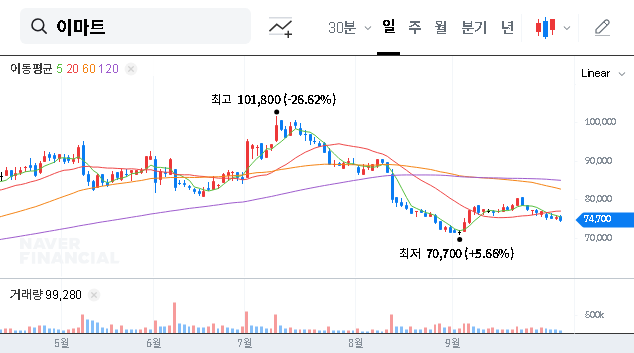
  • (139480) E-MART Inc. IR 2025: A Deep Dive into Investment Strategy, Financials & Future Vision

    (139480) E-MART Inc. IR 2025: A Deep Dive into Investment Strategy, Financials & Future Vision

    The upcoming E-MART Inc. IR (Investor Relations) event, scheduled for November 13, 2025, represents a pivotal moment for the South Korean retail giant and its stakeholders. As the company navigates a complex landscape of declining sales but a remarkable turnaround in profitability, this event is a critical platform to articulate a clear E-MART investment strategy and inspire confidence in its future vision. This in-depth analysis will dissect the key financial metrics, explore the performance of its diverse business segments, and provide a strategic outlook for investors weighing the potential of E-MART stock.

    E-MART Inc. IR: Setting the Stage

    E-MART Inc. is hosting this IR event to achieve two primary objectives: enhance transparency with current investors and attract new capital. The agenda will feature comprehensive presentations on management performance, deep dives into key business operations, and an interactive Q&A session. This proactive communication underscores E-MART’s commitment to rebuilding market confidence by clearly outlining its strategies for sustainable growth and shareholder value creation.

    Decoding the Financials: The Paradox of E-MART’s Performance

    The 2025 semi-annual report paints a complex picture of E-MART’s financial health, revealing a paradox that investors must carefully understand. While top-line revenue has faced headwinds, bottom-line profitability has seen a significant recovery.

    A Closer Look at the Numbers

    • Revenue Contraction: Consolidated revenue registered at 10.5173 trillion KRW, marking a 130.6 billion KRW decrease year-over-year. This dip reflects the pressures of a sluggish domestic economy and fierce competition within the retail space.
    • Operating Profit Rebound: In a stunning turnaround, the company converted a 47.1 billion KRW operating loss from the previous year into an 180.9 billion KRW profit. This was largely driven by operational efficiencies and strong performance in non-retail segments.
    • Net Profit Turnaround: The net income story is equally impressive, shifting from a staggering 573.4 billion KRW loss to a 52.3 billion KRW profit, thanks to better management and lower interest expenses.
    • Improved Financial Structure: Total equity rose to 13.3335 trillion KRW while total liabilities fell, showcasing a concerted effort to deleverage and strengthen the balance sheet. For a complete breakdown, investors can view the Official Disclosure on the DART system.

    This stark contrast between falling revenue and rising profits is the central narrative. It suggests a successful strategic pivot towards profitability and efficiency, but also raises crucial questions about the long-term growth of its core retail business.

    Performance by Business Segment: Growth Drivers Emerge

    E-MART’s diversified portfolio is proving to be a key asset. While the core retail segment faces challenges, other business units are emerging as powerful growth engines, shaping the company’s E-MART future vision.

    • Core Retail: The 1.1% revenue decline highlights the urgent need for innovation. E-MART is responding by expanding its popular private label (PB) products, accelerating digital transformation, and leveraging its warehouse-style Traders chain to drive traffic.
    • High-Growth Segments: The stars of the portfolio include Hotel & Leisure (revenue up 71.9B KRW), IT Services (+46.9B KRW), and Overseas Business (+115.4B KRW). The overseas division, particularly its operations in the US and expansion into Southeast Asia, is a significant bright spot.
    • Real Estate & Construction: This segment is focused on profitability and diversification to hedge against market volatility, contributing to overall stability.

    The Investor’s Playbook: What to Watch at the IR Event

    For those evaluating an E-MART investment strategy, this IR is an opportunity to look beyond the numbers and gauge the conviction of the leadership team. To make an informed decision, it’s vital to analyze the company’s strategy within the broader South Korean retail market landscape.

    Key Questions for Management

    • What specific, actionable plans are in place to reverse the sales decline in the core retail segment?
    • How will E-MART create meaningful synergies between its offline stores and its digital channels to compete with e-commerce giants?
    • What are the detailed expansion plans and profit margin targets for the high-growth Overseas Business and Hotel & Leisure segments?
    • What are the company’s risk mitigation strategies for macroeconomic factors like interest rate volatility, which major financial outlets like Bloomberg continue to highlight?

    Conclusion: A Critical Juncture for Building Trust

    The E-MART Inc. IR event is more than a presentation of data; it’s a test of leadership’s ability to craft a compelling and believable narrative for the future. By transparently addressing the challenges in its core business while highlighting the success of its growth engines, E-MART has a prime opportunity to secure investor trust. The success of this event will hinge on providing clear, convincing answers that transform concerns about E-MART financial performance into confidence in its long-term vision.

    Frequently Asked Questions (FAQ)

    When is the E-MART Inc. IR event?

    E-MART Inc.’s Investor Relations (IR) event is scheduled for November 13, 2025. Its purpose is to enhance understanding among investors and attract investments.

    What is E-MART Inc.’s recent financial performance?

    According to the 2025 semi-annual report, E-MART Inc. experienced a decline in revenue year-on-year but successfully turned to profit in both operating income and net income. Particularly, the Hotel & Leisure, Food & Beverage, and Overseas Business segments showed positive growth.

    What are E-MART Inc.’s key growth drivers?

    While the core retail segment focuses on strengthening competitiveness, the key growth drivers are the Hotel & Leisure, IT Services, Food & Beverage, and Overseas Business segments, all of which have posted significant revenue increases.

    What should investors pay attention to at E-MART Inc.’s IR?

    Investors should focus on the specific strategies to address the retail segment’s sales decline, the future growth plans for its high-performing segments, and the company’s plans for managing financial health and macroeconomic risks.
    (139480) E-MART Inc. IR 2025: A Deep Dive into Investment Strategy, Financials & Future Vision 관련 이미지
  • (282330) BGF Retail Investment Analysis: What the Q3 2025 Earnings Mean for BGF Stock

    (282330) BGF Retail Investment Analysis: What the Q3 2025 Earnings Mean for BGF Stock

    This comprehensive BGF retail investment analysis provides a deep dive into the company’s fundamentals and strategic outlook ahead of a pivotal event. On November 17, 2025, BGF retail CO., LTD. will host its Investor Relations (IR) conference to present its Q3 2025 financial results. This event is more than just a numbers release; it’s a critical window into the company’s future vision, market strategy, and overall health, drawing significant attention from investors looking to understand the potential of BGF retail stock.

    We will explore the core strengths of BGF retail, its ambitious global expansion, and the potential impact of this IR event. Our goal is to equip you with the insights needed to make informed decisions and identify whether this represents a promising opportunity in the competitive convenience store investment landscape.

    BGF Retail Q3 2025 IR: A Critical Overview

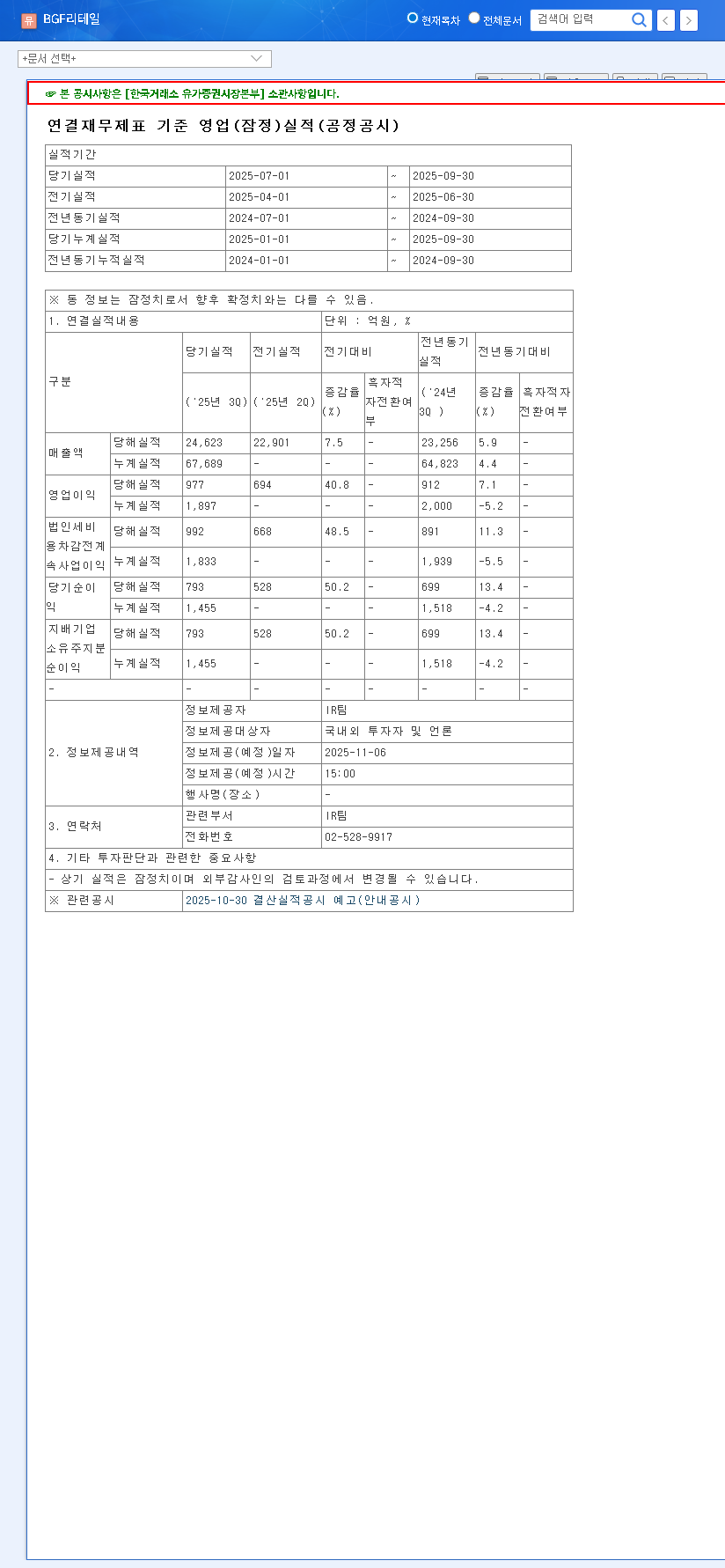
    Scheduled for 10:00 AM on November 17, 2025, the IR conference is a key event for the investment community. The agenda is twofold: to present the Q3 2025 earnings and to hold an interactive Q&A session. This allows analysts and investors to probe into management’s strategy, operational performance, and outlook, providing transparency that can significantly influence market sentiment. For the latest official filings, you can view the company’s Official Disclosure on DART.

    Core Fundamentals: A BGF Retail Investment Analysis

    A thorough BGF retail investment analysis begins with its solid fundamentals. The first half of 2025 has already shown a trajectory of robust operations and strategic growth, particularly in overseas markets.

    Dominance in the Convenience Store Sector

    The core business continues to thrive, capitalizing on societal shifts like the rise of single and two-person households. This demographic trend boosts demand for convenient, accessible retail solutions. In H1 2025, BGF Retail reported impressive figures with revenue of KRW 4.2136 trillion and an operating profit of KRW 83.4 billion, underscoring its strong market position and profitability.

    Synergistic Subsidiaries & Global Expansion

    Beyond its primary retail operations, BGF’s subsidiaries in logistics, food manufacturing, and e-commerce provide a stable, diversified income stream. These segments are not just profitable but also create powerful synergies that enhance the efficiency of the entire ecosystem. The company’s most exciting growth story, however, is its international expansion. Key strategic moves include:

    • Establishing a strong brand presence in emerging markets like Mongolia, Malaysia, and Kazakhstan.
    • Entering the U.S. market with new locations in Hawaii, securing new revenue streams and boosting global brand recognition.
    • Investing KRW 189.5 billion in a new Busan logistics center to enhance operational efficiency, with completion expected by late 2026.

    Financial Health and Market Position

    While a consolidated debt-to-equity ratio of 188% might seem high, it’s essential to look deeper. When accounting for franchise deposits and right-of-use assets, the company demonstrates a stable operating cash flow of KRW 310.9 billion, sufficient to service its debt comfortably. BGF Retail maintains a competitive edge through innovative private-label products and differentiated services, a crucial factor in a highly competitive market. For more on sector trends, see this analysis of the global retail market.

    The key takeaway for investors is that BGF Retail’s strategy is not just about domestic saturation but aggressive and calculated international growth, which could unlock significant long-term value for the BGF retail stock.

    Scenarios: Analyzing the IR Event’s Impact

    The IR event’s outcome can steer investor sentiment in several directions. Here are the most likely scenarios:

    • Bull Case (High Probability): If the Q3 2025 earnings beat expectations and management provides a confident, clear vision for future growth—especially in overseas markets—the stock could see a significant positive reaction. A transparent Q&A that builds investor trust is crucial.
    • Neutral Case (Medium Probability): Should the earnings meet market consensus without any major surprises, the stock may see limited short-term movement. The focus would then shift to macroeconomic factors, which you can track on platforms like Bloomberg.
    • Bear Case (Low Probability): An earnings miss, a lowered future outlook, or evasive answers during the Q&A could erode investor confidence and negatively impact the stock price.

    Investment Thesis and Key Monitoring Points

    Our current investment opinion on BGF retail CO., LTD. is ‘Neutral’ with a positive bias, pending the results of the upcoming IR. The company’s strong market position and growth potential are compelling, but the execution of its strategies post-IR will be the deciding factor.

    Investors should closely monitor the following points to make timely decisions:

    • Detailed Q3 2025 financial metrics (revenue, profit, segment performance).
    • Management’s commentary on overseas expansion progress and profitability.
    • Updates on the efficiency gains from new logistics investments.
    • Competitor movements and changes in domestic market share.
    • Short and long-term stock price reaction following the IR event.

    Disclaimer: This analysis is for informational purposes only and is based on publicly available data. Investment decisions should be made based on individual research and judgment. Market conditions can change rapidly.

    (282330) BGF Retail Investment Analysis: What the Q3 2025 Earnings Mean for BGF Stock 관련 이미지
  • (028050) SAMSUNG E&A CO.,LTD IR: A 2025 Investor’s Deep Dive & Stock Outlook

    (028050) SAMSUNG E&A CO.,LTD IR: A 2025 Investor’s Deep Dive & Stock Outlook

    The upcoming SAMSUNG E&A CO.,LTD IR (Investor Relations) conference on November 11, 2025, is more than a routine corporate update; it’s a pivotal moment for the company and its investors. In a climate of economic uncertainty and declining profitability, this event offers a critical opportunity for management to restore confidence, outline a clear path forward, and redefine its investment thesis. This comprehensive SAMSUNG E&A analysis will dissect the company’s fundamentals, explore potential market scenarios, and provide a strategic checklist for investors aiming to make informed decisions.

    In a market starved for clarity, the guidance provided during an Investor Relations event can be the single most important catalyst for a stock’s short-term trajectory and long-term valuation.

    Why This SAMSUNG E&A CO.,LTD IR Demands Your Attention

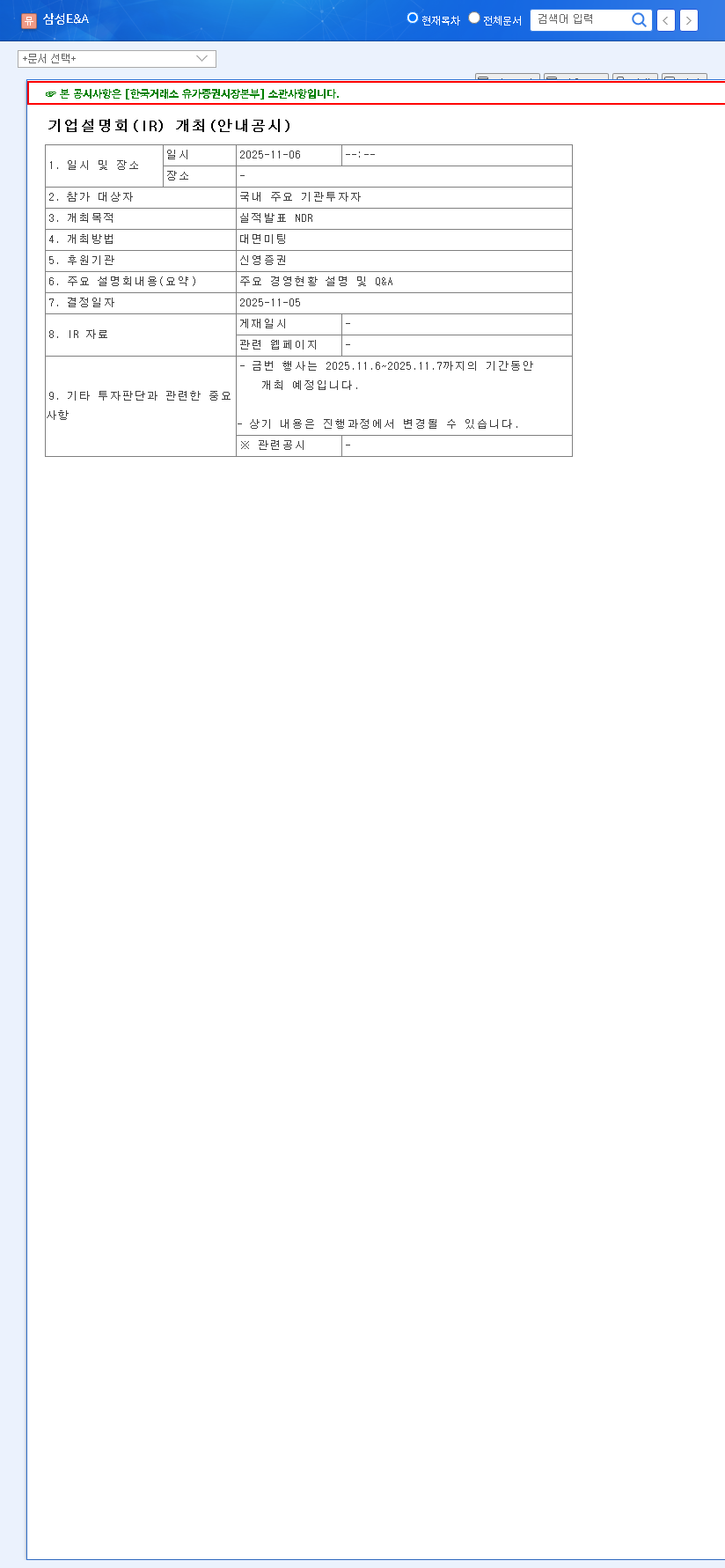
    Scheduled as part of a securities firm-hosted conference, this investor relations event is set against a backdrop of challenging financial performance. The primary objectives are to provide a transparent update on business operations and to directly address investor concerns in a Q&A session. For SAMSUNG E&A, this is a vital platform to showcase its resilience and strategic vision. The messages delivered here could significantly sway investor sentiment and influence the company’s stock outlook for the foreseeable future.

    A Fundamental Analysis of SAMSUNG E&A’s Health

    Based on the December 2024 business report, a thorough SAMSUNG E&A analysis reveals a company at a crossroads. Understanding these fundamentals is key to interpreting the IR presentation.

    Financial Performance Under the Microscope

    While sales revenue saw a marginal increase from 2022 to 2023, the core issue lies in profitability. Both operating profit and net income have been trending downward. Projections for 2024 suggest further pressure on sales and a continued decline in operating profit margins. This signals an urgent need for cost control and efficiency improvements. Furthermore, while the debt-to-equity ratio shows slight improvement, a continuously declining current ratio points towards potential liquidity pressures, demanding financial prudence and careful cash flow management.

    Dissecting the Business Portfolio and Inherent Risks

    The company’s business portfolio is heavily anchored by projects with affiliates like Samsung Electronics, providing a stable revenue base. Large-scale projects in the Middle East and Asia are also key drivers. However, this creates a dual risk: dependency on specific clients and geographic concentration. A significant portion of its business is overseas (Mexico, Saudi Arabia, Malaysia), making profits highly vulnerable to macroeconomic volatility. Investors must watch for strategies to mitigate risks from currency fluctuations (USD, EUR, JPY), volatile oil prices affecting the petrochemical sector, and rising global interest rates which directly impact project financing costs.

    Potential Scenarios: The Impact of the IR Announcement

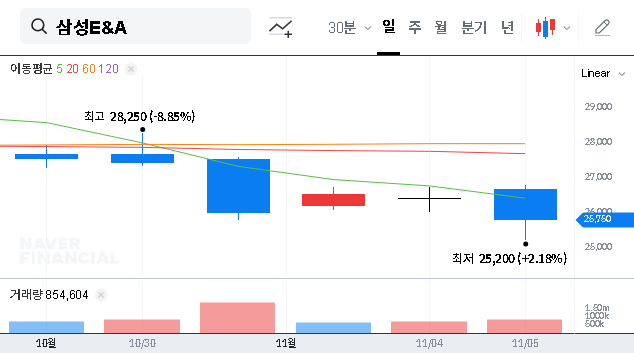
    The stock price has languished since 2022, mirroring the decline in operating profit. The IR event could be the catalyst that breaks this trend—in either direction.

    The Bull Case: Positive Catalysts

    A positive response could be triggered by announcements of new, large-scale project wins, especially in high-growth sectors. If management presents a detailed and convincing strategy for margin improvement and operational efficiency, it could significantly boost investor confidence. Strong overseas performance despite macro headwinds would also be a major positive, highlighting the company’s execution capabilities.

    The Bear Case: Potential Pitfalls

    Conversely, a negative impact is likely if the update reveals lower-than-expected new orders, significant project delays, or a further deterioration in profitability. If management fails to provide a credible plan to counter macroeconomic risks or if the Q&A session reveals a lack of clarity, investor concerns could intensify, leading to downward pressure on the stock.

    Your 5-Point Investment Strategy for the SAMSUNG E&A CO.,LTD IR

    To navigate this event effectively, investors should adopt a structured approach. Here are five key points to focus on during your SAMSUNG E&A investment analysis:

    • Scrutinize New Order Details: Look beyond the headline numbers. Focus on the quality of new orders, their expected profitability margins, and their contribution to diversifying the client and geographic base.
    • Demand a Clear Profitability Roadmap: Vague promises are not enough. Listen for specific, actionable steps the company will take to improve its operating margin. This could include technology adoption, cost-cutting measures, or renegotiating contracts.
    • Assess Macroeconomic Hedging Strategies: How is the company managing currency and interest rate risks? A robust hedging strategy is a sign of sophisticated financial management. For more on this, you can read about corporate hedging strategies on authoritative sites like Investopedia.
    • Review Financial Health Commitments: Pay attention to plans for improving the current ratio and managing debt. A commitment to strengthening the balance sheet is crucial for long-term stability. Refer to the Official Disclosure (Source: DART) for raw data.
    • Adopt a Long-Term Perspective: While the IR will cause short-term volatility, use the information to reassess the company’s long-term competitive advantages. Consider this event as one data point in a larger long-term investment strategy.

    In conclusion, while a conservative and cautious approach is warranted, the SAMSUNG E&A CO.,LTD IR provides a valuable opportunity for diligent investors to gain an edge. By focusing on these key areas, you can look past the noise and make a more strategic investment decision.

    Frequently Asked Questions (FAQ)

    Q1: When is SAMSUNG E&A CO.,LTD’s upcoming IR scheduled?

    A1: SAMSUNG E&A CO.,LTD is scheduled to hold an Investor Relations (IR) conference on November 11, 2025, as part of a conference hosted by a securities firm.

    Q2: What should investors focus on most during this IR?

    A2: Key areas of focus include the status of new large-scale project orders, overseas business performance, specific strategies for improving profitability, and concrete plans to secure financial health.

    Q3: What risks should be considered when investing in SAMSUNG E&A CO.,LTD?

    A3: Given its high proportion of overseas projects, exchange rate and interest rate volatility pose significant risks. The industry’s sensitivity to international oil prices and global economic fluctuations should also be considered. Dependence on specific clients and regions is another important risk factor.

    (028050) SAMSUNG E&A CO.,LTD IR: A 2025 Investor's Deep Dive & Stock Outlook 관련 이미지
  • (004830) DCKSUNG Indonesia Expansion: A ₩13.8B Deep-Dive for Investors

    (004830) DCKSUNG Indonesia Expansion: A ₩13.8B Deep-Dive for Investors

    The recent DCKSUNG Indonesia expansion represents a pivotal moment for the South Korean synthetic leather giant. As DCKSUNG CO.,LTD confronts weakening domestic fundamentals, its ₩13.8 billion acquisition of an Indonesian subsidiary is a bold move to secure a new growth engine. But is this a strategic masterstroke or a risky bet that could further strain its finances? This comprehensive analysis explores every facet of the deal to provide investors with a clear, data-driven perspective.

    We will dissect the acquisition’s background, evaluate the potential rewards against the inherent risks, analyze the macroeconomic landscape, and offer a conclusive investment recommendation for DCKSUNG CO.,LTD.

    The Landmark Announcement: A New Chapter in Indonesia

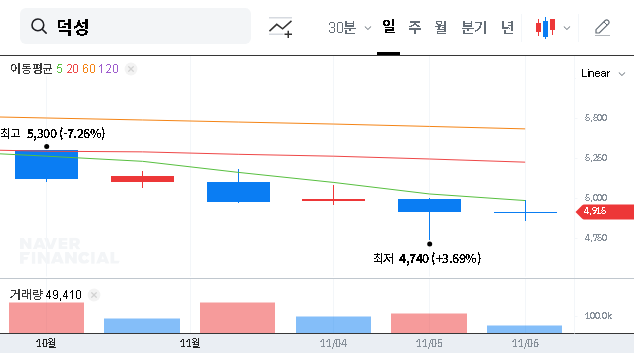
    On November 6, 2025, DCKSUNG CO.,LTD officially disclosed its decision to acquire a 99.9% stake in the newly formed PT. DUKSUNG ECOTECH INDONESIA. The ₩13.8 billion (approx. 15% of total capital) cash investment, detailed in the Official Disclosure (DART), is a strategic play to penetrate the burgeoning Southeast Asian synthetic leather market. The final acquisition is slated for completion by December 31, 2026.

    This isn’t just an acquisition; it’s a calculated pivot towards global markets, designed to offset domestic challenges and unlock new revenue streams in one of the world’s most dynamic economic regions.

    Why Now? The Rationale Behind the Expansion

    The timing of the DCKSUNG Indonesia expansion is driven by a combination of internal pressures and external opportunities. Understanding both is key to evaluating the strategy.

    Internal Pressures: Weakening Financial Health

    DCKSUNG’s financial performance in the first half of 2025 painted a concerning picture, necessitating a strategic breakthrough:

    • Declining Revenue: H1 2025 revenue fell to ₩73.9 billion, a sharp 41% decrease year-over-year.
    • Shrinking Profitability: Operating profit dropped by 43.4% to ₩5.04 billion, with the profit margin contracting from 6.8% to 5.1%.
    • Rising Debt Concerns: A staggering 282.6% increase in short-term borrowings has raised red flags regarding financial soundness, despite a manageable debt-to-equity ratio.

    External Opportunity: The Indonesian Market Potential

    Indonesia presents a compelling case. As a major manufacturing hub for global footwear and apparel brands, it offers a large, growing domestic market for synthetic leather. By establishing a local presence, DCKSUNG aims to gain a competitive edge through reduced logistics costs, local sourcing, and proximity to major clients. This move aligns with broader trends in our analysis of the synthetic leather market, which points to significant growth in Southeast Asia.

    A Balanced Scorecard: Risks vs. Rewards

    Any major international venture carries a mix of potential upsides and significant risks. The DCKSUNG Indonesia expansion is no exception.

    Potential Positives (The Rewards)

    • New Growth Engine: Tapping into the ASEAN market can offset declining domestic sales and create a vital new revenue stream.
    • Enhanced Competitiveness: Local production reduces shipping costs and tariffs, allowing for more competitive pricing for global brands manufacturing in the region.
    • Risk Diversification: Geographic expansion reduces dependence on the South Korean market and mitigates regional economic risks.

    Potential Negatives (The Risks)

    • Financial Strain: The ₩13.8 billion cash outlay could exacerbate existing financial weaknesses and increase liquidity risk in the short term.
    • Execution & Integration: Navigating cultural differences, local regulations, and integrating a new workforce presents significant operational challenges.
    • Currency Volatility: Fluctuations between the Indonesian Rupiah (IDR) and the Korean Won (KRW) could adversely affect profitability and the value of repatriated earnings.

    Investor Action Plan & Final Recommendation

    Given the high stakes, a cautious and informed approach is essential. While the long-term strategic vision is sound, the short-term execution risks are substantial. The market, as noted by sources like Reuters, remains skeptical pending tangible results.

    Investment Opinion: Conservative Approach Recommended. The potential for future growth is clear, but it is overshadowed by the immediate financial burden and operational uncertainties. Investors should wait for concrete signs of successful integration and profitability from the Indonesian subsidiary before considering a position.

    Key monitoring points for the future include:

    • Quarterly performance reports from PT. DUKSUNG ECOTECH INDONESIA.
    • Management’s progress on improving the core business’s profitability.
    • Updates on financial structure and debt management.

    Ultimately, the success of the DCKSUNG Indonesia expansion will depend on meticulous execution, transparent communication with shareholders, and a swift return to financial stability. Until then, caution is the wisest course of action.

    (004830) DCKSUNG Indonesia Expansion: A ₩13.8B Deep-Dive for Investors 관련 이미지
  • (282330) BGF Retail Q3 Earnings 2025: A Deep-Dive Analysis for Investors | Stock Outlook

    (282330) BGF Retail Q3 Earnings 2025: A Deep-Dive Analysis for Investors | Stock Outlook

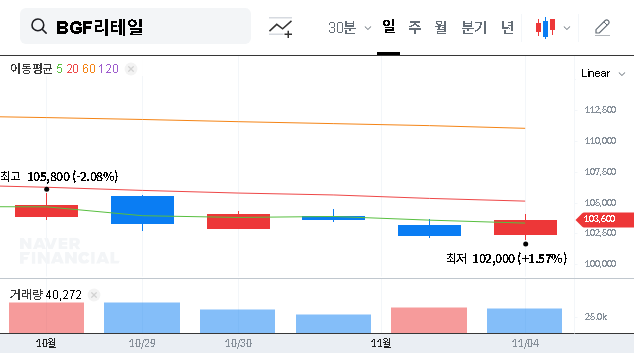
    As the retail sector navigates economic headwinds and shifting consumer behavior, the upcoming BGF Retail Q3 earnings announcement is a critical event for the market. Scheduled for November 11, 2025, this investor relations (IR) call is more than just a financial report; it’s a vital opportunity to gauge the company’s trajectory, strategic initiatives, and the future outlook for BGF Retail stock. For investors, this is the moment to assess the strength of its growth drivers against a backdrop of intense competition and macroeconomic uncertainty. This comprehensive BGF Retail analysis will equip you with the insights needed to interpret the results and make informed decisions.

    This IR call will reveal not only BGF Retail’s recent performance but also management’s confidence in its strategy for overseas expansion and shareholder returns. The nuances of their forward-looking statements will be key.

    Event Overview: BGF Retail Q3 2025 Earnings IR

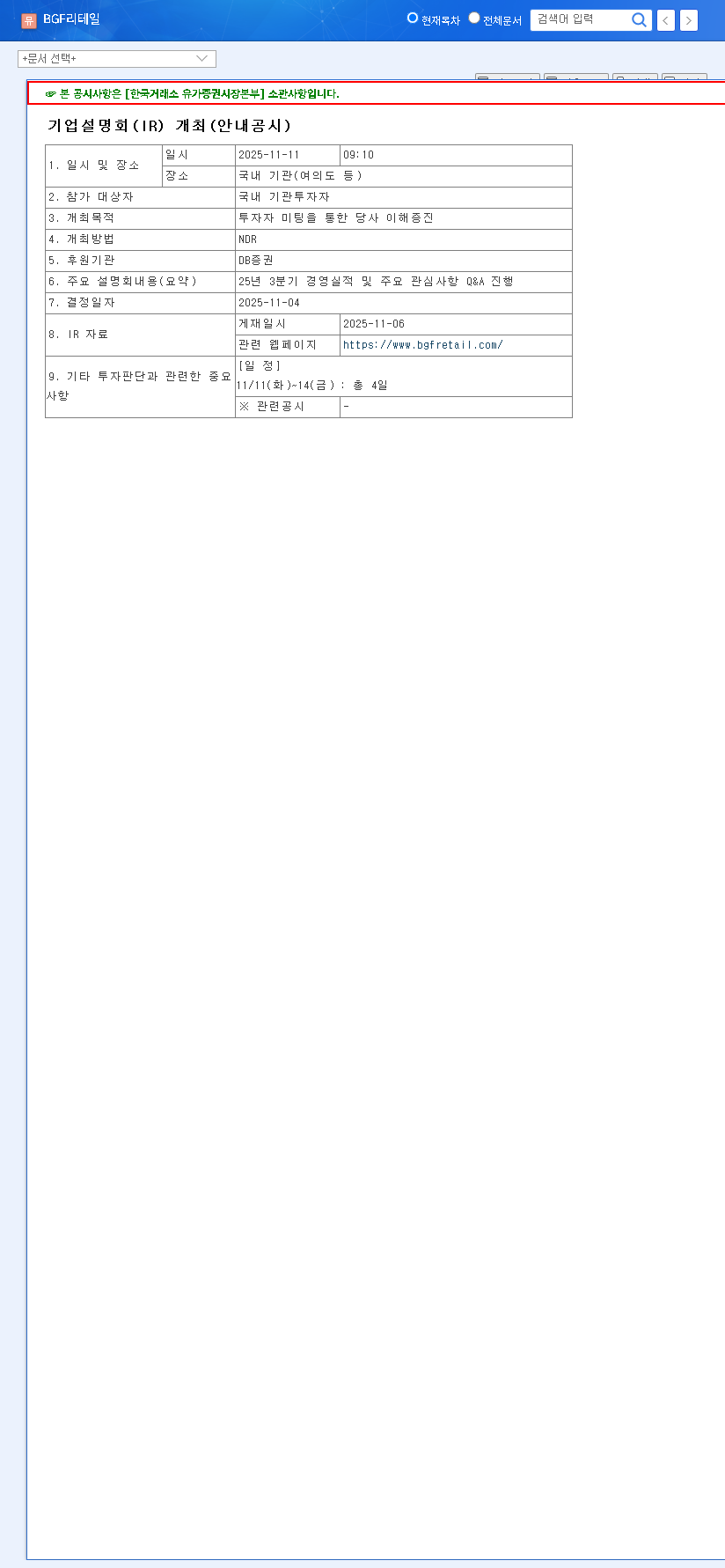
    BGF Retail CO., LTD. will host its official BGF Retail investor relations conference on November 11, 2025, at 9:10 AM KST. The primary purpose is to present the management performance for the third quarter of 2025, followed by a Q&A session to address investor queries. This event is a crucial communication channel, offering transparency and direct insight into the company’s operational health and strategic direction. The full details of the announcement are available in the company’s official filing. (Source: Official DART Report)

    In-Depth Fundamental Analysis of BGF Retail

    To understand the context of the upcoming BGF Retail Q3 earnings, it’s essential to analyze the company’s current fundamental strengths and weaknesses, based on recent performance and market conditions. This builds on the trends we observed in our analysis of BGF’s Q2 performance.

    Positive Factors (The Bull Case)

    • Dominant Domestic Position: The consistent rise in single and two-person households in South Korea solidifies the demand for proximity consumption, providing a stable and profitable foundation for BGF Retail’s domestic convenience store operations.
    • Strategic Overseas Growth: Expansion into markets like Mongolia, Malaysia, and Kazakhstan via a master franchise model is a capital-efficient strategy to secure new growth engines and mitigate domestic market saturation.
    • Logistical and Product Strength: Investment in proprietary logistics, like the new Busan center, enhances supply chain efficiency. A focus on high-margin private brand (PB) products continues to be a key driver for profitability.
    • Shareholder-Friendly Policies: A clear commitment to expanding the consolidated shareholder return rate to 40% is a powerful signal that boosts investor confidence and supports the BGF Retail stock valuation.

    Negative Factors & Considerations (The Bear Case)

    • Revenue Growth Concerns: A recent slight decline in revenue, even if minor, requires scrutiny. Investors will want confirmation that this is a temporary blip caused by external factors and not a sign of deepening market saturation or competitive losses.
    • Investment Burden: Major capital expenditures (CAPEX) for new logistics centers and technology upgrades can temporarily strain financials. The market will look for a clear roadmap on investment efficiency and the timeline for return on investment.
    • Macroeconomic Headwinds: Global economic conditions, as reported by sources like Reuters, can impact BGF Retail. A rising USD/KRW exchange rate can erode profits from overseas operations, while higher interest rates increase financing costs.

    Potential Market Scenarios Post-IR

    The market’s reaction to the BGF Retail IR will hinge on the balance of performance and outlook.

    Positive Scenario (Stock Price Catalyst)

    If Q3 results beat analyst expectations and management provides strong, confident guidance for Q4 and 2026, expect a positive reaction. Concrete data showing successful monetization of overseas markets or an announcement of an accelerated shareholder return program would act as significant upward catalysts for the stock.

    Negative Scenario (Downward Pressure)

    Conversely, a miss on revenue or profit, coupled with downgraded future guidance, could disappoint investors. Vague answers regarding overseas performance, profitability concerns tied to investments, or a lack of clarity on new growth drivers could increase uncertainty and lead to a sell-off.

    Investor Checklist: Key Watch Points for the Call

    Investors should listen closely for specific details during the BGF Retail IR. Use this checklist to guide your analysis:

    • Core Q3 Metrics: How do revenue, operating profit, and net profit compare to consensus estimates?
    • Overseas Business Milestones: Are new overseas stores meeting profitability targets? What is the status of expansion into new territories?
    • Logistics and R&D Strategy: What are the early efficiency gains from the Busan center? Are there new plans for R&D investment to drive innovation?
    • Shareholder Return Specifics: Will the company elaborate on the timing and method (e.g., dividends, buybacks) of its enhanced return policy?
    • Management Tone: Does the leadership team sound confident and in control during the Q&A, or are their responses evasive?

    By thoroughly analyzing these points, investors can move beyond the headline numbers and make a well-grounded assessment of BGF Retail’s long-term investment potential.

    (282330) BGF Retail Q3 Earnings 2025: A Deep-Dive Analysis for Investors | Stock Outlook 관련 이미지
  • (013990) AGABANG&COMPANY Q3 Earnings (013990): Stock Analysis in a Low Birth Rate Crisis

    (013990) AGABANG&COMPANY Q3 Earnings (013990): Stock Analysis in a Low Birth Rate Crisis

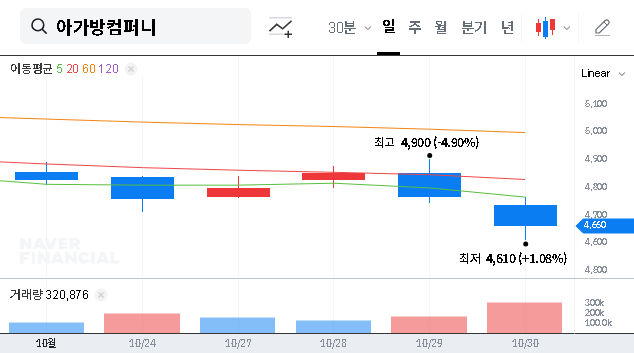
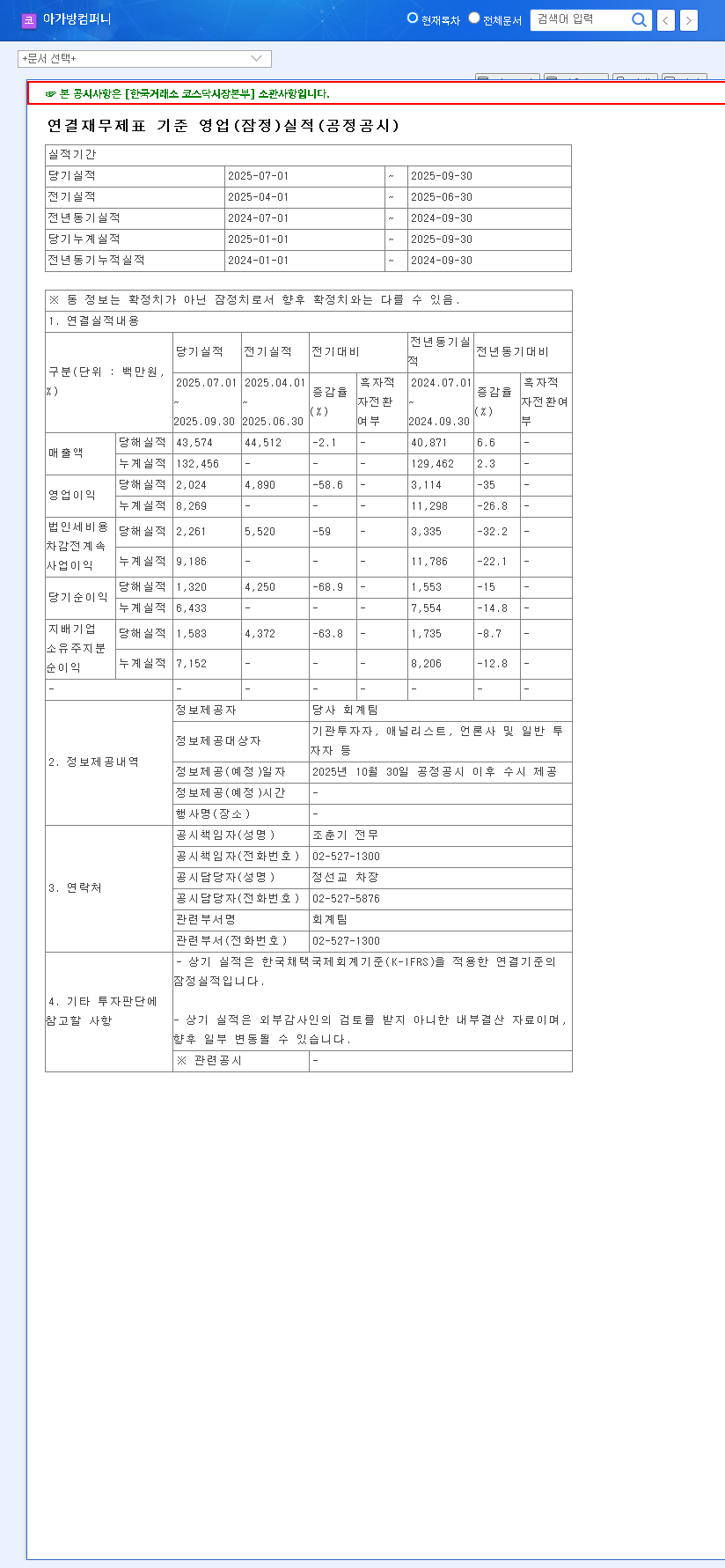
    The latest AGABANG&COMPANY Q3 earnings report, released on October 30, 2025, has unveiled a challenging financial picture, raising significant concerns among investors about the company’s future in a market plagued by demographic headwinds. With declining profits and mounting pressures, the report highlights the severe impact of South Korea’s deepening low birth rate crisis on the infant products market. This comprehensive analysis breaks down the financial results, explores the root causes of the performance decline, and provides a forward-looking perspective on the strategic imperatives for AGABANG&COMPANY (KRX: 013990).

    Dissecting the AGABANG&COMPANY Q3 Earnings Report

    AGABANG&COMPANY’s preliminary operating results for the third quarter of 2025 confirmed a trend of deteriorating profitability. The numbers, when compared year-over-year, paint a clear picture of the struggles the company is facing. The full financial details can be viewed in the Official Disclosure on DART (Source).

    Here are the key financial figures from the report:

    • Sales Revenue: 43.6 billion KRW (a slight decrease YoY)
    • Operating Profit: 2 billion KRW (a significant decline YoY)
    • Net Profit: 1.6 billion KRW (a substantial drop YoY)

    While the dip in sales revenue might seem modest, the sharp erosion of operating and net profit is alarming. This signals that the company is struggling with cost control and operational efficiency, issues that were already hinted at in its interim report and have now clearly intensified.

    The core issue is not just a contracting market; it’s a perfect storm of rising costs, logistical challenges, and fierce competition, all amplified by a demographic cliff. AGABANG&COMPANY’s path forward requires a fundamental strategic overhaul, not just minor adjustments.

    Why Performance is Faltering: A Multi-Faceted Challenge

    The disappointing AGABANG&COMPANY Q3 earnings are not the result of a single problem but a confluence of internal and external pressures.

    1. Domestic Market Contraction & Profit Squeeze

    The primary driver is the structural decline of the domestic infant products market analysis reveals. With South Korea’s birth rate at a record low, the target customer base is shrinking annually. This is compounded by:

    • Rising SG&A Costs: Selling, General, and Administrative expenses have climbed, eating into margins amid stiff competition from both domestic and international brands.
    • Inventory Bottlenecks: A notable increase in inventory assets and a slowing turnover rate are red flags. This indicates sluggish sales and poses a risk of future write-downs, further impacting profitability. You can learn more about managing inventory in our guide on effective retail inventory strategies.

    2. The Paradox of Unprofitable Overseas Growth

    On the surface, a 23.2% increase in overseas sales, particularly in China, appears to be a silver lining. However, this growth has not translated into profit. The international segment remains in the red, acting as a drag on overall performance due to high operational costs, including rising labor expenses and logistical inefficiencies in the Chinese market.

    3. Hostile Macroeconomic Headwinds

    Broader economic factors are exacerbating the company’s internal challenges. According to global economic reports from sources like Reuters, factors such as rising global interest rates are dampening consumer spending on non-essential goods. Key macroeconomic pressures include:

    • Interest Rate Hikes: Increases financial burdens and reduces discretionary spending among households.
    • Cost Inflation: Volatile exchange rates and rising costs for raw materials and shipping directly inflate the cost of goods sold.

    Investor Outlook & Strategic Imperatives

    The market’s reaction to the 013990 earnings announcement will likely be negative in the short term. The AGABANG&COMPANY stock price is expected to face downward pressure as investors digest the depth of the profitability decline. Without a clear and convincing turnaround plan, negative sentiment could persist.

    To navigate this crisis, management must take decisive action. Investors should closely monitor the company’s efforts in the following key areas:

    • Radical Transparency: The company must proactively communicate a detailed roadmap for recovery to rebuild investor confidence.
    • Data-Driven Inventory Optimization: Implement a robust system to improve inventory turnover, reduce carrying costs, and mitigate the risk of valuation losses.
    • Path to Overseas Profitability: Shift the focus from revenue growth to profitable growth in China through cost controls, supply chain optimization, and premium product positioning.
    • Aggressive Digital Transformation: Double down on e-commerce channels like the Ettoi online store with enhanced digital marketing to capture online market share.

    In conclusion, AGABANG&COMPANY is at a critical juncture. The Q3 earnings report is a wake-up call, underscoring the urgent need for strategic transformation. While the challenges are immense, a well-executed plan focused on efficiency, profitability, and transparent communication could pave the way for a sustainable future. Investors are advised to exercise caution and monitor for tangible signs of a strategic turnaround before making any decisions.

    (013990) AGABANG&COMPANY Q3 Earnings (013990): Stock Analysis in a Low Birth Rate Crisis 관련 이미지
  • (014830) UNID IR Briefing (014830): Deep Dive into Q3 2025 Earnings & Stock Impact

    (014830) UNID IR Briefing (014830): Deep Dive into Q3 2025 Earnings & Stock Impact

    The upcoming UNID IR Briefing for its Q3 2025 performance is a pivotal moment for investors. Scheduled for October 28, 2025, at 9:00 AM, this event for UNID CO.,LTD (014830) is more than a standard earnings call; it’s a critical look into the chemical giant’s future. While top-line growth has been impressive, looming concerns over profitability and market pressures have created a high-stakes environment. This analysis will provide a deep dive into what to expect from the UNID Q3 2025 earnings report, the key risks at play, and how the outcomes could significantly impact the company’s stock valuation.

    Investors are keenly watching to see if the momentum from overseas business can be sustained and, more importantly, if management can present a convincing strategy to address margin compression. This report offers a comprehensive UNID stock analysis ahead of this crucial briefing.

    A Look Back: UNID’s H1 2025 Performance Review

    To understand the context of the Q3 briefing, it’s essential to analyze UNID’s performance in the first half of 2025. The results painted a dual picture of robust growth and emerging challenges.

    Strong Revenue Growth Driven by Overseas Operations

    UNID reported consolidated revenue of 663.4 billion KRW for H1 2025, marking a significant 21% increase year-over-year. This impressive top-line expansion was primarily fueled by the strong production and sales of caustic potash and related chemical products from its major subsidiaries in China. The successful operation of new facilities has been a key contributor, demonstrating the company’s ability to scale its international footprint.

    The Elephant in the Room: Profitability Concerns

    Despite the revenue surge, operating profit saw a slight year-over-year decrease to 61.4 billion KRW. This has understandably raised concerns about a profitability slowdown. The primary causes are multifaceted: falling international prices for key products like caustic potash, stubbornly firm prices for raw materials such as potassium chloride (KCl), and intensifying market competition within China. This margin pressure is a central theme that the UNID IR Briefing must address head-on.

    A Pillar of Strength: Solid Financial Health

    On a positive note, UNID’s financial foundation remains remarkably stable. Key metrics like the debt-to-equity ratio (31.37%) and net debt-to-equity ratio (12.41%) both improved from the previous year. This sound financial health provides a crucial buffer, especially in a global environment of rising interest rates, giving the company flexibility to navigate market turbulence. To learn more, you can read our analysis of the broader chemical sector.

    Investors will be listening for more than just numbers; they need a convincing strategy that addresses margin compression and outlines a clear path to sustainable growth through innovation and effective risk management.

    Navigating Headwinds: Key Risks to Watch

    Several external and internal challenges face UNID, and the company’s strategies to mitigate these risks will be a major focus of the investor Q&A session.

    • Exchange Rate Volatility: With a significant portion of assets and liabilities in foreign currencies, UNID is exposed to fluctuations in exchange rates (particularly KRW/USD and KRW/CNY), which can impact earnings unpredictably.
    • Raw Material Pressures: The firm international price of KCl and potential production cuts in key supplier nations pose a direct threat to production costs. A clear supply chain strategy is vital, especially with global commodity markets remaining tight, as reported by outlets like Bloomberg.
    • Intensified Competition: The emergence of new competitors and the expansion of production capacity in the crucial Chinese market threaten to erode UNID’s cost competitiveness and market share.
    • Low R&D Investment: A relatively low R&D expenditure (0.04% of sales) is a long-term concern. Investors will look for a clearer commitment to innovation to secure new growth engines beyond existing products.

    Investment Strategy & Stock Price Scenarios

    The upcoming UNID IR Briefing could act as a significant catalyst for the stock price. The direction will depend heavily on the content and tone of the presentation.

    Positive Scenario (Bull Case)

    If Q3 earnings meet or exceed market expectations and management provides clear, actionable strategies for improving profitability, managing currency risk, and investing in future growth, investor confidence could surge. This enhanced transparency could lead to a positive stock re-rating.

    Negative Scenario (Bear Case)

    Conversely, if Q3 earnings miss expectations or the company fails to provide convincing answers to the profitability and risk factor questions, investor sentiment could sour. A lack of clarity could amplify existing concerns, potentially leading to downward pressure on the stock price.

    Ultimately, investors should maintain a long-term perspective. While short-term volatility is likely post-briefing, the most prudent approach is to base decisions on the company’s fundamental strength and the credibility of its strategic vision. For complete transparency, the company’s official filing is a crucial resource. You can find the Official Disclosure here. This report is based on available information, and investment decisions should be made with careful consideration and individual judgment.

    (014830) UNID IR Briefing (014830): Deep Dive into Q3 2025 Earnings & Stock Impact 관련 이미지
    (014830) UNID IR Briefing (014830): Deep Dive into Q3 2025 Earnings & Stock Impact 관련 이미지
  • (139480) E-Mart Stock (139480) Analysis 2025: Hold or Sell After NPS Stake Cut?

    (139480) E-Mart Stock (139480) Analysis 2025: Hold or Sell After NPS Stake Cut?

    The recent news surrounding E-Mart stock (139480) has created a complex picture for investors. On one hand, the National Pension Service (NPS) of Korea significantly reduced its stake, raising alarms. On the other, the company’s H1 2025 results reveal burgeoning growth in new sectors. This divergence leaves many asking: Is this a sign of impending trouble, or a buying opportunity in disguise? This comprehensive E-Mart stock analysis will dissect the fundamentals, decode the NPS’s move, and provide a clear investment strategy for Q3 2025 and beyond.

    The NPS Bombshell: Understanding the Stake Reduction

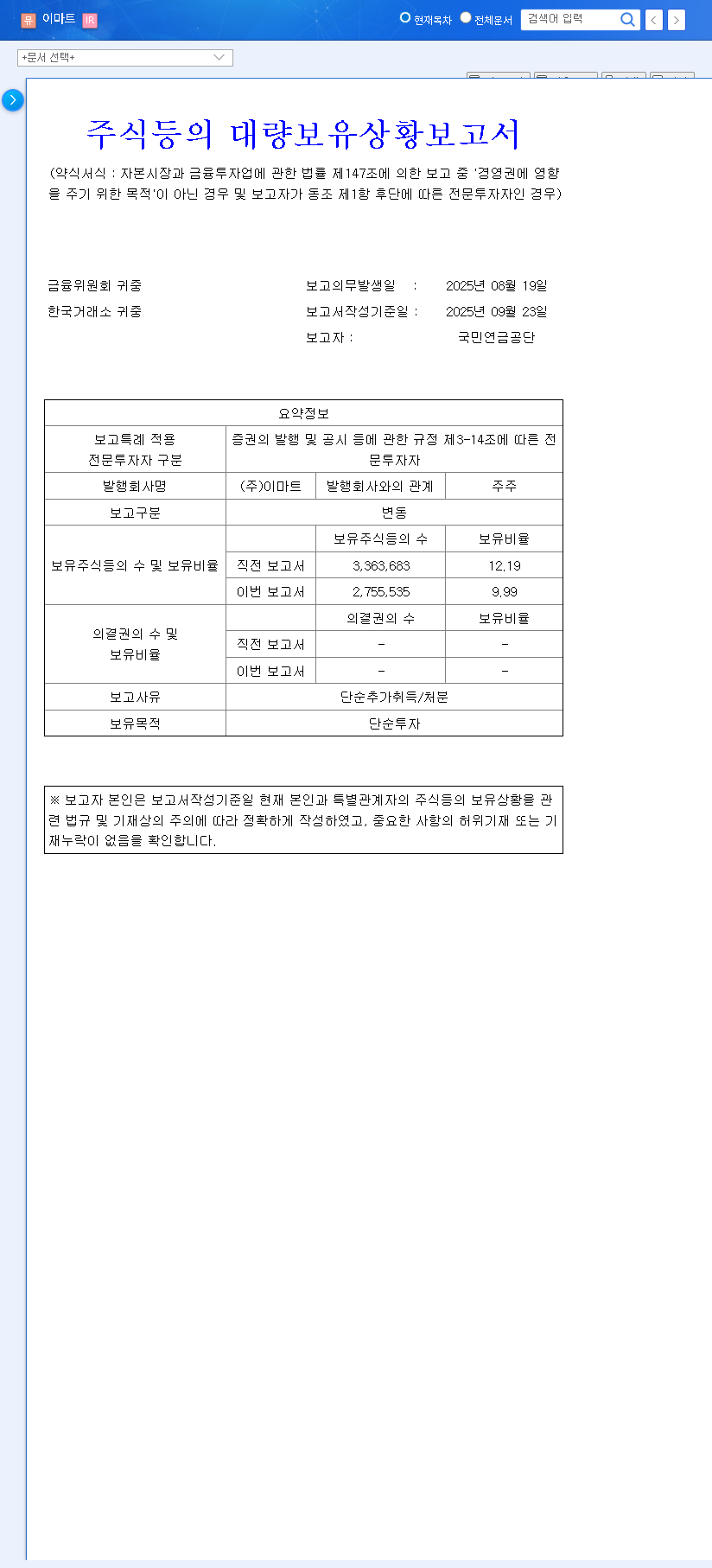
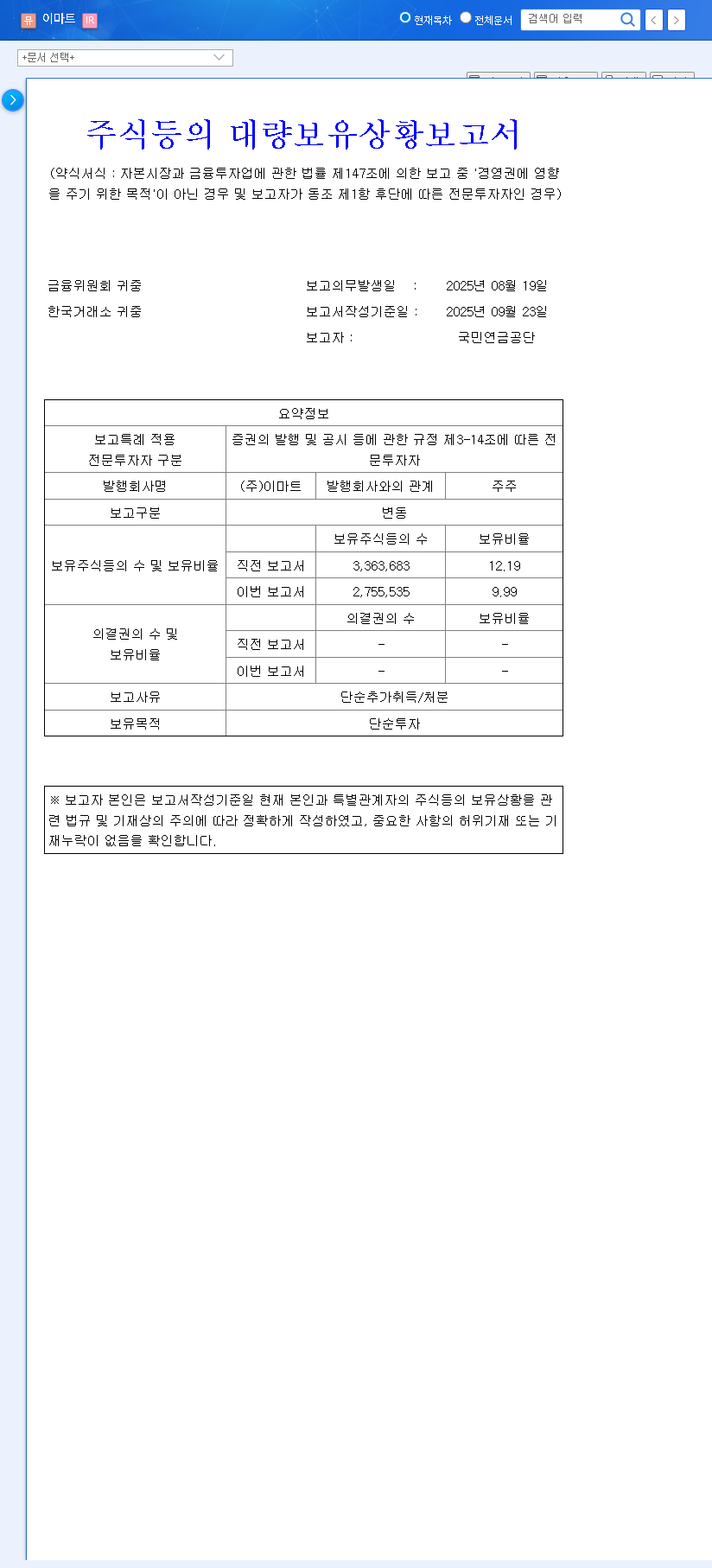
    The most significant recent event impacting E-Mart stock was the disclosure that the National Pension Service, a colossal institutional investor, reduced its shareholding from 12.19% to 9.99%. A move of this magnitude by a major stakeholder naturally triggers market anxiety. However, the context is crucial.

    The NPS classified this change as being for “simple investment” purposes. This typically means the decision is driven by portfolio management strategies—such as rebalancing, profit-taking, or managing risk exposure—rather than a negative verdict on E-Mart’s long-term corporate health. While this divestment could create short-term selling pressure and stock price volatility, its long-term impact is less certain. The official filing provides direct confirmation of this event, which you can review in the Official Disclosure (DART). Ultimately, the future of the 139480 stock will hinge on the company’s fundamental performance, not just the trading patterns of one institution.

    A Tale of Two Companies: E-Mart’s Financial Health Check

    E-Mart’s current financial situation is a study in contrasts. While its legacy business faces headwinds, new ventures are showing impressive vitality, leading to a consolidated operating profit surplus of KRW 180.9 billion year-over-year.

    The Bright Spots: Growth Engines Firing Up

    E-Mart’s strategy of diversification is bearing fruit, creating new pillars of growth that are offsetting weaknesses elsewhere. These are the key drivers:

    • Hotel & Leisure: This division’s sales surged by KRW 71.9 billion, capitalizing on the rebound in travel and leisure activities.
    • IT Services: With a sales increase of KRW 46.9 billion, this segment is proving to be a stable and profitable venture.
    • Overseas Business: The most significant contributor, with sales climbing by KRW 115.4 billion to KRW 1.18 trillion. Success in the U.S. market is demonstrating E-Mart’s potential for global expansion.

    Furthermore, the company’s financial structure remains stable, with a debt-to-equity ratio of 154.74%, providing a cushion against macroeconomic shocks.

    The Red Flags: Core Business Challenges Persist

    Despite the success of its new ventures, E-Mart’s traditional core businesses are struggling. The primary concerns are:

    • Retail Sales Decline: The hyper-competitive South Korean retail market, coupled with a low-growth economic trend, led to a KRW 130.6 billion decrease in retail sales. The rise of agile e-commerce players continues to chip away at the dominance of traditional hypermarkets.
    • Construction Division Sluggishness: Increased market uncertainty and a more selective order strategy have caused both sales and operating profit to fall in the construction division, weighing on the group’s overall performance.

    Macroeconomic Headwinds: The Bigger Picture for E-Mart Stock

    No company operates in a vacuum. Broader economic forces are exerting significant pressure on E-Mart. As noted by global financial analysts at sources like Reuters, a persistent environment of high inflation and high interest rates erodes consumer purchasing power, directly impacting retail sales. Rising government bond yields in both the U.S. and Korea also signal potentially higher borrowing costs for the company in the future. These factors create a challenging backdrop for E-Mart’s core domestic business.

    2025 E-Mart Investment Strategy: A “HOLD” Recommendation

    After a comprehensive analysis of the competing factors, our recommended E-Mart investment strategy is a ‘HOLD’. This position acknowledges both the inherent risks and the tangible progress the company is making.

    The ‘HOLD’ recommendation reflects a cautious optimism. While the core retail business requires a significant turnaround, the impressive performance of E-Mart’s diversified growth engines provides a compelling reason to wait and see how the company’s long-term strategy unfolds.

    Key risk factors to monitor include intensifying retail competition, continued sluggishness in construction, and sustained macroeconomic pressure. Investors should also be prepared for short-term price swings following the NPS E-Mart stake reduction. To learn more about assessing such risks, you can explore our guide on evaluating retail sector stocks.

    Frequently Asked Questions (FAQ)

    Q1: Why did the NPS sell its E-Mart stock?

    A1: The NPS reported the stake reduction was for “simple investment” purposes, suggesting it was part of a broader portfolio rebalancing strategy rather than a negative judgment on E-Mart’s future. While it can cause short-term price drops, the long-term direction of E-Mart stock will depend on business fundamentals.

    Q2: Can E-Mart’s core retail business recover?

    A2: The retail segment faces significant challenges from competition and a slow economy. However, E-Mart is actively working to strengthen its competitiveness through strategies like enhancing customer experience, developing popular private label products, and accelerating its digital transformation.

    Q3: What are E-Mart’s most promising growth areas?

    A3: E-Mart’s new growth drivers are its Hotel & Leisure, IT Services, and Overseas Business divisions. The overseas segment, especially, has shown massive growth, driven by its success in the U.S. market. This business diversification is critical to E-Mart’s long-term success.

    Disclaimer: This article is for informational purposes only and is based on publicly available data. It does not constitute financial advice or a guarantee for investment decisions. All investment decisions should be made based on your own judgment and, if necessary, consultation with a financial professional.

    (139480) E-Mart Stock (139480) Analysis 2025: Hold or Sell After NPS Stake Cut? 관련 이미지
  • Amorepacific IR on September 9th: Is it a good investment opportunity? (2025 Half-Year Performance Analysis)


    Amorepacific IR on September 9th: Is it a good investment opportunity? (2025 Half-Year Performance Analysis) 대표 차트 이미지


    1. Amorepacific IR: What’s it about?

    Amorepacific will hold a business briefing at the 32nd CITIC CLSA Investors’ Forum on September 9, 2025. This IR will disclose information on H1 2025 performance analysis, future management strategies, and future growth engines. Investors are expected to pay particular attention to the details of overseas market growth and the Cosrx acquisition effect.

    2. How did Amorepacific perform in the first half of 2025?

    Amorepacific recorded a consolidated operating profit of KRW 191.4 billion in the first half of 2025, showing remarkable growth of 149.1% year-on-year. The solid growth of overseas businesses, centered on the Americas and EMEA, and the Cosrx acquisition effect acted as key growth drivers. Domestic business also maintained stable sales through strengthened channel competitiveness.

    3. Carefully consider the positive factors and risks

    • Positive factors: Overseas business expansion, Cosrx acquisition synergy, improved profitability, solid financial structure
    • Risk factors: Slowdown in the Chinese market, volatility of raw material prices, increase in logistics costs, low ROE

    4. Post-IR, how should I plan my investment strategy?

    This IR is an important opportunity to confirm Amorepacific’s growth potential and review investment strategies. It is crucial to analyze the IR announcements and market reactions carefully before making investment decisions. Pay close attention to any mention of China market risks and ROE improvement plans.


    FAQ

    When will the Amorepacific IR be held?

    It will be held at 9:00 AM on September 9, 2025.

    What are the key topics of this IR?

    The main topics are the announcement of the first half of 2025 results, future management strategies, and future growth engines.

    What should investors be aware of?

    Investors should pay close attention to risk factors such as a slowdown in the Chinese market and raw material price volatility, as well as details on plans to improve ROE.


    Amorepacific IR on September 9th: Is it a good investment opportunity? (2025 Half-Year Performance Analysis) 관련 이미지
    Amorepacific IR on September 9th: Is it a good investment opportunity? (2025 Half-Year Performance Analysis) 관련 이미지


  • Amorepacific’s 2025 APAC IR Event: Analysis of Global Growth Momentum and Investment Strategy


    Amorepacific's 2025 APAC IR Event: Analysis of Global Growth Momentum and Investment Strategy 대표 차트 이미지


    Amorepacific IR Event: Key Analysis

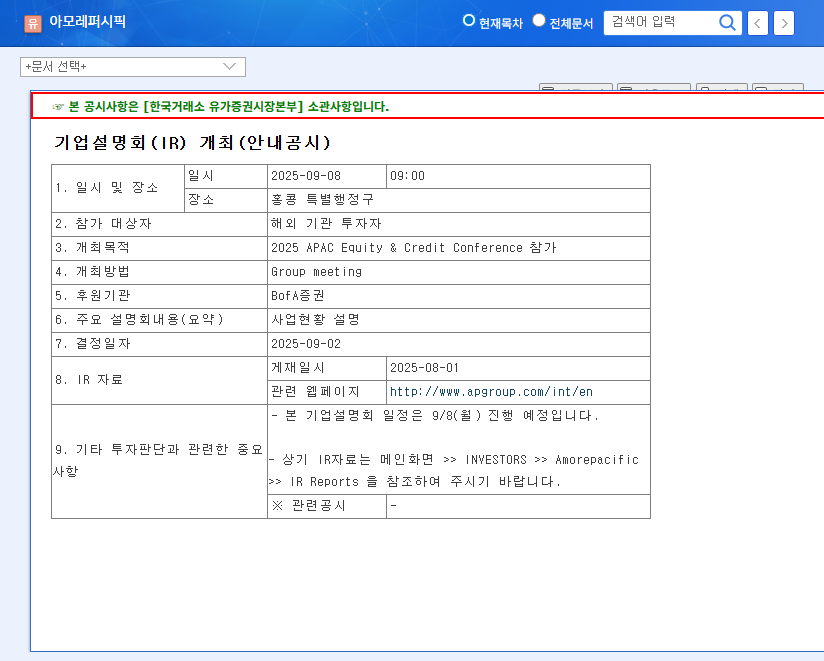
    On September 8, 2025, Amorepacific will hold an IR session for investors at the APAC Equity & Credit Conference. The company will share its business strategies along with its first-half earnings results. We will take a close look at Amorepacific’s growth potential and investment strategies in the global beauty market.

    Amorepacific’s Growth Drivers and Investment Opportunities

    • Overseas Business Expansion: Demonstrating global competitiveness with a high growth rate of 26.6% in the Americas, EMEA, and Asia. The acquisition of Cosrx is expected to significantly contribute to portfolio diversification and synergy creation.
    • Solid Domestic Business: Maintains steady growth of 5.1% through strengthening core brand competitiveness and new growth channel strategies.
    • R&D Investment: An R&D investment of 3.33% of sales demonstrates efforts for continuous innovation and securing future growth engines.
    • Robust Financial Structure: High retained earnings and a stable debt ratio ensure investment stability.

    Risk Factors to Consider When Investing

    • Delayed Recovery of the Chinese Market: The slow recovery of the Chinese market requires continuous monitoring and response strategies.
    • Changes in the External Environment: Volatility in raw material prices and exchange rates can affect profitability.
    • Intensifying Competition: Preparedness for intensifying competition in domestic and overseas markets is necessary.

    Action Plan for Investors

    The IR session will provide detailed information on overseas market growth strategies, plans to maximize Cosrx synergies, risk management strategies for the Chinese market, R&D investment results, and ESG management enhancement plans. Investors can gain insights needed for investment decisions based on this information. We recommend thoroughly reviewing the IR materials and paying close attention to the management’s presentations.


    Frequently Asked Questions

    What are Amorepacific’s main growth strategies?

    Amorepacific is accelerating growth through overseas market expansion, particularly in the Americas and Asian markets. The company is also pursuing a strategy to diversify its brand portfolio and create synergy effects through the acquisition of Cosrx.

    What is Amorepacific’s strategy in the Chinese market?

    Amorepacific aims to expand its market share in the changing Chinese market by strengthening brand competitiveness and enhancing digital marketing. The company seeks to maintain growth momentum through careful analysis of the evolving market situation and flexible response strategies.

    What is the status of Amorepacific’s ESG management?

    Amorepacific carries out various activities for sustainable management and is enhancing corporate value through environmental protection, fulfilling social responsibilities, and establishing transparent corporate governance. Strengthening ESG management is a key strategy for long-term growth.


    Amorepacific's 2025 APAC IR Event: Analysis of Global Growth Momentum and Investment Strategy 관련 이미지
    Amorepacific's 2025 APAC IR Event: Analysis of Global Growth Momentum and Investment Strategy 관련 이미지