Tag: Offshore Plant

  • (329180) HD Hyundai Heavy Industries Stock: Analysis of KRW 256.2B Crude Oil Tanker Deal & 2025 Outlook

    (329180) HD Hyundai Heavy Industries Stock: Analysis of KRW 256.2B Crude Oil Tanker Deal & 2025 Outlook

    In a significant move that underscores its resilience in a fluctuating global shipping market, HD Hyundai Heavy Industries Co., Ltd. has announced a major new contract. The shipbuilding giant has secured a substantial KRW 256.2 billion agreement for two advanced crude oil tankers. This development is more than just a number on an order book; it’s a critical indicator of the company’s strategic positioning, technological prowess, and future stock performance potential. This analysis will dissect the contract’s details, evaluate the company’s standing amidst industry trends like eco-friendly vessel demand, and provide a comprehensive investment guide for stakeholders monitoring HD Hyundai Heavy Industries stock.

    Contract Details: A KRW 256.2 Billion Strategic Win

    On November 13, 2025, HD Hyundai Heavy Industries formalized a pivotal agreement with an Oceania-based shipping firm. The contract encompasses the construction and delivery of two 157,000 DWT (deadweight tonnage) crude oil tankers. These vessels, often classified as Suezmax tankers, are crucial assets in global energy logistics, capable of transiting the Suez Canal fully laden.

    The total value of this order is KRW 256.2 billion, representing 1.77% of the company’s projected revenue for the first half of 2025. The construction and delivery period is slated to run from the contract date until October 31, 2028. The details of this agreement were confirmed in an Official Disclosure, providing transparency to the market. This order not only bolsters the company’s backlog but also reaffirms its strong relationships with key global shipping partners.

    This order for two high-value crude oil tankers is a clear testament to HD Hyundai Heavy Industries’ market leadership and its ability to secure vital contracts even as the global shipbuilding landscape evolves.

    Market Position and Future Growth Drivers

    While the first half of 2025 saw a performance dip with revenue at KRW 7.97 trillion (down 9.6% YoY) and operating profit at KRW 905.2 billion (down 25.1% YoY) due to a global slowdown in new orders, the company’s strategic initiatives paint a more optimistic future. A deeper look into its core segments reveals a multi-faceted approach to growth.

    Shipbuilding: The Green Revolution

    The shipbuilding industry is at a crossroads, driven by the dual pressures of aging fleets and stringent environmental regulations. Mandates from the International Maritime Organization (IMO) and the EU are accelerating the transition to eco-friendly vessels. HD Hyundai Heavy Industries is capitalizing on this trend by focusing on high-value, technologically advanced ships powered by LNG, ammonia, and methanol. This strategic pivot is essential for maintaining market leadership and securing premium contracts.

    Offshore Plant & Renewable Energy

    Stabilizing oil prices provide a floor for the traditional offshore plant segment. However, the real long-term growth story is in renewable energy. The company is actively expanding its portfolio to include offshore wind power installations and other green energy infrastructure projects. While this segment faces challenges from raw material price volatility, its strategic importance for diversification cannot be overstated. For more information, you can read our deep-dive on the global shipbuilding industry.

    Engine & Machinery: Powering the Future

    This segment remains a cornerstone of profitability. The push for decarbonization is fueling massive demand for eco-friendly dual-fuel engines. HD Hyundai Heavy Industries is at the forefront of developing next-generation power systems, including promising ammonia-fueled engines, which strengthens its competitive moat and ensures its technology remains critical to the future of shipping.

    Financial Health and Investment Thesis

    From a financial standpoint, the company shows signs of robust health. As of June 2025, the debt-to-equity ratio improved to 219.3%, and cash flow from operations surged by an impressive 61.6%. Most importantly, the order backlog stands at a massive KRW 46.34 trillion. This enormous backlog provides exceptional revenue visibility and a stable foundation for profitability over the next several years.

    While the short-term impact of this KRW 256.2 billion contract is modest, its long-term implication is significant. It reinforces positive market sentiment, demonstrates continued ordering momentum, and expands the company’s global footprint. This leads to our current investment rating of ‘Neutral,’ with a positive long-term outlook contingent on continued execution.

    Actionable Investment Strategy

    • For Short-Term Investors: A cautious approach is warranted. Key metrics to monitor include new order flow, steel and other raw material price trends, and currency exchange rate fluctuations. The performance of the eco-friendly vessel market is a primary catalyst.
    • For Mid-to-Long-Term Investors: Focus on the bigger picture. Analyze the company’s progress in new business segments like offshore wind, its ESG initiatives, and its R&D pipeline for future-fuel technologies. A long-term perspective aligned with the recovery cycle of the global shipbuilding market is recommended.

    Frequently Asked Questions

    What is the latest major order for HD Hyundai Heavy Industries?

    The company recently secured a KRW 256.2 billion contract for two 157,000 DWT crude oil tankers from an Oceania-based shipping company.

    How does this contract affect the company’s revenue?

    The contract value is 1.77% of the first-half 2025 revenue. While the immediate financial impact is limited, it strengthens the substantial order backlog and supports long-term revenue and profit stability.

    What is the current financial health of HD Hyundai Heavy Industries?

    As of mid-2025, the company’s financial health is considered sound, marked by an improved debt-to-equity ratio, a significant increase in operating cash flow, and a robust order backlog of over KRW 46 trillion.

    Disclaimer: This content is for informational purposes only and is based on publicly available information and general market analysis. It should not be construed as investment advice or a recommendation to buy or sell any security. Investors should conduct their own research and make decisions based on their own judgment and risk tolerance.

    (329180) HD Hyundai Heavy Industries Stock: Analysis of KRW 256.2B Crude Oil Tanker Deal & 2025 Outlook 관련 이미지
  • (009540) HD KSOE Q3 Earnings Analysis (009540): Stock Outlook & Key Challenges

    (009540) HD KSOE Q3 Earnings Analysis (009540): Stock Outlook & Key Challenges

    The recent announcement of the HD KSOE Q3 earnings for 2025 has sent a significant shockwave through the financial markets. HD KOREA SHIPBUILDING & OFFSHORE ENGINEERING CO., LTD. (HD KSOE, 009540) reported preliminary results that fell drastically short of analyst expectations, raising serious concerns among investors about the company’s trajectory. According to the Official Disclosure filed with DART, the figures reveal a stark picture of underperformance. This comprehensive analysis will dissect the core reasons behind this earnings miss, explore the impact on each business segment, and provide a detailed HD KSOE stock analysis and future outlook to help you navigate the current uncertainty.

    Unpacking the Q3 Earnings Shock: A Numbers Breakdown

    HD KSOE’s preliminary Q3 2025 financial results revealed a performance significantly below market consensus. The magnitude of this miss has direct implications for investor sentiment and the company’s short-term stock valuation. Here’s a closer look at the key metrics compared to market expectations:

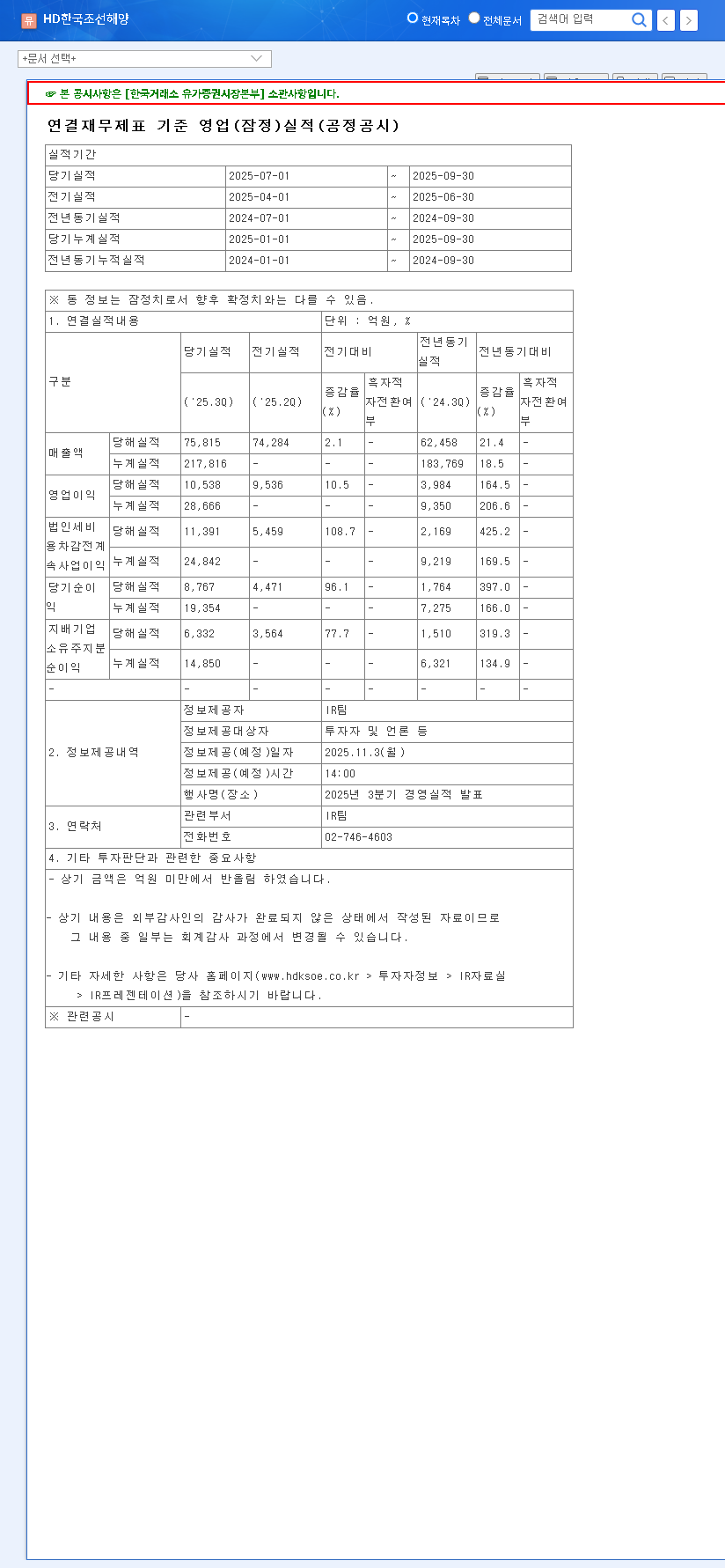
    • Revenue: 480.1 billion KRW, a staggering -93% deviation from the expected 7,134.0 billion KRW.
    • Operating Profit: 289.4 billion KRW, missing the consensus of 934.5 billion KRW by -69%.
    • Net Income: 313.1 billion KRW, falling -55% short of the anticipated 694.3 billion KRW.

    This isn’t just a slight miss; it’s a profound deviation from expectations that signals potential underlying issues. The sharp quarter-over-quarter decline from a robust Q2 erodes investor confidence and casts a shadow over the company’s near-term earnings stability.

    Segment-by-Segment Deep Dive: Where Did It Go Wrong?

    The disappointing HD KSOE Q3 earnings are not the result of a single failure but a confluence of challenges across its diverse business segments. Understanding these individual pressures is key to evaluating the company’s recovery potential.

    1. Shipbuilding: Decreased Orders & Price Pressure

    The core shipbuilding division faced a dual threat. A noticeable slowdown in new orders during the first half of 2025 directly impacted Q3 revenue recognition. This was compounded by a softening in newbuild prices, which squeezed profit margins. While HD KSOE maintains a strong position in high-value, eco-friendly vessels, intensifying competition from both domestic and international rivals, particularly in the LNG carrier market, is creating a challenging environment. To learn more about these market dynamics, you can explore this overview of the competitive landscape of the Korean shipbuilding industry.

    2. Offshore Plant: Uncertainty in the Energy Transition

    The offshore sector is navigating a period of high uncertainty. While global energy security concerns support continued investment in traditional offshore projects, the accelerating global shift towards renewables complicates long-term planning and new orders. HD KSOE’s strategic expansion into renewable platforms and Small Modular Reactors (SMRs) is promising for long-term growth, but these ventures are capital-intensive and face hurdles like supply chain instability and high interest rates, preventing them from contributing meaningfully to the bottom line in the short term.

    3. Engine & Machinery: Navigating Fierce Competition

    Demand for eco-friendly engines remains strong due to stringent IMO regulations. However, this lucrative market has attracted aggressive competition. Chinese manufacturers and other domestic players are expanding their market share, putting downward pressure on prices and profitability for HD KSOE’s engine division. The long-term threat of alternative propulsion technologies like hydrogen fuel cells and advanced battery systems also adds a layer of strategic risk.

    Macroeconomic Headwinds: The External Pressures

    Beyond internal operational challenges, a volatile global macroeconomic environment has significantly impacted HD KSOE’s performance. As reported by leading financial news outlets, factors like persistent inflation and monetary tightening have global ramifications.

    • Interest Rate Hikes: Aggressive rate hikes by central banks worldwide increase the cost of capital, raising interest expenses on HD KSOE’s significant debt load and making new large-scale projects more expensive to finance.
    • Exchange Rate Volatility: While a weak Korean Won (KRW) can benefit exporters like HD KSOE, it also inflates the cost of imported raw materials, particularly steel. This currency volatility creates an unpredictable cost base that can erode profitability.
    • Raw Material & Freight Fluctuations: Volatility in crude oil prices directly impacts investment decisions in the offshore sector. Furthermore, fluctuating shipping freight indices like the BDI can signal changing demand dynamics in the shipping industry, which in turn affects new vessel orders.

    HD KSOE Future Outlook and Investor Strategy

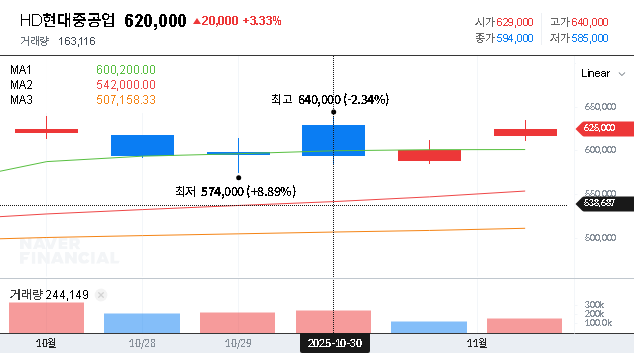
    Given the poor HD KSOE Q3 earnings, the immediate HD KSOE future outlook is challenging. The stock (009540) is expected to face significant downward pressure as the market digests this news. For investors, a cautious and prudent approach is essential.

    The key to a potential turnaround lies in the company’s ability to execute on several fronts. First, securing a steady stream of high-value orders in the eco-friendly vessel segment is paramount. Second, demonstrating tangible progress and a clear path to profitability in its new energy ventures is crucial for restoring long-term confidence. Finally, management must implement effective cost-control measures and hedge against macroeconomic risks to stabilize margins.

    Investors should closely monitor the Q4 results and the company’s guidance for 2026. Look for signs of order book recovery, margin stabilization, and concrete milestones in new business development before considering new positions. The current situation demands patience and a focus on fundamental recovery signals over short-term price movements.

    Disclaimer: This analysis is for informational purposes only and is based on publicly available data. Investment decisions carry risk, and the ultimate responsibility rests with the individual investor. It is recommended to conduct your own due diligence.

    (009540) HD KSOE Q3 Earnings Analysis (009540): Stock Outlook & Key Challenges 관련 이미지
  • (329180) HD Hyundai Heavy Industries Q3 Earnings: A Deep Dive into the 2025 Surprise

    (329180) HD Hyundai Heavy Industries Q3 Earnings: A Deep Dive into the 2025 Surprise

    The latest HD HYUNDAI HEAVY INDUSTRIES CO.,LTD. earnings report for Q3 2025 has sent a powerful signal across the market. The company delivered a phenomenal ‘earning surprise,’ decisively outperforming analyst consensus and fueling a new wave of optimism for the global shipbuilding and offshore sectors. This report provides a comprehensive analysis of the preliminary Q3 figures, dissecting the core drivers behind this success and what it means for your investment strategy. All financial data is based on the company’s Official Disclosure (DART).

    The Q3 2025 Earning Surprise by the Numbers

    HD HYUNDAI HEAVY INDUSTRIES CO.,LTD. (HD HHI) didn’t just beat expectations; it shattered them. The results paint a picture of a company firing on all cylinders, leveraging operational efficiency and market leadership to achieve remarkable profitability.

    Key Q3 2025 Financial Highlights:
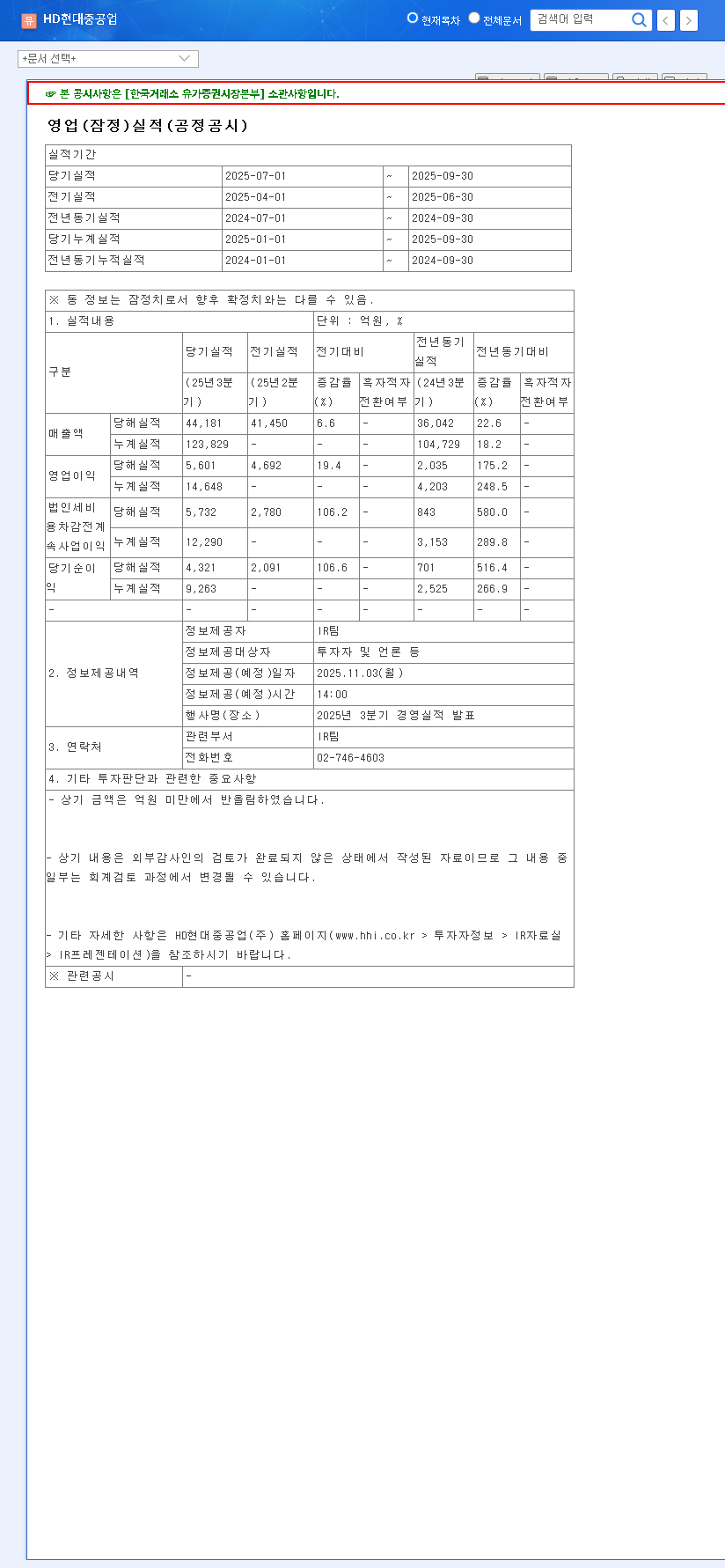
    Sales: KRW 4,418.1 billion
    Operating Profit: KRW 560.1 billion
    Net Profit: KRW 432.1 billion (exceeding market forecasts by a staggering 28%)

    This isn’t a one-off event. It signals a robust growth trajectory, underpinned by superior cost management and a dominant position in the high-demand, high-margin eco-friendly vessels market. This performance is expected to provide significant positive momentum for the HD HHI stock analysis and valuation in the near term.

    Analyzing the Engines of Growth: Core Business Performance

    To understand the durability of this success, we must look at the performance of each core division. The Q3 results highlight a well-diversified strategy that capitalizes on key industry trends.

    1. Shipbuilding Division: Leading the Green Revolution

    While global shipbuilding orders have seen some fluctuation, HD HHI’s division is thriving. The key driver is the accelerating demand for eco-friendly vessels, mandated by strengthening environmental regulations from bodies like the International Maritime Organization (IMO). The company’s technological edge in LNG carriers, methanol-fueled ships, and other green technologies has created a robust order backlog, securing future revenue and solidifying its market leadership.

    2. Offshore Plant Division: Navigating the Energy Transition

    With international oil prices remaining stable and a global focus on energy security, the offshore division is seeing steady activity. More importantly, HD HHI is strategically pivoting towards renewable energy projects, such as offshore wind platforms. While the division’s utilization rate of 33.0% shows room for growth, stable order intake is helping it weather market volatility and position for future opportunities in green energy infrastructure.

    3. Engine Machinery Division: The Unsung Hero

    This division was a standout performer, operating at an incredible 151.2% utilization rate. The surging demand for eco-friendly engines, capable of running on alternative fuels like methanol and ammonia, is the primary catalyst. As the maritime world de-carbonizes, HD HHI’s advanced engine technology becomes indispensable, driving both sales and high-margin profitability.

    Financial Health & Investment Outlook

    A deeper look at the financials from the HD HYUNDAI HEAVY INDUSTRIES CO.,LTD. earnings report reveals a strengthening foundation, though some areas warrant continued observation.

    • Stronger Debt Servicing: The interest coverage ratio dramatically improved to 17.08x, showcasing an excellent ability to meet interest payments from its operating earnings. This reduces financial risk significantly.
    • Debt Ratio Management: The debt ratio, while slightly improved at 219.30%, remains an area to watch. Continued efforts to deleverage will be key for long-term financial stability and investor confidence.
    • Favorable Macro-Winds: A depreciating Korean Won provides a tailwind for this export-heavy giant, potentially boosting foreign exchange gains. Furthermore, a global trend towards lower interest rates could reduce future funding costs.

    Investment Strategy: Short-Term vs. Long-Term

    For the short-term, the powerful earning surprise is likely to fuel positive stock price momentum. In the medium to long-term, investors should monitor the company’s ability to maintain its technological lead in green shipping, secure high-value orders for the offshore division, and continue improving its balance sheet. For more on market trends, see our deep dive into the global shipbuilding industry outlook.

    Frequently Asked Questions (FAQ)

    How did HD HHI’s Q3 2025 performance compare to expectations?

    The company delivered a significant ‘earning surprise,’ with revenue, operating profit, and especially net profit far exceeding market forecasts. This indicates exceptionally strong operational performance and cost control.

    What were the main drivers of this strong performance?

    The primary drivers were the high demand and production efficiency in the eco-friendly vessel and engine machinery divisions, fueled by stricter global environmental regulations. This highlights the success of the company’s focus on green technology.

    What is the investment outlook for HD HHI stock?

    The short-term outlook is positive, with the strong HD HYUNDAI HEAVY INDUSTRIES CO.,LTD. earnings likely to boost the stock price. The long-term outlook depends on sustained leadership in green tech, growth in the offshore segment, and continued financial discipline.

    (329180) HD Hyundai Heavy Industries Q3 Earnings: A Deep Dive into the 2025 Surprise 관련 이미지
  • (009540) HD KOREA SHIPBUILDING & OFFSHORE ENGINEERING: Q3 2025 Earnings Deep Dive for Investors

    (009540) HD KOREA SHIPBUILDING & OFFSHORE ENGINEERING: Q3 2025 Earnings Deep Dive for Investors

    The upcoming HD KOREA SHIPBUILDING & OFFSHORE ENGINEERING (HD KSOE) Q3 2025 earnings call, scheduled for November 3, 2025, represents a pivotal moment for investors. As the maritime world accelerates its green transition, this event is more than a financial report; it’s a barometer for the company’s strategic navigation through evolving market demands and a crucial indicator of its future growth trajectory. This in-depth analysis will explore the core fundamentals, potential market impacts, and key metrics investors should watch closely.

    Understanding the nuances of this investor relations event is essential for anyone invested in the global shipbuilding industry. We’ll dissect the company’s performance and outline what the management’s commentary could mean for your portfolio.

    The Event: HD KSOE’s Q3 2025 Investor Briefing

    On November 3, 2025, at 2:00 PM (KST), the management of HD KOREA SHIPBUILDING & OFFSHORE ENGINEERING will present its third-quarter financial results. This will be followed by a live Q&A session, providing a direct line of communication for analysts and investors to probe into the company’s performance, order backlog, and strategic outlook. This transparent forum is critical for assessing management’s confidence and their plans to tackle industry-wide challenges.

    Decoding the Fundamentals: A Multi-Segment Powerhouse

    HD KSOE’s strength lies in its diversified business model. Based on its H1 2025 report, the company demonstrates robust fundamentals, largely fueled by the global demand for eco-friendly vessels and strategic diversification. Here’s a closer look at the key divisions driving growth.

    1. Shipbuilding Division (85.2% of Revenue)

    This core segment is capitalizing on the maritime industry’s green revolution. Tightening environmental rules, such as those from the International Maritime Organization (IMO), are creating a surge in demand for vessels powered by LNG, LPG, and methanol. HD KSOE’s leadership in constructing these complex, high-margin, dual-fuel propulsion ships solidifies its market-leading position and provides a significant competitive advantage.

    2. Offshore & Plant Division (2.9% of Revenue)

    While smaller in revenue contribution, this division holds immense future potential. Fluctuating oil prices maintain a baseline of investment in traditional oil and gas facilities. However, the real excitement lies in new ventures. HD KSOE is strategically expanding into high-growth areas like offshore wind power generation facilities and Small Modular Reactors (SMRs), positioning itself at the forefront of the global energy transition.

    3. Engine & Machinery Division (10.1% of Revenue)

    This division is the technological heart of the company. By pioneering the development of eco-friendly dual-fuel engines and investing heavily in next-generation fuels like ammonia and hydrogen, HD KSOE not only supports its own shipbuilding needs but also acts as a key supplier to the broader industry, creating a resilient and profitable revenue stream.

    The convergence of green technology and advanced engineering places HD KOREA SHIPBUILDING & OFFSHORE ENGINEERING in a unique position to lead the maritime industry’s sustainable transformation.

    Financial Health and R&D Investment

    As of mid-2025, the company’s financial stability has shown improvement. The debt-to-equity ratio saw a slight improvement to 143.53%, supported by a notable increase in operating profit. This improved profitability enhances the company’s capacity for sustained R&D investment—a critical factor for maintaining its technological edge in a competitive market. (Source: Official DART Disclosure)

    Market Expectations & Potential Impact

    The Q3 2025 earnings call could significantly influence investor sentiment and the company’s stock valuation. Here’s what to look for:

    • Bullish Scenario: If Q3 earnings beat expectations, driven by a strong backlog of high-margin eco-friendly vessel orders and improved profitability, expect positive stock momentum. Clear, confident guidance on future growth in offshore wind and green energy will further bolster investor trust.
    • Bearish Scenario: An earnings miss, coupled with negative news like rising raw material costs, sluggish offshore orders, or unclear strategies to counter macroeconomic headwinds (e.g., global slowdown, geopolitical risks), could exert short-term downward pressure on the stock.
    • Competitive Landscape: Investors will be keen to hear how HD KSOE plans to maintain its edge over increasingly competitive Chinese shipyards, both in technology and price. For more on this, see our analysis of the global shipbuilding market.

    Strategic Outlook for Investors

    HD KOREA SHIPBUILDING & OFFSHORE ENGINEERING presents a compelling long-term growth story. However, prudent investment decisions require a thorough analysis of the upcoming IR content. We recommend focusing on the following:

    • Order Book Quality: Pay close attention to the order backlog, specifically the mix of eco-friendly vessels and the profitability margins associated with these new contracts.
    • Management Guidance: Listen carefully to the forward-looking statements for Q4 2025 and early 2026. This is where the company will signal its confidence in navigating future market conditions.
    • Long-Term Perspective: It is advisable to base investment decisions on the company’s mid-to-long-term strategic direction rather than reacting to short-term market volatility. This IR event is a key opportunity to re-evaluate HD KSOE’s investment appeal and its role in your portfolio.

    (009540) HD KOREA SHIPBUILDING & OFFSHORE ENGINEERING: Q3 2025 Earnings Deep Dive for Investors 관련 이미지
  • (329180) HD Hyundai Heavy Industries Q3 Earnings 2025: A Deep-Dive Investment Analysis

    (329180) HD Hyundai Heavy Industries Q3 Earnings 2025: A Deep-Dive Investment Analysis

    On November 3, 2025, the global investment community will turn its attention to HD HYUNDAI HEAVY INDUSTRIES CO.,LTD. (329180) as it holds its pivotal Investor Relations (IR) conference for the Q3 2025 management performance. This event is far more than a simple financial report; it offers a critical look into the company’s future. The upcoming HD Hyundai Heavy Industries Q3 earnings announcement will reveal crucial details about its strategies for navigating global economic headwinds and persistent shipping market volatility. For investors, this is an essential opportunity to gauge the health and direction of one of the world’s shipbuilding giants.

    The central question is whether the company can sustain its trend of improving profitability, even as revenues have faced downward pressure. This deep-dive HD HHI investment analysis will dissect the key factors shaping Q3 performance and outline what stakeholders must watch for during the IR presentation. You can view the Official Disclosure (DART) for preliminary information.

    Analyzing the HD Hyundai Heavy Industries Q3 Earnings Preview

    Scheduled for November 3, 2025, at 2 PM KST, the IR conference will consist of an earnings presentation and a Q&A session. This direct line to management is invaluable for investors seeking clarity on corporate strategy and operational performance. The first half of 2025 set a complex stage: while revenue declined 44.6% year-on-year, operating profit impressively rose by 28.4%, signaling a strategic focus on profitability over pure volume.

    The key narrative for the Q3 earnings report will be the sustainability of this profitability improvement. Can HD Hyundai Heavy Industries continue to enhance margins by prioritizing high-value, eco-friendly vessel orders against the backdrop of a potential global slowdown in new shipbuilding contracts?

    Performance Deep-Dive by Business Segment

    To form a complete picture, a granular look at each of the company’s core divisions is necessary. Each segment faces unique challenges and opportunities that will collectively shape the Q3 results.

    Shipbuilding: The Engine of Growth and Profit

    The demand for eco-friendly vessels, such as those powered by LNG, methanol, and ammonia, remains a significant tailwind. This trend, combined with the need to replace aging global fleets, provides a solid foundation. However, the dip in new orders seen in H1 could impact Q3 figures. Investors should focus on how effectively the company is translating its robust order backlog into recognized revenue and whether the margins on these advanced ships are holding strong.

    Offshore Plant & Renewable Energy

    The Offshore Plant division’s return to profitability is a major positive. More importantly, its strategic expansion into renewable energy—particularly floating offshore wind platforms—represents a vital long-term growth driver. This diversification reduces reliance on the cyclical shipbuilding market and positions the company to capitalize on the global energy transition. For a broader view, read about the trends shaping the global offshore energy sector.

    Engine & Machinery: A Stable Foundation

    This division provides a stable revenue stream thanks to its competitive advantage in eco-friendly and alternative fuel engines. As maritime regulations tighten, the demand for engines that can run on cleaner fuels will only increase, solidifying this segment’s importance to the company’s overall financial health and market leadership.

    Financial Health & Macroeconomic Headwinds

    While operational performance is key, the company’s financial structure and the external market environment are equally critical. A high debt ratio continues to be a point of concern for investors, though the significant improvement in the interest coverage ratio (a measure of a company’s ability to handle its debt payments) is a reassuring sign. The Q3 announcement should provide clear details on debt management and future funding strategies.

    External factors add another layer of complexity. As detailed by financial experts at authoritative sources like Bloomberg, variables such as currency exchange rates, interest rate policies, and raw material costs (like steel) can significantly impact profitability. Furthermore, shipping freight indices, which have recently shown weakness, could dampen sentiment and affect new vessel orders.

    Investor Action Guide: 5 Key Indicators for the IR Call

    When analyzing the HD Hyundai Heavy Industries Q3 earnings report, investors should critically evaluate the following five points to make an informed decision about the HD Hyundai Heavy Industries stock:

    • Revenue Trajectory: Are there signs of revenue stabilization or a rebound? Look for specifics on construction schedules and order conversion.
    • Profitability Strength: Is the company maintaining or improving operating margins? Assess the impact of cost controls and the high-value order mix.
    • New Business Progress: What are the tangible results and future outlook for high-growth areas like offshore wind and Small Modular Reactors (SMRs)?
    • Future Order Outlook: What is management’s forecast for the global shipbuilding market, and what is their strategy to win new contracts?
    • Financial Deleveraging: Are there concrete plans to reduce the high debt ratio and strengthen the balance sheet?

    In conclusion, while the ‘Neutral’ investment opinion reflects a balance of strong positive factors (market leadership, diversification) and significant risks (economic slowdown, high debt), the upcoming IR is a moment of truth. A thorough analysis of the company’s performance against these key indicators will be essential for any investor looking to make a strategic move.

    (329180) HD Hyundai Heavy Industries Q3 Earnings 2025: A Deep-Dive Investment Analysis 관련 이미지
  • (010140) SAMSUNG HEAVY INDUSTRIES Stock: Drillship Sale & What It Means for Investors

    (010140) SAMSUNG HEAVY INDUSTRIES Stock: Drillship Sale & What It Means for Investors

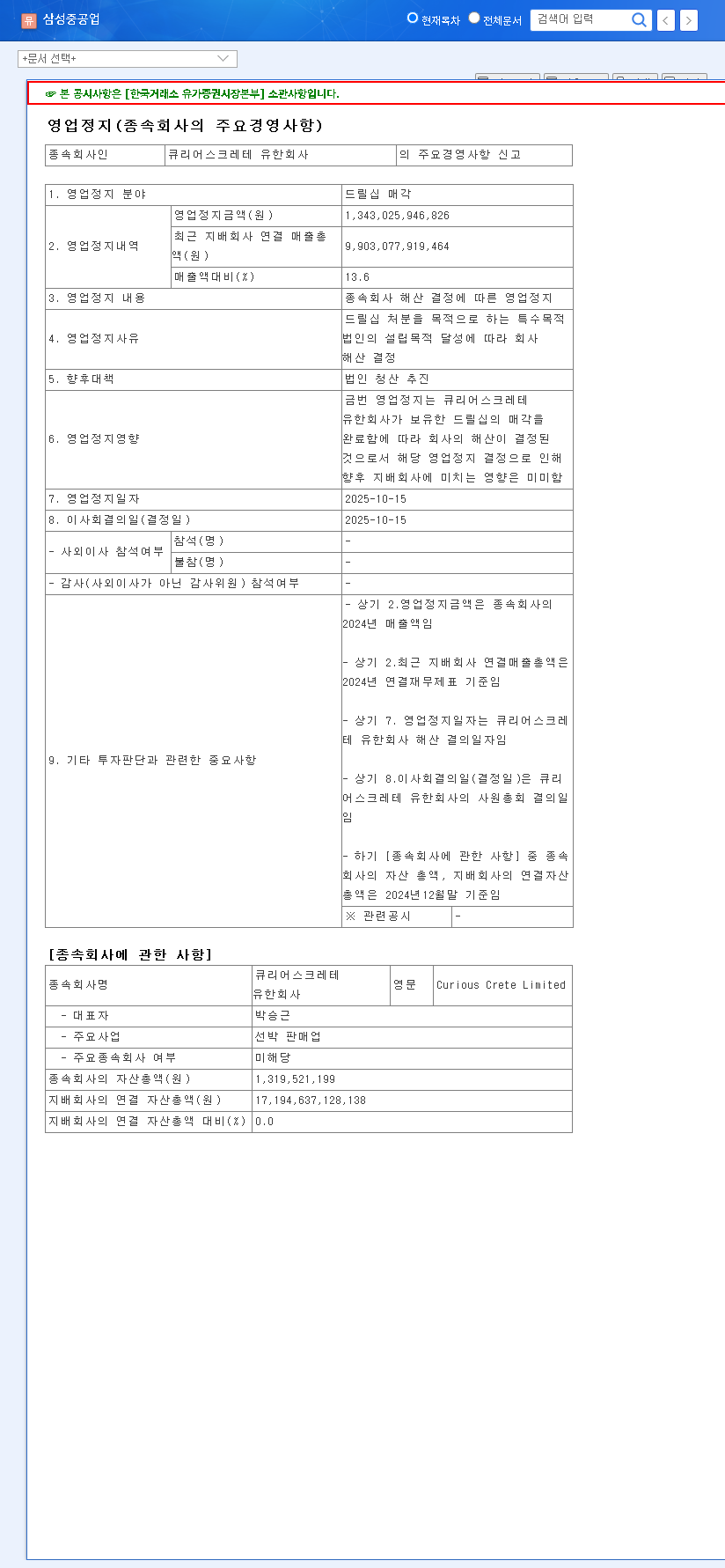
    Recent news surrounding SAMSUNG HEAVY INDUSTRIES (SHI) has caught the attention of the market, signaling a period of potential transformation. The company has announced the impending sale of a drillship tied to its subsidiary, Curious Crete Co., Ltd., which is now slated for liquidation. For investors, this move introduces short-term uncertainty but also hints at a strategic pivot towards a more streamlined and financially robust future. This analysis will dissect the announcement, explore the underlying strategy, and provide a clear roadmap for evaluating your investment in Samsung Heavy Industries stock.

    The Core Announcement: A Drillship Sale and Liquidation

    The central development involves ‘Curious Crete Co., Ltd.’, a subsidiary of SHI, which has been ordered into business suspension effective October 15, 2025. This action is a direct result of the sale of a drillship. The transaction involves a significant sum of 134.3 billion KRW, representing roughly 13.6% of SAMSUNG HEAVY INDUSTRIES’ total revenue. Following this, SHI has confirmed its intention to dissolve and liquidate the subsidiary entirely. For complete transparency and official details, investors can refer to the Official Disclosure (DART Report).

    This isn’t just an asset sale; it’s a strategic maneuver to optimize the company’s balance sheet and sharpen its focus on high-growth, core business areas.

    Decoding the Strategy: Why This Decision Now?

    The liquidation of Curious Crete Co., Ltd. is a clear indicator of SAMSUNG HEAVY INDUSTRIES’ broader strategy of business restructuring and asset optimization. In a challenging and cyclical industry like shipbuilding, carrying non-core or low-profit assets can be a significant drag on financial performance. By divesting the drillship—an asset class facing a volatile market—SHI is taking proactive steps to fortify its financial foundation.

    Key Strategic Objectives:

    • Streamlining Non-Performing Assets: The move directly addresses the need to reduce unnecessary asset burdens, converting a potentially underutilized drillship into liquid capital and improving financial soundness.
    • Sharpening Business Focus: By simplifying its corporate structure, SHI can concentrate its resources, talent, and capital on its core competencies, such as the construction of high-value LNG carriers and advancing green shipping technology.

    Short-Term Turbulence vs. Long-Term Gains

    The market’s reaction to such news is often twofold, and it’s crucial for investors to separate immediate sentiment from the long-term strategic vision.

    Immediate Impact: Expect Stock Volatility

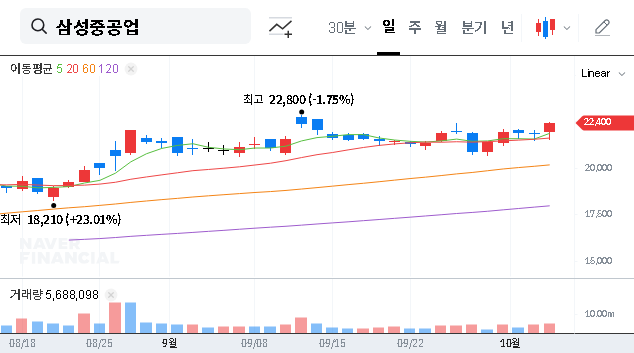
    The unexpected nature of a subsidiary liquidation, coupled with a suspension value representing 13.6% of revenue, will likely trigger short-term volatility in Samsung Heavy Industries stock. The current lack of detailed brokerage reports creates information asymmetry, which can amplify uncertainty among investors. This may be compounded by broader negative sentiment in the offshore plant sector.

    Long-Term Outlook: A Stronger Foundation

    Despite the initial chop, this restructuring could be a catalyst for sustained growth. The capital inflow from the drillship sale, if managed effectively, can significantly improve SHI’s financial health. Potential positive outcomes include:

    • Improved Financial Health: Reduced debt and increased cash reserves for future investments or to weather market downturns.
    • Enhanced Operational Efficiency: A leaner structure allows management to focus on maximizing profitability in its core business segments.
    • Strengthened Core Capabilities: Capital can be redeployed to R&D and securing future growth engines, particularly in eco-friendly shipbuilding technologies.

    An Action Plan for SAMSUNG HEAVY INDUSTRIES Investors

    Prudent investors should adopt a strategy of careful monitoring and analysis. Here are four key areas to focus on:

    • Secure Additional Information: Prioritize SHI’s future disclosures. Look for specifics on the drillship sale terms, plans for the proceeds, and the final financial impact of the liquidation.
    • Analyze Market Reaction: Follow analyst reports and financial news from authoritative sources like Bloomberg to gauge professional market sentiment and future outlooks.
    • Re-evaluate Your Portfolio: Assess how this strategic shift aligns with your long-term investment thesis for SAMSUNG HEAVY INDUSTRIES. For more on this, see our guide to industrial sector investing.
    • Monitor Broader Market Trends: The offshore plant and global shipping industries are crucial contexts. Keep an eye on oil prices, global trade volumes, and demand for new vessels.

    In conclusion, while the headline news may seem disruptive, the liquidation and drillship sale appears to be a calculated and strategic move by SAMSUNG HEAVY INDUSTRIES. It presents a clear opportunity for corporate restructuring that could unlock significant long-term value. For the informed investor, this period of volatility could be a time to watch closely for the emergence of a leaner, more focused, and financially stronger company.

    (010140) SAMSUNG HEAVY INDUSTRIES Stock: Drillship Sale & What It Means for Investors 관련 이미지
  • (010140) Samsung Heavy Industries Q3 Earnings 2025: Zvezda Losses vs. Record Orders

    (010140) Samsung Heavy Industries Q3 Earnings 2025: Zvezda Losses vs. Record Orders

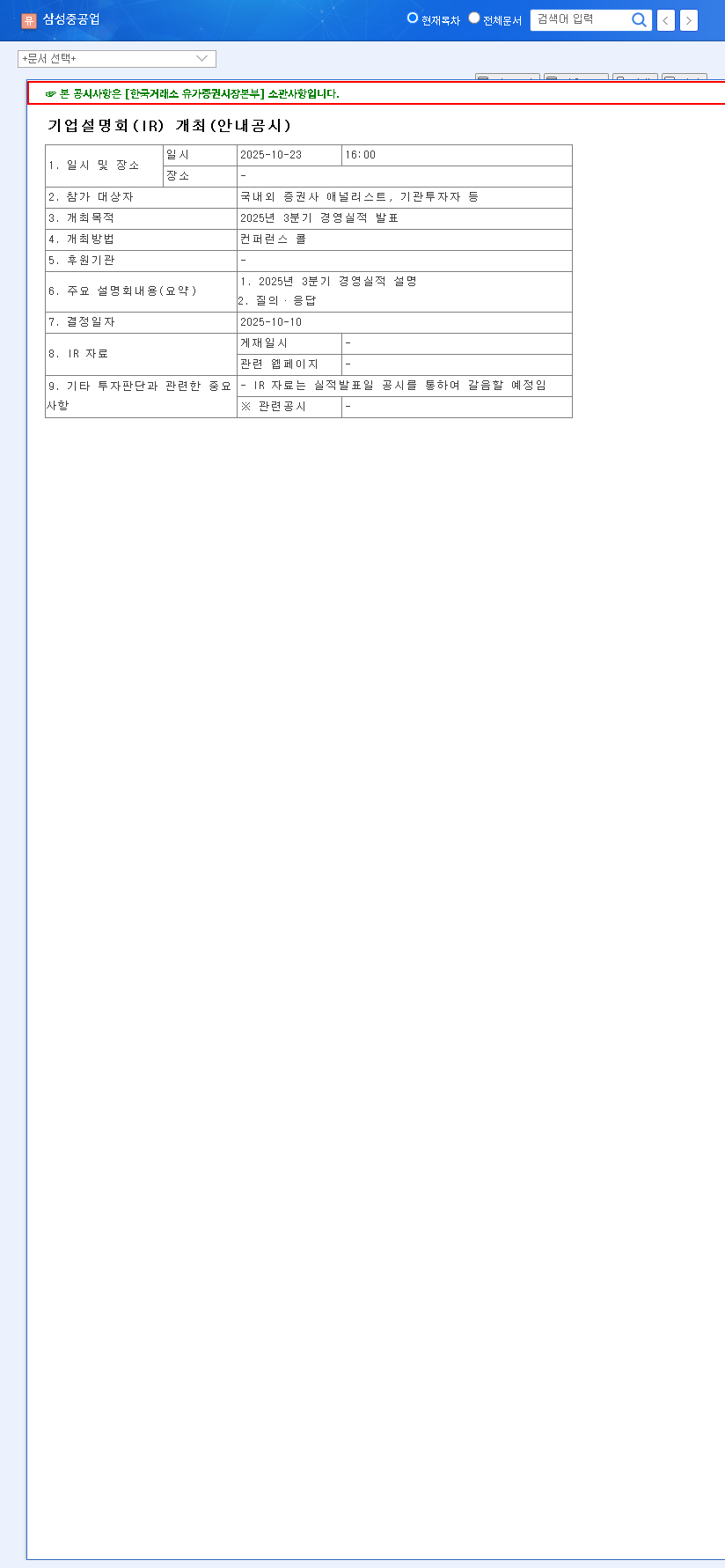
    As the investment community turns its attention to the upcoming Samsung Heavy Industries Q3 earnings call on October 23, 2025, a critical narrative is taking shape. The company stands at a crossroads, balancing a record-breaking order book for high-value vessels against a significant financial storm brewing from the Russian Zvezda shipyard incident. This analysis unpacks the key factors that will define SHI’s performance, offering investors a comprehensive look at the risks and opportunities ahead.

    While the first half of 2025 showcased robust fundamentals with 5.177 trillion KRW in sales and an order backlog exceeding 45 trillion KRW, the Q3 report will be the true test of resilience. The central question is whether SHI’s operational strength can absorb the multibillion-dollar shock from the Zvezda contract cancellations and associated derivatives losses.

    The Zvezda Incident: A Trillion-Won Shadow

    The most significant headwind facing Samsung Heavy Industries is the fallout from the Zvezda incident. The cancellation of contracts with the Russian shipyard has created a perfect storm of direct and indirect financial pressures. The market anticipates a direct impact on Q3 earnings, with potential losses including an estimated 2.8 trillion KRW in derivatives valuation losses and a 2 trillion KRW contract termination charge.

    This complex situation is further compounded by the ongoing international arbitration process, the outcome of which remains uncertain and could introduce additional financial volatility. Investors will be scrutinizing management’s commentary for clarity on the accounting treatment of these losses and the company’s strategy for mitigating further damage. For detailed information, see the Official Disclosure (Source: DART).

    The core challenge for investors is to weigh the severe, but potentially one-off, financial impact of the Zvezda incident against the company’s long-term, sustainable growth drivers in the high-value shipbuilding sector.

    Fundamental Strengths: The Engine of Recovery

    Despite the Zvezda overhang, SHI’s core business remains fundamentally strong, supported by powerful tailwinds in the global maritime industry.

    Dominance in High-Value Vessel Orders

    SHI’s strategic focus on high-value vessels, particularly LNG carriers and large container ships, is its primary competitive advantage. This segment is driven by long-term, non-cyclical demand. Stricter environmental regulations from the International Maritime Organization (IMO) are accelerating the need for a global fleet replacement cycle with eco-friendly, fuel-efficient vessels. This regulatory push creates a sustained demand pipeline where SHI’s technological expertise gives it a significant edge.

    Strategic Diversification

    Recognizing the cyclical nature of shipbuilding, SHI is wisely expanding into new business areas. Ventures into ship leasing and fuel supply are designed to create more stable, recurring revenue streams. Progress updates on these initiatives during the Q3 earnings call will be crucial for evaluating the company’s long-term vision and its ability to build a more resilient business model.

    Macroeconomic Landscape: Opportunities and Risks

    The broader economic environment presents a mixed bag for SHI. Rising global oil demand could spur a recovery in offshore plant orders, a historically strong segment for the company. However, volatility in currency and interest rate markets requires careful management.

    • Exchange Rates: A strengthening KRW/USD rate is a double-edged sword, benefiting export contract values but increasing import costs and negatively impacting derivatives valuations linked to the Zvezda contracts.
    • Interest Rates: Potential rate cuts by the US Federal Reserve and the Bank of Korea could lower financing costs but also directly influence the valuation of interest-rate-sensitive financial instruments on SHI’s books.

    Investor Action Plan for the Q3 IR Call

    To make an informed decision, investors should focus on these key areas during the Samsung Heavy Industries Q3 earnings presentation:

    • Zvezda Clarity: Demand a clear and transparent explanation of the total financial impact, the timeline for resolution, and the legal strategy for the arbitration.
    • Forward-Looking Order Book: Look for updates on new high-value vessel orders and management’s outlook on the global shipbuilding industry for 2026.
    • Risk Management: Assess the robustness of the company’s strategies for managing currency, interest rate, and counterparty risks going forward.
    • New Business Progress: Seek tangible metrics on the performance and future potential of the ship leasing and fuel supply divisions.

    Ultimately, the Q3 2025 earnings report will be a pivotal moment. While the short-term financial results will likely be challenging, SHI’s long-term value proposition remains tied to its leadership in the next generation of eco-friendly shipbuilding. A clear strategy from management to navigate the current crisis will be essential to restoring investor confidence and setting the stage for future growth.

    (010140) Samsung Heavy Industries Q3 Earnings 2025: Zvezda Losses vs. Record Orders 관련 이미지
  • (100090) SK Oceanplant Stock Outlook: NPS Boosts Stake to 10% – In-Depth Analysis

    (100090) SK Oceanplant Stock Outlook: NPS Boosts Stake to 10% – In-Depth Analysis

    When South Korea’s largest institutional investor makes a move, the market pays attention. News recently broke that the National Pension Service (NPS) has increased its stake in SK Oceanplant (100090), signaling a significant vote of confidence. But does this automatically make SK Oceanplant stock a strong buy? For savvy investors, this is not just a headline; it’s a prompt for a deeper investigation.

    This comprehensive analysis will dissect what the NPS’s investment means, evaluate the underlying health of SK Oceanplant, and navigate the complex macroeconomic landscape to provide a clear investment outlook. We’ll explore the fundamentals, risks, and potential rewards to help you make an informed decision.

    The Catalyst: National Pension Service Increases Its Holding

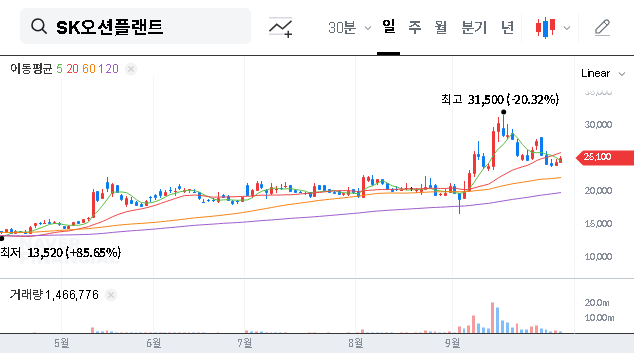
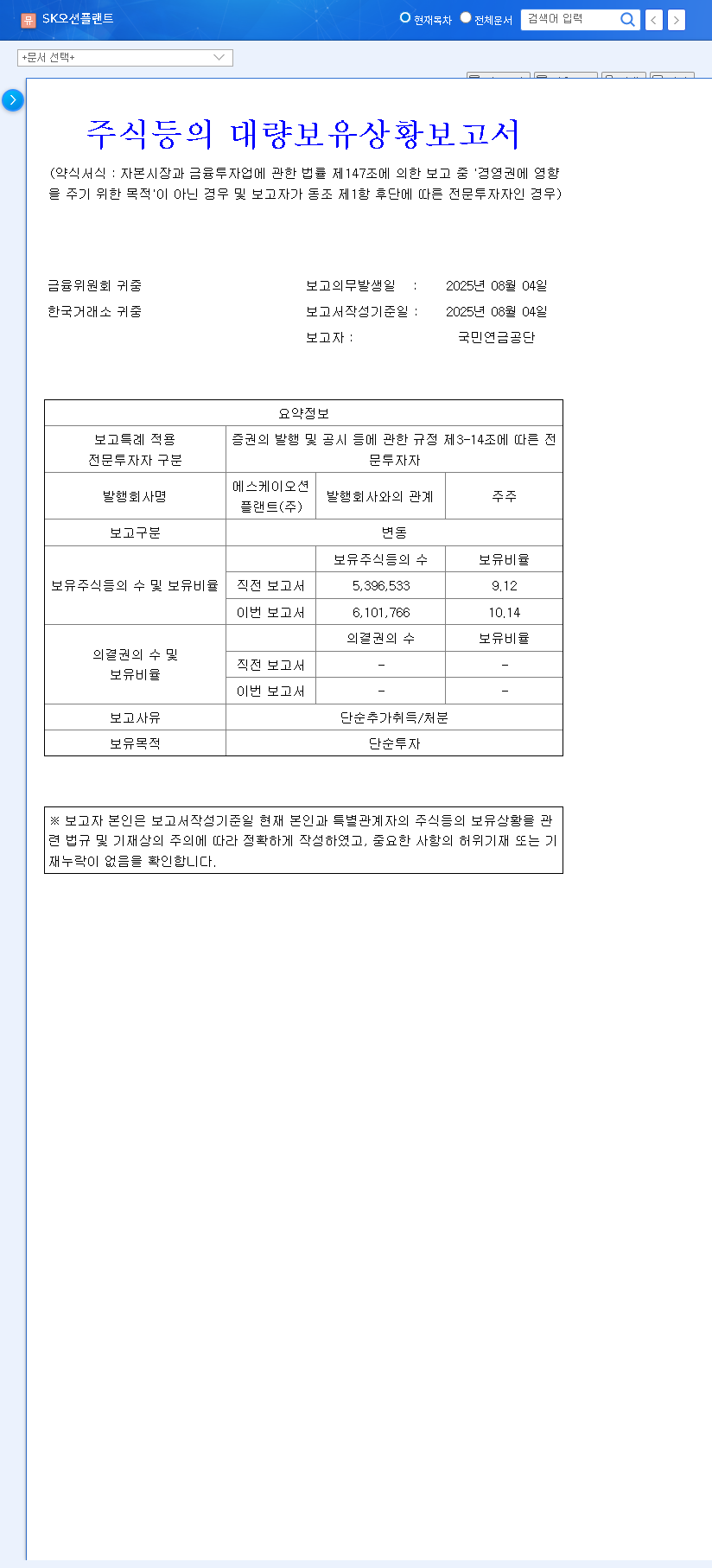
    On October 1, 2025, a significant filing revealed that the National Pension Service of Korea increased its ownership in SK Oceanplant from 9.12% to 10.14%. While the stated purpose is for ‘simple investment,’ the action itself speaks volumes. An institution of this magnitude, managing the nation’s retirement funds, does not make such decisions lightly. This move suggests a belief in the company’s long-term value proposition and growth potential.

    An increased stake from a major institutional investor like the NPS is often interpreted as a strong positive signal, reflecting confidence in a company’s future trajectory and management, independent of short-term market noise.

    Investors can view the official report directly from the source. This transparency is crucial for due diligence. Official Disclosure: Click to view DART report.

    Fundamental Analysis: A Look Under the Hood of SK Oceanplant

    While the NPS news is a bullish signal, the company’s financials present a mixed picture that requires careful consideration. A recent business report restatement has enhanced transparency, which is a positive step toward building investor trust. However, the projected performance for 2024 raises some questions.

    Key Financial Indicators (2022-2024 Projections)

    • Revenue: Expected to rebound to KRW 2,495.8 billion in 2024 after a dip in 2023. This indicates strong top-line demand.
    • Operating Profit: A projected sharp decline to KRW 4.0 billion in 2024 is a major red flag, suggesting significant margin compression or rising operational costs.
    • Net Income & EPS: Both are expected to increase, which may seem contradictory to the operating profit decline. This could be due to non-operational gains or accounting adjustments. For more on this, see our guide on how to analyze an income statement.
    • Debt-to-Equity Ratio: Remaining high at over 700%, this indicates significant leverage and financial risk, which is common but still a concern in capital-intensive industries.

    The Macro Environment: Headwinds and Tailwinds

    No company operates in a vacuum. The SK Oceanplant stock outlook is heavily influenced by global economic trends. These factors can significantly impact profitability.

    Currency, Rates, and Commodities

    • Exchange Rates: A high KRW/USD rate is generally favorable for an exporter like SK Oceanplant, boosting the value of its international sales. However, volatility remains a risk to be monitored.
    • Interest Rates: The trend of falling benchmark rates in the US and Korea is a positive. Lower rates reduce borrowing costs for financing large projects and can improve investor sentiment across the market. Authoritative sources like Bloomberg’s market data show this easing trend.
    • Shipping Indices: A rising Baltic Dirty Tanker Index suggests higher demand for seaborne shipping, a positive for the industry. Conversely, a falling China Containerized Freight Index could signal a slowdown in global trade, presenting a potential headwind.

    Investment Strategy & Final Outlook

    Synthesizing these factors, the investment case for SK Oceanplant is one of long-term potential balanced by short-term risks. The NPS’s backing provides a strong foundation of confidence, but the concerning operating profit forecast and high debt cannot be ignored.

    A prudent strategy would be to adopt a long-term perspective. Instead of anticipating a rapid stock price surge, investors should monitor key performance indicators that will ultimately drive the company’s value.

    Key Factors to Watch Going Forward:

    • New Project Orders: The lifeblood of the business. Securing large-scale offshore plant and shipbuilding contracts is the single most important catalyst for growth.
    • Margin Improvement: Watch for signs that the company is getting its operational costs under control and improving profitability on its projects.
    • Deleveraging Efforts: Any progress in reducing the high debt-to-equity ratio will significantly de-risk the stock and improve its financial stability.

    Frequently Asked Questions (FAQ)

    Q1: Why did the National Pension Service really increase its SK Oceanplant stake?

    A1: The official reason is for ‘simple investment.’ This typically means the institution sees the stock as undervalued and expects it to appreciate over the long term. It’s a vote of confidence in the fundamental value and future growth prospects of SK Oceanplant.

    Q2: What is the biggest short-term risk for SK Oceanplant stock?

    A2: The biggest immediate risk is the projected collapse in operating profit for 2024. If the company fails to manage costs and improve margins, it could put significant pressure on the 100090 stock price, regardless of revenue growth.

    Q3: Is SK Oceanplant a good investment now?

    A3: It appears to be a better fit for long-term, patient investors. While the NPS endorsement is powerful, the financial red flags (low operating profit, high debt) require caution. Success hinges on future contract wins and improved financial management.

    (100090) SK Oceanplant Stock Outlook: NPS Boosts Stake to 10% - In-Depth Analysis 관련 이미지
  • HD Hyundai Heavy Industries After-Hours Block Deal: A Sign of Stock Plunge? Analysis and Investment Strategy

    1. What Happened?: After-Hours Block Deal

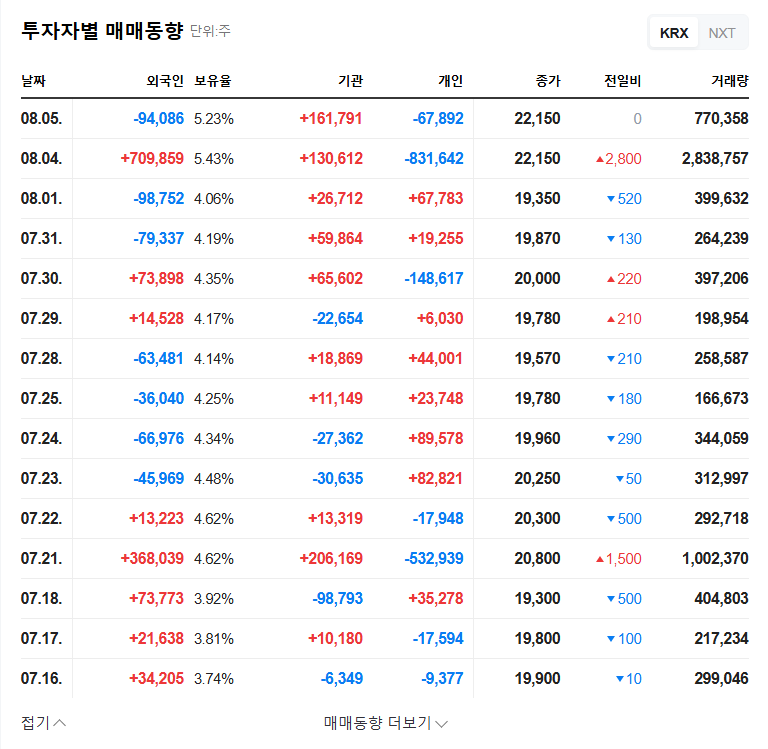
    On August 28, 2025, a KRW 13.5 billion after-hours block deal occurred in HD Hyundai Heavy Industries. The substantial net selling by foreign investors is causing concern in the market.

    2. Why Did This Happen?: Background Analysis

    The cause of this block deal is not yet clear. It could be profit-taking by foreign investors, portfolio adjustments, or other hidden reasons. However, we cannot rule out the impact of recent uncertainties in the external macroeconomic environment, such as increased volatility in the won-dollar exchange rate, potential fluctuations in international oil prices, and weak shipping freight rates. Company-specific risk factors, such as intensifying competition with Chinese shipyards and cost pressures in the offshore plant sector, should also be considered.

    However, according to HD Hyundai Heavy Industries’ 2025 semi-annual report, there are also positive aspects, such as increasing demand for eco-friendly vessels in the shipbuilding sector, stable oil prices in the offshore plant sector, and technological competitiveness in the engine and machinery sector. Financially, the company also shows stability, with improvements in debt ratios and an increase in interest coverage ratio.

    3. What Will Happen Next?: Potential Impact Analysis

    In the short term, there is a possibility of investor sentiment deterioration and a stock price decline due to foreign selling pressure. However, in the mid- to long-term, a stock price recovery based on the company’s fundamentals can be expected. However, if the trend of foreign investor exodus continues, it could put additional downward pressure on the stock price.

    4. What Should Investors Do?: Investment Strategy Recommendations

    • Short-term Observation: It is important to monitor market reactions and check for further information.
    • Fundamentals Check: Check for changes in company fundamentals through future earnings announcements and order intake disclosures.
    • Macroeconomic Monitoring: Continuously monitor the impact of changes in macroeconomic variables such as exchange rates, oil prices, and interest rates.
    • Information Seeking: Seek additional information regarding the background and causes of the block deal.

    Q: Is the after-hours block deal in HD Hyundai Heavy Industries a sign of a stock plunge?

    A: There is downward pressure on the stock price in the short term, but there is a possibility of recovery in the long term if the fundamentals are solid. However, it is important to monitor whether the foreign selling trend continues and the macroeconomic situation.

    Q: Is it okay to invest in HD Hyundai Heavy Industries now?

    A: Caution is advised for investment due to increased short-term market volatility. It is advisable to make investment decisions after closely monitoring changes in company fundamentals and market conditions.

    Q: What is the cause of the after-hours block deal?

    A: The exact cause has not yet been revealed, but it is estimated to be due to profit-taking by foreign investors, portfolio adjustments, or increased uncertainty in the external macroeconomic environment.

  • SK Oceanplant Wins $2.1B Taiwan Offshore Wind Contract: What’s Next?

    SK Oceanplant Wins $2.1B Taiwan Offshore Wind Contract: What's Next? 대표 차트 이미지

    1. A $2.1 Billion Win: What Does It Mean?

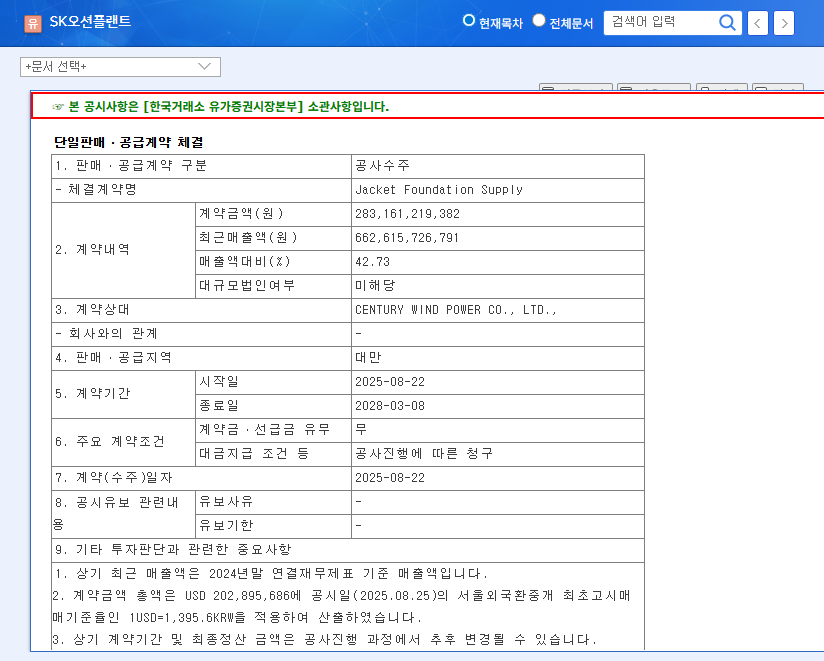
    SK Oceanplant’s contract with CENTURY WIND POWER CO., LTD. for $2.1 billion worth of jacket foundation supply marks a substantial win, representing 42.73% of the company’s 2024 revenue. The contract spans from August 2025 to March 2028. Beyond the immediate financial impact, this contract signifies SK Oceanplant’s entry into the Taiwanese offshore wind market, paving the way for potential future contracts.

    2. Why Taiwan’s Market Now?

    The global offshore wind market is experiencing rapid growth, and Taiwan is a key player with ambitious investment plans. This contract validates SK Oceanplant’s technology and competitiveness, positioning the company for further expansion in this promising market.

    3. How Will This Impact SK Oceanplant’s Stock?

    This contract is expected to have a positive short-term impact on SK Oceanplant’s stock price. However, investors should consider recent financial challenges, currency fluctuations, and increasing global competition. The company’s declining profitability in 2024 is a particular area of concern. Fluctuations in raw material prices and the overall maritime shipping market also pose potential risks.

    4. What Should Investors Do?

    Investors should take a long-term perspective and evaluate SK Oceanplant’s growth potential rather than focusing solely on short-term stock movements. Careful consideration should be given to future contract wins, financial restructuring efforts, and the overall growth trajectory of the offshore wind market. Continuous monitoring of publicly available information and analyst reports is crucial for managing investment risk.

    Q: How significant is this contract for SK Oceanplant’s financial performance?

    A: The $2.1 billion contract represents a substantial 42.73% of SK Oceanplant’s 2024 revenue. While it is expected to contribute significantly to future earnings, it remains to be seen how much it can offset the recent trend of declining financial performance.

    Q: What is the current state of SK Oceanplant’s financials?

    A: As of 2024, SK Oceanplant has seen declines in revenue, operating profit, and net income, coupled with increased debt-to-equity ratio and a significant decrease in retained earnings. Investors should closely monitor the company’s efforts to improve its financial health.

    Q: What are the key investment risks to consider?

    A: Key risks include currency exchange rate fluctuations, raw material price volatility, increased competition in the offshore wind market, and the company’s ability to improve its financial standing. Continuous monitoring and risk management are crucial for investors.

    SK Oceanplant Wins $2.1B Taiwan Offshore Wind Contract: What's Next? 관련 이미지
    SK Oceanplant Wins $2.1B Taiwan Offshore Wind Contract: What's Next? 관련 이미지