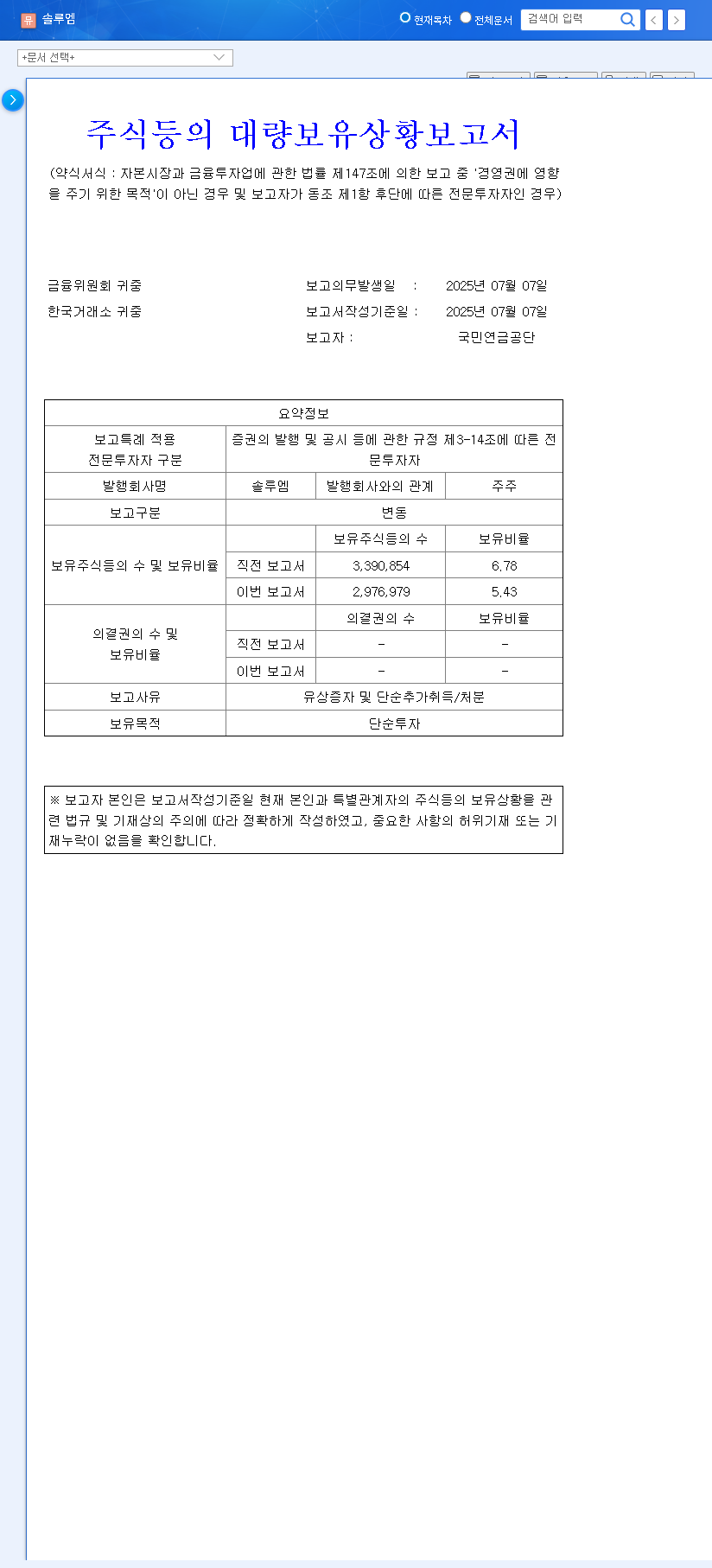
The upcoming SOLUM Q3 2025 IR event on November 17th is a critical moment for shareholders and potential investors. With SOLUM CO., LTD. (KRX: 248070) facing headwinds of declining revenue and shrinking profitability, the market is watching intently. This event is a crucial opportunity for the company to address pressing concerns and outline a clear path toward renewed growth.
This comprehensive SOLUM stock analysis delves into the fundamental challenges revealed in recent financial reports. We will identify the key questions investors must have answered during the investor relations call and explore potential scenarios that could shape the company’s trajectory and stock performance for years to come.
The upcoming SOLUM Q3 2025 IR is more than a financial report; it’s a referendum on the company’s future strategy and its ability to navigate a challenging market. Investors are looking for clarity, confidence, and a credible turnaround plan.
A Deep Dive into SOLUM’s Financial Outlook
A thorough review of SOLUM’s Q3 2025 quarterly report paints a picture of a company at a crossroads. The data, available in the Official Disclosure (DART), reveals several significant trends that are central to the current investment thesis.
1. The Challenge of Declining Revenue and Profitability
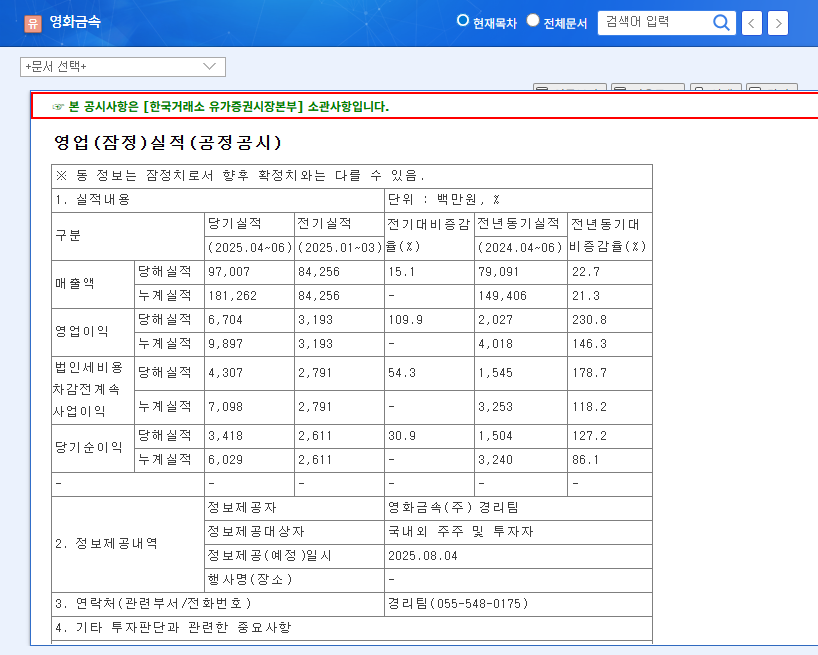
The top-line numbers are concerning. Consolidated revenue has steadily decreased from KRW 1.95 trillion in 2023 to KRW 1.27 trillion year-to-date. This isn’t a minor dip; it’s a significant trend that demands explanation. The primary driver is a pronounced slump in the ICT business segment, specifically its Electronic Shelf Labels (ESL). Compounding this, operating profit has plummeted from KRW 154.5 billion to just KRW 38.4 billion over the same period, signaling severe margin compression within that same ICT division.
2. Strained Cash Flow and Rising Debt
Financial health is under scrutiny. The combination of lower profits and ballooning inventory has led to a deterioration in operating cash flow. Simultaneously, investment cash outflow has surged due to strategic acquisitions in new ventures like healthcare and 2nd-use batteries. To fund this, SOLUM issued 7 million convertible redeemable preferred shares, increasing its total debt. The debt-to-equity ratio has ticked up to 128.43%, a level that, while not catastrophic, adds a layer of financial risk that the SOLUM investor relations team must address.
3. A Mixed Picture Across Business Segments
SOLUM’s story is not uniformly negative; it’s a tale of contrasting performances:
- •Electronic Components: This segment shows resilience. The power module business remains strong, and the emerging EV charger power module division is a significant growth catalyst, tapping into the global shift towards electric mobility.
- •ICT Business (ESL): This is the core problem area. The SOLUM ESL business is losing ground in a growing market. This suggests deep-seated issues, likely a combination of fierce competition from rivals like SES-imagotag and a potential failure to innovate quickly enough.
- •New Ventures: Healthcare and 2nd-use battery recycling are exciting, high-potential markets. However, they are also capital-intensive and fraught with risk, requiring heavy R&D and facing established competitors.
Potential Scenarios from the Investor Relations Event
The market’s reaction will hinge entirely on the narrative and evidence presented by SOLUM’s management. Here are the potential bull and bear case scenarios that could unfold.
The Bull Case: Charting a Course for Recovery
Investor sentiment could turn positive if management presents a credible and detailed strategy. This includes a clear plan to regain market share in the ESL business, perhaps through new technology or a revised pricing strategy. Announcements of major new contracts, particularly for the EV charger modules, or a strategic partnership could provide a significant catalyst. Finally, a concrete plan to deleverage the balance sheet and improve the company’s financial structure would go a long way in restoring confidence, building on trends we saw in our Q2 analysis.
The Bear Case: A Lack of Clear Answers
Conversely, the stock could face significant pressure if the IR event is disappointing. If management offers vague platitudes instead of concrete solutions for the struggling SOLUM ESL business, investor frustration will mount. A failure to provide clear timelines and expected returns on the new business ventures would amplify concerns about capital allocation. If the high debt ratio is not addressed with a clear management plan, the market may price in a higher financial risk, especially in a volatile interest rate environment, as noted by analysts at Reuters.
Investor Checklist: Key Questions for the SOLUM IR
To make an informed decision, investors should seek definitive answers to the following critical questions. The quality of management’s responses will be a key indicator of the company’s future value.
- •ICT Turnaround: What is the specific, actionable strategy to reverse declining revenue and improve profitability in the ICT/ESL segment?
- •Competitive Strategy: How will you counter intensified competition in the ESL market? What technological or commercial advantages will you leverage to defend and expand market share?
- •New Business ROI: What are the concrete commercialization timelines and expected returns on investment for the new healthcare and 2nd-use battery ventures?
- •Financial Health: What is the roadmap for strengthening the balance sheet and managing debt, especially given the current interest rate environment?
The SOLUM Q3 2025 IR will be a pivotal event. It is an opportunity for management to restore faith and demonstrate a command of the challenges ahead. Investors are advised to listen carefully and analyze the information presented before making any investment decisions.