Tag: Korea Electric Power Corporation

  • (015760) KEPCO Earnings (015760) H1 2025: Deep Dive into Record Profits & Stock Outlook

    (015760) KEPCO Earnings (015760) H1 2025: Deep Dive into Record Profits & Stock Outlook

    The latest KEPCO earnings report for the first half of 2025 has captured the market’s full attention, revealing a significant turnaround for the utility giant. KOREA ELECTRIC POWER CORPORATION (KEPCO) announced impressive results that not only surpassed expectations but also suggest a potential shift in its long-term trajectory. For investors evaluating KEPCO stock (015760), this moment is critical. But beyond the headline numbers, what are the fundamental drivers behind this resurgence, and what risks remain on the horizon? This comprehensive analysis will break down the H1 2025 performance, explore KEPCO’s strategic initiatives, and provide a clear outlook for potential investors.

    H1 2025 KEPCO Earnings: The Numbers at a Glance

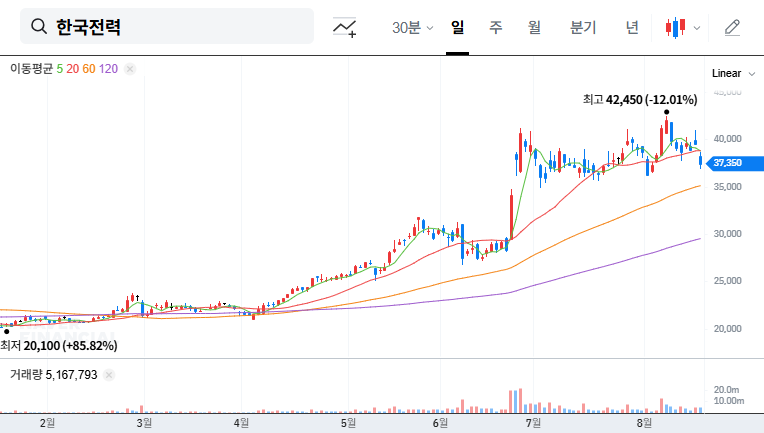
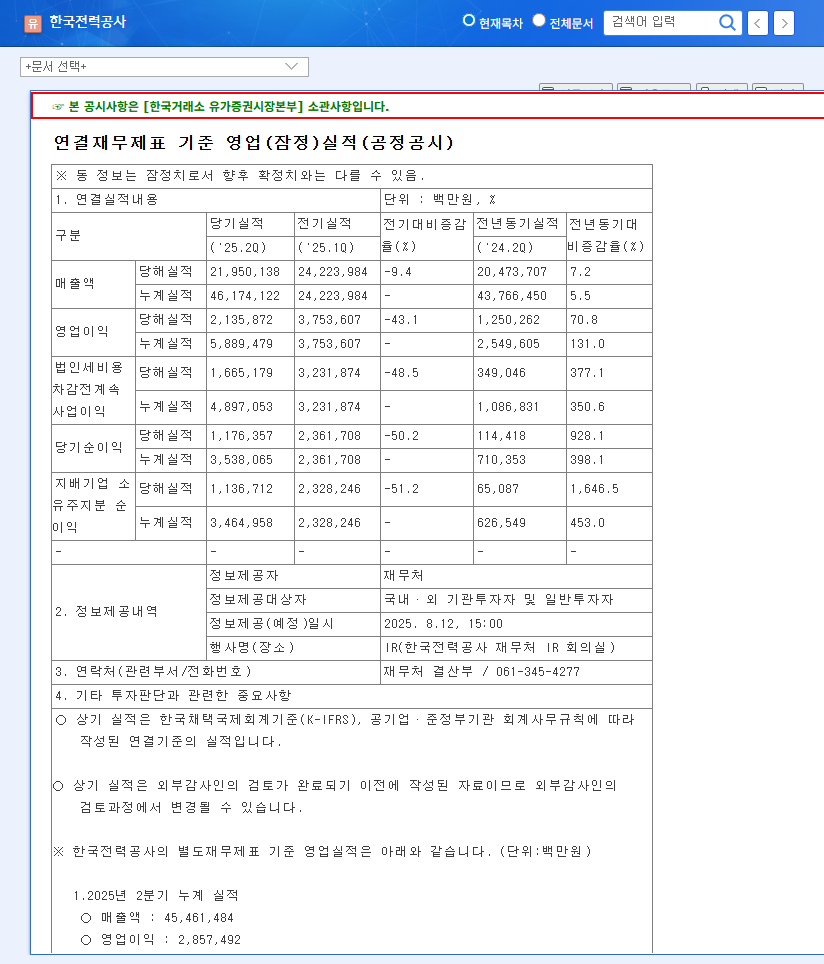
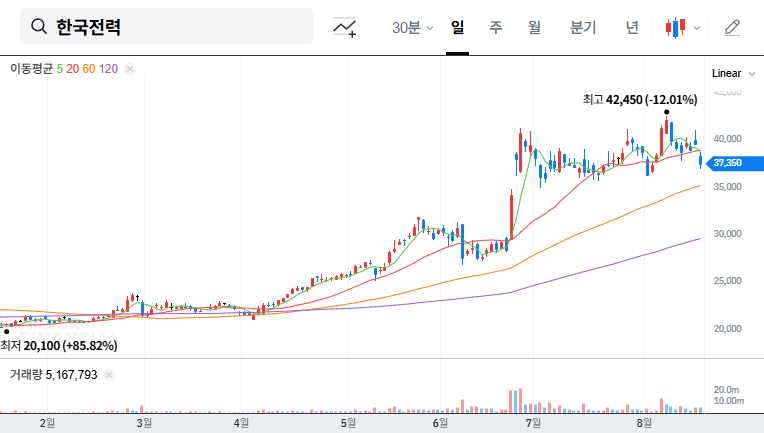
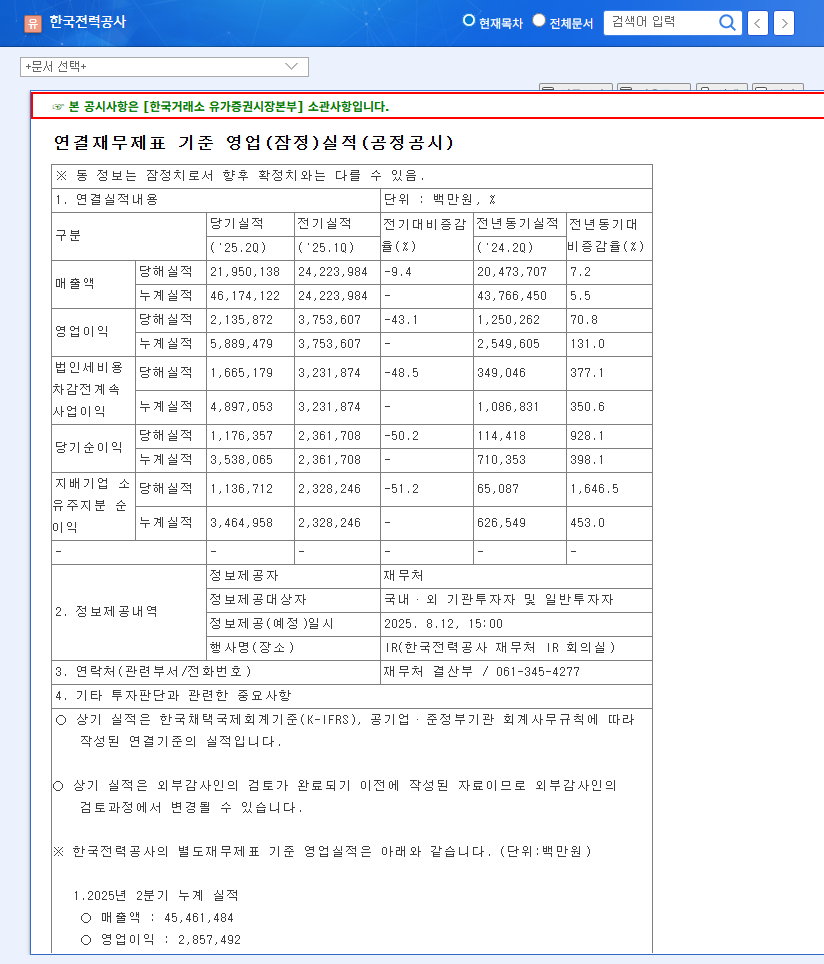
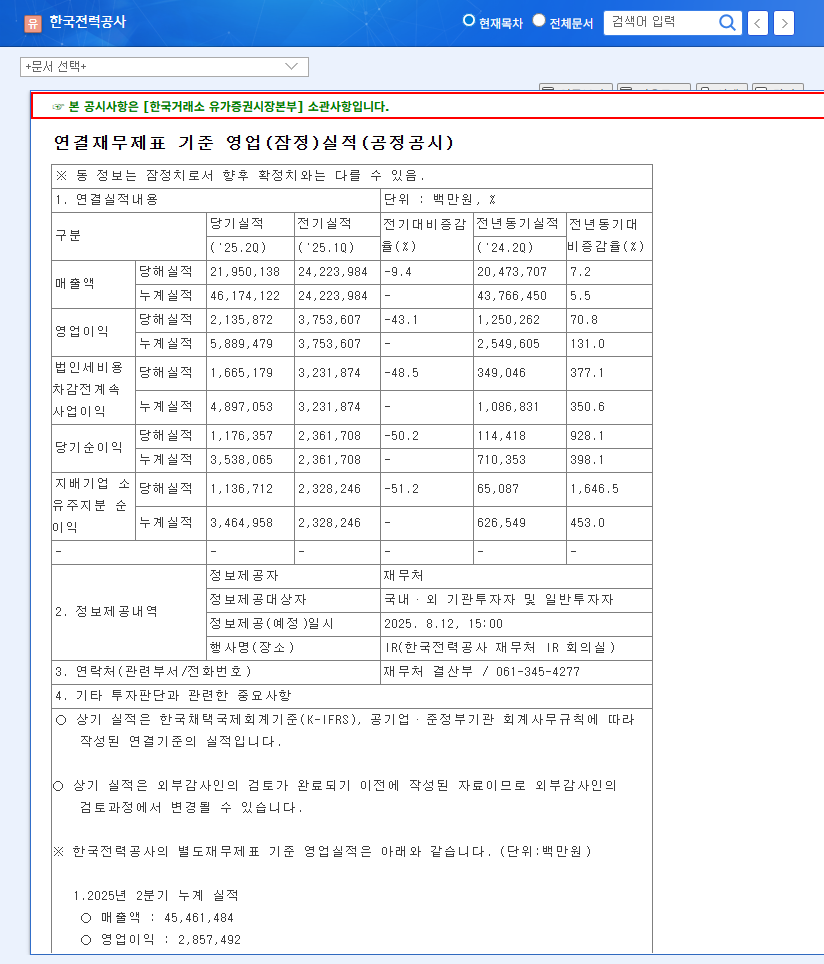
    In a powerful demonstration of recovery, KOREA ELECTRIC POWER CORPORATION reported a consolidated revenue of 46.1741 trillion KRW, a year-on-year increase of 5.5%. Even more impressively, operating profit surged by 23.2% to reach 5.8895 trillion KRW. This robust performance led to a net income surplus of 3.5381 trillion KRW, a figure that decisively beat market consensus. These figures, confirmed in their official disclosure (Source: DART), signal that KEPCO’s operational and strategic adjustments are beginning to yield substantial financial fruit.

    Key Drivers Fueling KEPCO’s Remarkable Growth

    1. The Resurgence of Nuclear Power & Operational Excellence

    A cornerstone of the improved KEPCO earnings was the exceptional performance of its nuclear power division. Achieving a high utilization rate of 92.1%, the nuclear fleet provided a stable and cost-effective source of electricity, which is crucial for profitability. This operational excellence is being exported globally, with KEPCO expanding its overseas nuclear projects in the Czech Republic and the UAE. This not only diversifies revenue but also showcases the company’s world-class technological capabilities on an international stage.

    2. Strategic Tariff Adjustments and Digital Transformation

    On the revenue side, an increase in electricity sales tariffs for industrial use played a significant role. This adjustment reflects both the recovery of domestic economic activity and a more favorable regulatory environment. Concurrently, KEPCO has enhanced operational efficiency and customer satisfaction through digital initiatives like the ‘KEPCO ON’ platform. This focus on technology-driven service improvement helps in retaining a loyal customer base for the long term.

    3. A Decisive Pivot to Future Energy Solutions

    KEPCO is proactively future-proofing its portfolio. The completion of major projects like the Jeju Hanlim Offshore Wind Power Complex and strategic acquisitions in Saudi Arabia and the U.S. highlight a serious commitment to renewable energy. This aligns with global ESG trends and diversifies the energy mix. Furthermore, investments in replacing aging coal plants with efficient LNG facilities and developing hydrogen co-firing technology show that KEPCO is adapting to tightening environmental regulations and a changing energy landscape.

    KEPCO’s H1 2025 performance is more than a financial rebound; it’s a strategic pivot, balancing the stability of nuclear power with aggressive expansion into renewable and future-proof energy technologies.

    Financial Health & External Risks: A Balanced View

    The Lingering Challenge of Debt

    Despite the positive earnings, a key concern for any KEPCO investment thesis is its financial structure. The consolidated debt ratio, while slightly improved, stood at a high 110% at the end of H1. This level of leverage poses a risk, particularly in a rising interest rate environment, as it could significantly increase interest payment burdens and pressure financial soundness. Close monitoring of KEPCO’s deleveraging efforts is essential for investors.

    External Headwinds to Monitor

    Several external variables could impact the KEPCO stock price and future earnings:

    • Government Policy: As a state-owned utility, KEPCO’s profitability is heavily influenced by government decisions on electricity tariffs and renewable energy mandates (RPS).
    • Macroeconomic Factors: Fluctuations in the Korean Won’s exchange rate can affect the cost of servicing foreign currency debt, while rising interest rates increase borrowing costs.
    • Global Energy Prices: The price of international commodities like oil and natural gas directly impacts fuel costs for thermal power generation, creating potential volatility in profit margins.

    Action Plan for KEPCO Investors

    The strong KEPCO earnings and forward-looking strategy present a compelling case, but investors must weigh this against the financial and external risks. From a long-term perspective, KEPCO’s strategic positioning within the global energy transition is a significant advantage. The company’s deep expertise in nuclear power and its growing footprint in renewables could drive substantial corporate value over the next decade. The global shift towards sustainable energy is a powerful tailwind, a trend frequently highlighted by sources like the International Energy Agency.

    In conclusion, KOREA ELECTRIC POWER CORPORATION is at an exciting inflection point. While the high debt ratio requires cautious monitoring, the company’s ability to generate strong profits, innovate in future technologies, and expand globally suggests a positive outlook. Investors should adopt a long-term perspective, carefully tracking KEPCO’s progress in improving its financial structure while capitalizing on its growth engines. For more analysis on this sector, you can explore our complete guide to investing in Asian utility stocks.
    (015760) KEPCO Earnings (015760) H1 2025: Deep Dive into Record Profits & Stock Outlook 관련 이미지
    (015760) KEPCO Earnings (015760) H1 2025: Deep Dive into Record Profits & Stock Outlook 관련 이미지
  • (015760) KEPCO’s Strategic KENTECH Investment: A Deep Dive into Future Energy and ESG Leadership

    (015760) KEPCO’s Strategic KENTECH Investment: A Deep Dive into Future Energy and ESG Leadership

    A significant KEPCO investment has been announced, signaling a major strategic push towards solidifying its role as a leader in the next generation of energy. The Korea Electric Power Corporation (KEPCO), a cornerstone of the nation’s energy infrastructure, has committed an additional KRW 45.893 billion for 2025 to the Korea Institute of Energy Technology (KENTECH). This move is far more than a simple financial transaction; it’s a calculated investment in human capital, technological innovation, and the company’s long-term sustainability through robust ESG management.

    This analysis will explore the multifaceted implications of this decision, examining its impact on KEPCO’s financial health, its long-term competitive positioning in the future energy landscape, and what it means for investors navigating an increasingly complex macroeconomic environment.

    The Investment Details: A Commitment to Innovation

    On November 11, 2025, KEPCO officially confirmed its 2025 financial commitment to KENTECH, totaling KRW 45.893 billion. This figure includes a previously disclosed KRW 35.9 billion and a new allocation of KRW 9.993 billion earmarked for university operations and critical campus construction. This strategic funding, as detailed in the Official Disclosure (Source: DART), is designed to empower KENTECH as a premier institution for nurturing the talent that will drive the future energy industry forward.

    Why This KEPCO Investment Matters: Securing a Sustainable Future

    KEPCO’s investment in KENTECH is anchored in three clear strategic pillars that aim to secure its long-term growth and reinforce its commitment to corporate responsibility.

    Cultivating a World-Class Talent Pipeline

    The global energy transition demands a new generation of engineers, researchers, and policymakers. KENTECH is positioned to be the primary source of this specialized talent for KEPCO. By funding specialized education in areas like renewable energy integration, smart grid technology, and advanced nuclear science, KEPCO ensures a direct pipeline of skilled professionals ready to tackle the industry’s most pressing challenges.

    Driving Technological Innovation and Competitiveness

    This financial support extends beyond the classroom to the laboratory. The KEPCO investment will fuel cutting-edge research at KENTECH, fostering the development of proprietary technologies and novel energy solutions. This synergy between academic research and industrial application is crucial for KEPCO to maintain its competitive edge, particularly in high-growth sectors like hydrogen/ammonia energy and international projects such as the UAE nuclear power exports. It complements the company’s existing R&D budget of KRW 113 billion, creating a powerful innovation ecosystem.

    Strengthening ESG Management and Corporate Image

    In today’s market, strong ESG management is non-negotiable for attracting institutional capital. Investing in education and community development is a powerful demonstration of KEPCO’s commitment to the ‘S’ (Social) in ESG. This not only enhances its corporate image as a socially responsible leader but also improves its ESG ratings, making the company more attractive to a growing class of sustainability-focused investors. For more information, you can read about our comprehensive ESG initiatives.

    Financial and Strategic Impact Analysis

    While the short-term financial impact is minimal, the long-term strategic value of the KENTECH investment lies in building a resilient foundation for future growth, technological leadership, and enhanced corporate value.

    Short-Term Outlook: Reputational Gain, Negligible Financial Strain

    The investment of KRW 45.893 billion represents a tiny fraction of KEPCO’s total assets, which stand at nearly KRW 250 trillion. Consequently, its direct impact on the company’s short-term financial statements is negligible. While KEPCO reported a solid operating profit of KRW 5.8895 trillion on revenues of KRW 46.1741 trillion in H1 2025, its substantial debt of KRW 206.2323 trillion remains a key management focus. The immediate benefit of the KENTECH investment is therefore not on the balance sheet, but in the enhancement of KEPCO’s corporate image and its appeal to ESG-conscious stakeholders.

    Long-Term Outlook: A Foundation for Market Leadership

    The true return on this investment will be realized over the next decade. The talent and technology incubated at KENTECH will directly fuel KEPCO’s growth engines. This strategic foresight is essential for navigating global energy trends, as outlined by authoritative bodies like the International Energy Agency (IEA). The long-term accumulation of intellectual property and a highly skilled workforce will create a sustainable competitive advantage, leading to enhanced profitability and corporate value appreciation.

    Navigating Macroeconomic Headwinds

    Investors must consider this strategic investment within the context of the broader macroeconomic environment, which presents both challenges and opportunities for Korea Electric Power Corporation.

    • Currency Risk: The weak Korean Won (KRW/USD at 1,679.60 as of Nov 10, 2025) increases the cost of imported fuel and servicing foreign currency debt, a risk KEPCO actively manages with derivatives.
    • Interest Rate Sensitivity: With benchmark rates at 4.00% in the US and 2.50% in Korea, any upward shifts directly increase interest expenses on KEPCO’s significant debt load.
    • Commodity Prices: Stable international oil prices ($60.19/barrel) are favorable, but volatility remains a key factor influencing thermal power generation costs.

    Investor Takeaway: A Long-Term Value Play

    The KEPCO investment in KENTECH is unlikely to be a short-term catalyst for its stock price (KRW 28,500 as of Nov 10, 2025). Instead, it should be viewed as a fundamental-building activity that strengthens the company’s long-term value proposition. For investors, the key is to monitor not only the macroeconomic risks but also the tangible outcomes of this investment. Watch for progress in KENTECH’s research output, the successful integration of its graduates into KEPCO, and subsequent improvements in operational efficiency and innovation. This strategic move reinforces KEPCO’s position not just as a utility, but as an architect of the future energy ecosystem.

    (015760) KEPCO's Strategic KENTECH Investment: A Deep Dive into Future Energy and ESG Leadership 관련 이미지
    (015760) KEPCO's Strategic KENTECH Investment: A Deep Dive into Future Energy and ESG Leadership 관련 이미지
  • (015760) KOREA ELECTRIC POWER CORPORATION (KEPCO) Q3 2025 IR: A Deep Dive for Investors

    (015760) KOREA ELECTRIC POWER CORPORATION (KEPCO) Q3 2025 IR: A Deep Dive for Investors

    The upcoming Investor Relations (IR) conference for KOREA ELECTRIC POWER CORPORATION (KEPCO) on November 13, 2025, is a pivotal event for the market. As the cornerstone of South Korea’s energy infrastructure, KEPCO’s financial health and strategic direction have far-reaching implications for investors and the national economy. This Q3 2025 deep dive will go beyond the surface-level numbers, exploring the intricate web of financial burdens, volatile global markets, and evolving government energy policies that define KEPCO’s current landscape.

    This analysis offers a comprehensive breakdown of the critical highlights from KEPCO’s upcoming Q3 IR, providing investors with the essential factors to consider. We will dissect the opportunities and threats, analyze the macroeconomic pressures, and outline a strategic action plan for navigating the information revealed. What vision will KOREA ELECTRIC POWER CORPORATION (KEPCO) present to navigate these turbulent times? Let’s explore the details.

    KEPCO Q3 2025 IR: Event Details & Market Significance

    KOREA ELECTRIC POWER CORPORATION (KEPCO) has officially scheduled its Q3 2025 financial results IR conference for November 13, 2025, at 3:00 PM KST. The primary goal is to transparently disclose the detailed performance metrics and the rationale behind key financial shifts. With a market capitalization of 29,722.9 billion KRW as of November 10, 2025, KEPCO’s every announcement sends ripples through the market. The official event details can be corroborated via the Official Disclosure on DART. This event is not merely a formality; it is a crucial barometer of the company’s resilience and future trajectory.

    This IR is a critical moment. Investors will be scrutinizing KEPCO’s ability to present a credible roadmap for deleveraging its balance sheet while funding the necessary green energy transition. The commentary from management will be just as important as the numbers themselves.

    Fundamental Analysis of KOREA ELECTRIC POWER CORPORATION (KEPCO)

    A balanced KEPCO stock analysis requires looking at both its inherent strengths and the significant headwinds it faces. Below is a breakdown of the core factors shaping its investment profile.

    Strengths and Opportunities (Bull Case)

    • Dominant Market Position: As an essential utility, KEPCO enjoys stable electricity sales, evidenced by a 5.5% semi-annual revenue increase in 2025. This provides a consistent, albeit regulated, revenue stream.
    • Stellar Credit Rating: Top-tier domestic and international credit ratings give KEPCO favorable access to capital markets for fundraising, a crucial advantage given its large investment needs.
    • Future Growth Investments: Proactive investments in next-generation energy sources like green hydrogen, ammonia, and large-scale renewable projects signal a long-term strategy to pivot towards a more sustainable and potentially profitable future.
    • R&D Leadership: Continuous investment in research and development helps secure technological competitiveness, essential for leading the future of the energy market.

    Weaknesses and Threats (Bear Case)

    • Crushing Financial Burden: A high debt-to-equity ratio and accumulated losses are the most significant risks. The government’s reluctance to approve substantial tariff hikes to match fuel costs puts immense pressure on profitability.
    • Macroeconomic Sensitivity: As a major importer of fuel, KEPCO’s finances are highly sensitive to fluctuations in global oil prices and currency exchange rates (KRW/USD). A weaker won directly increases costs.
    • Heavy Capital Expenditure: Massive ongoing investments, such as the construction of High-Voltage Direct Current (HVDC) transmission lines, require substantial capital and can strain financial resources in the short to medium term.
    • Regulatory Uncertainty: The company’s profitability is intrinsically linked to government energy policies and tariff regulations, which can change based on political considerations, creating uncertainty for long-term KEPCO investment.

    Macroeconomic Headwinds and Their Impact

    KEPCO’s performance cannot be analyzed in a vacuum. Key macroeconomic indicators, often tracked by sources like Reuters, directly influence its bottom line. The recent upward trend in the KRW/USD exchange rate poses a direct threat, increasing the cost of imported fuel. While international oil prices have hovered around $60 per barrel, any sudden spike could severely impact generation costs. Furthermore, sustained high interest rates in global markets and South Korea’s benchmark rate of 2.50% increase the burden of servicing KEPCO’s substantial debt.

    On a more positive note, a decline in shipping costs, reflected in indices like the Baltic Dirty Tanker Index, could provide some relief by lowering raw material transportation expenses. Investors must watch these external factors as closely as the company’s internal reports. Understanding this dynamic is crucial for anyone investing in the South Korean energy sector.

    Actionable Investor Checklist for the IR Call

    During the KEPCO Q3 2025 IR, investors should listen for specific details that address both short-term performance and long-term strategy. The quality of earnings is paramount, but the narrative and forward-looking statements are equally critical.

    Key Questions for Investors to Consider:

    • Earnings Quality: Do the Q3 results meet, beat, or miss market consensus? More importantly, what is the underlying trend in operating margins, excluding one-off items?
    • Path to Profitability: Does management provide a concrete, believable plan for improving profitability? This includes specifics on cost reduction, efficiency gains, and any commentary on the possibility of tariff adjustments.
    • Future Growth Clarity: Are the plans for hydrogen and renewables backed by detailed investment scales, projected timelines, and potential profitability metrics, or are they still vague concepts?
    • Financial Health Commitment: What is the explicit strategy for managing the high debt ratio? Are there plans for asset sales, changes to dividend policy, or new fundraising strategies?
    • Risk Management: How is the company hedging against currency and commodity price volatility? What strategies are in place to mitigate these macroeconomic risks?

    In conclusion, the KOREA ELECTRIC POWER CORPORATION (KEPCO) Q3 IR is a critical data point. A positive report coupled with a strong strategic vision could boost investor confidence. However, the persistent financial overhang and external pressures remain significant risks. Prudent investors will weigh the information presented against the broader economic context before making any decisions.

    Disclaimer: This article is for informational purposes only and does not constitute investment advice. The ultimate responsibility for investment decisions rests with the individual investor. Always conduct your own research and consider consulting a financial professional.

    (015760) KOREA ELECTRIC POWER CORPORATION (KEPCO) Q3 2025 IR: A Deep Dive for Investors 관련 이미지
    (015760) KOREA ELECTRIC POWER CORPORATION (KEPCO) Q3 2025 IR: A Deep Dive for Investors 관련 이미지
  • (006910) Bosung Powertec (006910) Secures ₩23.5B KEPCO Contract Amid AI Power Boom

    (006910) Bosung Powertec (006910) Secures ₩23.5B KEPCO Contract Amid AI Power Boom

    In a significant development for the energy sector, Bosung Powertec (006910) is capturing significant market attention. As the demand for electricity skyrockets, fueled by the explosive growth of Artificial Intelligence (AI) and data centers, global investment in power infrastructure has become critical. Bosung Powertec has strategically positioned itself at the forefront of this trend, recently securing a major contract with the Korea Electric Power Corporation (KEPCO) that underscores its pivotal role in building the grid of the future.

    This comprehensive analysis will delve into the specifics of this landmark deal, evaluate the company’s robust fundamentals, and explore the broader market dynamics shaping the future of power infrastructure investment. Join us as we unpack the value and long-term potential of Bosung Powertec in an increasingly electrified world.

    The Landmark ₩23.5 Billion KEPCO Contract

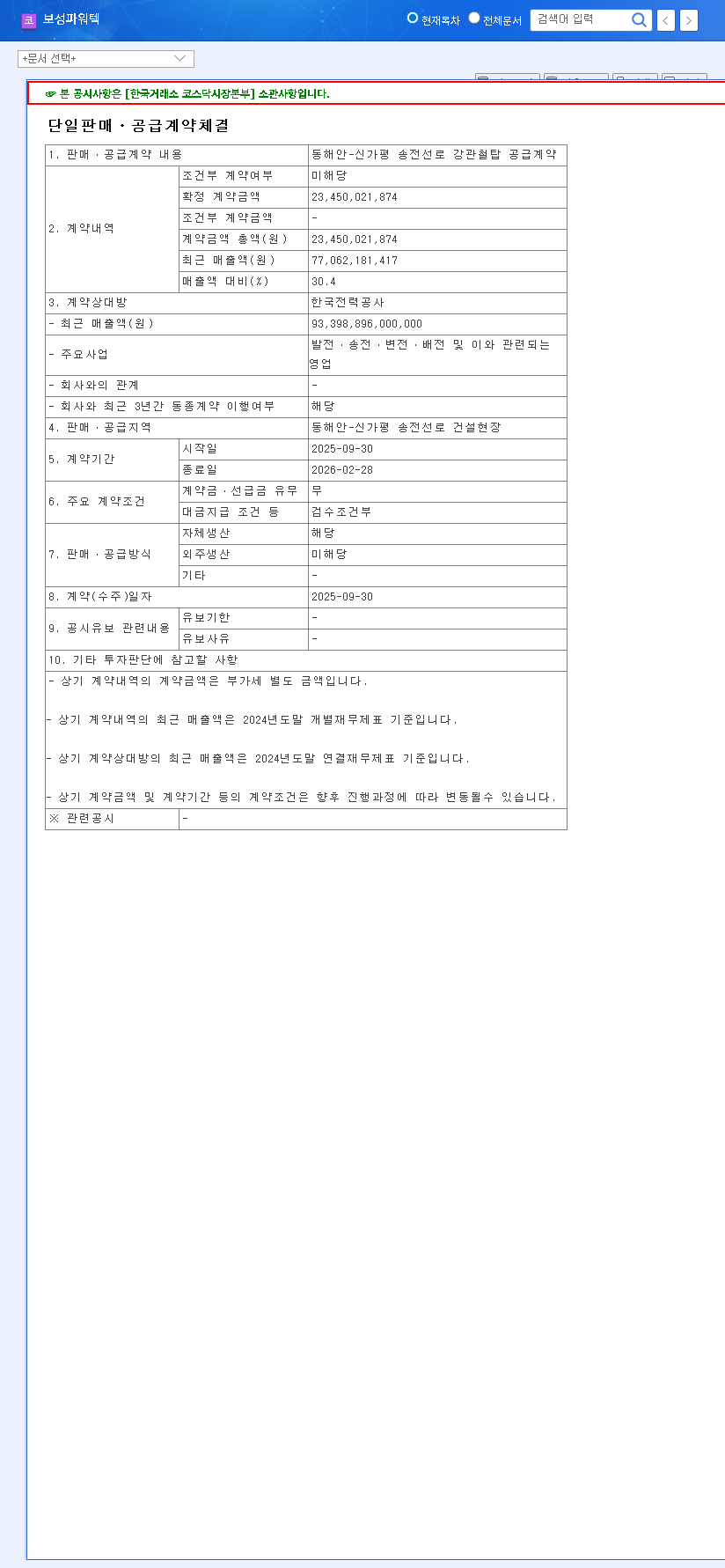
    On September 30, 2025, Bosung Powertec officially announced the signing of a ₩23.5 billion ‘Donghae-Singapyeong Transmission Line Steel Tower Supply Contract’ with KEPCO. This deal is not just another order; it represents a substantial 30.4% of the company’s entire revenue from the first half of 2025. The contract’s execution period is set from September 30, 2025, to February 28, 2026, ensuring a direct and positive impact on the company’s short-term financial performance. The official filing can be viewed in the Official Disclosure (DART).

    Underlying Strengths: Why Bosung Powertec?

    Robust Financial Health and Core Business Focus

    Bosung Powertec’s selection by a major public entity like KEPCO is backed by its strong financial performance and focused business structure. In the first half of 2025, the company showcased impressive profitability. While revenue saw a minor dip, its operating profit margin dramatically improved from 1.78% to a remarkable 15.21%, signaling enhanced operational efficiency. This financial stability is a key factor for securing large-scale public contracts.

    • Dominant Market Position: The company’s core business is power equipment, with the transmission line steel tower segment accounting for a commanding 77.62% of its total revenue.
    • Stable Financials: As of H1 2025, its debt-to-equity ratio stood at a manageable 32.21%, indicating a low reliance on debt and a healthy balance sheet.

    Tailwinds from the AI Power Demand Surge

    The global economic landscape is being reshaped by AI, and its thirst for energy is insatiable. The proliferation of data centers for training and running AI models is creating unprecedented electricity demand. According to reports from the International Energy Agency, data center electricity consumption is projected to double by 2026. This requires a massive reinforcement of national power grids, directly benefiting companies like Bosung Powertec that provide the essential hardware for transmission and distribution networks.

    This KEPCO contract is more than a financial boost; it’s a market validation of Bosung Powertec’s critical role in powering the AI revolution. It solidifies their position as a key supplier for essential power infrastructure upgrades.

    Investment Outlook: Stability Meets Growth Momentum

    The contract with KEPCO provides Bosung Powertec with a powerful combination of guaranteed revenue and enhanced credibility. This single deal de-risks a significant portion of its near-term revenue forecast and opens doors for future opportunities, both domestically and internationally.

    Key Positive Factors for Investors

    • Revenue Visibility: The ₩23.5 billion order provides strong, predictable revenue streams for H2 2025 and H1 2026.
    • Strengthened Market Leadership: Securing a large-scale project with a national utility reaffirms its technological and competitive edge in the steel tower business.
    • Enhanced Stability & Credibility: A contract with a state-owned entity like KEPCO significantly enhances business stability and brand reputation.

    Potential Risks to Monitor

    While the outlook is overwhelmingly positive, prudent investors should remain aware of potential challenges.

    • Execution Risk: Large projects require meticulous management of timelines, supply chains (e.g., steel prices), and labor to maintain profitability.
    • Order Pipeline: Sustained growth depends on continuously securing new orders beyond this flagship contract.

    In conclusion, this major KEPCO contract serves as a powerful catalyst for Bosung Powertec. It aligns the company perfectly with the macro trend of power infrastructure investment driven by the AI era. For investors with a long-term perspective, Bosung Powertec presents a compelling case. To explore similar opportunities, you can read our analysis of top grid modernization stocks to watch.

    Frequently Asked Questions (FAQ)

    What are the details of the Bosung Powertec-KEPCO deal?

    Bosung Powertec has secured a ₩23.5 billion contract to supply transmission line steel towers for the Donghae-Singapyeong project with KEPCO. This significant deal represents over 30% of its H1 2025 revenue.

    How does the rise of AI benefit Bosung Powertec?

    The massive electricity consumption of AI and data centers necessitates a stronger, more expansive power grid. Bosung Powertec manufactures the critical steel towers required for these high-voltage transmission lines, placing it in a prime position to benefit from increased power infrastructure investment.

    Is Bosung Powertec a financially stable company?

    Yes. In the first half of 2025, the company demonstrated a significantly improved operating profit margin of 15.21% and maintains a healthy, low debt-to-equity ratio of 32.21%, indicating strong financial and operational health.

    Disclaimer: This article is for informational purposes only and does not constitute investment advice. The responsibility for investment decisions lies solely with the individual investor.

    (006910) Bosung Powertec (006910) Secures ₩23.5B KEPCO Contract Amid AI Power Boom 관련 이미지
  • (007610) Seondo Electric (007610) Contract: In-Depth Analysis of the ₩3.3B KEPCO Deal

    (007610) Seondo Electric (007610) Contract: In-Depth Analysis of the ₩3.3B KEPCO Deal

    Analyzing the Landmark Seondo Electric Contract with KEPCO

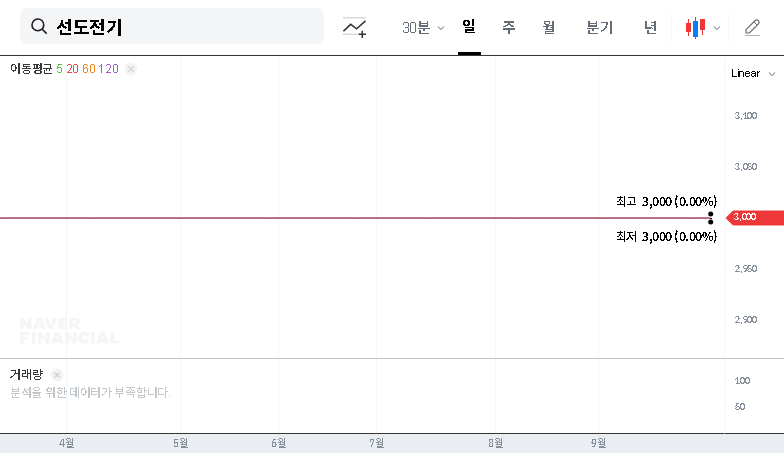
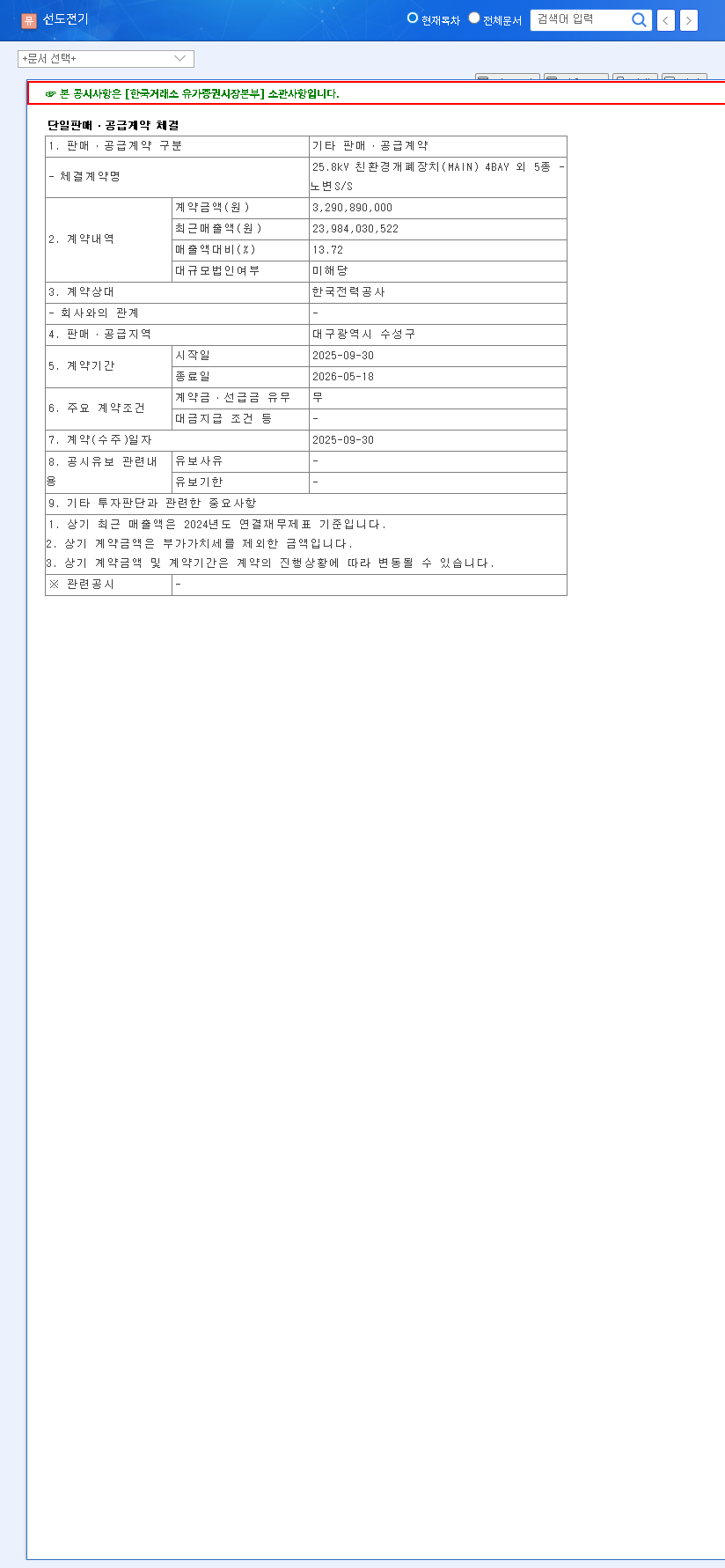
    The recent announcement of the Seondo Electric contract has sent ripples through the market. Seondo Electric (KRX: 007610) officially secured a significant ₩3.3 billion single sales and supply agreement with the Korea Electric Power Corporation (KEPCO), a cornerstone of South Korea’s energy infrastructure. This deal, representing a substantial 13.72% of the company’s 2024 revenue, raises a critical question for investors: is this a genuine turning point for the company or merely a temporary boost? This comprehensive analysis will delve into the contract’s specifics, Seondo Electric’s underlying financial health, and the broader implications for its stock performance.

    Contract Details: A ₩3.3 Billion Eco-Friendly Boost

    On September 30, 2025, Seondo Electric formalized the supply deal with KEPCO. The agreement centers on the provision of 25.8kV eco-friendly switchgear and other related items. This technology is crucial for modernizing power grids, enhancing safety, and reducing environmental impact. The key details of this pivotal agreement are outlined below:

    • Counterparty: Korea Electric Power Corporation (KEPCO)
    • Contract Value: ₩3.3 billion KRW
    • Contract Period: September 30, 2025, to May 18, 2026 (approx. 7.5 months)
    • Revenue Impact: 13.72% of 2024’s revenue (₩23.267 billion KRW)
    • Supply Region: Suseong-gu, Daegu Metropolitan City

    This information is based on the company’s public filing. For complete transparency, investors can review the Official Disclosure (DART Report).

    Financial Health: A Tale of Two Stories

    While this KEPCO contract is undoubtedly a positive development, it’s crucial to place it within the context of Seondo Electric’s broader financial situation. The company faces significant headwinds that this single deal, however large, may not entirely mitigate.

    The Upside: A Much-Needed Lifeline

    The immediate impact is clear. A guaranteed revenue stream of this magnitude will bolster short-term performance and improve the company’s order book. Partnering with a stable, public-sector entity like KEPCO enhances credibility and demonstrates Seondo Electric’s technical capabilities. This revenue injection is expected to flow through to operating profit, assuming costs for raw materials and labor can be managed effectively.

    The Challenge: Deep-Rooted Financial Risks

    Investors performing a Seondo Electric stock analysis must look beyond this single contract. In 2024, the company saw its revenue decline by 44.3% year-over-year, culminating in an operating loss of ₩5.748 billion. This downturn is a result of a wider industry slump and rising material costs. More critically, the company’s current liabilities exceed its current assets, raising concerns about its ability to continue as a going concern. While management is pursuing financial restructuring, the clock is ticking, with an improvement period for its listing eligibility set to expire in April 2025.

    The ₩3.3 billion KEPCO contract provides a crucial revenue boost, but it must be viewed against a backdrop of significant financial challenges and an urgent need to secure long-term stability and profitability.

    Macroeconomic & Strategic Outlook

    No company operates in a vacuum. Seondo Electric’s future will also be shaped by external forces. Volatility in the KRW/USD exchange rate can inflate the cost of imported raw materials, squeezing margins. Furthermore, while the trend towards eco-friendly infrastructure is a major tailwind, as noted by organizations like the International Energy Agency (IEA), the company must navigate fluctuating commodity prices and global interest rate policies that can impact capital investment.

    Strategically, the Seondo Electric contract serves as a powerful proof of concept for its green technology, potentially opening doors to further public and private sector projects focused on grid modernization.

    Action Plan for Investors: A ‘Conservatively Positive’ Stance

    Given the circumstances, a ‘conservatively positive’ outlook is warranted. The contract will likely provide a short-term lift to investor sentiment and the stock price. However, long-term success hinges on the company’s ability to address its fundamental financial weaknesses. Sustainable recovery requires more than one successful deal.

    Key Monitoring Points for Seondo Electric 007610

    • Profitability Tracking: Closely monitor quarterly reports to see if this contract’s revenue translates into actual profit and positive cash flow.
    • New Order Pipeline: Look for announcements of additional contracts to demonstrate sustained business momentum beyond the KEPCO deal.
    • Listing Eligibility Progress: Pay strict attention to any news regarding the resolution of listing eligibility issues before the April 2025 deadline.
    • Financial Health Metrics: For a deeper dive, read our guide on Understanding Financial Health in the Electrical Components Industry.

    (007610) Seondo Electric (007610) Contract: In-Depth Analysis of the ₩3.3B KEPCO Deal 관련 이미지
  • Korea Electric Power Corporation’s (KEPCO) Q2 2025 Earnings Analysis: A Deep Dive


    Korea Electric Power Corporation's (KEPCO) Q2 2025 Earnings Analysis: A Deep Dive 대표 차트 이미지


    KEPCO Q2 2025 Earnings: Key Highlights

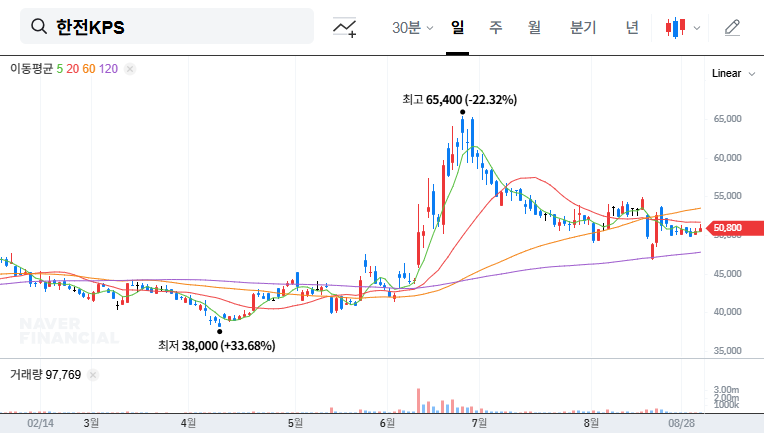
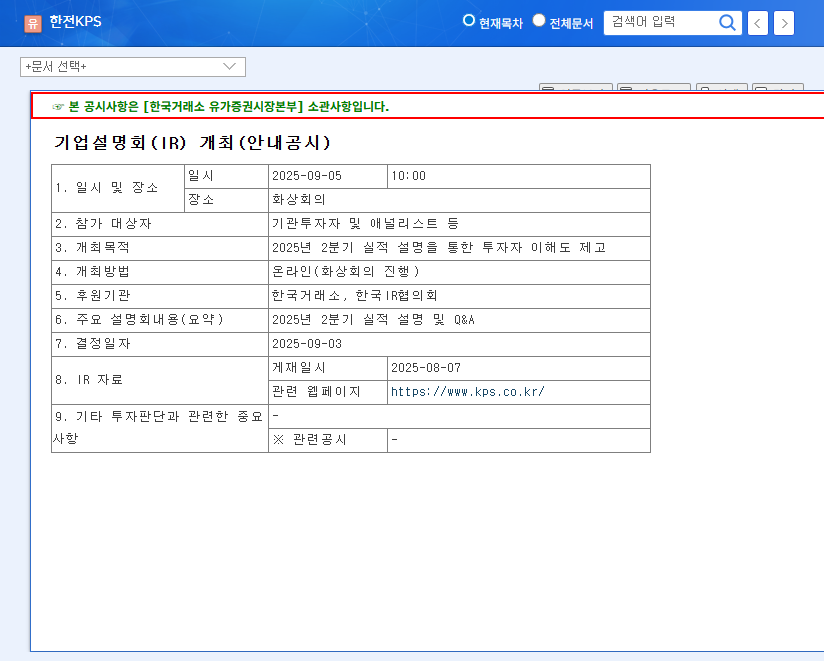
    KEPCO held its Q2 2025 earnings call on September 5, 2025. Despite growth in the nuclear and pumped storage power segment, overall revenue and operating profit declined year-over-year. The underperformance of the thermal power segment and uncertainty surrounding overseas projects were cited as primary factors.

    What Happened? Q2 Earnings Breakdown

    • Revenue: KRW 741.993 billion (Slight decrease YoY)
    • Operating Profit and Net Income: Decreased YoY (Growth maintained compared to FY2024)
    • Nuclear/Pumped Storage Power: KRW 253.224 billion (Significant increase YoY)
    • Thermal Power: KRW 300.003 billion (Decrease)
    • Transmission & Distribution: KRW 54.584 billion (Slight decrease)
    • Overseas Projects: Decrease in revenue

    Why Did This Happen? Drivers of Performance

    • Nuclear/Pumped Storage Growth: Driven by pro-nuclear energy policies outlined in the 11th Basic Plan for Long-Term Electricity Supply and Demand
    • Thermal Power Decline: Attributed to aging facilities and reduced investment
    • Overseas Project Challenges: Increased competition in the private power plant maintenance market and project volatility

    What’s Next? Outlook and Investment Strategy

    The government’s pro-nuclear policies are expected to be a tailwind for KEPCO. However, the slowdown in thermal power and intensifying competition in overseas markets require careful monitoring. Securing future growth engines, such as renewable energy projects, is crucial.

    What Should Investors Do? Action Plan

    Investors should thoroughly analyze the information presented in the earnings call and continuously monitor macroeconomic indicators and competitor activity. Closely examining the growth potential of the nuclear/pumped storage segment and the company’s plans for renewable energy projects is essential.


    Frequently Asked Questions (FAQ)

    What are KEPCO’s main business segments?

    KEPCO primarily focuses on power plant maintenance, providing services for various types of power generation facilities, including nuclear, hydro, thermal, pumped storage, and transmission & distribution. The company also participates in overseas power plant construction and operation projects.

    Why were Q2 results weaker than expected?

    Despite growth in the nuclear/pumped storage segment, the overall decline in performance was attributed to the underperformance of the thermal power segment and uncertainty surrounding overseas projects.

    What is the outlook for KEPCO?

    Supportive government policies for nuclear power are anticipated to benefit KEPCO. However, the decline in thermal power and increasing competition in overseas markets need ongoing attention. The development of new growth engines, such as renewable energy, is critical.


    Korea Electric Power Corporation's (KEPCO) Q2 2025 Earnings Analysis: A Deep Dive 관련 이미지
    Korea Electric Power Corporation's (KEPCO) Q2 2025 Earnings Analysis: A Deep Dive 관련 이미지


  • KEPCO H1 2025 Earnings Analysis: Balancing Growth and Debt, What’s the Investment Strategy?

    1. What Happened in KEPCO’s H1 2025?

    KEPCO reported consolidated revenue of KRW 46.17 trillion, operating profit of KRW 2.14 trillion, and net income of KRW 1.18 trillion. While robust electricity sales drove significant revenue growth, high interest expenses and debt burden remain key challenges.

    2. What Drove the Performance?

    • Positives: Increased electricity sales driven by economic recovery, strong performance in nuclear power generation, and expanding investments in renewable energy.
    • Negatives: A massive debt of KRW 206 trillion and a high debt-to-equity ratio of 475.6%, coupled with substantial interest expenses of KRW 2.47 trillion for the half-year and investment burden from large-scale assets under construction.

    3. What’s the Outlook for KEPCO?

    In the short term, high debt and the possibility of rising interest rates could constrain KEPCO’s profitability. However, in the long term, nuclear power plant exports and the expansion of renewable energy projects are expected to provide positive growth momentum.

    4. What Should Investors Do?

    KEPCO presents a complex investment proposition with both growth potential and inherent risks. Investors should carefully consider the company’s efforts to improve its financial structure, the performance of its new businesses, and changes in government policies before making investment decisions. The current investment recommendation is ‘Neutral’, and it’s crucial to closely monitor KEPCO’s progress in strengthening its financial health and achieving tangible results in its new ventures.

    Frequently Asked Questions

    Q: What are KEPCO’s main businesses?

    A: KEPCO is a public corporation responsible for the entire electricity business, including generation, transmission, distribution, and sales. It produces and supplies electricity through various sources, such as nuclear, thermal, hydro, and renewable energy.

    Q: What is KEPCO’s financial status?

    A: KEPCO’s high debt-to-equity ratio is a major concern. As of H1 2025, it stands at 475.6%, which could exacerbate financial burdens if interest rates rise. However, the company is striving for stabilization through government support and its own financial restructuring efforts.

    Q: What are KEPCO’s future growth drivers?

    A: KEPCO is focusing on exporting nuclear power plants and expanding its renewable energy business. Achievements in the nuclear sector, such as winning a new nuclear power plant contract in the Czech Republic and the commercial operation of the Barakah Nuclear Power Plant Unit 4 in the UAE, coupled with diversification of the renewable energy portfolio, including the Jeju Hallim offshore wind power project and the Sudair solar power project in Saudi Arabia, are expected to serve as long-term growth drivers.

  • KEPCO Q1 2025 Earnings Analysis: Profitability Returns, But Hidden Risks Remain

    1. KEPCO Q1 2025 Performance: What Happened?

    KEPCO reported revenue of KRW 24.224 trillion (up 4.0% YoY), operating profit of KRW 3.7536 trillion (returning to profitability), and net income of KRW 2.3617 trillion (also back in black). The surge in the nuclear power segment is particularly noteworthy, achieving KRW 4.2749 trillion in revenue (up 26% YoY), fueled by the success of the UAE nuclear power plant and the Czech nuclear power plant project.

    2. Reasons for the Turnaround: Why the Improvement?

    This return to profitability is attributed to a combination of factors: increased electricity sales prices, higher nuclear power generation, stabilized fuel costs, and efficient cost reduction efforts. The growth in nuclear power is expected to be a key competitive advantage for KEPCO in the era of carbon neutrality.

    3. Opportunities and Risks: What Does This Mean for Investors?

    • Opportunities: Nuclear power expansion, strengthened ESG management, improved financial health efforts, and investments in new businesses.
    • Risks: High debt-to-equity ratio (116%), government policies and tariff regulations, macroeconomic variables (exchange rates, interest rates, and raw material prices), and burdens from large-scale investments.

    Investors should consider these factors comprehensively. The high debt-to-equity ratio requires particular attention, as it could become a significant burden if interest rates rise.

    4. Investor Action Plan: How Should You Invest?

    If you are considering investing in KEPCO, you should continuously monitor the expansion of its nuclear power business, the performance of new growth engines, improvements in financial health, and changes in government policies. Focus on long-term growth potential rather than just short-term performance improvements.

    Frequently Asked Questions

    Q: What was KEPCO’s operating profit in Q1 2025?

    A: KRW 3.7536 trillion, marking a return to profitability.

    Q: What are the main risk factors for KEPCO?

    A: High debt levels, government policy volatility, and uncertainty in macroeconomic variables.

    Q: What was the growth rate of the nuclear power segment?

    A: It grew by 26% year-over-year.