In a significant strategic move, KoreaGasCorporation (KOGAS) has secured a major long-term KoreaGasCorporation natural gas supply agreement with Korea District Heating Corporation’s Suwon Combined Heat and Power (CHP) plant. This pivotal contract, officially disclosed on November 7, 2025, is poised to substantially strengthen KOGAS’s financial fundamentals, stabilize revenue streams, and reinforce its dominant market position for years to come. This analysis will explore the profound implications of this deal for the company and its investors.
Deconstructing the KOGAS Supply Contract
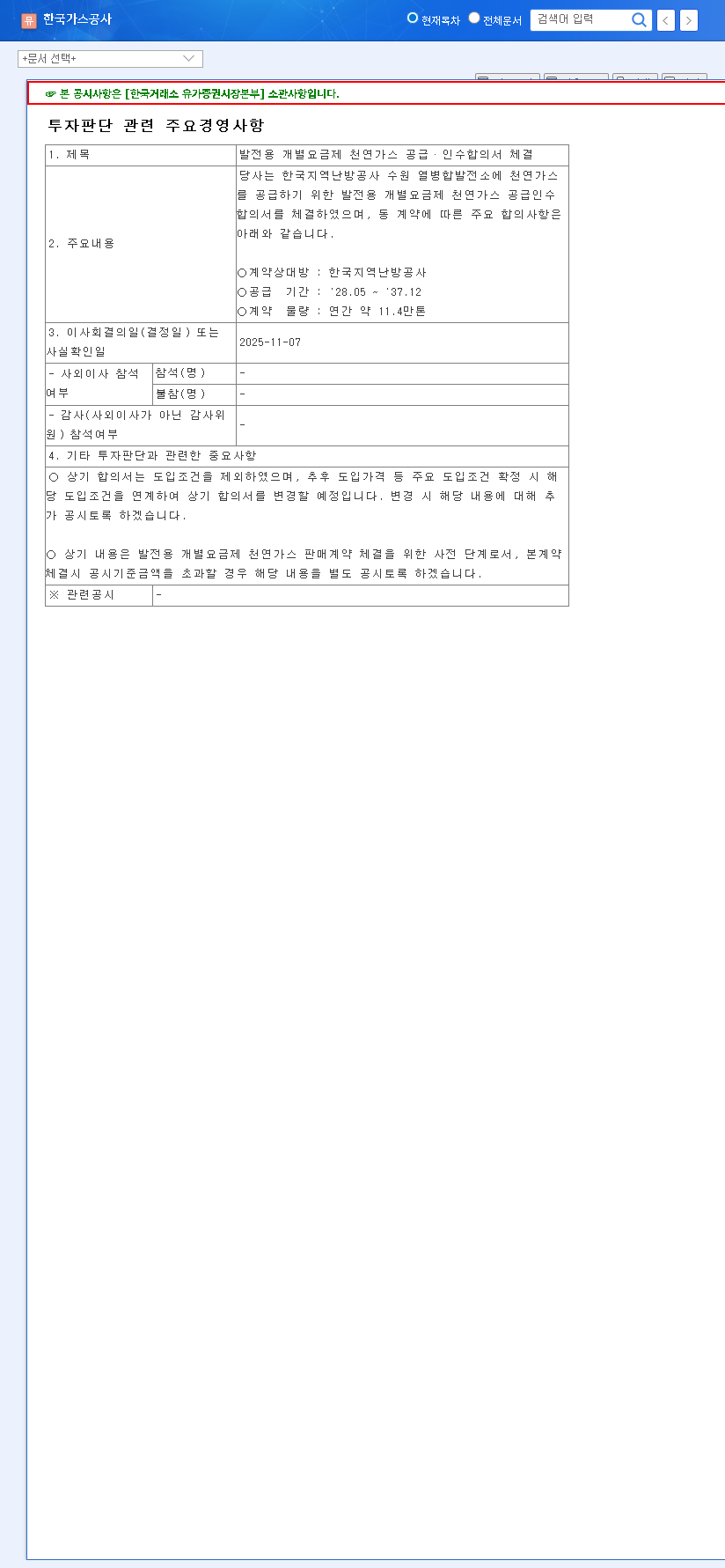
The agreement, officially titled ‘Agreement for Supply and Offtake of Natural Gas for Power Generation under Individual Tariff System,’ outlines a long-term partnership that ensures a stable energy source for the Suwon CHP plant. This isn’t merely a transactional sale; it’s a foundational agreement that provides crucial visibility into future earnings for KOGAS.
Key Contract Specifics
- •Counterparty: Korea District Heating Corporation (Suwon CHP Plant)
- •Volume: Approximately 114,000 tons of natural gas annually.
- •Duration: A substantial 9.5-year term, from May 2028 to December 2037.
- •Mechanism: Supply under the individual tariff system, which de-risks revenue from volatile market price fluctuations.
- •Official Disclosure: The complete details can be found in the Official DART Filing.
Core Impact on the KOGAS Financial Outlook
The strategic importance of this KOGAS supply contract extends far beyond simple sales figures. It directly addresses key financial metrics and bolsters the company’s long-term strategic initiatives.
Stabilizing Revenue and Enhancing Profitability
By locking in a decade of consistent demand, KOGAS secures a highly predictable revenue stream. The individual tariff system is the hero of this story, insulating KOGAS from the often-erratic swings of the global LNG spot market. This model generates revenue based on pre-agreed terms, ensuring profit stability and mitigating investment risk—a crucial factor for a company managing large-scale infrastructure and import logistics.
This contract effectively transforms a portion of KOGAS’s future revenue from a variable, market-dependent figure into a fixed, predictable annuity. This de-risking is a significant win for long-term financial planning and shareholder confidence.
Addressing Financial Structure and Debt Management
With a reported debt-to-equity ratio of 363.76% in H1 2025, debt management is a critical focus for KOGAS. The stable, long-term cash flow guaranteed by this deal provides the necessary foundation to methodically reduce this debt ratio. Predictable earnings improve the company’s credit profile, potentially lowering future borrowing costs and providing a stronger base for strategic investments, such as those in the burgeoning hydrogen sector. For more on global trends, see reports from the International Energy Agency (IEA).
Strategic Implications and Investor Takeaways
This deal reinforces the core strengths of KOGAS while providing a launchpad for future growth. As the sole natural gas wholesaler in South Korea, KOGAS already enjoys a dominant market position. This contract further entrenches that dominance and aligns perfectly with national energy policy, which views natural gas as a critical bridge fuel in the transition to renewables. You can read more about this in our analysis of South Korea’s energy transition goals.
Opportunities for Investors
- •Improved Fundamentals: The contract provides a clear path to enhanced revenue stability and better debt management, strengthening the company’s overall financial health.
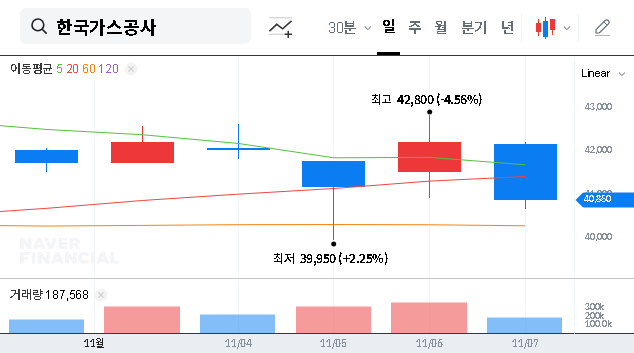
- •Positive Market Signal: It reaffirms KOGAS’s operational excellence and its ability to secure long-term, high-value contracts, potentially leading to positive stock re-evaluation.
- •Future Growth Catalyst: A stable core business in KoreaGasCorporation natural gas supply frees up capital and reduces risk for strategic ventures into hydrogen and other next-generation energy solutions.
Risk Factors to Monitor
While overwhelmingly positive, investors should remain aware of potential headwinds. The global energy market is susceptible to geopolitical shocks that can affect LNG supply chains and pricing. Furthermore, the capital-intensive nature of new ventures like hydrogen carries inherent execution risk. Continuous monitoring of macroeconomic conditions, regulatory changes, and progress on these new initiatives is advised.
In conclusion, the KOGAS supply contract with the Suwon CHP plant is a landmark agreement. It provides a decade of financial stability, strengthens the company’s market leadership, and solidifies the foundation from which KOGAS can pursue its ambitious future growth plans.