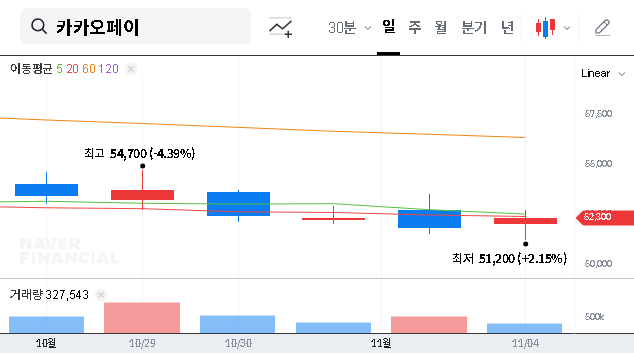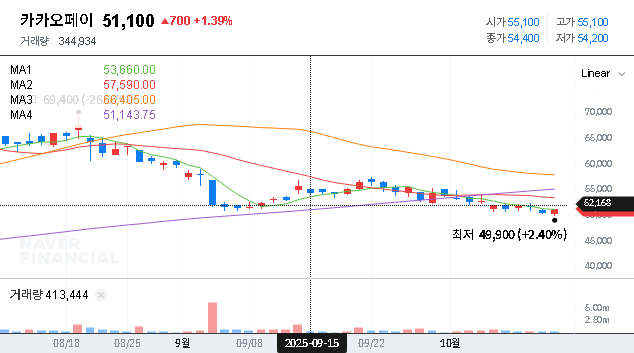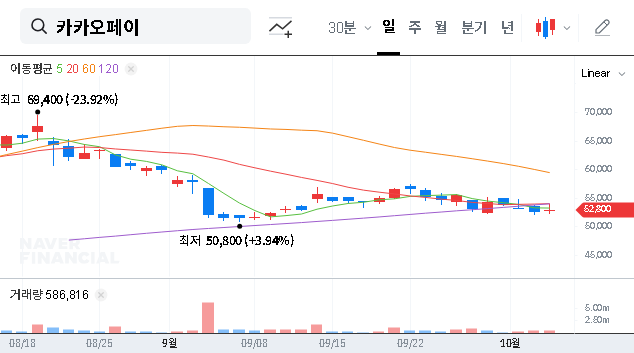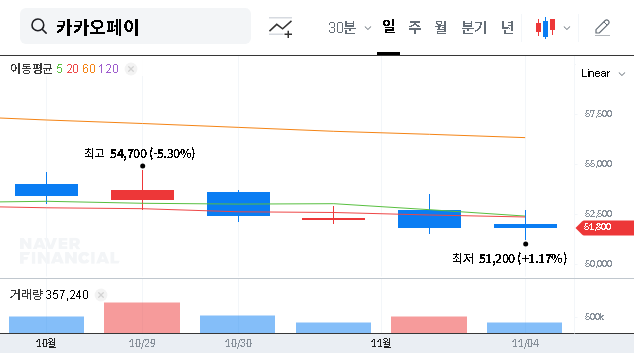
The latest kakaopay Q3 2025 earnings report presents a complex but intriguing picture for investors. While the fintech giant delivered an impressive operating profit that surpassed market consensus by a wide margin, a miss on both revenue and net profit raises critical questions. Coupled with persistent macroeconomic headwinds like high interest rates and looming economic slowdowns, this performance demands a closer look. Is this profit surprise a sign of resilient operational efficiency, or does it mask underlying vulnerabilities? This in-depth analysis will dissect Kakaopay’s financial performance, explore its fundamental strengths and risks, and provide a strategic outlook for investors navigating the volatile fintech landscape.
Deep Dive into Kakaopay’s Q3 2025 Financial Performance
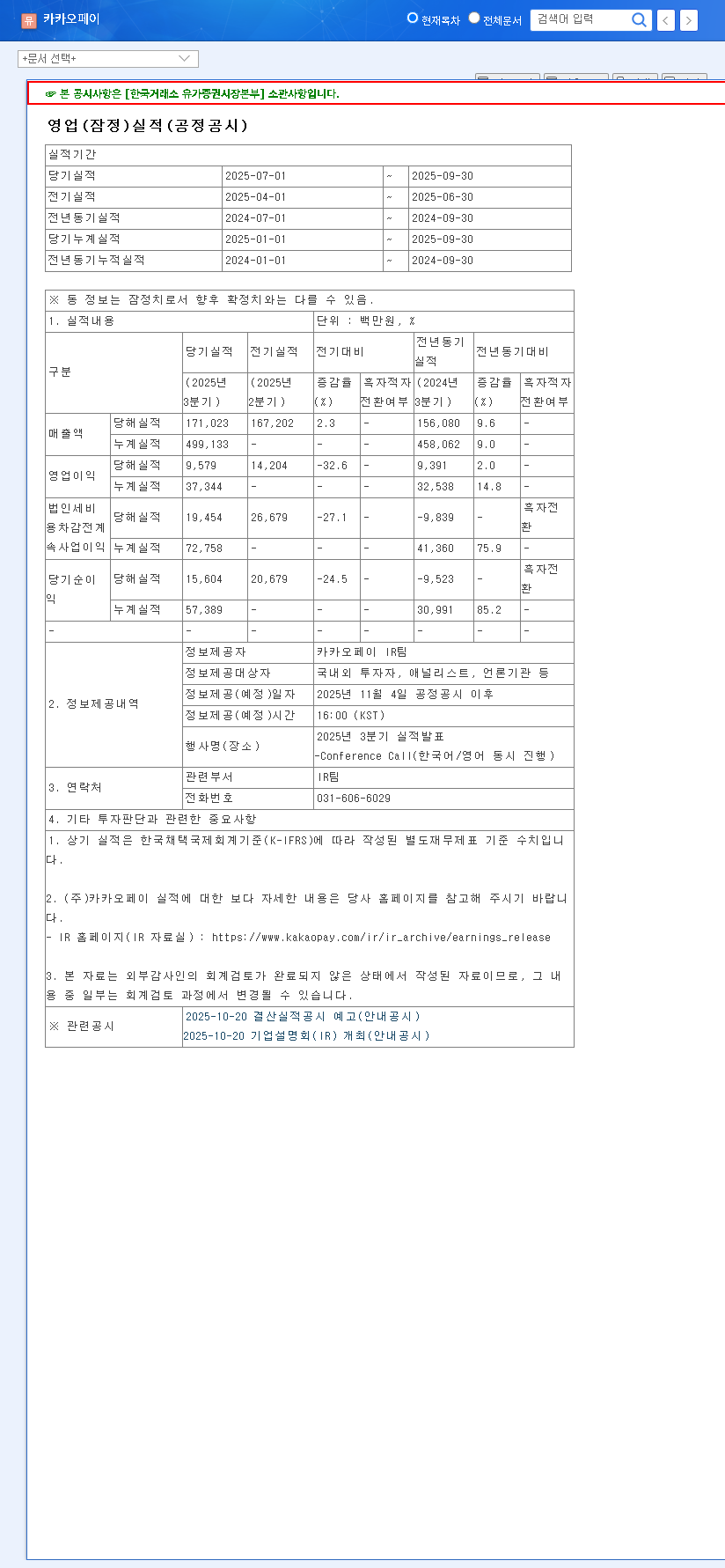
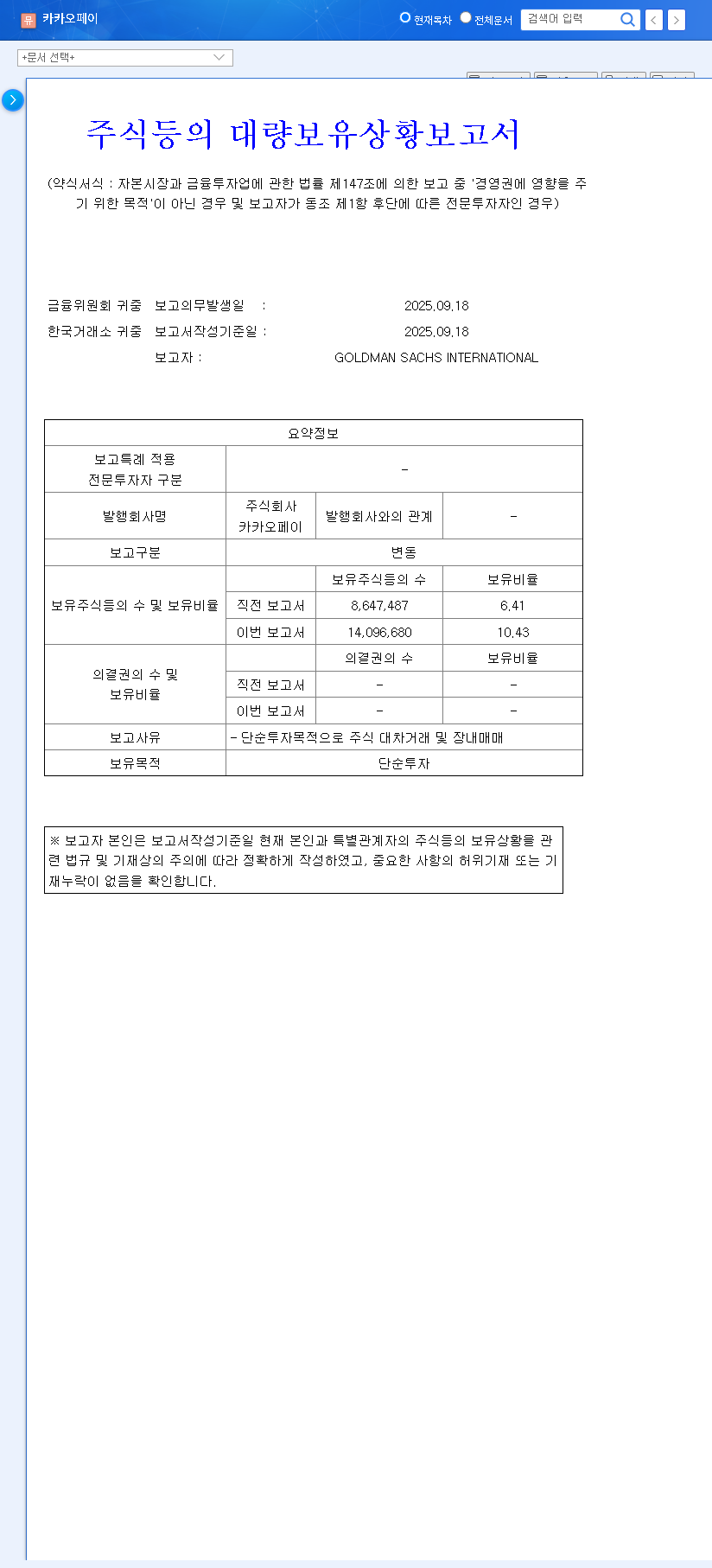
Kakaopay Corp. released its preliminary Q3 2025 earnings with a mix of celebratory highs and cautionary lows. The headline figure was the operating profit of KRW 15.8 billion, a stunning 63% higher than the market’s expectation of KRW 9.7 billion. This demonstrates a remarkable capability for enhancing profitability, likely stemming from disciplined cost management and the maturation of its core revenue models. However, the top-line revenue of KRW 238.4 billion fell 3% short of projections, and the net profit of KRW 15.2 billion was 11% below the consensus. These figures paint a nuanced picture: Kakaopay is becoming more efficient but is still susceptible to broader market pressures affecting overall growth. You can view the full details in the Official Disclosure on DART.
Despite a challenging economic environment, Kakaopay’s ability to significantly outperform on operating profit highlights the underlying strength and efficiency of its platform ecosystem.
Fundamental Analysis: Growth Drivers vs. Potential Risks
A thorough kakaopay stock analysis requires balancing the company’s strong foundational pillars against the significant external and internal risks it faces. The outcome of this delicate balance will likely determine its trajectory in the coming quarters.
Key Strengths Fueling Growth
- •Exceptional Profitability Management: The standout kakaopay operating profit demonstrates a mastery of cost control and revenue optimization, a critical skill in the cash-intensive fintech sector.
- •Robust Securities Arm: Kakaopay Securities has not only turned profitable but also boasts an exceptionally high capital adequacy ratio of 949.02%. This financial stability is a powerful asset for expanding further into investment and wealth management services.
- •Strategic Diversification: The planned expansion into new areas like telecommunication billing, location-based services, and online brokerage indicates a forward-thinking strategy to create new, synergistic revenue streams and reduce reliance on core payment fees. For more context, you can explore our analysis on the broader Korean fintech market trends.
- •Sticky and Growing User Base: With an average daily active user count of 6.35 million (up 3% YoY) and a remarkable 37% surge in transactions per user, the platform’s engagement is deepening, creating a solid foundation for future monetization.
Significant Risks on the Horizon
Investors must carefully consider the fintech investment risks associated with Kakaopay, particularly those stemming from the global economy. Understanding these factors, as explained by authoritative sources like Investopedia, is crucial for risk management.
- •Macroeconomic Headwinds: The global economic climate is the primary threat. Persistent high interest rates can increase funding costs and dampen consumer spending. Exchange rate volatility directly impacts foreign transaction revenue, and signs of a broader economic slowdown could reduce overall payment volume.
- •New Business Execution Risk: While diversification is a strength, new ventures come with their own challenges. The telecommunication billing service, for example, carries advance payment risks, and all new data-driven services face scrutiny under evolving personal information protection laws.
- •Intense Competition: The South Korean fintech market is fiercely competitive. Rivals like Toss (Viva Republica) and Naver Pay are constantly innovating, putting pressure on Kakaopay to maintain its market share and user engagement through continuous service improvement and strategic marketing.
Strategic Outlook & Investor Action Plan
The kakaopay Q3 2025 earnings confirm that the company possesses strong operational discipline and a loyal user base, which are excellent long-term assets. However, short-to-medium-term performance will be heavily influenced by its ability to navigate macroeconomic storms and successfully launch new business ventures.
For current and prospective investors, a prudent approach involves continuous monitoring of key performance indicators beyond just headline profit and revenue. The following checklist can serve as a guide:
- •Track Macro Indicators: Keep a close watch on central bank interest rate decisions, KRW/USD exchange rate trends, and leading economic indicators that signal consumer sentiment.
- •Monitor New Service Adoption: Look for company reports on the user uptake and revenue contribution of new services, particularly the telecom billing and brokerage businesses.
- •Assess Regulatory Landscape: Stay informed about any proposed changes to data privacy laws or financial regulations in South Korea that could impact Kakaopay’s operations.
- •Evaluate User Engagement Metrics: Continue to analyze DAU, transaction volume, and transactions per user to ensure the platform’s core ecosystem remains healthy and growing.
Ultimately, Kakaopay’s agility in responding to a dynamic environment will be the key determinant of its success. While profitability improvements are encouraging, sustained growth will depend on a combination of operational excellence, strategic innovation, and effective risk management.