Tag: Investment Outlook

  • (006400) SAMSUNG SDI CO.,LTD (006400) Q3 2025 IR Analysis: A Turning Point for Stock Growth?

    (006400) SAMSUNG SDI CO.,LTD (006400) Q3 2025 IR Analysis: A Turning Point for Stock Growth?

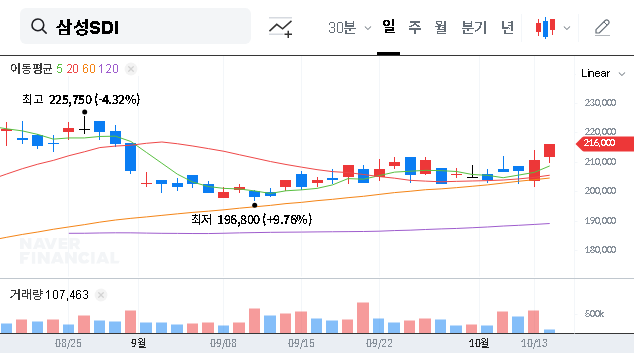
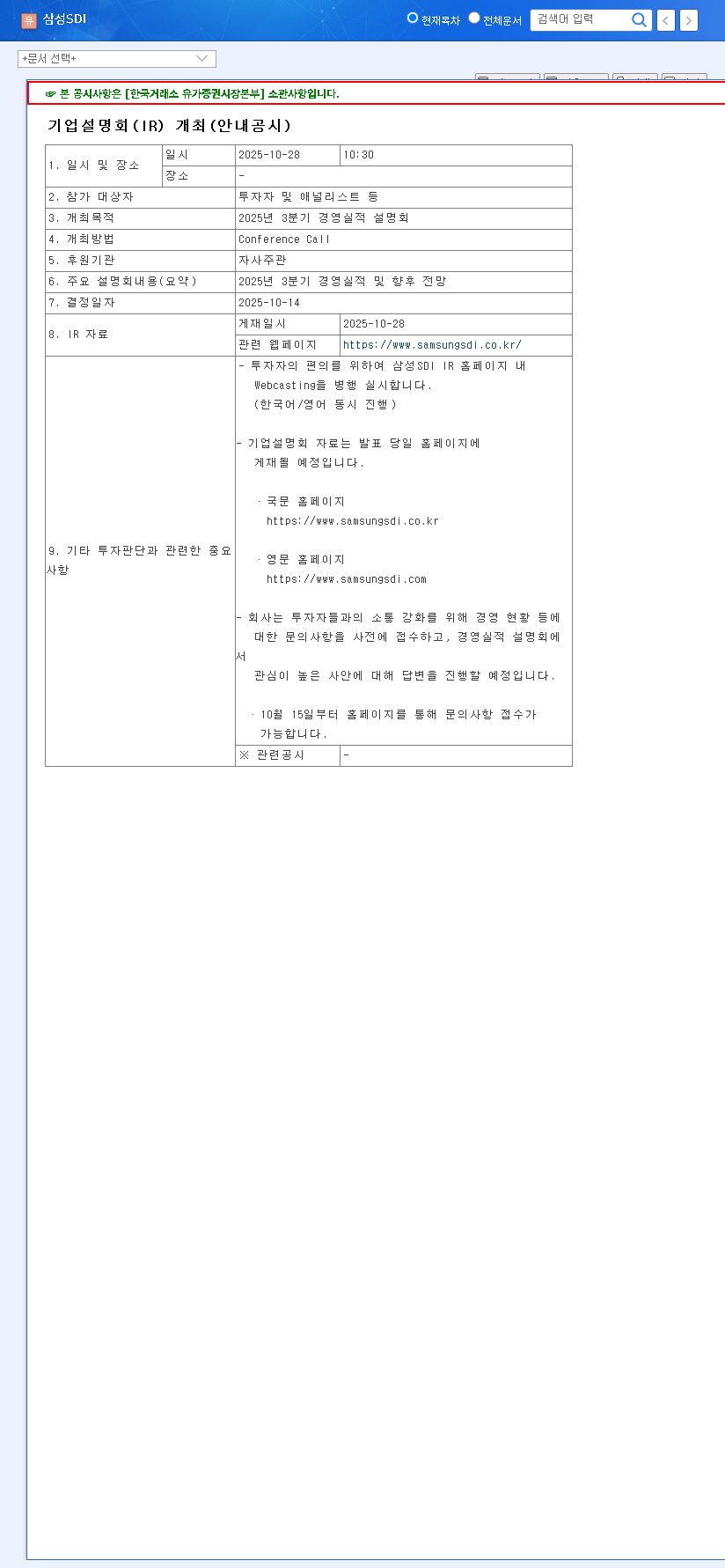
    The upcoming Q3 2025 Investor Relations (IR) conference for SAMSUNG SDI CO.,LTD (006400) on October 28, 2025, is poised to be a pivotal moment for investors. After a challenging first half marked by operating losses and underutilization in key segments, the market is eagerly awaiting a clear roadmap for recovery and future growth. This comprehensive Samsung SDI stock analysis will dissect the company’s current standing, evaluate the macroeconomic landscape, and outline the critical factors that will shape its trajectory, helping you make a more informed investment decision.

    From its strategic investments in next-generation battery technology to the restructuring of its Electronic Materials division, Samsung SDI is making bold moves. But will these be enough to overcome the headwinds of a slowing EV market and intense competition? This IR is the company’s chance to restore confidence and prove its long-term value proposition.

    Q3 2025 Investor Relations Event Details

    Samsung SDI will present its quarterly performance and provide crucial updates on its strategic direction. This event is a key opportunity for management to address investor concerns directly.

    • Company: SAMSUNG SDI CO.,LTD (006400)
    • Event: Q3 2025 Investor Relations (IR) Conference
    • Date & Time: October 28, 2025, 10:30 AM (KST)
    • Purpose: Announce Q3 2025 financial results and discuss the future business outlook.
    • Official Source: Investors can review the Official Disclosure on DART for formal documentation.

    Deep Dive: SAMSUNG SDI CO.,LTD’s Core Business Segments

    The company’s performance is driven by two distinct divisions, each facing its own set of opportunities and challenges. A thorough Samsung SDI stock analysis requires understanding the dynamics of both.

    1. Energy Solution Division (93% of Sales)

    This division, the company’s primary revenue engine, encompasses batteries for electric vehicles (EVs), energy storage systems (ESS), and small-sized applications. The first half of 2025 was tough, with sales down 28.6% and a significant operating loss. The low utilization rate for small-sized batteries (44%) has been a major drag on profitability.

    Despite near-term headwinds in the EV market, the long-term electrification trend remains intact. The key question for Samsung SDI is how it will navigate the current slowdown and capture growth in burgeoning areas like grid-scale ESS.

    Key factors to watch include progress on its all-solid-state battery technology, securing new long-term orders from major automakers, and strategies to improve capacity utilization. The global EV market is becoming increasingly competitive, with rivals like LG Energy Solution and CATL expanding aggressively. For more context, you can read about the global trends in the EV battery industry.

    2. Electronic Materials Division (7% of Sales)

    While smaller, this division is a high-margin business focused on semiconductor and display materials. The decision to divest its polarizing film business signals a strategic shift to concentrate on higher-growth areas. The explosive demand for AI is a significant tailwind, driving growth in materials used for advanced semiconductors and HBM (High-Bandwidth Memory).

    Investors will look for commentary on how Samsung SDI plans to capitalize on the AI boom and what new material innovations are in the pipeline. This division’s consistent profitability provides a crucial buffer against the volatility in the Energy Solution segment. For more on this sector, see our guide on investing in the semiconductor supply chain.

    Financial Health and Strategic Outlook

    In May 2025, SAMSUNG SDI CO.,LTD successfully raised KRW 1.65 trillion through a rights offering. These funds are being deployed into aggressive facility investments, primarily to expand battery production capacity. While this dilutes existing shareholders in the short term, it’s a necessary step to secure long-term growth.

    The Samsung SDI future outlook will be heavily influenced by how efficiently this new capital is used to generate returns. The IR presentation must provide clear metrics and timelines for these investments to reassure the market.

    Key Questions for the IR Conference

    • What is the concrete plan to improve the utilization rate of the small-sized battery lines?
    • Can you provide an updated timeline for the mass production of all-solid-state batteries?
    • How is the new order pipeline for EV batteries shaping up for 2026 and beyond?
    • What are the expected synergies and profitability improvements from the Electronic Materials business restructuring?

    Investment Thesis and Recommendation

    Currently, a ‘Hold’ recommendation seems prudent for 006400. The company possesses undeniable long-term growth potential, underpinned by its technological prowess and strategic investments. However, significant short-term uncertainties and profitability challenges cloud the immediate outlook.

    The upcoming Q3 2025 IR is the critical catalyst. A convincing presentation that addresses the key questions above and provides a clear, credible path to improved profitability could shift this rating to a ‘Buy’. Conversely, a lack of clarity or further negative guidance could increase downside risk.

    Disclaimer: This analysis is for informational purposes only and is not investment advice. All investment decisions should be made based on your own research and risk tolerance.
    (006400) SAMSUNG SDI CO.,LTD (006400) Q3 2025 IR Analysis: A Turning Point for Stock Growth? 관련 이미지
  • (042670) HD Hyundai Infracore Merger: 2026 Stock Analysis & Investment Guide

    (042670) HD Hyundai Infracore Merger: 2026 Stock Analysis & Investment Guide

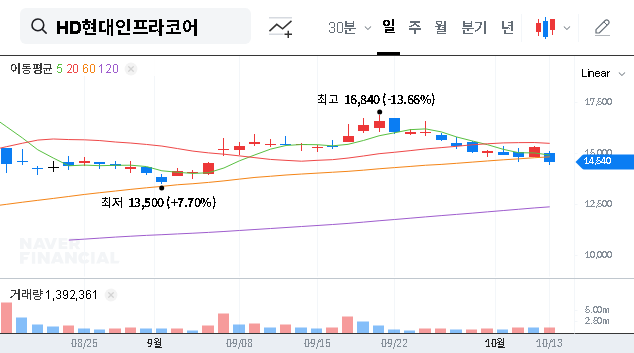
    The upcoming HD Hyundai Infracore merger with HD Hyundai Construction Equipment Co., Ltd. is a pivotal event for investors. With the recent completion of the stock appraisal rights exercise, a major hurdle has been cleared, paving the way for the merger’s finalization. This development has significant implications for the HD Hyundai Infracore stock price, its long-term corporate value, and the competitive landscape of the global construction equipment market.

    This comprehensive analysis dissects the merger details, explores the potential synergies and risks, and provides a forward-looking perspective on the company’s fundamentals. We’ll equip you with the critical insights needed to make informed decisions about your HD Hyundai Infracore investment strategy in this transformative period.

    Merger on Track: Analyzing the Stock Appraisal Rights Results

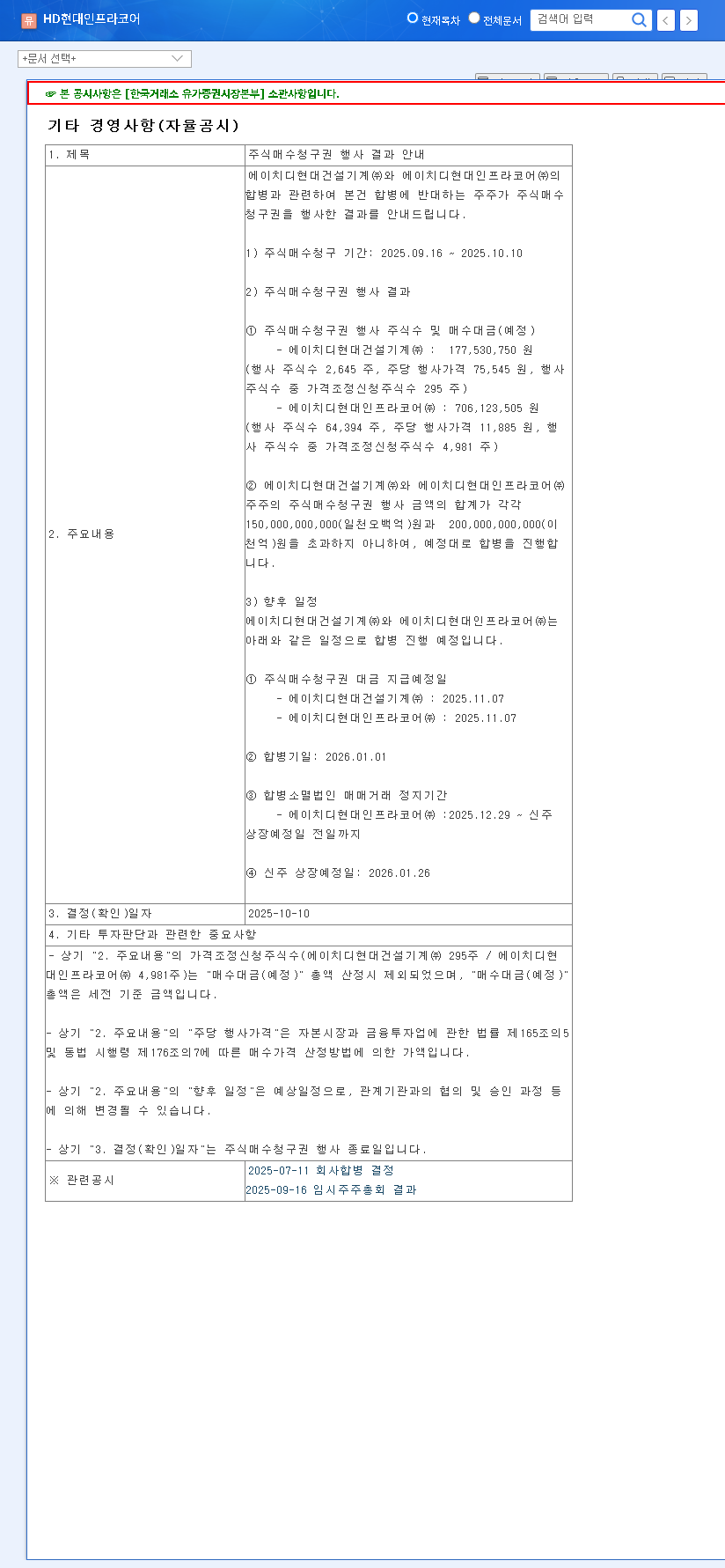
    On October 13, 2025, HD Hyundai Infracore released the results of its stock appraisal rights exercise. This mechanism allows shareholders who oppose a merger to sell their shares back to the company at a predetermined fair price. The outcome is a crucial indicator of shareholder sentiment and can determine whether a merger proceeds.

    The total value of exercised appraisal rights was well below the company’s predefined limit. This is a powerful green light, confirming that the HD Hyundai Infracore merger with HD Hyundai Construction Equipment will proceed as scheduled on January 1, 2026.

    Key Merger Milestones & Schedule

    • Appraisal Rights Exercised: A minimal 64,394 shares from HD Hyundai Infracore (approx. KRW 706 million) and 2,645 shares from HD Hyundai Construction Equipment were exercised. You can view the Official Disclosure (Source) for details.
    • Trading Suspension: Trading for HD Hyundai Infracore stock will be suspended from December 29, 2025, until the new shares are listed.
    • New Share Listing: The newly merged entity’s shares are expected to be listed on January 26, 2026.

    The Upside: Potential Synergies and Positive Impacts

    A smooth merger process unlocks significant potential for value creation. By combining operations, the new entity can achieve enhanced scale and efficiency, positioning it more strongly against global competitors like Caterpillar and Komatsu.

    Key Areas for Synergy

    • Enhanced R&D and Innovation: Pooling research and development budgets can accelerate the development of next-generation technologies, such as autonomous construction equipment and smart fleet management systems.
    • Operational Efficiency: Consolidating supply chains, manufacturing processes, and administrative functions can lead to substantial cost savings and improved profit margins.
    • Expanded Market Reach: The combined entity will have a stronger global distribution network, allowing it to penetrate new markets and better serve existing customers.
    • Financial Strength: The merger can help alleviate the financial burden of planned large-scale investments totaling KRW 504.16 billion, providing a more robust financial foundation for growth.

    The Risks: Potential Headwinds and Investor Considerations

    While the outlook is promising, investors must remain aware of potential challenges. The success of any large-scale merger is not guaranteed and depends on flawless execution and favorable market conditions.

    • Integration Challenges: Merging two distinct corporate cultures, IT systems, and operational workflows can lead to unforeseen friction and delays in realizing synergies.
    • Short-Term Market Volatility: The planned trading suspension for the HD Hyundai Infracore stock could lead to price fluctuations and reduced liquidity in the short term.
    • Macroeconomic Pressures: The company faces headwinds from a potential slowdown in the global construction market, as highlighted by various reports from outlets like the Financial Times. High interest rates and currency fluctuations also pose risks.

    Fundamental Analysis: A Look Under the Hood

    An HD Hyundai Infracore investment decision must be grounded in its current financial health. As of H1 2025, the company has faced some profitability pressure, with revenue and operating profit declining due to market conditions. The debt-to-equity ratio has also increased, largely due to borrowing for strategic expansion.

    However, the company is proactively building future growth drivers. The launch of its new ‘DEVELON’ brand, combined with a push into smart technology and defense industry contracts, demonstrates a clear strategy to diversify and innovate. This merger is a key part of that strategy, designed to bolster the company’s fundamentals for the long term. For more on this topic, see our analysis of the heavy equipment industry.

    Investor Action Plan & Final Verdict

    The successful navigation of the stock appraisal rights phase is a significant positive for the HD Hyundai Infracore merger. However, the overall investment outlook remains cautiously optimistic, or ‘Neutral’, pending the realization of merger synergies and a recovery in the broader construction market.

    Key Takeaways for Investors:

    • Short-Term (3-6 Months): Be prepared for potential stock price volatility around the trading suspension and new share listing. This period is best suited for observant investors rather than active traders.
    • Long-Term (1-3 Years): The focus should be on the post-merger execution. Monitor quarterly earnings for evidence of cost savings and revenue synergies. The company’s ability to innovate and gain market share will be the ultimate driver of long-term value.

    HD Hyundai Infracore is at a critical juncture. This merger positions it for a new era of growth, but successfully navigating the integration and external market challenges will be paramount. A patient, long-term perspective is advised for investors looking to capitalize on this transformative event.

    (042670) HD Hyundai Infracore Merger: 2026 Stock Analysis & Investment Guide 관련 이미지
  • (272210) Hanwha Systems Stock Analysis 2025: Defense Boom vs. ICT Risks | An Investor’s Guide

    (272210) Hanwha Systems Stock Analysis 2025: Defense Boom vs. ICT Risks | An Investor’s Guide

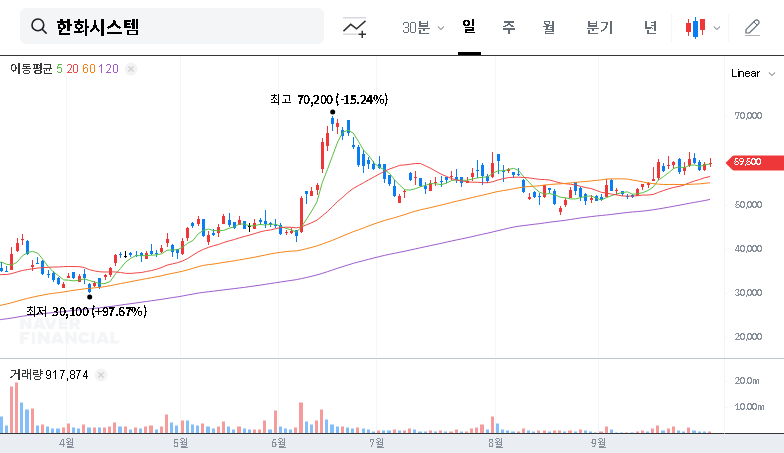
    Investors evaluating Hanwha Systems stock are currently witnessing a tale of two companies. On one side, its defense division is flourishing amidst a global surge in demand for advanced military technology. On the other, its ICT segment faces headwinds, and a significant new financial guarantee raises questions about risk management. This comprehensive Hanwha Systems investment analysis for 2025 delves into the company’s first-half performance, strategic moves, and the macroeconomic landscape to provide a clear-eyed view of its potential and pitfalls.

    Can Hanwha Systems leverage its dominance in the K-defense stocks arena to overcome internal challenges and deliver sustainable value? Let’s dissect the numbers, risks, and opportunities that will define its trajectory.

    Deep Dive: Hanwha Systems 2025 H1 Performance

    The first half of 2025 painted a mixed picture for Hanwha Systems. The company reported impressive top-line growth, with consolidated sales reaching ₩1.4583 trillion, a solid 18.4% increase year-over-year. This growth was predominantly fueled by the robust Hanwha Systems defense sector, which posted revenues of ₩900.5 billion, and a remarkable 43.7% jump in its ‘Other Sectors,’ including the promising U.S. shipbuilding business.

    However, this revenue growth did not translate to the bottom line. Consolidated operating profit fell by 29.5% to ₩91.6 billion. The primary culprits were a 17.7% revenue decline in the legacy ICT division and expanding operating losses in the ‘Other Sectors’ segment, which amounted to a deficit of ₩33.1 billion. This divergence between surging revenue and shrinking operating profit is a central theme for any current Hanwha Systems investment analysis.

    The ₩83.3 Billion Guarantee: Strategic Move or Financial Risk?

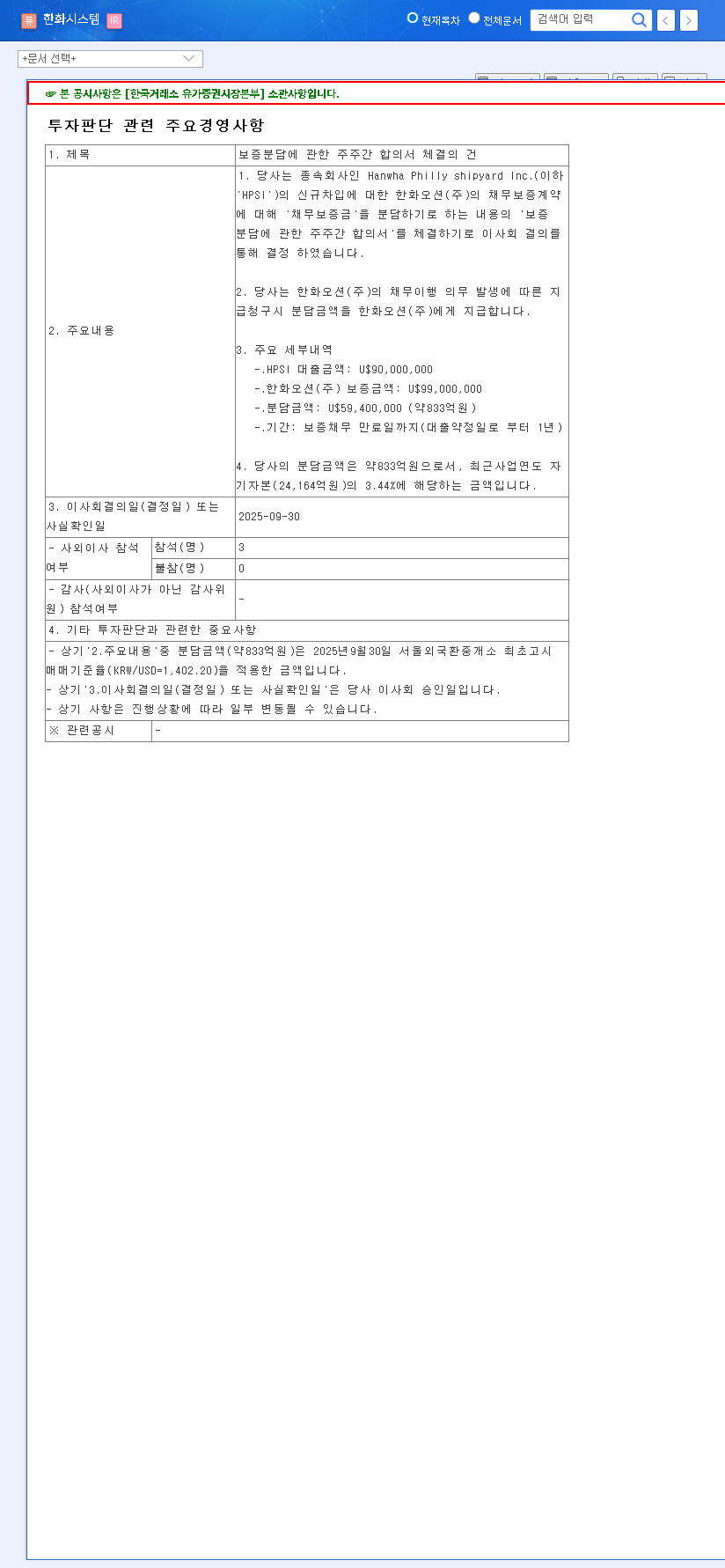
    A recent disclosure has become a focal point for investors. Hanwha Systems announced a decision to contribute approximately ₩83.3 billion (US$59.4 million) towards a debt guarantee for its affiliate, Hanwha Philly Shipyard Inc. (HPSI). This move, representing 3.44% of the company’s equity, is detailed in the official filing. You can view the Official Disclosure (Source: DART) for specifics.

    This financial commitment can be viewed through two lenses:

    • Strategic Synergy: The contribution is part of a broader group strategy to bolster its U.S. shipbuilding presence, a key growth area. This shows commitment to creating long-term value and synergy within the Hanwha conglomerate.
    • Increased Financial Burden: It undeniably adds a contingent liability to Hanwha Systems’ balance sheet. If HPSI faces financial trouble, Hanwha Systems would be on the hook, posing a direct risk to its financial health.

    Fundamental Analysis: Strengths vs. Weaknesses

    Core Strength: The Unstoppable Defense Engine

    The foundation of Hanwha Systems’ value proposition is its formidable defense business. With a staggering order backlog of ₩9.36 trillion, the company has secured a stable revenue stream for years to come. This is bolstered by its technological leadership, exemplified by high-profile projects like the KF-21 AESA radar and the Saudi MSAM II missile system. The ongoing geopolitical instability and the rising global reputation of the South Korean defense industry provide a powerful tailwind for sustained growth in this sector.

    Persistent Weakness: The ICT Turnaround Challenge

    The struggling ICT division remains a significant drag on profitability. Intense competition in the domestic IT services market has led to declining revenue and margin erosion. A successful turnaround hinges on a strategic pivot towards high-value services like AI, cloud solutions, and big data analytics. Without this transformation, the ICT segment will continue to weigh down the impressive performance of the defense division.

    The core investment thesis for Hanwha Systems is a bet that the immense, profitable growth from its world-class defense sector can effectively fund and eventually be complemented by its high-potential, but currently challenging, new ventures in ICT and shipbuilding.

    The Investor’s Compass: Key Signals to Watch

    For those holding or considering Hanwha Systems stock, a ‘Neutral’ outlook is prudent. The long-term potential is clear, but near-term risks require careful monitoring. As global economic trends shift, it’s vital to track expert analysis from sources like Reuters on defense spending and supply chains. Pay close attention to the following key performance indicators:

    • Defense Sector Margins: Is the company maintaining profitability on its large defense contracts, especially amidst rising raw material costs and a volatile Won/Dollar exchange rate?
    • ICT Revenue Stabilization: Look for signs that the revenue decline in the ICT division is bottoming out and for any announcements of significant new technology-based contracts.
    • New Business Monetization: Monitor progress reports on future growth engines like Urban Air Mobility (UAM), satellite communications, and autonomous vehicle technology. Are they hitting development milestones?
    • Financial Health Metrics: Keep an eye on the debt-to-equity ratio (currently a reasonable 111.3%) and cash flow statements to ensure aggressive investments are not over-leveraging the company.

    In conclusion, Hanwha Systems is a compelling yet complex investment. Its identity as a leader among K-defense stocks provides a strong, stable core. The ultimate performance of Hanwha Systems stock will depend on management’s ability to execute a difficult balancing act: maximizing its current defense boom while skillfully navigating the risks and turnaround efforts in its other divisions.

    (272210) Hanwha Systems Stock Analysis 2025: Defense Boom vs. ICT Risks | An Investor's Guide 관련 이미지
  • (005870) Huneed Technologies Boeing Deal: A Deep Dive into the KRW 75.7B H-47 Avionics Contract

    (005870) Huneed Technologies Boeing Deal: A Deep Dive into the KRW 75.7B H-47 Avionics Contract

    (005870) Huneed Technologies Boeing Deal: A Deep Dive into the KRW 75.7B H-47 Avionics Contract 대표 차트 이미지

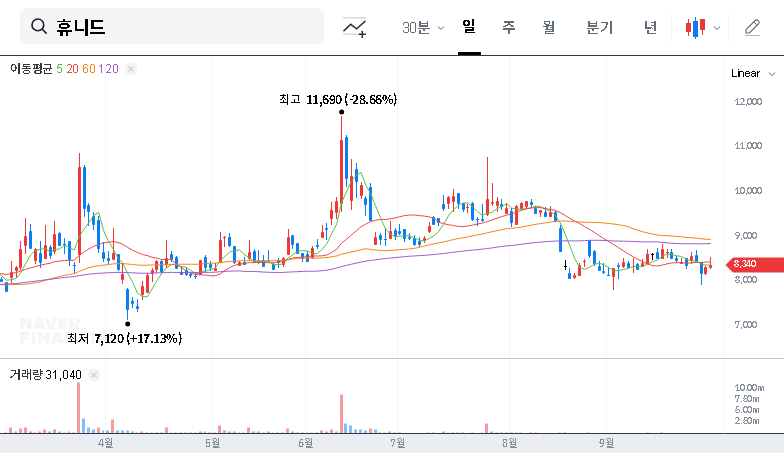
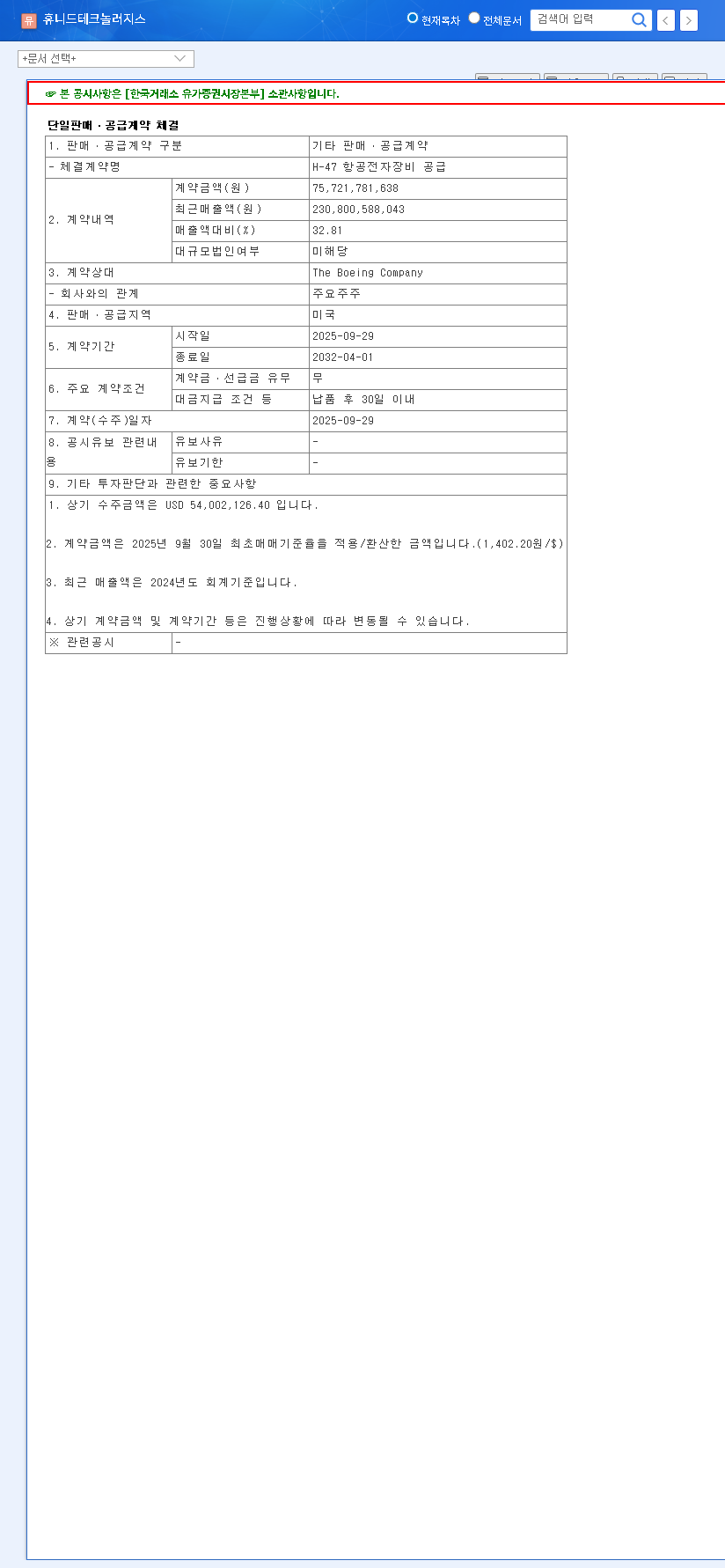
    The recent Huneed Technologies Boeing deal has sent significant ripples through the aerospace and defense investment community. On September 29, 2025, Huneed Technologies (005870) officially announced a massive KRW 75.7 billion (approx. $55 million USD) sole-source contract with The Boeing Company. This long-term agreement for H-47 avionics supply represents a pivotal moment for the company, which has been navigating considerable financial headwinds. For investors, this news raises critical questions about the future of Huneed Technologies stock and its potential for a major turnaround.

    This comprehensive analysis will dissect the contract’s details, evaluate its impact on Huneed’s performance, and provide a strategic outlook for potential and current investors. We’ll explore the immediate benefits, long-term implications, and the inherent risks that must be monitored.

    Unpacking the Landmark H-47 Avionics Contract

    The agreement, valued at precisely 75.7 billion KRW, is a substantial vote of confidence from a global leader like Boeing. It accounts for a staggering 32.81% of Huneed’s revenue as of the first half of 2025. The contract’s timeline, extending from September 2025 to April 2032, provides a crucial foundation of predictable revenue for nearly seven years. You can view the Official Disclosure on DART for verification.

    The H-47 Chinook: A Global Workhorse

    To understand the deal’s importance, one must appreciate the H-47 Chinook helicopter. It is a legendary twin-engine, tandem-rotor, heavy-lift helicopter that has been a cornerstone of military and humanitarian operations worldwide for decades. Its versatility in transporting troops, artillery, and supplies in diverse and challenging conditions ensures its continued relevance and demand for upgrades and maintenance, making it a stable platform for suppliers like Huneed.

    What are H-47 Avionics?

    Avionics are the electronic systems used on aircraft, including communication, navigation, flight control, and threat detection systems. For the H-47, these are the helicopter’s ‘brains and nervous system.’ Supplying these critical components is a high-value, technology-intensive task that reinforces Huneed’s position as a key player in the global aerospace supply chain.

    A Lifeline Amidst Financial Turbulence

    The timing of the Huneed Technologies Boeing deal could not be more critical. The company’s performance in the first half of 2025 was concerning, marked by a significant revenue decline and an operating loss of 5.586 billion KRW. This was driven by a slump in domestic defense sales and underperforming overseas business. Compounding these issues were rising R&D costs and a weakening financial structure due to increased long-term debt.

    In this context, the Boeing contract is not just another order; it is a strategic lifeline that provides a clear path to revenue stabilization and a potential turnaround, directly impacting the outlook for Huneed Technologies stock.

    Investment Analysis: Bull vs. Bear Case

    The Bull Case: Long-Term Growth and Stability

    Investors with a positive outlook will focus on the long-term fundamentals strengthened by this deal. The key positive factors are:

    • Guaranteed Revenue Stream: The 75.7 billion KRW contract provides a predictable and stable revenue base for over six years, mitigating market volatility.
    • Strengthened Boeing Partnership: This sole-source contract deepens the relationship with Boeing, potentially opening doors for future contracts on other platforms and solidifying Huneed’s position in the lucrative US market.
    • Core Competency Validation: Securing a major aerospace supply contract for advanced avionics validates Huneed’s technological expertise and competitive advantage.

    The Bear Case: Short-Term Headwinds and Risks

    Conversely, cautious investors will weigh the immediate challenges and external risks that could temper the positive news.

    • Delayed Impact: The contract’s revenue will be recognized over its multi-year duration. It will not create an immediate, sharp reversal of the H1 2025 losses in the upcoming quarters.
    • Macroeconomic Pressures: Volatility in the KRW/USD exchange rate can impact profitability. Furthermore, rising global interest rates will increase the financial burden from Huneed’s existing debt.
    • Execution Risk: Delivering on a large, long-term contract requires flawless execution. Any production delays or quality issues could negatively affect profitability and the relationship with Boeing.

    Investor Action Plan & Key Monitoring Points

    Our investment opinion on Huneed Technologies is cautiously optimistic with a medium-to-long-term focus. While short-term volatility should be expected, the Boeing contract fundamentally improves the company’s long-term outlook. Investors should track our ongoing analysis of the defense sector for broader industry trends. Key performance indicators to monitor include:

    • Quarterly Earnings Reports: Watch for the timing and scale of revenue recognition from the Boeing contract and improvements in operating profit margins.
    • Foreign Exchange Gains/Losses: Monitor how currency fluctuations are impacting the bottom line.
    • Debt Levels and Interest Expenses: Keep an eye on the company’s balance sheet health and its ability to manage its financial obligations.
    • Future Contract Announcements: Any further orders from Boeing or other major clients would be a strong bullish signal.

    Frequently Asked Questions (FAQ)

    Q1: What is the most significant aspect of the Huneed Technologies Boeing deal?

    The most significant aspect is the long-term revenue stability it provides. The 75.7 billion KRW contract spans nearly seven years, securing a predictable income stream and de-risking the company’s financial outlook.

    Q2: How will this contract affect Huneed Technologies stock in the short term?

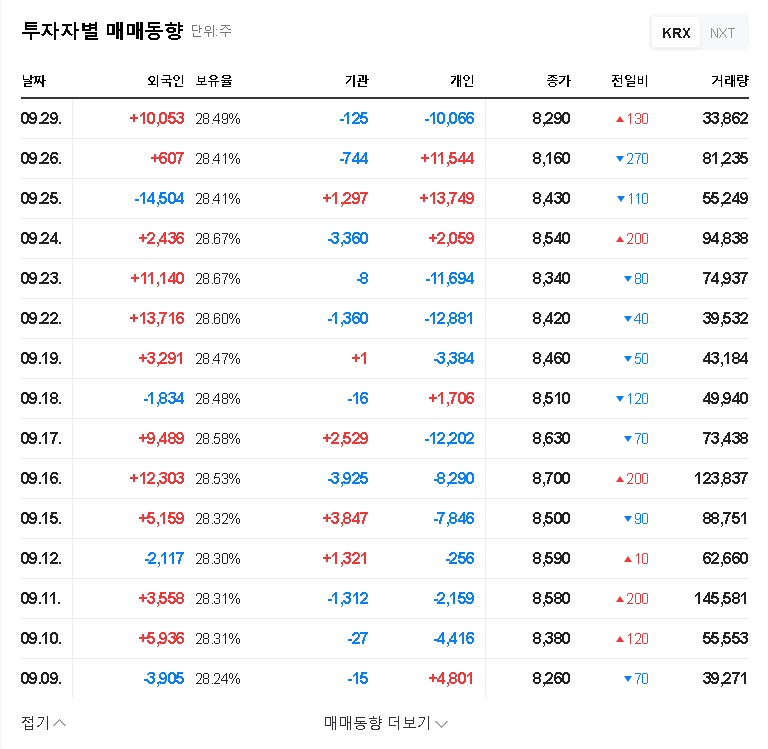
    In the short term, the stock may see positive momentum from the news itself. However, a dramatic improvement in financial results is unlikely until revenue from the contract begins to be recognized meaningfully, so investors should be prepared for potential volatility.

    Q3: What are the main risks for Huneed Technologies moving forward?

    The main risks include adverse fluctuations in the KRW/USD exchange rate, rising interest rates increasing debt service costs, and potential operational challenges in executing such a large-scale contract over a long period.

    (005870) Huneed Technologies Boeing Deal: A Deep Dive into the KRW 75.7B H-47 Avionics Contract 관련 이미지
    (005870) Huneed Technologies Boeing Deal: A Deep Dive into the KRW 75.7B H-47 Avionics Contract 관련 이미지
  • Alux Secures Investment from Timefolio: Will Drone & AI EdTech Take Off?


    Alux Secures Investment from Timefolio: Will Drone & AI EdTech Take Off? 대표 차트 이미지


    Why Did Timefolio Invest in Alux?

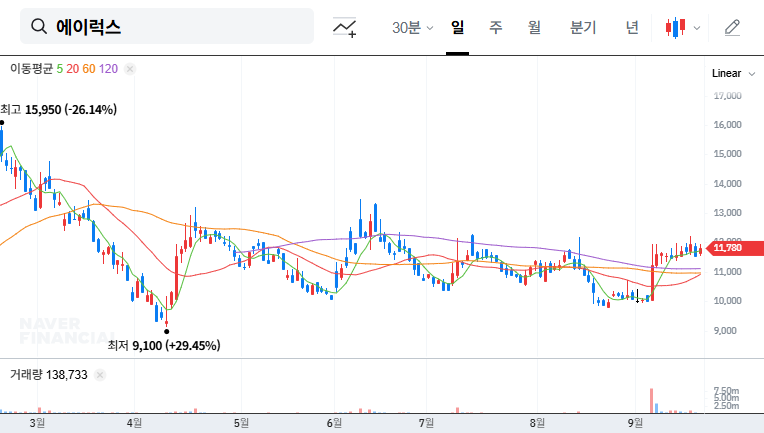
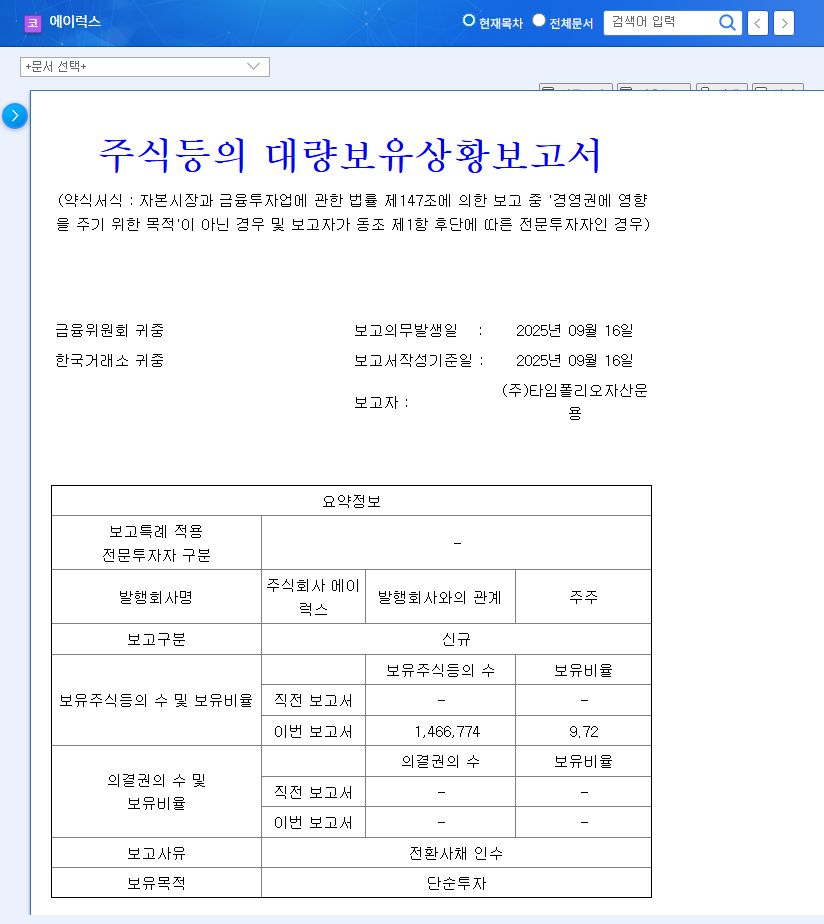
    Timefolio Asset Management announced on September 18th that it has acquired a 9.72% stake in Alux. This was achieved through the acquisition of convertible bonds, which could lead to a higher stake in the future if converted into shares. Timefolio is believed to have highly valued Alux’s growth in the drone sector and the potential of the AI edtech market. In particular, the change in the competitive landscape of the global nano-drone market due to the discontinuation of DJI Tello sales could present an opportunity for Alux. Furthermore, Timefolio seems to view Alux’s growth strategy, including its investment in Mobility One and transformation into a platform company, positively.

    What Impact Will This Investment Have on Alux?

    • Positive Impacts:
      • Increased attention from institutional investors and secured investment funds
      • Potential upward momentum in stock price
      • Enhanced credibility of growth strategy
    • Negative Impacts:
      • Potential stock dilution from convertible bonds
      • Increased short-term stock price volatility
      • Uncertainty about profitability improvement

    This investment provides Alux with an opportunity for short-term funding and strengthening growth momentum. However, investors should consider the risks associated with issuing convertible bonds, such as the possibility of stock dilution and the current operating loss.

    What Should Investors Focus On?

    • CB conversion conditions (conversion price, conversion period, etc.)
    • Alux’s earnings improvement trend
    • Competitive landscape of the drone and AI edtech market
    • Macroeconomic and overall market volatility

    Investors should make investment decisions considering the above factors comprehensively. In particular, close attention should be paid to Alux’s future earnings improvement and market conditions.


    FAQ

    Why is Timefolio’s investment in Alux significant?

    Investment from a reputable institutional investor like Timefolio is a strong signal of market confidence in Alux’s growth potential. It can not only secure short-term funding but also contribute to increasing the company’s value.

    What are the advantages of investing in convertible bonds (CBs)?

    From the company’s perspective, it allows for immediate fundraising. For investors, it provides an option to profit from stock price increases.

    What are the disadvantages of investing in convertible bonds (CBs)?

    If the convertible bonds are converted into shares, the value of existing shareholders’ equity can be diluted. Also, until conversion, it’s difficult to expect additional returns beyond the bond interest rate.

    What are the key considerations when investing in Alux?

    It is crucial to consider the CB conversion conditions, Alux’s performance, the drone and AI edtech market conditions, and macroeconomic volatility comprehensively.


    Alux Secures Investment from Timefolio: Will Drone & AI EdTech Take Off? 관련 이미지
    Alux Secures Investment from Timefolio: Will Drone & AI EdTech Take Off? 관련 이미지


  • Celltrion Announces ₩100 Billion Share Buyback: Investment Outlook (September 2025)


    Celltrion Announces ₩100 Billion Share Buyback: Investment Outlook (September 2025) 대표 차트 이미지


    1. Celltrion’s ₩100 Billion Share Buyback: What Happened?

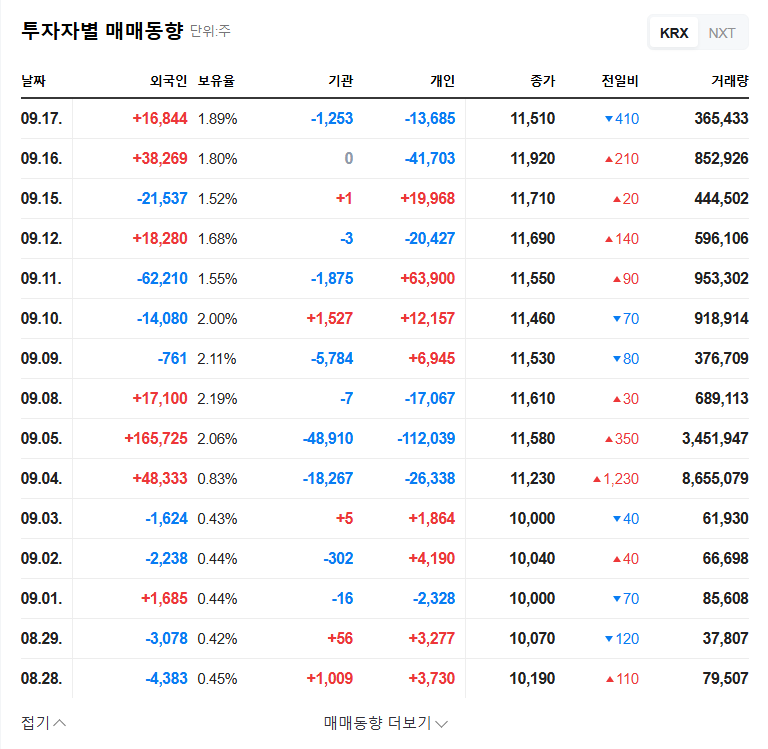
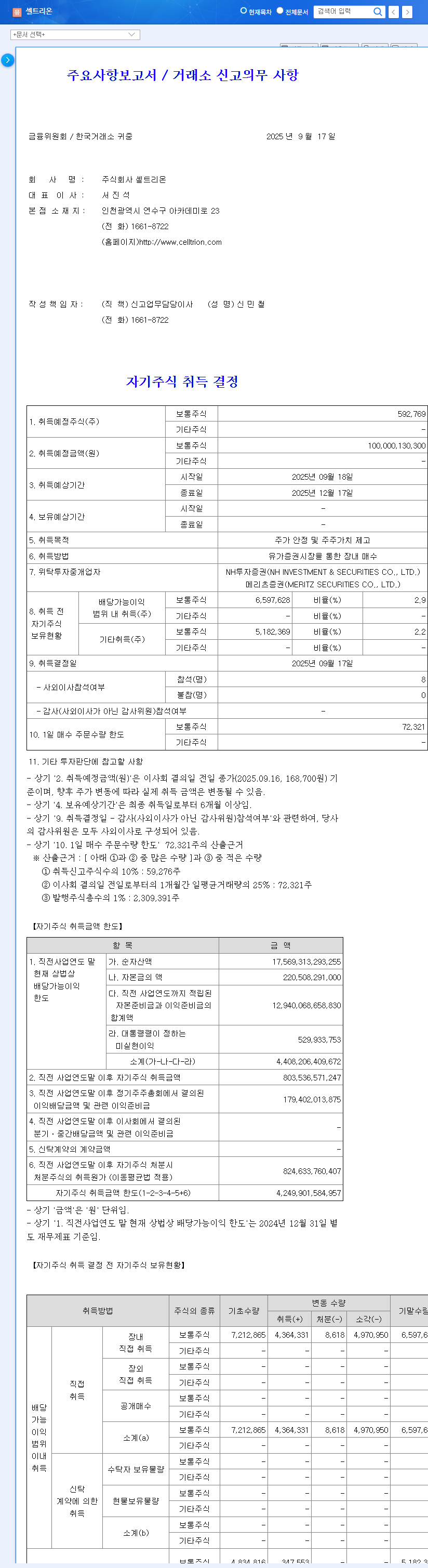
    Celltrion announced on September 17, 2025, its decision to repurchase 592,769 shares, equivalent to ₩100 billion. The purpose of this buyback is to stabilize stock prices and enhance shareholder value. The repurchase will be conducted through open market purchases on the Korea Exchange.

    2. Why the Buyback?: Background and Implications

    This share buyback is interpreted as a strategic move by Celltrion, following its recent strong earnings report, to demonstrate confidence to shareholders and stabilize its stock price. In the first half of 2025, Celltrion reported positive results with consolidated revenue of ₩1.8 trillion and operating profit of ₩391.8 billion. This positive performance was driven by the expansion of global sales of key biosimilar products and new drug launches. By reducing the number of outstanding shares, the buyback is expected to increase earnings per share (EPS) and book value per share (BPS), potentially driving stock price appreciation.

    3. Market Environment and Investment Outlook: Celltrion’s Future?

    Although global economic volatility and interest rate fluctuations persist, the weakening Korean Won could benefit Celltrion, given its high export ratio. Furthermore, the freezing of interest rates in the US, Europe, and Korea is expected to reduce Celltrion’s financing costs. The decline in international oil prices and stable logistics costs are also considered positive factors.

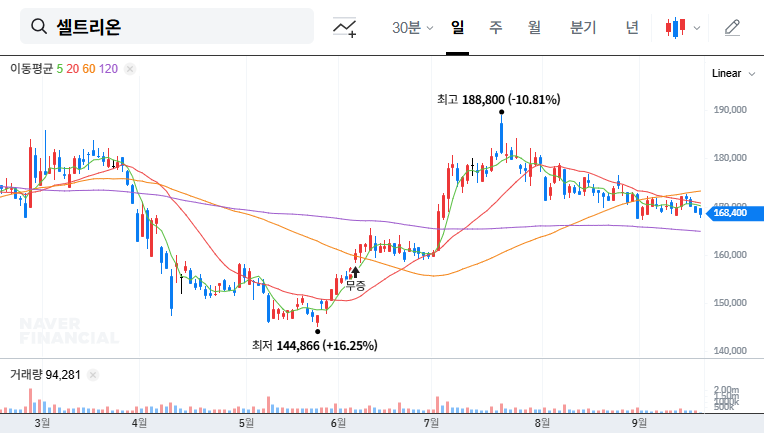
    In the short term, the share buyback is expected to stabilize and provide upward momentum to the stock price. In the medium to long term, the success of Celltrion’s biosimilar and new drug development pipeline, as well as its ability to secure global market competitiveness, will be crucial for its growth.

    4. Action Plan for Investors: Buy, Hold, or Sell?

    The investment recommendation is “Buy” with a target price of ₩200,000. Considering the company’s strong fundamentals, commitment to enhancing shareholder value, and a favorable market environment, Celltrion is considered a promising investment with high long-term growth potential. However, careful investment decisions are necessary considering potential risk factors such as intensifying competition in the biosimilar market and new drug development risks.


    Frequently Asked Questions (FAQ)

    What is the size of Celltrion’s share buyback program?

    The buyback program is worth ₩100 billion, representing 592,769 shares.

    What is the purpose of the share buyback?

    The purpose is to stabilize the stock price and enhance shareholder value.

    How long will the share buyback last?

    The exact repurchase period has not been disclosed, but it typically occurs within a certain period after the announcement. Please refer to relevant public disclosures for details.

    What is the investment outlook for Celltrion?

    The outlook is positive, considering Celltrion’s strong fundamentals, active R&D investment, and a favorable market environment. However, investment always involves risk, so careful judgment is necessary.


    Celltrion Announces ₩100 Billion Share Buyback: Investment Outlook (September 2025) 관련 이미지


  • Korean Reinsurance: Positive Outlook for 2025H1, Strong Performance and Financial Stability

    1. Impressive Growth in 2025H1

    Korean Re achieved significant growth in the first half of 2025, reporting revenue of KRW 3.5035 trillion, operating profit of KRW 253.4 billion, and net income of KRW 195.5 billion. This impressive performance reflects successful portfolio diversification, a profit-oriented strategy, and improved investment returns. The company also saw improved profitability with a return on assets of 3.96% and return on equity (ROE) of 11.28%, both up year-on-year.

    2. Solid Financial Stability

    Maintaining strong credit ratings from international agencies – A.M. Best: A (Stable), S&P: A+ (Stable), and Moody’s: A1 (Stable) – Korean Re demonstrates its solid financial health. A K-ICS ratio of 186.01% further underscores the company’s robust solvency position, providing confidence to investors.

    3. Securing Future Growth Drivers

    Korean Re is actively securing future growth drivers by expanding its global network and diversifying its business portfolio beyond reinsurance. These efforts are crucial for building long-term growth potential.

    4. Investor Action Plan

    Korean Re’s strong performance and stable financials offer a positive investment outlook. However, potential investors should carefully consider global macroeconomic factors, the company’s overseas expansion progress, and the potential impact of natural disasters or major accidents before making any investment decisions.

    Q: What were Korean Re’s key financial results for 2025H1?

    A: Korean Re reported revenue of KRW 3.5035 trillion, operating profit of KRW 253.4 billion, and net income of KRW 195.5 billion. Return on assets was 3.96% and ROE was 11.28%.

    Q: What are Korean Re’s credit ratings?

    A: Korean Re maintains ratings of A (Stable) from A.M. Best, A+ (Stable) from S&P, and A1 (Stable) from Moody’s.

    Q: What should investors consider when evaluating Korean Re?

    A: Investors should consider factors such as exchange rate and interest rate volatility, the possibility of natural disasters or major accidents, and the investment and risk analysis of new business ventures.

  • QRT H1 2025 Earnings Analysis: Solid Growth, but Hidden Risks?

    1. QRT H1 2025 Performance: What Happened?

    QRT reported revenue of KRW 32.751 billion, operating profit of KRW 1.744 billion, and net income of KRW 1.224 billion for the first half of 2025. While these figures beat market forecasts, operating profit margins saw a slight decline compared to the same period last year.

    • Revenue: KRW 32.751 billion (Slight increase YoY)
    • Operating Profit: KRW 1.744 billion (Increase YoY)
    • Net Income: KRW 1.224 billion (Decrease YoY)

    2. Reasons Behind the Performance: Core Business and Growth Drivers

    QRT’s core business lies in semiconductor reliability testing and comprehensive analysis services. The comprehensive analysis services, in particular, have shown strong growth, contributing to reduced product development time and improved quality for clients. Furthermore, QRT’s proprietary advanced reliability testing equipment serves as a key differentiator and future growth driver. However, uncertainties in the semiconductor market and the high-interest-rate environment pose potential risks.

    3. What’s Next?: Investment Strategy

    The current investment recommendation for QRT is ‘Neutral.’ While the company possesses a solid business foundation and growth potential, careful monitoring of market conditions and performance trends is crucial. Investors should pay close attention to H2 2025 earnings, sales performance of reliability testing equipment, fluctuations in exchange rates and interest rates.

    4. Key Checkpoints for Investors

    • H2 2025 Earnings
    • Sales Performance of Reliability Testing Equipment
    • Exchange Rate and Interest Rate Fluctuations
    • Expansion into New Markets (AI, Automotive Semiconductors)
    Q. What is QRT’s core business?

    A. QRT’s primary business is semiconductor reliability testing and comprehensive analysis services. The increasing demand for high reliability in advanced industries is driving consistent growth in these services.

    Q. How did QRT perform in H1 2025?

    A. QRT reported revenue of KRW 32.751 billion, operating profit of KRW 1.744 billion, and net income of KRW 1.224 billion in H1 2025, exceeding market expectations.

    Q. What is the investment outlook for QRT?

    A. The current investment recommendation is ‘Neutral.’ While there is growth potential, careful monitoring of market conditions and earnings trends is advised.

  • Amotech Turns Profitable in H1 2025: Investment Outlook Analysis (Semi-Annual Report Review)

    1. Amotech’s H1 2025 Performance Analysis: What Drove the Turnaround?

    Amotech recorded sales of KRW 29 billion and operating profit of KRW 1.2 billion in the first half of 2025, marking a return to profitability. This was driven by strong sales of core products such as shielding sheets, automotive and RF modules, and IoT devices, as well as growth in new business areas. Their technological competitiveness, including the world’s first wireless charging shielding sheet development and commercialization, and the supply of BLE-UWB integrated modules, stands out.

    2. Positive Factors vs. Risk Factors: What are the Opportunities and Risks?

    • Positive Factors: Strengthened core business competitiveness, growth potential of new businesses (SOFC ceramic substrates, AI-based voice recognition modules, etc.), excellent R&D capabilities (1,277 domestic and international intellectual property rights)
    • Risk Factors: High debt-to-equity ratio (243.59%), exchange rate volatility, high inventory asset ratio (30.31%), potential for increased competition

    When considering investment, carefully review both positive and risk factors.

    3. Market Environment Analysis: How Will it Affect Amotech?

    The current economic slowdown and high interest rate environment could negatively impact Amotech’s investment and fundraising environment. Also, the rise in the KRW/USD exchange rate can be advantageous for exports but can lead to increased raw material import costs. It’s crucial to monitor Amotech’s strategies for responding to these external environmental changes.

    4. Action Plan for Investors: What to Watch For?

    If you’re considering investing in Amotech, pay close attention to the following:

    • H2 2025 and full-year earnings outlook
    • Revenue contribution and market expansion strategies for new businesses
    • Implementation of debt management and financial soundness improvement plans
    • Economic recovery and demand changes in related industries

    Continuous monitoring is essential to minimize investment risks and seize opportunities.

    Frequently Asked Questions

    What are Amotech’s main businesses?

    Amotech’s main businesses include shielding sheets, automotive and RF modules, and IoT devices. They are experiencing growth based on technological competitiveness, especially in the wireless charging and automotive components sectors.

    How was Amotech’s performance in the first half of 2025?

    Amotech recorded sales of KRW 29 billion and an operating profit of KRW 1.2 billion in the first half of 2025, successfully returning to profitability. This performance exceeded market expectations.

    What should I be aware of when investing in Amotech?

    Consider financial risks such as high debt-to-equity ratio, exchange rate volatility, and inventory management. Also, be aware of potential intensifying competition and the volatility of the related industry.

  • Optisys Q2 2025 Earnings: A Turnaround Signal?

    1. Optisys Q2 2025 Performance: What Happened?

    Optisys reported revenue of ₩7.5 billion, operating profit of ₩1.6 billion, and net income of ₩0.7 billion for the second quarter of 2025. These figures significantly exceeded market expectations. Notably, revenue increased slightly compared to Q1 2025, and both operating and net income turned positive, showcasing a positive trend.

    2. Reasons for Strong Performance: Why These Results?

    This strong performance can be attributed to efficient cost management and business restructuring efforts. A low debt-to-equity ratio (7.06%) and high cash and cash equivalents (₩150.2 billion) underpin the company’s financial health, enabling stable operations. Furthermore, Optisys’s core competency in digital optical link technology positions it well for increasing demand in the expanding 4K/8K high-resolution display market. The macroeconomic environment, with expectations of interest rate cuts and a rising KRW/USD exchange rate, is also favorable for Optisys.

    3. Investment Outlook: What’s Next?

    Optisys’s earnings announcement is a positive sign. However, the significant year-over-year decline in revenue and the high dependence on specific key customers require ongoing attention. The success of the new health and beauty device business will also be a crucial factor.

    4. Investor Action Plan: What Should You Do?

    In the short term, positive momentum in stock price can be expected following the strong earnings release. For a longer-term perspective, investors should carefully monitor sales recovery trends, customer diversification efforts, and the performance of the new business ventures while formulating their investment strategies. Paying close attention to the trends of major customers and the success of new business ventures will be particularly important.

    Frequently Asked Questions

    What is Optisys’s main business?

    Optisys develops and manufactures key components based on digital optical link technology for 4K/8K high-resolution displays, health and beauty devices, and other applications.

    What are the key takeaways from the earnings announcement?

    Optisys announced impressive Q2 2025 results, exceeding market expectations with revenue of ₩7.5 billion, operating profit of ₩1.6 billion, and net income of ₩0.7 billion. Strong financial health and reinforced core business competitiveness are considered key factors.

    What are the key factors to consider when investing in Optisys?

    Investors should consider factors such as the continued year-over-year decline in revenue, high dependence on specific key customers, and uncertainties surrounding the new business ventures.