Tag: Investment Outlook

  • (234690) GREEN CROSS WellBeing Q3 2025 Earnings: A Deep Dive into 40% Growth & Future Stock Outlook

    (234690) GREEN CROSS WellBeing Q3 2025 Earnings: A Deep Dive into 40% Growth & Future Stock Outlook

    The latest GREEN CROSS WellBeing Q3 2025 earnings report has captured significant market attention, revealing exceptional growth that outperformed expectations. On November 3, 2025, the healthcare giant announced preliminary results showing a staggering 40.3% year-over-year revenue increase to 42.3 billion KRW. This robust performance, coupled with impressive profit growth, signals a strong upward trajectory. But can this momentum be sustained? This comprehensive analysis will dissect the key figures, explore the fundamental growth drivers, and evaluate the potential risks to provide a clear outlook for investors considering GREEN CROSS WellBeing stock.

    With dual engines firing in both pharmaceuticals and aesthetics, GREEN CROSS WellBeing has demonstrated a potent combination of stability and high-growth potential, making its Q3 performance a significant indicator for future success.

    Unpacking the Q3 2025 Preliminary Earnings

    GREEN CROSS WellBeing delivered a powerful financial statement for the third quarter of 2025. The preliminary numbers, available in the company’s Official Disclosure, paint a clear picture of accelerated growth. The key metrics that stood out are:

    • Revenue: Reached 42.3 billion KRW, a remarkable 40.3% increase year-over-year (YoY).
    • Operating Profit: Grew to 5.2 billion KRW, up 33.3% YoY, showcasing improved operational efficiency.
    • Net Profit: Surged by an impressive 49.1% YoY to 3.4 billion KRW, indicating strong bottom-line health.

    These figures not only demonstrate a recovery from a temporary slowdown in the previous quarter but also confirm the company’s solid growth trajectory within the competitive healthcare sector investment landscape.

    Core Drivers: Analyzing the Surge in Performance

    1. Dominance in Professional Pharmaceuticals

    The professional pharmaceutical earnings segment remains a cornerstone of the company’s success. Led by the flagship product ‘Laennec Inj.’, GREEN CROSS WellBeing has maintained a commanding position in the nutritional injection market. This consistent performance provides a stable revenue base that fuels further investment and growth in other areas.

    2. Explosive Aesthetics Business Growth

    The true catalyst for the Q3 surge is the high-growth momentum in the aesthetics business. Products like fillers and skin boosters are seeing incredible demand, a trend seen across the industry and detailed in market reports by firms like MarketsandMarkets. Furthermore, the anticipated launch of the ‘Inibo’ toxin in the second half of the year is poised to solidify this segment as a primary growth engine, promising to capture even more market share.

    3. Strategic Focus and Financial Health

    While the debt-to-equity ratio rose to 84.69%, this is primarily due to strategic capital acquisition through convertible bonds and long-term borrowing. This move secured vital funds for R&D and expansion, as evidenced by R&D expenditure at 6.59% of revenue. The spin-off of the ‘Honestree’ brand also allowed the company to streamline operations and focus on its high-profitability core units. For more on this, see our guide on how to analyze a company’s financial health.

    Outlook: Potential Risks & Investor Action Plan

    While the GREEN CROSS WellBeing Q3 2025 earnings are overwhelmingly positive, savvy investors must also consider potential headwinds.

    Positive Factors to Consider

    • Confirmed Growth: The Q3 results clearly show a recovery and upward trend in all key financial metrics.
    • Diversified Portfolio: The synergy between stable pharmaceuticals and high-growth aesthetics creates a resilient and powerful business model.
    • Improved Profitability: The significant jump in net profit indicates effective cost management and margin expansion.

    Potential Risks to Monitor

    • Macroeconomic Factors: Foreign exchange volatility and rising interest rates could impact borrowing costs and profits from international operations.
    • Financial Leverage: The increased debt ratio requires monitoring to ensure the company can comfortably service its obligations.
    • Market Competition: The lucrative aesthetics market is attracting more players, which could lead to intensified competition and pressure on pricing.

    Investment Conclusion: Positive Outlook

    The stellar Q3 2025 results should foster positive investor sentiment and could act as a catalyst for the GREEN CROSS WellBeing stock. The company’s strategic direction, particularly its focus on the booming aesthetics business growth, positions it well for future success. While risks exist, the fundamental strengths and clear growth trajectory present a compelling case for a positive investment opinion. Investors should continue to watch for Q4 performance, the market impact of the ‘Inibo’ launch, and updates on the company’s financial management strategy.

    (234690) GREEN CROSS WellBeing Q3 2025 Earnings: A Deep Dive into 40% Growth & Future Stock Outlook 관련 이미지
  • (053210) KT Skylife Spin-Off: A Deep Dive into the KT ENA Restructuring & Investment Strategy

    (053210) KT Skylife Spin-Off: A Deep Dive into the KT ENA Restructuring & Investment Strategy

    In a significant strategic maneuver, KT Skylife Co., Ltd. has announced a plan that will reshape its corporate structure and future trajectory. The upcoming KT Skylife spin-off involves separating specific channel business units from its subsidiary, KT ENA Co., Ltd., into a new, independent entity. This decision is far more than a simple corporate restructuring; it’s a calculated move designed to unlock value, enhance focus, and navigate the fiercely competitive media landscape. For investors, this raises critical questions about business competitiveness, financial health, and long-term shareholder value. This in-depth analysis will dissect the background, objectives, and potential impact of this pivotal corporate action.

    The Mechanics of the KT Skylife Spin-Off

    On November 3, 2025, KT Skylife will execute a simple physical spin-off of three channel divisions from its subsidiary, KT ENA. These divisions—‘Channel Ching’, ‘O&T’, and ‘Health Medi TV’—will be consolidated into a newly established entity, tentatively named ‘Channel Ching’. A physical spin-off means the parent company (in this case, the KT Skylife/KT ENA structure) creates a new, independent company and distributes its shares to the parent company’s existing shareholders. However, KT Skylife has indicated no plans for re-listing the new entity, suggesting it will remain a consolidated subsidiary, directly impacting KT Skylife’s overall financial reporting. The official details of this restructuring can be found in the company’s Official Disclosure.

    The core objective is to maximize corporate and shareholder value by fostering specialization. The surviving KT ENA can focus on its core strengths, while the new ‘Channel Ching’ can pursue a more agile, niche-focused growth strategy.

    Analyzing the Impact on Business and Financials

    Enhancing Business Competitiveness

    KT Skylife operates in a challenging market characterized by the slowdown of traditional paid broadcasting and intense competition from domestic IPTV services and global OTT giants like Netflix. Despite positive indicators like growing UHD and mobile subscribers, strategic adaptation is necessary. This spin-off is a direct response, aiming to create more nimble and specialized units. By separating distinct channel assets, each entity can tailor its content, marketing, and operational strategies without being constrained by a larger corporate structure. For a deeper understanding of corporate strategy, you can explore resources on corporate restructuring.

    Financial Health and Post-Spin-Off Outlook

    As of mid-2025, KT Skylife reported a sound financial position with consolidated revenue of KRW 490.1 billion and an operating profit of KRW 18.1 billion, complemented by a healthy, decreasing debt-to-equity ratio. The financial impact of the KT Skylife spin-off will be twofold:

    • KT ENA (Surviving Entity): It will experience an initial, unavoidable decrease in revenue and profit as assets are transferred. However, the long-term goal is to achieve higher operational efficiency and profitability by focusing on its streamlined portfolio of businesses.
    • Channel Ching (New Entity): As an independent but consolidated entity, its performance will directly influence KT Skylife’s group financials. Its success will hinge on its ability to operate efficiently and carve out a profitable niche, potentially leading to improved margins and focused growth.

    Investment Outlook: Opportunities and Risks

    For investors, the KT Skylife investment thesis is now more nuanced. This strategic spin-off presents both a clearer path to value creation and specific risks that warrant careful monitoring. For an external perspective on market trends, high-authority sources like Bloomberg offer valuable macroeconomic analysis.

    Potential Upsides (The Bull Case)

    • Increased Efficiency: Smaller, specialized units often lead to better resource allocation and faster decision-making.
    • Enhanced Shareholder Value: The market may assign a higher valuation to two focused, well-run entities than to a single, more complex conglomerate (sum-of-the-parts valuation).
    • Strategic Flexibility: The new ‘Channel Ching’ could become an attractive partner for M&A or strategic investments from parties interested in its specific niche.

    Potential Risks (The Bear Case)

    • Execution Risk: The success of the spin-off depends entirely on the new management’s ability to execute its strategy and secure market competitiveness.
    • Short-Term Volatility: The market may react with uncertainty in the short term, leading to stock price fluctuations as investors digest the changes.
    • Loss of Synergy: There is a risk of losing economies of scale or cross-promotional benefits that existed when the units were integrated.

    Ultimately, while the KT Skylife spin-off is a strategically sound and positive move for long-term growth, investors should adopt a prudent approach. Monitoring the execution, market reaction, and the new entity’s early performance will be crucial.

    Frequently Asked Questions (FAQ)

    What is the timeline for the KT Skylife subsidiary spin-off?

    The decision date for the spin-off is November 3, 2025, which is when the new entity, ‘Channel Ching (tentative name),’ is set to be formally established.

    What is the primary goal of this spin-off?

    The main purpose is to unlock greater corporate and shareholder value by allowing each business unit to specialize. This is expected to improve management efficiency, focus, and long-term growth potential for both the surviving and new entities.

    How will this affect KT Skylife’s financials?

    While the surviving KT ENA will see a planned reduction in revenue initially, it aims for improved stability and efficiency. The new entity, ‘Channel Ching,’ is expected to remain consolidated in KT Skylife’s financial statements, meaning its performance will continue to impact the parent company’s results.

    (053210) KT Skylife Spin-Off: A Deep Dive into the KT ENA Restructuring & Investment Strategy 관련 이미지
  • (092460) HANLA IMS Investment Analysis: H1 2025 Growth & Daesun Shipbuilding Deal

    (092460) HANLA IMS Investment Analysis: H1 2025 Growth & Daesun Shipbuilding Deal

    This comprehensive HANLA IMS investment analysis delves into the company’s powerful H1 2025 performance and the game-changing Memorandum of Understanding (MOU) to acquire assets from Daesun Shipbuilding. In a rapidly evolving shipbuilding industry, understanding both a company’s robust fundamentals and its ambitious growth drivers is critical for any savvy investor. We will dissect how this major expansion plan, built on a foundation of solid earnings, could redefine HANLA IMS’s corporate value and shape future investment decisions.

    Going beyond a simple earnings report, this article explores the potential synergies, latent risks, and long-term strategic implications of the acquisition. We provide the essential information needed to forecast the future of HANLA IMS stock and its position within the competitive maritime sector.

    Stellar H1 2025 Performance: A Foundation for Growth

    HANLA IMS delivered a truly impressive financial performance in the first half of 2025, establishing a powerful financial springboard for its strategic expansion plans. These results demonstrate strong operational efficiency and a healthy demand for its core products.

    Key Financial Highlights (YoY Growth)

    • Revenue: Reached KRW 62.218 billion, a remarkable 27.8% increase.
    • Operating Profit: Surged to KRW 11.289 billion, a 43.3% increase.
    • Net Income: Climbed to KRW 12.191 billion, an outstanding 54.9% increase.

    Analysis of Core Strengths

    The engine behind this growth was the company’s core businesses in shipbuilding equipment and industrial plants. Integrated control and monitoring systems were significant contributors, showcasing the company’s technological edge. Furthermore, the company’s financial health has been substantially fortified. Cash and cash equivalents saw a significant rise, and the debt-to-equity ratio improved to a very stable 19.44%. This fiscal discipline provides HANLA IMS with the flexibility and capital to pursue ambitious projects like the Daesun Shipbuilding asset acquisition without over-leveraging.

    The Daesun Shipbuilding MOU: A New Horizon for HANLA IMS

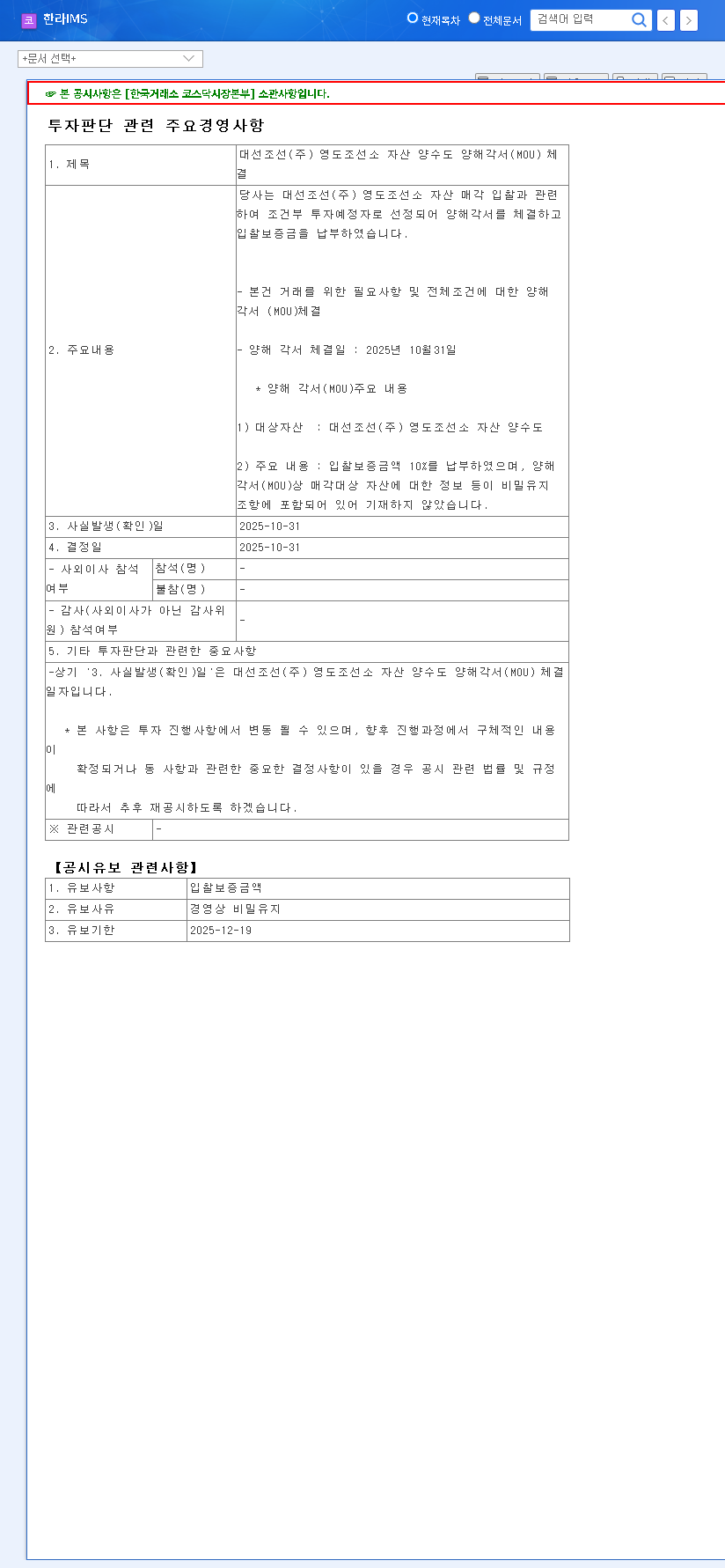
    The landmark MOU for the acquisition of Daesun Shipbuilding’s Yeongdo Shipyard assets represents a pivotal moment for HANLA IMS. On October 31, 2025, the company was selected as the conditional preferred bidder, a move that signals a bold step towards business expansion and portfolio diversification. For more details, see the Official Disclosure on DART.

    This isn’t just an acquisition; it’s a strategic transformation. By securing shipyard assets, HANLA IMS is evolving from a leading equipment supplier to a more integrated player in the shipbuilding industry, unlocking significant vertical synergies.

    Strategic Benefits and Synergies

    • Expanded Production Capacity: Acquiring the Yeongdo Shipyard grants HANLA IMS the physical infrastructure to dramatically scale its operations and enter new segments like steel shipbuilding and potentially large offshore wind substructures.
    • Portfolio Diversification: This move reduces reliance on the equipment sector, creating a more resilient business model that can better withstand cyclical downturns in specific parts of the shipbuilding industry.
    • Enhanced Competitiveness: The integration of production facilities is expected to streamline supply chains, reduce costs, and improve profitability through powerful synergies in technology, production, and sales networks.

    Calculated Risks and Considerations

    While the outlook is positive, investors must remain aware of the inherent risks. The MOU is a preliminary step, and the final terms of the contract could change. The large-scale acquisition will require significant capital, and while HANLA IMS’s financial position is robust, the impact on its balance sheet must be monitored. Finally, the post-acquisition integration of Daesun Shipbuilding’s assets and workforce will present managerial challenges that require flawless execution to realize the projected synergies. For more on industry trends, you can read about the global shipbuilding market outlook.

    Investment Thesis: A ‘Buy’ Rating with Vigilance

    Our overall assessment of the HANLA IMS investment case is highly positive. The company’s strong fundamentals, demonstrated by its H1 2025 results, provide a stable base for the significant long-term growth potential offered by the Daesun Shipbuilding deal. While short-term uncertainties exist, the strategic rationale for the acquisition is compelling and promises to substantially enhance long-term corporate value.

    Therefore, we maintain a ‘Buy’ rating for HANLA IMS stock. However, prudent investors should closely monitor the following developments before making a final decision:

    • The successful negotiation and final terms of the asset transfer contract.
    • The specific financing plan for the acquisition and its real-time impact on the company’s financial structure.
    • Early indicators of successful business integration and synergy realization post-acquisition.

    By keeping these factors in mind, investors can make well-informed decisions regarding their position in HANLA IMS. For further reading, check our analysis on the broader shipbuilding equipment market.

    (092460) HANLA IMS Investment Analysis: H1 2025 Growth & Daesun Shipbuilding Deal 관련 이미지
  • (028050) SAMSUNG E&A Analysis (2025): Deep Dive on Earnings, Stock Outlook & Investment Value

    (028050) SAMSUNG E&A Analysis (2025): Deep Dive on Earnings, Stock Outlook & Investment Value

    A new SAMSUNG E&A analysis reveals a company at a pivotal moment, marked by two significant announcements that have captured investor attention. The firm recently enhanced its corporate transparency with a detailed business report correction filing while simultaneously releasing Q3 2025 preliminary earnings that, despite a revenue shortfall, showcased a surprising and robust beat on operating profit. These developments raise critical questions: What do these signals mean for the future of SAMSUNG E&A stock, and how should investors interpret this blend of news? This deep dive provides the essential insights needed for informed decision-making.

    Dual Developments: Transparency and Profitability

    Investors recently received two key updates from SAMSUNG E&A, each offering a unique lens through which to view the company’s current health and future trajectory. Let’s break down the core details of these events.

    A Commitment to Enhanced Transparency

    In a move to bolster investor confidence, SAMSUNG E&A submitted a comprehensive amended business report. This filing retroactively details the progress of approximately 20 major single sales and supply contracts dating from 2008 to 2024. By clarifying contract terms, project progress, and payment schedules, the company is significantly improving information transparency. This move was formalized in an official disclosure filed with the Financial Supervisory Service (Source: DART Report). For a company operating in the complex Engineering, Procurement, and Construction (EPC) sector, where projects span many years, this level of detail is a crucial signal of corporate governance and reliability.

    Q3 2025 Preliminary Earnings: A Mixed but Promising Picture

    The Q3 2025 preliminary Samsung E&A earnings report presented a nuanced story. While revenue missed targets, profitability shined through:

    • Revenue: KRW 1,995.6 billion, which was 11% below the market consensus of KRW 2,254.5 billion.
    • Operating Profit: KRW 176.5 billion, impressively 4% above the market expectation of KRW 168.9 billion.
    • Net Income: KRW 141.9 billion, closely aligning with the market forecast of KRW 142.7 billion.

    The key takeaway here is the divergence between revenue and profit. The operating profit beat suggests successful cost management, a focus on higher-margin projects, or both—a strong positive indicator for the company’s operational efficiency.

    Decoding the Financials: What This Means for SAMSUNG E&A Investment

    While the headlines provide a snapshot, a deeper Samsung E&A analysis is required to understand the long-term implications. The company’s fundamentals are showing a clear trend of recovery and are entering a new growth phase after a challenging deficit in 2022.

    A Deep Dive into Financial Health and Growth Metrics

    The financial trajectory indicates a robust turnaround. Operating profit is projected to see a steep improvement through 2025, driven by an impressive Q3 operating profit margin of 8.09%. This signals enhanced cost controls and a strategic pivot towards more lucrative projects. Key financial soundness indicators are also improving:

    • Profitability Ratios (ROE & ROA): Return on Equity (ROE) is forecast to climb from 0.49% in 2024 to 5.84% in 2025, showing vastly improved capital efficiency.
    • Debt-to-Equity Ratio: This key leverage metric is projected to decrease steadily to 49.38% by 2025, indicating a stronger, more resilient balance sheet.
    • Current Ratio: Expected to more than double from 40.58% to 81.48%, this improvement signals a significant strengthening of short-term liquidity and the ability to meet immediate obligations.

    Navigating the Macro-Economic Landscape

    No company operates in a vacuum, and external factors are critical to the SAMSUNG E&A investment thesis. An anticipated global trend of interest rate cuts could stimulate large-scale plant and infrastructure investments, which would be highly beneficial for SAMSUNG E&A’s new order pipeline. However, risks remain. Volatility in international oil prices, raw material costs, and currency exchange rates (Won/Dollar, Won/Euro) are significant variables that could impact project profitability. For a broader context, you can review our complete analysis of the global EPC market.

    Conclusion: An Investor’s Action Plan

    SAMSUNG E&A has successfully bolstered corporate credibility through its transparency initiatives and demonstrated operational resilience with its strong Q3 operating profit. The long-term financial projections point towards strengthening fundamentals, marked by recovering revenue, soaring profitability, and a much healthier balance sheet. While external market risks warrant careful monitoring, the company’s positive trajectory in the mid-to-long term is becoming increasingly clear. Industry trends also suggest a growing demand for complex engineering projects, a view supported by reports from leading analysts like Bain & Company.

    Disclaimer: This report is for informational purposes only and is not investment advice. All investment decisions should be made at the investor’s own discretion.

    Frequently Asked Questions (FAQ)

    What is the main takeaway from SAMSUNG E&A’s Q3 2025 earnings?

    Although revenue missed expectations, the operating profit beat them by 4%. This indicates strong profitability performance, likely resulting from improved cost management or a focus on high-margin projects.

    How is SAMSUNG E&A’s overall financial health?

    The company’s financial health is strengthening significantly. Key indicators like the debt-to-equity ratio are decreasing, while the current ratio (liquidity) is improving, signaling a more stable and resilient financial foundation.

    What are the primary risks for investors to watch?

    Key risks are external and include fluctuations in global oil prices, currency exchange rates, and general economic slowdowns that could delay large-scale project investments. Continuous monitoring of these macro trends is crucial.

    What does the business report correction filing mean for investors?

    This action enhances information transparency by providing detailed historical data on major contracts. It is a positive signal that builds corporate credibility and helps investors make more rational, data-driven decisions.

    (028050) SAMSUNG E&A Analysis (2025): Deep Dive on Earnings, Stock Outlook & Investment Value 관련 이미지
  • (055550) Shinhan Financial Group Q3 2025 Earnings: In-Depth Analysis & Stock Outlook

    (055550) Shinhan Financial Group Q3 2025 Earnings: In-Depth Analysis & Stock Outlook

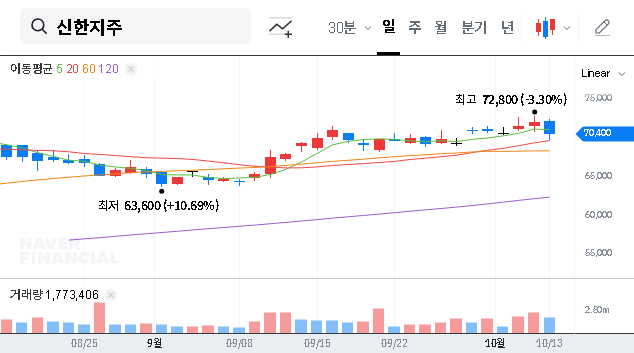
    The SHINHAN FINANCIAL GROUP Q3 2025 earnings report has been released, delivering results that have significantly outpaced market consensus and highlighted the institution’s robust fundamentals. Amid ongoing global economic uncertainties, Shinhan’s performance serves as a key indicator of its strategic resilience and effective risk management. This analysis will provide a deep dive into the factors driving this success, the potential headwinds on the horizon, and what investors should be watching next for the Shinhan Financial Group stock.

    We’ll break down the key financial metrics, explore the synergy between its diverse business segments, and offer a forward-looking perspective on the company’s growth trajectory in the competitive financial landscape.

    Core Results: SHINHAN FINANCIAL GROUP Q3 2025 Earnings Overview

    On October 28, 2025, SHINHAN FINANCIAL GROUP CO., LTD announced its preliminary Q3 results, surprising the market with their strength. The detailed figures can be reviewed in the group’s Official Disclosure. The key financial indicators are as follows:

    • Revenue: KRW 9,514.8 billion
    • Operating Profit: KRW 1,954.6 billion (a significant 7.0% above market expectations)
    • Net Income: KRW 1,423.5 billion (exceeding market forecasts by 4.3%)

    The substantial beat on both operating profit and net income demonstrates that the group’s strong earnings growth trend has been successfully maintained. This performance underscores a healthy year-over-year expansion and solidifies Shinhan’s position as a market leader.

    Analysis of Key Performance Drivers

    Shinhan’s outstanding Q3 performance is not a coincidence but the result of multiple strategic pillars working in concert. However, a comprehensive Shinhan Financial Group analysis requires examining both the tailwinds and potential risks.

    Positive Factors: Pillars of Growth

    • Diversified Income Streams: A balanced growth in both net interest income and non-interest income was a primary driver. This highlights the success of the Group’s diversified business portfolio, reducing reliance on interest rate cycles.
    • Enhanced Shareholder Value: Proactive shareholder return policies, including consistent dividend payments and strategic share buybacks, have been met with a positive investor response, bolstering confidence in the Shinhan Financial Group stock.
    • Rock-Solid Capital Ratios: Maintaining a Common Equity Tier 1 (CET1) ratio of 13.59% demonstrates robust financial health and a strong capacity to absorb shocks, a crucial factor in today’s unpredictable economic climate.
    • Digital Transformation Success: Achieving 27.5 million Monthly Active Users (MAU) across its digital platforms is a testament to Shinhan’s successful digital strategy. This expands their service channels and creates long-term value through customer engagement and data analytics.
    • ESG Leadership: A strengthened focus on Environmental, Social, and Governance (ESG) initiatives, such as reducing greenhouse gas emissions, is enhancing the company’s brand and appealing to a growing base of socially conscious investors.

    Negative Factors and Macroeconomic Risks

    Despite the strong results, several risk factors warrant close monitoring:

    • Shinhan Capital Headwinds: The group’s capital arm faces profitability pressure due to increased loan loss provisions, particularly related to real estate Project Financing (PF) and bridge loans. Proactive risk management in this subsidiary is critical.
    • Global Economic Uncertainty: The broader financial industry is navigating challenges from potential interest rate shifts, economic slowdowns, and geopolitical risks. As reported by authoritative sources like Bloomberg, central bank policies in the U.S. and Eurozone will continue to create volatility.
    • Currency and Commodity Volatility: Fluctuations in the KRW/EUR exchange rate and volatile oil prices can impact international operations and corporate finance sectors, adding another layer of complexity to the Group’s performance.

    Market Context and Competitive Landscape

    The SHINHAN FINANCIAL GROUP Q3 2025 earnings report is expected to provide a positive catalyst for its stock, which saw an upward trend in the first half of the year. When placed in context, Shinhan’s performance, particularly in non-interest income and digital growth, appears strong relative to its domestic peers. How effectively the group navigates sector-wide risks, such as the downturn in real estate PF loans, will be a key differentiator. For a more detailed comparison, see our Full 2025 Korean Banking Sector Outlook.

    Despite macroeconomic headwinds, Shinhan Financial Group’s robust fundamentals, diversified portfolio, and commitment to shareholder returns position it as a resilient player. The key for investors is to monitor the management of credit risks and the strategic expansion of its digital and non-interest income streams.

    Investor Action Plan & Future Outlook

    Looking ahead, Shinhan Financial Group has demonstrated its ability to generate stable, impressive performance. Investors should focus on the following key areas to gauge future momentum:

    • Potential for full-year 2025 earnings forecast upgrades following this strong quarter.
    • Trends in Shinhan Capital’s asset quality and profitability improvement measures.
    • The ongoing expansion of non-interest income across key business segments.
    • Tangible outcomes from new digital business initiatives and ESG management efforts.

    In conclusion, the Shinhan Financial Group performance in Q3 2025 validates its strategic direction and showcases high future growth potential. Continuous monitoring and thorough analysis are encouraged for informed investment decisions.

    Frequently Asked Questions

    Q: Did Shinhan Financial Group’s Q3 2025 earnings meet expectations?

    A: Yes, they significantly exceeded expectations. Operating profit was 7.0% above market consensus, and net income surpassed forecasts by 4.3%, marking a stellar quarter.

    Q: What were the main drivers behind Shinhan’s strong performance?

    A: Key positive factors include balanced growth in interest and non-interest income, proactive shareholder return policies, stable capital ratios, strong digital platform growth, and enhanced ESG management.

    Q: What are the primary risks for Shinhan Financial Group?

    A: Investors should be aware of the performance slowdown at Shinhan Capital, particularly related to real estate PF loans, and broad macroeconomic uncertainties such as interest rate shifts and currency volatility.

    (055550) Shinhan Financial Group Q3 2025 Earnings: In-Depth Analysis & Stock Outlook 관련 이미지
  • (006090) OYANG CORPORATION Shareholding Shake-Up: An Investor’s Deep Dive Analysis

    (006090) OYANG CORPORATION Shareholding Shake-Up: An Investor’s Deep Dive Analysis

    A significant shift in the OYANG CORPORATION shareholding structure has captured the market’s attention. SAJO DAERIM, the company’s largest shareholder, has strategically increased its stake, signaling a major reinforcement of management control. For current and prospective investors, this development raises critical questions: What is the underlying strategy behind this move? How will it impact OYANG’s future direction and financial performance? This comprehensive investor analysis explores the implications of this pivotal event, providing the insights needed to navigate OYANG’s evolving landscape.

    The Catalyst: Deconstructing the Shareholding Change

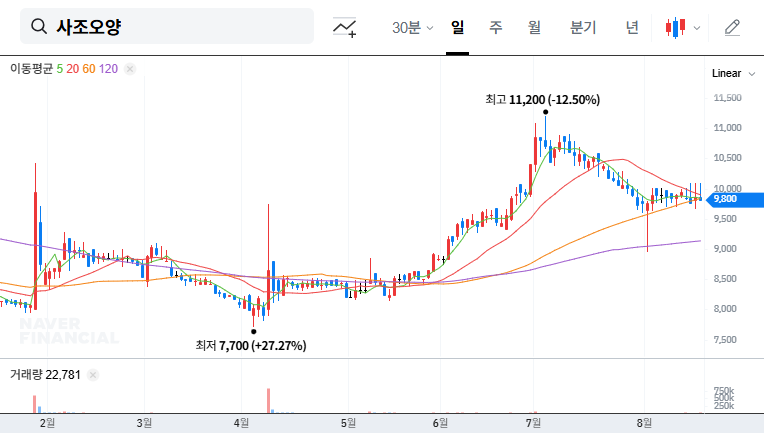
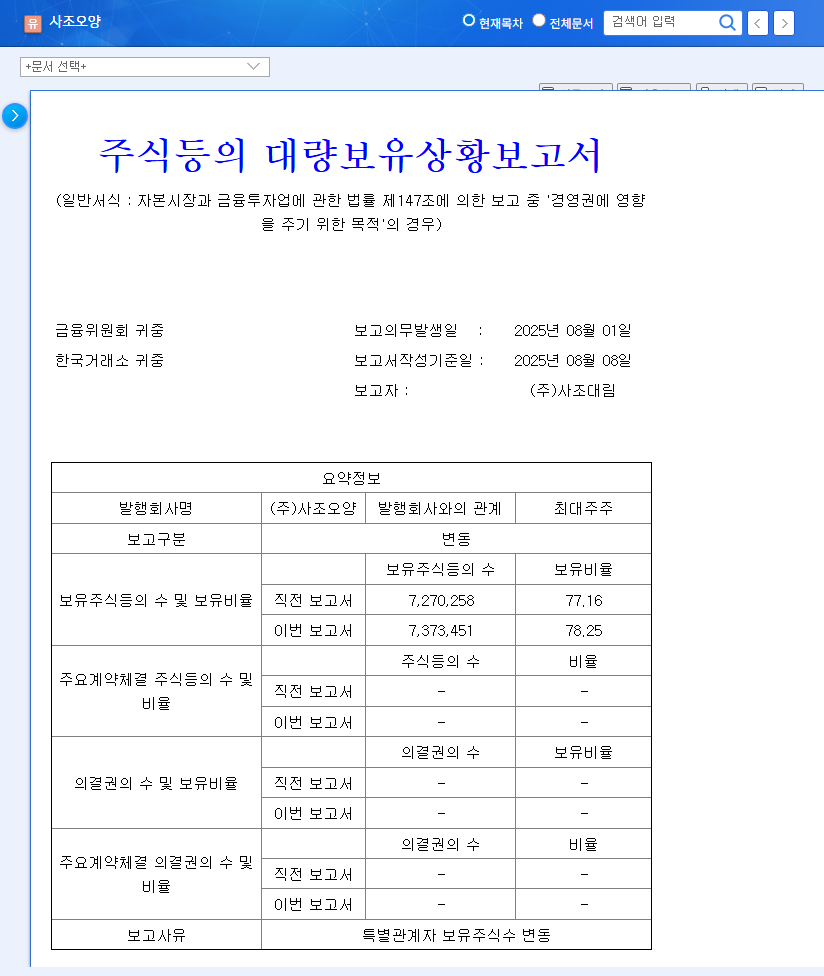
    On October 27, 2025, OYANG CORPORATION formally disclosed the change in its ‘Report on the Status of Large Shareholdings’. The filing revealed that SAJO DAERIM, acting through a related party (SAJO DONGAWON Corp.), acquired additional shares on the open market. This wasn’t a minor adjustment; it was a calculated move to tighten its grip on the company. You can view the complete filing here: Official Disclosure.

    • Previous Stake: 78.25%
    • New Stake: 79.35%
    • Shares Acquired: 17,670 shares
    • Stated Purpose: To exert influence over management

    This increase in the SAJO DAERIM stake is an unambiguous declaration of intent. It ensures that SAJO DAERIM’s vision for OYANG will face minimal internal resistance, allowing for faster and more decisive strategic execution across the entire Sajo Group.

    This isn’t just about owning more shares; it’s about cementing a unified corporate strategy and unlocking deep-seated operational synergies between OYANG’s production and SAJO DAERIM’s powerful distribution network.

    Strategic Rationale: The Pursuit of Deep Synergy

    The primary motivation behind this move is the pursuit of business synergy. OYANG CORPORATION is a powerhouse in food manufacturing (75.83%) and fisheries (23.38%), while its parent, SAJO DAERIM, excels in logistics and distribution. By increasing its OYANG CORPORATION shareholding, the parent company can more effectively integrate these complementary strengths.

    Potential Synergy in Action

    • Streamlined Supply Chain: Combining OYANG’s food processing plants with SAJO’s cold-chain logistics can reduce transportation costs and spoilage, directly improving profit margins.
    • Expanded Market Access: SAJO DAERIM’s extensive retail and wholesale distribution network can push OYANG’s products into new markets and increase shelf space in existing ones, driving top-line revenue growth.
    • Unified R&D and Marketing: Coordinated efforts can lead to the faster development of new products that are market-ready and supported by a group-wide marketing push.

    Outlook for the OYANG CORPORATION Stock: Pros and Cons

    This consolidation of management control presents both opportunities and risks that investors must weigh carefully. For a broader view on corporate governance, resources like Investopedia’s guide to shareholder rights can be very helpful.

    The Bull Case: Potential Positives

    • Management Stability: Reduced risk of leadership disputes creates a stable environment for long-term planning and value creation.
    • Improved Efficiency: Faster, group-level decision-making can lead to quicker adaptation to market changes and more effective operational integration.
    • Positive Market Signal: A major shareholder buying more stock is often seen as a vote of confidence, potentially boosting investor sentiment and the OYANG CORPORATION stock price in the short term.

    The Bear Case: Potential Risks

    • Minority Shareholder Rights: Highly concentrated ownership can sometimes lead to decisions that benefit the parent company at the expense of minority investors.
    • Execution Risk: Promised synergies are not guaranteed. Realizing them requires effective management and execution, which must be monitored.
    • External Headwinds: Macroeconomic factors, such as volatile raw material costs and exchange rates, remain significant challenges, as evidenced by the recent dip in profitability despite revenue growth.

    Investor Action Plan & Final Thoughts

    The change in OYANG CORPORATION shareholding is a net positive for the company’s medium-to-long-term trajectory. However, prudent investors should adopt a ‘trust but verify’ approach. When reviewing future quarterly reports, focus on metrics that demonstrate the realization of these synergies. Look for improved operating margins, notes on cost-savings from logistics, and sales growth in new channels. It is also wise to compare these results with our broader analysis of the Korean food industry to gauge relative performance.

    In conclusion, OYANG CORPORATION is at an exciting juncture. The solidified control by SAJO DAERIM paves the way for enhanced efficiency and growth. While risks related to minority shareholder rights and macroeconomic pressures persist, the strategic alignment offers a compelling path toward increased corporate value. Continuous monitoring of financial results and management’s transparency will be key to a successful investment thesis.

    (006090) OYANG CORPORATION Shareholding Shake-Up: An Investor's Deep Dive Analysis 관련 이미지
    (006090) OYANG CORPORATION Shareholding Shake-Up: An Investor's Deep Dive Analysis 관련 이미지
  • (234300) STraffic Co.,Ltd. Secures LA Rail Automation Contract, Cementing US Market Expansion

    (234300) STraffic Co.,Ltd. Secures LA Rail Automation Contract, Cementing US Market Expansion

    In a significant move that underscores its global ambitions, STraffic Co.,Ltd., a leader in the smart mobility solutions sector, has officially secured a major contract for a rail station automation project in Los Angeles, USA. This achievement is far more than a simple entry on a balance sheet; it represents a critical milestone in the company’s strategy for STraffic US market expansion and serves as a powerful validation of its advanced technological capabilities on the world stage. This expert analysis will dissect the contract’s details, explore its strategic importance, review the company’s robust financial performance, and provide a comprehensive investment outlook.

    Unpacking the Landmark Los Angeles Rail Project

    STraffic Co.,Ltd. announced the finalization of a single sales and supply contract for the construction of comprehensive rail station automation facilities for the Los Angeles rail system. The deal, contracted through its subsidiary STRAFFIC AMERICA, LLC, is valued at a substantial 10.5 billion KRW. According to the Official Disclosure (Source), the project is set to commence on November 7, 2024, with a completion date of August 28, 2026. This contract alone represents a notable 5.6% of the company’s H1 2025 revenue, signaling an immediate and positive financial impact.

    The scope of this rail station automation project is extensive, encompassing the core technologies that define modern, efficient public transit. This includes the deployment of state-of-the-art Automated Fare Collection (AFC) gates, intelligent ticket vending machines, and a centralized back-office system for seamless management and data analysis, all critical components of modern smart city infrastructure.

    Why This is a Game-Changer for STraffic’s Global Strategy

    This Los Angeles contract is a strategic victory for STraffic Co.,Ltd. for several key reasons:

    • Deepened US Market Penetration: Building on its previous success with the San Francisco BART project, this new contract solidifies STraffic’s presence on the American West Coast. It strategically positions the company to capitalize on expanding Social Overhead Capital (SOC) investments and the burgeoning demand for smart mobility solutions across North America.
    • Validation of Technical Excellence: Public transportation infrastructure demands the highest levels of reliability, security, and technical expertise. Securing a competitive contract for a major US city like Los Angeles publicly validates the superiority and stability of STraffic’s technology, building immense credibility with potential future clients globally.
    • Accelerated Revenue Growth: The 10.5 billion KRW from this project will be recognized over the contract period, providing a predictable and substantial revenue stream that directly contributes to top-line growth and enhances shareholder value.

    Financial and Operational Performance Analysis

    Robust Growth Trajectory in H1 2025

    The company’s latest financial reports paint a picture of impressive growth. In H1 2025, revenue surged by 29.0% year-over-year to 75.508 billion KRW. This was largely fueled by increased orders from its US subsidiary, demonstrating that the STraffic US market expansion strategy is already yielding significant results. Operationally, the company has shown remarkable efficiency gains.

    Operating profit soared by an astonishing 854.1% to 6.326 billion KRW, with the operating profit margin improving dramatically to 8.4%. This indicates a highly scalable business model where revenue growth is directly translating into even faster profitability growth.

    Strengthening Financial Position

    Financially, STraffic Co.,Ltd. has fortified its balance sheet. A 11.5% decrease in total liabilities has improved the debt-to-equity ratio to a healthy 83.0%, signaling a stable and less leveraged financial structure. Furthermore, a 75.9% increase in retained earnings shows that the company is effectively converting its operational success into accumulated capital, paving the way for future investments and R&D.

    Navigating Potential Risks and Headwinds

    While the outlook is overwhelmingly positive, prudent investors should remain aware of potential risks inherent in international operations:

    • Exchange Rate Volatility: With a growing share of revenue denominated in USD, fluctuations in the USD/KRW exchange rate can impact final reported earnings and profitability.
    • Project Execution Risks: Large-scale infrastructure projects can face unforeseen challenges, including supply chain delays or cost overruns, which require meticulous project management to mitigate.
    • Changes in US Policy: Future shifts in US government infrastructure investment policies could influence the pipeline for new contracts, although the current climate remains highly favorable.

    Conclusion and Investment Outlook

    The Los Angeles rail station automation contract is a powerful catalyst for STraffic Co.,Ltd. It solidifies the company’s growth trajectory, enhances its brand credibility, and secures a vital future revenue engine. The combination of proven technological prowess and a clear, successful strategy for overseas expansion provides a strong foundation for sustained growth. While risks must be monitored, the current momentum and robust financial health support a ‘Positive’ investment judgment from a long-term perspective. For further insights, you can explore our analysis of the broader smart mobility market.

    (234300) STraffic Co.,Ltd. Secures LA Rail Automation Contract, Cementing US Market Expansion 관련 이미지
    (234300) STraffic Co.,Ltd. Secures LA Rail Automation Contract, Cementing US Market Expansion 관련 이미지
  • (002460) HS HWASUNG Stock: Analyzing the Impact of the ₩102.3 Billion Reconstruction Deal

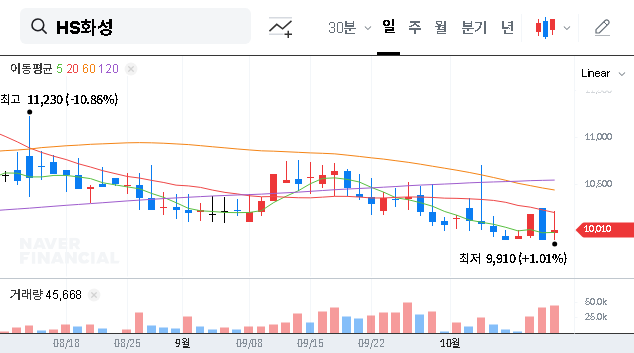
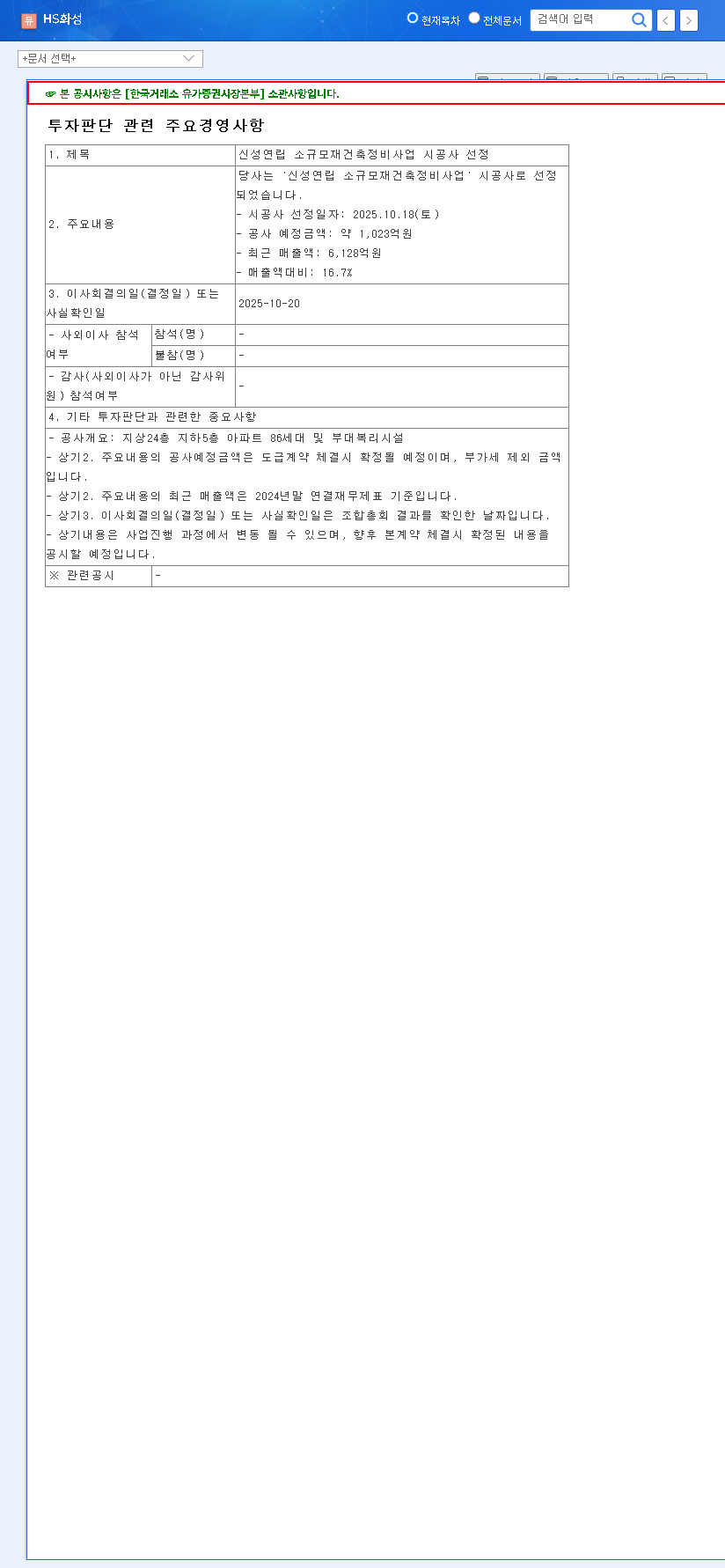
    (002460) HS HWASUNG Stock: Analyzing the Impact of the ₩102.3 Billion Reconstruction Deal

    The announcement of the new HS HWASUNG reconstruction project has sent a significant signal through the investment community, especially given the current headwinds in the broader Korean construction market. HS HWASUNG CO., LTD. has successfully secured a landmark contract for the ‘Sinsung Yeonlip Small-scale Reconstruction Project,’ a deal valued at a substantial ₩102.3 billion. This development represents a critical moment for the company, and for investors, it begs the question: is this the catalyst for a major re-evaluation of HS HWASUNG stock?

    This comprehensive investor analysis will dissect the contract’s details, explore the multifaceted impact on HS HWASUNG’s corporate value, weigh the potential risks, and provide a clear roadmap of key indicators to monitor moving forward.

    Unpacking the ₩102.3 Billion Sinsung Yeonlip Deal

    On October 20, 2025, HS HWASUNG officially disclosed its selection as the primary constructor for this pivotal urban regeneration project. The contract, with a formidable value of approximately ₩102.3 billion, is not merely another line item in their order book. It accounts for a staggering 16.7% of the company’s recent annual revenue of ₩612.8 billion. The full details of this significant agreement were made public via an Official Disclosure (DART Report), providing transparency for the market.

    The ‘Sinsung Yeonlip’ project focuses on the redevelopment of an older low-rise apartment complex into a modern, high-value residential area. Such small-scale reconstruction projects are becoming increasingly important in mature urban centers, representing a stable and growing niche within the often-volatile construction sector.

    “This win is more than just a financial boost; it’s a strategic validation of HS HWASUNG’s expertise in the complex urban regeneration space. Securing a project of this scale showcases their competitive edge and builds immense trust for future bids.”

    The Bull Case: Positive Catalysts for HS HWASUNG Stock

    For investors, the implications of this contract are overwhelmingly positive and extend far beyond the headline number. A thorough investor analysis reveals several key growth drivers.

    Strengthened Revenue Pipeline & Profitability

    The most direct impact is the fortification of future revenue streams. This project provides a clear and stable source of income, significantly boosting the company’s order backlog and ensuring operational momentum for the coming years. This visibility is highly valued by investors, especially during periods of economic uncertainty.

    Enhanced Market Position and Competitiveness

    Successfully winning the Sinsung Yeonlip bid diversifies HS HWASUNG’s portfolio and demonstrates its capability in a lucrative market segment. It proves the company can compete and win against rivals, enhancing its brand reputation and making it a more formidable player in future tenders.

    Navigating Headwinds: A Realistic Look at the Risks

    While the outlook is bright, a prudent investor must also consider the inherent risks associated with large-scale construction ventures. Diligent management will be paramount for HS HWASUNG to translate this win into tangible profit.

    • Cost Control and Margin Pressure: The construction industry is susceptible to volatile raw material prices (steel, cement) and rising labor costs. Any unforeseen project delays or cost overruns could directly impact profitability, a key concern for any HS HWASUNG reconstruction project.
    • Financial & Operational Demands: A project of this magnitude requires significant upfront capital and flawless operational execution. Investors should monitor the company’s cash flow and debt-to-equity ratio to ensure financial health remains robust throughout the project’s lifecycle.
    • Macroeconomic Factors: Broader economic conditions, including interest rate fluctuations and government real estate policies, can influence the overall construction market. As major outlets like Bloomberg report, the global economic climate can impact domestic project viability.

    Investor’s Roadmap: Monitoring HS HWASUNG’s Growth

    For this positive development to translate into sustained growth for HS HWASUNG stock, investors should keep a close watch on several key performance indicators:

    • Quarterly Project Updates: Pay close attention to quarterly earnings reports for updates on the Sinsung Yeonlip project’s progress, budget adherence, and realized profit margins.
    • Financial Health Metrics: Continuously analyze the company’s balance sheet, focusing on cash flow from operations, debt levels, and overall liquidity.
    • New Order Announcements: The ability to leverage this success into securing additional reconstruction projects will be the ultimate test of sustained growth momentum.

    Conclusion: A Strong Foundation for Future Growth

    The ₩102.3 billion Sinsung Yeonlip deal is undeniably a significant positive catalyst for HS HWASUNG. It provides revenue stability, enhances market credibility, and validates its strategic focus on urban regeneration. While execution risk and market challenges remain, the successful management of this project could pave the way for a new era of growth and increased corporate value. For diligent investors, HS HWASUNG is certainly a company to watch closely in the coming quarters.

    (002460) HS HWASUNG Stock: Analyzing the Impact of the ₩102.3 Billion Reconstruction Deal 관련 이미지
  • (329180) HD Hyundai Heavy Industries: Analyzing the Landmark Eco-Friendly Ship Order

    (329180) HD Hyundai Heavy Industries: Analyzing the Landmark Eco-Friendly Ship Order

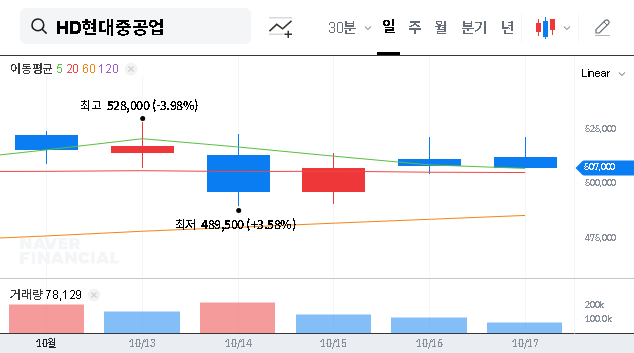
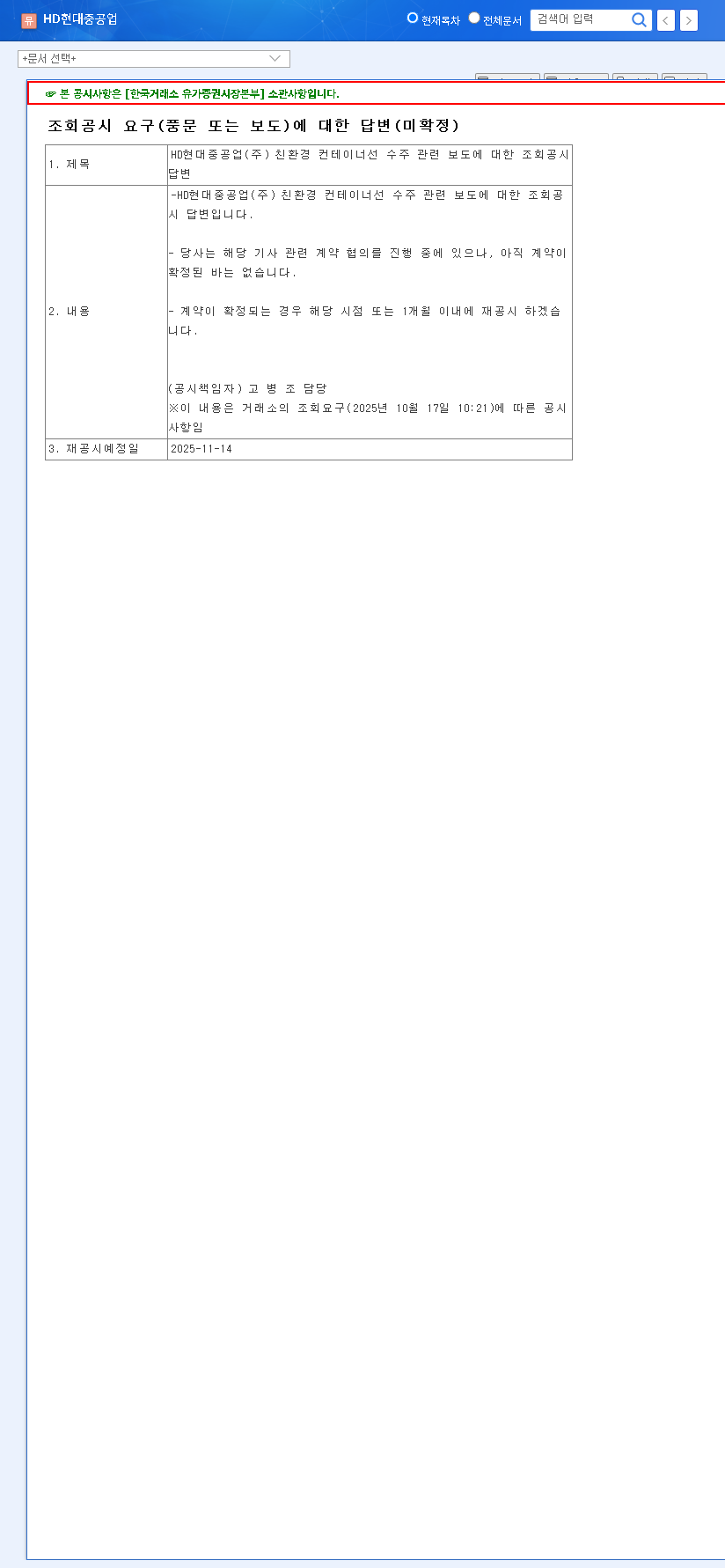
    The shipbuilding world is abuzz with reports of a massive potential deal for HD Hyundai Heavy Industries (HD HHI), centered on a new fleet of cutting-edge, eco-friendly container ship orders. While the official contract remains unconfirmed, the news has ignited a firestorm of speculation among investors and industry analysts. This single event could redefine HD HHI’s growth trajectory, but with great opportunity comes significant uncertainty. This comprehensive analysis will unpack the situation, explore the broader market trends, and provide a strategic playbook for investors navigating the waters ahead of the scheduled re-disclosure date of November 14, 2025.

    While the contract is not yet finalized, the potential order for eco-friendly container ships represents a pivotal moment for HD Hyundai Heavy Industries, aligning the company with the future of green shipping and promising a significant boost to its order backlog.

    The Current Situation: What We Know

    HD Hyundai Heavy Industries has officially addressed the market rumors, confirming that negotiations are actively underway but a final agreement has not been reached. The company has committed to a re-disclosure upon confirmation, setting a deadline of November 14, 2025. This lengthy timeline suggests a complex, high-value deal with numerous details to be ironed out. Investors must therefore balance the potential upside with the inherent risk of the deal falling through. The official statement can be tracked via the Official Disclosure (DART report).

    Why Eco-Friendly Container Ship Orders are a Game-Changer

    This isn’t just another large order. The focus on ‘eco-friendly’ vessels places HD Hyundai Heavy Industries at the forefront of one of the most significant shifts in the maritime industry: decarbonization. Global regulations, such as those set by the International Maritime Organization (IMO), are forcing shipping lines to invest heavily in ships that reduce greenhouse gas emissions. These new vessels often utilize alternative fuels like LNG (Liquefied Natural Gas), methanol, or are designed for future ammonia propulsion.

    Potential Upside for HD HHI

    • Revenue and Backlog Security: A confirmed mega-order would secure revenue streams for years, providing stability and predictability in a cyclical industry.
    • Technological Leadership: Successfully delivering a large fleet of green vessels would solidify HD HHI’s reputation as a leader in advanced, high-value shipbuilding, attracting further premium orders.
    • Enhanced Market Valuation: Positive news of this magnitude would almost certainly boost investor sentiment, potentially leading to a significant re-rating of the company’s stock and an improved HD HHI investment outlook.

    Navigating Potential Risks and Uncertainties

    Despite the optimism, caution is warranted. The primary risk is non-finalization; if the deal collapses, the market’s disappointment could trigger a sharp stock price correction. Furthermore, the final contract terms are unknown. Key details regarding pricing, profit margins, and payment schedules will determine the deal’s actual financial benefit. Rising steel prices and labor costs could also erode profitability, even on a large order.

    An Investment Strategy for HD Hyundai Heavy Industries Stock

    For those considering an HD HHI investment, a measured and informed approach is essential. The period leading up to the November 2025 disclosure will likely see increased stock volatility based on rumors and speculation. A prudent strategy involves thorough due diligence beyond this single potential contract.

    Investor Checklist: What to Monitor

    • The Official Re-disclosure: This is the most critical event. On or before November 14, 2025, check for confirmation and analyze the disclosed terms: total contract value, number of vessels, delivery dates, and client identity.
    • Brokerage Reports & Industry Analysis: Seek out professional analysis on HD HHI and the broader shipbuilding industry trends. These reports provide context on market expectations and peer performance.
    • Company Fundamentals: Look at HD HHI’s existing order backlog, debt levels, and quarterly earnings reports. A strong fundamental base makes the company more resilient, regardless of this single deal’s outcome.
    • Market Context: Stay informed about global trade volumes and the overall health of the shipping industry. For more information, you can read about The Future of Global Shipbuilding.

    Conclusion: A Defining Moment

    The rumored eco-friendly container ship orders represent a potential watershed moment for HD Hyundai Heavy Industries. A successful deal would not only provide a massive financial boost but also cement its status as a premier builder for the next generation of green shipping. However, the ‘unconfirmed’ status is a crucial caveat. Investors should embrace a strategy of vigilant optimism, closely monitoring official announcements and conducting comprehensive research to make an informed decision when the final details are revealed.

    (329180) HD Hyundai Heavy Industries: Analyzing the Landmark Eco-Friendly Ship Order 관련 이미지
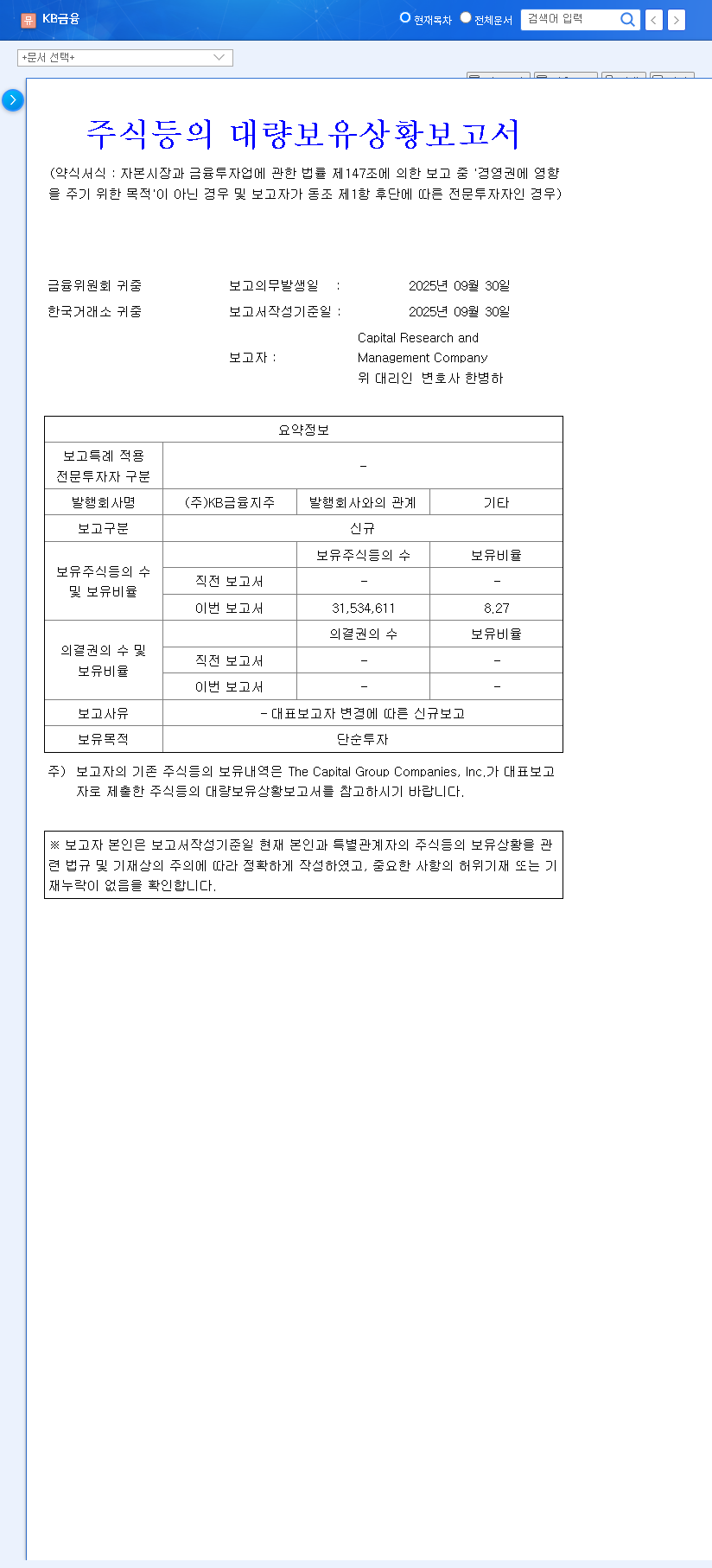
  • (105560) KB Financial Group Inc. Analysis: Inside Capital Group’s Major 8.27% Stake

    (105560) KB Financial Group Inc. Analysis: Inside Capital Group’s Major 8.27% Stake

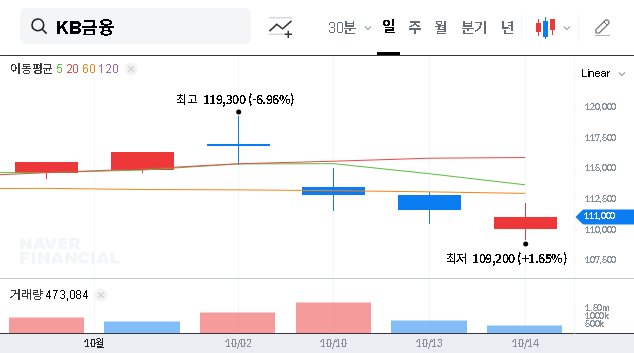
    When a global investment titan like Capital Group makes a multi-billion dollar move, the market pays close attention. Their recent acquisition of a substantial 8.27% stake in KB Financial Group Inc. has sent a powerful signal to investors worldwide. While the stated purpose is a ‘simple investment,’ this move signifies deep confidence in the South Korean financial giant’s future.

    This article provides an in-depth analysis of the deal, dissects the underlying fundamentals of KB Financial Group Inc., and explores what this major vote of confidence could mean for the company’s stock price and your investment strategy.

    The Landmark Deal: Capital Group’s Stake in KB Financial Group Inc.

    On October 14, 2025, Capital Group, through its affiliates, formally disclosed its acquisition of an 8.27% holding in KB Financial Group Inc., a cornerstone of South Korea’s financial sector. This is not a minor adjustment but a significant new position, making Capital Group one of the largest foreign shareholders. The transaction details were made public via an Official Disclosure on the DART system.

    Capital Group is known for its long-term, value-oriented investment philosophy. Their decision to invest heavily in KB Financial Group Inc. suggests a strong belief in the company’s intrinsic value and its capacity for sustained growth, looking beyond short-term market fluctuations.

    Deep Dive: A Fundamental Analysis of KB Financial Group Inc.

    To understand Capital Group’s rationale, we must examine the core strengths and potential risks associated with KB Financial Group Inc. The company’s 2025 half-year report reveals a picture of robust health, albeit with some challenges on the horizon.

    Core Strengths and Positive Factors

    • Diversified Profit Streams: Beyond traditional banking, KB has successfully expanded its non-banking portfolio, including securities, insurance, and credit cards. This diversification creates a more resilient profit structure that can weather economic cycles.
    • Robust Capitalization: The group maintains an industry-leading capital ratio, providing a strong buffer against unexpected losses and the financial firepower to pursue new growth opportunities.
    • Digital Transformation: Through strategic investments in AI, big data, and fintech partnerships, KB is positioning itself as a leader in digital finance, securing a long-term competitive edge.
    • Global Footprint: Steady growth in emerging markets is strengthening KB’s global competitiveness and diversifying its revenue base away from reliance on the domestic South Korean market.

    Potential Risks and Headwinds

    Despite the positive outlook, prudent investors must consider the potential challenges.

    • Macroeconomic Volatility: Fluctuations in interest rates and currency exchange rates present an ongoing challenge to profitability and require careful management.
    • Real Estate PF Exposure: The South Korean real estate market has shown signs of cooling. KB’s exposure to project financing (PF) loans requires diligent risk management to prevent potential defaults from impacting the bottom line.
    • Intense Competition: The rise of agile fintech startups and internet-only banks continues to intensify competition within the domestic financial industry.

    Stock Price Outlook: How Will This Investment Impact KB Financial?

    The acquisition by a prestigious investor like Capital Group is a significant catalyst that is likely to positively influence the KB Financial stock analysis. This move boosts market confidence and could attract a wave of follow-on investments from other foreign institutions, creating sustained buying pressure. You can explore further analysis in our guide to investing in South Korean financial stocks.

    While the controversial 2024 financial estimates (showing a projected net loss) might cause short-term concern, Capital Group’s investment horizon extends far beyond a single year’s performance. Their focus is likely on the improving debt-to-equity ratio and the long-term earnings power of the franchise. This endorsement signals that the company’s strong fundamentals are expected to overcome temporary setbacks. For more context on global investment trends, see the latest reports from authoritative sources like Bloomberg.

    Overall Assessment & Investor Guidance

    Our overall assessment of KB Financial Group Inc. is Positive. The substantial investment from Capital Group validates the company’s strong fundamental position and provides a powerful upward catalyst for its stock price. It underscores a belief that the company is well-positioned to navigate macroeconomic uncertainties and capitalize on its diversified business model.

    Investors should adopt a long-term perspective, focusing on the company’s core operational performance. Key metrics to monitor in upcoming earnings reports include Net Interest Margin (NIM) trends, growth in non-banking segments, and the status of the real estate loan portfolio. While risks exist, the endorsement from one of the world’s most respected investors provides a compelling reason for optimism.

    Frequently Asked Questions (FAQ)

    What does Capital Group’s investment in KB Financial Group Inc. signify?

    It signals a strong vote of confidence in KB Financial’s long-term growth potential and fundamental value. It enhances market credibility and suggests that a sophisticated global investor sees the company as undervalued relative to its future prospects.

    Is KB Financial Group Inc. a good investment despite the 2024 loss estimates?

    From a long-term perspective, yes. Major institutional investors like Capital Group often look past short-term volatility. The investment implies a belief that core strengths—such as a strong balance sheet and diversified income—will outweigh a temporary dip in profitability.

    What are the key risks when investing in KB Financial Group Inc.?

    The primary risks include exposure to the domestic real estate market (PF loans), macroeconomic headwinds like interest and exchange rate fluctuations, and intensifying competition from fintech companies. Continuous monitoring of these factors is crucial.

    (105560) KB Financial Group Inc. Analysis: Inside Capital Group's Major 8.27% Stake 관련 이미지