Tag: Investment Banking

  • SK Securities Divests Trinity Asset Management: What Does it Mean for the Future?


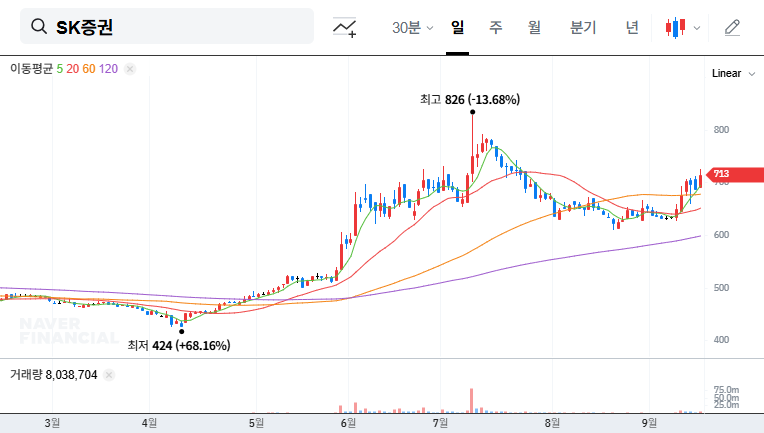
    SK Securities Divests Trinity Asset Management: What Does it Mean for the Future? 대표 차트 이미지


    SK Securities Divests Trinity Asset Management: What Happened?

    On September 15, 2025, SK Securities announced the sale of its entire stake in Trinity Asset Management for 169 billion won (3.03% of its capital). The disposal is scheduled for September 29th, with the aim of securing resources for strengthening business competitiveness and improving financial structure.

    Divestment Background and Fundamental Analysis: Why the Sale?

    While SK Securities returned to profitability in the first half of 2025, challenges remain, including sluggish performance in the brokerage division and losses in other segments. Although the Investment Banking (IB) division performed well and proprietary trading saw growth, the company needs to restructure its overall business and strengthen its financial health. The proceeds from the sale are expected to be used for improving financial structure and securing future growth engines.

    Impact of the Divestment and Investment Strategy: What’s Next?

    In the short term, this divestment is expected to positively impact the financial structure. However, the long-term impact on stock price will depend on how the proceeds are utilized and whether the core business competitiveness is strengthened. Investors should closely monitor SK Securities’ future business strategies and performance changes.

    Action Plan for Investors: What to Watch?

    • Use of Proceeds: Investors need to check SK Securities’ specific plans for utilizing the funds from the divestment.
    • Strengthening Core Business Competitiveness: Pay close attention to the company’s strategies for overcoming weaknesses in the brokerage division and securing new growth drivers.
    • Changes in Financial Indicators: Monitor whether the divestment actually leads to improved financial structure.
    • Market Environment Changes: Continuously monitor the impact of external factors, such as interest rate fluctuations, on SK Securities.


    FAQ

    Why did SK Securities divest its stake in Trinity Asset Management?

    SK Securities sold its stake in Trinity Asset Management to secure resources for strengthening business competitiveness and improving financial structure.

    Will this sale positively impact SK Securities’ stock price?

    While it may positively affect the financial structure in the short term, the long-term stock price movement depends on the utilization of the proceeds and the strengthening of core business competitiveness.

    What precautions should investors take when considering SK Securities?

    Investors should consider potential risk factors, such as the sluggish brokerage performance, losses in other segments, and litigation risks. They should also monitor the company’s future business strategies and performance changes.
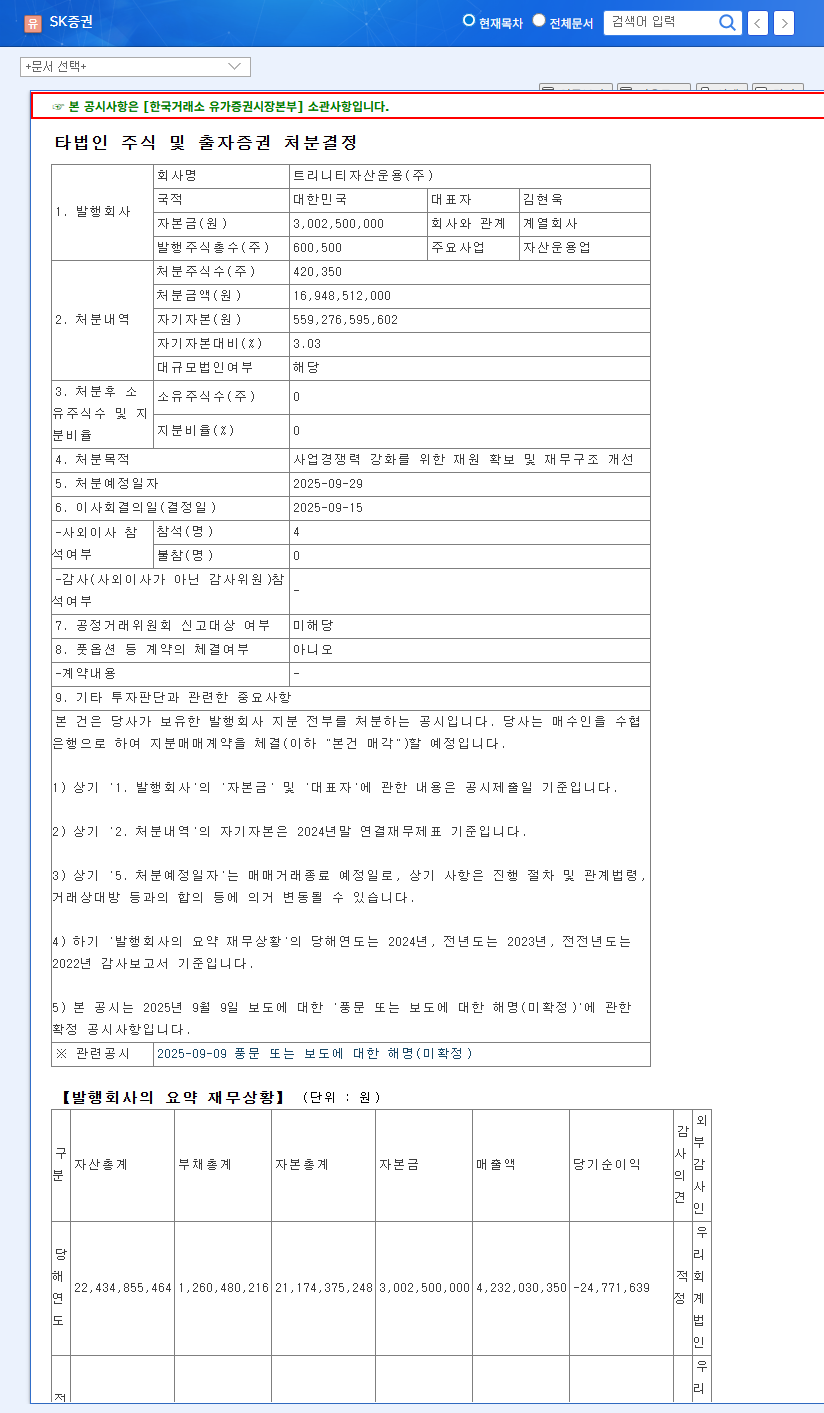
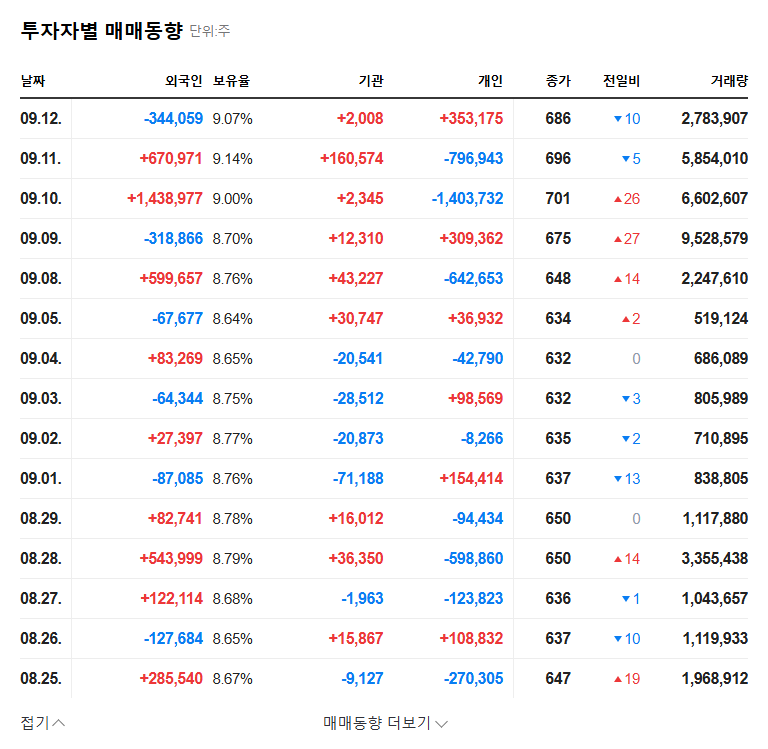


    SK Securities Divests Trinity Asset Management: What Does it Mean for the Future? 관련 이미지
    SK Securities Divests Trinity Asset Management: What Does it Mean for the Future? 관련 이미지


  • Sangsangin Securities Reports Loss in H1 2025: Impact Analysis for Investors

    1. Sangsangin Securities H1 2025 Performance Decline: What Happened?

    Sangsangin Securities reported an operating loss of KRW 9.978 billion and a net loss of KRW 7.33 billion in the first half of 2025. This significantly missed market expectations and sent shockwaves through the investment community.

    2. Analyzing the Causes of the Decline: Why Did This Happen?

    The primary drivers of this loss are a decline in commission income, reduced profits from securities and derivatives trading, and deteriorating profitability in the Investment Banking (IB) division. The sharp drop in securities trading volume significantly impacted the company’s revenue. Furthermore, decreased operating profit in the IB division and a substantial increase in operating expenses in other segments also contributed to the poor performance. Macroeconomic indicators, including falling interest rates, rising exchange rates, and increasing oil prices, combined to dampen investor sentiment. Market volatility, highlighted by the diverging performance of KOSPI and KOSDAQ, and growing concerns over real estate project financing defaults further exacerbated the negative impact on Sangsangin Securities’ results.

    3. Impact on Investors and Response Strategies: What Should Investors Do?

    This poor performance is likely to weigh heavily on Sangsangin Securities’ fundamentals. Short-term profitability improvements appear challenging, and continued losses could threaten capital adequacy. Investors should closely monitor the company’s management improvement plans and strategies for adapting to changing market conditions. Efforts such as diversification of revenue streams, cost efficiency measures, and strengthened risk management will be crucial to prevent further deterioration.

    4. Investor Action Plan: Key Points to Watch

    • Management Response: Carefully review the specific management improvement plans and future strategies presented by Sangsangin Securities’ leadership.
    • Market Monitoring: Continuously monitor changes in macroeconomic indicators and market volatility.
    • Risk Management: Reassess investment portfolios and strengthen risk management strategies.
    How did Sangsangin Securities perform in the first half of 2025?

    Sangsangin Securities reported an operating loss of KRW 9.978 billion and a net loss of KRW 7.33 billion, marking a shift into negative territory.

    What are the main reasons for this poor performance?

    The main factors contributing to the loss include a decline in commission income, reduced profits from securities and derivatives trading, and weakened profitability in the Investment Banking (IB) division.

    What should investors focus on moving forward?

    Investors should pay close attention to the company’s management improvement plans, market conditions, and risk management strategies.

  • Mirae Asset Securities Q2 2025 Earnings: A Positive Surprise for Investors

    1. What Happened at Mirae Asset Securities?

    Mirae Asset Securities announced its Q2 2025 earnings, reporting revenue of KRW 76,948 billion, operating profit of KRW 5,004 billion, and net income of KRW 4,058 billion. These figures significantly surpassed market expectations, marking a positive earnings surprise.

    2. What Drove This Strong Performance?

    The positive results are attributed to a favorable financial market, strong growth in the Investment Banking (IB) sector, efficient cost management, and increased commission income. Consistent growth since Q3 2024 culminated in this strong performance in the first half of 2025. While there were some corrections made to the business report, these were related to enhancing the accuracy of disclosed information and do not impact the company’s fundamental financial health.

    3. What Does This Mean for the Future?

    In the short term, this earnings surprise is likely to boost investor sentiment and drive stock price momentum. In the long term, it is expected to contribute to strengthening the company’s fundamentals and enhancing its market competitiveness. However, continuous monitoring of macroeconomic variables such as interest rates, exchange rates, and potential economic slowdown, along with the competitive landscape and regulatory changes in the securities industry is crucial.

    4. What Should Investors Do?

    • Analyze Sustainability of Earnings: Carefully determine if this positive performance is driven by temporary or structural factors.
    • Monitor Macroeconomic Variables: Keep a close eye on interest rates, exchange rates, and the potential for an economic slowdown.
    • Analyze the Competitive Landscape and Regulations: Understand the competitive environment within the securities industry and monitor regulatory changes.
    • Check Information Transparency: Continuously monitor the company’s information disclosure transparency and internal control systems.

    Frequently Asked Questions

    How did Mirae Asset Securities perform in Q2 2025?

    Mirae Asset Securities posted strong Q2 2025 results, reporting revenue of KRW 76,948 billion, operating profit of KRW 5,004 billion, and net income of KRW 4,058 billion, exceeding market expectations.

    What were the main drivers of this positive performance?

    The key drivers include a favorable financial market, growth in the IB sector, efficient cost management, and increased commission income.

    What should investors consider before investing?

    Investors should consider factors such as earnings sustainability, macroeconomic variables, the competitive landscape and regulatory changes, and the transparency of information management.

  • Daol Investment & Securities H1 2025 Earnings Analysis: Turnaround or Trap?

    1. Daol Investment & Securities H1 2025 Performance: What Happened?

    Daol Investment & Securities recorded revenue of KRW 503.1 billion, operating profit of KRW 19.5 billion, and net income of KRW 22.3 billion in the first half of 2025, marking a significant improvement year-over-year. Balanced growth across major business segments, including investment banking, asset management, and savings banking, drove this performance. Notably, the company achieved an ‘earnings surprise,’ exceeding market expectations which were estimated at zero.

    2. Drivers of Improvement: Why the Positive Results?

    • • Investment Banking: Surge in gains from financial asset (liability) valuation and disposal; recovery in proprietary trading and underwriting.
    • • Asset Management: Increased market investment demand; successful alternative investment strategies.
    • • Savings Banking: Effective asset quality management and digital investments.
    • • Stable capital adequacy ratio (256.42%).

    3. Investment Considerations: Proceed with Caution

    Despite the positive earnings, investors should consider past performance volatility, a high debt-to-asset ratio (115.06%), potential risks related to real estate project financing (PF), market volatility (interest rates, exchange rates, etc.), and intensifying competition. The uncertainty surrounding the real estate PF sector is a crucial variable that could impact future performance.

    4. Investment Strategy: How Should You Invest?

    While the positive momentum may continue in the short term, a cautious approach is recommended considering market volatility and risk factors. In the medium to long term, closely monitor the management of real estate PF risks, stabilization and diversification of the business portfolio, and strengthening of core business competitiveness. Continuous attention to the following quarter’s earnings trends, real estate PF risk management and recovery status, response strategies to macroeconomic variables, and performance of new businesses and portfolio diversification is crucial.

    Frequently Asked Questions

    How did Daol Investment & Securities perform in H1 2025?

    Daol reported strong earnings in H1 2025, with revenue of KRW 503.1B, operating profit of KRW 19.5B, and net income of KRW 22.3B, a significant year-over-year improvement.

    What are the key investment considerations for Daol Investment & Securities?

    Investors should carefully consider past volatility, high debt levels, and potential real estate PF risks.

    What is the outlook for Daol Investment & Securities?

    The company’s medium to long-term growth will depend on its ability to manage real estate PF risks, diversify its portfolio, and strengthen its core business competitiveness.

  • Korea Asset Securities Q1 2025 Earnings Shock: A Red Flag for Investors?

    1. What Happened at Korea Asset Securities?

    Korea Asset Securities experienced a significant downturn in Q1 2025, reporting a 91.7% drop in operating income and a 94.6% decline in net income. All key business segments, including brokerage, proprietary trading, and bond underwriting, witnessed a decline in profitability, with investment banking (IB) and other segments posting substantial operating losses.

    2. Why the Earnings Miss?

    The earnings decline can be attributed to a combination of factors. The challenging macroeconomic environment, characterized by persistent high interest rates and increasing forex volatility, put pressure on the entire securities industry. Korea Asset Securities’ proprietary trading segment was hit particularly hard, likely due to difficulties in capital utilization and position management amid market volatility. The slump in the IB division, stemming from challenges in real estate project financing and reduced corporate funding, also contributed significantly to the losses. Most alarmingly, a dramatic surge in ‘other assets’ and ‘other liabilities’ – approximately 20 and 15 times higher than the previous quarter, respectively – raises serious questions about the company’s financial health. The leverage ratio also spiked to 703.9%, significantly amplifying financial leverage risk.

    3. What’s Next?

    The short-term outlook for Korea Asset Securities appears bleak. The poor earnings and weakened financial standing are likely to dampen investor sentiment and exert downward pressure on the stock price. In the long term, the company’s fundamentals could continue to deteriorate unless there is a clear explanation and a concrete plan to address the surge in ‘other assets/liabilities,’ improve profitability in the IB segment, and manage its leverage ratio.

    4. What Should Investors Do?

    Investors should approach Korea Asset Securities with extreme caution. It is prudent to hold off on any investment decisions until there is more clarity and concrete improvement plans from the company. Key areas to watch include a transparent explanation for the surge in ‘other assets/liabilities,’ a viable strategy for improving IB profitability, and a plan to manage the elevated leverage ratio.

    Q: Why did Korea Asset Securities perform so poorly in Q1 2025?

    A: A combination of external factors like high interest rates and forex volatility, along with internal issues such as losses in proprietary trading, a slump in IB, and a dramatic increase in ‘other assets/liabilities,’ contributed to the poor performance.

    Q: What does the surge in ‘other assets/liabilities’ signify?

    A: ‘Other assets’ and ‘other liabilities’ increased by approximately 20 and 15 times, respectively, compared to the previous quarter. This unusual surge raises concerns about the company’s financial health and transparency and warrants a clear explanation from the company.

    Q: Should I invest in Korea Asset Securities?

    A: Investors should exercise extreme caution at present. A conservative investment approach is recommended until the company demonstrates concrete improvements in its financial structure and profitability.

  • NH Investment & Securities Q1 2025 Earnings: Strong Performance, But What Lies Ahead?

    1. NH Investment & Securities Q1 2025 Earnings Analysis

    NH Investment & Securities reported a net operating revenue of KRW 556.7 billion and net income of KRW 208.2 billion in Q1 2025, both up year-over-year. While the IB division shined, Sales & Trading underperformed due to decreased market trading volume. A key positive is their robust financial health, with a net capital ratio of 1,652.3%.

    2. Key Focus Points for the Upcoming IR

    The August 4th IR will provide a detailed analysis of Q1 results and unveil mid- to long-term growth strategies. Key areas of interest include the sustainability of IB growth, plans to address the Sales & Trading slump, and strategies to navigate market uncertainties such as Fintech competition and interest rate hikes. Management’s approach to market expectation management will also be closely watched.

    3. Market Conditions and the Future of NH Investment & Securities

    Various market indicators, including US interest rate hikes, fluctuations in the KRW/USD exchange rate, and international oil prices, can impact NH Investment & Securities’ fundamentals. Pay close attention to factors that can directly affect overseas business profitability, operational strategies, and trading revenue. The possibility of a global economic slowdown should also be considered.

    4. Action Plan for Investors

    Potential investors in NH Investment & Securities should carefully evaluate the concreteness and feasibility of the mid- to long-term growth strategies presented at the IR. Assess the effectiveness of their revenue diversification and risk management plans and their ability to adapt to changing market conditions. Make informed investment decisions considering market volatility, and manage risk through continuous information gathering and analysis.

    What are the key highlights of NH Investment & Securities’ Q1 2025 earnings?

    Revenue and profit increased due to strong performance in the Investment Banking division, but Sales & Trading underperformed. Financial soundness remains very strong.

    What will be announced at the August IR?

    The IR will cover Q1 earnings analysis, mid- to long-term growth strategies, and market expectation management.

    What should investors be aware of when considering investing in NH Investment & Securities?

    Investors should consider factors such as increasing market competition, macroeconomic uncertainties, and fluctuations in interest rates and exchange rates. It’s crucial to make investment decisions based on a comprehensive analysis of information presented at the IR and prevailing market conditions.

  • NH Investment & Securities Q2 2025 Earnings: A Positive Surprise and Future Outlook

    1. NH Investment & Securities Q2 2025 Performance Highlights

    NH Investment & Securities reported Q2 2025 revenue of KRW 41.743 trillion, operating profit of KRW 3.219 trillion, and net profit of KRW 2.567 trillion. These figures represent an increase across all metrics compared to the previous quarter. Notably, both operating and net profit exceeded market expectations, delivering a positive earnings surprise.

    2. Driving Factors Behind the Strong Performance

    • Continued Strength in Investment Banking (IB): The robust performance of the IB division, marked by successful large-scale M&A deals, continued to shine in Q2.
    • Improving Market Conditions: Despite concerns about macroeconomic slowdown, NH Investment & Securities’ proactive risk management strategies yielded positive results.
    • Improved Operating Profit: The recovery in operating profit, which had been sluggish in Q1, contributed significantly to the overall earnings growth.

    3. Future Outlook and Investment Strategies

    Despite the positive Q2 results, macroeconomic uncertainties and intensified competition remain key variables. Investors should closely monitor market conditions, including US interest rates, domestic interest rate cuts, and exchange rate fluctuations, when formulating investment strategies. Particular attention should be paid to interest rate volatility and the potential for increased market volatility. NH Investment & Securities’ future stock price is expected to be influenced by various factors, including macroeconomic indicators, interest rates, exchange rates, and the competitive landscape.

    4. Action Plan for Investors

    Rather than solely focusing on the short-term positive performance, investors should adopt a long-term perspective when developing their investment strategies. Carefully analyzing earnings trends after Q3, alongside changes in macroeconomic indicators and seeking expert advice, will be crucial for making informed investment decisions.

    What were the key takeaways from NH Investment & Securities’ Q2 2025 earnings?

    NH Investment & Securities outperformed market expectations in Q2 2025, driven primarily by continued strength in its Investment Banking division and improved operating profit.

    What investment strategies should be considered for NH Investment & Securities going forward?

    Given the macroeconomic uncertainties and heightened competition, a cautious approach is recommended. Monitoring market conditions such as interest rate and exchange rate fluctuations, as well as potential increases in market volatility, is essential. Analyzing earnings trends beyond Q3 is crucial for informed decision-making.

  • Hyundai Motor Securities H1 2025 Earnings Analysis: How Will the IR Event Impact Stock Price?

    1. Hyundai Motor Securities H1 2025: What Happened?

    Hyundai Motor Securities reported an 89% year-over-year increase in net profit for Q1 2025, driven by a strong performance in asset management. However, losses in the IB division pose a challenge. While a recent rights offering strengthened the company’s financial position, market volatility and increased competition remain key concerns.

    2. Key Factors Driving H1 2025 Performance

    The recovery of the IB division and the continued growth of the asset management division are crucial for H1 2025 results. Careful analysis of interest rates, exchange rates, commodity prices, KOSPI/KOSDAQ fluctuations, and Hyundai Motor Securities’ strategic responses is essential.

    • Investment Banking: Fluctuations in interest rates, commodity prices, global logistics indices, and the volatility of the Korean stock market significantly impacted the IB division’s performance. Analyzing Hyundai’s competitive strategy is crucial.
    • Asset Management: Whether Q1’s growth momentum continues in Q2 depends on stock market volatility and comparisons with past trends.
    • Exchange Rates & Gold Prices: The quantitative impact of fluctuations in USD/KRW, EUR/KRW exchange rates, and gold prices on performance needs careful evaluation.

    3. How Will the IR Event Affect the Stock Price?

    The IR event is a critical juncture for investor decision-making. Consider these potential scenarios:

    • Positive Scenario: Strong earnings, positive outlook, and investor confidence in the growth strategy could lead to a stock price increase.
    • Neutral Scenario: Results in line with market expectations, offsetting positive and negative factors, could result in a stable stock price.
    • Negative Scenario: Disappointing results, widening losses in the IB division, and a bleak outlook could trigger a stock price decline.

    4. Investor Action Plan

    Before making any investment decisions, thoroughly analyze additional data, including key financial indicators (‘juyoyeomoo.md’), stock charts (‘stock_chart_001500.md’), KOSPI/KOSDAQ trends, interest rates, exchange rates, and commodity prices. Monitor the IR event closely and make informed decisions based on the information presented and subsequent market reactions.

    Frequently Asked Questions

    What are the key takeaways from Hyundai Motor Securities’ H1 2025 performance?

    The contrasting performance of the asset management and investment banking divisions is a key takeaway. The future trajectory of these trends amidst market volatility and competition is critical.

    What should investors focus on during the IR event?

    Pay close attention to the IB division’s recovery strategy, the sustainability of asset management growth, and the specifics of management’s future growth plans.

    What additional information should investors review before making investment decisions?

    Analyze key financial metrics, stock charts, KOSPI/KOSDAQ indices, interest rates, exchange rates, and commodity prices. Monitor the IR event’s outcome and market reactions.