Tag: Investment Analysis

  • (038870) EcoBio Holdings Hydrogen Investment: A Deep Dive into the KRW 6.5B Bet

    (038870) EcoBio Holdings Hydrogen Investment: A Deep Dive into the KRW 6.5B Bet

    EcoBio Holdings Co., Ltd. stands at a critical crossroads. The company recently unveiled a significant EcoBio Holdings hydrogen investment, committing a substantial 6.5 billion KRW to expand its footprint in the green energy sector. This bold strategic pivot aims to capture a share of the burgeoning hydrogen economy, promising a new era of growth. However, this ambitious move comes as the company grapples with deteriorating financial health, creating a classic high-risk, high-reward scenario for investors. Is this a visionary leap into the future or a financial gamble that could strain the company to its breaking point? This in-depth analysis will dissect the investment, evaluate the underlying financials, and provide a clear roadmap for stakeholders.

    The Landmark Investment: What is the KRW 6.5 Billion For?

    On November 11, 2025, EcoBio Holdings formally announced its plan to inject 6.5 billion KRW into new hydrogen business facilities. This figure, representing over 8% of the company’s total equity, is a clear signal of intent. The investment, detailed in the company’s Official Disclosure on DART, is scheduled over approximately 1.1 years. The capital is expected to fund the development of advanced hydrogen production and storage infrastructure, positioning the company to meet future demand. While the specifics of the technology are proprietary, the goal is to establish a competitive advantage in a market that is rapidly gaining global momentum.

    A Company Under Pressure: The Financial Reality

    The timing of this major capital expenditure is what raises significant concerns. A close look at the EcoBio financial health reveals a company facing considerable headwinds. The decision to invest heavily now, while potentially strategic, adds a layer of risk that cannot be ignored.

    Alarming Liquidity and Debt Metrics

    The company’s ability to meet its short-term obligations is under scrutiny. Key indicators paint a worrying picture:

    • Plummeting Current Ratio: A dramatic fall from a healthy 153.78% in 2023 to a precarious 35.64% in 2024 suggests a severe weakening of short-term liquidity. This means the company has far fewer current assets to cover its current liabilities.
    • Rising Debt-to-Equity: This ratio climbed from 27.24% to 46.00% over the last year. While the longer-term trend shows a slight decrease, the current level remains high, indicating a reliance on debt financing that this new investment will only exacerbate.

    Plummeting Profitability and Asset Quality

    It’s not just the balance sheet that’s flashing warning signs. Profitability has also been on a steady decline. The operating profit margin shrank from 16.21% in 2022 to just 4.87% in 2024, while Return on Equity (ROE) collapsed from 16.03% to 3.37% in the same period. Compounding these issues, both consolidated and separate financial statements reported a net loss in 2024, eroding total equity. An increase in the allowance for doubtful accounts also hints at potential issues with asset quality and loan collections.

    For EcoBio Holdings, this hydrogen investment is the ultimate double-edged sword: it represents a potential lifeline to future relevance and profitability, but its immediate financial burden could sink the ship before it reaches the promised land.

    The Two Sides of the Coin: Pros vs. Cons

    The Bull Case: Future Growth and Diversification

    Despite the financial risks, the strategic rationale for the hydrogen business investment is compelling. Globally, governments are promoting hydrogen as a key component of decarbonization, creating powerful tailwinds. According to reports from institutions like the International Energy Agency, the hydrogen market is poised for exponential growth. By investing now, EcoBio could secure a crucial first-mover advantage. This move also serves to diversify its business portfolio, reducing dependence on its currently struggling core operations and creating new, potentially more stable revenue streams for the long term.

    The Bear Case: Financial Burden and Execution Risk

    The primary risk is clear: the company is making a large, speculative bet from a position of financial weakness. The KRW 6.5 billion investment will place immense pressure on short-term cash flow and further strain the balance sheet. Furthermore, the hydrogen industry is capital-intensive and fraught with technological hurdles and intense competition. There is no guarantee of success, and a return on investment could be many years away. If the core business continues to underperform, it may lack the financial stability to see this ambitious project through to completion. Investors should also review our guide to analyzing high-risk growth stocks for more context.

    Investor’s Strategic Checklist

    For those conducting an EcoBio Holdings stock analysis, a cautious and vigilant approach is paramount. The long-term stock price will hinge on the successful execution of this hydrogen strategy. Key areas to monitor include:

    • Funding Transparency: How will the 6.5 billion KRW be financed? Will it be through debt, equity, or a mix? Analyze the impact of the chosen method on financial health.
    • Project Milestones: Track the progress of the hydrogen facility construction and operations. Are they hitting their targets on time and on budget?
    • Core Business Performance: Look for signs of a turnaround in the existing business. A stabilization here would provide a much-needed financial cushion for the new venture.
    • Industry & Policy Landscape: Keep an eye on government policies, subsidies for the hydrogen sector, and the competitive environment.

    In conclusion, the EcoBio Holdings hydrogen investment is a defining moment for the company. While the short-term market reaction may be negative due to the clear financial risks, the long-term potential could be transformative if management executes flawlessly. Prudent financial risk management must be the top priority to ensure this growth engine doesn’t become a financial anchor.
    (038870) EcoBio Holdings Hydrogen Investment: A Deep Dive into the KRW 6.5B Bet 관련 이미지
  • (000400) Lotte Non-Life Insurance: In-Depth Analysis of Regulatory Scrutiny & K-ICS Ratio Risk

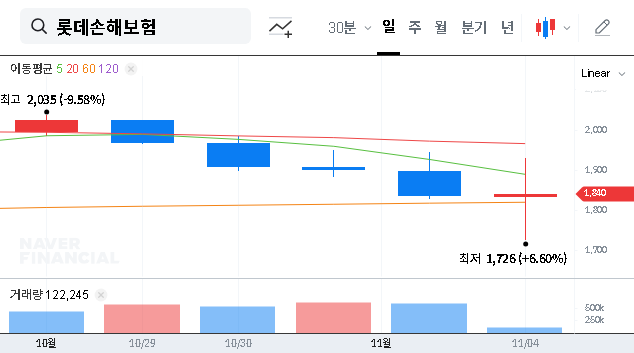
    (000400) Lotte Non-Life Insurance: In-Depth Analysis of Regulatory Scrutiny & K-ICS Ratio Risk

    A critical challenge has emerged for Lotte Non-Life Insurance Co., Ltd., placing the company under intense market and regulatory scrutiny. The insurer has taken the significant step of filing an injunction and a lawsuit against a ‘management improvement recommendation’ issued by financial authorities. This is not merely a legal procedural matter; it is a pivotal event that could redefine the financial trajectory, market credibility, and strategic direction of Lotte Non-Life Insurance. This comprehensive analysis will dissect the situation, exploring the underlying financial pressures, the potential fallout from this legal confrontation, and the essential factors investors must monitor closely.

    The Core Conflict: Regulatory Action and a Bold Legal Response

    On November 11, 2025, Lotte Non-Life Insurance escalated its dispute with regulators by challenging the ‘management improvement recommendation’ in court. This recommendation is a formal action taken by financial authorities when an insurer’s financial health, particularly its capital adequacy, falls below required thresholds. The company’s legal filing, as documented in the Official Disclosure (DART), signals a direct challenge to the regulator’s assessment and an attempt to prevent potential operational restrictions. This proactive, albeit confrontational, stance has created significant uncertainty and raised the stakes for the company’s management and its investors.

    A Deeper Look at Lotte Non-Life Insurance’s Financials

    The company’s fundamentals present a conflicting picture of operational success overshadowed by capital adequacy concerns. Understanding both sides is crucial for a complete analysis.

    Warning Signs: The Declining K-ICS Ratio

    The primary catalyst for the regulatory action is the company’s deteriorating solvency ratio under the Korean Insurance Capital Standard (K-ICS). This metric is a key indicator of an insurer’s ability to withstand financial shocks and meet its obligations to policyholders.

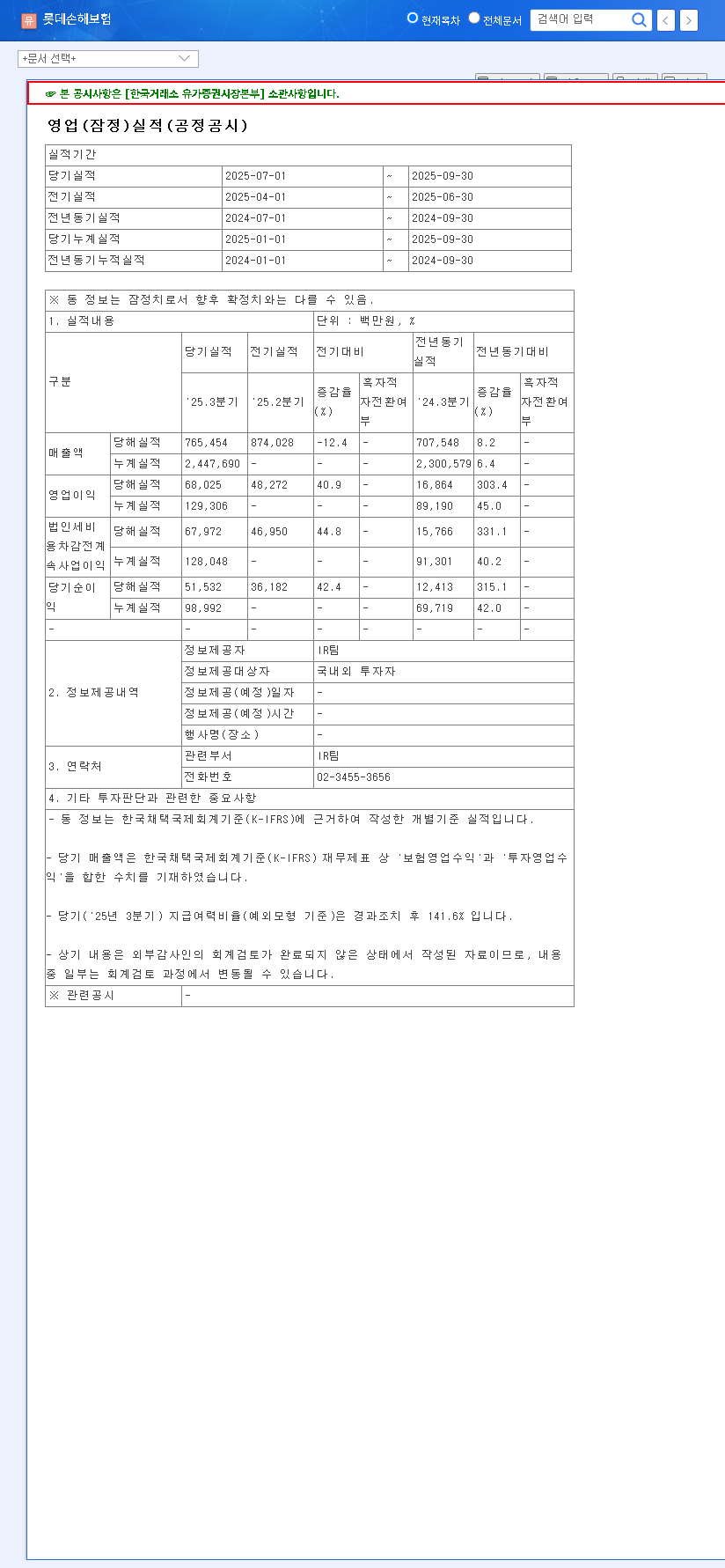
    The sharp decline in the K-ICS ratio to 129.46% is a major red flag. Regulators typically expect a ratio of at least 150%, making the need for significant capital replenishment an urgent priority for Lotte Non-Life Insurance.

    • K-ICS Ratio Plunge: The interim report for H1 2025 confirmed a ratio of 129.46%, a steep fall from 154.59% the previous year and 213.20% two years prior.
    • Credit Outlook Downgrade: Reflecting these concerns, the company’s insurance payment capacity rating outlook was revised from ‘Stable’ to ‘Negative’, even while maintaining its ‘A’ grade.

    For a deeper understanding of these metrics, investors can review our guide on Understanding the K-ICS Standard for Insurers.

    Positive Signals: Profitability and Growth

    Despite the capital concerns, the company’s core business operations show resilience and growth.

    • Turnaround to Profit: Lotte Non-Life Insurance reported a net profit of KRW 47.5 billion, a marked improvement from the KRW 24.2 billion profit in the same period last year, thanks to better investment income and premium growth.
    • Sustained Premium Growth: Gross written premiums grew a healthy 5% to KRW 1.4216 trillion, driven primarily by its strategic focus on the long-term insurance market.

    Market Environment and Strategic Challenges

    Lotte Non-Life Insurance does not operate in a vacuum. It faces intense competition in the South Korean market, with over 30 players vying for market share. Furthermore, macroeconomic volatility, including shifting interest rates and currency fluctuations, presents both opportunities and risks for its investment portfolio. In this environment, the company’s push towards digital transformation with platforms like ALICE and Wonder is a critical initiative to enhance efficiency and competitiveness. The current legal dispute, however, could divert crucial management attention and resources away from these strategic goals. Global economic trends, as reported by sources like Bloomberg, continue to add layers of complexity to the operating environment for all insurers.

    Investor Outlook: Key Recommendations

    The legal action introduces significant risk. While a successful lawsuit could be a major victory, a loss could result in stricter sanctions and further damage to its reputation. The market will be closely watching how Lotte Non-Life Insurance navigates this period. The company’s future value hinges on its ability to execute a multi-pronged strategy:

    • Execute a Capital Plan: The most pressing issue is the K-ICS ratio. The company must urgently formulate and execute a clear plan to raise capital and restore its solvency ratio to a stable level above 150%.
    • Communicate Transparently: To mitigate market uncertainty, proactive and transparent communication with investors regarding the lawsuit and its capital strategy is non-negotiable.
    • Strengthen Core Business: The company must not lose sight of its operational strengths. Continuing to grow its profitable long-term insurance portfolio and advancing its digital innovation are key to long-term value creation.

    In conclusion, while the operational performance of Lotte Non-Life Insurance shows promise, it is currently overshadowed by a critical solvency issue and a high-risk legal battle with its regulator. The company’s ability to resolve its capital deficiency and manage the outcome of the lawsuit will be the ultimate determinant of its future success and stock performance.

    (000400) Lotte Non-Life Insurance: In-Depth Analysis of Regulatory Scrutiny & K-ICS Ratio Risk 관련 이미지
  • (376930) Noul Co., Ltd. IR (2025): Deep Dive into On-Device AI Diagnostics & Investment Outlook

    (376930) Noul Co., Ltd. IR (2025): Deep Dive into On-Device AI Diagnostics & Investment Outlook

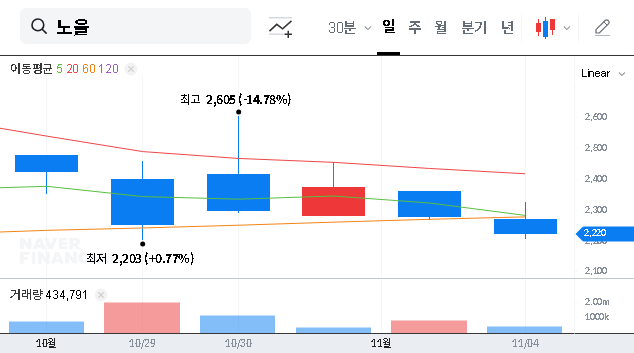
    The upcoming Noul Co., Ltd. IR on November 13, 2025, represents a pivotal moment for the medical technology firm. As a pioneer in on-device AI diagnostics, Noul stands at a crossroads of groundbreaking innovation and significant financial hurdles. This analysis provides a comprehensive look into the company’s core technology, its financial health, and the critical questions investors should be asking. Will Noul’s vision for the future of diagnostics be enough to secure investor confidence and propel its corporate value to new heights?

    The miLab™ Revolution: Redefining Diagnostics with On-Device AI

    At the heart of Noul’s competitive edge is its flagship product, miLab™, an automated diagnostic solution powered by on-device Artificial Intelligence. This technology is not merely an incremental improvement; it’s a paradigm shift. Unlike cloud-based AI solutions, miLab™ performs complex analysis directly on the device, integrating AI interpretation into traditional microscope tests. This makes it a game-changer for small-to-medium-sized labs, particularly in regions where reliable internet connectivity and IT infrastructure are significant barriers to advanced medical care. This unique approach solidifies Noul’s position in the global medical AI technology landscape.

    Core Advantages of the miLab™ Platform

    • Accessibility: Delivers high-precision diagnostics without needing an internet connection, crucial for deployment in underserved areas where diseases like malaria are prevalent. To learn more about global health challenges, you can visit the World Health Organization website.
    • Technological Moat: Noul has fortified its innovation with a robust portfolio of 93 patents, creating a significant barrier to entry for competitors in the on-device AI diagnostics space.
    • Global Recognition: The platform has been lauded as the ‘most advanced form of digital microscope’ by a WHO-affiliated organization and is utilized by premier institutions like Novartis and the Korea Disease Control and Prevention Agency.
    • ESG Alignment: Its proprietary solid-staining technology generates zero wastewater, aligning perfectly with modern Environmental, Social, and Governance (ESG) investment trends.

    The Financial Crossroads: A Deep Dive into Noul’s Numbers

    A thorough Noul stock analysis reveals a company with a dual identity. On one hand, revenue growth is impressive. As of Q3 2025, cumulative revenue hit 2,572 million KRW, a significant year-over-year increase. A remarkable 89.5% of this revenue comes from exports, highlighting the global appeal of miLab™ and a positive shift towards product-based income. This demonstrates a strengthening business core, which is a key topic for the Noul Co., Ltd. IR.

    However, the other side of the coin reveals substantial financial challenges. The company continues to post significant net losses (a cumulative 13.62 billion KRW as of Q3 2025), driven by an aggressive R&D spend that amounts to 156.73% of revenue. While this investment fuels innovation, it creates a cash burn that investors cannot ignore. An increasing debt ratio, now at 105.61%, underscores the urgent need for a clear path to profitability. This is a crucial element of the company’s miLab™ investment outlook.

    Noul’s story is one of classic high-growth tech: disruptive innovation funded by heavy investment. The central question is when—and how—this innovation will translate into sustainable profitability.

    Key Questions for the Noul Co., Ltd. IR Event

    The upcoming investor relations briefing is Noul’s opportunity to address these concerns head-on. Investors should move beyond the technological showcase and focus on the strategic and financial roadmap. For more context, you can read our analysis of the broader MedTech market. Here are the critical points to watch for:

    • The Path to Profitability: What is the concrete, step-by-step plan to achieve breakeven and then profitability? Vague promises won’t suffice; investors need timelines, cost-control measures, and specific revenue targets.
    • Go-to-Market Strategy for miLab™ CER: With the cervical cancer diagnostic module launching, what is the strategy for market penetration and how will it contribute to revenue in the coming fiscal years?
    • Global Expansion Milestones: What is the current status of EU CE IVDR and US FDA certifications? Are there new distribution partnerships or sales contracts that can demonstrate tangible progress in key markets?
    • Future Fundraising Plans: Given the current burn rate, how does the company plan to manage its capital and fund operations through the next phase of growth?

    Investor Outlook: High-Risk, High-Reward

    Noul Co., Ltd. presents a compelling but high-risk investment thesis. The potential of its on-device AI diagnostics to disrupt the medical testing market is undeniable. However, this potential is currently overshadowed by persistent financial losses. The upcoming Noul Co., Ltd. IR will be the ultimate litmus test. A clear, confident, and data-backed presentation on financial strategy could unlock significant investor confidence. Conversely, a failure to provide convincing answers could exacerbate existing concerns.

    Official Disclosure

    For complete details regarding the corporate briefing, investors are encouraged to review the company’s official filing. Source: Click to view DART report.

  • (083790) CG Invites Lawsuit: ₩5.5B Claim Threatens Stock & Digital Health Plans

    (083790) CG Invites Lawsuit: ₩5.5B Claim Threatens Stock & Digital Health Plans

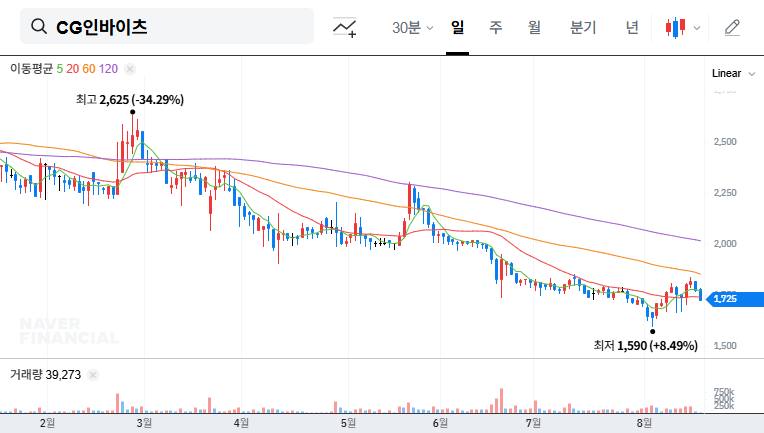
    The CG Invites lawsuit has cast a significant shadow over the company’s ambitious plans. As a key player in the biotech and pharmaceutical space, CG Invites Co., Ltd. has been aggressively pivoting towards high-growth sectors like digital healthcare and innovative drug development. However, a looming ₩5.54 billion lawsuit threatens to derail this progress, raising serious concerns for investors about the company’s financial stability and future. This comprehensive analysis unpacks the full implications of the legal challenge, from its direct financial impact to the potential disruption of its long-term strategic goals.

    The ₩5.5 Billion Lawsuit: A Closer Look

    The legal challenge stems from a claim for contractual payments filed by an individual, Park, at the Seongnam Branch of Suwon District Court. The claim, totaling a substantial ₩5.54 billion, is scheduled for a hearing on November 11, 2025. This figure is not trivial; it represents approximately 4.58% of CG Invites’ entire asset base. For a company already navigating financial headwinds, this lawsuit is more than just a legal nuisance—it’s a material threat. This development was confirmed in an Official Disclosure filed with the Financial Supervisory Service, adding a layer of certainty to the market’s concerns.

    Assessing the Financial Damage to CG Invites

    To understand the gravity of the CG Invites lawsuit, one must first examine the company’s current financial standing. The picture, even before this legal challenge, was complex and pointed towards significant vulnerabilities.

    Current Financial Health: A Company Under Pressure

    In the first half of 2025, CG Invites reported consolidated sales growth, reaching ₩9.26 billion. However, this top-line growth was overshadowed by an operating loss of ₩13.1 billion and a net loss of ₩17.1 billion. This deficit is a result of aggressive investments in new ventures, rising R&D costs, and other financial expenses. Key metrics paint a concerning picture:

    • Deteriorating Liquidity: With current assets of ₩55.9 billion dwarfed by current liabilities of ₩125.6 billion, the company’s ability to meet its short-term obligations is under strain.
    • High Leverage: The company’s debt-to-equity ratio stands at a high 143.05%. This financial metric, often analyzed by investors to gauge leverage, indicates that the company is heavily reliant on debt to finance its assets. You can learn more about what a debt-to-equity ratio means from authoritative financial resources.

    Given the existing liquidity crunch and high debt, a sudden cash outflow of ₩5.54 billion would not just strain resources—it could trigger a severe financial crisis, forcing asset sales or dilutive capital increases at an inopportune time.

    Direct Impact of a Negative Verdict

    Should the court rule against CG Invites, the consequences would be immediate and severe. A direct cash outflow of ₩5.54 billion, plus any accrued interest, would intensify the already critical liquidity pressure. Furthermore, the company would likely need to set aside provisions on its financial statements, which would directly reduce its reported net income and further erode shareholder equity. This makes the CG Invites stock particularly vulnerable to negative sentiment and sell-offs.

    A Cloud Over Ambitious Growth Plans

    The timing of this lawsuit is particularly damaging as it coincides with CG Invites’ strategic pivot. The company has been investing heavily to establish itself as a leader in next-generation healthcare, a move critical for its long-term survival and growth. This legal battle threatens to pull focus and resources away from these crucial initiatives.

    Digital Healthcare Ambitions at Risk?

    The company’s foray into digital healthcare includes ICT-based health management services, digital therapeutics, and hospital information systems. These are capital-intensive fields that require sustained investment. The lawsuit not only threatens the availability of capital for R&D and market expansion but also damages the company’s reputation, making it harder to attract partners and talent in this competitive sector.

    New Drug Development and Manufacturing

    Alongside digital health, CG Invites is advancing its drug pipeline with candidates like Ibaltinostat and Camrelizumab. Clinical trials are notoriously expensive, and any diversion of funds to cover legal fees or settlements could delay these programs. The company’s revenue-generating PCB and hotpack manufacturing arm, while steady, is unlikely to be sufficient to cover both a massive legal penalty and the aggressive R&D spending required for success in the biotech sector.

    Investor Outlook: Navigating the Uncertainty

    For current and prospective investors, the CG Invites lawsuit introduces a high degree of risk and uncertainty. While the company has pledged an active legal defense, a prudent approach requires careful monitoring of several key factors.

    Key Risks to Monitor

    • Stock Price Volatility: Negative news flow surrounding the lawsuit is likely to pressure the CG Invites stock price in the short to medium term.
    • Financial Restructuring: Watch for announcements of asset sales, capital increases, or additional debt, which may be necessary to shore up the balance sheet.
    • Operational Delays: Any sign of delays in the clinical trial pipeline or digital health rollouts could indicate that the lawsuit’s financial impact is affecting operations.

    Recommendations for Investors

    A cautious stance is advised. Investors should prioritize monitoring the company’s transparency regarding the lawsuit. Clear communication, coupled with a tangible plan to improve financial health, will be critical to restoring confidence. Ultimately, the ability of CG Invites to generate tangible results from its new ventures will determine if it can overcome this crisis and unlock new growth.

    Disclaimer: This article is for informational purposes only and is based on publicly available data. It does not constitute investment advice. Investment decisions should be made based on your own research and judgment after consulting with a qualified financial professional.

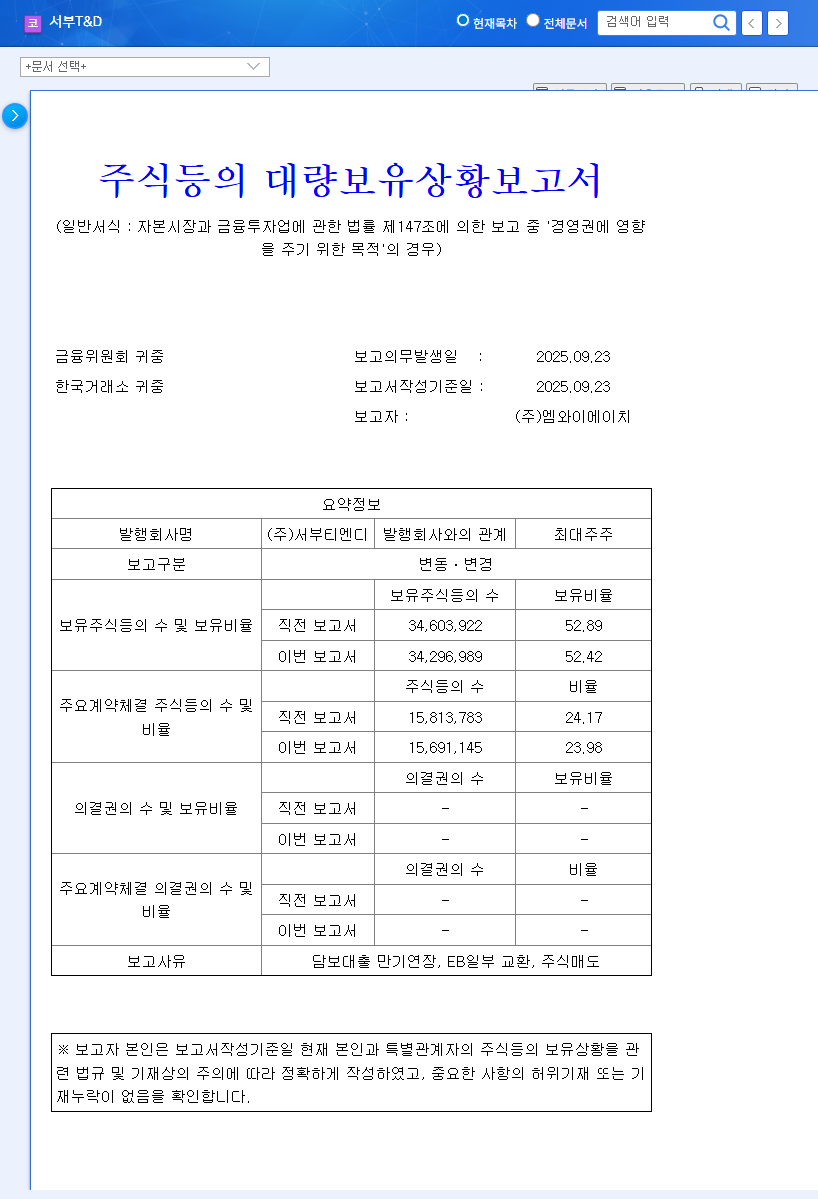
  • (006730) Seobu T&D (006730) Lawsuit Verdict: A Deep-Dive Financial Analysis for Investors

    (006730) Seobu T&D (006730) Lawsuit Verdict: A Deep-Dive Financial Analysis for Investors

    The recent court ruling involving Seobu T&D (KRX: 006730) and Daewoo E&C has sent ripples through the investment community. While the headline figure of a ₩16.5 billion payment seems manageable compared to the initial claim, a deeper financial analysis reveals that this verdict is merely a symptom of more significant, underlying challenges facing the company. This comprehensive report cuts through the noise to examine the true state of Seobu T&D’s financial health, the verdict’s real implications, and the critical factors investors must monitor moving forward.

    Deconstructing the Daewoo E&C Lawsuit Verdict

    Seobu T&D has been ordered to pay ₩16.5 billion in a lawsuit over hotel construction payments filed by Daewoo E&C. This figure is substantially lower than the initial ₩44.5 billion claim, which has led to some optimistic interpretations. This verdict stems from case 2018gahap552450, as detailed in the Official Disclosure on DART. Let’s break down the key financial components:

    • Final Payment: An obligation of ₩16,522,114,984 plus related interest to be paid to Daewoo E&C. This represents approximately 1.33% of the company’s equity.
    • Debt Exemption Profit: The nearly ₩28 billion difference between the initial claim and the final verdict is expected to be recorded as a one-time ‘debt exemption profit’. This is an accounting gain, not a cash inflow, but it will positively impact the net income on paper for the reporting period.
    • Litigation Costs: Seobu T&D is responsible for 65% of the litigation costs, adding another layer of cash outflow.

    While the verdict is a sigh of relief compared to the worst-case scenario, investors must not mistake a one-time accounting gain for a fundamental improvement in business operations. The core challenges for Seobu T&D remain firmly in place.

    The True Financial Picture: Beyond the Verdict

    The Seobu T&D lawsuit is a critical event, but it’s a sideshow to the main story: the company’s deteriorating financial health and operational struggles. A prudent Seobu T&D financial analysis must look deeper.

    Challenge 1: Ailing Core Business

    The company’s performance is heavily tied to its tourism hotel business, which has been severely underperforming. As of the first half of 2025, revenue from this segment plummeted by 41% year-on-year. This is not just a company-specific issue but reflects broader challenges in the post-pandemic tourism sector. With declining revenue and rising administrative costs, Seobu T&D reported a consolidated net loss of ₩4.27 billion, a stark reversal into deficit. Other segments, such as shopping malls and logistics, have also failed to offset this decline.

    Challenge 2: Alarming Debt Levels

    Perhaps the most significant red flag is the company’s high financial leverage. The debt ratio has climbed to a concerning 142.33%. This level of debt makes the company vulnerable to interest rate fluctuations and economic downturns. The ₩16.5 billion lawsuit payment, while manageable, will further strain a balance sheet that is already stretched thin. This could negatively impact Seobu T&D’s credit rating, making future fundraising more expensive and difficult. For more information on assessing company debt, review our guide to financial ratios.

    Investor Playbook for Seobu T&D (006730)

    Given the complex situation, investors should adopt a cautious and long-term perspective. The resolution of the Daewoo E&C lawsuit removes a major uncertainty, but it does not fix the underlying business.

    Key Monitoring Points for a Turnaround:

    • Tourism Business Revival: Watch for a tangible recovery in hotel occupancy rates and revenue. Is management implementing a clear strategy to adapt to new travel trends?
    • Financial Deleveraging Plan: Look for a credible plan to reduce the 142.33% debt ratio. This could include asset sales, cost-cutting initiatives, or strategic capital raising.
    • Profitability Improvements: Monitor operating margins and the company’s ability to return to net profitability without relying on one-off gains like the debt exemption profit.

    Based on this analysis, the current investment recommendation is a Hold or Cautious Buy. The risk profile remains elevated until there is clear evidence of a sustainable recovery in its core operations and a significant improvement in its financial structure. Investors should proceed with prudence and diligence.

    (006730) Seobu T&D (006730) Lawsuit Verdict: A Deep-Dive Financial Analysis for Investors 관련 이미지
    (006730) Seobu T&D (006730) Lawsuit Verdict: A Deep-Dive Financial Analysis for Investors 관련 이미지
  • (148780) BECU AI Shareholder Disclosure: Expert Analysis of Share Transfer & Stock Impact

    A recent BECU AI shareholder disclosure has captured the attention of the market, detailing a significant share transfer from a key figure to related parties. For investors, such filings can be a source of both opportunity and uncertainty. This comprehensive analysis breaks down the specifics of the report, explores the potential ramifications for management stability and stock performance, and provides a clear, actionable path forward for evaluating your position in BECU AI Inc.

    We’ll move beyond the headlines to understand the substance behind this event, helping you distinguish between a routine internal adjustment and a signal of fundamental change for the company’s future.

    Decoding the BECU AI Major Shareholder Report

    On November 11, 2025, BECU AI Inc. (148780) submitted a ‘Report on Major Shareholder Status (General)’ which is a standard regulatory filing in South Korea. The central event detailed in this disclosure was the donation of shares by the principal reporting shareholder, Lim Kyeong-hwan, to several related individuals. You can view the complete filing directly from the source: Official Disclosure.

    Key Details from the Filing

    The purpose of the shareholding was explicitly stated as ‘influence over management.’ While Lim Kyeong-hwan’s personal stake decreased, the crucial detail is that the total combined shareholding of the group remained unchanged at 34.03%. This suggests a strategic internal redistribution rather than an external sale or dilution.

    • Lim Kyeong-hwan: Donated 219,000 shares on November 6, 2025.
    • Lim Hyo-seon: Received 42,000 shares.
    • Lim Hyo-jeong: Received 57,000 shares.
    • Cho Mi-ok: Received 120,000 shares.

    Why This Inter-Family Share Transfer Matters

    Even with no change in the total controlling stake, this type of share transfer analysis is vital for investors. Such moves are rarely arbitrary and can signal longer-term strategic intentions. Key considerations include:

    • Management Succession Planning: Donations within a family or to close relations are often a foundational step in a long-term plan for leadership transition. This could be about grooming the next generation of decision-makers.
    • Consolidation of Control: By distributing shares among trusted allies, the core shareholder group can fortify its voting bloc against potential external pressures or activist investors, ensuring strategic alignment on future decisions.
    • Tax & Estate Planning: Transferring assets via donation can be a strategic financial move related to gift taxes and estate planning, allowing for the efficient transition of wealth and influence.

    Impact Analysis: Separating Signal from Noise

    The most important task for investors is to evaluate the tangible impact on the BECU AI stock and its underlying business fundamentals.

    Effect on Company Fundamentals

    Directly, this share transfer has zero impact on BECU AI’s balance sheet, revenue, or profitability. It is a transaction between shareholders, not the company itself. However, it’s critical to note this disclosure does not solve the pre-existing fundamental challenges highlighted in the H1 2025 report, such as declining revenue and widening operating losses. Management stability appears secure in the short term, but investors should monitor if this new ownership distribution alters the company’s risk appetite or strategic priorities down the line.

    Market & Industry Context

    BECU AI operates in the high-growth generative AI and RAG technology sectors. The tailwinds for the AI industry remain incredibly strong, which provides a positive backdrop for the company’s long-term potential. A stable macroeconomic environment with easing interest rates could also benefit tech companies like BECU AI by lowering capital costs for research and expansion. The stock’s modest decline to 1,540 KRW on the disclosure day suggests a muted or cautious market reaction, likely because savvy investors recognize this as an internal matter rather than a red flag about the business’s operations.

    This major shareholder report should be viewed as a signal of internal structuring, not a crisis. The primary focus for investors must remain on BECU AI’s ability to execute its business strategy and address its existing financial performance issues.

    Comprehensive Evaluation & Investor Action Plan

    While the BECU AI shareholder disclosure is not an immediate cause for alarm, it reinforces the need for diligent monitoring. Investors should avoid making knee-jerk reactions and instead integrate this information into a broader thesis.

    • Focus on Fundamentals: Prioritize the company’s next earnings report. Look for signs of revenue stabilization, margin improvement, and concrete progress in product development or market penetration.
    • Monitor Management Communication: Pay close attention to any future statements from management regarding strategic direction, especially if new voices from the share-receiving parties join the board or executive team.
    • Assess Industry Position: Continue to evaluate BECU AI’s competitive standing within the AI market. Is their technology keeping pace? Are they winning key contracts? This is more important than shareholder shuffling. Explore our deep-dive into the AI technology sector for more context.

    In conclusion, this share transfer is an important piece of the puzzle but not the whole picture. It solidifies the controlling group’s influence, which can be a positive for long-term stability, provided their strategy is sound. The real test for the BECU AI stock value will be its ability to translate its promising AI technology into sustainable financial growth.

  • (024720) KOLMAR HOLDINGS Stock (024720): Sell Alert After 93% Revenue Plunge in Q3 2025 Earnings

    (024720) KOLMAR HOLDINGS Stock (024720): Sell Alert After 93% Revenue Plunge in Q3 2025 Earnings

    Investors in KOLMAR HOLDINGS stock (024720) are facing a period of significant uncertainty. The company recently released two major disclosures: a routine business report correction and a bombshell provisional earnings announcement for Q3 2025. While one hints at improved governance, the other reveals a catastrophic financial performance, sending shockwaves through the market. A staggering 93% plunge in revenue and a swing to a net loss have raised urgent questions about the company’s operational health and future prospects.

    This comprehensive analysis dissects these critical events, exploring their impact on the fundamentals of KOLMAR HOLDINGS stock. We will delve into the alarming numbers, evaluate the potential causes, and provide a clear investment thesis based on the available data. If you are holding or considering an investment in KOLMAR HOLDINGS, this report provides the essential insights needed to navigate the current turmoil.

    Deconstructing the Disclosures: A Tale of Two Reports

    To understand the current situation, we must look at the two distinct pieces of information released by the company. One is a procedural update, while the other is a fundamental blow to investor confidence.

    1. Business Report Correction: A Minor Positive Signal

    KOLMAR HOLDINGS filed a disclosure to correct and supplement its business report. In the grand scheme, this is an administrative action, but it contains subtle indicators of a management team focusing on governance. These changes, while not impacting immediate financials, can be viewed as a long-term positive for the KOLMAR HOLDINGS investment thesis.

    • Enhanced ESG Focus: The inclusion of agenda items related to ESG (Environmental, Social, and Governance) performance and risk management systems points toward a commitment to sustainable, modern management practices.
    • Improved Governance: Clarifying shareholder rights and explicitly noting the election of an outside director via a shareholder proposal suggests a move toward a more transparent and shareholder-friendly corporate structure.
    • Greater Transparency: Detailed minutes from general meetings increase information accessibility, which helps build long-term investor trust.

    However, any goodwill generated by these procedural improvements was completely overshadowed by the subsequent financial disclosure.

    2. The Q3 2025 Earnings Shock: A Fundamental Crisis

    The provisional KOLMAR HOLDINGS Q3 2025 earnings report was nothing short of disastrous. The figures paint a picture of a company in severe distress, with a sudden and dramatic collapse in performance. The data can be viewed in the Official Disclosure on DART.

    The Q3 earnings report revealed a staggering 93.4% quarter-over-quarter revenue decrease and a swing from a KRW 39.3 billion profit to a KRW 6.8 billion net loss. This is a critical red flag for any investor.

    • Revenue Annihilation: Revenue came in at a mere KRW 11.6 billion, a collapse of over 93% from the previous quarter (KRW 175.7 billion) and the prior year’s same quarter (KRW 163 billion). This indicates a severe breakdown in its key subsidiaries like Korea Kolmar and Kolmar BNH.
    • Profit Evaporation: Operating profit of KRW 0.6 billion is down over 96% from the previous quarter’s KRW 16.4 billion. While still positive, it is negligible and cannot be seen as a sign of stability.
    • Plunge into Net Loss: The company posted a net loss of KRW -6.8 billion. This is a stark reversal from Q2 2025’s KRW 39.3 billion profit and a clear signal of deep-seated operational or financial issues.

    Macro Headwinds or Company-Specific Failure?

    When a company’s performance deteriorates this rapidly, investors must ask whether the cause is a broad economic downturn or a problem unique to the firm. While global macroeconomic factors like high interest rates and fluctuating currency exchange rates certainly play a role, the sheer magnitude of KOLMAR HOLDINGS’ decline points squarely toward company-specific issues. A 93% revenue drop is not a cyclical dip; it is a sign of a potential crisis within one or more of its core business segments. For more on this, read our guide on how to analyze company-specific risk.

    The market needs immediate clarification on the root cause. Was there a loss of a major client? A catastrophic failure in a new product line? Or perhaps significant one-off expenses that have not yet been fully disclosed? Without transparency, investor confidence in KOLMAR HOLDINGS stock will continue to erode.

    Investment Outlook: A Clear ‘Sell’ Recommendation

    Given the overwhelming negativity of the Q3 2025 provisional earnings, our investment recommendation for KOLMAR HOLDINGS is an unequivocal ‘Sell’ or ‘Reduce Weight.’ The financial deterioration is too severe to ignore, and the risk of further decline is substantial. A ‘Sell’ rating from analysts, such as this one from Investopedia, typically indicates that a stock is expected to underperform the broader market significantly.

    The projected negative EPS and PER for 2025 reflect a complete breakdown in profitability. Until the company can provide a transparent account of this performance collapse and present a credible turnaround strategy, the stock is likely to remain under intense pressure.

    Key Actions for Investors to Monitor

    • Demand Transparency: Watch for official company statements that clearly explain the cause of the Q3 disaster.
    • Look for a Recovery Plan: Management must outline concrete steps, such as cost-cutting, asset sales, or strategic pivots, to stabilize the business.
    • Monitor Subsidiary Performance: Pay close attention to the individual results of Korea Kolmar, Kolmar BNH, and HK inno.N in the coming quarters.
    • Re-evaluate After Q4 Results: The next earnings report will be critical to determine if Q3 was a one-off catastrophe or the start of a prolonged downturn.

    Disclaimer: This analysis is based on publicly available information. All investment decisions carry risk and are the sole responsibility of the investor.

    (024720) KOLMAR HOLDINGS Stock (024720): Sell Alert After 93% Revenue Plunge in Q3 2025 Earnings 관련 이미지
  • (282330) BGF Retail Investment Analysis: What the Q3 2025 Earnings Mean for BGF Stock

    (282330) BGF Retail Investment Analysis: What the Q3 2025 Earnings Mean for BGF Stock

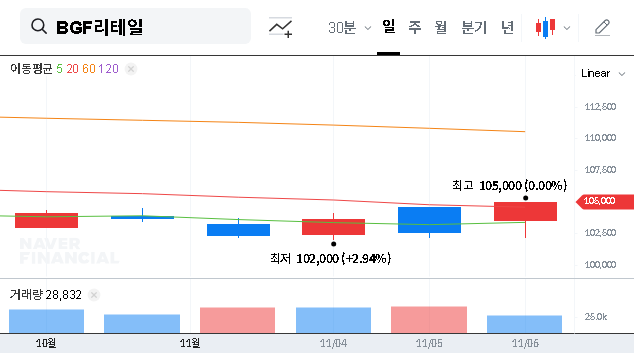
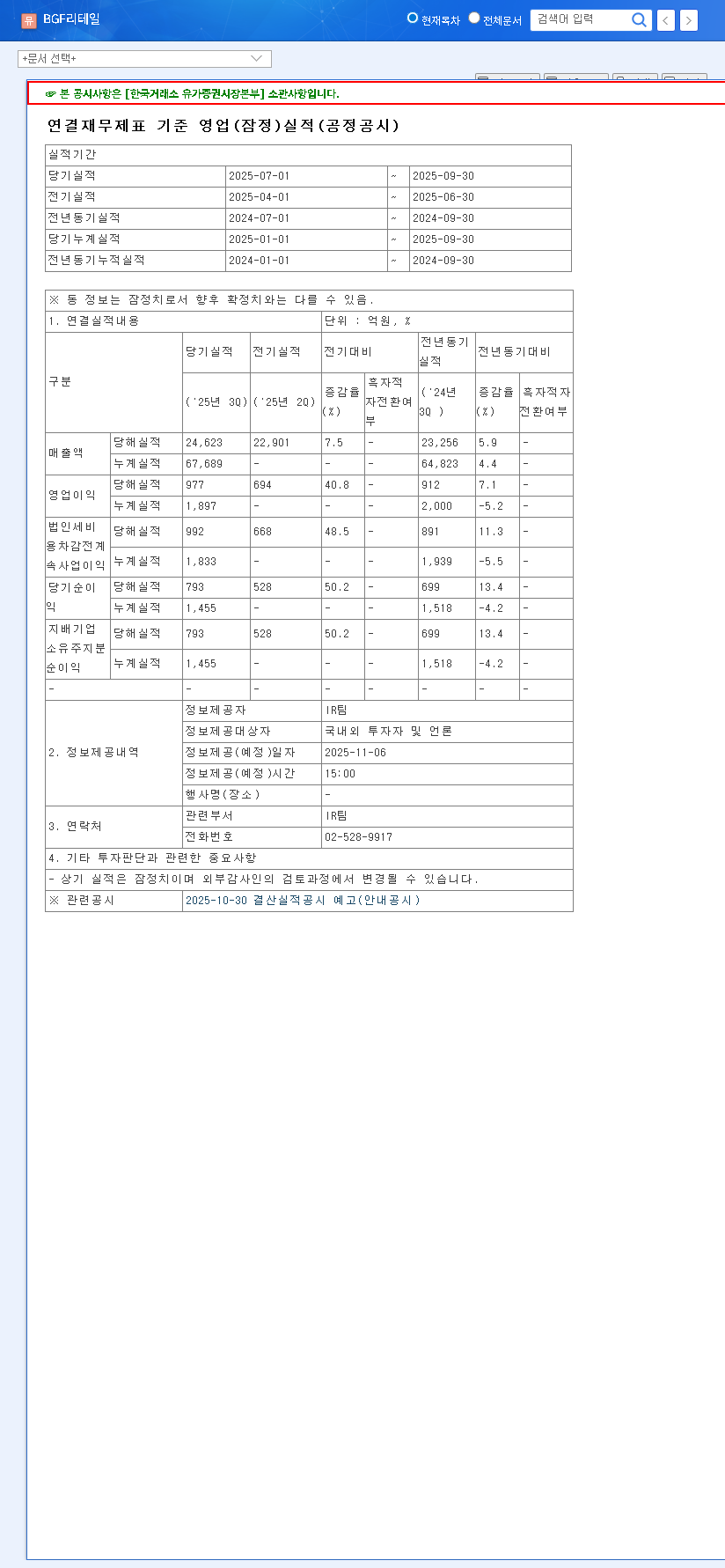
    This comprehensive BGF retail investment analysis provides a deep dive into the company’s fundamentals and strategic outlook ahead of a pivotal event. On November 17, 2025, BGF retail CO., LTD. will host its Investor Relations (IR) conference to present its Q3 2025 financial results. This event is more than just a numbers release; it’s a critical window into the company’s future vision, market strategy, and overall health, drawing significant attention from investors looking to understand the potential of BGF retail stock.

    We will explore the core strengths of BGF retail, its ambitious global expansion, and the potential impact of this IR event. Our goal is to equip you with the insights needed to make informed decisions and identify whether this represents a promising opportunity in the competitive convenience store investment landscape.

    BGF Retail Q3 2025 IR: A Critical Overview

    Scheduled for 10:00 AM on November 17, 2025, the IR conference is a key event for the investment community. The agenda is twofold: to present the Q3 2025 earnings and to hold an interactive Q&A session. This allows analysts and investors to probe into management’s strategy, operational performance, and outlook, providing transparency that can significantly influence market sentiment. For the latest official filings, you can view the company’s Official Disclosure on DART.

    Core Fundamentals: A BGF Retail Investment Analysis

    A thorough BGF retail investment analysis begins with its solid fundamentals. The first half of 2025 has already shown a trajectory of robust operations and strategic growth, particularly in overseas markets.

    Dominance in the Convenience Store Sector

    The core business continues to thrive, capitalizing on societal shifts like the rise of single and two-person households. This demographic trend boosts demand for convenient, accessible retail solutions. In H1 2025, BGF Retail reported impressive figures with revenue of KRW 4.2136 trillion and an operating profit of KRW 83.4 billion, underscoring its strong market position and profitability.

    Synergistic Subsidiaries & Global Expansion

    Beyond its primary retail operations, BGF’s subsidiaries in logistics, food manufacturing, and e-commerce provide a stable, diversified income stream. These segments are not just profitable but also create powerful synergies that enhance the efficiency of the entire ecosystem. The company’s most exciting growth story, however, is its international expansion. Key strategic moves include:

    • Establishing a strong brand presence in emerging markets like Mongolia, Malaysia, and Kazakhstan.
    • Entering the U.S. market with new locations in Hawaii, securing new revenue streams and boosting global brand recognition.
    • Investing KRW 189.5 billion in a new Busan logistics center to enhance operational efficiency, with completion expected by late 2026.

    Financial Health and Market Position

    While a consolidated debt-to-equity ratio of 188% might seem high, it’s essential to look deeper. When accounting for franchise deposits and right-of-use assets, the company demonstrates a stable operating cash flow of KRW 310.9 billion, sufficient to service its debt comfortably. BGF Retail maintains a competitive edge through innovative private-label products and differentiated services, a crucial factor in a highly competitive market. For more on sector trends, see this analysis of the global retail market.

    The key takeaway for investors is that BGF Retail’s strategy is not just about domestic saturation but aggressive and calculated international growth, which could unlock significant long-term value for the BGF retail stock.

    Scenarios: Analyzing the IR Event’s Impact

    The IR event’s outcome can steer investor sentiment in several directions. Here are the most likely scenarios:

    • Bull Case (High Probability): If the Q3 2025 earnings beat expectations and management provides a confident, clear vision for future growth—especially in overseas markets—the stock could see a significant positive reaction. A transparent Q&A that builds investor trust is crucial.
    • Neutral Case (Medium Probability): Should the earnings meet market consensus without any major surprises, the stock may see limited short-term movement. The focus would then shift to macroeconomic factors, which you can track on platforms like Bloomberg.
    • Bear Case (Low Probability): An earnings miss, a lowered future outlook, or evasive answers during the Q&A could erode investor confidence and negatively impact the stock price.

    Investment Thesis and Key Monitoring Points

    Our current investment opinion on BGF retail CO., LTD. is ‘Neutral’ with a positive bias, pending the results of the upcoming IR. The company’s strong market position and growth potential are compelling, but the execution of its strategies post-IR will be the deciding factor.

    Investors should closely monitor the following points to make timely decisions:

    • Detailed Q3 2025 financial metrics (revenue, profit, segment performance).
    • Management’s commentary on overseas expansion progress and profitability.
    • Updates on the efficiency gains from new logistics investments.
    • Competitor movements and changes in domestic market share.
    • Short and long-term stock price reaction following the IR event.

    Disclaimer: This analysis is for informational purposes only and is based on publicly available data. Investment decisions should be made based on individual research and judgment. Market conditions can change rapidly.

    (282330) BGF Retail Investment Analysis: What the Q3 2025 Earnings Mean for BGF Stock 관련 이미지
  • (015760) KEPCO’s Strategic KENTECH Investment: A Deep Dive into Future Energy and ESG Leadership

    (015760) KEPCO’s Strategic KENTECH Investment: A Deep Dive into Future Energy and ESG Leadership

    A significant KEPCO investment has been announced, signaling a major strategic push towards solidifying its role as a leader in the next generation of energy. The Korea Electric Power Corporation (KEPCO), a cornerstone of the nation’s energy infrastructure, has committed an additional KRW 45.893 billion for 2025 to the Korea Institute of Energy Technology (KENTECH). This move is far more than a simple financial transaction; it’s a calculated investment in human capital, technological innovation, and the company’s long-term sustainability through robust ESG management.

    This analysis will explore the multifaceted implications of this decision, examining its impact on KEPCO’s financial health, its long-term competitive positioning in the future energy landscape, and what it means for investors navigating an increasingly complex macroeconomic environment.

    The Investment Details: A Commitment to Innovation

    On November 11, 2025, KEPCO officially confirmed its 2025 financial commitment to KENTECH, totaling KRW 45.893 billion. This figure includes a previously disclosed KRW 35.9 billion and a new allocation of KRW 9.993 billion earmarked for university operations and critical campus construction. This strategic funding, as detailed in the Official Disclosure (Source: DART), is designed to empower KENTECH as a premier institution for nurturing the talent that will drive the future energy industry forward.

    Why This KEPCO Investment Matters: Securing a Sustainable Future

    KEPCO’s investment in KENTECH is anchored in three clear strategic pillars that aim to secure its long-term growth and reinforce its commitment to corporate responsibility.

    Cultivating a World-Class Talent Pipeline

    The global energy transition demands a new generation of engineers, researchers, and policymakers. KENTECH is positioned to be the primary source of this specialized talent for KEPCO. By funding specialized education in areas like renewable energy integration, smart grid technology, and advanced nuclear science, KEPCO ensures a direct pipeline of skilled professionals ready to tackle the industry’s most pressing challenges.

    Driving Technological Innovation and Competitiveness

    This financial support extends beyond the classroom to the laboratory. The KEPCO investment will fuel cutting-edge research at KENTECH, fostering the development of proprietary technologies and novel energy solutions. This synergy between academic research and industrial application is crucial for KEPCO to maintain its competitive edge, particularly in high-growth sectors like hydrogen/ammonia energy and international projects such as the UAE nuclear power exports. It complements the company’s existing R&D budget of KRW 113 billion, creating a powerful innovation ecosystem.

    Strengthening ESG Management and Corporate Image

    In today’s market, strong ESG management is non-negotiable for attracting institutional capital. Investing in education and community development is a powerful demonstration of KEPCO’s commitment to the ‘S’ (Social) in ESG. This not only enhances its corporate image as a socially responsible leader but also improves its ESG ratings, making the company more attractive to a growing class of sustainability-focused investors. For more information, you can read about our comprehensive ESG initiatives.

    Financial and Strategic Impact Analysis

    While the short-term financial impact is minimal, the long-term strategic value of the KENTECH investment lies in building a resilient foundation for future growth, technological leadership, and enhanced corporate value.

    Short-Term Outlook: Reputational Gain, Negligible Financial Strain

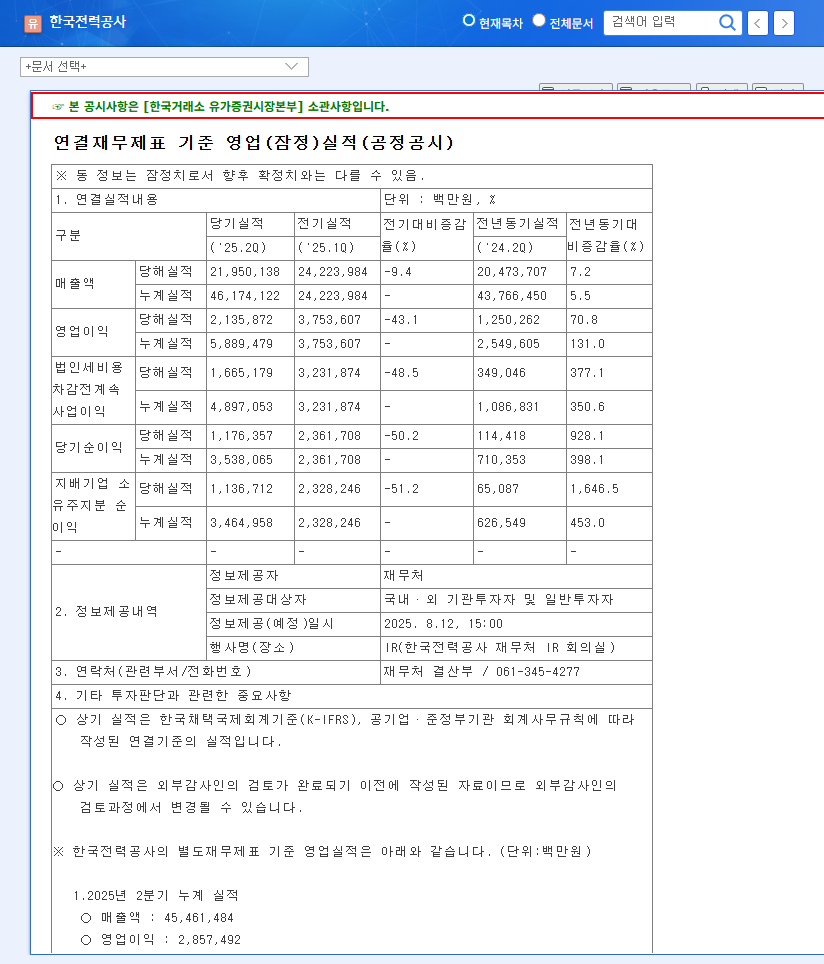
    The investment of KRW 45.893 billion represents a tiny fraction of KEPCO’s total assets, which stand at nearly KRW 250 trillion. Consequently, its direct impact on the company’s short-term financial statements is negligible. While KEPCO reported a solid operating profit of KRW 5.8895 trillion on revenues of KRW 46.1741 trillion in H1 2025, its substantial debt of KRW 206.2323 trillion remains a key management focus. The immediate benefit of the KENTECH investment is therefore not on the balance sheet, but in the enhancement of KEPCO’s corporate image and its appeal to ESG-conscious stakeholders.

    Long-Term Outlook: A Foundation for Market Leadership

    The true return on this investment will be realized over the next decade. The talent and technology incubated at KENTECH will directly fuel KEPCO’s growth engines. This strategic foresight is essential for navigating global energy trends, as outlined by authoritative bodies like the International Energy Agency (IEA). The long-term accumulation of intellectual property and a highly skilled workforce will create a sustainable competitive advantage, leading to enhanced profitability and corporate value appreciation.

    Navigating Macroeconomic Headwinds

    Investors must consider this strategic investment within the context of the broader macroeconomic environment, which presents both challenges and opportunities for Korea Electric Power Corporation.

    • Currency Risk: The weak Korean Won (KRW/USD at 1,679.60 as of Nov 10, 2025) increases the cost of imported fuel and servicing foreign currency debt, a risk KEPCO actively manages with derivatives.
    • Interest Rate Sensitivity: With benchmark rates at 4.00% in the US and 2.50% in Korea, any upward shifts directly increase interest expenses on KEPCO’s significant debt load.
    • Commodity Prices: Stable international oil prices ($60.19/barrel) are favorable, but volatility remains a key factor influencing thermal power generation costs.

    Investor Takeaway: A Long-Term Value Play

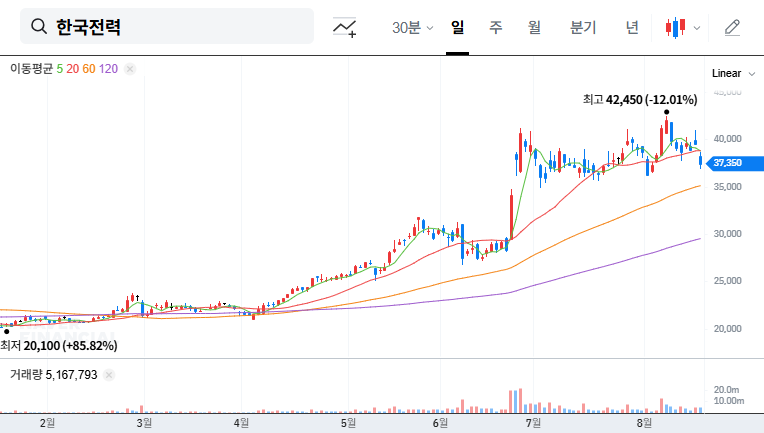
    The KEPCO investment in KENTECH is unlikely to be a short-term catalyst for its stock price (KRW 28,500 as of Nov 10, 2025). Instead, it should be viewed as a fundamental-building activity that strengthens the company’s long-term value proposition. For investors, the key is to monitor not only the macroeconomic risks but also the tangible outcomes of this investment. Watch for progress in KENTECH’s research output, the successful integration of its graduates into KEPCO, and subsequent improvements in operational efficiency and innovation. This strategic move reinforces KEPCO’s position not just as a utility, but as an architect of the future energy ecosystem.

    (015760) KEPCO's Strategic KENTECH Investment: A Deep Dive into Future Energy and ESG Leadership 관련 이미지
    (015760) KEPCO's Strategic KENTECH Investment: A Deep Dive into Future Energy and ESG Leadership 관련 이미지
  • (027710) FarmStory Stock (027710): Deep Dive Analysis on Ezholdings’ Stake Increase

    (027710) FarmStory Stock (027710): Deep Dive Analysis on Ezholdings’ Stake Increase

    Investors closely watching FarmStory stock (KRX: 027710) have a significant new development to analyze: its largest shareholder, Ezholdings, has strategically increased its stake. This move, officially reported on November 11, 2025, is far more than a simple transaction; it’s a powerful signal about the company’s future direction, management stability, and potential value. For current and prospective shareholders, understanding the implications of this event is crucial.

    This comprehensive FarmStory analysis will dissect the details of Ezholdings’ increased investment, evaluate the company’s current financial health, and explore the potential opportunities and risks that lie ahead. Our goal is to provide you with the critical insights needed to inform your investment strategy for FarmStory stock.

    The Catalyst: Ezholdings Deepens Its Commitment

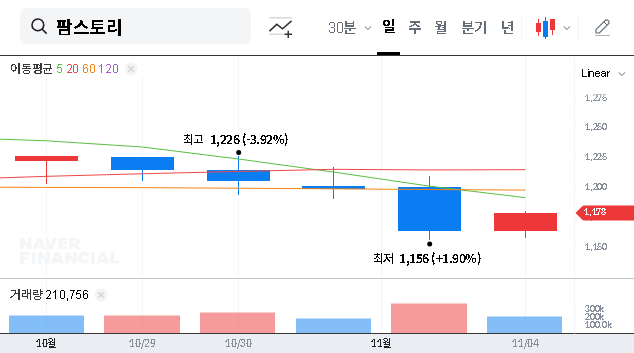
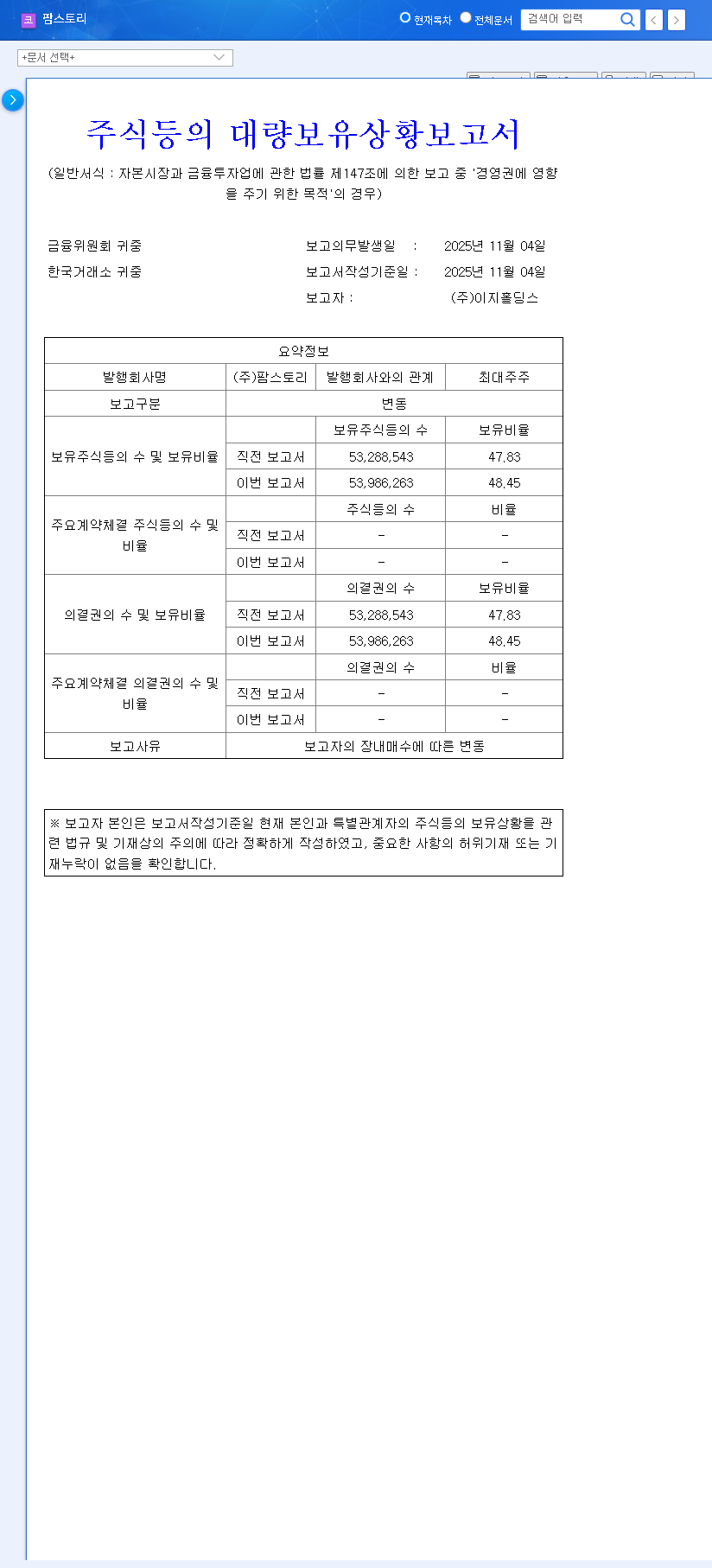
    On November 11, 2025, a ‘Report on the Large Shareholding Status of Stocks’ was filed, revealing that Ezholdings had acquired additional FarmStory shares through market purchases. This transaction increased its total stake from 48.45% to approximately 48.72%. While a 0.27% increase may seem minor, the strategic intent behind it is profound. The filing explicitly stated the purpose of holding as ‘management influence’. This is a clear indicator that Ezholdings plans to take a more active role in guiding FarmStory’s corporate strategy. The official filing can be reviewed directly. (Source: Official DART Disclosure)

    The stated purpose of ‘management influence’ signals a clear intent from Ezholdings to actively shape FarmStory’s future, moving beyond the role of a passive investor to become a strategic driver of corporate value.

    A Closer Look at FarmStory’s Financial & Operational Health

    Ezholdings’ confidence is likely rooted in FarmStory’s solid, and improving, fundamentals. An examination of its 2025 semi-annual report reveals a company with diverse revenue streams and strengthening financial stability.

    Core Business Segments

    • Feed Business: This division shows resilient, steady growth. As global meat consumption continues to rise, the demand for quality animal feed provides a stable foundation for the company.
    • Meat Processing: With HACCP and premium brand certifications, this segment has a competitive edge. The ongoing westernization of diets and rising incomes fuel demand for high-quality processed meat products.
    • Poultry Business: A high-growth area, driven by the popularity of chicken and the expanding market for convenience foods. FarmStory’s specialized brands and technology position it well to capture this growth.

    Financial Health Analysis

    The numbers paint a picture of significant improvement. While total revenue saw a slight decrease, profitability metrics surged. Net income attributable to controlling interests soared to KRW 22.56 billion, a substantial increase. Cash and cash equivalents also grew to KRW 80.5 billion, bolstering liquidity. The debt ratio, while at 185.32%, is showing a positive downward trend, indicating better financial management. Understanding these metrics is key; for more information, you can review our guide on how to analyze a company’s balance sheet.

    Impact on FarmStory Stock Price and Investor Outlook

    The move by Ezholdings has both immediate and long-term implications for the FarmStory stock price.

    Potential Positives (The Bull Case)

    • Enhanced Stability: A committed majority shareholder leads to stable, decisive management and long-term strategic planning.
    • Positive Market Signal: This action signals deep confidence from the largest shareholder, which can boost overall investor sentiment and create positive momentum for the stock.
    • Synergistic Growth: Closer alignment between Ezholdings and FarmStory could unlock new business synergies, efficiencies, and growth avenues.

    Risks to Monitor (The Bear Case)

    Despite the positive outlook, FarmStory operates in a sector with inherent risks. Investors should remain vigilant about several external factors:

    • Commodity Volatility: The business is highly sensitive to the prices of raw materials like corn and soybeans. Investors can track these trends via resources like high-authority financial news sites.
    • Currency Fluctuations: As a company with international dealings, a 10% rise in the USD exchange rate could negatively impact pre-tax profit by approximately KRW 18.8 billion.
    • Industry-Specific Risks: The livestock industry is always exposed to potential disease outbreaks (e.g., Avian Flu) and evolving environmental regulations.

    Conclusion: A Bullish Signal with Caveats

    The decision by Ezholdings to increase its stake in FarmStory CO.,LTD. is an overwhelmingly positive signal. It points to a future of proactive management aimed at unlocking shareholder value. In the short term, this is likely to create favorable momentum for the FarmStory stock price. However, long-term success will hinge on the company’s ability to execute its strategy while navigating the persistent external risks of its industry. For investors, this development warrants a fresh look at FarmStory, balancing the clear vote of confidence from its largest shareholder against the macroeconomic realities of the market.

    Disclaimer: This analysis is based on publicly available information and is for informational purposes only. It should not be considered investment advice. All investment decisions should be made with the consultation of a qualified financial professional.

    (027710) FarmStory Stock (027710): Deep Dive Analysis on Ezholdings' Stake Increase 관련 이미지