Tag: Investment Analysis

  • (035720) Kakao Corp. IR Event 2025: Deep Dive into AI Strategy, H1 Performance & Stock Analysis

    (035720) Kakao Corp. IR Event 2025: Deep Dive into AI Strategy, H1 Performance & Stock Analysis

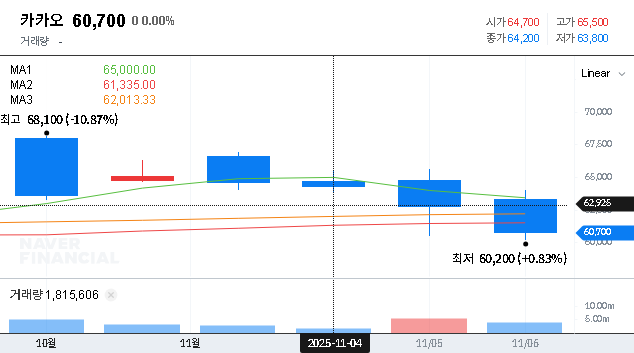
    On November 17, 2025, all eyes in the tech and investment communities will be on South Korean IT giant Kakao. The company is set to host a pivotal Kakao Corp. IR event, a corporate presentation that promises to be far more than a standard earnings call. This event is a critical moment for Kakao to articulate its vision for navigating a challenging global economy and a rapidly evolving AI landscape. Investors are keenly awaiting detailed updates on the company’s Kakao AI strategy, H1 2025 performance, and future commitments to Kakao shareholder returns.

    This comprehensive analysis offers an expert look into what’s at stake. We’ll dissect the company’s fundamentals, explore the potential market impact of the presentation, and provide a clear investment outlook. Will Kakao’s strategy inspire confidence? Let’s delve into the data and future projections.

    A Deep Dive into Kakao’s H1 2025 Performance

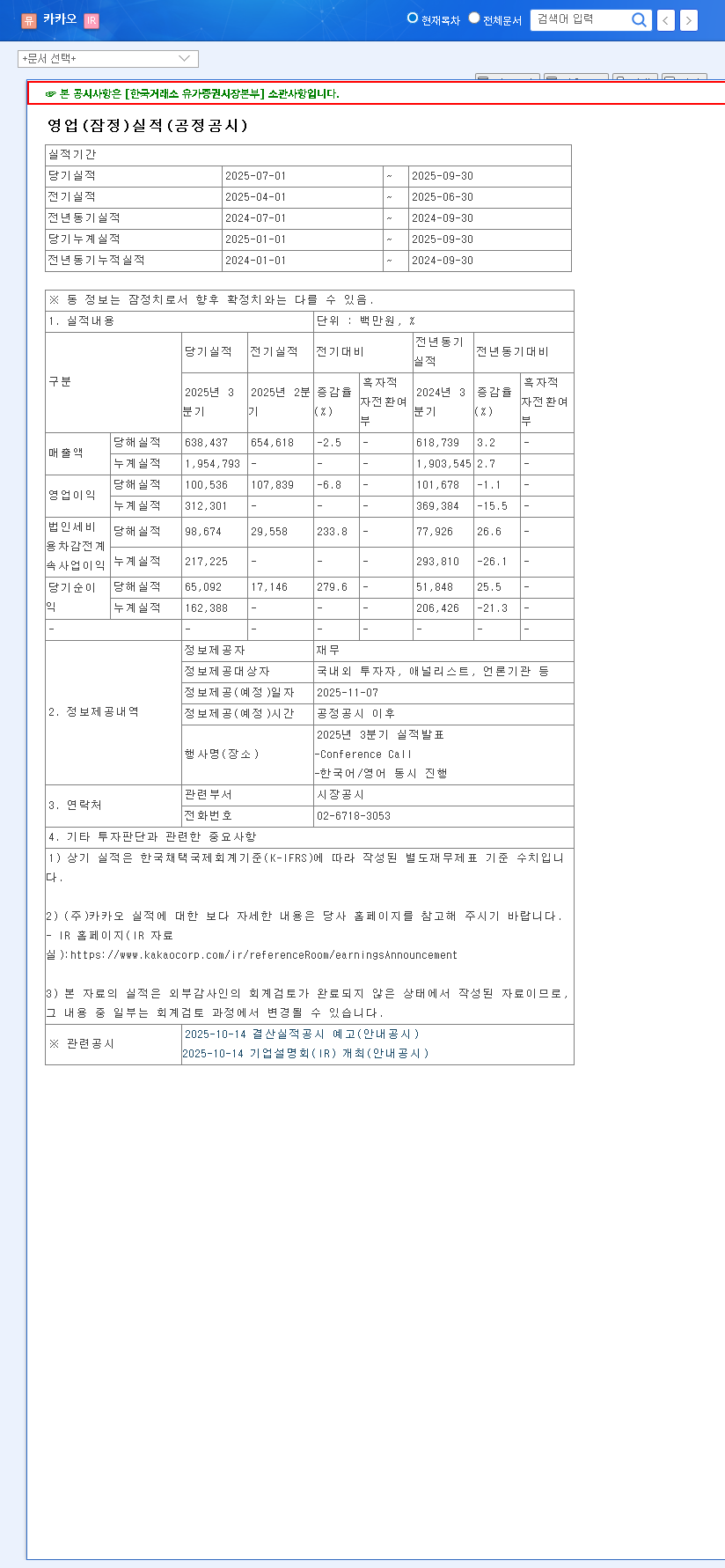
    To understand the future, we must first analyze the present. The Kakao H1 2025 performance report reveals a mixed but fascinating picture of a company in transition. While headline revenue saw a slight dip, the underlying segments tell a more nuanced story. This performance data, as detailed in the company’s public filings (Official Disclosure), highlights both solid foundations and areas requiring strategic focus.

    The Engine Room: Platform Division Growth

    The platform division remains Kakao’s bedrock, showing impressive resilience with a 52.6% revenue increase. This growth is powered by key services:

    • Talk Biz: The advertising and commerce arm built on KakaoTalk continues its steady climb, fueled by a growing advertiser base and higher transaction values in its gifting service.
    • Kakao Pay: The fintech platform is successfully expanding beyond simple payments into loan comparisons, insurance, and investment products, solidifying its market position.
    • Kakao Mobility: By broadening its MaaS (Mobility as a Service) offerings, the division is creating more touchpoints with users and diversifying its revenue streams.

    The Creative Front: Content Division Challenges

    In contrast, the content division faced headwinds, leading to a decline in profitability that impacted the company’s overall operating profit. This was influenced by intensified competition, macroeconomic pressures on consumer spending, and the high costs associated with global expansion for its gaming, music, and story IP businesses. Addressing the performance of this division will be a key point of interest during the Kakao Corp. IR event.

    The Future Blueprint: Kakao’s AI Strategy & Shareholder Returns

    Beyond historical performance, this IR event will be defined by its forward-looking statements. Two areas are paramount: the company’s ambitious artificial intelligence plans and its commitment to delivering shareholder value.

    Doubling Down on AI: “Kanana” and OpenAI Synergy

    The Kakao AI strategy is the company’s primary bet on future growth. Significant investments are being channeled into R&D, infrastructure, and strategic partnerships. A key development is the collaboration with OpenAI to develop advanced AI agents. This is complemented by the launch of Kakao’s own data center, which became operational in early 2024. This infrastructure is crucial for the upcoming launch of its new AI service platform, codenamed "Kanana". Investors will be listening for a concrete timeline and monetization strategy for these AI initiatives, as the tech industry races to capitalize on generative AI, a trend reshaping global markets.

    Kakao’s challenge isn’t just to develop innovative AI, but to seamlessly integrate it into its vast ecosystem of services in a way that creates tangible value for its millions of users and, ultimately, its shareholders.

    Rewarding Loyalty: A Closer Look at Shareholder Returns

    Amidst heavy investment in future tech, maintaining investor confidence is crucial. Kakao’s shareholder return policy is a key tool in this effort. The company has pledged to use 20-35% of its free cash flow for returns between 2024 and 2026, including cash dividends and consistent treasury stock cancellations. Any announcement of an enhanced Kakao shareholder returns policy during the IR event could significantly bolster investor sentiment.

    Investment Thesis: A Neutral Stance with Cautious Optimism

    Our overall investment opinion on Kakao remains "Neutral" heading into the IR event. The company’s stable platform business and immense potential in AI represent significant upside. However, these are balanced by the profitability challenges in the content division, the high costs of AI investment, and persistent regulatory risks within the tech sector. This Kakao stock analysis suggests that long-term success hinges on execution.

    Investors should watch for clarity on three fronts: a clear path to profitability for AI services, a turnaround strategy for the content business, and management’s plan for navigating potential regulatory hurdles. For more on the competitive landscape, you can read our full analysis of the Korean tech market.

    Frequently Asked Questions (FAQ)

    What is the focus of the Kakao Corp. IR event?

    The event will focus on Kakao’s H1 2025 performance, its strategic direction, detailed plans for its AI business including the “Kanana” platform, and its updated shareholder return policies.

    What were the key takeaways from Kakao’s H1 2025 performance?

    The platform division showed strong revenue growth of 52.6%, while the content division faced profitability challenges. Overall operating profit decreased due to content performance and increased investments in AI infrastructure.

    What is Kakao’s vision for its AI business?

    Kakao aims to become a leader in AI by developing advanced AI agents with partners like OpenAI, leveraging its new proprietary data center, and launching new AI-driven services to be integrated across its ecosystem.

    What are the primary risks for Kakao investors?

    Key risks include the high cost and uncertain timeline for AI monetization, declining profitability in the competitive content market, potential government regulations on platform businesses, and broader macroeconomic pressures.
    (035720) Kakao Corp. IR Event 2025: Deep Dive into AI Strategy, H1 Performance & Stock Analysis 관련 이미지
  • (009450) KYUNG DONG NAVIEN Asset Acquisition: A Deep Dive for Investors (2025 Analysis)

    (009450) KYUNG DONG NAVIEN Asset Acquisition: A Deep Dive for Investors (2025 Analysis)

    The recent announcement of the KYUNG DONG NAVIEN asset acquisition has sent ripples through the investment community. This strategic move, valued at a substantial ₩119.7 billion, involves its subsidiary purchasing a significant land and building portfolio in Pyeongtaek. More than a simple line item on a balance sheet, this decision offers a clear window into the company’s long-term vision, its commitment to innovation, and its strategy for dominating the future of the home comfort and HVAC market.

    This comprehensive report breaks down the multifaceted implications of this major investment. We will explore how consolidating its production base will impact KYUNG DONG NAVIEN’s operational efficiency, financial health, and overall competitive standing in an increasingly complex global and macroeconomic environment. For investors, understanding these dynamics is crucial for making informed decisions about the company’s future value.

    The Details of the Landmark Acquisition

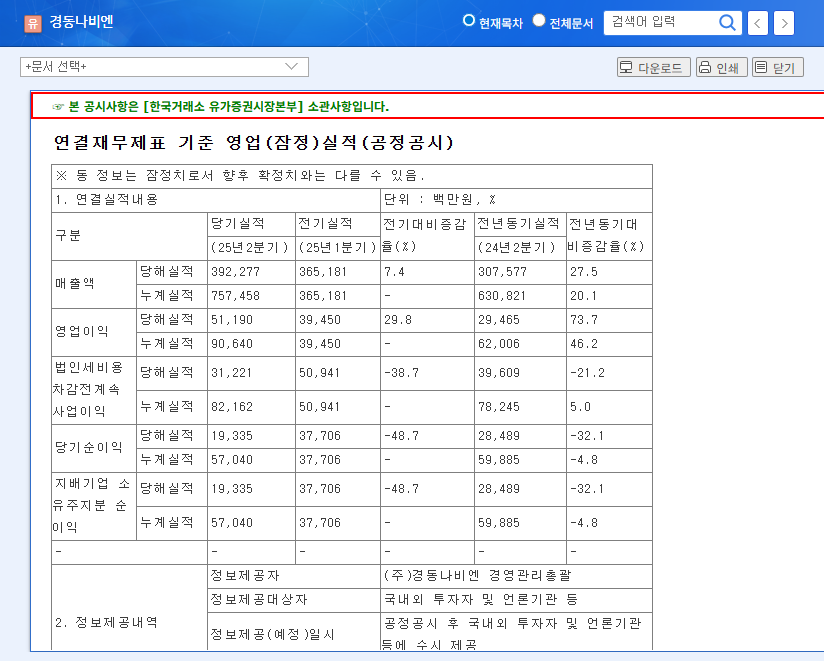
    On November 12, 2025, KYUNG DONG NAVIEN confirmed that its subsidiary, Kyung Dong Polium, will acquire land, buildings, and facilities currently under construction within the Seotan General Industrial Complex in Pyeongtaek, Gyeonggi Province. The total transaction value is ₩119.7 billion, representing a significant 8.81% of the company’s total assets. According to the Official Disclosure, the stated purpose is to ‘adjust the asset portfolio between affiliated companies through production base integration.’ This strategic consolidation is expected to catalyze profound changes across the company’s business structure.

    This investment in a new Pyeongtaek production base is not merely an expansion; it’s a foundational move to build a more efficient, resilient, and innovative manufacturing ecosystem for the next decade.

    Strategic Vision: Pillars of Future Growth

    As a leader in living environment energy solutions, KYUNG DONG NAVIEN’s decision is underpinned by several strategic objectives designed to fortify its market position and drive future profitability.

    1. Production Integration and Efficiency Gains

    Centralizing production at the state-of-the-art Seotan General Industrial Complex is expected to yield significant long-term efficiencies. By streamlining logistics, reducing inter-facility operational costs, and optimizing supply chains, the company can improve its gross margins. This efficiency is a critical defensive measure, especially given the short-term sales decline observed in H1 2025, and it builds a more competitive cost structure for the future.

    2. Capitalizing on Eco-Friendly Product Demand

    Regulatory tailwinds, such as South Korea’s ‘Atmospheric Environment Management Act’ mandating condensing boilers, create a fertile market for KYUNG DONG NAVIEN. This investment directly supports the scaled production of high-efficiency products like the ‘Navien Condensing ON AI’ boiler. An expanded, modern production line will allow the company to better meet this growing demand and capture a larger share of the eco-conscious consumer market. For more on market trends, see our analysis of the global HVAC market.

    3. Diversification and Cross-Brand Synergy

    KYUNG DONG NAVIEN is strategically expanding beyond its core boiler and water heater business into the broader Total Air Care (TAC) and HVAC market. This new facility will provide the necessary infrastructure to support these new ventures. Furthermore, it enables potential manufacturing synergies with the recently acquired SK Magic cooktop lineup, allowing for shared resources and technological crossover.

    Financial Health and Risk Assessment

    A Kyung Dong Navien investment of this magnitude requires a careful analysis of its financial implications and potential risks. While the long-term strategic benefits are clear, investors must weigh them against the short-term financial pressures.

    • Capital Expenditure and Balance Sheet: The ₩119.7 billion outlay will impact the company’s cash flow. With a debt-to-equity ratio of 90.22% (as of H1 2025), the method of financing this acquisition is critical. However, a robust retained earnings ratio of 416.92% provides a substantial cushion, suggesting the company can absorb the cost without jeopardizing its short-term stability.
    • Return on Investment (ROI): The central question is how effectively this capital will be deployed. Investors will need to monitor the company’s execution closely, looking for tangible evidence of productivity gains and market share growth that justifies the investment. A detailed roadmap for investment recovery is essential.
    • Macroeconomic Headwinds: The boiler industry analysis is incomplete without considering external factors. A slowdown in the construction market could temporarily dampen domestic demand. Moreover, as a global player, KYUNG DONG NAVIEN is exposed to interest rate and currency fluctuations. The new production base may help mitigate some raw material cost volatility, but these macroeconomic risks persist, as noted by leading financial analysts at Bloomberg.

    Investor Outlook & Key Questions

    The KYUNG DONG NAVIEN asset acquisition is a bold, forward-looking move that signals a strong commitment to long-term growth and market leadership. The strategic rationale is sound, positioning the company to capitalize on efficiency gains and growing market segments.

    However, the significant capital outlay amidst a challenging macroeconomic climate warrants a ‘Neutral’ investment stance for now. The potential is immense, but execution risk is real. Investors should seek clarity on the following points before turning more bullish:

    • What are the specific timelines and expected efficiency metrics from the new facility?
    • How will the acquisition be financed, and what will be the immediate impact on key financial ratios?
    • What are the company’s revenue and profit projections for the next 3-5 years based on this increased capacity?
    • What are the company’s hedging strategies against currency and interest rate volatility?

    This analysis is based on currently available information and may be updated as new details emerge from the company or market conditions change.

    (009450) KYUNG DONG NAVIEN Asset Acquisition: A Deep Dive for Investors (2025 Analysis) 관련 이미지
    (009450) KYUNG DONG NAVIEN Asset Acquisition: A Deep Dive for Investors (2025 Analysis) 관련 이미지
  • (096530) SEEGENE Stock Analysis (096530): H1 2025 Earnings & Investment Outlook

    (096530) SEEGENE Stock Analysis (096530): H1 2025 Earnings & Investment Outlook

    This comprehensive SEEGENE stock analysis provides a deep dive into the company’s recent activities, including its treasury stock disposal and H1 2025 earnings report. For investors considering a SEEGENE investment, understanding these developments is crucial. We’ll explore SEEGENE’s financial health, its position in the dynamic molecular diagnostics market, and provide a forward-looking perspective to help you make informed decisions about stock 096530.

    Understanding the SEEGENE Treasury Stock Disposal

    On November 12, 2025, SEEGENE announced a strategic decision to dispose of 1,334 common shares from its treasury. According to the company’s official disclosure, this action is not a market sale but is specifically intended for granting Restricted Stock Units (RSUs) to its employees. RSUs are a form of equity compensation used to incentivize and retain key talent by aligning their interests with those of shareholders. The complete details can be reviewed in the official filing. (Source: DART Report)

    Impact on Stock Price and Investor Sentiment

    Given the small volume of the disposal (1,334 shares) relative to the total shares outstanding, the direct, short-term impact on the stock price is expected to be minimal. In fact, markets often interpret RSU grants positively, viewing them as a sign of a healthy corporate culture focused on long-term growth and employee motivation. From a mid-to-long-term perspective, a well-motivated team can drive innovation and operational excellence, which are fundamental to increasing corporate value. Therefore, this move is unlikely to negatively affect the overall SEEGENE investment thesis.

    Decoding the H1 2025 Earnings Report

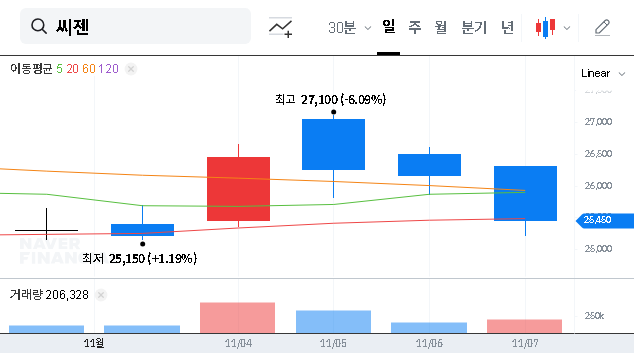
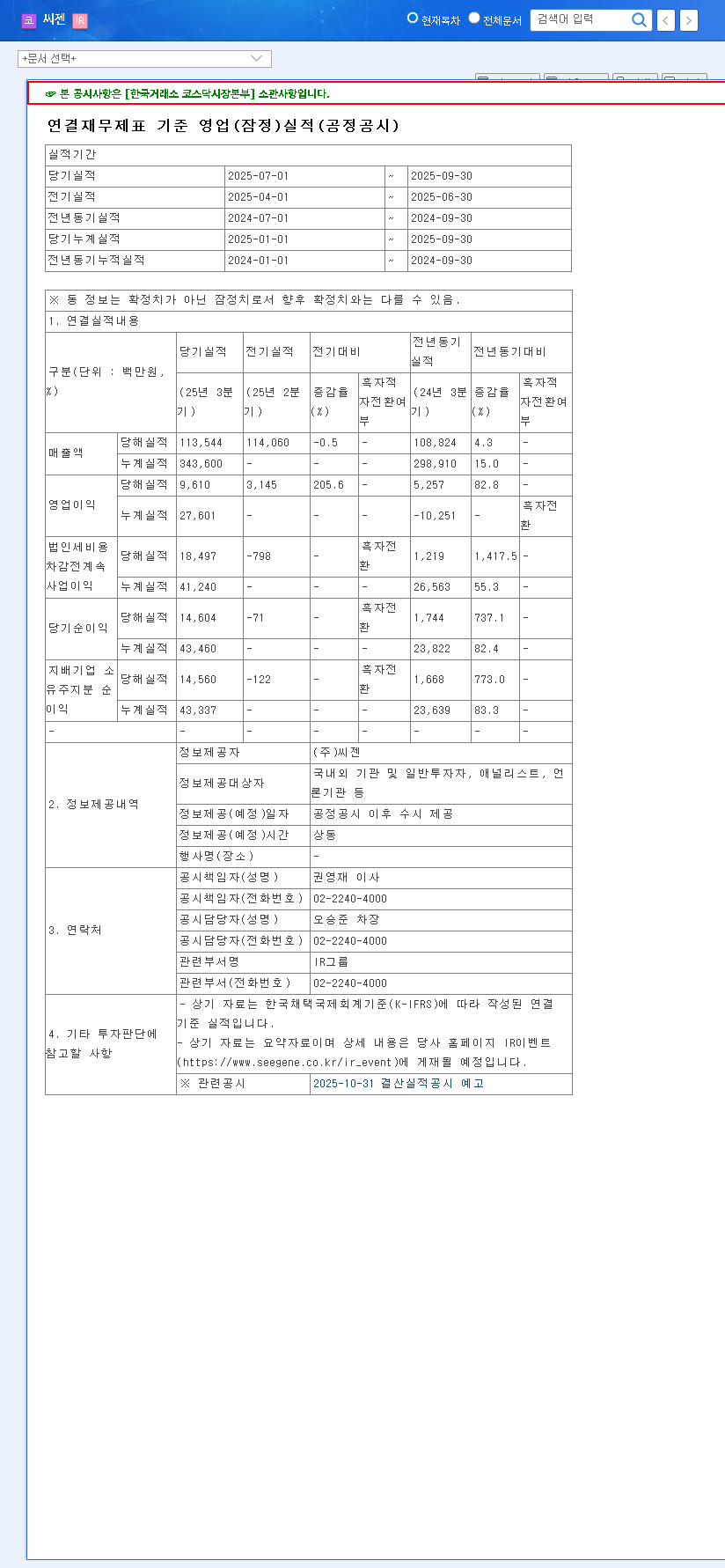
    The 096530 earnings report for the first half of 2025 revealed a crucial pivot towards profitability, even as top-line revenue saw a decline from pandemic-era highs. This demonstrates effective cost management and operational efficiency.

    • Positive Operating Profit: The company successfully returned to operating profitability, recording 17.99 billion KRW.
    • Improved Net Profit: Net profit showed significant improvement, reaching 28.86 billion KRW.
    • Key Financial Drivers: Profitability was driven by the integration of subsidiaries, the strength of its core technologies, and successful global market penetration initiatives.
    • Solid Financial Health: SEEGENE maintains a stable debt-to-equity ratio of 22.02% and a strong capital structure, all while dedicating a significant 14.58% of revenue to R&D.

    Core Strengths and the Molecular Diagnostics Market

    SEEGENE’s long-term value is anchored in its technological superiority and the favorable trends in its target market. The global in-vitro diagnostics (IVD) market is on a strong growth trajectory, projected to reach $119.4 billion by 2030, according to a report from Grand View Research. Within this, the molecular diagnostics market continues to expand as demand for precise, early-stage disease detection grows.

    SEEGENE’s competitive edge comes from its proprietary technologies like High Multiplex and 3Ct, which allow for the simultaneous detection of multiple pathogens in a single test, increasing efficiency and reducing costs for healthcare providers.

    Potential Risk Factors to Monitor

    No investment is without risk. For SEEGENE, investors should keep a close eye on the following factors:

    • Exchange Rate Volatility: With 93% of its revenue from exports, fluctuations in currency exchange rates can significantly impact reported profits. A 10% change could alter net profit by approximately 27.7 billion KRW.
    • Internal Controls: While improvements have been made, historical deficiencies in internal controls related to distributor revenue recognition require ongoing vigilance.
    • Macroeconomic Headwinds: Global interest rate trends, inflation, and geopolitical factors can affect investment sentiment and operational costs. For more on this, see our guide to understanding macroeconomic risks.

    Final SEEGENE Stock Analysis and Investment Thesis

    In summary, SEEGENE demonstrates strong fundamentals and is well-positioned in a growing industry. The company’s return to profitability, commitment to R&D, and dominant technological capabilities present a compelling case for a long-term SEEGENE investment. The recent SEEGENE treasury stock disposal for RSU grants is a non-event for valuation but a positive signal for corporate governance.

    Based on this analysis, the overall outlook remains positive. Investors with a mid-to-long-term horizon may find the current position an attractive entry point. However, it is crucial to continuously monitor the identified risk factors, particularly currency fluctuations and global economic conditions, and adjust your strategy accordingly.

    (096530) SEEGENE Stock Analysis (096530): H1 2025 Earnings & Investment Outlook 관련 이미지
  • (047040) Daewoo E&C’s KRW 940.9B Gimpo Project: Analysis of a Turnaround Opportunity

    (047040) Daewoo E&C’s KRW 940.9B Gimpo Project: Analysis of a Turnaround Opportunity

    In a significant development for South Korea’s construction sector, Daewoo Engineering & Construction (Daewoo E&C) has announced the acquisition of a monumental contract. The Daewoo E&C Gimpo project, officially the Gimpo Han River Cinepolis Mixed-Use Development, is valued at a staggering KRW 940.9 billion. This news arrives at a critical juncture for the company, which has been navigating concerns over performance and debt. This comprehensive analysis will dissect the contract’s details, evaluate its potential to be a catalyst for a corporate resurgence, and outline the substantial risks that lie ahead.

    The contract, awarded by Han River Cinepolis Development Co., Ltd., represents approximately 8.96% of Daewoo E&C’s recent annual revenue. The full scope and details of this agreement have been made public through an Official Disclosure on the DART system, providing transparency for investors and the market.

    Dissecting the Gimpo Han River Cinepolis Project

    The Gimpo Han River Cinepolis is not just another construction project; it’s an ambitious urban development plan. Located in Gimpo-si, Gyeonggi-do, the project aims to create a vibrant mixed-use complex. This typically includes a blend of residential apartments, commercial retail spaces, offices, and cultural or entertainment facilities. The strategic location near the Han River and its proximity to Seoul make it a high-potential area for real estate development. For Daewoo E&C, this project is a chance to showcase its expertise in large-scale, complex urban construction, moving beyond simple infrastructure to creating integrated community hubs.

    This KRW 940.9 billion contract is a double-edged sword: it offers a clear path to revenue growth and financial stability, but it is fraught with market and execution risks that demand impeccable management.

    Financial Implications: A Lifeline or a Burden?

    The financial impact of the Daewoo E&C Gimpo project contract can be viewed from several angles. On one hand, it’s a massive injection into the company’s order book, providing revenue visibility for years to come. On the other, the profitability of such a large-scale project is far from guaranteed in the current economic climate.

    Potential Positive Impacts

    • Substantial Revenue Boost: The KRW 940.9 billion contract will significantly bolster Daewoo E&C’s top-line revenue, acting as a powerful engine for external growth amidst a slowing market.
    • Improved Financial Health: Successful execution and timely payments will generate strong cash flow, which can be used to pay down debt and improve the company’s balance sheet, addressing concerns about its high debt-to-equity ratio.
    • Enhanced Market Confidence: Securing such a landmark deal sends a powerful, positive signal to investors, creditors, and the market at large, potentially improving stock valuation and credit ratings. For more on market dynamics, see this construction industry analysis from leading experts.

    Inherent Risk Factors

    • Cost and Supply Chain Volatility: The global prices for essential materials like steel and concrete, coupled with rising labor costs, could severely erode profit margins. Any disruption in the supply chain could lead to costly delays.
    • Macroeconomic Headwinds: High interest rates can dampen real estate demand, affecting the project’s ultimate commercial success. Furthermore, fluctuations in the KRW/USD exchange rate can impact the cost of imported materials and equipment.
    • Execution Complexity: Large-scale mixed-use developments are notoriously complex, with risks of permitting delays, unforeseen engineering challenges, and changes in project scope that can lead to budget overruns.

    Strategic Outlook for Investors

    For investors, the Daewoo E&C contract for the Gimpo project requires a balanced perspective. The potential upside is clear, but the path to realizing it is filled with challenges. The key is to monitor the company’s ability to manage costs and execute flawlessly.

    Key monitoring points should include Daewoo E&C’s quarterly reports on project progress, cost-to-completion metrics, and any updates on pre-sales or leasing of the commercial and residential units within the development. Investors may also want to review related topics, such as how to analyze a construction company’s debt ratio, to gain deeper context.

    Ultimately, this project serves as a crucial test for Daewoo E&C’s management. If they can navigate the economic headwinds and deliver the project profitably, it could mark a significant turning point for the company, solidifying its market position and rewarding investor confidence. If they falter, it could exacerbate existing financial pressures. The next few years will be decisive for the future of Daewoo Engineering & Construction.

    (047040) Daewoo E&C's KRW 940.9B Gimpo Project: Analysis of a Turnaround Opportunity 관련 이미지
  • (064400) LG CNS IR Analysis: Q3 2025 Performance & AI Growth Strategy

    (064400) LG CNS IR Analysis: Q3 2025 Performance & AI Growth Strategy

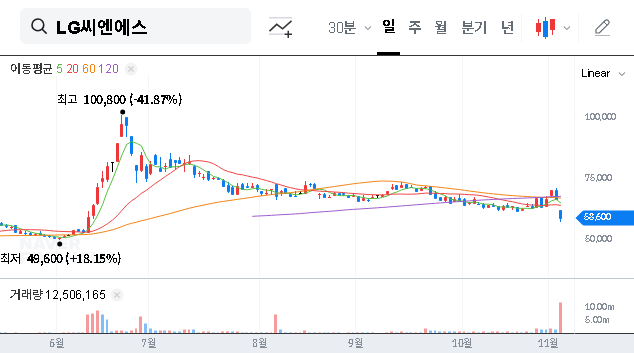
    As the artificial intelligence revolution reshapes the global IT landscape, all eyes are on industry leaders like LG CNS Co., Ltd. This comprehensive LG CNS IR analysis dives deep into the upcoming Q3 2025 performance announcement, set to be unveiled at the prestigious J.P. Morgan Global TMT Conference on November 17, 2025. For investors, this event is more than a simple earnings call; it’s a critical look into the company’s strategic navigation of the AI era, its financial health, and its future growth trajectory. Is LG CNS poised to capitalize on its momentum, or are there underlying challenges to consider? Let’s explore.

    Q3 2025 Performance Preview: What Investors Should Expect

    LG CNS is scheduled to present its Q3 2025 management performance and host a crucial Q&A session. This forum provides a direct line of communication to global investors, offering clarity on recent achievements and long-term vision. The key focus will be on whether the company has sustained the impressive growth seen in the first half of the year, particularly within its high-value cloud and LG CNS AI business segments.

    Fundamental Analysis: A Company at the Forefront of Innovation

    To understand the potential impact of the IR event, we must first assess the company’s core strengths and weaknesses. The current market, driven by accelerated digital transformation (DX), provides a fertile ground for LG CNS’s expertise.

    The Engines of Growth: Cloud & AI Dominance

    The most significant positive factor for LG CNS is the explosive growth of its cloud and AI operations. These divisions now represent a staggering 60% of total revenue and are expanding at a robust 17.5% clip. By pioneering new technologies like Generative AI and Agentic AI, the company is not just participating in the trend but actively shaping it. This strategic focus secures powerful future growth engines and offers a differentiated value proposition compared to competitors. For more on this emerging technology, you can read about the future of Agentic AI solutions.

    Financial Fortitude and Shareholder Value

    Underpinning this technological leadership is a rock-solid financial foundation. LG CNS recently saw its corporate bond credit rating upgraded from AA- to AA, a strong signal of financial soundness and market confidence. This enhanced rating not only reduces borrowing costs but also attracts a more risk-averse class of institutional investors. Combined with a shareholder-friendly interim dividend policy, the company is demonstrating a commitment to both growth and returning value to its stakeholders.

    Navigating the Headwinds: Challenges & Key Considerations

    No LG CNS investment case is without its risks. Investors must carefully weigh the company’s growth story against potential challenges that could impact future performance.

    • Decline in Legacy Services: Revenue from traditional Digital Business Services (SI/SM) has decreased by 4.3% year-over-year. While this may reflect a strategic pivot towards higher-margin AI and cloud services, it also signals intensifying competition in the legacy market.
    • Cost of Innovation: An increase in R&D expenses is necessary to stay ahead, but it requires careful management to ensure investment efficiency and a clear path to monetization.
    • Currency Volatility: With significant global operations, LG CNS is exposed to exchange rate fluctuations. A 10% swing in the USD/KRW rate could impact net income by tens of billions of KRW, a material risk that requires a robust hedging strategy.

    The central question for investors is whether LG CNS’s rapid expansion in AI and cloud can more than compensate for the maturation of its traditional business lines and effectively mitigate macroeconomic risks.

    Investment Outlook and Conclusion

    Our overall investment opinion for LG CNS is ‘Neutral to Positive.’ The company’s fundamentals are strong, its strategic direction aligns with major market trends outlined by sources like Gartner, and its financial health is excellent. The forecast for 2025 points to a significant turnaround, with revenue projected at KRW 101.6 billion and a return to profitability.

    However, the short-term stock price will be highly sensitive to the LG CNS Q3 2025 performance results. A strong report could catalyze a significant price increase, while any miss on expectations could lead to a pullback. Cautious investors should closely monitor the Q&A session for management’s commentary on mitigating the challenges discussed above. For verifiable data, refer to the company’s Official Disclosure on DART.

    Frequently Asked Questions (FAQ)

    When is LG CNS announcing its Q3 2025 earnings?

    LG CNS will announce its Q3 2025 management performance on November 17, 2025, during its participation in the J.P.Morgan Global TMT Conference.

    What are the main growth drivers for LG CNS?

    The company’s primary growth drivers are its cloud and AI businesses, which collectively account for 60% of total revenue and are growing rapidly through the adoption of advanced technologies like generative AI.

    What is the biggest risk for LG CNS investors?

    Key risks include the revenue decline in its traditional SI/SM services, the efficiency of its increased R&D spending, and significant exposure to foreign exchange rate volatility.

    What is LG CNS’s credit rating?

    LG CNS’s corporate bond credit rating was recently upgraded to AA from AA-, reflecting high market confidence in its financial stability and health.

    (064400) LG CNS IR Analysis: Q3 2025 Performance & AI Growth Strategy 관련 이미지
  • (376270) HEM Pharma Inc. IR (2025): A Deep Dive Stock Analysis & Investment Outlook

    (376270) HEM Pharma Inc. IR (2025): A Deep Dive Stock Analysis & Investment Outlook

    The upcoming HEM Pharma Inc. IR event, scheduled for November 13, 2025, represents a pivotal moment for the company and its investors. As the pharmaceutical and bio-industry watches closely, this Investor Relations platform is HEM Pharma’s opportunity to present a compelling vision for global market entry and future growth. This in-depth HEM Pharma analysis will dissect the company’s fundamentals, the potential stock impact of the IR, and provide a clear outlook for rational investment decisions.

    Can HEM Pharma Inc. leverage its technological strengths to overcome current financial headwinds and ignite a new phase of growth? Let’s explore what investors need to know.

    The 2025 HEM Pharma Inc. IR: What’s on the Agenda?

    Set for 08:00 on November 13, 2025, the primary goal of this IR event is to articulate a clear and convincing global expansion strategy. For a company in the highly competitive biotech space, a robust global vision is not just a goal, but a necessity for long-term survival and success. The key discussion points will revolve around:

    • Global Market Entry Strategy: Detailed blueprints for penetrating key overseas markets, including regulatory pathways and commercialization timelines.
    • Japanese Market Progress: A status update on entry into the strategic Japanese market, highlighting the significance and scope of key local partnerships.

    Current Landscape: A Balance of Opportunity and Challenge

    Any sound HEM Pharma stock analysis must weigh the company’s promising technological advancements against its pressing financial realities. While HEM Pharma boasts significant growth drivers, a recent decline in revenue and persistent operating losses cast a shadow.

    Positive Growth Catalysts

    • LBP Discovery Platform Service: This platform for Live Biotherapeutic Products is the jewel in HEM Pharma’s crown. While its current revenue contribution is modest, its high growth potential is demonstrated by active CDO contracts and crucial IND approvals, signaling strong technological validation. For more on this, read our guide on The Future of Microbiome Therapeutics.
    • Pipeline Advancement: The successful clinical 2a IND approval for its proprietary pipelines (HEMP-001, HEMP-002) is a major milestone, showcasing the company’s core R&D and drug development capabilities.

    Financial and Operational Headwinds

    • Revenue Decline: Despite steady performance in its customized healthcare services (MyLab, Phytobiome), the company reported a significant decrease in semi-annual revenue for 2025 compared to the prior year.
    • Expanding Losses: The high cost of R&D, a common feature in biotech, continues to drive operating and net losses. This has led to decreasing capital and an increasing debt-to-equity ratio, a point of concern for investors.

    The core tension for investors is whether the long-term potential of the LBP platform and pipeline can outweigh the short-term financial pressures. The upcoming HEM Pharma Inc. IR is the stage where this narrative will be tested.

    Analyzing the IR’s Potential Impact on HEM Pharma Stock

    The announcements made during this event could trigger significant shifts in investor sentiment and the company’s stock price. Here’s a look at the potential bull and bear cases.

    The Bull Case: A Positive Breakout

    A positive response could be sparked by concrete, tangible updates. If management unveils new high-value partnerships in Japan, announces additional CDO contracts for its LBP platform with global pharmaceutical giants like Pfizer or Roche, or presents a clear roadmap for turning around revenue declines in its healthcare services, investor confidence could surge. This would frame the current financial dip as a temporary trough before a major growth inflection.

    The Bear Case: A Disappointing Outlook

    Conversely, a negative reaction is possible if the presentation is vague or fails to address key concerns. If the IR lacks specific details on performance improvements or offers no clear strategy to manage the worsening financial indicators, investor patience may wear thin. Furthermore, any failure to transparently address past disclosure violations related to major shareholders could amplify caution. For context, these issues are documented in the official DART report (Source: Official Disclosure), and a sincere effort to restore trust is crucial.

    Investor Checklist: Key Points to Watch

    Prudent investors should approach the HEM Pharma Inc. IR with a critical eye. Use the following checklist to evaluate the information presented:

    • Realism of Global Strategy: Are the expansion plans concrete and backed by data, or are they aspirational?
    • Tangible Partnership Value: What is the specific financial or technological contribution of the Japanese partnerships?
    • LBP CDO Business Momentum: Are there new contracts in the pipeline? What is the revenue forecast?
    • Profitability Roadmap: Is there a clear, actionable plan to improve margins and control costs?
    • Restoration of Trust: How is the company addressing past governance issues to reassure the market?

    In conclusion, this IR is a critical turning point that could define the trajectory of HEM Pharma stock for the foreseeable future. A cautious, analytical approach is essential.

    (376270) HEM Pharma Inc. IR (2025): A Deep Dive Stock Analysis & Investment Outlook 관련 이미지
  • (036460) KoreaGasCorporation (KOGAS) Q3 Earnings 2025: A Deep Dive for Investors

    (036460) KoreaGasCorporation (KOGAS) Q3 Earnings 2025: A Deep Dive for Investors

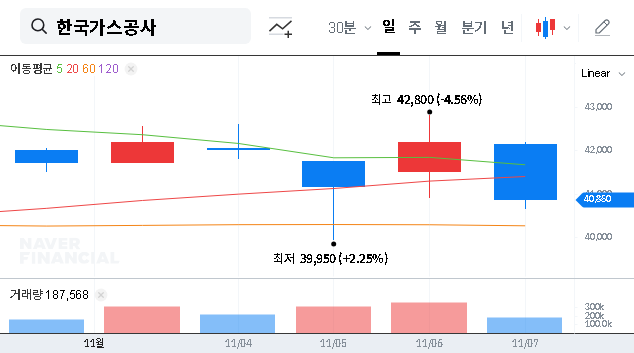
    Investors are keenly awaiting the upcoming KoreaGasCorporation Q3 Earnings announcement, scheduled for its Investor Relations (IR) conference on November 20, 2025. In a landscape defined by volatile international energy markets and shifting business dynamics, this event is far more than a routine financial update. It represents a pivotal moment for KOGAS, offering crucial insights into its strategic direction, financial resilience, and long-term investment appeal. This analysis will dissect the company’s recent performance and explore the key catalysts and risks that will be in focus during the Q3 call.

    Based on a thorough review of the H1 2025 semi-annual report, we will delve into the critical issues facing the company. The management’s plans for its substantial receivables, the stabilization of key overseas projects, and tangible progress in new growth areas like hydrogen energy are the three pillars that will determine market sentiment. For those following the KOGAS stock outlook, this IR is a must-watch event. You can view the official filing for the upcoming IR call on the DART system: Official Disclosure.

    Reviewing H1 2025: Understanding the Headwinds

    The first half of 2025 presented significant challenges for KOGAS, largely driven by external market forces. A comprehensive KOGAS financial analysis reveals a notable downturn in key metrics, setting the stage for the importance of the Q3 recovery narrative.

    Key Financial Performance Breakdown

    • Revenue & Profit Contraction: H1 2025 revenue fell by a sharp 46.6% year-on-year to KRW 19.5 trillion, while operating profit declined 58.3% to KRW 1.07 trillion. This was primarily a result of lower global LNG import prices, which directly impacts sales revenue.
    • Price & Demand Volatility: While city gas tariffs were frozen, power generation gas prices fluctuated with oil prices and exchange rates, trending downwards. This volatility, coupled with a drop in the average utilization rate to 29.8% from 36.3%, reflects softer gas demand. For more on global trends, see reports from the U.S. Energy Information Administration (EIA).
    • High Debt Ratio: A significant concern remains the high debt-to-equity ratio of 363.79%. While operating cash flow improved due to inventory reduction, this leverage is a key risk factor investors will be watching closely.

    Core Focus for the KoreaGasCorporation Q3 Earnings Call

    The upcoming KOGAS Investor Relations call will be scrutinized for clarity on several key operational and strategic fronts. A positive or negative outcome will likely hinge on the company’s ability to present a convincing path forward in these areas.

    1. Receivables Management: The Path to Financial Health

    The accumulation of receivables from unrecovered gas supply costs is perhaps the single most pressing issue for KOGAS. Investors will demand a concrete plan detailing the scale of these receivables, a clear timeline for their collection, and the regulatory mechanisms (such as tariff adjustments) that will support this process. Any sign of progress here will directly improve the company’s cash flow and perceived financial stability.

    2. Overseas Projects: De-risking and Profitability

    Profitability from overseas resource development projects, such as Australia’s GLNG and Prelude, has been hampered by falling natural gas prices and production issues. The market will be looking for updates on operational stabilization, cost control measures, and revised profitability outlooks for these major assets. A clear strategy to de-risk this portfolio is essential for bolstering long-term value.

    3. New Business Vision: Hydrogen and Beyond

    While the current revenue contribution is small, KOGAS’s ventures into hydrogen energy and LNG bunkering are critical for its future growth narrative. These initiatives align with the global transition to cleaner energy. Investors will expect updates on infrastructure development, partnership milestones, and a clear roadmap showing how these new businesses will become meaningful profit centers. Understanding this vision is key to assessing the company’s long-term competitive advantage. To learn more, you can read our guide on investing in the hydrogen economy.

    Investor Takeaway: The Q3 IR call is a critical inflection point. A positive scenario involves better-than-expected earnings, a credible receivables collection plan, and a compelling vision for new energy businesses. A negative scenario would be characterized by continued uncertainty, delayed tariff hikes, and further write-downs on overseas assets. Prudent investors should prepare for both outcomes.

    Frequently Asked Questions (FAQ)

    What drove KOGAS’s poor performance in H1 2025?

    The primary drivers were external: a significant drop in global LNG import prices reduced revenue, and volatile exchange rates impacted costs. This led to a 46.6% decline in revenue and a 58.3% fall in operating profit compared to the previous year.

    What is the biggest concern for KOGAS’s financial health?

    The high debt-to-equity ratio, standing at over 360%, is a major concern. This leverage, combined with massive outstanding receivables, creates significant financial risk and pressure on the company’s balance sheet.

    What are KOGAS’s key future growth drivers?

    Beyond its core gas business, KOGAS is banking on new initiatives in hydrogen energy and LNG bunkering. These align with global green energy policies and represent a crucial diversification strategy for long-term growth and sustainability.

    Ultimately, the KoreaGasCorporation Q3 Earnings call will provide the clarity investors need. By carefully analyzing the company’s statements on receivables, overseas projects, and future growth, stakeholders can make more informed decisions about the company’s trajectory.

    (036460) KoreaGasCorporation (KOGAS) Q3 Earnings 2025: A Deep Dive for Investors 관련 이미지
  • (009320) Ajin Electronic Components (009320) Q3 2025 Earnings Analysis & Stock Outlook

    (009320) Ajin Electronic Components (009320) Q3 2025 Earnings Analysis & Stock Outlook

    The latest Ajin Electronic Components earnings for Q3 2025 have been released, and investors are closely scrutinizing the numbers. As a pivotal supplier in the burgeoning electric vehicle (EV) sector, Ajin Electronic Components (KRX: 009320) has been on a promising turnaround trajectory. But does this quarter’s performance sustain that momentum, or does it signal a need for caution?

    This comprehensive analysis offers a deep dive into the company’s financial health, its core growth engine in the EV component market, the macroeconomic headwinds and tailwinds it faces, and a forward-looking investment strategy. We will unpack the key figures and what they mean for the future of Ajin’s stock.

    Ajin Electronic Components Q3 2025 Earnings: A Closer Look

    Ajin Electronic Components announced its preliminary Q3 2025 earnings, revealing a mixed but insightful picture of its current standing. The full details can be reviewed in the company’s Official Disclosure (DART). Here are the headline figures:

    • Revenue: KRW 41.7 billion (a slight increase quarter-over-quarter and an improvement year-over-year).
    • Operating Profit: KRW 2.0 billion (a decrease quarter-over-quarter, but an improvement year-over-year).
    • Net Profit: KRW 1.7 billion (a decrease quarter-over-quarter, but an improvement year-over-year).

    While the year-over-year growth is a positive sign of long-term recovery, the sequential decline in both operating and net profit raises questions. This suggests that while the company’s top line is stable, cost pressures or a shift in product mix might be impacting profitability.

    The Q3 results indicate a temporary pause in the company’s strong turnaround momentum seen in the first half of the year. The core challenge is balancing revenue growth with margin protection.

    Unpacking the Performance: Growth vs. Risks

    Core Strength: The EV Component Market

    The driving force behind Ajin’s long-term potential remains its deep integration into the automotive electronics supply chain, which accounts for over 97% of its revenue. The company has successfully pivoted to capitalize on the global shift to electric vehicles. Its key growth products include:

    • PTC Heaters: Essential for efficiently heating the cabin of an EV without relying on a traditional combustion engine’s waste heat.
    • Battery Warming Heaters: Critical for maintaining optimal battery temperature in cold climates, which improves performance, range, and charging speed.

    Its status as a primary supplier to Hyundai and Kia provides a stable revenue base and a direct line into one of the world’s fastest-growing EV manufacturing groups. This foundation is crucial as the global EV market continues its exponential growth, a trend confirmed by major market analysis firms.

    Financial Health and Potential Headwinds

    Despite the positive market trends, the Q3 profit dip and the company’s balance sheet warrant careful consideration. The most significant risk factor is its financial structure. With a debt-to-equity ratio of 230.87% as of H1 2025, the company is highly leveraged. This high debt level can lead to substantial interest expenses that erode net profit and limit flexibility for future investments or R&D.

    Furthermore, external macroeconomic factors present a mixed bag. A rising USD/KRW exchange rate increases the cost of imported raw materials, directly squeezing profit margins. While stable oil prices and potential interest rate cuts offer some relief, currency volatility remains a key variable for investors to monitor in the coming quarters. To learn more, you can read our guide on how to analyze financial statements for tech companies.

    Investment Strategy & Future Outlook

    The Ajin investment strategy requires a balanced view of its short-term challenges against its long-term growth narrative.

    • Short-Term Outlook: The QoQ profit decline could exert downward pressure on the stock price. Investors may react cautiously until there is clarity on whether this is a one-off event or the beginning of a trend.
    • Mid-to-Long-Term Outlook: The company is undeniably well-positioned in the high-growth EV component market. However, a conservative approach is prudent. Key milestones to watch for are tangible progress in reducing the debt-to-equity ratio and successful commercialization of new products like ambient light controllers.

    The upcoming Q4 2025 earnings report will be critical. It will help determine if the Q3 slowdown was an anomaly or if underlying cost pressures are becoming a more persistent issue. Continuous monitoring of the company’s efforts to deleverage its balance sheet is essential for any long-term investment thesis.

    Frequently Asked Questions (FAQ)

    Q1: What were the key takeaways from Ajin’s Q3 2025 earnings?

    A1: Ajin reported stable revenue of KRW 41.7 billion, but operating profit (KRW 2.0B) and net profit (KRW 1.7B) declined compared to the previous quarter. This suggests a potential increase in costs or margin pressure, despite solid year-over-year improvement.

    Q2: What is the main growth driver for Ajin Electronic Components?

    A2: The primary growth driver is the strong demand for its automotive electronic components for EVs, such as PTC heaters and battery warmers. Its position as a key supplier for Hyundai/Kia solidifies its role in the expanding EV market.

    Q3: What are the biggest risks for investors in Ajin stock?

    A3: The two main risks are its high financial leverage, indicated by a debt-to-equity ratio over 230%, and its vulnerability to macroeconomic factors like fluctuating currency exchange rates, which can impact the cost of imported materials and overall profitability.

    (009320) Ajin Electronic Components (009320) Q3 2025 Earnings Analysis & Stock Outlook 관련 이미지
    (009320) Ajin Electronic Components (009320) Q3 2025 Earnings Analysis & Stock Outlook 관련 이미지
  • (347860) Alchera Stock Analysis: Will a ₩2.2B Hyundai Mobis Contract Fuel Growth?

    (347860) Alchera Stock Analysis: Will a ₩2.2B Hyundai Mobis Contract Fuel Growth?

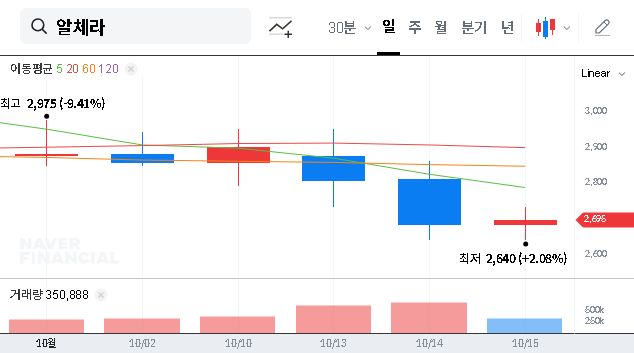
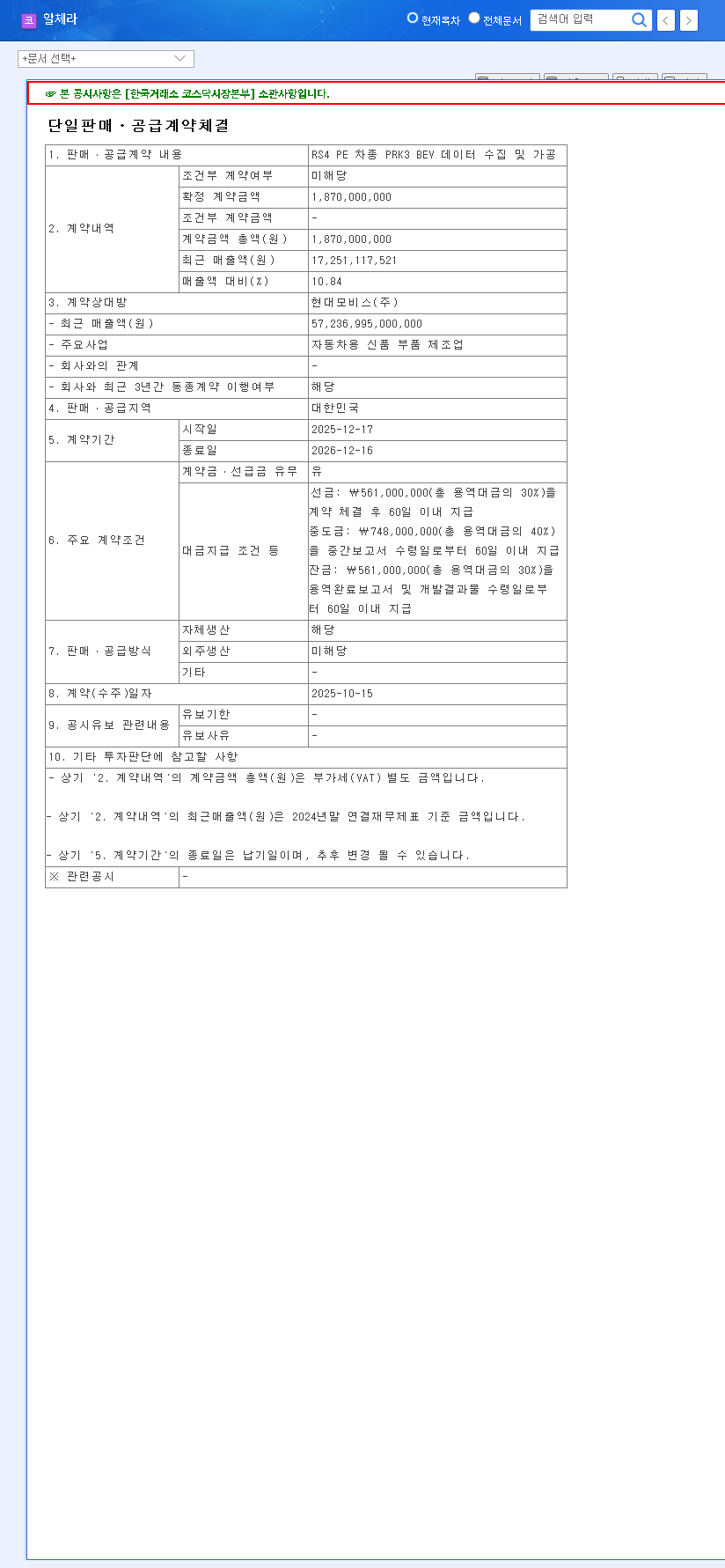
    Investors closely watching Alchera stock are dissecting the recent announcement of a landmark deal. Alchera Inc., a specialist in AI vision recognition solutions, has secured a significant ₩2.2 billion contract with automotive giant Hyundai Mobis. Representing nearly 13% of its recent half-year revenue, this agreement could be a pivotal moment for a company whose stock has faced considerable headwinds. But does this contract signal a genuine turnaround, or are underlying financial risks still too great? This comprehensive analysis explores the full implications of the Hyundai Mobis contract for Alchera’s future and what it means for potential investors.

    The Landmark Deal: Deconstructing the Hyundai Mobis Contract

    On November 12, 2025, Alchera Inc. officially announced a ₩2.2 billion DB (database) construction service contract with Hyundai Mobis Co., Ltd. This is not just another sales win; its scale and the prestige of the client make it a cornerstone event for the company. The contract, which runs for approximately 14 months until January 22, 2027, is a significant validation of Alchera’s capabilities in the competitive AI training data market. The details of this agreement were confirmed in an official filing (Source: Official Disclosure).

    The core of the project involves building a high-quality database, which is the lifeblood for developing sophisticated AI systems. For a company like Hyundai Mobis, this data is critical for advancing their autonomous driving technology, in-cabin driver monitoring systems, and other next-generation automotive features. Securing this deal proves Alchera can meet the rigorous standards of a global industry leader.

    This contract is more than a revenue boost; it’s a powerful endorsement of Alchera’s technology and its strategic importance in the evolving automotive AI supply chain.

    Investor Outlook: Balancing Opportunity and Risk

    For those evaluating Alchera stock, this contract presents a clear turning point. However, a prudent investment decision requires weighing the undeniable positive impacts against the company’s historical challenges.

    The Bull Case: Why This Contract Matters for Alchera Stock

    • Substantial Revenue Injection: The ₩2.2 billion deal represents a massive 12.87% of H1 2025 revenue. This provides a predictable, significant revenue stream for 2026, which is crucial for a company working towards profitability.
    • Improved Profitability & Cash Flow: AI training data services typically carry higher profit margins than software licensing. This contract could directly improve Alchera’s bottom line and strengthen its cash position, reducing the need for dilutive capital raises.
    • Enhanced Market Credibility: Winning a competitive bid with Hyundai Mobis solidifies Alchera Inc. as a top-tier player. This credibility can be leveraged to secure more large-scale enterprise contracts in the future, creating a flywheel effect for growth.
    • Strategic Diversification: This project strengthens Alchera’s data construction business, diversifying its revenue away from pure AI vision recognition software and creating a more resilient business model.

    The Bear Case: Key Risks to Monitor

    Despite the positive news, investors must remain aware of the challenges that have previously impacted Alchera stock performance.

    • History of Operating Losses: Alchera has a track record of persistent operating losses. It is critical to monitor whether the profitability from this contract marks the beginning of a sustained trend toward positive earnings.
    • Capital Structure Concerns: Past reliance on capital raising through rights offerings and convertible bonds presents a potential for future shareholder dilution. Investors should watch the overhang from these financial instruments.
    • Intense Market Competition: The AI data market is fiercely competitive. Alchera must continue to innovate and execute flawlessly to maintain its edge and secure follow-on business.

    Conclusion: An Action Plan for Investors

    The Hyundai Mobis contract is unequivocally a major positive catalyst for Alchera Inc. It provides a clear path to revenue growth, enhances business credibility, and validates its technological prowess in AI. However, this one contract does not erase the company’s past financial struggles.

    The prudent approach for investors is one of cautious optimism. This news significantly brightens the outlook for Alchera stock, but the key will be execution. Investors should closely monitor quarterly earnings reports to see if the financial benefits of this deal materialize and lead to sustained profitability. For a deeper dive into market trends, consider our guide to the broader AI industry landscape.

    (347860) Alchera Stock Analysis: Will a ₩2.2B Hyundai Mobis Contract Fuel Growth? 관련 이미지
  • (950190) GHOST STUDIO Earnings (Q3 2025): A Deep Dive into Growth, Risks, and Future Stock Potential

    (950190) GHOST STUDIO Earnings (Q3 2025): A Deep Dive into Growth, Risks, and Future Stock Potential

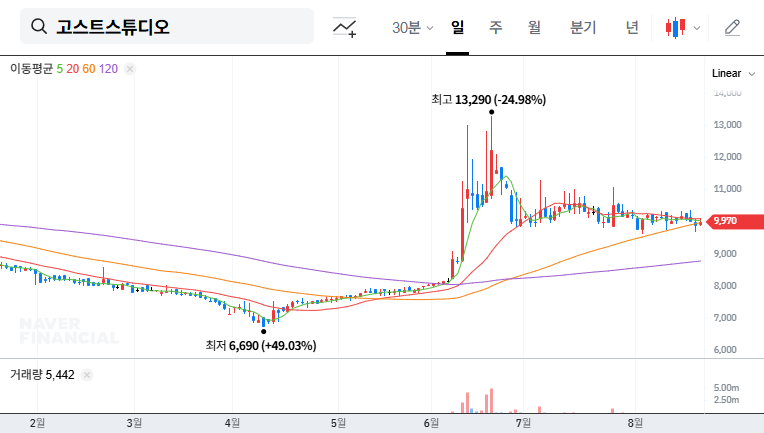
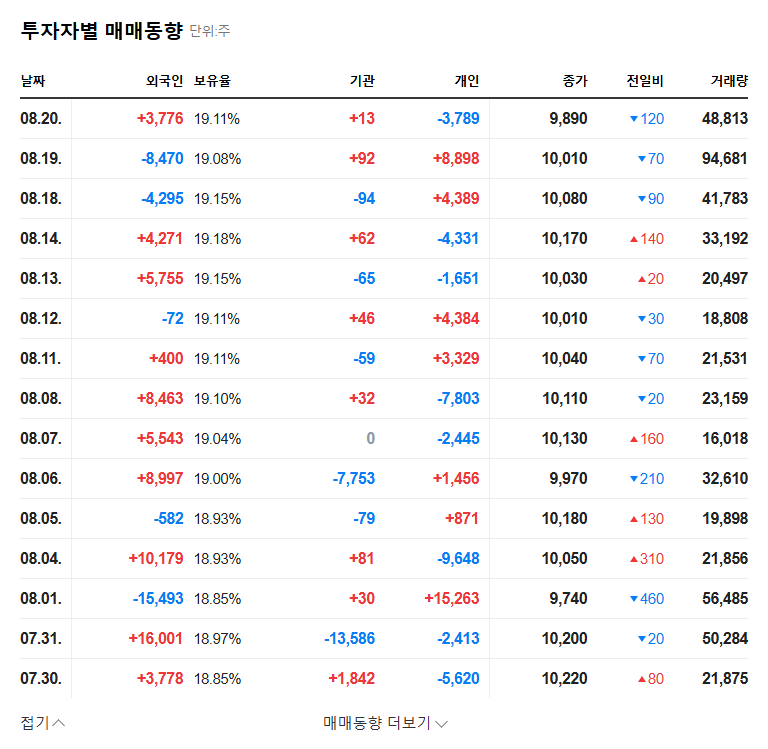
    The latest GHOST STUDIO earnings report for Q3 2025 has captured the attention of the market, revealing a pivotal moment for the entertainment and content powerhouse. After a challenging first half of the year, the company has posted encouraging preliminary results that suggest a strategic turnaround is gaining traction. This deep-dive GHOST STUDIO investment analysis will dissect the numbers, explore the growth drivers fueling its media division, assess the persistent challenges in its gaming segment, and provide a clear outlook for current and prospective investors.

    With ambitious ventures like Netflix original series and a strategic expansion into the K-beauty market, GHOST STUDIO is actively reshaping its business structure. We will examine whether these new growth engines are powerful enough to offset financial pressures and propel the GHOST STUDIO stock to new heights.

    Decoding the GHOST STUDIO Q3 2025 Earnings Report

    On November 12, 2025, GHOST STUDIO CO., LTD. released its preliminary operating results, signaling a significant positive shift. These figures, available in the Official Disclosure (DART), stand in stark contrast to the declining trends seen earlier in the year.

    The Q3 turnaround is more than a rebound; it’s a testament to the company’s strategic pivot towards high-growth media content and business diversification, marking a critical inflection point for investors.

    • Revenue: KRW 20.9 billion
    • Operating Profit: KRW 4.3 billion (a significant turnaround to profitability)
    • Net Income: KRW 4.4 billion

    These numbers show impressive growth not only quarter-over-quarter but also year-over-year. The 8.95% revenue surge compared to Q4 2024 and an operating profit that multiplied over three times highlight a robust operational improvement that the market has been waiting for.

    Business Segment Analysis: A Tale of Two Trajectories

    The story of GHOST STUDIO in 2025 is one of divergence. While its legacy gaming division faces headwinds, the burgeoning media and new business segments are emerging as powerful growth catalysts.

    Media Content: The New Growth Engine

    The media content business is unequivocally the star of the show. Building upon a stable webtoon and web novel foundation, the acquisition of GHOST STUDIO Co., Ltd. has supercharged its entry into high-stakes video production. The production of Netflix original series like “You Killed Me” and “Bloodhounds 2” positions the company to capitalize on the insatiable global demand for K-content. This strategic move provides a predictable, high-margin revenue stream that is less volatile than the hit-driven gaming market.

    Gaming Business: Navigating a Competitive Landscape

    The gaming division continues to face difficulties. Revenue from established casual titles like Solitaire and TriPeaks has declined due to intense market competition and shifting player preferences. The company is actively trying to right the ship by diversifying its portfolio with new releases such as ‘Match Miracle’ and exploring Web3 with ‘Pocket Battles NFT War.’ However, the success of these new ventures is not yet guaranteed and remains a key area for investors to monitor.

    New Business: K-Beauty and Beyond

    In a bold diversification play, GHOST STUDIO launched the cosmetic brand ‘PixelPure’ in May 2025. This expansion into the lucrative K-beauty market aims to create powerful synergies by leveraging the company’s roster of artists and media influence. For more on this trend, see our analysis of the global K-beauty industry. While still in its early stages, this venture represents an exciting new revenue stream with significant potential.

    Financial Health: Signs of Strain Amidst Growth

    While the Q3 profit numbers are encouraging, a look at the half-year report reveals underlying financial pressures. The aggressive expansion has led to a significant increase in total liabilities, rising from KRW 10.1 billion in 2023 to KRW 30.5 billion in H1 2025. Furthermore, operating cash flow turned negative, a metric that signals the company spent more on operations than it generated. These are classic ‘growing pains’, but they necessitate careful management of debt and liquidity to ensure long-term stability.

    Investor Outlook: What to Watch for GHOST STUDIO Stock

    The GHOST STUDIO Q3 2025 results paint a picture of a company in successful transition. The positive momentum from media and new ventures appears to be starting to outweigh the slump in gaming. For long-term investors, the key is to monitor whether this trend can be sustained. For context on market dynamics, sources like Reuters’ market analysis provide valuable macroeconomic insights.

    Key Monitoring Points for Investors:

    • Media Momentum: Track the performance and critical reception of upcoming Netflix series. Consistent hits are crucial for sustained growth.
    • Gaming Turnaround: Watch for signs of life in the gaming division. Can new titles gain traction and contribute positively to the bottom line?
    • Financial Discipline: Monitor future earnings reports for debt reduction plans and a return to positive operating cash flow.
    • K-Beauty Traction: Look for updates on the market penetration and revenue contribution from the ‘PixelPure’ brand.

    In conclusion, GHOST STUDIO presents a compelling, albeit complex, investment case. The company’s strategic shift is bearing fruit, but the journey is not without financial risks. Cautious optimism is warranted, and close monitoring of the factors above will be essential for making an informed decision on GHOST STUDIO stock.

    (950190) GHOST STUDIO Earnings (Q3 2025): A Deep Dive into Growth, Risks, and Future Stock Potential 관련 이미지
    (950190) GHOST STUDIO Earnings (Q3 2025): A Deep Dive into Growth, Risks, and Future Stock Potential 관련 이미지