Tag: Investment Analysis

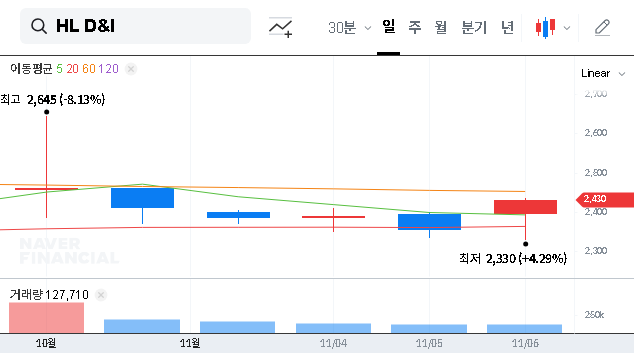
  • (014790) HL D&I HALLA CORPORATION (014790) Secures ₩90B Contract: An In-Depth Investment Analysis

    (014790) HL D&I HALLA CORPORATION (014790) Secures ₩90B Contract: An In-Depth Investment Analysis

    A recent major development has put HL D&I HALLA CORPORATION (014790) back in the spotlight for investors. The company has successfully secured a massive ₩90 billion public contract, a move that could significantly impact its trajectory. While this news injects a dose of optimism, a thorough HL D&I investment analysis reveals a complex picture fraught with both opportunity and considerable risk. This article will dissect the contract’s implications, examine the company’s underlying financial health, and provide a clear-eyed guide for potential investors evaluating the HL D&I stock.

    Unpacking the ₩90 Billion Public Contract

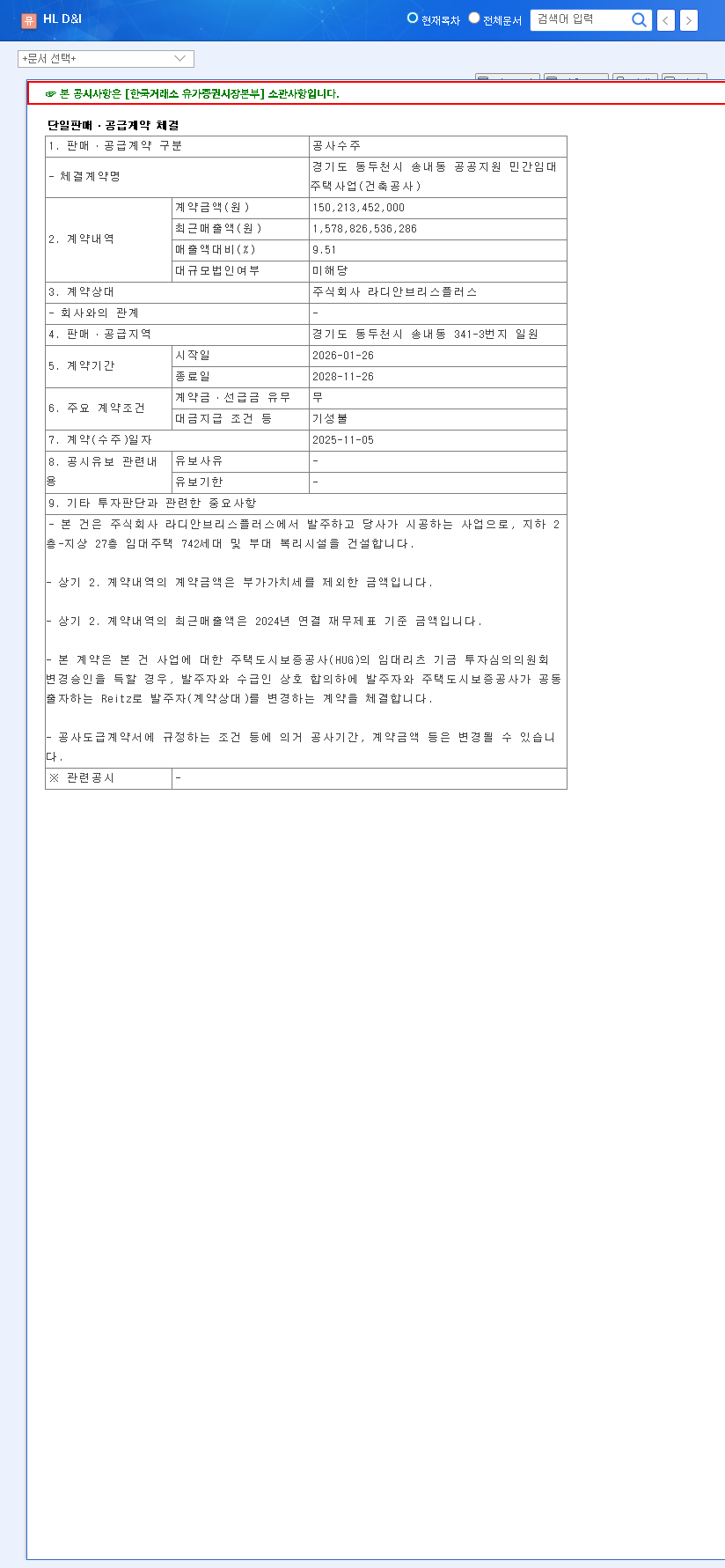
    On November 13, 2025, HL D&I HALLA CORPORATION formally announced the ₩90 billion deal with the Armed Forces Financial Management Corps. The project, officially titled the ’24-N-00 Base Mooring Facility Expansion’, is a significant civil engineering endeavor. According to the Official Disclosure, this contract value represents about 5.70% of the company’s revenue from the first half of 2025. Spanning a three-year period until November 2028, this project promises a steady, long-term revenue stream. Mooring facilities are critical infrastructure for naval bases, and this expansion likely involves significant construction and engineering expertise, validating the company’s capabilities in the public sector.

    Public sector contracts offer more than just revenue; they provide a bedrock of stability in the often-turbulent construction industry, shielding companies from the volatility of the private real estate market.

    The Bull Case: Why This Contract Fuels Optimism

    Revenue Injection and Growth Momentum

    In an economic climate where the private construction segment faces headwinds from rising interest rates and slowing demand, this HL D&I public contract is a timely boost. It provides a predictable revenue pipeline for the next three years, offering a counter-balance to potential softness in other areas and establishing a new engine for growth.

    Portfolio Diversification and Stability

    Over-reliance on the private housing market is a significant risk for any construction firm. By winning a substantial government contract, HL D&I HALLA CORPORATION strategically diversifies its portfolio. Public infrastructure projects are generally less susceptible to economic cycles, thereby enhancing the company’s overall business stability and resilience.

    Enhanced Corporate Credibility

    Securing a large-scale project from a government entity like the Armed Forces Financial Management Corps is a powerful endorsement of a company’s technical capabilities and reliability. This enhances corporate image and can be a significant advantage in bidding for future projects, both public and private.

    The Bear Case: Analyzing the Underlying Risks

    The Burden of a High Debt-to-Equity Ratio

    Despite the positive news, investors cannot ignore the company’s precarious financial position. As of H1 2025, HL D&I reported a debt-to-equity ratio of 305%. This figure, explained in detail on sites like Investopedia, indicates that the company is heavily leveraged, relying far more on debt than equity to finance its assets. Such high leverage increases financial risk, making the company vulnerable to interest rate hikes and economic downturns.

    Surging Inventory and Profitability Pressures

    Another red flag is the 239% surge in inventory. This could signal unsold properties or an accumulation of raw materials, tying up capital and potentially leading to write-downs. Furthermore, the construction industry is battling soaring costs for materials and labor. Without meticulous cost management, the profitability of this new ₩90 billion contract could be severely eroded, a key concern in any HL D&I investment analysis.

    An Investor’s Guide to HL D&I (014790)

    Given this complex backdrop, a cautious and informed approach is essential. Investors should actively monitor the following areas:

    • Financial Deleveraging Efforts: Watch for any strategic plans or actions aimed at reducing the high debt-to-equity ratio. This is the most critical factor for long-term stability.
    • Operating Cash Flow: Scrutinize quarterly reports to see if the company is generating positive cash flow from its operations, which is crucial for servicing debt and funding growth.
    • Profit Margins on New Projects: Pay close attention to the profitability of the civil engineering segment to see if the company is effectively managing rising construction costs.
    • Growth in Non-Construction Segments: Stable performance in its logistics, port, and environmental businesses can provide a buffer. To learn more, read our guide on how to analyze a diversified industrial company.

    Conclusion: A Cautiously Optimistic Outlook

    In conclusion, the ₩90 billion contract is undeniably a positive catalyst for HL D&I HALLA CORPORATION. However, it is not a silver bullet. The deep-seated financial risks, particularly the high debt load, remain a significant concern that could overshadow the benefits. For investors, the path forward requires diligent monitoring of the company’s efforts to improve its financial health while executing successfully on this new opportunity.

    Frequently Asked Questions (FAQ)

    What is the ₩90 billion contract secured by HL D&I HALLA CORPORATION?

    It is a public civil engineering contract with the Armed Forces Financial Management Corps for the ’24-N-00 Base Mooring Facility Expansion’ project. The contract is valued at ₩90 billion and will be executed over a three-year period.

    What are the potential benefits of this contract for HL D&I?

    The primary benefits include securing a stable revenue stream, diversifying the business away from the volatile private market, boosting growth momentum, and enhancing the company’s corporate image and credibility for future projects.

    What are the main risks associated with investing in HL D&I stock?

    The most significant risks are structural and financial. These include a very high debt-to-equity ratio (305%), a recent and dramatic surge in inventory levels, ongoing profitability challenges due to rising construction costs, and several outstanding lawsuits.

    What should investors monitor regarding HL D&I HALLA CORPORATION?

    Investors should closely track key financial health indicators, such as changes in the debt ratio, inventory levels, and operating cash flow. It’s also vital to assess the company’s ability to manage costs, the profitability of new contracts, and the performance of its non-construction business segments.
    (014790) HL D&I HALLA CORPORATION (014790) Secures ₩90B Contract: An In-Depth Investment Analysis 관련 이미지
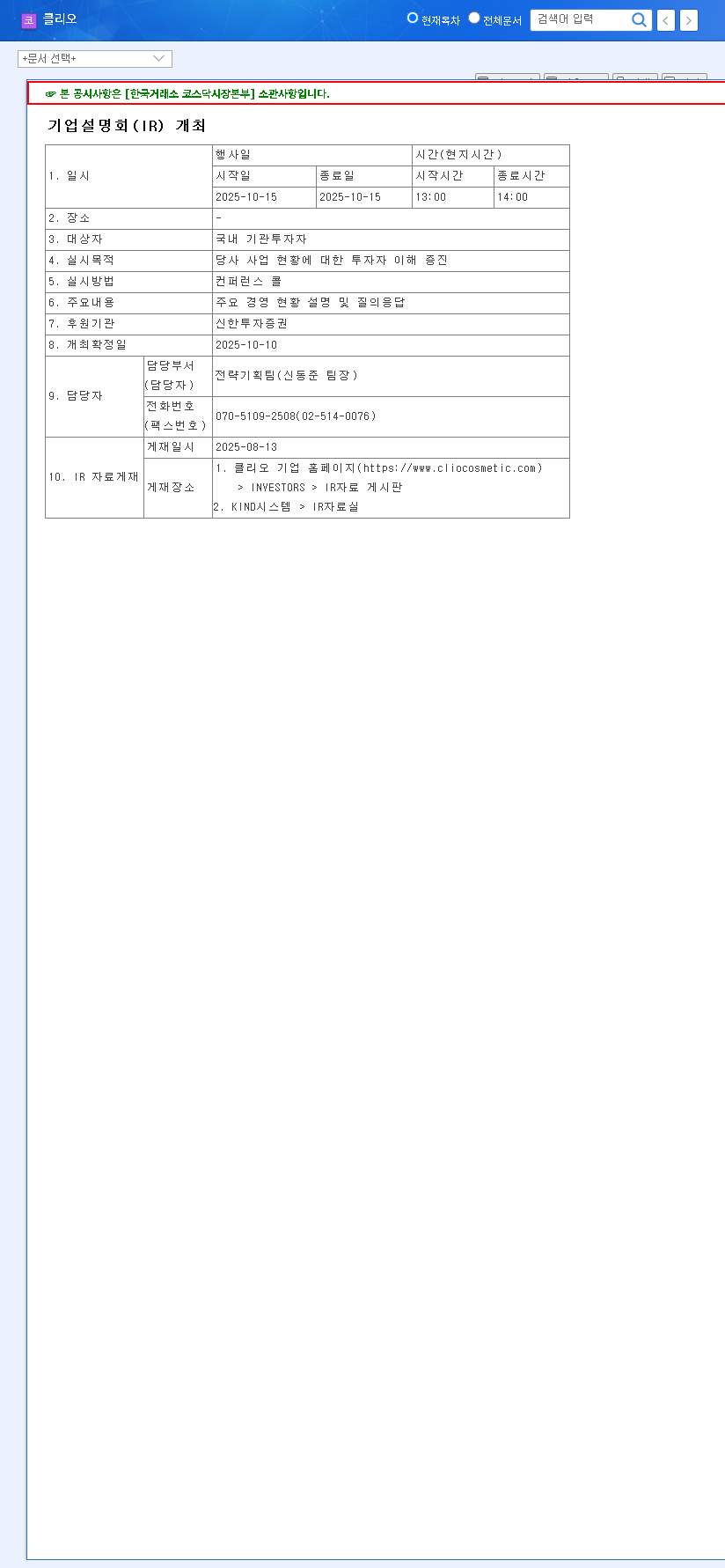
  • (237880) CLIO Cosmetics Q3 2025 Earnings: In-Depth Financial Analysis & Future Outlook

    (237880) CLIO Cosmetics Q3 2025 Earnings: In-Depth Financial Analysis & Future Outlook

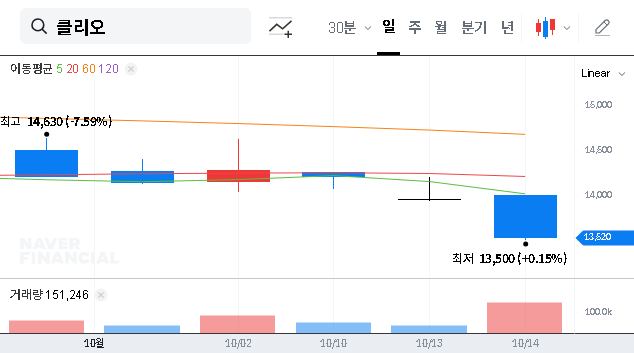
    The latest CLIO Cosmetics Q3 2025 earnings report has sent a complex set of signals to the market. As a titan in the K-beauty industry, CLIO Cosmetics Co., Ltd (237880) often serves as a bellwether for broader trends. This quarter, the company presented a challenging puzzle: while top-line figures like revenue and operating profit missed analyst consensus, the net profit delivered a surprising and encouraging beat. This mixed performance raises critical questions for investors and industry watchers alike.

    In this detailed CLIO financial analysis, we will dissect the preliminary Q3 2025 results, explore the underlying fundamental and macroeconomic factors at play, and provide a comprehensive outlook on what this means for the company’s short-term stock performance and long-term value proposition.

    Decoding the CLIO Cosmetics Q3 2025 Earnings Report

    CLIO’s preliminary earnings for the third quarter of 2025 painted a picture of a company navigating a tough environment but demonstrating resilience in its bottom-line management. The key figures, released in an Official Disclosure, were as follows:

    • Revenue: 83.8 billion KRW. This figure was 3.3% below market expectations and marked a 4.3% decrease year-over-year, signaling persistent sluggishness in sales recovery.
    • Operating Profit: 4.7 billion KRW. A more significant miss, this was 7.8% below consensus. The sharp year-over-year decline highlights a pressing need for profitability improvement at the operational level.
    • Net Profit: 5.5 billion KRW. This was the standout positive, exceeding market expectations by a healthy 10%. The substantial quarter-over-quarter improvement suggests effective cost management or non-operational gains.

    Fundamental Strengths vs. Market Headwinds

    To understand CLIO’s performance, we must look at its core business strengths against the challenges of the current market. The broader cosmetics industry is facing a slowdown and intense competition, which directly impacts CLIO’s fundamentals.

    Core Strengths Fueling Resilience

    • Powerful Brand Portfolio: CLIO’s family of brands, including the flagship CLIO, the youthful Peripera, and the skincare-focused Goodal, commands strong recognition and loyalty.
    • Global Market Expansion: Aggressive and successful expansion, particularly in high-growth markets like Japan and North America, continues to be a primary growth engine, diversifying revenue away from a saturated domestic market.
    • Diversification Efforts: Strategic entry into new sectors, such as health functional foods, shows foresight and has the potential to become a significant future revenue stream.

    Significant Challenges to Overcome

    • Profitability Squeeze: Rising costs for raw materials, marketing, and logistics are compressing operating margins, a key concern reflected in the Q3 results.
    • Intense Competition: The K-beauty market is fiercely competitive, with new indie brands and established players vying for market share both domestically and abroad, as highlighted by reports from leading industry analysts.
    • Market Uncertainties: Lingering unpredictability in major markets like China and the need for more efficient inventory management present ongoing risks.

    The central challenge for CLIO is clear: translating its strong brand equity and international growth into consistent, bottom-line profitability. The Q3 net profit beat is a good sign, but the focus must return to core operational efficiency.

    Investment Outlook & Strategy

    Given the mixed CLIO Cosmetics Q3 2025 earnings, investors are at a crossroads. The disappointing sales figures could exert short-term downward pressure on the stock. However, the company’s ability to protect its net profit demonstrates a level of financial discipline that shouldn’t be overlooked. This suggests a cautious but watchful approach is warranted.

    From a long-term perspective, CLIO’s value hinges on its ability to leverage its growth drivers. Continuous success in overseas markets and the maturation of its new business ventures are critical. For a deeper understanding, explore our complete guide to investing in the global K-beauty market.

    Investment Opinion: HOLD

    A ‘Hold’ recommendation is appropriate at this juncture. While the short-term picture is clouded by weak revenue, the company’s long-term growth narrative remains intact. Investors should closely monitor the following key metrics in the upcoming quarters to validate a potential earnings turnaround:

    • Year-over-Year Growth: Watch for a return to positive growth in quarterly revenue and operating profit.
    • Overseas Sales Momentum: Track the proportion and growth rate of international sales, especially from North America and Japan.
    • Cost Management Efficiency: Monitor inventory turnover rates and selling, general, & administrative (SG&A) expenses as a percentage of sales.
    • New Business Contribution: Look for updates on the revenue and profit contribution from the health functional food division.

    In conclusion, while the Q3 earnings report fell short of expectations on the top line, CLIO’s strong brand power and strategic growth initiatives provide a solid foundation for future recovery. A patient, data-driven approach is the best strategy for investors going forward.

    (237880) CLIO Cosmetics Q3 2025 Earnings: In-Depth Financial Analysis & Future Outlook 관련 이미지
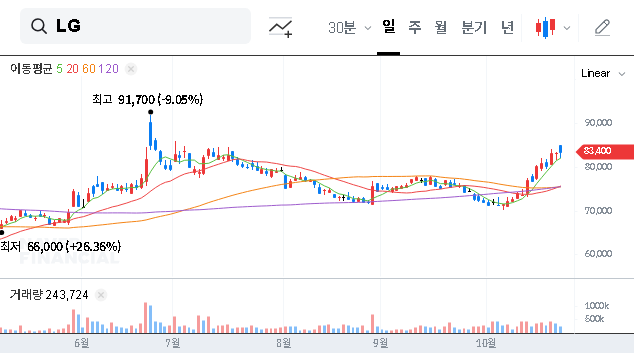
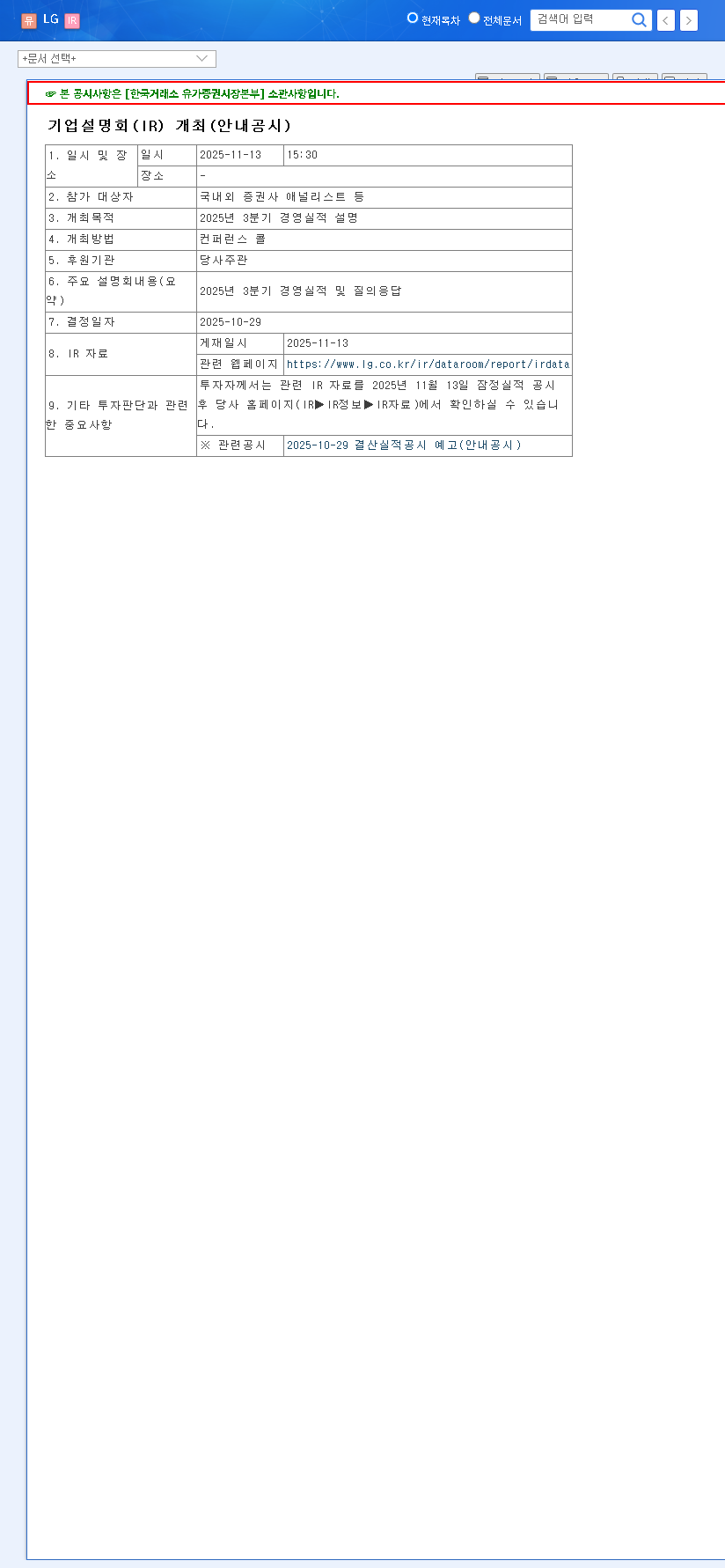
  • (003550) LG Corp. Q3 2025 Earnings Miss: A Deep Dive Analysis for Investors

    (003550) LG Corp. Q3 2025 Earnings Miss: A Deep Dive Analysis for Investors

    The recent announcement of the LG Corp. Q3 2025 earnings has sent ripples through the investment community, as the numbers fell significantly short of market expectations. For current and prospective investors, this news raises critical questions: Is this a temporary stumble or a sign of deeper challenges? This comprehensive analysis provides a detailed breakdown of the financial results, the underlying causes, and a prudent action plan for navigating the path forward.

    We will dissect the performance of key subsidiaries, analyze macroeconomic pressures, and offer a clear-eyed view of what this LG Corp. earnings miss means for the company’s stock and long-term valuation.

    The Official Numbers: LG Corp.’s Q3 2025 Earnings Snapshot

    LG Corp. released its preliminary consolidated financial results for the third quarter of 2025, revealing a broad-based miss against consensus market estimates. The data, confirmed by the Official Disclosure on DART, points to challenges in both revenue generation and profitability.

    • Revenue: KRW 1,996.2 billion, which is 2.0% below the market forecast of KRW 2,045.6 billion.
    • Operating Profit: KRW 418.9 billion, a significant 9.0% below the market estimate of KRW 462.8 billion.
    • Net Income: KRW 315.3 billion, marking a substantial 17.0% miss compared to the estimate of KRW 381.1 billion.

    The pronounced shortfall in operating profit and net income is particularly concerning, as it suggests that margin compression and operational inefficiencies are compounding the effects of slower sales. This dual pressure is a clear negative signal for investors relying on the company’s profitability.

    For investors, the core challenge is distinguishing between short-term market headwinds and a fundamental erosion of LG Corp.’s long-term earning power. A thorough LG stock analysis is more critical now than ever.

    Analyzing the Core Reasons for the Earnings Miss

    To understand the LG Corp. Q3 2025 earnings performance, we must look at its structure as a pure holding company. Its income is derived primarily from dividends, brand royalties, and rental income. The miss can be traced to both internal performance factors and external macroeconomic pressures.

    Negative Factor: Weakness in Subsidiary Payouts

    The H1 2025 report already hinted at this vulnerability. On a separate basis, operating revenue had decreased by 13.5% year-over-year, largely driven by a 22.7% drop in dividend income from its subsidiaries. This volatility is a direct risk for a holding company, and Q3’s results suggest this trend continued, impacting the bottom line directly.

    Positive Undercurrents: Growth in Key Subsidiaries

    Despite the headline miss, it’s not all negative. The consolidated view shows pockets of strength. The growth of LG CNS (up 6.0% in revenue in H1) and a 30.2% increase in equity method gains signal that some core subsidiaries are performing well. Moreover, the strategic importance of LG Energy Solution in the burgeoning EV battery market, alongside innovation at LG Chem and LG Electronics, provides a foundation for future growth. These positive elements are crucial for any long-term investor guide for LG Corp. For more details on subsidiary performance, you can review our previous H1 2025 analysis.

    Market Impact and Macroeconomic Headwinds

    An earnings miss of this magnitude will almost certainly trigger a negative short-term reaction. We expect increased selling pressure on LG Corp. stock as the market reprices its expectations. Investor sentiment will likely remain weak until the company can provide a clear roadmap for recovery. Several macroeconomic factors are exacerbating the situation:

    • Exchange Rates: A volatile KRW/USD exchange rate directly impacts the profitability of export-heavy subsidiaries like LG Electronics.
    • Interest Rates: Global monetary tightening increases borrowing costs, which can stifle investment and expansion plans. Investors should monitor central bank policies as discussed by sources like the Federal Reserve and Bank of Korea.
    • Raw Material & Logistics Costs: Fluctuations in oil prices affect LG Chem, while shipping costs, measured by indices like the CCFI, can squeeze margins for LG Electronics.

    Investor Action Plan: A Prudent Path Forward

    Reacting emotionally to short-term price drops is rarely a winning strategy. Instead, a measured and analytical approach is required. Here are four key recommendations for investors evaluating their position on LG Corp.

    • Deep-Dive Analysis: Pinpoint which specific subsidiaries are underperforming and why. Understanding the root cause is essential to forecasting future performance.
    • Assess the Competitive Landscape: Evaluate if the earnings miss is due to market-wide issues or a loss of competitive advantage in key sectors like electronics or chemicals.
    • Model Macro-Impacts: Analyze how different scenarios for interest rates, exchange rates, and commodity prices could affect future LG Corp. financials.
    • Focus on Long-Term Strategy: Base your investment decision on LG Corp.’s long-term vision, its commitment to future growth engines, and its ability to manage its diverse portfolio, rather than on a single quarter’s results.

    In conclusion, while the LG Corp. Q3 2025 earnings are disappointing, they also present an opportunity for diligent investors to re-evaluate the company’s fundamentals. By looking beyond the headline numbers and understanding the complex interplay of factors at work, one can make a more informed and rational investment decision.

    (003550) LG Corp. Q3 2025 Earnings Miss: A Deep Dive Analysis for Investors 관련 이미지
  • (023160) T. K. CORPORATION IR Analysis (2025): Stock Value, HYTC Battery Growth & Investment Outlook

    (023160) T. K. CORPORATION IR Analysis (2025): Stock Value, HYTC Battery Growth & Investment Outlook

    The upcoming T. K. CORPORATION IR (Investor Relations) conference on November 17, 2025, is poised to be a pivotal moment for investors. As a global leader in plant fittings, T. K. CORPORATION is navigating a complex landscape, balancing its robust core operations against recent performance declines and the crucial task of scaling its new growth engine: the secondary battery business. This comprehensive T. K. CORPORATION stock analysis will dissect the company’s financial health, competitive advantages, and the immense potential of its subsidiary, HYTC, providing you with the critical insights needed to make an informed investment decision. The information presented is based on public data, including the company’s Official Disclosure.

    Event Overview: What to Expect from the T. K. CORPORATION IR

    Scheduled for 9:00 AM on November 17, 2025, this IR event is more than a routine update. With a market capitalization of KRW 658.5 billion, the company aims to transparently communicate its performance and strategic direction. Given the current lack of specific brokerage reports, this conference represents a significant opportunity for management to shape the market narrative and investor expectations directly.

    This IR is a critical juncture. Investors will be keenly listening for a clear roadmap on how T. K. CORPORATION plans to enhance profitability in its secondary battery segment while reinforcing the stability of its core business.

    Analyzing the Dual Engines of Growth

    The Bedrock: Dominance in the Plant Fitting Market

    T. K. CORPORATION’s primary business is the manufacture and sale of plant fittings—essential components for national key industries like energy and petrochemicals. This foundation provides a stable, recurring revenue stream built on decades of expertise and a formidable market position.

    • Oligopolistic Market: The company operates within a global oligopoly, characterized by high technological barriers to entry, which insulates it from excessive competition.
    • Export Powerhouse: With exports making up 83.1% of its 2024 revenue, the company boasts a global market share of 58.34%, far surpassing domestic rivals and providing a natural hedge against raw material cost fluctuations. For more details, you can read our analysis of the global plant equipment market.
    • Financial Resilience: A high proportion of exports allows the company to effectively manage exchange rate risks and navigate volatile raw material prices.

    The Future: HYTC and the Secondary Battery Boom

    The most anticipated part of the T. K. CORPORATION IR will be the update on its KOSDAQ-listed subsidiary, ‘HYTC’. This venture, focused on secondary battery equipment parts and Slitter manufacturing, is the company’s bet on the future of energy.

    The HYTC secondary battery business is positioned in a market with explosive growth potential, driven by the global transition to electric vehicles (EVs) and energy storage systems (ESS). According to authoritative industry reports, this sector is projected to grow exponentially over the next decade. However, this potential comes with challenges. HYTC recorded an operating loss in H1 2025, highlighting the urgent need for a clear strategy to improve profitability. Investors will be looking for concrete plans on technology development, customer acquisition, and cost management to turn this growth engine into a profitable one.

    Financial Health and Investor Value

    Despite recent performance dips, T. K. CORPORATION’s financial foundation remains exceptionally strong. As of H1 2025, its debt-to-equity ratio stood at a mere 9.07%, signaling remarkable financial stability and low risk. This robust balance sheet provides the company with the flexibility to invest in growth areas like HYTC without taking on undue leverage. Furthermore, the company maintains a shareholder-friendly policy, with a history of consistent dividend payments, offering a degree of stability for income-focused investors.

    Investment Outlook & Action Plan

    Our current investment opinion is Neutral, pending the outcomes of the IR. The company presents a compelling blend of a stable, cash-generating core business and a high-growth venture. However, the uncertainties surrounding the profitability of the secondary battery segment and broader macroeconomic headwinds (e.g., interest rates) warrant a cautious approach.

    Key Points for Investors to Monitor Post-IR:

    • HYTC’s Profitability Roadmap: Look for specific, measurable plans and timelines for achieving profitability in the secondary battery division.
    • Core Business Order Book: Assess management’s outlook on order trends and the recovery timeline for the plant fitting business.
    • Capital Allocation Strategy: Understand the company’s plans for future investments, R&D spending, and potential fundraising.
    • Macroeconomic Impact Management: Evaluate the strategies in place to mitigate risks from fluctuating exchange rates and interest rates.

    In conclusion, the T. K. CORPORATION IR is a must-watch event. A compelling presentation of a clear growth strategy and financial outlook could provide significant positive momentum for the stock. Conversely, a failure to address key concerns could deepen investor uncertainty. Careful analysis of the information presented will be paramount to determining the true investment value of T. K. CORPORATION.

    (023160) T. K. CORPORATION IR Analysis (2025): Stock Value, HYTC Battery Growth & Investment Outlook 관련 이미지
  • (000370) Hanwha General Insurance: K-ICS Stability Analysis & Carrot Subsidiary Risk [2025 Investor Deep Dive]

    (000370) Hanwha General Insurance: K-ICS Stability Analysis & Carrot Subsidiary Risk [2025 Investor Deep Dive]

    For investors tracking Hanwha General Insurance, recent disclosures paint a complex picture of stability shadowed by significant risk. While the parent company demonstrates robust financial health, its digital subsidiary, Carrot General Insurance, is facing a solvency crisis that demands immediate attention. This deep-dive insurance investor analysis breaks down the latest K-ICS ratio data, quarterly earnings, and market factors to provide a clear outlook on the opportunities and threats facing the entire Hanwha General Insurance group.

    Understanding the Korean Insurance Capital Standard, or K-ICS ratio, is paramount. It’s the primary measure of an insurer’s ability to meet its obligations to policyholders, making it a critical indicator of financial soundness. A high ratio signals stability, while a low one is a major red flag.

    Unpacking Recent Disclosures: A Tale of Two Companies

    Two recent official filings provide the foundation for our analysis, revealing the stark contrast between Hanwha General Insurance and its subsidiary. This information is derived directly from the company’s H1 2025 report correction and its Q3 2025 provisional earnings announcement.

    Hanwha General Insurance: A Stable K-ICS Ratio

    The parent company confirmed a healthy solvency position, which is a positive signal for investors looking for stability.

    • Confirmed K-ICS Ratio: 214.3%, an improvement from 209.3% in the previous period, comfortably above regulatory minimums.
    • Underlying Risk Factor: The K-ICS ratio before applying transitional measures stands at 179.5%. While still acceptable, this lower figure highlights a potential vulnerability to future regulatory tightening or abrupt changes in the economic climate.
    • Q3 2025 Profitability: The company reported a net profit of KRW 71.6 billion, indicating sustained profitability despite a slight decrease in overall revenue.

    Hanwha General Insurance’s core operations appear resilient, with a solid solvency margin and consistent profitability. However, the true test lies in how it manages the severe financial distress of its subsidiary.

    Carrot General Insurance: A Solvency Crisis

    The situation at Carrot General Insurance is dire. The digital insurer’s K-ICS ratio has plummeted, signaling a critical threat to its viability and a significant risk for its parent company.

    • Critically Low K-ICS Ratio: A mere 67.08%. This is far below the regulatory minimum of 100% and the recommended level of 150%, indicating the company does not have sufficient capital to cover its risks.
    • Rapid Decline: The ratio has fallen sharply from 281.26% just a few quarters ago, highlighting severe operational or financial mismanagement.
    • Urgent Need for Action: This level of financial soundness failure will trigger regulatory intervention and requires an immediate and substantial capital injection or a complete business overhaul.

    Investor Outlook: Balancing Stability with Contagion Risk

    For investors, the central question is whether Hanwha General’s strength can absorb Carrot’s weakness. The subsidiary’s crisis is more than just a footnote; it’s a material risk that could impact the parent company’s consolidated financial statements, credit rating, and stock performance. Understanding the macroeconomic environment is also key. For more on this, see our Guide to Investing in the Korean Insurance Market.

    Key Risk Factors to Monitor

    • Carrot’s Financial Contagion: The most immediate risk. The cost of bailing out Carrot General Insurance could be a significant drain on Hanwha’s capital and management resources.
    • Interest Rate Volatility: Rising interest rates can negatively impact the valuation of an insurer’s bond portfolio and increase solvency capital requirements. A deep understanding of how interest rates affect insurers is critical.
    • Regulatory Scrutiny: Financial regulators will be closely watching both companies. Any tightening of K-ICS rules or forced corrective measures on Carrot could create further pressure.

    This analysis is based on data from the company’s official public disclosures. Official Disclosure: Click to view DART report.

    Frequently Asked Questions (FAQ)

    What is the current financial health of Hanwha General Insurance?

    Hanwha General Insurance recorded a K-ICS (solvency capital ratio) of 214.3% as of H1 2025, which stably meets regulatory standards. However, its K-ICS before transitional measures was 179.5%, indicating potential capital burden factors in response to future interest rate fluctuations.

    What does Carrot General Insurance’s low K-ICS ratio signify?

    Carrot General Insurance’s K-ICS of 67.08% is a critically low level, signifying insufficient capital to cover potential losses. This poses a severe threat to its business operations and signals an urgent need for capital injection or restructuring.

    How do Carrot’s financial issues impact Hanwha General Insurance?

    As Carrot is a subsidiary, its deteriorating financial health could negatively affect Hanwha General Insurance’s consolidated financial statements. This may lead to a decline in the parent company’s credit rating and require costly capital support, creating downward pressure on Hanwha’s corporate value.

    What should investors consider when investing in Hanwha General Insurance?

    Investors should closely monitor Carrot General Insurance’s capital injection plans, the impact of macroeconomic changes (like interest rates) on the group’s overall K-ICS ratio, and Hanwha’s strategic response to the competitive and digital landscape of the insurance industry.

    Conclusion: While Hanwha General Insurance maintains a relatively stable foundation, the severe financial challenges at Carrot General Insurance represent a group-wide risk that cannot be ignored. The success or failure of Carrot’s financial turnaround will be a critical variable in evaluating the future corporate value of Hanwha General Insurance.

    Disclaimer: This report is prepared based on the information provided, and actual investment decisions should be made by investors at their own discretion and responsibility.

    (000370) Hanwha General Insurance: K-ICS Stability Analysis & Carrot Subsidiary Risk [2025 Investor Deep Dive] 관련 이미지
  • (309710) IT-CHEM Co., Ltd. (309710) Stock Analysis: PE Sell-Off & Future Growth Path

    (309710) IT-CHEM Co., Ltd. (309710) Stock Analysis: PE Sell-Off & Future Growth Path

    A significant development has captured the attention of investors monitoring IT-CHEM Co., Ltd. (IT-CHEM, 309710). On November 13, 2025, a major shareholder, Oculus Private Equity Fund No. 1, disclosed the sale of a substantial block of shares. This move has understandably created uncertainty and raised a critical question: What does this signal for the future of IT-CHEM stock?

    This comprehensive IT-CHEM analysis moves beyond the headlines to provide a deep dive into the company’s fundamental value, its powerful growth engines, and the potential risks on the horizon. Our goal is to equip you with the clarity needed to make informed investment decisions amidst short-term market volatility.

    The Catalyst: Unpacking the Oculus Private Equity Share Sale

    The event that triggered market ripples was detailed in a public filing. According to the Official Disclosure (DART), Oculus Private Equity Fund No. 1 executed an off-market sale of IT-CHEM Co., Ltd. shares. Here are the key facts:

    • Stake Reduction: The fund’s ownership decreased from 28.39% to 25.37%, a divestment of approximately 3.02 percentage points.
    • Stated Purpose: The reason cited for the transaction was purely for investment purposes, likely portfolio rebalancing or profit-taking.

    While a large institutional sell-off can create short-term downward pressure, it’s crucial to analyze the context. The fund still retains a significant 25.37% stake, indicating continued belief in the company’s long-term value proposition. For a deeper understanding of how private equity firms operate, you can review our guide on understanding private equity exit strategies.

    The key for investors is to distinguish between a short-term liquidity event and a fundamental change in the company’s outlook. Our analysis suggests IT-CHEM’s core growth story remains intact.

    Core Business & Growth Drivers of IT-CHEM Co., Ltd.

    IT-CHEM operates at the intersection of two high-growth industries: pharmaceuticals and advanced electronics. Its competitive advantage is built on differentiated technology and strategic diversification.

    1. Advanced Pharmaceutical Materials

    The company’s foundation is in producing APIs (Active Pharmaceutical Ingredients) and intermediates for chronic disease treatments, providing a stable revenue stream. However, the future excitement lies in next-generation materials:

    • Oligopeptides & Oligonucleotides: These are the building blocks of modern therapeutics, including gene therapies and mRNA technologies. IT-CHEM’s investment in this area positions it to capitalize on the booming biotech sector.

    2. High-Performance Electronic Materials (OLED)

    IT-CHEM is a key supplier of core materials for OLED displays. Its competitive edge is being sharpened by strategic technological advancements:

    • Domestic Heavy Water (D2O) Technology: Developing a domestic source for D2O is a significant moat. Heavy water is used to improve the lifespan and efficiency of OLED materials, a critical factor for display manufacturers. For more on this, see this article on advanced display technologies.
    • Major Supply Contracts: A mass production contract with a giant like LG Chem not only validates IT-CHEM’s technology but also secures a significant revenue pipeline.

    Financial Health Check: An IT-CHEM Analysis (H1 2025)

    The financial snapshot from the first half of 2025 presents a mixed picture, reflecting a company in a heavy investment phase.

    • Revenue & Profitability: Revenue saw a year-over-year decrease, leading to a consolidated operating loss. This was primarily driven by a dip in commodity sales and increased financial costs related to its recent KOSDAQ listing.
    • Debt Ratio: The debt ratio rose to 166.63%. While high, this is largely attributable to strategic capital expenditures for facility expansion and R&D—investments crucial for future growth.
    • Cash Flow: Encouragingly, operating cash flow remained positive, indicating the core business is still generating cash. Negative investment cash flow confirms the heavy spending on future-proofing the company.

    Investor Action Plan: What to Do with IT-CHEM Stock Now?

    The recent IT-CHEM investment landscape is defined by a tug-of-war between short-term headwinds and long-term potential. Prudent investors should adopt a cautious but watchful approach, focusing on these key performance indicators:

    • Path to Profitability: Monitor the next few quarterly reports for a return to operating profitability. Look for margin improvements as new, higher-value products come online.
    • New Business Traction: Watch for announcements related to the commercialization of oligopeptides and the domestic D2O production. Are these translating into tangible revenue?
    • Financial Deleveraging: Track the company’s efforts to manage its debt ratio. Is the capital raised from the KOSDAQ listing being deployed efficiently to generate returns that outpace its cost?

    In conclusion, while the PE sell-off creates noise, the fundamental growth story for IT-CHEM Co., Ltd. remains compelling. The company possesses significant long-term potential but must navigate short-term financial pressures. For investors with a longer time horizon, any price weakness could present a strategic entry point, provided that diligent monitoring confirms the company is executing on its growth strategy.

    Disclaimer

    This report is for informational purposes only and is based on publicly available information. It does not constitute investment advice. The ultimate responsibility for investment decisions lies with the individual investor.

  • (060310) 3S KOREA CO., LTD (060310) Lawsuit Win: A Deep Dive Financial Analysis & Stock Outlook

    (060310) 3S KOREA CO., LTD (060310) Lawsuit Win: A Deep Dive Financial Analysis & Stock Outlook

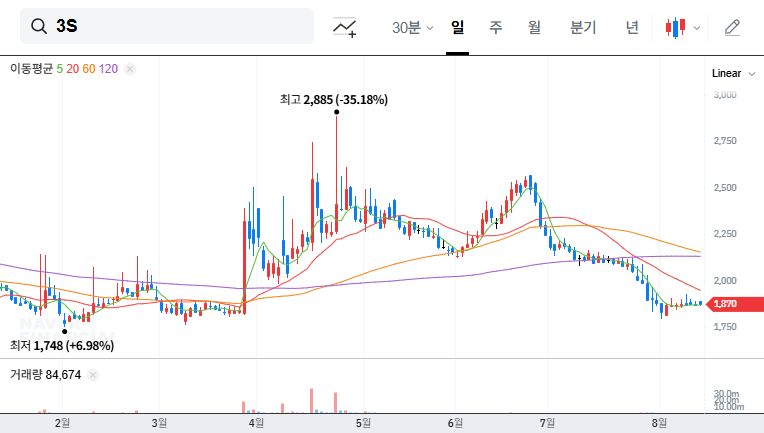
    A significant legal victory for 3S KOREA CO., LTD (060310) has captured the attention of the market, injecting a fresh wave of optimism into its financial narrative. The company recently secured a favorable court ruling worth approximately ₩4.04 billion, a development that builds upon a strong first-quarter performance. This analysis delves deep into the implications of this lawsuit win, examining its direct impact on the company’s balance sheet, investor sentiment, and long-term stock outlook. We will dissect the fundamentals, weigh the opportunities against persistent risks, and provide a comprehensive investment perspective.

    Lawsuit Victory: A ₩4.04 Billion Windfall

    On November 12, 2025, 3S KOREA CO., LTD (060310) announced a pivotal public disclosure regarding a favorable ruling in a lawsuit for a ‘claim of payment’. This legal success is not just a headline; it represents a tangible financial injection for the company. The key details from the Official Disclosure are as follows:

    • Claim Amount: A substantial ₩4,045.7 million (approx. $3.0M USD) plus accrued default interest.
    • Jurisdiction: The ruling was handed down by the Seoul Southern District Court.
    • Judgment Basis: The court recognized a breach of contract, mandating the defendant to pay default interest (6% per annum pre-summons, 12% post-summons).

    Critically, this award represents 8.16% of 3S’s total assets, signifying a major positive event that will immediately fortify the company’s financial stability and short-term liquidity.

    This verdict does more than just add cash to the balance sheet; it removes a key element of uncertainty that may have been weighing on investor sentiment. A clean legal victory is a powerful signal of operational diligence and risk mitigation.

    Financial Impact on 3S KOREA CO., LTD (060310)

    The financial ramifications of this 3S Korea lawsuit win are multifaceted and overwhelmingly positive. This cash infusion allows management significant strategic flexibility, which could be directed towards debt reduction, R&D investment, or operational expansion.

    Strengthened Financial Health

    This lawsuit victory follows an already impressive Q1 2025, where 3S KOREA CO., LTD (060310) demonstrated a remarkable turnaround. Sales surged to ₩9.87 billion, an 84.3% year-over-year increase, shifting the company to an operating profit of ₩249 million. The debt-to-equity ratio was already improving, down to 40.76%. The additional ₩4.04 billion will accelerate this trend, drastically enhancing cash liquidity and creating a more resilient financial structure. For a deeper look at the quarterly numbers, you can review our detailed Q1 2025 earnings report analysis.

    Boosting Investor Confidence

    Resolving outstanding litigation removes a significant overhang on a company’s stock. Investors dislike uncertainty, and this clear-cut victory provides clarity and boosts confidence in the management’s ability to navigate legal challenges. This is expected to foster positive sentiment and could serve as a catalyst for a re-rating of the company’s stock price by the market.

    Potential Risks & A Cautious Outlook

    Despite the positive momentum, a comprehensive 3S Korea stock analysis requires a balanced view of the potential risks. Investors should remain vigilant about both macroeconomic headwinds and company-specific challenges.

    • Macroeconomic Volatility: Global economic conditions, including fluctuating currency exchange rates (KRW/USD, KRW/EUR) and interest rate changes, can impact profitability. For context on these risks, investors can consult analysis from sources like Bloomberg’s market coverage.
    • Customer Concentration: A heavy reliance on a few key customers in the semiconductor and HVAC sectors remains a risk. Any disruption with a major client could significantly impact revenue streams.
    • Financial Instruments: The presence of convertible bonds and derivative liabilities could lead to potential future stock dilution or financial volatility, which needs careful monitoring.

    Investment Thesis: Cautiously Neutral

    The lawsuit victory is a definitive positive catalyst for 3S KOREA CO., LTD (060310). It enhances financial stability and brightens the short-term outlook. However, for sustainable long-term value creation, the company must continue to execute on its core business growth in the semiconductor and FA segments while diligently managing the identified risks.

    Considering all factors, our investment opinion remains a cautious ‘Neutral’. The positive developments are significant, but the existing risks warrant a measured approach rather than unbridled bullishness. Investors should watch for the actual collection of the judgment funds and continued growth in core business orders.

    (060310) 3S KOREA CO., LTD (060310) Lawsuit Win: A Deep Dive Financial Analysis & Stock Outlook 관련 이미지
  • (081660) Misto Holdings Corporation Q3 2025 Earnings Preview: A Deep Dive for Investors

    (081660) Misto Holdings Corporation Q3 2025 Earnings Preview: A Deep Dive for Investors

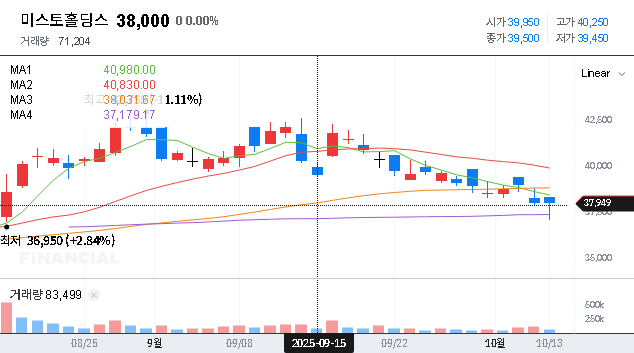
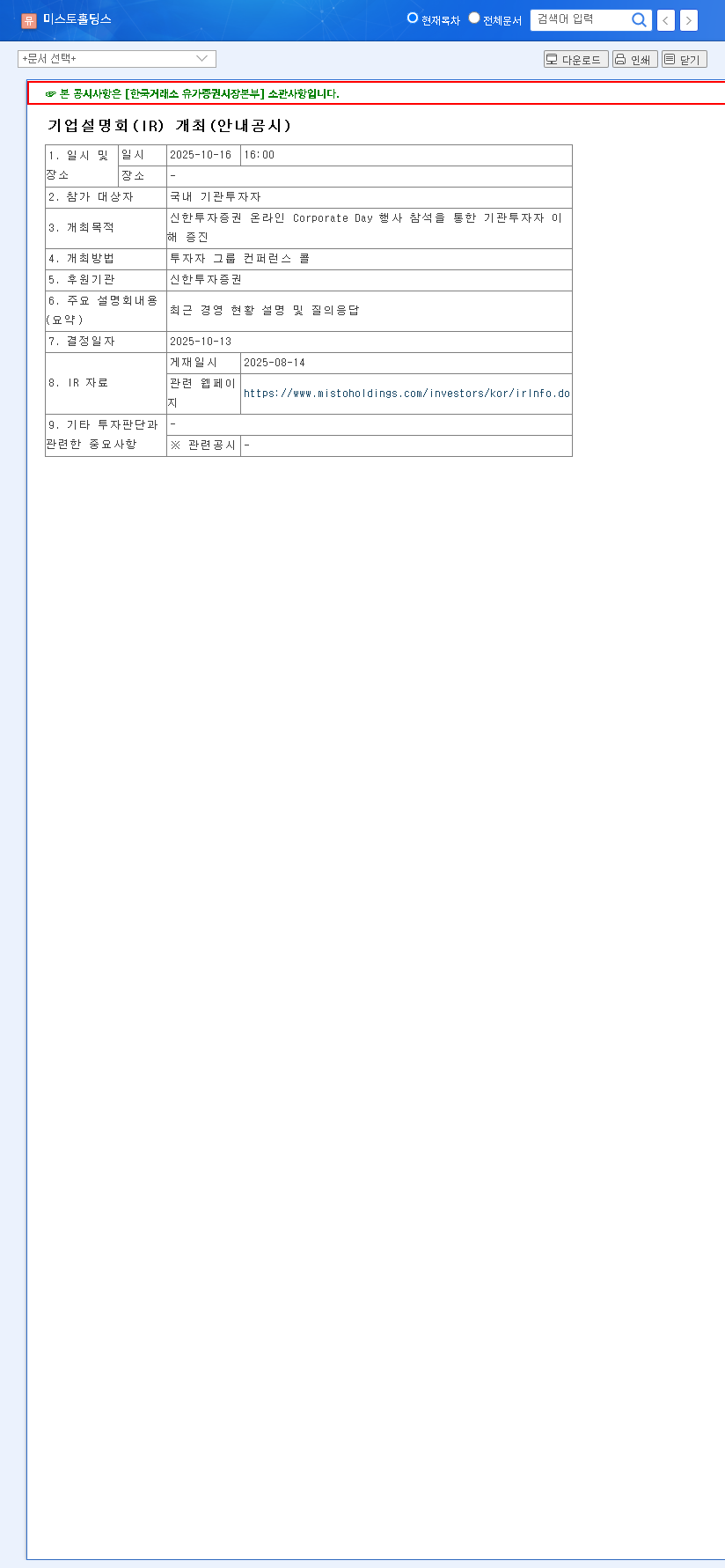
    Misto Holdings Corporation is poised for a critical announcement as its Q3 2025 earnings call approaches. Scheduled for November 14, 2025, at 4 PM KST, this Investor Relations (IR) conference will provide vital insights into the company’s recent performance and future trajectory. For investors, this event is more than just a financial update; it’s a key indicator that could significantly influence stock movements. You can view the Official Disclosure on DART for confirmation. This analysis will dissect the company’s strong fundamentals from H1 2025, explore the potential scenarios stemming from the Q3 IR, and highlight the essential points every stakeholder should watch.

    Strong Fundamentals: A Recap of H1 2025 Performance

    To understand the context for the Q3 announcement, it’s crucial to look at the robust foundation Misto Holdings Corporation built in the first half of 2025. The company demonstrated impressive resilience and growth, driven by a strategic balance between its two core business segments. The consolidated financial performance paints a picture of a healthy, growing enterprise.

    Revenue for H1 2025 reached KRW 2,465.2 billion, a solid 4.5% increase year-over-year. This growth was primarily fueled by the Acushnet segment’s outstanding performance, which successfully compensated for a minor decline in the Misto fashion segment. Operating profit saw an even more significant jump, rising 13.6% to KRW 344.6 billion, showcasing enhanced profitability. This was largely due to the Acushnet segment’s high operating margin and the successful turnaround of the Misto segment, which returned to profitability. Consequently, net profit surged by an impressive 29.9% to KRW 290.7 billion.

    Segment Deep Dive: The Two Pillars of Misto

    Misto Holdings Corporation’s success lies in its diversified structure, balancing the dynamic world of fashion with the stable growth of the golf industry.

    The Acushnet Segment: Driving Growth

    The Acushnet segment, featuring world-renowned golf brands like Titleist and FootJoy, remains the company’s growth engine. It benefits immensely from the structural expansion of the global golf industry, a trend that has seen sustained participation and interest post-pandemic. According to industry analysis from sources like leading market research firms, the sport’s appeal continues to broaden. Acushnet has capitalized on this by strengthening its market dominance through continuous R&D and strategic marketing, ensuring its products remain the top choice for both professional and amateur golfers.

    The Misto Segment: A Strategic Turnaround

    The Misto segment, which encompasses fashion and lifestyle brands, has faced a more challenging environment due to weakening global consumer sentiment and trade uncertainties. However, the segment has shown remarkable agility. By leveraging strong brand competitiveness and implementing region-specific strategies, it successfully returned to profitability in H1 2025. Key initiatives include expanding its licensing and distribution business in Greater China and broadening its portfolio into high-growth sports and outdoor categories, positioning it for future growth.

    Financial Health and Shareholder Commitment

    Beyond strong profits, Misto Holdings Corporation has demonstrated a commitment to financial stability and shareholder value. The company’s debt-to-equity ratio improved to 106.7%, and efficient inventory management led to a 14.1% decrease in inventory levels from the end of the previous year. This indicates a lean, efficient operation. Furthermore, the company has bolstered its shareholder-friendly policies.

    The company plans to implement shareholder returns of up to KRW 500 billion over three years (2025-2027) and is actively considering special dividends and share repurchases, signaling strong confidence in its long-term financial health.

    Potential Scenarios for the Q3 IR Announcement

    With no clear market consensus on Q3 results, the upcoming IR could swing the stock price significantly. Investors should be prepared for several potential outcomes.

    The Positive Scenario (Bull Case)

    • Acushnet Exceeds Expectations: If the golf segment reports growth beyond forecasts, it would reaffirm its market leadership and drive positive sentiment.
    • Misto Segment Accelerates: Concrete results from the expansion in emerging markets could signal a new growth phase for the fashion segment.
    • Aggressive Shareholder Returns: An announcement of a specific share repurchase or special dividend could significantly boost investment attractiveness.

    The Negative Scenario (Bear Case)

    • Macroeconomic Headwinds: A continued slowdown in global consumer spending could disproportionately affect the Misto segment, leading to missed targets.
    • Currency and Cost Pressures: Unfavorable exchange rate movements (KRW/USD) or rising raw material costs could erode the profitability of the Acushnet segment.
    • Slowing Growth Narrative: Any indication that the Acushnet segment’s rapid growth is decelerating could dampen investor enthusiasm.

    Conclusion: Key Points for Investors to Watch

    The Misto Holdings Corporation Q3 IR will be a pivotal event. The core narrative will revolve around whether the Acushnet segment can maintain its powerful momentum and how quickly the Misto segment can transition from recovery to robust growth. Investors should pay close attention to the Q&A session for management’s outlook on 2026.

    Before making any decisions, it’s wise to review how to analyze quarterly earnings reports to be fully prepared. The market’s reaction in the hours and days following the announcement will be telling. Cautious and informed decision-making based on a thorough analysis of the released data will be paramount.

    (081660) Misto Holdings Corporation Q3 2025 Earnings Preview: A Deep Dive for Investors 관련 이미지
  • (098460) KohYoung Technology Investment Analysis (098460): Stock Value, Dividends & Future Growth

    (098460) KohYoung Technology Investment Analysis (098460): Stock Value, Dividends & Future Growth

    A sound KohYoung Technology investment strategy requires looking beyond headlines. Recently, the company (ticker: 098460) announced a change to its dividend record date, causing some investors to question its impact on stock value and future returns. While this procedural shift is noteworthy, it barely scratches the surface of the company’s true intrinsic value. This comprehensive KohYoung Technology analysis will dissect the meaning of this change, evaluate the company’s powerful core business, examine its financial stability, and outline a clear investment thesis based on its future growth engines.

    Unpacking the Dividend Record Date Change

    At its Annual General Meeting on March 28, 2024, KohYoung amended its Articles of Incorporation. The core change shifts the power to set the dividend record date from a fixed calendar day to a flexible decision made by the Board of Directors. This update was formally detailed in an Official Disclosure (Source) on the DART system.

    Previously: Dividend eligibility was tied to holding shares on the last day of the fiscal year (December 31st).
    After Change: Starting with the 2025 fiscal year-end dividend, eligibility requires holding shares on a specific date chosen and announced by the Board.

    For investors, this means the old strategy of buying 098460 stock just before year-end no longer guarantees a dividend payout. While this introduces a slight reduction in predictability, it aligns the company with modern governance practices, granting it greater flexibility in capital management. Ultimately, this change is a procedural footnote and has a very limited direct impact on KohYoung’s fundamental business operations, revenue, or long-term profitability.

    A Deep Dive into KohYoung’s Core Business Value

    To truly assess a KohYoung Technology investment, we must focus on its powerful market position and technological leadership. The company’s value is built on a foundation of innovation in high-precision inspection and robotics.

    The Global Leader: 3D Inspection Systems (SPI & AOI)

    KohYoung is the undisputed global market leader in 3D Solder Paste Inspection (SPI) and Automated Optical Inspection (AOI) equipment. This technology is critical for electronics manufacturing, ensuring the quality of circuit boards used in everything from smartphones to electric vehicles. The company’s competitive edge is sharpened by its KSMART platform, which leverages AI to create a smart factory ecosystem, optimizing production lines and minimizing defects. This integration is key to their goal of capturing 70% of the market share.

    The Next Frontier: ‘Geniant Cranial’ Medical Robot

    A significant future growth engine is KohYoung’s expansion into the medical device sector. The company’s brain surgery medical robot, ‘Geniant Cranial,’ recently received US FDA 510(k) clearance. This is a monumental achievement that opens the door to the lucrative global healthcare market. This diversification not only provides a new revenue stream but also positions KohYoung at the forefront of the high-growth med-tech industry, a factor many KohYoung Technology stock analyses are watching closely.

    Financial Health & R&D: A Stable Foundation for Growth

    While revenue has seen fluctuations tied to the broader semiconductor cycle, KohYoung’s financial structure is remarkably robust. A deep dive into the numbers reveals a company built for the long haul. For context on industry financial health, investors can consult sources like Bloomberg’s market data.

    • Excellent Financial Stability: With a debt-to-equity ratio of just 38.67% and a current ratio of 220.61% (as of year-end 2024), the company has very low debt and ample liquidity to weather economic downturns and fund growth initiatives.
    • Commitment to Innovation: KohYoung consistently invests over 20% of its sales into Research & Development. This high R&D expenditure is a direct investment in maintaining its technological lead and developing future products like the Geniant Cranial robot.
    • Return to Profitability: After a challenging period, the company returned to profitability in the first half of 2025, signaling a positive operational turnaround. Investors should continue to monitor this trend.

    Investment Thesis: Opportunities vs. Risks

    A balanced KohYoung Technology investment outlook considers both the significant opportunities and the potential risks. For more on this, you can read our guide to investing in the semiconductor industry.

    Positive Investment Points

    • Unrivaled technology and #1 market share in its core business.
    • Significant growth potential from the new medical robotics division.
    • Strengthening competitive edge through AI-powered KSMART solutions.
    • Extremely stable financial health and a strong commitment to R&D.

    Risk Factors to Monitor

    • Exposure to the cyclical nature of the global IT and semiconductor industries.
    • Delayed profitability improvements could test investor patience.
    • Intensifying competition in the 3D inspection equipment market.

    Conclusion: A ‘Neutral’ Stance with Long-Term Potential

    In conclusion, the KohYoung Technology dividend record date change is a minor event that should not be the primary driver of your investment decision. The company’s fundamental strengths—market leadership, technological innovation, financial stability, and new growth ventures in med-tech—are far more significant. The overall investment opinion remains ‘Neutral’ for the short term, pending sustained evidence of profitability and market traction from new business segments. Prudent investors should monitor these key performance indicators closely, as KohYoung Technology possesses the core ingredients for significant long-term growth.

    (098460) KohYoung Technology Investment Analysis (098460): Stock Value, Dividends & Future Growth 관련 이미지
  • (213420) DUK SAN NEOLUX 2025 Q3 IR: A Deep Dive for Investors in the OLED & Turbomachinery Markets

    (213420) DUK SAN NEOLUX 2025 Q3 IR: A Deep Dive for Investors in the OLED & Turbomachinery Markets

    On November 18, 2025, DUK SAN NEOLUX CO.,LTD, a pivotal player in the OLED core material industry, is set to host its highly anticipated Investor Relations (IR) event for the third quarter. This event is more than a routine financial update; it’s a critical window into the company’s strategic direction, offering investors a chance to gauge the sustainability of its impressive growth and the success of its recent diversification into the turbomachinery business. For anyone considering a DUK SAN NEOLUX investment, this analysis will unpack the key performance indicators, market opportunities, and potential risks to watch.

    This 2025 Q3 IR is a crucial moment to validate DUK SAN NEOLUX’s dual-engine growth strategy, balancing the dynamic OLED material market with its bold move into industrial machinery.

    H1 2025 Performance: A Story of Growth and Diversification

    The first half of 2025 painted a very encouraging picture for DUK SAN NEOLUX. The company not only solidified its leadership in OLED materials but also demonstrated the powerful impact of its strategic acquisition of Hyundai Heavy Industries Turbomachinery Co., Ltd. This move has successfully diversified its revenue streams, creating a more resilient and profitable enterprise.

    Key Financial Highlights (H1 2025)

    • Revenue: KRW 118.87 billion, a robust increase of 12.9% year-over-year (YoY), fueled by both the core OLED business and the newly integrated turbomachinery division.
    • Operating Profit: An outstanding KRW 20.18 billion, soaring 101.1% YoY. This remarkable profitability improvement stems from higher OLED material prices, effective cost controls, and the successful turnaround of the turbomachinery business.
    • Financial Health: Despite an increased debt-to-equity ratio (from 13.4% to 52.4%) due to acquisition financing, the company’s financial structure remains sound. A healthy cash position of KRW 75.88 billion ensures ample operational liquidity. For a detailed breakdown, please refer to the company’s filing. (Official Disclosure)

    Market Outlook: The Twin Engines of Future Growth

    The long-term outlook for DUK SAN NEOLUX is anchored by two powerful and complementary market trends. Understanding these is key to evaluating the company’s future potential.

    The Ever-Expanding OLED Material Market

    The OLED material market continues its upward trajectory. Growth is no longer limited to smartphones; it is now accelerating in IT devices (laptops, tablets), high-end TVs, and emerging sectors like foldable displays and automotive dashboards. This expansion provides a stable demand foundation for DUK SAN NEOLUX’s core products, including next-gen materials like ‘Black PDL’. Industry analysis from leading firms like major market researchers consistently projects double-digit growth for the foreseeable future. For more background, you can explore our guide on display technologies.

    Strategic Synergy in the Turbomachinery Business

    The acquisition of the turbomachinery business was a strategic masterstroke, providing a hedge against the cyclical nature of the display industry. This division, which produces industrial compressors and turbines, serves stable sectors like energy and petrochemicals. The successful turnaround and integration have already proven to be a significant contributor to profitability, promising a new, reliable engine for corporate growth and enhanced shareholder value.

    Investor Analysis: Prospects and Potential Risks

    A balanced DUK SAN NEOLUX investment thesis requires weighing the significant opportunities against potential headwinds. The upcoming 2025 Q3 IR will be a key event to gather data points on both fronts.

    Potential Upsides to Watch

    • Strengthened Investor Confidence: A transparent and positive earnings call can significantly boost market trust in the company’s long-term strategy.
    • Positive Market Guidance: A strong outlook for Q4 and 2026, especially concerning the OLED market and turbomachinery order book, could act as a powerful catalyst for the stock price.
    • Currency Tailwinds: A favorable KRW/USD exchange rate could further enhance the profitability of its export-heavy OLED business.

    Key Risks to Consider

    • Meeting High Expectations: The market has high expectations following the strong H1 performance. Any results or guidance that fall short could trigger a short-term correction.
    • Macroeconomic Headwinds: Global economic slowdowns, persistent high-interest rates, or geopolitical instability could dampen investor sentiment across the market.
    • Supply Chain & Raw Material Costs: Volatility in currency and commodity markets could impact the cost of imported raw materials, potentially squeezing margins.

    Frequently Asked Questions (FAQ)

    What is DUK SAN NEOLUX’s core business?

    DUK SAN NEOLUX is a leading global company that develops and manufactures core materials for OLED displays. It has recently diversified its portfolio by acquiring a turbomachinery business, adding industrial compressors and turbines to its offerings and securing a new engine for growth.

    Why is the 2025 Q3 IR event important for investors?

    This IR event is a key opportunity for investors to get an official update on Q3 performance, understand the company’s outlook for the coming quarters, and hear management’s strategy for navigating the current economic climate and capitalizing on growth in the OLED and turbomachinery markets.

    What should I look for during the DUK SAN NEOLUX IR presentation?

    Investors should focus on whether Q3 earnings meet or beat market consensus, listen closely to the Q4 and full-year 2026 guidance, and analyze management’s commentary on market trends, cost management, and the ongoing synergy from the turbomachinery acquisition. A long-term perspective focused on fundamental business strength is recommended over reacting to short-term volatility.

    (213420) DUK SAN NEOLUX 2025 Q3 IR: A Deep Dive for Investors in the OLED & Turbomachinery Markets 관련 이미지