Tag: Inventory Management

  • (105740) DK-Lok Corporation Q3 2025 Earnings Analysis: A Definitive Rebound or False Dawn?

    (105740) DK-Lok Corporation Q3 2025 Earnings Analysis: A Definitive Rebound or False Dawn?

    The latest DK-Lok Corporation Q3 2025 earnings report, released on November 11, 2025, sent a significant ripple through the market. After a challenging second quarter, the company posted a remarkable turnaround with impressive revenue and profit figures. But does this signal a sustainable recovery and a new growth phase, or is it merely a temporary reprieve from underlying issues? This comprehensive DK-Lok financial analysis will dissect the quarterly results, explore the positive catalysts and persistent risks, and provide a clear investment outlook for the future.

    Breaking Down the DK-Lok Corporation Q3 2025 Earnings Report

    DK-Lok Corporation announced a significant performance rebound in its preliminary third-quarter results, a stark contrast to the sluggish performance seen in Q2 2025. The numbers paint a picture of a company returning to strong profitability. The official data can be reviewed in the company’s disclosure. (Source: Official Disclosure).

    Key Financial Highlights (Consolidated)

    • Revenue: 37.6 billion KRW (up from 30.6 billion in Q2)
    • Operating Profit: 6.7 billion KRW (a significant swing from 0.3 billion in Q2)
    • Net Profit: 7.8 billion KRW (a dramatic recovery from a -4.3 billion loss in Q2)

    The most striking figure is the operating profit margin, which soared to approximately 17.8%, a massive leap from the razor-thin 0.98% margin in the previous quarter. This suggests a powerful combination of increased sales volume, better cost controls, or a more favorable product mix.

    The Bull Case: Catalysts for Sustained Growth

    Solid Domestic Demand & Global Competitiveness

    Even before this quarter, DK-Lok showed strength in its home market, with domestic sales growing 15.11% in the first half of 2025. This provides a stable foundation. Crucially, the company is not just a domestic player. With an export ratio of approximately 74%, DK-Lok has proven its ability to compete and win on the global stage against industry giants, demonstrating the quality and cost-effectiveness of its precision fittings and valves.

    Future-Proofing through High-Growth Industries

    DK-Lok is actively positioning itself at the forefront of technological innovation. The company’s focus on new product development for high-growth sectors is a key pillar of its long-term strategy. This includes:

    • Hydrogen: Developing specialized valves and fittings capable of handling the high pressures and unique properties of hydrogen gas for fueling stations and transport.
    • Electric Vehicles (EVs): Supplying components for battery cooling systems and other fluid management applications within EV manufacturing.
    • Semiconductors: Providing ultra-high-purity (UHP) fittings and valves essential for the manufacturing of next-generation microchips.

    While the Q3 turnaround is impressive, the core question for investors is whether the fundamental issues, particularly with the overseas subsidiary, have been resolved or simply masked by a strong quarter.

    The Bear Case: Persistent Risks and Headwinds

    The Drag from Overseas: VALVOMETAL ITALY

    The primary cause of the consolidated net loss in the first half of 2025 was the significant underperformance of its Italian subsidiary, VALVOMETAL ITALY. The Q3 report does not specify if this subsidiary’s profitability has fundamentally improved. Without a structural fix, this remains a major source of potential volatility that could erase gains in future quarters. Investors should seek clarity on the turnaround plan for this specific unit.

    Financial and Macroeconomic Pressures

    Several financial metrics warrant caution. Inventory levels rose significantly to 59.38 billion KRW, which could signal sales forecasting issues or tie up valuable cash. Additionally, increased borrowing for factory expansion, while necessary for growth, adds to financial risk, especially in a rising interest rate environment. The company is also highly sensitive to foreign exchange volatility; a 5% swing in exchange rates could impact pre-tax profit by over 2.1 billion KRW. For more on this, investors can read about managing currency risk in international stocks.

    Investment Outlook and Final Verdict

    The strong DK-Lok Corporation Q3 2025 earnings create a positive short-term narrative. However, a prudent DK-Lok investment strategy requires a long-term view. The positive momentum from new growth sectors is promising, but it’s weighed down by the unresolved issues at its Italian subsidiary and various financial pressures. As reported by leading financial news outlets like Bloomberg, market sentiment often depends on the sustainability of such turnarounds.

    Therefore, our DK-Lok stock outlook remains “Neutral.” An upgrade to a more bullish stance would be contingent on clear evidence of:

    • A sustainable turnaround in the profitability of VALVOMETAL ITALY.
    • Effective management and reduction of elevated inventory levels.
    • Tangible revenue contributions from the hydrogen, EV, and semiconductor initiatives.

    Frequently Asked Questions (FAQ)

    Q1: How did DK-Lok Corporation perform in Q3 2025?

    A1: DK-Lok Corporation showed a significant rebound in Q3 2025, reporting revenue of 37.6 billion KRW, operating profit of 6.7 billion KRW, and net profit of 7.8 billion KRW. This marked a successful return to profitability after a difficult second quarter.

    Q2: What are the key risks for a DK-Lok investment?

    A2: The primary risks include continued losses from its overseas subsidiary (VALVOMETAL ITALY), the impact of high currency exchange rate volatility, the financial burden from high inventory levels, and increased borrowing for expansion.

    Q3: What are DK-Lok Corporation’s long-term growth drivers?

    A3: Long-term growth is expected to come from its strong global export market and strategic product development in high-growth industries, including hydrogen, electric vehicles, and semiconductors, which require specialized, high-quality fittings and valves.
    (105740) DK-Lok Corporation Q3 2025 Earnings Analysis: A Definitive Rebound or False Dawn? 관련 이미지
    (105740) DK-Lok Corporation Q3 2025 Earnings Analysis: A Definitive Rebound or False Dawn? 관련 이미지
  • (013990) AGABANG&COMPANY Q3 Earnings (013990): Stock Analysis in a Low Birth Rate Crisis

    (013990) AGABANG&COMPANY Q3 Earnings (013990): Stock Analysis in a Low Birth Rate Crisis

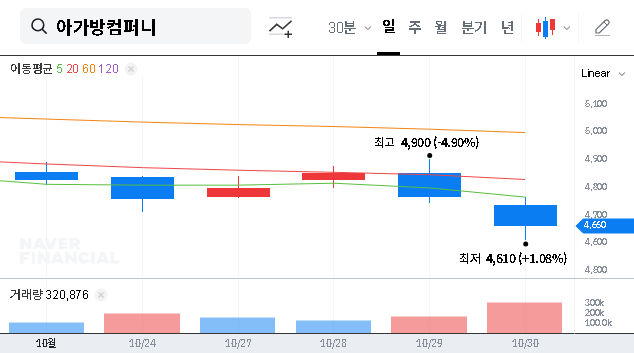
    The latest AGABANG&COMPANY Q3 earnings report, released on October 30, 2025, has unveiled a challenging financial picture, raising significant concerns among investors about the company’s future in a market plagued by demographic headwinds. With declining profits and mounting pressures, the report highlights the severe impact of South Korea’s deepening low birth rate crisis on the infant products market. This comprehensive analysis breaks down the financial results, explores the root causes of the performance decline, and provides a forward-looking perspective on the strategic imperatives for AGABANG&COMPANY (KRX: 013990).

    Dissecting the AGABANG&COMPANY Q3 Earnings Report

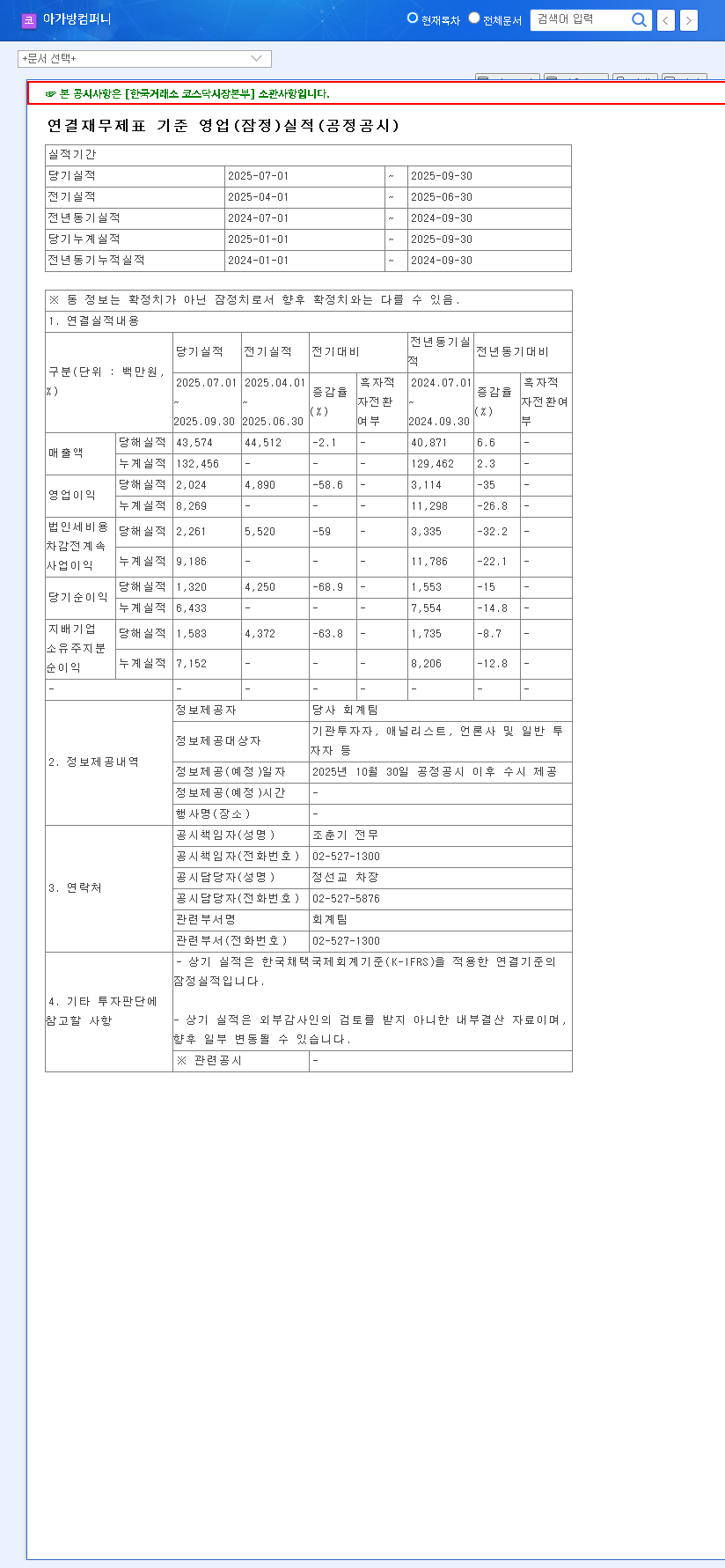
    AGABANG&COMPANY’s preliminary operating results for the third quarter of 2025 confirmed a trend of deteriorating profitability. The numbers, when compared year-over-year, paint a clear picture of the struggles the company is facing. The full financial details can be viewed in the Official Disclosure on DART (Source).

    Here are the key financial figures from the report:

    • Sales Revenue: 43.6 billion KRW (a slight decrease YoY)
    • Operating Profit: 2 billion KRW (a significant decline YoY)
    • Net Profit: 1.6 billion KRW (a substantial drop YoY)

    While the dip in sales revenue might seem modest, the sharp erosion of operating and net profit is alarming. This signals that the company is struggling with cost control and operational efficiency, issues that were already hinted at in its interim report and have now clearly intensified.

    The core issue is not just a contracting market; it’s a perfect storm of rising costs, logistical challenges, and fierce competition, all amplified by a demographic cliff. AGABANG&COMPANY’s path forward requires a fundamental strategic overhaul, not just minor adjustments.

    Why Performance is Faltering: A Multi-Faceted Challenge

    The disappointing AGABANG&COMPANY Q3 earnings are not the result of a single problem but a confluence of internal and external pressures.

    1. Domestic Market Contraction & Profit Squeeze

    The primary driver is the structural decline of the domestic infant products market analysis reveals. With South Korea’s birth rate at a record low, the target customer base is shrinking annually. This is compounded by:

    • Rising SG&A Costs: Selling, General, and Administrative expenses have climbed, eating into margins amid stiff competition from both domestic and international brands.
    • Inventory Bottlenecks: A notable increase in inventory assets and a slowing turnover rate are red flags. This indicates sluggish sales and poses a risk of future write-downs, further impacting profitability. You can learn more about managing inventory in our guide on effective retail inventory strategies.

    2. The Paradox of Unprofitable Overseas Growth

    On the surface, a 23.2% increase in overseas sales, particularly in China, appears to be a silver lining. However, this growth has not translated into profit. The international segment remains in the red, acting as a drag on overall performance due to high operational costs, including rising labor expenses and logistical inefficiencies in the Chinese market.

    3. Hostile Macroeconomic Headwinds

    Broader economic factors are exacerbating the company’s internal challenges. According to global economic reports from sources like Reuters, factors such as rising global interest rates are dampening consumer spending on non-essential goods. Key macroeconomic pressures include:

    • Interest Rate Hikes: Increases financial burdens and reduces discretionary spending among households.
    • Cost Inflation: Volatile exchange rates and rising costs for raw materials and shipping directly inflate the cost of goods sold.

    Investor Outlook & Strategic Imperatives

    The market’s reaction to the 013990 earnings announcement will likely be negative in the short term. The AGABANG&COMPANY stock price is expected to face downward pressure as investors digest the depth of the profitability decline. Without a clear and convincing turnaround plan, negative sentiment could persist.

    To navigate this crisis, management must take decisive action. Investors should closely monitor the company’s efforts in the following key areas:

    • Radical Transparency: The company must proactively communicate a detailed roadmap for recovery to rebuild investor confidence.
    • Data-Driven Inventory Optimization: Implement a robust system to improve inventory turnover, reduce carrying costs, and mitigate the risk of valuation losses.
    • Path to Overseas Profitability: Shift the focus from revenue growth to profitable growth in China through cost controls, supply chain optimization, and premium product positioning.
    • Aggressive Digital Transformation: Double down on e-commerce channels like the Ettoi online store with enhanced digital marketing to capture online market share.

    In conclusion, AGABANG&COMPANY is at a critical juncture. The Q3 earnings report is a wake-up call, underscoring the urgent need for strategic transformation. While the challenges are immense, a well-executed plan focused on efficiency, profitability, and transparent communication could pave the way for a sustainable future. Investors are advised to exercise caution and monitor for tangible signs of a strategic turnaround before making any decisions.

    (013990) AGABANG&COMPANY Q3 Earnings (013990): Stock Analysis in a Low Birth Rate Crisis 관련 이미지
  • (278470) APR Co., Ltd. IR (Q3 2025): A Deep Dive for Investors on Growth & Risks

    (278470) APR Co., Ltd. IR (Q3 2025): A Deep Dive for Investors on Growth & Risks

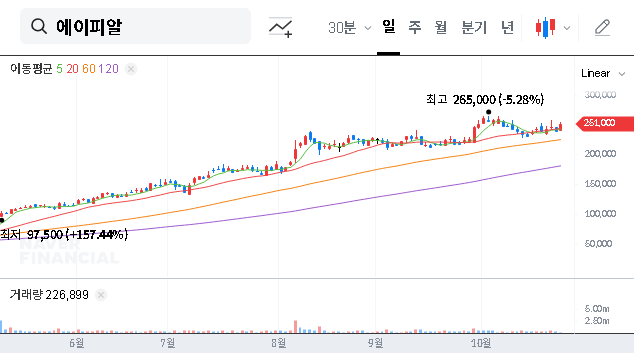
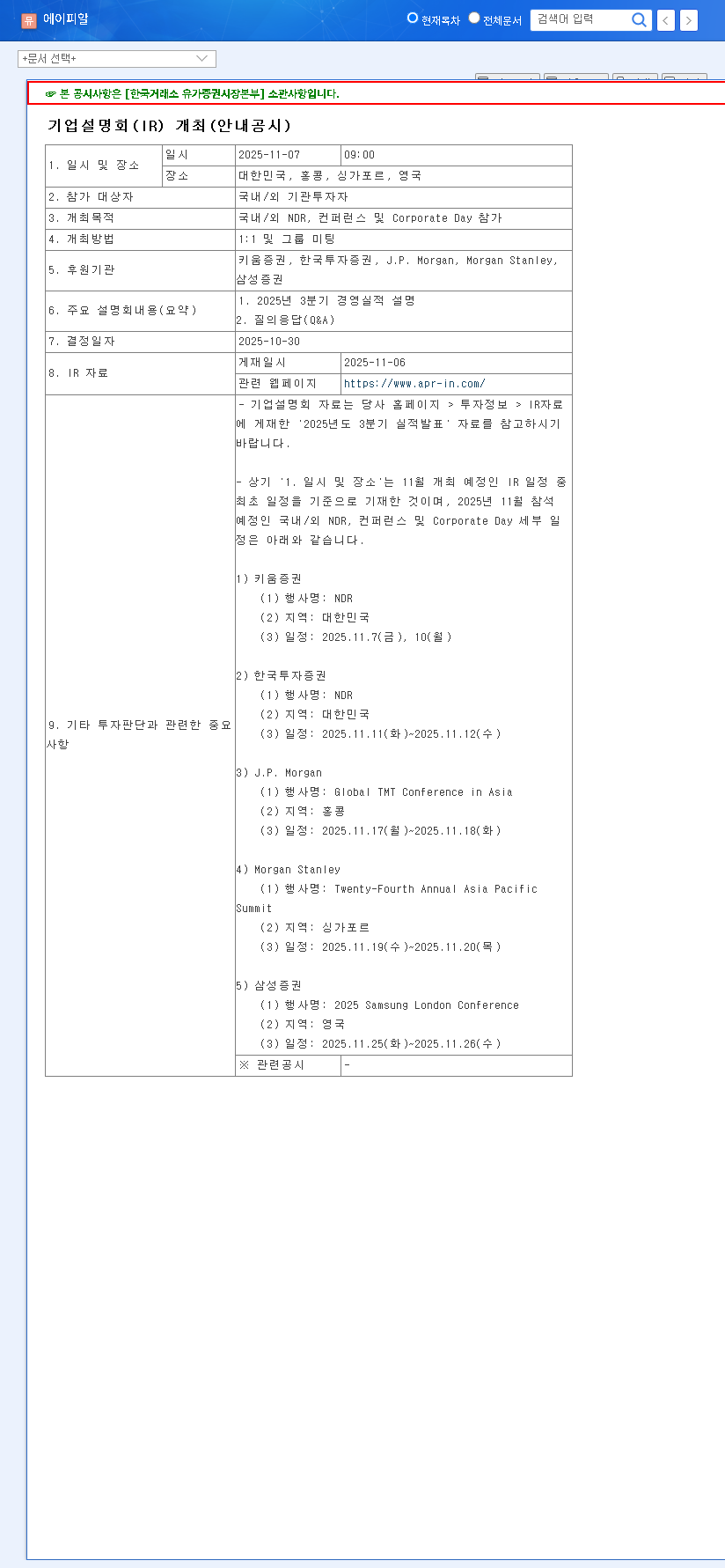
    The upcoming APR Co., Ltd. IR for Q3 2025, scheduled for November 7th, is poised to be a pivotal event for investors. As a dominant force in the global beauty device and K-Beauty sectors, APR (ticker: APR) has captured significant market attention. This investor relations conference is far more than a routine earnings call; it represents a critical window into the company’s strategic vision, growth trajectory, and its navigation of potential risks in a volatile global economy. Will APR sustain its impressive momentum from the first half of the year? This in-depth analysis breaks down the company’s fundamentals, key performance indicators, and the essential questions investors should have at the forefront.

    We will dissect the H1 2025 semi-annual report, which forms the basis of our preview. For those seeking primary documentation, you can view the Official Disclosure (DART Report) directly. This preview will equip you with the insights needed to interpret the forthcoming announcements effectively.

    H1 2025 Performance: A Tale of Core Strength and Diversification Challenges

    While the headline revenue figure showed a decrease, a deeper look into APR’s H1 2025 performance reveals a story of robust core business growth, offset by a downturn in peripheral segments. This highlights the company’s reliance on its powerhouse beauty divisions.

    Core Business Segments: The Twin Engines of Growth

    • Cosmetics/Beauty Mastery: With sales hitting 392.1 billion KRW, a 15.8% YoY increase, this segment remains APR’s bedrock. Brands like ‘Medicube’ and ‘Aprilskin’ continue to innovate and capture market share, proving their resilience and strong consumer appeal.
    • Beauty Device Dominance: Despite a YoY sales decrease to 181.0 billion KRW, this segment’s strategic importance cannot be overstated. It remains a critical growth engine, fueled by the expanding home beauty device market and global anti-aging trends. APR’s move to internalize its value chain here is a powerful strategy to bolster margins and competitiveness.

    The key takeaway from H1 is that APR’s core identity and profitability are stronger than ever. The focus for the upcoming APR Co., Ltd. IR will be on how management plans to leverage this strength while addressing weaknesses in other areas.

    Financial Health and Key Metrics to Scrutinize

    APR’s financial foundation appears solid, with impressive profitability gains. However, specific line items from the balance sheet demand investor attention during the Q&A session of the investor relations call.

    Profitability and Balance Sheet Strength

    • Stunning Profit Growth: Operating profit soared by 149% YoY to 139.1 billion KRW, and net profit grew 140% to 116.3 billion KRW. This indicates exceptional cost management and operational efficiency.
    • Improved Financial Soundness: Total assets and total equity grew by 15% and 26% respectively, reinforcing the company’s robust financial position.

    Areas of Concern for the IR Q&A

    • ‘Other’ Segment Decline: The 18% YoY drop in total revenue was almost entirely due to the ‘Other’ segment (Nerdy, Photogray). Investors need a clear explanation and a turnaround strategy.
    • Rising Inventory Levels: A 55% surge in inventory (to 170.3 billion KRW) is a significant red flag. Management must address its plans for efficient inventory management to avoid potential write-downs and cash flow constraints.

    Investor Action Plan for the APR Co., Ltd. IR Call

    To maximize insights from the event, investors should focus on management’s narrative around both opportunities and challenges. The market will be listening for confidence and clarity.

    Key Questions to Seek Answers For:

    Given the high foreign ownership (over 25%) and strong stock performance, expectations are high. The following topics will likely determine the market’s reaction:

    • Growth Sustainability: What are the specific strategies to maintain momentum in the highly competitive K-Beauty market and beauty device sector?
    • Inventory Strategy: Can the company provide a clear and convincing plan to manage the increased inventory levels without impacting profitability?
    • Macroeconomic Headwinds: With 55% of sales from overseas, how is APR prepared to handle foreign exchange volatility and a potential global slowdown in consumer spending, as discussed by sources like Bloomberg Economics?
    • Future Outlook: Beyond the current quarter, what is the mid-to-long-term vision for new product pipelines, market expansion, and shareholder returns?

    Ultimately, the APR Co., Ltd. IR on November 7th is a crucial data point. A presentation that confidently addresses these key issues and presents a credible, forward-looking strategy is likely to be well-received by the market, potentially providing a positive catalyst for the APR stock price. Conversely, evasive answers could introduce uncertainty and pressure the stock. Investors should be prepared to analyze the nuances of the company’s communication.

    (278470) APR Co., Ltd. IR (Q3 2025): A Deep Dive for Investors on Growth & Risks 관련 이미지
  • (004710) Hansol Technics Q3 2025 Earnings: A Deep Dive Financial Analysis & Stock Outlook

    (004710) Hansol Technics Q3 2025 Earnings: A Deep Dive Financial Analysis & Stock Outlook

    This comprehensive breakdown of the Hansol Technics Q3 2025 earnings report offers investors a detailed financial analysis. With provisional results showing sustained sales growth but mixed profitability signals, we explore whether Hansol Technics is on the verge of a significant turnaround. Our analysis dives deep into corporate fundamentals, macroeconomic pressures, and future risks to provide a clear, balanced investment outlook.

    We’ll unpack the positive drivers, such as new business ventures, and weigh them against persistent challenges like high financial costs and exchange rate volatility. This report is designed to equip you with the essential information needed to understand the current state of Hansol Technics stock and formulate a prudent investment strategy for the coming quarters.

    Hansol Technics Q3 2025 Earnings Performance at a Glance

    In its third-quarter report for 2025, Hansol Technics Co., Ltd. announced a set of figures that paint a picture of steady top-line growth coupled with underlying profitability concerns. According to the Official Disclosure, the company posted:

    • Sales: KRW 331.6 billion, demonstrating sustained year-over-year growth.
    • Operating Profit: KRW 17.7 billion, an improvement from the KRW 12.8 billion reported in Q2 2025.
    • Net Profit: KRW 7.8 billion, a slight decrease from the previous quarter’s KRW 8.5 billion.

    While the dip in net profit is notable, it’s crucial to view these numbers in context. After experiencing net losses in Q4 2024 and Q1 2025, the recent quarters signal a positive, albeit fragile, trend towards restoring profitability. This performance underscores a company in transition, balancing growth initiatives with financial headwinds.

    In-Depth Financial Analysis: Strengths vs. Weaknesses

    A deeper fundamental analysis of the Hansol Technics Q3 2025 earnings reveals a classic tug-of-war between promising growth drivers and significant financial risks.

    Positive Factors: The Engines of Growth

    • Robust Core Business: The company’s electronic components and mobile phone EMS (Electronic Manufacturing Services) divisions continue to show strong competitiveness, fueling the year-over-year sales growth.
    • Strategic Diversification: Aggressive investments into new high-growth areas, including semiconductor equipment, components for ships and robots, and the acquisition of Orion Technology, are diversifying its business portfolio and creating future revenue streams.
    • Commitment to Innovation: Consistent R&D spending relative to sales reinforces its long-term technological edge and ability to compete in a rapidly evolving market. Explore our guide on evaluating tech company R&D for more context.

    Negative Factors: Persistent Financial Risks

    • Crushing Financial Costs: The semi-annual report highlighted staggering financial costs of KRW 75.2 billion and foreign exchange losses of KRW 70.3 billion. These figures dwarf the Q3 net profit and remain a primary threat to the bottom line.
    • Underperforming Segments: The low utilization rates at its subsidiary Hansol I-one’s semiconductor facilities (around 43-53%) and the discontinuation of its unprofitable LCM business highlight ongoing efficiency challenges that need urgent attention.
    • Inventory Management: With inventory assets at KRW 114 billion, there is a clear need for improved efficiency in managing stock to align with sales velocity and reduce carrying costs.

    Macroeconomic Headwinds and Stock Outlook

    Hansol Technics does not operate in a vacuum. Broader economic trends, as reported by sources like Reuters, significantly influence its performance. Key external variables include volatile EUR/KRW and USD/KRW exchange rates, which directly impact foreign currency translation losses. Furthermore, the global trend of rising interest rates will likely amplify the company’s already substantial financial cost burden. Fluctuations in raw material and logistics costs add another layer of uncertainty to its profitability margins.

    The market’s reaction to the Hansol Technics investment outlook will depend on which narrative gains more traction: the positive story of growth and diversification, or the cautionary tale of financial risk and macroeconomic pressure. The Q4 results will be pivotal in determining the full-year earnings trajectory and shaping investor sentiment.

    Overall Investment Opinion: Neutral. While positive signals exist in sales growth and strategic investments, the significant financial burdens and macroeconomic risks prevent a bullish outlook. The company needs to demonstrate a more robust and sustained improvement in profitability before a positive rating can be justified.

    Key Questions for Investors

    What are the key takeaways from the Hansol Technics Q3 2025 earnings?

    The key takeaways are sustained sales growth driven by core businesses, improved quarter-over-quarter operating profit, but persistent pressure on net profit from high financial costs and foreign exchange losses. It’s a mixed report that signals a slow recovery in progress.

    What should investors monitor moving forward?

    Investors should closely watch the upcoming Q4 results for signs of a full-year profit turnaround. Additionally, monitor the company’s strategies for managing financial costs, the tangible results from its new business ventures, efforts to improve semiconductor business utilization, and overall inventory management efficiency.

    (004710) Hansol Technics Q3 2025 Earnings: A Deep Dive Financial Analysis & Stock Outlook 관련 이미지
  • Creas F&C Q2 2025 Earnings: Growth Continues, but Profitability Remains a Challenge

    1. Q2 Performance: Growth Meets Profitability Concerns

    Creas F&C reported KRW 146.8 billion in revenue for Q2 2025, maintaining its growth trajectory. However, despite achieving an operating profit of KRW 1.6 billion, the company recorded a net loss of KRW 1.9 billion. This is attributed to factors such as increasing inventory burden and rising financial costs.

    2. Growth Drivers: Brand Portfolio Expansion and Golfwear Market Growth

    Building upon the success of established golfwear brands like Ping and Parigeates, Creas F&C has expanded its portfolio with sports and outdoor brands such as Hydrogen and Mammut, targeting a wider consumer demographic. The continued growth of the golf population and the golfwear market provide a favorable market environment for Creas F&C.

    3. Potential Risks: Financial Burden and Inventory Management

    Creas F&C’s expansion strategy comes with the caveat of increasing financial burden. High debt ratios and growing inventories pose potential threats to profitability. Efficient inventory management and securing sound financial health are key challenges moving forward.

    4. Action Plan for Investors

    • Short-Term Perspective: Investors should be wary of potential stock volatility following the earnings release. Closely monitoring the company’s efforts to improve financial health and inventory management strategies is crucial.
    • Long-Term Perspective: Pay attention to the successful market entry of new brands, maintaining the competitiveness of existing brands, and the company’s strategies for navigating changes in the macroeconomic environment.

    Continuously analyze Creas F&C’s quarterly earnings announcements, business reports, and other disclosures to inform your investment decisions.

    Frequently Asked Questions

    What was Creas F&C’s revenue in Q2 2025?

    KRW 146.8 billion.

    Did Creas F&C report a net profit or loss in Q2?

    A net loss of KRW 1.9 billion.

    What are Creas F&C’s main brands?

    Ping, Parigeates, Hydrogen, and Mammut, among others.

    What are the key risks for Creas F&C?

    Increasing financial burden and inventory management issues.

  • Mirae Industry Q2 2025 Earnings: Mixed Results and Investment Outlook

    1. What Happened? Mirae Industry’s Q2 2025 Earnings Release

    Mirae Industry announced its Q2 2025 earnings, showing a significant improvement compared to Q1. However, year-over-year revenue growth has slowed, and the SMT division continues to underperform. Furthermore, increasing inventory levels remain a key challenge.

    2. Why These Results? Analyzing the Drivers of Performance

    The ATE division maintains strong performance, driven by growth in the semiconductor market. Conversely, the SMT division faces headwinds due to a slowdown in the downstream industry and increased competition. Rising inventory levels are linked to the SMT division’s weak sales, highlighting the need for efficient inventory management. While operating and net income improved significantly compared to Q1 2025, overall profitability has declined compared to 2024.

    3. What’s Next? Future Outlook and Investment Strategy

    Continued growth is expected in the ATE division, but the turnaround of the SMT division will be crucial for Mirae Industry’s future performance. Successful inventory management and the development of new business ventures will be key to building positive momentum.

    4. What Should Investors Do? Key Investment Considerations

    • Monitor the SMT division’s turnaround strategy
    • Track inventory turnover and accounts receivable collection trends
    • Analyze the impact of interest rate and exchange rate fluctuations
    • Consider the investment efficiency and depreciation burden of large-scale investments
    • Pay attention to new business development trends and performance

    The investment outlook is ‘Neutral’. While the ATE division’s growth and high cash reserves are positive factors, the SMT division’s struggles and rising inventory levels pose risks. Investors should carefully consider the key investment considerations outlined above before making any investment decisions.

    How did Mirae Industry perform in Q2 2025?

    While performance improved compared to Q1, year-over-year growth has slowed. The ATE division performed well, but the SMT division struggled.

    What are Mirae Industry’s main business segments?

    The main business segments are ATE (Test Handler) and SMT (Chip Mounter).

    What should investors consider when evaluating Mirae Industry?

    Investors should carefully consider the SMT division’s recovery prospects, inventory management, and the impact of interest rate and exchange rate fluctuations.

  • LG Display Q2 2025 Earnings Preview: What to Expect and Investment Strategies

    1. LG Display Q2 Earnings: Key Issues and Analysis

    On July 30th at 9:00 AM, LG Display will unveil its Q2 2025 financial results via an investor relations (IR) presentation. (Public Disclosure Link: Link) The key focus will be on whether the company has addressed the issues that plagued Q1, such as declining average selling prices, decreased mobile product shipments, and increased inventory levels.

    2. Key Checkpoints: Four Investment Focus Areas

    • Q2 Performance: Pay close attention to year-over-year and quarter-over-quarter changes in revenue, operating profit, and net income, particularly whether the company achieves operating profit and the performance of the OLED division.
    • Inventory Management: Continued inventory buildup from Q1 could negatively impact the stock price. Clear explanations of inventory reduction strategies and their effectiveness are crucial.
    • Market Outlook: LG Display’s outlook on the global economic slowdown, raw material prices, and foreign exchange fluctuations, along with its response strategies, will be important. Focus on any commentary regarding the recovery of demand in the Chinese market.
    • OLED Growth Strategy: Assess the long-term growth potential of the OLED division by examining its technological competitiveness, market share expansion strategy, and progress in developing high-value-added products.

    3. Investor Action Plan: Post-IR Strategy

    Carefully analyze the IR presentation, considering analyst reports and expert opinions before making investment decisions. Minimize investment risk by conducting further research, including competitor performance comparisons and macroeconomic indicator analysis.

    Frequently Asked Questions

    When is LG Display’s Q2 2025 earnings announcement?

    The announcement will be made on July 30th at 9:00 AM during an investor relations (IR) presentation.

    What were the main reasons for the poor Q1 performance?

    Key factors include declining average selling prices, seasonally lower mobile product shipments, increased inventory levels despite falling raw material prices, and the global economic slowdown.

    What should investors focus on?

    Investors should pay attention to Q2 performance improvements, inventory management strategies, market outlook, and the OLED growth strategy.