Tag: Iljin Hysolus

  • Iljin Holdings Issues ₩100 Billion Exchangeable Bonds: Impact on Stock Price and Investment Strategy

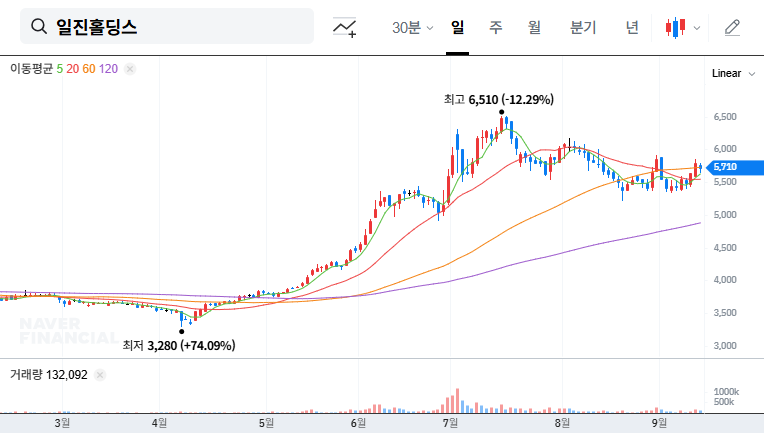
    Iljin Holdings Issues ₩100 Billion Exchangeable Bonds: Impact on Stock Price and Investment Strategy 대표 차트 이미지

    1. What Happened?: Iljin Holdings Announces ₩100 Billion Exchangeable Bond Issuance

    Iljin Holdings announced on September 11, 2025, its decision to issue ₩100 billion in exchangeable bonds. The bonds are exchangeable for shares of its subsidiary, Iljin Hysolus, with a conversion price of ₩42,212, which is 7.4 times higher than the current stock price of ₩5,710.

    2. Why?: Purpose and Background of the Bond Issuance

    The funds raised through this bond issuance will be used to secure new growth engines, such as investments in Iljin Hysolus’ hydrogen business and strengthening Iljin Electric’s business, as well as improving the company’s financial structure. Amidst the growing interest in the hydrogen business, Iljin Holdings is interpreting this as a growth opportunity and plans to make active investments.

    3. What’s the Impact?: Short-Term and Long-Term Stock Price Analysis

    3.1. Short-Term Impact: Potential Stock Price Decline

    The high conversion price compared to the current stock price may raise concerns about stock dilution in the short term, negatively impacting investor sentiment. The possibility of an increase in debt-to-equity ratio can also put downward pressure on the stock price in the short term.

    3.2. Long-Term Impact: Positive or Neutral Outlook

    If the procured funds lead to successful investments in new businesses and strengthen growth drivers, it can drive an increase in corporate value in the long term, positively affecting the stock price. The growth potential of the hydrogen business is expected to be a key factor influencing the stock price’s direction. If the stock price rises and the exchangeable bonds are converted into shares, it can also lead to an improvement in the financial structure by converting debt into equity.

    4. What Should Investors Do?: Investment Strategy and Monitoring Points

    Investors should be aware of increased stock price volatility in the short term. In the medium to long term, it is essential to closely monitor the growth potential of the hydrogen business, order performance, and the company’s ability to respond to fluctuations in exchange rates and raw material prices. It is particularly important to keep an eye on whether the terms and conditions of the bond issuance are met and how the funds are being utilized, while continuously checking the company’s earnings announcements and public disclosures.

    FAQ

    What are exchangeable bonds?

    Exchangeable bonds are bonds that can be redeemed for principal and interest at maturity or exchanged for shares of the issuing company’s stock.

    Will this bond issuance positively impact the stock price?

    In the short term, there is a possibility of a stock price decline due to concerns about stock dilution. However, in the long term, the impact can be positive depending on the success of the investments in new businesses.

    What are the key points to consider when investing?

    Closely monitor the growth potential of the hydrogen business, order performance, and the company’s response to fluctuations in exchange rates and raw material prices, and continuously check the company’s public disclosures.

    Iljin Holdings Issues ₩100 Billion Exchangeable Bonds: Impact on Stock Price and Investment Strategy 관련 이미지
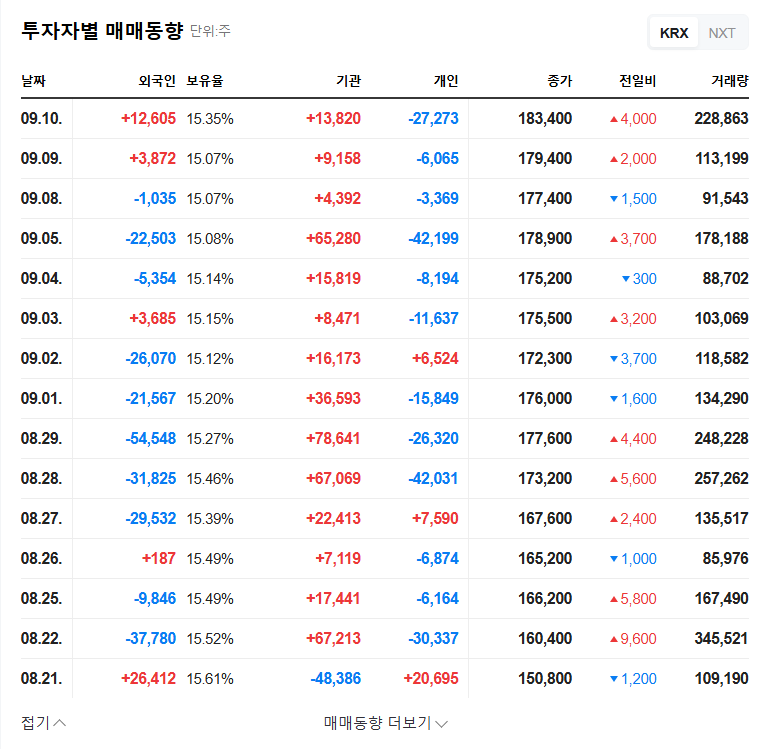
    Iljin Holdings Issues ₩100 Billion Exchangeable Bonds: Impact on Stock Price and Investment Strategy 관련 이미지
  • Iljin Diamond’s Q2 2025 Earnings: A Deep Dive and Investment Strategies

    1. What Happened?

    Iljin Diamond reported consolidated revenue of KRW 68.05 billion, an operating loss of KRW 4.197 billion, and net income of KRW 3.785 billion, a decrease compared to the same period last year. The poor performance of its subsidiary, Iljin Hysolus, significantly impacted the overall results.

    2. Why Did This Happen?

    Analyzing each business segment, the industrial diamond sector faces challenges from low-priced competition from Chinese manufacturers, while Iljin Hysolus struggles with the downturn in the hydrogen vehicle market. The new secondary battery materials business is still in its early stages. Financially, despite a low debt-to-equity ratio, substantial capital expenditures have resulted in cash outflows, potentially leading to future financial burdens. Furthermore, the company’s profitability is highly susceptible to exchange rate fluctuations.

    3. What’s the Outlook?

    In the short term, Iljin Hysolus’s recovery and the performance of the secondary battery materials business will significantly influence the stock price. Long-term prospects hinge on the growth potential of the hydrogen business and the company’s ability to adapt to changes in the macroeconomic environment.

    4. What Should Investors Do?

    Short-term investors should closely monitor Iljin Hysolus’s competitiveness recovery, the initial performance of the new business, and the company’s exchange rate risk management strategies. Long-term investors should consider the growth potential of the secondary battery materials business, the long-term prospects of the hydrogen business, and the company’s adaptability to macroeconomic changes when making investment decisions.

    What were Iljin Diamond’s Q2 2025 financial results?

    Iljin Diamond reported consolidated revenue of KRW 68.05 billion, an operating loss of KRW 4.197 billion, and net income of KRW 3.785 billion for Q2 2025.

    What are the main reasons for Iljin Diamond’s poor performance?

    The underperformance is primarily attributed to the struggles of its subsidiary, Iljin Hysolus, and pricing pressure in the industrial diamond segment.

    What is the outlook for Iljin Diamond?

    The outlook depends on factors such as the recovery of Iljin Hysolus, the performance of the secondary battery materials business, and macroeconomic conditions, including exchange rate fluctuations.

  • Iljin Hysolus Q2 Earnings Shock: What Investors Need to Know

    1. What Happened? : Q2 Earnings Analysis

    Iljin Hysolus’s Q2 2025 revenue came in at 18.3 billion KRW, 15% below the market consensus of 21.5 billion KRW. Operating profit was -2.7 billion KRW, a wider loss than the -1.6 billion KRW projected. Net income also turned negative to -0.4 billion KRW, sending shockwaves through the market.

    2. Why Did This Happen? : Causes of Underperformance

    The primary driver of this underperformance is the decline in sales of hydrogen tanks, the company’s core business. The global slump in the hydrogen vehicle market and decreased sales of Hyundai’s Nexo (-31.9%) directly impacted Iljin Hysolus’s performance. The weak performance of the environmental business segment also contributed to the overall decline.

    • Hydrogen Business Slump: Nexo sales decline led to a sharp drop in hydrogen tank revenue.
    • Weak Environmental Business: High dependence on government policies makes the business vulnerable to market volatility.
    • Increased Inventory: Slowing sales led to a surge in inventory (75% increase compared to the end of the previous year).

    3. What’s Next? : Outlook and Investment Strategies

    While downward pressure on the stock price is expected in the short term, long-term prospects include the launch of the ‘All-New Nexo,’ expansion of the commercial vehicle market, and the development of new business models. Investors should carefully consider the following key points when making investment decisions:

    • Sales Performance of the ‘All-New Nexo’
    • Order Intake in the Commercial Vehicle Market
    • Inventory Management Efficiency
    • Performance of New Businesses (Overseas Expansion, Mobile Charging Facilities, etc.)
    • Improvement in Cash Flow from Operating Activities

    4. What Should Investors Do? : Action Plan

    At present, a cautious approach is recommended rather than aggressive investment. Continuous monitoring of the key points mentioned above is crucial, and investment should be considered when signs of performance improvement emerge.

    Frequently Asked Questions

    What are Iljin Hysolus’s main businesses?

    Iljin Hysolus primarily manufactures and sells hydrogen tanks (Type 4). They also operate an environmental business (emission reduction devices, etc.).

    What is the main reason for this earnings decline?

    The main reason is the decline in hydrogen tank sales due to the global slump in the hydrogen vehicle market and decreased sales of Hyundai’s Nexo.

    What is the outlook for Iljin Hysolus?

    While there are significant uncertainties in the short term, there are also positive factors such as the launch of the ‘All-New Nexo’ and the expansion of the commercial vehicle market. A cautious approach is needed for investment.