Tag: Hydraulic Equipment

  • (241560) Doosan Bobcat Q3 Results: Deep Dive Analysis for Investors (2025)

    (241560) Doosan Bobcat Q3 Results: Deep Dive Analysis for Investors (2025)

    The latest provisional Doosan Bobcat Q3 results have created a complex narrative for investors. While the company celebrated a modest revenue beat, a significant shortfall in profitability has raised serious questions about its operational health and future stock performance. According to the Official Disclosure, the divergence between sales and earnings points to mounting pressures from both a slowing global economy and rising operational costs.

    This in-depth Doosan Bobcat analysis will dissect the Q3 performance, explore the root causes of the profitability decline, and provide a clear outlook for investors navigating this uncertain period. We will examine the challenges facing the construction equipment market and what it means for Doosan Bobcat stock.

    Doosan Bobcat Q3 Results: A Closer Look at the Numbers

    At first glance, the top-line figures seem encouraging. However, the story quickly changes as we move down the income statement, revealing significant challenges to Doosan Bobcat profitability.

    • Revenue: KRW 2,115.2 billion, which is a 3.4% beat over market consensus. This suggests continued demand and effective sales execution.
    • Operating Profit: KRW 133.6 billion, a significant 18.0% miss compared to expectations. This is the first major red flag, indicating that the cost of generating revenue is escalating.
    • Net Profit: KRW 81.9 billion, a staggering 36.2% below forecasts. This dramatic shortfall highlights the combined impact of operational issues and financial costs.

    Analyzing the Profitability Gap: External Pressures & Internal Shifts

    The sharp decline in profitability wasn’t caused by a single factor but a confluence of challenging macroeconomic conditions and internal business dynamics. Understanding these pressures is key to evaluating the company’s future.

    Global Headwinds: The Macroeconomic Squeeze

    Doosan Bobcat operates in a cyclical industry, making it highly sensitive to global economic trends. Several external factors are currently compressing margins:

    • Construction Market Slowdown: Persistently high interest rates in North America and Europe, driven by central bank policies (as detailed by institutions like the Federal Reserve), have cooled the construction boom. This directly impacts sales of heavy equipment.
    • Elevated Costs: A surge in raw material prices, particularly steel, and volatile logistics costs tied to global shipping indexes have directly increased the cost of goods sold.
    • Currency and Rate Volatility: While a strong USD can boost translated revenue, it also creates hedging challenges. More importantly, rising interest rates increase the company’s financing costs, directly eating into net profit.

    Internal Strategy: Diversification vs. Core Business Weakness

    Internally, Doosan Bobcat is making strategic moves to build long-term resilience. The acquisition of Motrol Co., Ltd. introduced a hydraulic equipment business, a smart diversification that has already shown impressive growth of over 120%. This new segment is a bright spot, contributing positively to the top line.

    However, this positive step was overshadowed by a significant slump in the core Construction Equipment (CE) division. Sales in key markets of North America and Europe fell sharply, causing the segment’s operating profit to plummet by 32.4%. This highlights a vulnerability in the company’s primary revenue stream that the new ventures cannot yet fully offset.

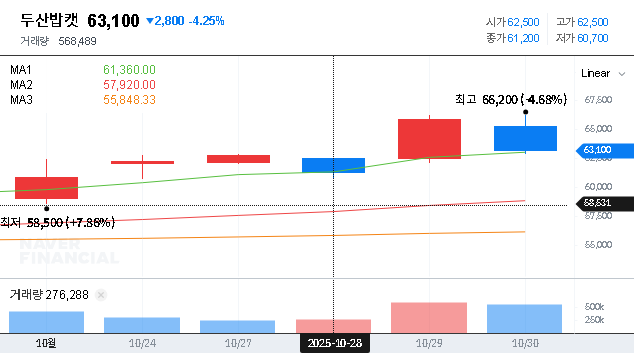
    While top-line growth is positive, the market’s focus has decisively shifted to bottom-line execution and margin preservation. The immediate reaction to the Doosan Bobcat Q3 results will be driven by the profit miss.

    Doosan Bobcat Stock: Investor Outlook and Key Factors

    For current and potential investors, the key question is how this translates to stock performance. The outlook is bifurcated between short-term headwinds and long-term potential.

    Short-Term Caution Warranted

    In the short term, downward pressure on Doosan Bobcat stock is almost inevitable. The market typically punishes significant earnings misses harshly, as they signal potential underlying issues with cost control or demand forecasting. Investors will likely remain cautious until there is clear evidence of margin stabilization.

    Path to Long-Term Value Recovery

    Despite the short-term pain, Doosan Bobcat is laying the groundwork for future growth. Investors should monitor the progress of these initiatives, as they will be the primary catalysts for a long-term re-rating of the stock. For more context, you can read our analysis of broader construction sector trends.

    Final Verdict & Investor Checklist

    The Doosan Bobcat Q3 results signal a period of transition. The company achieved sales growth but failed to protect its bottom line. A conservative, observant approach is recommended. Investors should closely monitor the following points in upcoming quarters:

    • Cost Management: Look for specific commentary and results related to controlling raw material and logistics expenses.
    • Core Business Rebound: Is the decline in the Construction Equipment segment stabilizing or reversing?
    • New Segment Contribution: How is the hydraulic equipment business contributing to overall profitability, not just revenue?
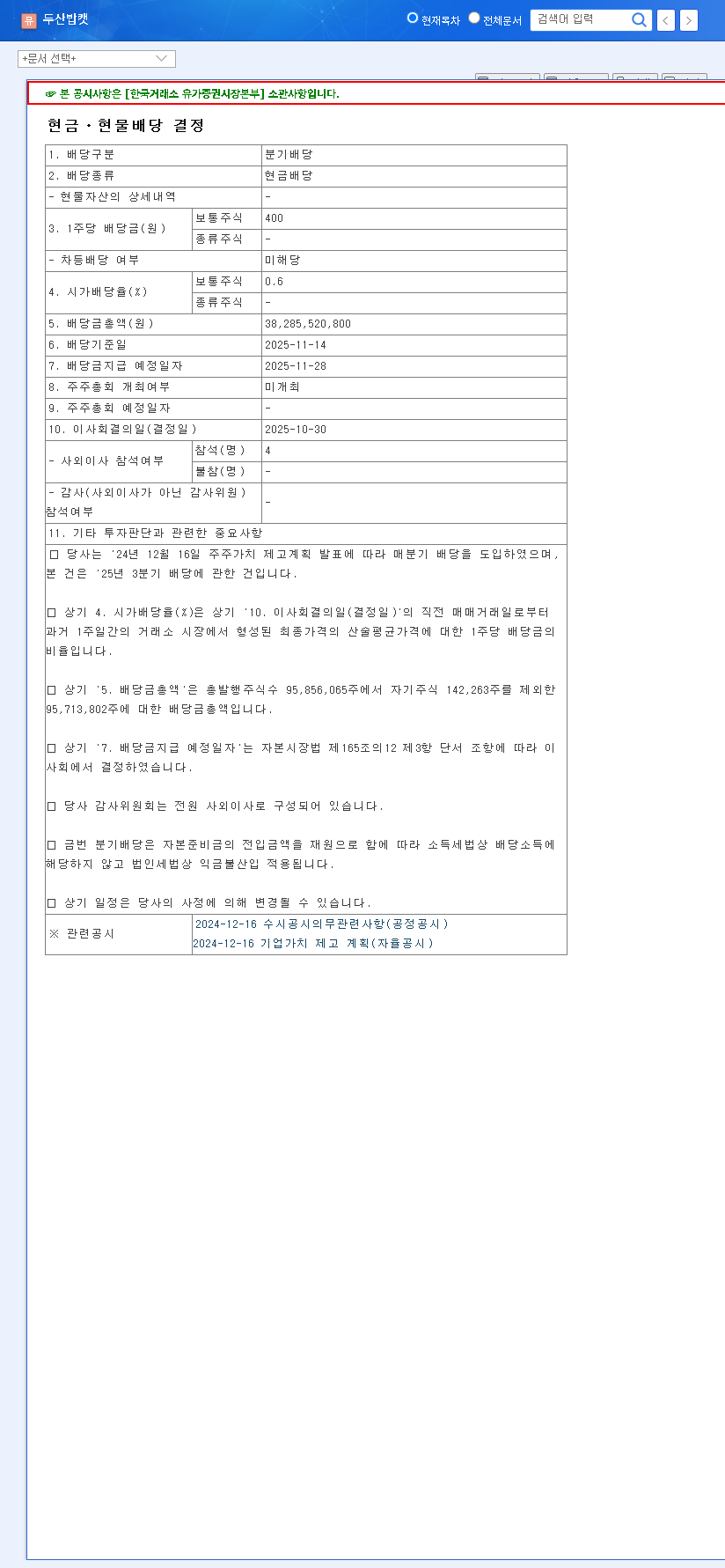
    • Shareholder Returns: Are buybacks and dividends being maintained, signaling management’s confidence?

    Ultimately, a sustained improvement in Doosan Bobcat profitability will be the most critical factor in restoring investor confidence and driving the stock price higher.
    (241560) Doosan Bobcat Q3 Results: Deep Dive Analysis for Investors (2025) 관련 이미지
  • (210540) DY Power Stock (210540) Analysis: Decoding the NPS Stake Reduction & Future Outlook

    (210540) DY Power Stock (210540) Analysis: Decoding the NPS Stake Reduction & Future Outlook

    The recent news about the National Pension Service (NPS) reducing its stake in DY Power (210540) has sent ripples through the investment community. When a major institutional player adjusts its position, investors rightly question the motive: Is it a simple portfolio rebalancing, or a sign of underlying concerns about the DY Power stock‘s future? This comprehensive DY Power analysis goes beyond the headlines to provide clarity.

    We will dissect the NPS stake reduction, evaluate DY Power’s current financial health and business environment, and offer a strategic stock investment guide to help you make an informed decision. Let’s explore whether this event signals short-term turbulence or a hidden long-term opportunity.

    The Event: Unpacking the NPS Stake Change

    On October 1, 2025, the National Pension Service (NPS), one of South Korea’s most influential institutional investors, filed a disclosure regarding its shareholding in DY Power (210540). The report revealed that the NPS’s ownership stake decreased by 1.1 percentage points, falling from 5.83% to 4.73%. This change means the NPS holding has now dropped below the 5% threshold, which typically reduces mandatory reporting requirements. You can view the Official Disclosure on the DART system for verification.

    Crucially, the NPS cited the purpose of this change as a ‘simple investment’ decision. This phrasing is key, as it often suggests the move is not based on a negative assessment of the company’s core fundamentals but rather on broader portfolio management strategies.

    Deep Dive into DY Power’s Fundamentals

    A single institutional trade rarely tells the whole story. A thorough DY Power analysis requires a closer look at its operational health, financial stability, and market position.

    Performance in a Challenging Market

    DY Power has faced headwinds, reporting an operating and net loss in 2024. This trend continued into the first half of 2025, with revenue of KRW 206.6 billion marking a decrease from the prior year. These results are largely attributed to a global slowdown in the construction and industrial machinery markets, which has led major clients to reduce investments and adjust inventories. This cyclical pressure is a significant factor affecting the entire hydraulic equipment industry.

    Export Strategy and R&D Commitment

    Despite market challenges, DY Power’s global focus remains a core strength. With an impressive export ratio of 80.4%, the company has strong ties with major construction equipment manufacturers in North America, Europe, and Japan. This diversification helps mitigate reliance on any single market. Furthermore, the company continues to invest in its future, maintaining R&D spending at 1.39% of sales and planning a KRW 6.58 billion facility investment in 2025 to enhance production capacity and quality.

    Rock-Solid Financial Structure

    One of the most compelling aspects of DY Power stock is the company’s robust financial health. With a debt-to-equity ratio of just 23.1%, the company maintains very low leverage. This financial prudence provides significant resilience, allowing it to weather economic downturns more effectively than highly indebted competitors. However, a negative shift in operating cash flow in H1 2025 is a point of concern that warrants close monitoring. For more on this, investors can learn about how to analyze a company’s cash flow statement for deeper insights.

    Investor Action Guide & Strategic Outlook

    The NPS stake reduction is likely to cause short-term price volatility for DY Power stock as the market digests the news. However, savvy investors should look beyond this single data point and focus on the fundamental drivers of value.

    Key Monitoring Points for DY Power

    Instead of overreacting to the NPS sale, concentrate on these critical business indicators:

    • Global Economic Recovery: The company’s performance is tied to the health of the global construction and industrial sectors. Track leading economic indicators and reports on global infrastructure spending.
    • New Order & Export Performance: Monitor quarterly earnings reports for signs of new order growth and success in key overseas markets.
    • Profitability Metrics: Keep an eye on raw material costs and currency exchange rates (especially EUR/KRW and USD/KRW), as they directly impact margins.
    • Cash Flow Improvement: Watch for a return to positive operating cash flow as a sign of stabilizing operations and effective liquidity management.

    Conclusion: A Long-Term Perspective is Essential

    While the NPS stake reduction may create short-term selling pressure, the ‘simple investment’ rationale suggests it is not an indictment of DY Power’s long-term viability. The company faces cyclical industry challenges, but its strong financial foundation, global customer base, and ongoing R&D efforts are significant positive factors. Investors should adopt a patient, long-term perspective, focusing on the company’s intrinsic value and its ability to capitalize on the eventual recovery of its end markets rather than being swayed by short-term market noise.

    (210540) DY Power Stock (210540) Analysis: Decoding the NPS Stake Reduction & Future Outlook 관련 이미지