Tag: GeneOne Life Science

  • (011000) GeneOne Life Science Convertible Bond: A 2025 Deep Dive for Investors

    (011000) GeneOne Life Science Convertible Bond: A 2025 Deep Dive for Investors

    Investors are closely watching GeneOne Life Science, Inc. following its recent major financial maneuver. The company announced the issuance of a 5 billion KRW GeneOne Life Science convertible bond (CB), a move that has sent ripples through the investment community. This decision, detailed in an official disclosure on October 29, 2025, presents a critical crossroads for the company—is it a lifeline to secure much-needed financial stability, or a precursor to significant share dilution for existing stockholders? This comprehensive analysis will explore every facet of this development.

    The Announcement: Unpacking the 5 Billion KRW CB Issuance

    On October 29, 2025, GeneOne Life Science confirmed its plan to raise 5 billion KRW through a private placement of convertible bonds. This strategic fundraising effort has immediate and long-term implications for the company’s financial structure and operational capacity. For a direct look at the filing, you can view the Official Disclosure (DART). Here are the core details of the issuance:

    • Issuance Size & Type: 5 billion KRW in private placement convertible bonds.
    • Payment Date: November 4, 2025.
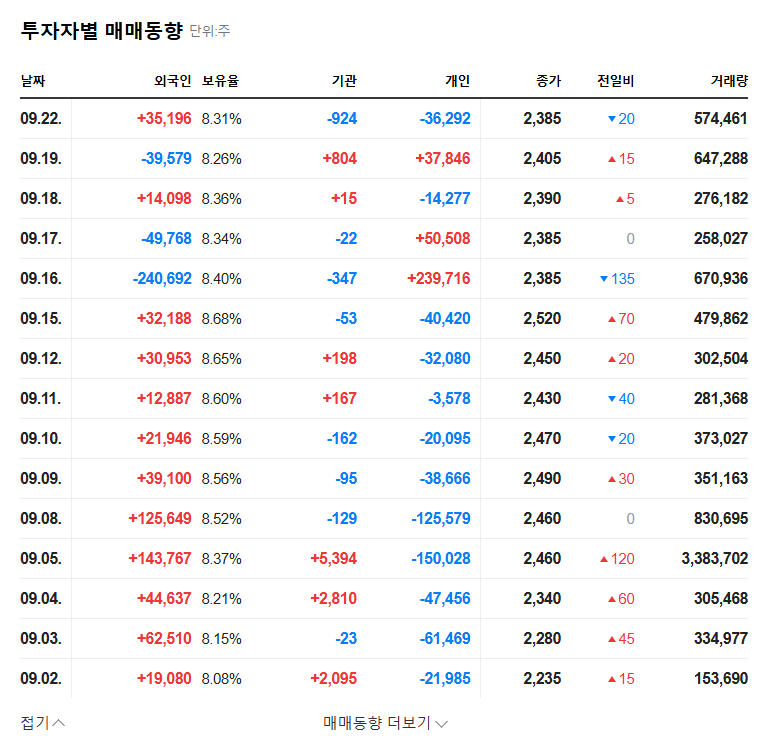
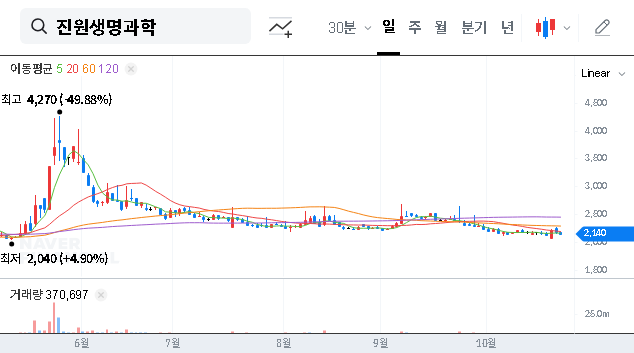
    • Conversion Price: 2,192 KRW (a slight premium over the current price of 2,140 KRW).
    • Coupon Rate: 0%, meaning no periodic interest payments.
    • Maturity Yield: 4.0%, the return paid to bondholders if the bonds are not converted.
    • Conversion Period: November 4, 2026, to October 4, 2028.
    • Primary Investor: Dongbangseongjang Investment Association No. 1.

    The Rationale: Securing Capital for Stability and Growth

    The decision to issue these convertible bonds is a direct response to GeneOne Life Science’s current financial position. The company faces significant challenges, including an accumulated deficit of 264.8 billion KRW and noted uncertainties about its status as a ‘going concern’. This capital injection is designed to address these issues head-on.

    Strengthening Short-Term Liquidity

    The primary benefit is the immediate influx of 5 billion KRW, which enhances short-term liquidity. This cash can cover operational costs, alleviate financial pressures, and provide the runway needed to execute its business strategy. With a 0% coupon rate, the company avoids the burden of regular interest payments, a significant plus for a firm managing losses. For more on debt financing, see this guide from a leading financial authority.

    Fueling Business Momentum

    Beyond survival, the funds are earmarked for growth. This includes advancing its core business, such as the large-scale Plasmid DNA supply contracts, and investing in the R&D pipeline for new drugs. Successfully executing on these fronts is critical for achieving long-term profitability and demonstrating the company’s value proposition to the market.

    For investors, the central conflict is clear: The company gains immediate financial relief and growth capital, but this comes at the cost of potential future share dilution, a risk that cannot be ignored.

    Investor Risks: The Other Side of the Coin

    While the fundraising is a necessary step, investors must carefully weigh the significant risks associated with the GeneOne Life Science convertible bond. These risks extend beyond simple market volatility.

    The Inevitable Risk of Share Dilution

    Convertible bonds, by nature, carry the potential for share dilution risk. When bondholders exercise their right to convert the debt into equity, new shares are issued. This increases the total number of outstanding shares, which can decrease the ownership percentage and earnings per share (EPS) for existing stockholders. Although the conversion price of 2,192 KRW is slightly above the current stock price, any significant appreciation in the stock’s value would make conversion highly attractive, leading to dilution.

    Persistent ‘Going Concern’ Uncertainty

    A critical red flag for any company is a ‘going concern’ notice from auditors, which indicates doubt about the company’s ability to operate for the next year. GeneOne’s 2024 financial statements contained such a note. While this 5 billion KRW injection helps, it does not erase the underlying structural issues or the massive accumulated deficit. It’s a patch, not a cure. The company must demonstrate a clear path to profitability to truly resolve this uncertainty.

    Performance and Management Scrutiny

    Execution remains a key concern. The company’s flagship Plasmid DNA contract is valued at a massive $11.8 billion, yet actual sales to date are minimal. This capital must translate into tangible progress on that contract. Furthermore, past issues with management, such as failures to achieve a quorum at shareholder meetings for key appointments, raise questions about stability and governance that investors should consider. To better understand how to evaluate such factors, you can read our guide on analyzing biotech company management.

    Investment Strategy and Final Verdict

    The issuance of the GeneOne Life Science convertible bond is a classic double-edged sword. It provides a vital lifeline that could empower the company to achieve its ambitious goals.

    A prudent investment strategy requires a cautious and vigilant approach. The short-term positive sentiment from the fundraising may provide a temporary lift to the GeneOne Life Science stock price, but sustainable, long-term growth is not guaranteed. The key determinants of future value will be:

    • Execution on Plasmid DNA Contracts: The market needs to see tangible revenue and progress, not just contract values.
    • R&D Milestones: Positive results and advancements in the new drug pipeline are essential.
    • Financial Improvement: A clear, demonstrated path to reducing the deficit and resolving the ‘going concern’ issue.

    Ultimately, this CB issuance buys time and opportunity. It is not, in itself, a solution to the company’s fundamental challenges. Investors should monitor performance metrics closely and remain aware that the risk of share dilution looms until the company achieves sustainable profitability.

    (011000) GeneOne Life Science Convertible Bond: A 2025 Deep Dive for Investors 관련 이미지
  • GeneOne Life Science Announces ₩10 Billion Rights Offering: What Investors Need to Know


    GeneOne Life Science Announces ₩10 Billion Rights Offering: What Investors Need to Know 대표 차트 이미지


    1. What Happened?

    GeneOne Life Science announced a rights offering of 4,566,210 common shares on September 23, 2025. The offering price is set at ₩2,190 per share, totaling approximately ₩10 billion. The second-largest shareholder, Mutual Growth Investment Association No. 1, is a key participant. The payment date is October 27, 2025, and the new shares are expected to be listed on November 11, 2025.

    2. Why the Rights Offering?

    GeneOne has been facing financial challenges with operating losses in recent years. The proceeds from this rights offering will be used for operating expenses, R&D investment, and debt repayment. The company aims to bolster its future growth prospects by focusing investment on its CDMO business expansion and new drug pipeline development.

    3. How Will This Impact the Stock Price?

    In the short term, the increased number of shares could lead to a dilution effect and put downward pressure on the stock price. However, if the funds are used effectively and lead to improved financial performance, the offering could be a catalyst for long-term stock price appreciation. Key factors to watch include the company’s execution of its investment plan and the resulting performance, particularly in its CDMO business and new drug development progress.

    4. What Should Investors Do?

    • Short-term investors: Be cautious of increased stock price volatility and consider the potential for short-term price declines.
    • Long-term investors: Closely monitor the company’s use of the proceeds, CDMO business growth, and progress in new drug pipeline development. Base investment decisions on a thorough assessment of these factors.


    FAQ

    What is a rights offering?

    A rights offering allows existing shareholders to buy newly issued shares at a discounted price.

    Why do rights offerings affect stock prices?

    The increased number of shares can dilute the value of existing shares.

    How will GeneOne Life Science use the funds from the rights offering?

    The funds will be used for operating expenses, R&D, and debt repayment.


    GeneOne Life Science Announces ₩10 Billion Rights Offering: What Investors Need to Know 관련 이미지
    GeneOne Life Science Announces ₩10 Billion Rights Offering: What Investors Need to Know 관련 이미지


  • GeneOne Life Science Announces Rights Offering: Opportunity or Risk?

    1. What Happened? Background of the Rights Offering

    GeneOne Life Science announced a rights offering of approximately KRW 1 billion on August 22, 2025. This offering, targeted at major shareholders, appears to be aimed at improving the company’s financial structure through capital raising.

    2. Why Does It Matter? Implications and Company Situation

    GeneOne Life Science’s financial situation is precarious, having recently received a ‘going concern’ audit opinion. While this rights offering could help secure liquidity, it also carries the risk of share dilution and potential stock price decline. The lack of clarity regarding the purpose and use of the funds also adds to investor uncertainty.

    3. What Should Investors Do? Investment Strategy

    Investors should look beyond short-term stock price fluctuations and closely monitor the use of the raised capital, future business performance, and financial structure improvements. A prudent investment decision requires a comprehensive consideration of both positive factors, such as CDMO business growth and new drug development progress, and negative factors, including continued operating losses and deteriorating financial health.

    4. Action Plan for Investors

    • Monitor the use of the raised capital.
    • Track business performance and financial improvements.
    • Make investment decisions from a long-term perspective.

    Frequently Asked Questions

    What is a rights offering?

    It’s a way for companies to raise capital by issuing new shares.

    Why is this rights offering important?

    It takes place amidst GeneOne’s challenging financial situation, potentially impacting the company’s future.

    What should investors do?

    Carefully evaluate the use of funds, business performance, and financial improvements before making investment decisions.

  • GeneOne Life Science Business Report Amendment: Analysis of CDMO Business Growth Potential and Investment Strategy

    1. What Happened?

    GeneOne Life Science disclosed information on four supply contracts related to ‘Clinical Plasmid DNA’ in USD through a business report amendment. This is a significant event that reveals the true nature of the CDMO business, which has been veiled until now.

    2. Why Is It Important?

    This announcement is more than just an amendment; it’s an important opportunity to confirm the growth potential of GeneOne Life Science’s CDMO business. Considering the high growth and barriers to entry in the Plasmid DNA CDMO market, and the synergy with its own new drug development pipeline, the CDMO business is highly likely to become a key growth driver for GeneOne Life Science in the future. It is also significant in that it has increased transparency in corporate value evaluation by providing investors with specific information about the CDMO business.

    3. So What Will Happen?

    While the growth of the CDMO business is positive, financial risks such as high operating losses and debt ratios still exist. The stable expansion of sales and profitability of the CDMO business, and the successful commercialization of the new drug development pipeline are key factors that will determine the future of GeneOne Life Science. Fluctuations in the KRW/USD exchange rate can also affect USD contracts.

    4. What Should Investors Do?

    In the short term, the announcement itself is not expected to have a significant impact on the stock price. However, the progress of additional CDMO business contract wins and sales will be important factors in stock price fluctuations.
    In the medium to long term, investors should closely monitor the continued growth of the CDMO business, the clinical success and commercialization of the new drug development pipeline, and the securing of financial soundness. Careful investment decisions are needed considering the current financial status and uncertainties in R&D.

    What is GeneOne Life Science’s CDMO business?

    CDMO (Contract Development and Manufacturing Organization) refers to the pharmaceutical contract development and manufacturing business. GeneOne Life Science manufactures and supplies Plasmid DNA to other pharmaceutical/bio companies.

    Why is this business report amendment important?

    Previously, the performance of the CDMO business was not clearly disclosed. This amendment revealed specific contract information, allowing investors to see the growth potential of the CDMO business.

    What are the key points to consider when investing?

    While the growth of the CDMO business is positive, the company’s financial condition is still unstable. It is important to continuously monitor the profitability of the CDMO business and the success of new drug development.

  • GeneOne Life Science: Lawsuit Dismissed, What’s Next for Investors?

    1. What Happened?

    On August 8, 2025, the lawsuit filed against GeneOne Life Science for inspection of accounting books (2025카합1272) was dismissed at the plaintiff’s request.

    2. Why Does It Matter?

    The dismissal can be interpreted as a positive signal for management transparency and stability. The removal of a potential legal risk could improve investor sentiment.

    3. What Does This Mean?

    The dismissal itself does not directly impact the company’s core fundamentals, such as revenue, profit, assets, or liabilities. Q1 2025 results showed growth in the CDMO business, but the company continues to operate at a loss, facing challenges of high R&D expenses and uncertainty in new drug development.

    • Positive Factors: CDMO business growth, stable revenue from the fabric business.
    • Negative/Cautionary Factors: Continued operating and net losses, high R&D expenses, uncertainty in new drug development, and increasing debt ratio.

    In conclusion, while the lawsuit dismissal might positively influence investor sentiment in the short term, it doesn’t address the company’s fundamental challenges.

    4. What Should Investors Do?

    Investors should focus on the company’s long-term fundamentals rather than short-term events. Careful consideration should be given to the continued growth of the CDMO business, the success of the new drug development pipeline, and improvements in financial health before making investment decisions.

    What was the lawsuit about?

    The lawsuit was filed for the inspection of accounting books to understand the company’s management status.

    Will the dismissal positively impact GeneOne’s stock price?

    It might provide a short-term boost by removing uncertainty, but significant impact is unlikely without fundamental improvement.

    What is the investment outlook for GeneOne Life Science?

    The key factors are CDMO business growth, success of new drug development, and improvement in financial health.

  • GeneOne Life Science Withdraws Request for Extraordinary General Meeting: Impact and Investment Strategy

    1. What Happened?

    GeneOne Life Science recently withdrew its application for an extraordinary general meeting, which had been filed with the Seoul Southern District Court. This differs from the previous situation, which hinted at a potential management dispute, leading to various interpretations from investors.

    2. Why This Decision?

    While the exact reasons for the withdrawal remain undisclosed, speculation points towards mitigating management disputes or the possibility of an agreement with shareholders. An official explanation from the company is needed. This decision could also be a strategic move by GeneOne Life Science to focus on its core business challenges, including persistent operating losses and uncertainties surrounding new drug development.

    3. What’s Next?

    Short-Term Impact

    • Increased Stock Volatility: While resolving uncertainty is positive, volatility may increase depending on the reason for withdrawal and the possibility of future meetings.
    • Potential Improvement in Investor Sentiment: Concerns about management instability may ease, but resolving fundamental issues is key.

    Long-Term Impact

    • Potential for Management Stability: If interpreted as a sign of normalization, it could contribute to increased corporate value.
    • Focus on Core Business: Resolving the EGM issue could create an environment for focusing on R&D and business expansion.
    • Recurrence Risk: If similar problems recur, long-term management uncertainty may persist.

    4. What Should Investors Do?

    Short-term investors should pay close attention to news and announcements related to this event. Long-term investors should closely monitor changes in the company’s fundamentals, such as new drug development, CDMO business growth, and financial structure improvement. The company’s ability to secure management stability will be a crucial investment criterion.

    Frequently Asked Questions

    Why did GeneOne withdraw its request for an extraordinary general meeting?

    The exact reasons are undisclosed, but speculation suggests mitigating management disputes or reaching an agreement with shareholders. An official announcement from the company is awaited.

    Will this withdrawal positively impact the stock price?

    In the short-term, resolving uncertainty could be positive, but volatility may increase depending on the reasons for withdrawal and future meeting possibilities. The long-term impact depends on improvements in the company’s fundamentals.

    What should investors be cautious about?

    Short-term investors should focus on related news and company announcements. Long-term investors should monitor fundamentals like new drug development, CDMO business growth, and financial restructuring. Management stability is a key factor to watch.

  • GeneOne Life Science Lawsuit Withdrawal: A Sign of Stability?

    What Happened?: Withdrawal of the Board Minutes Inspection Lawsuit

    On August 8, 2025, GeneOne Life Science announced the withdrawal of a lawsuit related to the inspection of board minutes by the plaintiff.

    Why It Matters: Potential for Improved Management Stability

    While the direct financial impact of the withdrawal is minimal, it carries significance as it suggests improved management transparency and potential mitigation of conflicts among shareholders. For GeneOne Life Science, which has recently experienced management uncertainties, including failed resolutions to appoint directors and auditors at shareholder meetings, this can be interpreted as a positive sign.

    GeneOne Life Science: Current Status and Outlook

    Despite growth in its CDMO business, GeneOne Life Science faces ongoing challenges such as continued operating losses and uncertainty surrounding its new drug development. As of Q1 2025, while revenue increased year-over-year, the company still recorded an operating loss, and its debt-to-equity ratio also increased. The development of DNA vaccines and anti-inflammatory treatments is ongoing, but uncertainties remain, including pending clinical trial results.

    What Should Investors Do?: Key Investment Points and Action Plan

    The lawsuit withdrawal might offer positive momentum in the short term, but it doesn’t necessarily indicate a fundamental shift in the company’s value. Investors should continue to monitor the growth trajectory of the CDMO business, the progress of clinical trials for its drug pipeline, and the company’s efforts to enhance management transparency. An investment strategy focused on long-term fundamental improvements rather than short-term stock price fluctuations is recommended.

    Frequently Asked Questions

    Will this lawsuit withdrawal positively impact GeneOne Life Science’s stock price?

    It could have a positive impact in the short term, but the long-term stock price depends on the company’s fundamentals. Investors should consider the CDMO business growth, new drug development progress, and financial stability.

    What are GeneOne Life Science’s main businesses?

    GeneOne Life Science is engaged in the development of DNA vaccines and therapeutics, as well as the CDMO business. The CDMO business, in particular, is a key area showing high growth recently.

    What should investors be aware of when investing in GeneOne Life Science?

    Consider the continued operating losses, uncertainties in new drug development, and financial soundness. It’s also essential to carefully review management stability and decision-making processes.

  • GeneOne Life Science: Lawsuit Dismissal Clears Uncertainty, What’s Next for Investors?

    1. What Happened?

    The application for the appointment of a provisional director at GeneOne Life Science was dismissed on August 8, 2025. The lawsuit, filed with the Seoul Southern District Court, was closed due to the plaintiff’s voluntary withdrawal.

    2. Why Does It Matter?

    The dismissal of the lawsuit is positive as it removes uncertainty regarding the management dispute and creates an environment where management can focus on its core business. This can have a positive impact on investor sentiment in the short term.

    3. What’s Next?

    While there is a possibility of a short-term stock price increase, the long-term direction will depend on fundamentals such as CDMO business growth and new drug development performance. The unstable macroeconomic situation should also be considered.

    • Positive Scenario: Expansion of the CDMO business and successful new drug development will secure momentum for stock price increase.
    • Negative Scenario: Lack of fundamental improvement and worsening macroeconomic conditions could lead to a decline in stock price.

    4. What Should Investors Do?

    Rather than reacting emotionally to short-term stock price fluctuations, investors should continuously monitor fundamental factors such as the company’s core business performance and financial soundness. It is important to carefully review the growth of the biopharmaceutical CDMO business, the progress of the new drug development pipeline, and financial soundness before making investment decisions.

    Frequently Asked Questions

    Will the dismissal of this lawsuit have a positive impact on GeneOne Life Science’s stock price?

    In the short term, it can have a positive impact on investor sentiment, but the long-term stock price depends on the company’s fundamentals.

    What is GeneOne Life Science’s core business?

    Biopharmaceutical CDMO business and new drug development.

    What should investors be cautious about?

    It’s important to continuously monitor fundamental factors such as core business performance and financial soundness, rather than focusing on short-term stock price fluctuations.

  • GeneOne Life Science: Inspector Appointment – What Investors Need to Know

    What Happened?

    A minority shareholder, Dongban Growth Investment Partnership No. 1, raised concerns about the legality of the procedures and voting methods of the extraordinary general meeting, requesting the appointment of an inspector. The court accepted this request and appointed lawyer Kim Pan-bong as the inspector.

    Why Does It Matter?

    This appointment raises questions about GeneOne Life Science’s management transparency and shareholder rights protection. Especially considering the past case of a quorum failure at a general meeting, this event increases uncertainty surrounding the company’s decision-making processes.

    Impact of the Inspector Appointment

    Positive Impacts

    • Protection of shareholder rights and enhanced management transparency

    Negative Impacts

    • Delays in management activities and increased uncertainty
    • Increased stock price volatility and negative impact on investor sentiment

    What Should Investors Do?

    Short-term investors should consider careful observation or selling their shares. Long-term investors should closely monitor the results of the inspection, improvements in fundamentals, and management stabilization. While there are positive factors such as CDMO business growth and new drug development, a cautious approach is necessary given the current high level of uncertainty.

    Frequently Asked Questions

    How will the inspector appointment affect the stock price?

    In the short term, increased uncertainty may lead to higher stock price volatility. The long-term impact will depend on the inspection results and the company’s response.

    Should I invest in GeneOne Life Science?

    Due to the current high uncertainty, short-term investment should be approached with caution. Long-term investment decisions should be made after observing improvements in the company’s fundamentals and management stability.

    What will the inspector investigate?

    The inspector will investigate the legality of the procedures and voting methods used in the extraordinary general meeting.

  • GeneOne Life Science Faces Legal Battle: Impact on Investors and Future Outlook

    1. What’s the Management Dispute About?

    The lawsuit, filed by Kwangyeon Ko and Woogeun Han, questions the legality of the procedures and voting methods of the extraordinary shareholders’ meeting scheduled for August 12, 2025. The company has announced its intention to actively respond by appointing legal counsel.

    2. Why Does This Matter? Impact on Investors

    Management disputes threaten a company’s stability. They can lead to increased stock price volatility, disruption of management activities, decline in corporate value, and damage to the company’s image. In the case of GeneOne Life Science, there are concerns that the GLS-5140 clinical resumption plan could be delayed.

    • Increased Stock Volatility: Investor sentiment could weaken, leading to greater stock price fluctuations.
    • Disruption of Management Activities: New drug development and commercialization activities could be hindered.
    • Decline in Corporate Value: Investor exodus and difficulties in raising capital could lead to a decline in corporate value.
    • Damage to Corporate Image: Partnership agreements and attracting investments could become more challenging.

    3. External Factors and Their Influence

    The current unstable external environment could put additional pressure on GeneOne Life Science. Fluctuations in exchange rates, rising interest rates, and the global economic downturn could make responding to the lawsuit even more difficult.

    4. What Should Investors Do? Action Plan

    Investors should closely monitor the progress of the lawsuit and the company’s disclosures. Carefully examine the progress of key projects such as the GLS-5140 clinical resumption and reconsider long-term investment strategies.

    What is the core issue of the management dispute lawsuit?

    The lawsuit challenges the legality of the procedures and voting methods of the extraordinary shareholders’ meeting scheduled for August 12, 2025.

    How will the lawsuit affect GeneOne Life Science’s stock price?

    A short-term decline in stock price and increased volatility are expected. The long-term impact will depend on the outcome of the lawsuit and the company’s response.

    What should investors pay attention to?

    Investors should closely monitor the progress of the lawsuit, company disclosures, the GLS-5140 clinical resumption, and reconsider their investment strategies.