Tag: FinancialRestructuring

  • (088290) EWON COMFORTECH Capital Increase: A Deep Dive for Investors

    (088290) EWON COMFORTECH Capital Increase: A Deep Dive for Investors

    The recent announcement of the EWON COMFORTECH capital increase has sent ripples through the investment community, forcing shareholders and market analysts to weigh its potential benefits against its inherent risks. This strategic move, a third-party rights offering primarily to its largest shareholder, Rain Partners, is positioned as a critical step toward mending a precarious financial structure and fueling future growth. But will this 3 billion KRW infusion be the catalyst for a turnaround, or will it lead to significant shareholder value dilution? This analysis provides a comprehensive deep dive into the transaction, its implications, and what investors should be watching.

    Breaking Down the EWON COMFORTECH Capital Increase

    On November 4, 2025, EWON COMFORTECH CO.,LTD officially announced its plan to raise capital through a rights offering. The details were outlined in a formal disclosure (Official Disclosure), clarifying the terms of this crucial financial maneuver. The core objective is to stabilize management and secure vital operational funds. For those unfamiliar with the mechanics, our guide on understanding third-party rights offerings provides a great primer.

    Key Terms of the Rights Offering

    • Shares Issued: 3,386,004 common shares
    • Issue Price: 886 KRW per share
    • Total Funding: Approximately 3 billion KRW
    • Key Investor: Rain Partners (Largest Shareholder)
    • Scheduled Payment Date: June 30, 2026
    • New Share Listing Date: July 29, 2026

    The participation of Rain Partners is significant. It signals a strong commitment from the primary stakeholder to steer the company through its financial turbulence, an act of responsible management intended to build market confidence.

    This capital increase is a high-stakes move: it could be the lifeline that secures future growth or a decision that dilutes current shareholder value. The outcome hinges entirely on strategic execution and transparent fund allocation.

    The Financial Tightrope: Why This Move is Necessary

    On the surface, EWON COMFORTECH, a manufacturer of commercial vehicle seats, showed positive signs in the first half of 2025 with sales of 30.9 billion KRW and an operating profit of 1.78 billion KRW, largely thanks to increased production from its main clients, Hyundai and Kia. However, this top-line growth masks a deeper financial vulnerability.

    The company is grappling with an expanded net loss of 4.8 billion KRW and a staggering accumulated deficit of 83.3 billion KRW, creating a significant risk of capital impairment. This situation is worsened by rising financial costs tied to convertible bonds. In this context, the EWON COMFORTECH capital increase was not just a strategic choice but a necessary one to avoid a more severe financial crisis and ensure operational continuity. This trend of deleveraging aligns with broader market movements in a high-interest-rate environment, a topic often covered by financial news outlets like Reuters.

    A Double-Edged Sword: Impact Analysis

    1. The Financial Impact: Deleveraging vs. Dilution

    Positive: The 3 billion KRW injection will directly boost total equity, thereby reducing the company’s dangerously high debt-to-equity ratio. If used to repay debt, it can lower interest expenses and improve the bottom line (net income). This is a clear positive for long-term stability.

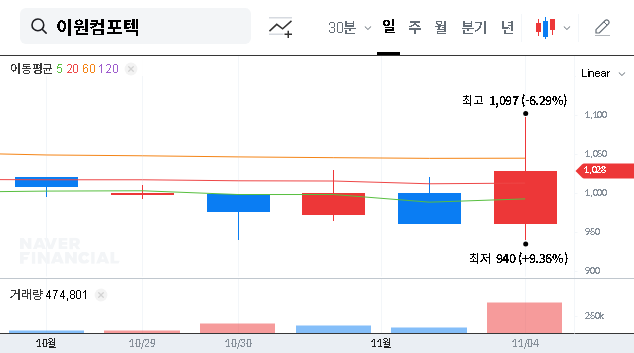
    Negative: The issuance of nearly 3.4 million new shares inevitably causes shareholder value dilution. Existing investors will see their ownership percentage decrease. Furthermore, the issue price of 886 KRW is set below the current market price, which is likely to exert downward pressure on the stock in the short term and dilute the Earnings Per Share (EPS).

    2. The Managerial Impact: Growth Fuel vs. Execution Risk

    Positive: Beyond debt repayment, these funds can be allocated to strategic initiatives like R&D for air suspension seats, facility upgrades, and expansion into overseas markets. This capital provides the fuel for long-term growth engines that were previously out of reach.

    Negative: The success of the EWON COMFORTECH rights offering ultimately depends on how the capital is used. A vague or poorly executed investment plan could waste this opportunity, leaving the company with more shares outstanding but no tangible improvement in performance.

    Strategic Outlook and Investor Guidance

    For current and prospective investors, the path forward requires caution and diligent monitoring. While short-term stock price volatility is almost certain, the long-term outlook depends on management’s ability to capitalize on this financial reset.

    What to Watch For:

    • Transparent Fund Allocation: Demand clear communication from the company on exactly how the 3 billion KRW will be spent. Look for detailed plans, not vague promises.
    • Execution on Growth Strategy: Monitor quarterly reports for progress on new business ventures and R&D milestones. Are they meeting their stated goals?
    • Financial Health Metrics: Track key indicators like the debt-to-equity ratio and interest coverage ratio. The positive effects of the capital increase should be reflected in these numbers within a few quarters.
    • Shareholder Communication: Assess the company’s efforts to engage with its shareholders. Active communication can help rebuild trust during this period of uncertainty.

    In conclusion, the EWON COMFORTECH capital increase is a pivotal moment for the company. While it presents immediate challenges like share dilution, it also offers a critical opportunity for financial recovery and a pathway to sustainable growth. A prudent, well-informed investment approach is essential. Investors who remain vigilant and closely track the company’s strategic execution will be best positioned to navigate the path ahead.

    (088290) EWON COMFORTECH Capital Increase: A Deep Dive for Investors 관련 이미지
  • (204270) JNTC Treasury Stock Disposal: A Deep-Dive Stock Analysis for Investors

    (204270) JNTC Treasury Stock Disposal: A Deep-Dive Stock Analysis for Investors

    JNTC CO.,LTD. (KOSDAQ: 204270) has captured significant market attention with its recent announcement of a major JNTC treasury stock disposal. The company plans to raise approximately 12.4 billion KRW, a move that comes at a critical juncture, given its struggling first-half 2025 performance. For investors, this raises a crucial question: is this a desperate measure to shore up failing finances, or a strategic masterstroke to fund next-generation growth? This comprehensive JNTC investor guide will dissect the company’s fundamentals, analyze the implications of the disposal, and provide a clear roadmap for your investment decisions.

    The Catalyst: A 12.4 Billion KRW Treasury Stock Disposal

    On November 3, 2025, JNTC officially announced its decision to dispose of 381,000 of its own treasury shares. According to the Official Disclosure on DART, the purpose is not a simple market sale but to raise capital by issuing JNTC exchangeable bonds (EB) with these shares as the underlying asset. This method was chosen to secure vital liquidity for company operations and to finance future investment initiatives.

    Why Now? An Urgent Need Fueled by Challenging Fundamentals

    The timing of this JNTC treasury stock disposal is directly linked to the company’s deteriorating financial health and a tough market environment. A closer look at the JNTC fundamentals reveals a company under pressure:

    • Severe Sales Decline: First-half 2025 sales plummeted to 104.1 billion KRW, a staggering 45.9% drop year-over-year. The core reinforced glass business was hit hard by reduced orders from the Greater China region amid a global smartphone market slowdown.
    • Plummeting Profitability: The company fell deep into the red, posting an operating loss of 38 billion KRW and a net loss of 57.6 billion KRW, a significant expansion of its deficit.
    • Rising Financial Burden: The debt-to-equity ratio climbed to 103.90%, signaling increased financial risk and pressure on the balance sheet.

    This isn’t just about plugging a hole. Management’s use of exchangeable bonds signals a calculated move to secure capital while attempting to manage shareholder dilution, betting that future growth will outweigh the immediate risks.

    JNTC’s Strategic Pivot: The Growth Engines of Tomorrow

    Despite the grim financials, JNTC is not standing still. The capital raised is earmarked for ventures that could redefine the company’s future. This is a critical part of any JNTC stock analysis.

    1. The TGV Glass Substrate Business

    JNTC is making a significant push into the high-tech semiconductor space with its TGV (Through-Glass Via) glass substrate business. As demand for advanced semiconductor packaging soars, driven by AI and high-performance computing, glass substrates offer superior performance over traditional materials. Success in this area could transform JNTC into a key player in the semiconductor supply chain.

    2. The Automotive Display Cover Glass Market

    The automotive industry’s shift towards electric vehicles (EVs) and sophisticated in-car infotainment systems has created a booming market for large, durable, and complex cover glass. JNTC is aggressively pursuing this segment, aiming to leverage its glass processing expertise to secure long-term contracts with major automakers. Increased orders here could provide a stable, high-growth revenue stream to offset the volatile smartphone market.

    Investor Outlook: Risks and Opportunities

    The JNTC treasury stock disposal creates a clear split between short-term risks and long-term potential.

    Short-Term Risk: Market Overhang and Dilution

    The market generally views treasury stock sales as a negative short-term signal. The issuance of JNTC exchangeable bonds introduces a potential ‘overhang’—a large block of shares that could enter the market when the bonds are converted. This potential for future selling pressure and share dilution can weigh on the stock price in the near term.

    Long-Term Opportunity: A Successful Transformation

    The long-term bull case rests entirely on execution. If the 12.4 billion KRW is successfully deployed to scale the TGV substrate and automotive glass businesses, leading to visible revenue and profit growth, the company’s valuation could be completely re-rated. Investors with a longer time horizon may see the current price weakness as a compelling entry point for a potential turnaround story.

    Key Monitoring Points for Investors

    For those considering an investment in JNTC, close monitoring of the following is essential:

    • New Business Traction: Watch for announcements of mass production, new client acquisitions, and revenue contribution from the TGV and automotive segments.
    • Core Business Recovery: Any signs of stabilization or recovery in the legacy reinforced glass business would be a significant positive.
    • Financial Health: Track quarterly reports for improvements in profitability, debt levels, and cash flow.
    • Bond Conversion Status: Monitor the status of the exchangeable bonds and any potential conversions to shares.

    (204270) JNTC Treasury Stock Disposal: A Deep-Dive Stock Analysis for Investors 관련 이미지
  • (093370) FOOSUNG Self-Stock Disposal: A 2025 Financial Analysis & Investor Guide

    (093370) FOOSUNG Self-Stock Disposal: A 2025 Financial Analysis & Investor Guide

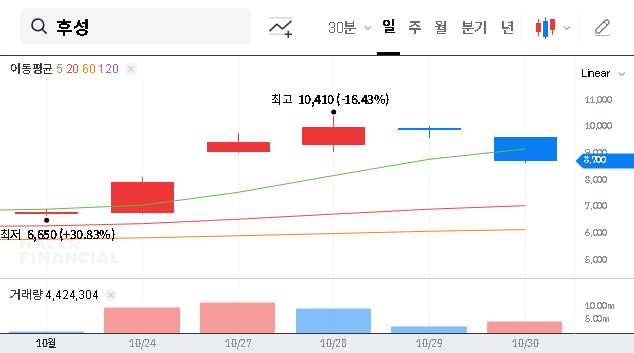
    The recent announcement of FOOSUNG’s self-stock disposal has captured the attention of the investment community. While the company cites ‘financial structure improvement’ as the motive, the unusually small scale of the transaction raises critical questions. Is this a routine financial maneuver, a signal of underlying liquidity issues, or a misunderstood opportunity? This comprehensive financial analysis will delve into FOOSUNG’s H1 2025 report to uncover the real story behind the numbers, providing investors with the clarity needed to navigate this event.

    Decoding the FOOSUNG Self-Stock Disposal

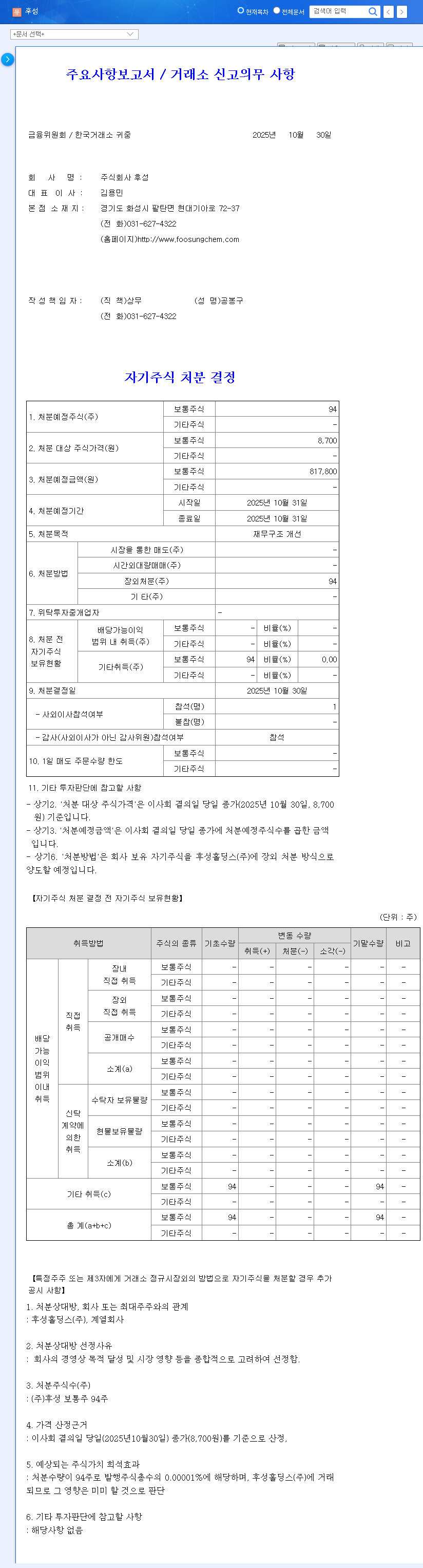
    A self-stock disposal, often referred to as a sale of treasury shares, is when a company sells shares it had previously repurchased from the open market. This can be done for various reasons, such as funding operations, M&A activities, or employee stock plans. However, the context and scale are paramount. On October 30, 2025, FOOSUNG CO.,LTD filed a major disclosure detailing its decision.

    Key Details of the Disposal

    • Event: Decision on Disposal of Treasury Shares
    • Shares for Disposal: A mere 94 common shares
    • Stated Purpose: Financial structure improvement
    • Official Disclosure: The company officially disclosed this action in a regulatory filing (Source)

    The defining characteristic here is the minuscule volume. The sale of just 94 shares will have a negligible direct impact on FOOSUNG’s overall financial structure. Therefore, the market is likely to interpret this not as a major strategic shift, but as a minor, short-term administrative action, possibly to secure a small amount of cash for operational expenses or to settle minor obligations.

    FOOSUNG Financial Analysis: H1 2025 Performance

    To truly understand the context of the stock disposal, a deeper FOOSUNG financial analysis is necessary. The H1 2025 report reveals a company with a strong core business facing significant external pressures.

    Revenue Growth vs. Profitability Strain

    FOOSUNG’s revenue grew to 231,324 million KRW, a respectable 4.91% year-over-year increase. This growth was fueled by strong global demand for its refrigerants and chemical equipment, showcasing its competitiveness in overseas markets. However, the bottom line tells a different story. On a consolidated basis, the company posted a net loss of -19,998 million KRW. This loss was not due to operational failure but was primarily driven by two factors: crippling financial costs of 31,546 million KRW and significant foreign exchange-related losses. Encouragingly, the standalone business (headquarters) turned a net profit, indicating the core operations remain robust.

    Balance Sheet Strengths and Weaknesses

    The company’s balance sheet presents a mixed picture. Total liabilities have decreased, suggesting some debt repayment. However, a substantial bond issuance of 133,768 million KRW remains, creating a high interest expense burden that directly impacts profitability. On the asset side, a notable 72,881 million KRW increase in inventory points to heightened business activity. While this can be positive, it also carries the risk of becoming a financial burden if sales slow down. This inventory level will be a key metric to watch in future reports, which you can learn more about in our guide to analyzing inventory on the balance sheet.

    Despite consolidated losses due to external financial pressures, FOOSUNG’s core business remains profitable, and its continued investment in R&D signals a strong focus on future growth sectors like EV batteries and semiconductors.

    Macro Environment & Strategic Outlook

    No company operates in a vacuum. Several macroeconomic factors will significantly influence FOOSUNG’s performance going forward:

    • Interest Rates: Persistent high interest rates will continue to inflate financial costs, acting as a drag on net profit.
    • Exchange Rates: A weaker KRW can boost the value of overseas sales but also magnify foreign-denominated debt and expenses, creating volatility.
    • Industry Growth: The long-term tailwinds from the expanding EV battery and semiconductor industries are FOOSUNG’s greatest asset, as it is a key supplier in these high-growth sectors.

    Strategically, FOOSUNG’s R&D investment of 4,067 million KRW (3.06% of revenue) is crucial. This commitment to innovation is essential for maintaining a competitive edge in fast-evolving markets. Success will depend on converting this R&D into commercially viable products that capture market share.

    Investor Takeaways and Conclusion

    The FOOSUNG self-stock disposal is a minor event with limited short-term impact. The real story for anyone considering investing in FOOSUNG lies in the balance between its strong core business and the significant macroeconomic headwinds it faces. A long-term perspective is essential.

    Key Factors to Monitor:

    • Profitability Trends: Can the company reduce its financial costs and mitigate forex losses to allow its operational strength to shine through on the consolidated bottom line?
    • Core Business Growth: Watch for continued revenue growth in the EV battery and semiconductor material segments in upcoming quarterly reports.
    • Balance Sheet Health: Monitor inventory levels and any further reduction in high-interest debt.

    In conclusion, while the stock disposal is trivial, the underlying FOOSUNG financial analysis reveals a company at a crossroads. Its future success, and the attractiveness of FOOSUNG stock, hinges on navigating the current high-interest rate environment and capitalizing on its strong position in secular growth industries.

    Frequently Asked Questions

    Q: Is FOOSUNG’s self-stock disposal a significant event for investors?

    A: No. The disposal involves only 94 shares. Its direct financial and market impact is negligible. It should be viewed as a minor administrative action, not a major strategic signal.

    Q: What is the main challenge for FOOSUNG’s profitability?

    A: The primary challenges are external: high financial costs due to significant debt in a high-interest-rate environment, and volatility from foreign exchange rate fluctuations. These factors overshadowed the profitability of its core operations in H1 2025.

    Q: What are the biggest long-term growth drivers for FOOSUNG?

    A: The company’s strongest growth drivers are its established competitiveness in materials for the EV battery and semiconductor industries. The long-term expansion of these global markets provides a significant tailwind for FOOSUNG’s future revenue potential.

    (093370) FOOSUNG Self-Stock Disposal: A 2025 Financial Analysis & Investor Guide 관련 이미지