Tag: Feed Stock

  • (016790) HYUNDAI FEED Inc. Stock: Delisting & Seizure – Urgent Investor Warning

    (016790) HYUNDAI FEED Inc. Stock: Delisting & Seizure – Urgent Investor Warning

    The situation for investors in HYUNDAI FEED Inc. (016790) has escalated from concerning to critical. Already navigating treacherous waters with ongoing delisting procedures, the company has been hit by another severe blow: a provisional seizure of its major shareholder’s stock. This development compounds existing uncertainties and raises fundamental questions about the company’s viability. This in-depth analysis will dissect these crises, evaluate the company’s fragile fundamentals, and provide a clear-eyed view for investors caught in the storm.

    A Company in Crisis: The Provisional Stock Seizure Explained

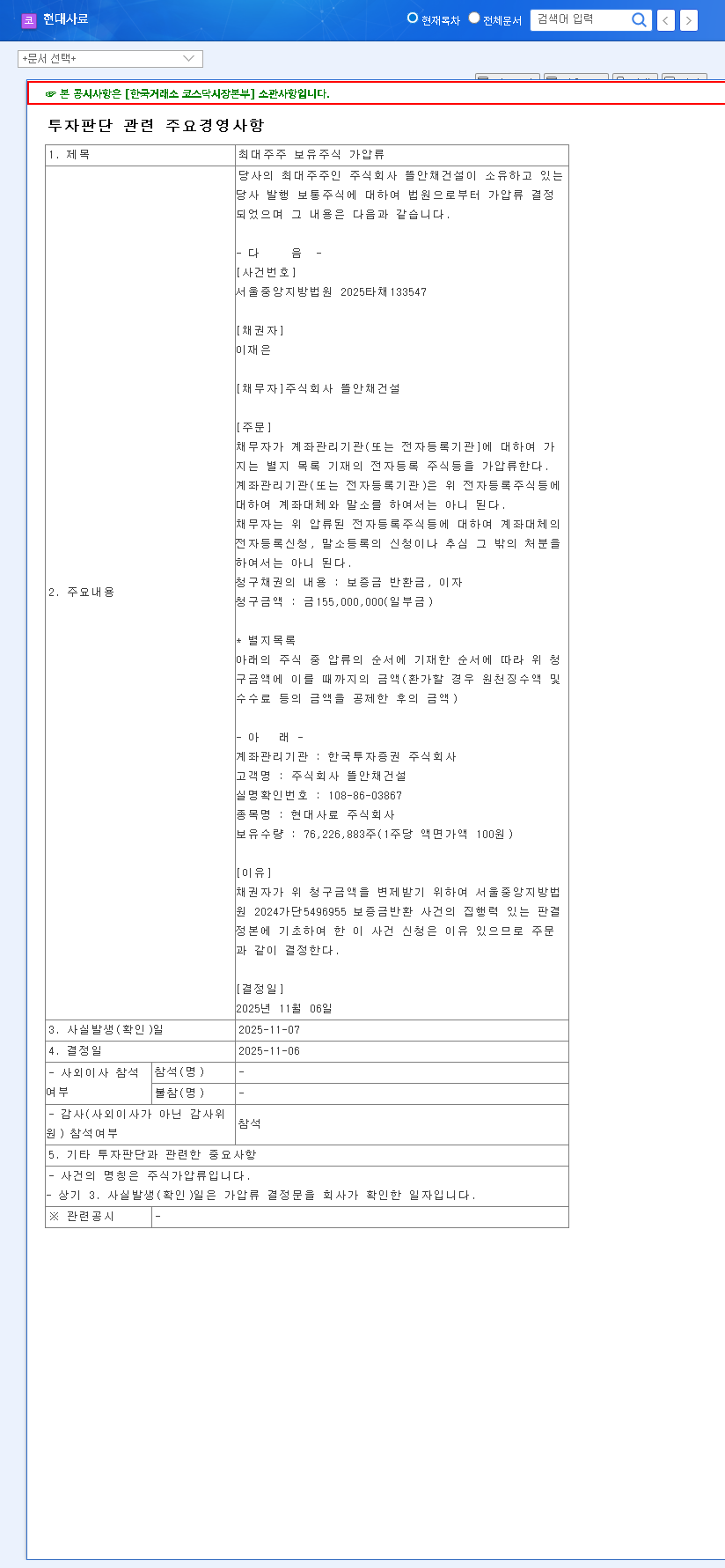
    On November 7, 2025, HYUNDAI FEED Inc. made a critical disclosure that sent shockwaves through its investor base. The Seoul Central District Court enacted a provisional seizure on a substantial portion of shares held by its primary shareholder, Tteulanchae Construction Co., Ltd. This legal action effectively freezes these assets, preventing their sale or transfer pending the resolution of a financial dispute. You can view the Official Disclosure on DART for complete details.

    Key Details of the Provisional Seizure:
    Seized Assets: 76,226,883 common shares of HYUNDAI FEED Inc.
    Debtor: Tteulanchae Construction Co., Ltd. (Major Shareholder)
    Creditor: Lee Jae-eun
    Claim Amount: 155,000,000 KRW (related to a deposit refund)
    Legal Effect: Prohibits the disposal or transfer of the seized shares.

    While the monetary claim is relatively small, the implications are vast. This event, layered on top of the existing HYUNDAI FEED Inc. delisting review, signals deep-seated instability within the company’s controlling structure and further erodes any remaining investor confidence.

    Deconstructing the Cracks: HYUNDAI FEED Inc.’s Shaky Fundamentals

    To understand why this provisional seizure is so damaging, we must examine the company’s underlying health. The foundation was already showing significant stress long before this latest development.

    Core Business Model Under Pressure

    HYUNDAI FEED Inc. has a long history in the compound feed industry, a sector that typically benefits from steady demand. However, the company faces a perfect storm of operational risks:

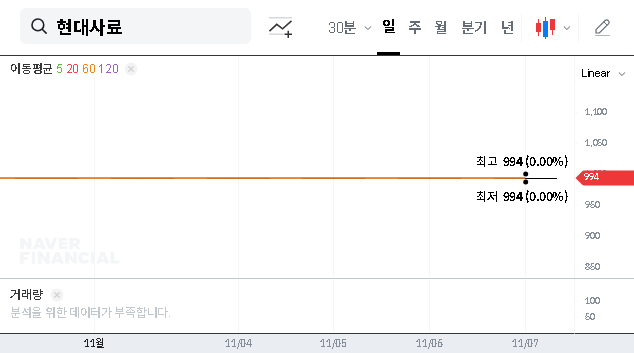
    • Existential Delisting Threat: The primary risk stems from a disclaimer of audit opinion in 2023, which triggered a delisting review. Trading has been suspended since February 2024, leaving shareholders in limbo.
    • Market Volatility: The business is highly sensitive to international grain prices and currency exchange rates (KRW/USD, KRW/EUR), which can severely impact profit margins.
    • Fierce Competition: The feed market is increasingly competitive, with a trend towards large-scale farms that demand lower prices and better terms, squeezing smaller players.

    Financial Health Check (As of H1 2025)

    Financially, the picture is mixed but ultimately precarious. While HYUNDAI FEED Inc. managed to pull itself out of full capital impairment, its recovery is fragile. Revenue has declined significantly after the divestment of its bio business. Although operating profit has shown some recovery, the recent decrease in total capital during the first half of the year is a major red flag, suggesting that the positive turn may not be sustainable.

    The Ripple Effect: How the Seizure Amplifies Delisting Risks

    The provisional seizure is not an isolated event; it’s a catalyst that worsens an already dire situation. Its impact will be felt across several critical areas:

    • Maximized Uncertainty: It casts severe doubt on management’s stability and control. A major shareholder entangled in personal financial disputes undermines the entire corporate governance structure.
    • Compromised Delisting Appeal: The company’s appeal against delisting relies on demonstrating stability and a clear path forward. This event directly contradicts that narrative, potentially giving regulators more reason to uphold the delisting decision.
    • Barriers to Fundraising: Any hope of raising capital to shore up finances is now virtually non-existent. No credible lender or investor would engage with a company facing this level of management and legal risk.

    An Investor’s Guide: What to Do About HYUNDAI FEED Inc. Stock

    Given the confluence of extreme negative factors, investors must act with the utmost caution. The outlook for HYUNDAI FEED Inc. is overwhelmingly negative, and the risk of total capital loss is severe.

    Immediate Recommendations:

    • Avoid New Investment: Initiating any new position in this stock would be pure speculation, not investment. The risks far outweigh any potential, improbable rebound.
    • Monitor Official News: For existing shareholders, the only course of action is to closely monitor the final verdict on the delisting appeal and any updates regarding the provisional seizure lawsuit.
    • Prepare for the Worst-Case Scenario: The most probable outcome is the confirmation of delisting. Investors should understand what this means for their holdings and consult with a financial advisor. You can learn more by reading our guide on How to Handle Delisted Stocks in Your Portfolio.
    • Understand the Legal Terms: For a broader understanding of the legal mechanism at play, authoritative sources like Investopedia offer detailed explanations of asset seizures.

    This analysis is based on publicly available information. Investment decisions carry inherent risks and should be made based on your own judgment and consultation with professional advisors.
    (016790) HYUNDAI FEED Inc. Stock: Delisting & Seizure - Urgent Investor Warning 관련 이미지
  • (006980) WOOSUNG Share Buyback (2.3B KRW): A Deep Dive for Investors | Stock Analysis & Outlook

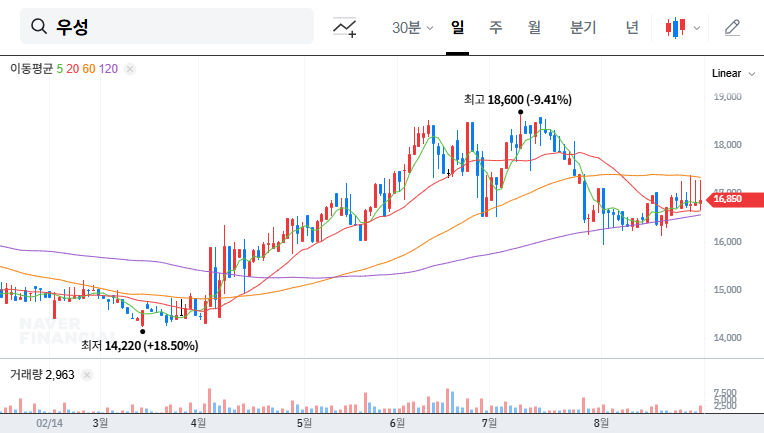
    (006980) WOOSUNG Share Buyback (2.3B KRW): A Deep Dive for Investors | Stock Analysis & Outlook

    In a dynamic stock market, corporate actions like a share buyback send powerful signals to investors. When a company decides to repurchase its own stock, it’s more than a financial transaction; it’s a statement of confidence. This is precisely the case with WOOSUNG CO., LTD. (WooSung), which recently reaffirmed its commitment to shareholder value by extending its significant 2.3 billion KRW share buyback trust contract. For current and potential investors, understanding the nuances of this move is critical.

    This comprehensive WOOSUNG stock analysis will explore the full implications of the share buyback program. We’ll examine its potential impact on the stock price, dissect the company’s underlying fundamentals, and provide a strategic outlook to help you make well-informed investment decisions.

    Understanding the 2.3 Billion KRW WOOSUNG Share Buyback

    On October 24, 2025, WOOSUNG officially announced its decision to extend its share repurchase trust contract with KEB Hana Bank. This is not a new initiative but a continuation of an existing commitment, signaling long-term dedication to its strategy. The key objective, as stated in the disclosure, is to achieve “stock price stabilization and enhance shareholder value.”

    Key Contract Details

    • Company: WOOSUNG CO., LTD. (Market Cap: 51.7 billion KRW)
    • Contract Amount: 2.3 billion KRW (representing a substantial 4.42% of market capitalization)
    • Contract Purpose: Stock price stabilization and shareholder value enhancement
    • Extended Period: October 28, 2025, to October 28, 2026
    • Official Source: Click to view DART report

    A share buyback of this magnitude (4.42% of market cap) is a significant capital allocation. It implies that management believes the company’s shares are currently undervalued by the market, making it a compelling investment for the company itself.

    Analyzing WOOSUNG’s Fundamentals

    While a share buyback is a positive signal, it must be evaluated against the company’s core financial health. A look at the December 2024 business report reveals a mixed but improving picture for WOOSUNG’s fundamentals. For a deeper understanding, investors should consult our complete guide to analyzing financial reports.

    Financial Highlights (YoY)

    • Revenue: 606.199 billion KRW (↓ 4.5%)
    • Operating Profit: 8.592 billion KRW (↑ 51.2%)
    • Net Income: 19.691 billion KRW (↑ 78.1%)
    • Financial Health: Equity ratio improved to 46.5%, and the debt-to-equity ratio decreased to 115.1%.

    The most critical observation is the contrast between declining revenue and soaring profits. This profit surge was partly driven by one-time events, including gains from asset disposals and insurance payouts. Therefore, the key question for long-term WOOSUNG investment is the sustainability of this profitability. The revenue decline must be addressed through core business growth for the positive trend to continue.

    Short-Term vs. Long-Term Impact for Investors

    The WOOSUNG share buyback program will have different effects over different time horizons. As reported by financial news outlets like Bloomberg, such programs often create predictable market reactions.

    Short-Term Outlook (3-6 Months)

    In the short term, the buyback is unequivocally positive. The consistent purchasing pressure from the 2.3 billion KRW fund should provide a solid floor for the stock price and mitigate downside volatility. It improves investor sentiment and signals that management is actively working to support WOOSUNG shareholder value.

    Long-Term Outlook (12+ Months)

    Long-term value creation depends entirely on fundamental business performance. Key factors to monitor include:

    • Core Business Growth: Can the company reverse the revenue decline and demonstrate sustainable profitability without one-off gains?
    • Strategic Investments: Will investments, like the 113.2 billion KRW in the Nonsan new factory, translate into future revenue and profit streams?
    • Market Headwinds: The company’s feed business is sensitive to exchange rate volatility (KRW/USD, KRW/EUR), and a high-interest-rate environment could increase borrowing costs.

    Conclusion: An Investor’s Playbook

    WOOSUNG’s decision to extend its share repurchase contract is a commendable, shareholder-friendly action that provides a short-term catalyst and support for the stock. However, savvy investors should view this as one piece of a larger puzzle.

    The prudent approach is to balance the optimism from the buyback with a critical WOOSUNG stock analysis of its operational performance. Watch upcoming quarterly earnings reports closely for signs of a turnaround in revenue and evidence of sustainable profit margins. While the buyback provides a safety net, long-term capital appreciation will be driven by fundamental business success.

    (006980) WOOSUNG Share Buyback (2.3B KRW): A Deep Dive for Investors | Stock Analysis & Outlook 관련 이미지
    (006980) WOOSUNG Share Buyback (2.3B KRW): A Deep Dive for Investors | Stock Analysis & Outlook 관련 이미지