Tag: European Market

  • (432720) QUALITAS SEMICONDUCTOR’s ₩1B IP License Deal in Europe: An Investor’s Deep Dive

    (432720) QUALITAS SEMICONDUCTOR’s ₩1B IP License Deal in Europe: An Investor’s Deep Dive

    The semiconductor industry is buzzing as QUALITAS SEMICONDUCTOR CO., LTD., a leader in cutting-edge semiconductor Intellectual Property (IP), announces a monumental ₩1 billion IP license contract, marking its strategic entry into the European market. This deal is far more than a revenue boost; it serves as a powerful validation of the company’s advanced technology and lays a critical foundation for future global growth. But what does this mean for investors and the company’s long-term valuation?

    This comprehensive analysis will dissect the contract’s details, explore the strategic implications for the Qualitas Semiconductor stock, and weigh the promising outlook against the company’s current financial challenges to provide a balanced perspective for informed investment decisions.

    The European Breakthrough: Deconstructing the ₩1 Billion Deal

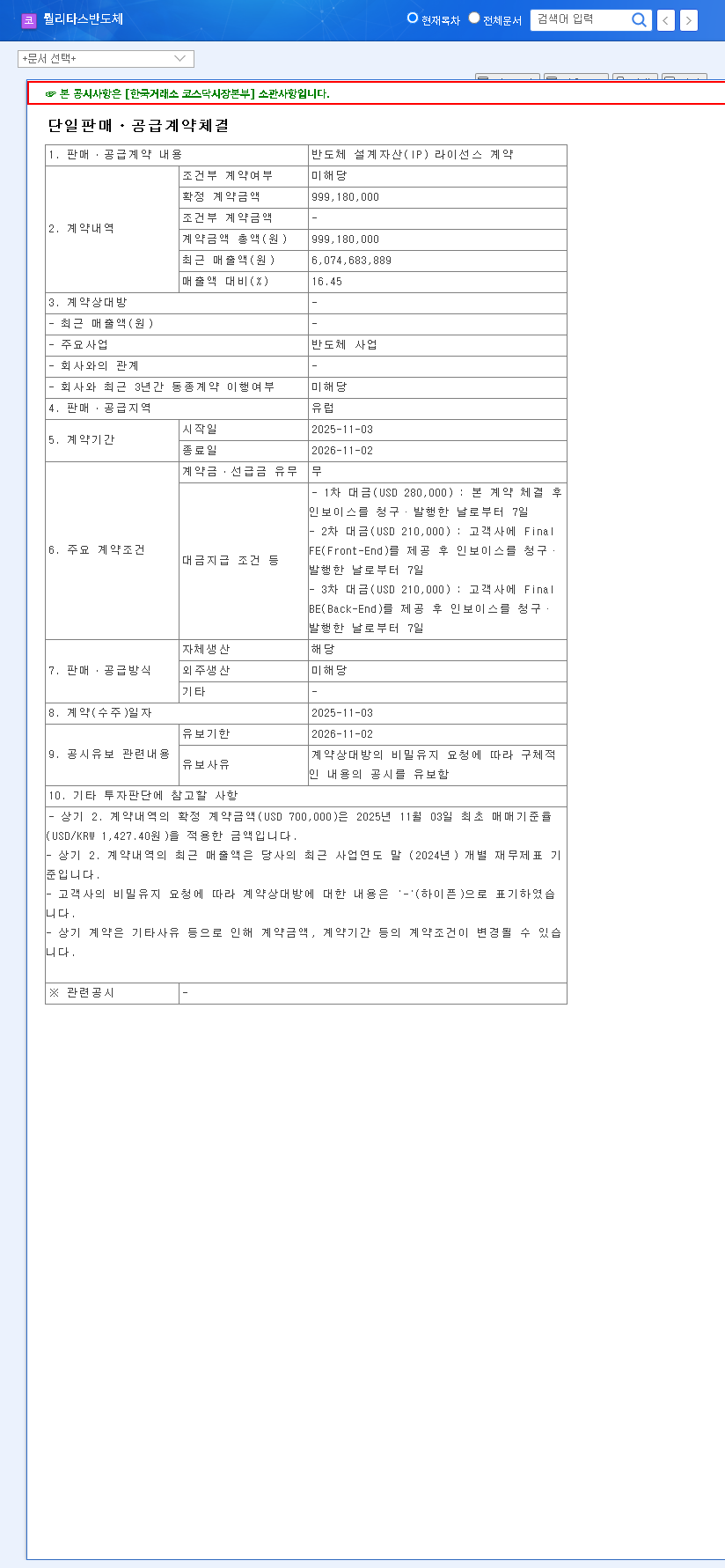
    On November 4, 2025, QUALITAS SEMICONDUCTOR formally announced a significant semiconductor IP license contract valued at ₩1 billion (approximately $750,000 USD) with an as-yet-undisclosed company in Europe. According to the Official Disclosure, the agreement is valid for one year, from November 3, 2025, to November 2, 2026. The magnitude of this single contract cannot be overstated, representing approximately 35.8% of the company’s entire revenue from the first half of 2025.

    Key Contract Details:

    • Contract Type: Single Sale/Supply Contract (Semiconductor IP License)
    • Contract Value: ₩1,000,000,000 KRW
    • Supply Region: Europe
    • Contract Period: Nov 3, 2025 – Nov 2, 2026

    Core Technology & Strategic Impact

    This deal is a victory for QUALITAS SEMICONDUCTOR’s technological prowess. The company specializes in high-speed interconnect IP licensing, which is the critical technology that allows different components within a chip or system to communicate at lightning-fast speeds. This is the digital backbone for high-growth industries like Artificial Intelligence (AI), High-Performance Computing (HPC), and data centers. Their portfolio, featuring standards like MIPI, PCIe, and the emerging Universal Chiplet Interconnect Express (UCIe), positions them at the forefront of innovation.

    Securing a major IP license agreement in the competitive European market is a clear validation of a company’s technology. It signals to investors that the R&D investment is translating into commercially viable and globally recognized products.

    Why the European Market Matters

    Entering the European semiconductor market is a strategic masterstroke. Beyond simple revenue diversification, it opens doors to the region’s massive automotive, industrial, and telecommunications sectors, all of which are undergoing rapid digital transformation. This foothold serves as a launchpad for future IP sales and design service opportunities, reducing the company’s reliance on a concentrated client base.

    The Investor’s Dilemma: Growth vs. Profitability

    Despite the celebratory news, a prudent investor must examine the full financial picture. As of H1 2025, QUALITAS SEMICONDUCTOR reported revenue of ₩2.795 billion but posted an operating loss of ₩11.415 billion. This persistent deficit is largely driven by an aggressive R&D expenditure, which sits at a staggering 421.40% of revenue. While this heavy investment is crucial for maintaining a technological edge in the fast-evolving semiconductor space, it creates a significant drag on short-term profitability.

    A single ₩1 billion contract, while significant, is not a silver bullet for these accumulated losses. The path to profitability will require a series of such wins. Investors should also be mindful of macroeconomic headwinds, such as the global semiconductor market’s recovery pace and currency fluctuations, which are explored in reports from authorities like the Semiconductor Industry Association (SIA).

    Frequently Asked Questions (FAQ)

    What does QUALITAS SEMICONDUCTOR specialize in?

    QUALITAS SEMICONDUCTOR is a specialized semiconductor Intellectual Property (IP) company. They design and license high-speed interconnect technology (e.g., MIPI, PCIe, UCIe) that enables rapid data transfer in advanced electronics for AI, HPC, and automotive applications.

    How significant is this new European contract?

    The ₩1 billion IP license contract is highly significant. It represents about 35.8% of the company’s revenue from the first half of 2025, provides a crucial entry into the strategic European market, and validates the commercial appeal of its technology on a global stage.

    What are the main risks for Qualitas Semiconductor stock investors?

    The primary risk is the company’s current lack of profitability due to high R&D spending. While this new contract is a positive step, sustained revenue growth from multiple new contracts is needed to overcome the operating losses. Investors should monitor the company’s ability to convert its technological lead into consistent financial performance.

    What should investors watch for next?

    Key monitoring points include:

    • Disclosure of the European partner’s identity and potential for follow-on deals.
    • The pace of securing additional contracts in Europe and other new markets.
    • Quarterly financial reports showing a clear trend towards profitability.
    • Progress on turning its R&D investment into tangible, profitable revenue streams.
    (432720) QUALITAS SEMICONDUCTOR's ₩1B IP License Deal in Europe: An Investor's Deep Dive 관련 이미지
  • (950210) Prestige BioPharma Teva Deal: Investor’s Guide to Tuznue & Stock Impact

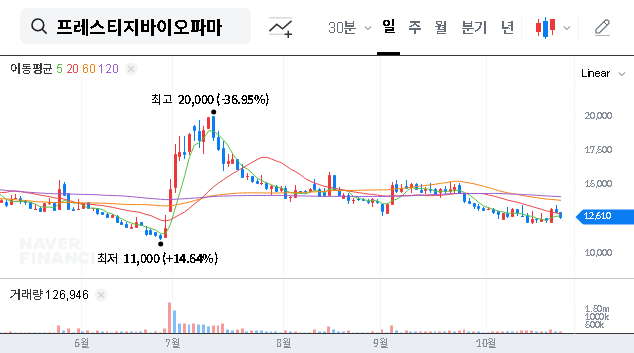
    (950210) Prestige BioPharma Teva Deal: Investor’s Guide to Tuznue & Stock Impact

    The Prestige BioPharma Teva deal has sent ripples through the biotech investment community. For a company navigating financial headwinds, this partnership with a global pharmaceutical giant marks a pivotal moment. Prestige BioPharma Limited, a developer specializing in biosimilars, has officially announced a supply agreement with Teva Pharmaceuticals, facilitating its long-awaited entry into the lucrative European market. But what does a short-term, KRW 1.2 billion contract truly signify for the company’s future and its stock price? This comprehensive analysis will dissect the agreement, evaluate the underlying financials, and provide a strategic outlook for investors considering Prestige BioPharma stock.

    While this deal is a significant validation of Prestige BioPharma’s commercialization strategy for Tuznue, investors must weigh this short-term victory against the company’s persistent long-term financial challenges. Prudence and continuous monitoring are key.

    Breaking Down the Prestige BioPharma Teva Deal

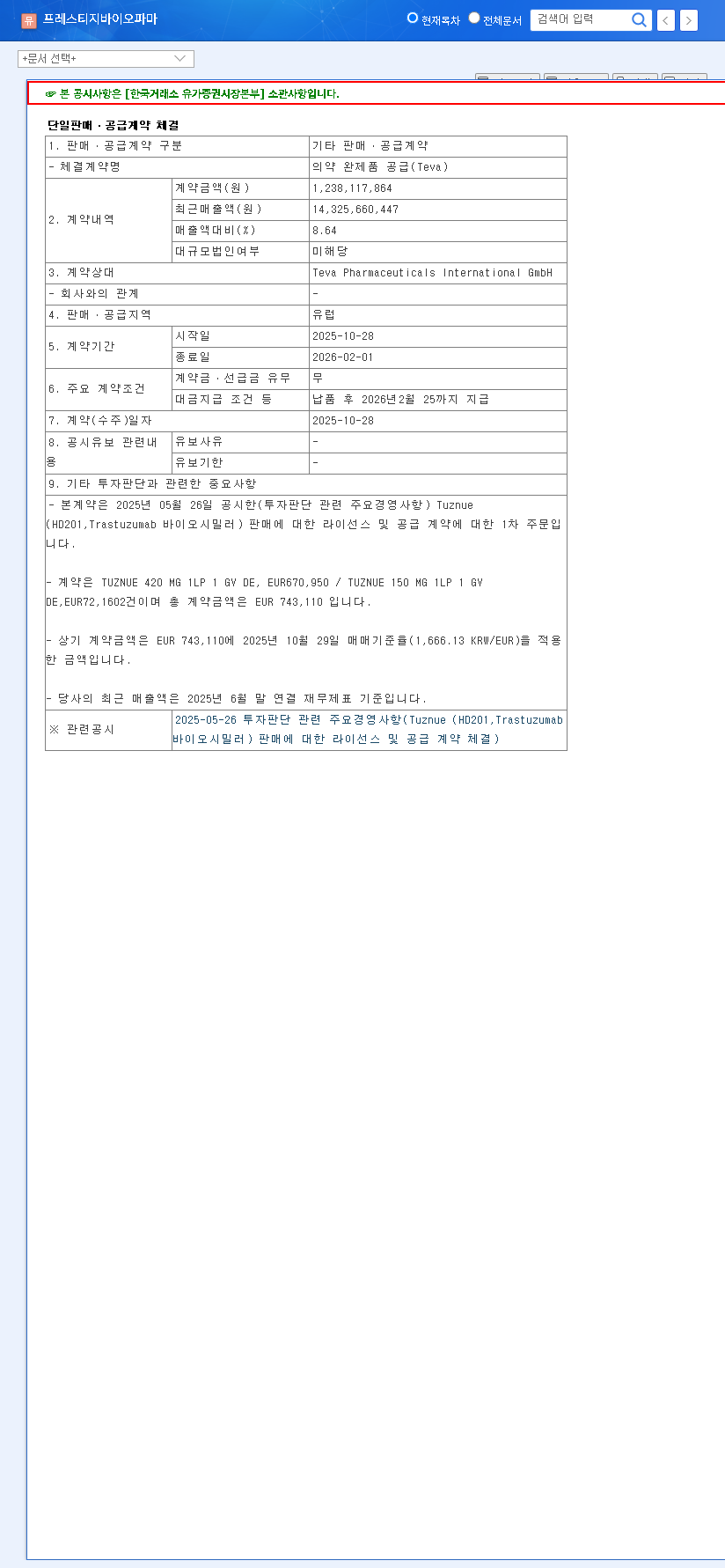
    Prestige BioPharma has confirmed a single-product sales and supply agreement with Teva Pharmaceuticals International GmbH. This contract focuses on supplying finished pharmaceutical products to the European market, a critical step for the company’s flagship biosimilar. Here are the core details of the announcement, which can be verified in the Official Disclosure (DART).

    • Contracting Party: Teva Pharmaceuticals International GmbH
    • Contract Value: KRW 1.2 billion (approx. 8.64% of recent sales revenue)
    • Product: Finished Pharmaceutical Products (Tuznue – HD201)
    • Supply Region: Europe
    • Contract Period: A short-term, three-month window from October 28, 2025, to February 1, 2026.

    Investment Analysis: The Bull vs. Bear Case

    This deal presents a classic duality for investors. On one hand, it’s a monumental step forward; on the other, it doesn’t erase the underlying financial risks. A thorough biosimilar investment analysis requires looking at both sides.

    The Bull Case: A Gateway to Commercial Success

    The positive signals from this agreement are clear and compelling. The successful marketing authorization for Tuznue in Europe is now being actualized. Tuznue (HD201) is a biosimilar for Herceptin (trastuzumab), a widely used breast cancer treatment, representing a massive market opportunity. Partnering with a distributor as established as Teva provides instant credibility and market access that would otherwise take years to build. This move could also create powerful synergies with its growing CDMO (Contract Development and Manufacturing Organization) business, Prestige Biologics, reinforcing its entire operational ecosystem. For more context on biosimilars, you can read the FDA’s official overview.

    The Bear Case: Financial Health and Contract Limitations

    Despite the positive news, the company’s financial foundation remains a significant concern. Prestige BioPharma has been dealing with persistent operating losses and capital impairment, driven by high R&D costs essential for its pipeline. A high debt ratio adds another layer of financial risk, making the company vulnerable to market volatility and increasing the importance of future fundraising. Furthermore, the contract’s short three-month duration limits its immediate financial impact. It is more of a pilot program than a long-term revenue stream, meaning the market will be watching intently for signs of extension or a larger, more definitive agreement.

    Impact on Prestige BioPharma Stock and Future Strategy

    The announcement is likely to provide a short-term boost to Prestige BioPharma stock, as it validates the commercial potential of its key asset, HD201. However, the market’s reaction will likely be tempered. The KRW 1.2 billion value is not substantial enough to fundamentally alter the company’s financial trajectory on its own. Instead, savvy investors will view this as a ‘show me’ story. The real upside for the stock depends on this deal being the first of many.

    Strategically, this is a masterstroke. It’s a low-risk way for Teva to test the market with Tuznue and for Prestige BioPharma to prove its manufacturing and supply chain capabilities. A successful execution of this contract could open doors for deeper collaborations, expanded territories, and partnerships for other drugs in its pipeline. Learn more by reading our guide on how to analyze biotech stocks.

    Investor Action Plan & Key Monitoring Points

    For current and potential investors, a prudent, watchful approach is recommended. While the Prestige BioPharma Teva deal is unequivocally positive news, it is a single data point. The investment thesis hinges on what comes next. Investors should closely monitor the following developments:

    • Contract Extension: Any news of Teva extending the contract beyond the initial three months would be a major bullish signal.
    • European Sales Data: Tracking the initial sales performance of Tuznue in the European market will be crucial to forecasting long-term revenue.
    • Financial Improvement: Watch for progress in quarterly reports on reducing operating losses and improving the company’s balance sheet.
    • Global Expansion: Keep an eye on the progress of the US FDA approval process for Tuznue, which is the next major catalyst for global market penetration.

    In conclusion, this agreement is a significant achievement that moves Prestige BioPharma from a development-stage company to a commercial-stage one. It provides positive momentum, but the journey towards sustainable profitability requires continued execution and financial discipline. The coming months will be critical in determining if this deal is the start of a major turnaround or merely a brief positive interlude.

    (950210) Prestige BioPharma Teva Deal: Investor's Guide to Tuznue & Stock Impact 관련 이미지
  • Hugel Q2 2025 Earnings: A Deep Dive into the IR Presentation and Future Outlook

    Hugel Q2 2025 Earnings: A Deep Dive into the IR Presentation and Future Outlook 대표 차트 이미지

    1. Hugel’s Q2 2025 Performance: Record Revenue and Growth

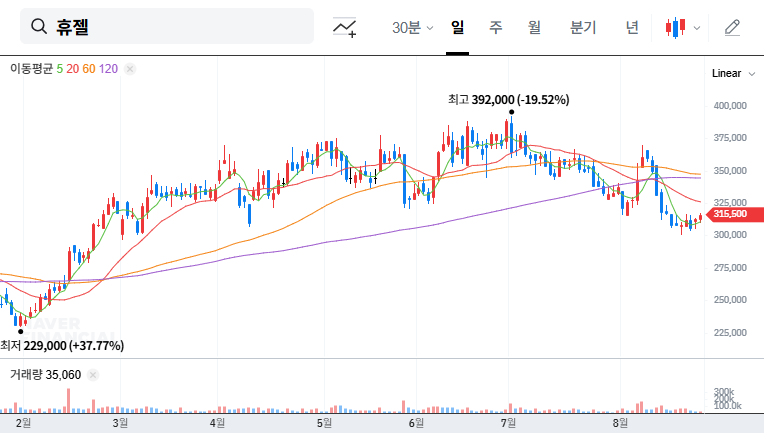
    Hugel achieved significant milestones in the first half of 2025, surpassing ₩200 billion in revenue. The impressive 44.2% increase in operating profit demonstrates the company’s strong operational capabilities and the continued success of its flagship products, ‘Botulax’ and ‘Wellage’.

    2. Growth Drivers: US FDA Approval and European Expansion

    Hugel’s growth is not limited to the domestic market. The US FDA approval and expansion into the European market are key drivers of Hugel’s global competitiveness. Exports account for approximately 60% of total revenue, further emphasizing the company’s potential for stable growth. The launch of the new skin booster, ‘Byryzn’, is expected to contribute positively to future growth.

    3. Potential Risks: Currency Fluctuations and Competition

    Investors should also consider potential risks. Currency fluctuations, ongoing litigation related to the toxin business, and intensifying market competition are important factors to consider when making investment decisions.

    4. Key Takeaways from the Upcoming IR and Investment Strategies

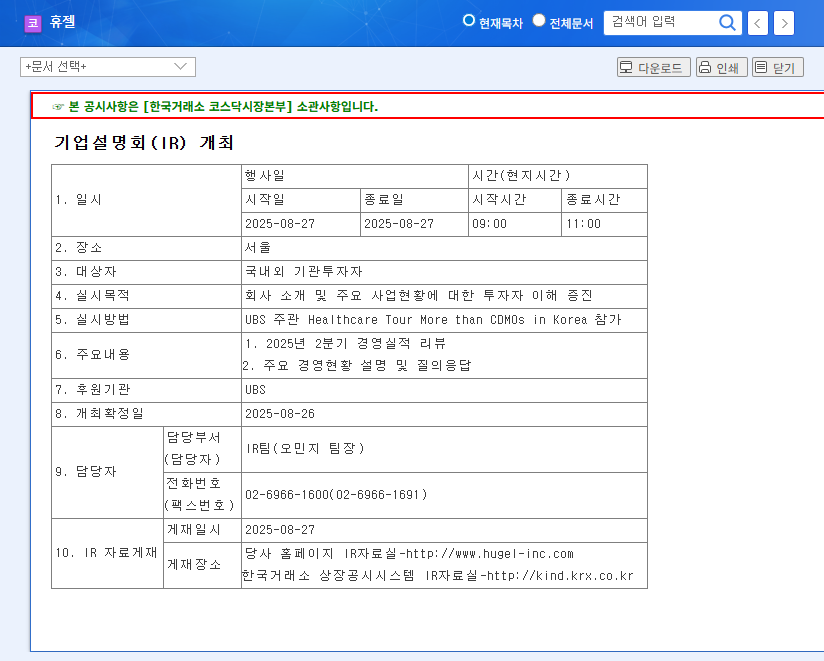
    The IR presentation on August 27th will provide detailed Q2 results and outline Hugel’s plans for the second half of 2025. Investors should pay close attention to their expansion strategies for overseas markets and the development of new pipelines. Hugel presents a compelling investment opportunity given its robust fundamentals and growth potential. However, investors should consider the macroeconomic environment and competitive landscape when making investment choices.

    What are Hugel’s main businesses?

    Hugel is a biopharmaceutical company that develops, manufactures, and sells botulinum toxin ‘Botulax’, HA fillers, and cosmetic brand ‘Wellage’.

    How was Hugel’s performance in Q2 2025?

    Hugel achieved outstanding results in Q2 2025, exceeding ₩200 billion in revenue and a 44.2% increase in operating profit.

    What are the key points to consider when investing in Hugel?

    Potential risks include currency exchange rate fluctuations, ongoing litigation related to the toxin business, and intensifying market competition.

    Hugel Q2 2025 Earnings: A Deep Dive into the IR Presentation and Future Outlook 관련 이미지
    Hugel Q2 2025 Earnings: A Deep Dive into the IR Presentation and Future Outlook 관련 이미지
  • MI Tech (179290) H1 2025 Earnings Analysis: Unveiling Investment Opportunities Amidst Underperformance

    1. MI Tech H1 2025 Earnings: A Disappointing Performance

    MI Tech reported revenue of KRW 15.6 billion and operating profit of KRW 4 billion for H1 2025, falling short of market expectations. The decline in endoscope equipment sales was identified as the primary cause. However, the operating profit margin remained similar to the same period last year, demonstrating resilient profitability.

    2. Reasons for Underperformance: Global Economic Slowdown and Temporary Setbacks

    The underperformance is attributed to the global economic slowdown, temporary setbacks in the endoscope equipment business, and intensified competition.

    3. MI Tech’s Hidden Growth Drivers: European Expansion and R&D Investment

    Despite the disappointing results, MI Tech achieved a significant milestone with the European CE MDR certification. This paves the way for expansion in the European market and is expected to contribute to future revenue growth. Furthermore, continuous R&D investments are driving the development of new stent products, securing mid-to-long-term growth momentum. MI Tech’s strong financial health also stands out as a key strength.

    4. Action Plan for Investors: A Long-Term Perspective Amidst Short-Term Volatility

    While there may be short-term downward pressure on the stock price due to the underperformance, MI Tech holds long-term growth potential. Investors should maintain a long-term perspective, focusing on the company’s R&D achievements and European market penetration, rather than being swayed by short-term market reactions.

    Q: What were MI Tech’s H1 2025 financial results?

    A: MI Tech reported revenue of KRW 15.6 billion and operating profit of KRW 4 billion for H1 2025, missing market expectations.

    Q: What are the reasons for the underperformance?

    A: The global economic slowdown, temporary setbacks in the endoscope equipment business, and increased competition are considered the main reasons.

    Q: What is the outlook for MI Tech?

    A: MI Tech maintains strong growth potential in the mid-to-long term, driven by the European CE MDR certification and ongoing R&D investments. While short-term stock price volatility is possible, the long-term outlook remains positive.