Tag: Eco-friendly vessels

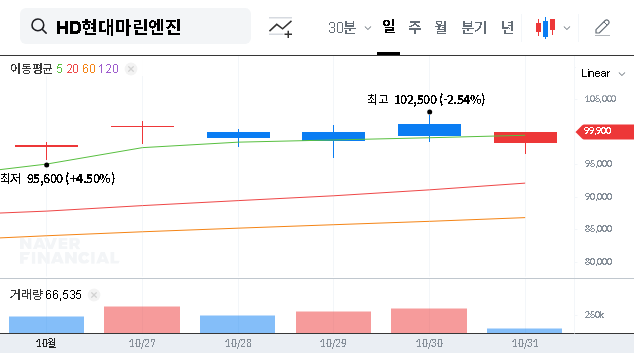
  • (071970) HD-Hyundai Marine Engine Contract: A ₩53.1B Deal Driving Future Growth

    (071970) HD-Hyundai Marine Engine Contract: A ₩53.1B Deal Driving Future Growth

    Analyzing the Landmark ₩53.1 Billion HD-Hyundai Marine Engine Contract

    In a significant development for the global shipbuilding industry, HD-Hyundai Marine Engine Co., Ltd. has secured a major shipbuilding engine supply contract valued at ₩53.1 billion. This pivotal agreement not only provides a substantial revenue injection but also solidifies the company’s position as a key player in the transition towards eco-friendly marine technology. This in-depth analysis will dissect the specifics of the HD-Hyundai Marine Engine contract, evaluate its impact on the company’s robust fundamentals, and explore the broader implications for the shipbuilding engine market and potential investors.

    For anyone considering an HD-Hyundai Marine Engine investment, understanding the nuances of this deal is critical. It serves as a powerful indicator of the company’s growth trajectory, its alignment with stringent environmental regulations, and its synergistic strength within the wider HD-Hyundai Group.

    Contract Breakdown: The Core Details

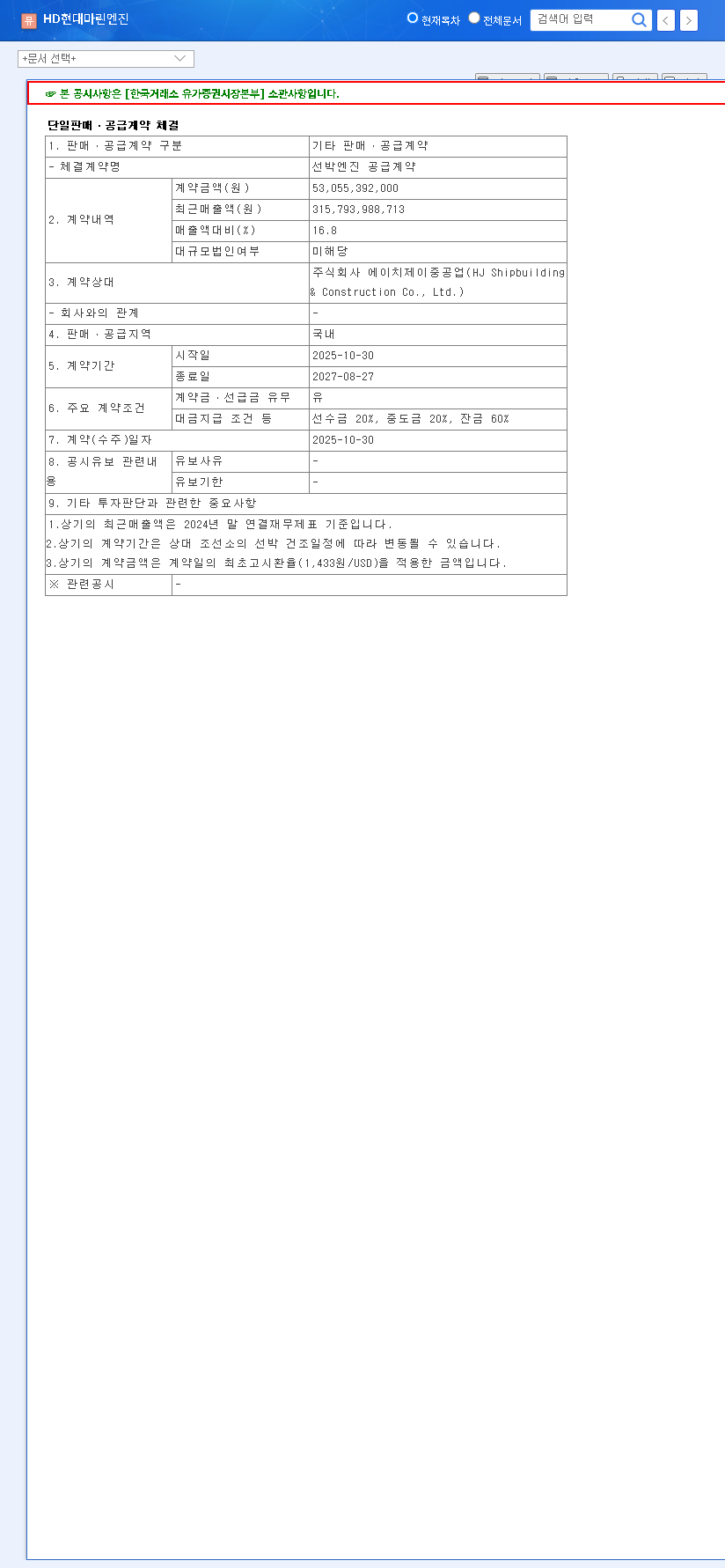
    On October 31, 2025, HD-Hyundai Marine Engine Co., Ltd. officially signed the ₩53.1 billion engine supply contract with HJ Shipbuilding & Construction Co., Ltd. The agreement’s details, confirmed in an official disclosure (Source: DART), highlight its strategic importance. The contract value represents a significant 16.8% of the company’s revenue from the first half of 2025. Spanning a period of nearly two years, from October 30, 2025, to August 27, 2027, this deal ensures a stable and predictable revenue stream, bolstering the company’s financial foundation.

    This long-term contract is more than just a number; it’s a testament to market confidence in HD-Hyundai’s technology and a crucial pillar for its mid-term financial stability and growth projections.

    Why This Deal Matters: Fundamentals and Future Outlook

    The timing of this contract aligns perfectly with HD-Hyundai Marine Engine’s strong performance and favorable market trends. The company’s fundamentals paint a picture of a healthy, growing enterprise poised to capitalize on industry shifts.

    Robust Financial Health

    The company’s financial performance in H1 2025 was exceptional, providing a strong base for this new contract. Key indicators include:

    • Impressive Growth: Revenue surged to ₩182.252 billion, a 24% year-on-year increase, driven by high demand for marine engines and crankshafts, especially in the Asian market.
    • Solid Profitability: A healthy Return on Equity (ROE) of approximately 8.5% and a manageable debt-to-equity ratio around 60% demonstrate financial stability.
    • Strong Cash Flow: Operating cash flow improved dramatically to ₩71.141 billion, a vital sign of operational efficiency in a capital-intensive industry.

    Capitalizing on the Green Shipping Revolution

    A primary driver of the positive outlook for the shipbuilding engine market is the global push for decarbonization. The International Maritime Organization (IMO) has set ambitious goals for reducing greenhouse gas emissions. These tightening regulations are forcing a fleet-wide transition to cleaner technologies, creating immense demand for eco-friendly marine engines. HD-Hyundai Marine Engine is perfectly positioned as a beneficiary of this trend, producing the advanced, dual-fuel engines that the market requires. You can learn more about these regulations directly from the official IMO website.

    Market Impact and Strategic Investment Outlook

    The ₩53.1 billion contract sends a clear, positive signal to the market and investors. It reinforces the company’s order-winning capabilities and strengthens its momentum. The partnership with HJ Shipbuilding & Construction also underscores the powerful synergy within the broader HD-Hyundai Group, a competitive advantage that can lead to more stable and integrated projects.

    While macroeconomic factors like exchange rate volatility and fluctuating raw material prices remain potential risks, the company’s current trajectory is decidedly positive. A stronger US Dollar, for instance, has been shown to positively impact profit margins on its export-heavy business model. For investors looking for a deeper dive, consider reviewing our complete guide to investing in the shipbuilding industry.

    Investor Action Plan & Key Takeaways

    The HD-Hyundai Marine Engine contract is a fundamentally positive event that reinforces the company’s growth narrative. Investors should:

    • Recognize the direct contribution to revenue growth and long-term stability.
    • Appreciate the strengthened order momentum and enhanced market sentiment.
    • Monitor macroeconomic factors, particularly exchange rates and commodity prices.
    • Watch for future financial announcements and news of additional orders.

    Frequently Asked Questions (FAQ)

    Q1: What are the key details of the contract?

    A1: HD-Hyundai Marine Engine signed a ₩53.1 billion engine supply contract with HJ Shipbuilding & Construction. This represents 16.8% of H1 2025 revenue and runs for approximately 1 year and 10 months, until August 2027.

    Q2: How does this contract impact the company financially?

    A2: It provides a direct boost to revenue and establishes a stable income base for nearly two years, enhancing financial predictability and supporting the company’s impressive growth trend.

    Q3: What is the business outlook for HD-Hyundai Marine Engine?

    A3: The outlook is highly positive. The increasing demand for eco-friendly marine engines, driven by IMO regulations, creates a favorable market. Synergy within the HD-Hyundai Group further strengthens its competitive position.
    (071970) HD-Hyundai Marine Engine Contract: A ₩53.1B Deal Driving Future Growth 관련 이미지
  • (010620) HD HYUNDAI MIPO Q3 IR (010620): A Complete Investor Guide to the 2025 Earnings Call

    (010620) HD HYUNDAI MIPO Q3 IR (010620): A Complete Investor Guide to the 2025 Earnings Call

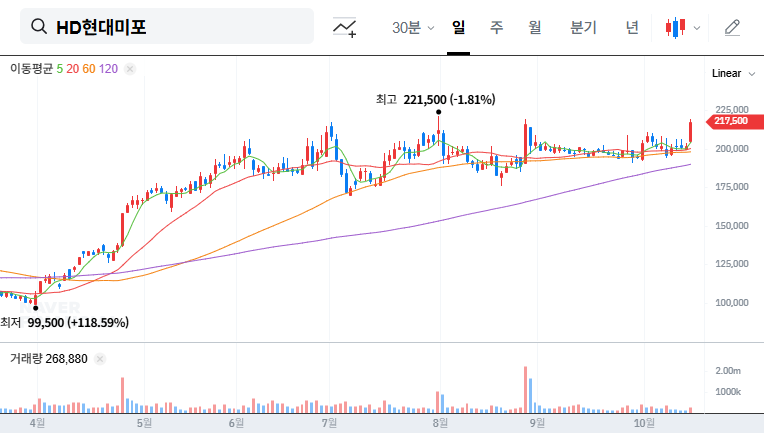
    Investors are keenly awaiting the upcoming HD HYUNDAI MIPO Q3 IR event, a pivotal moment for understanding the company’s trajectory. On November 3, 2025, HD HYUNDAI MIPO CO.,LTD. (ticker: 010620) will host its Investor Relations (IR) conference to unveil its third-quarter financial results. This announcement, detailed in the Official Disclosure, is more than just a report card; it’s a critical indicator of future HD HYUNDAI MIPO stock performance. This comprehensive investor guide will dissect the company’s fundamentals, explore potential market reactions, and provide an actionable checklist for the event.

    Analyzing HD HYUNDAI MIPO’s Financial Health & Market Position

    Before the HD HYUNDAI MIPO Q3 IR, it’s crucial to understand the company’s current standing. The narrative is one of a strong operational turnaround battling against macroeconomic crosswinds. Here’s a breakdown of the core strengths and potential vulnerabilities investors should have on their radar.

    Pillars of Strength: Key Positive Fundamentals

    • Robust Order Backlog: With a substantial order intake of approximately $1.94 billion in the first half of 2025, the company boasts excellent future revenue visibility. This backlog ensures production stability and provides a buffer against short-term market fluctuations.
    • Impressive Profitability Recovery: The swing from an operating loss in 2023 to a healthy operating profit in H1 2025 is a testament to improved efficiency and favorable pricing. The market will be looking for a continuation of this strong margin trend in the Q3 results.
    • Leadership in Eco-Friendly Vessels: HD HYUNDAI MIPO is a leader in building next-generation, environmentally friendly ships, including LNG and methanol-powered carriers. This segment is a significant long-term growth driver, fueled by tightening global emissions standards from bodies like the International Maritime Organization (IMO).
    • Favorable Cost & Pricing Environment: The combination of stabilized raw material costs (like steel plates) and a rising newbuild vessel price index creates a favorable environment for margin expansion.

    Headwinds & Risks: Potential Challenges to Monitor

    • Global Economic Slowdown: The shipbuilding industry is cyclical and highly sensitive to global trade volumes. A significant economic downturn or persistent geopolitical risks could dampen demand for new vessels.
    • Exchange Rate Volatility: As a major exporter, the company has significant exposure to foreign currency fluctuations (primarily USD/KRW). A volatile exchange rate can directly impact reported earnings and profitability.
    • Intensifying Competition: The global shipbuilding market is fiercely competitive. Any erosion of HD HYUNDAI MIPO’s technological or pricing edge could pressure margins.

    The central question for investors is whether HD HYUNDAI MIPO’s leadership in high-value, eco-friendly ships can outweigh macroeconomic headwinds and sustain its impressive profit recovery. The Q3 IR will provide the clearest answers.

    Stock Impact Scenarios: The Bull vs. The Bear Case

    The market reaction to the 010620 earnings announcement will hinge on a few key outcomes. Here are the potential scenarios that could drive the stock price up or down.

    The Bull Case: Catalysts for a Stock Price Surge

    • A Clear ‘Earnings Surprise’: If Q3 revenue and operating profit significantly beat analyst consensus, it will signal that the company’s momentum is accelerating, likely triggering an immediate positive stock reaction.
    • Optimistic Future Guidance: A confident outlook for Q4 and ambitious, credible order targets for 2026 would boost investor confidence in long-term growth.
    • Major Contract Announcements: Confirmation of new, high-margin orders, especially in the eco-friendly segment, would validate the company’s strategy and market leadership.

    The Bear Case: Triggers for a Potential Pullback

    • Disappointing Results: A miss on revenue or profit expectations, or signs of margin compression compared to Q2, could lead to a sell-off.
    • Cautious or Vague Guidance: Any hesitation from management about the future, or a downward revision of order targets, would erode investor confidence.
    • Highlighting Negative Factors: If the IR call focuses heavily on uncontrollable negative factors like rising costs, FX losses, or a slowing market, it could overshadow even decent results.

    Your Action Plan: An Investor Guide for the IR Event

    To make an informed decision, go into the HD HYUNDAI MIPO Q3 IR with a clear plan. Focus on these key areas:

    • Benchmark Against Consensus: Know the market’s expectations for revenue, operating profit, and net profit beforehand. The degree of the beat or miss is what truly matters.
    • Listen to the Q&A: The unscripted Question & Answer session often reveals the most candid insights into management’s thinking and the challenges they face.
    • Analyze the Guidance: Is the forward-looking guidance specific and confident, or is it vague and cautious? This is often more important for the stock price than the past quarter’s results.
    • Contextualize the Results: Consider the results within the larger industry picture. For a broader perspective, you can review our deep dive into the global shipbuilding market trends.

    Ultimately, the HD HYUNDAI MIPO Q3 IR is a critical data point. A strong report confirming the company’s growth narrative could fuel further stock momentum. Conversely, any signs of weakness could trigger a short-term correction. By being prepared, investors can cut through the noise and make strategic decisions based on a thorough analysis of the facts presented.

    (010620) HD HYUNDAI MIPO Q3 IR (010620): A Complete Investor Guide to the 2025 Earnings Call 관련 이미지
  • (009540) HD KOREA SHIPBUILDING & OFFSHORE ENGINEERING: Q3 2025 Earnings Deep Dive for Investors

    (009540) HD KOREA SHIPBUILDING & OFFSHORE ENGINEERING: Q3 2025 Earnings Deep Dive for Investors

    The upcoming HD KOREA SHIPBUILDING & OFFSHORE ENGINEERING (HD KSOE) Q3 2025 earnings call, scheduled for November 3, 2025, represents a pivotal moment for investors. As the maritime world accelerates its green transition, this event is more than a financial report; it’s a barometer for the company’s strategic navigation through evolving market demands and a crucial indicator of its future growth trajectory. This in-depth analysis will explore the core fundamentals, potential market impacts, and key metrics investors should watch closely.

    Understanding the nuances of this investor relations event is essential for anyone invested in the global shipbuilding industry. We’ll dissect the company’s performance and outline what the management’s commentary could mean for your portfolio.

    The Event: HD KSOE’s Q3 2025 Investor Briefing

    On November 3, 2025, at 2:00 PM (KST), the management of HD KOREA SHIPBUILDING & OFFSHORE ENGINEERING will present its third-quarter financial results. This will be followed by a live Q&A session, providing a direct line of communication for analysts and investors to probe into the company’s performance, order backlog, and strategic outlook. This transparent forum is critical for assessing management’s confidence and their plans to tackle industry-wide challenges.

    Decoding the Fundamentals: A Multi-Segment Powerhouse

    HD KSOE’s strength lies in its diversified business model. Based on its H1 2025 report, the company demonstrates robust fundamentals, largely fueled by the global demand for eco-friendly vessels and strategic diversification. Here’s a closer look at the key divisions driving growth.

    1. Shipbuilding Division (85.2% of Revenue)

    This core segment is capitalizing on the maritime industry’s green revolution. Tightening environmental rules, such as those from the International Maritime Organization (IMO), are creating a surge in demand for vessels powered by LNG, LPG, and methanol. HD KSOE’s leadership in constructing these complex, high-margin, dual-fuel propulsion ships solidifies its market-leading position and provides a significant competitive advantage.

    2. Offshore & Plant Division (2.9% of Revenue)

    While smaller in revenue contribution, this division holds immense future potential. Fluctuating oil prices maintain a baseline of investment in traditional oil and gas facilities. However, the real excitement lies in new ventures. HD KSOE is strategically expanding into high-growth areas like offshore wind power generation facilities and Small Modular Reactors (SMRs), positioning itself at the forefront of the global energy transition.

    3. Engine & Machinery Division (10.1% of Revenue)

    This division is the technological heart of the company. By pioneering the development of eco-friendly dual-fuel engines and investing heavily in next-generation fuels like ammonia and hydrogen, HD KSOE not only supports its own shipbuilding needs but also acts as a key supplier to the broader industry, creating a resilient and profitable revenue stream.

    The convergence of green technology and advanced engineering places HD KOREA SHIPBUILDING & OFFSHORE ENGINEERING in a unique position to lead the maritime industry’s sustainable transformation.

    Financial Health and R&D Investment

    As of mid-2025, the company’s financial stability has shown improvement. The debt-to-equity ratio saw a slight improvement to 143.53%, supported by a notable increase in operating profit. This improved profitability enhances the company’s capacity for sustained R&D investment—a critical factor for maintaining its technological edge in a competitive market. (Source: Official DART Disclosure)

    Market Expectations & Potential Impact

    The Q3 2025 earnings call could significantly influence investor sentiment and the company’s stock valuation. Here’s what to look for:

    • Bullish Scenario: If Q3 earnings beat expectations, driven by a strong backlog of high-margin eco-friendly vessel orders and improved profitability, expect positive stock momentum. Clear, confident guidance on future growth in offshore wind and green energy will further bolster investor trust.
    • Bearish Scenario: An earnings miss, coupled with negative news like rising raw material costs, sluggish offshore orders, or unclear strategies to counter macroeconomic headwinds (e.g., global slowdown, geopolitical risks), could exert short-term downward pressure on the stock.
    • Competitive Landscape: Investors will be keen to hear how HD KSOE plans to maintain its edge over increasingly competitive Chinese shipyards, both in technology and price. For more on this, see our analysis of the global shipbuilding market.

    Strategic Outlook for Investors

    HD KOREA SHIPBUILDING & OFFSHORE ENGINEERING presents a compelling long-term growth story. However, prudent investment decisions require a thorough analysis of the upcoming IR content. We recommend focusing on the following:

    • Order Book Quality: Pay close attention to the order backlog, specifically the mix of eco-friendly vessels and the profitability margins associated with these new contracts.
    • Management Guidance: Listen carefully to the forward-looking statements for Q4 2025 and early 2026. This is where the company will signal its confidence in navigating future market conditions.
    • Long-Term Perspective: It is advisable to base investment decisions on the company’s mid-to-long-term strategic direction rather than reacting to short-term market volatility. This IR event is a key opportunity to re-evaluate HD KSOE’s investment appeal and its role in your portfolio.

    (009540) HD KOREA SHIPBUILDING & OFFSHORE ENGINEERING: Q3 2025 Earnings Deep Dive for Investors 관련 이미지
  • (329180) HD Hyundai Heavy Industries Q3 Earnings 2025: A Deep-Dive Investment Analysis

    (329180) HD Hyundai Heavy Industries Q3 Earnings 2025: A Deep-Dive Investment Analysis

    On November 3, 2025, the global investment community will turn its attention to HD HYUNDAI HEAVY INDUSTRIES CO.,LTD. (329180) as it holds its pivotal Investor Relations (IR) conference for the Q3 2025 management performance. This event is far more than a simple financial report; it offers a critical look into the company’s future. The upcoming HD Hyundai Heavy Industries Q3 earnings announcement will reveal crucial details about its strategies for navigating global economic headwinds and persistent shipping market volatility. For investors, this is an essential opportunity to gauge the health and direction of one of the world’s shipbuilding giants.

    The central question is whether the company can sustain its trend of improving profitability, even as revenues have faced downward pressure. This deep-dive HD HHI investment analysis will dissect the key factors shaping Q3 performance and outline what stakeholders must watch for during the IR presentation. You can view the Official Disclosure (DART) for preliminary information.

    Analyzing the HD Hyundai Heavy Industries Q3 Earnings Preview

    Scheduled for November 3, 2025, at 2 PM KST, the IR conference will consist of an earnings presentation and a Q&A session. This direct line to management is invaluable for investors seeking clarity on corporate strategy and operational performance. The first half of 2025 set a complex stage: while revenue declined 44.6% year-on-year, operating profit impressively rose by 28.4%, signaling a strategic focus on profitability over pure volume.

    The key narrative for the Q3 earnings report will be the sustainability of this profitability improvement. Can HD Hyundai Heavy Industries continue to enhance margins by prioritizing high-value, eco-friendly vessel orders against the backdrop of a potential global slowdown in new shipbuilding contracts?

    Performance Deep-Dive by Business Segment

    To form a complete picture, a granular look at each of the company’s core divisions is necessary. Each segment faces unique challenges and opportunities that will collectively shape the Q3 results.

    Shipbuilding: The Engine of Growth and Profit

    The demand for eco-friendly vessels, such as those powered by LNG, methanol, and ammonia, remains a significant tailwind. This trend, combined with the need to replace aging global fleets, provides a solid foundation. However, the dip in new orders seen in H1 could impact Q3 figures. Investors should focus on how effectively the company is translating its robust order backlog into recognized revenue and whether the margins on these advanced ships are holding strong.

    Offshore Plant & Renewable Energy

    The Offshore Plant division’s return to profitability is a major positive. More importantly, its strategic expansion into renewable energy—particularly floating offshore wind platforms—represents a vital long-term growth driver. This diversification reduces reliance on the cyclical shipbuilding market and positions the company to capitalize on the global energy transition. For a broader view, read about the trends shaping the global offshore energy sector.

    Engine & Machinery: A Stable Foundation

    This division provides a stable revenue stream thanks to its competitive advantage in eco-friendly and alternative fuel engines. As maritime regulations tighten, the demand for engines that can run on cleaner fuels will only increase, solidifying this segment’s importance to the company’s overall financial health and market leadership.

    Financial Health & Macroeconomic Headwinds

    While operational performance is key, the company’s financial structure and the external market environment are equally critical. A high debt ratio continues to be a point of concern for investors, though the significant improvement in the interest coverage ratio (a measure of a company’s ability to handle its debt payments) is a reassuring sign. The Q3 announcement should provide clear details on debt management and future funding strategies.

    External factors add another layer of complexity. As detailed by financial experts at authoritative sources like Bloomberg, variables such as currency exchange rates, interest rate policies, and raw material costs (like steel) can significantly impact profitability. Furthermore, shipping freight indices, which have recently shown weakness, could dampen sentiment and affect new vessel orders.

    Investor Action Guide: 5 Key Indicators for the IR Call

    When analyzing the HD Hyundai Heavy Industries Q3 earnings report, investors should critically evaluate the following five points to make an informed decision about the HD Hyundai Heavy Industries stock:

    • Revenue Trajectory: Are there signs of revenue stabilization or a rebound? Look for specifics on construction schedules and order conversion.
    • Profitability Strength: Is the company maintaining or improving operating margins? Assess the impact of cost controls and the high-value order mix.
    • New Business Progress: What are the tangible results and future outlook for high-growth areas like offshore wind and Small Modular Reactors (SMRs)?
    • Future Order Outlook: What is management’s forecast for the global shipbuilding market, and what is their strategy to win new contracts?
    • Financial Deleveraging: Are there concrete plans to reduce the high debt ratio and strengthen the balance sheet?

    In conclusion, while the ‘Neutral’ investment opinion reflects a balance of strong positive factors (market leadership, diversification) and significant risks (economic slowdown, high debt), the upcoming IR is a moment of truth. A thorough analysis of the company’s performance against these key indicators will be essential for any investor looking to make a strategic move.

    (329180) HD Hyundai Heavy Industries Q3 Earnings 2025: A Deep-Dive Investment Analysis 관련 이미지
  • (010140) Samsung Heavy Industries Q3 2025 Earnings: Profit Soars Past Estimates, But Net Income Raises Questions | Full Investor Analysis

    (010140) Samsung Heavy Industries Q3 2025 Earnings: Profit Soars Past Estimates, But Net Income Raises Questions | Full Investor Analysis

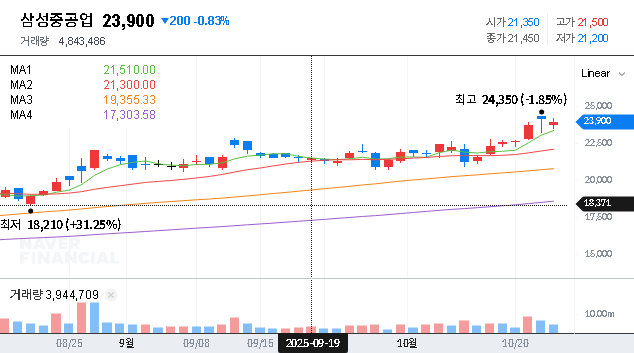
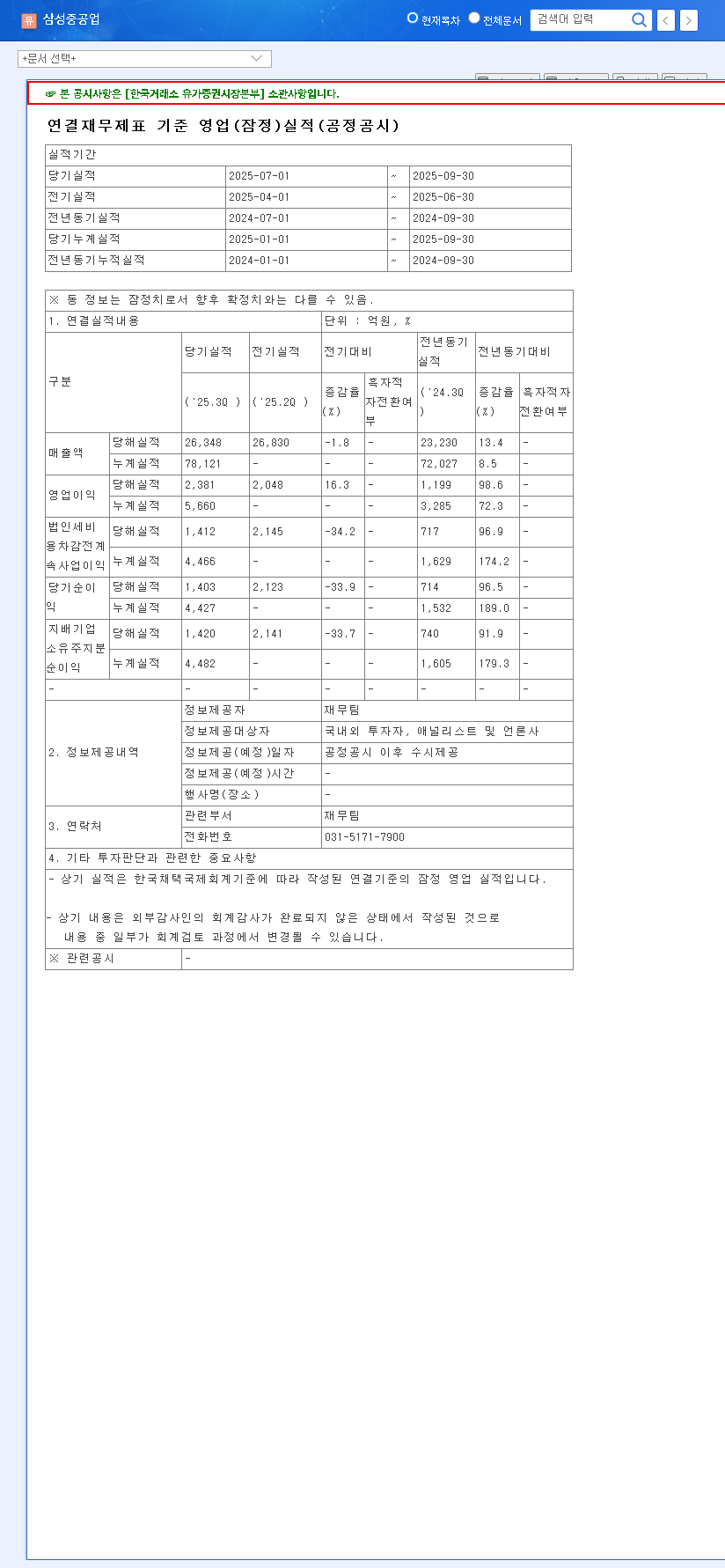
    The latest SAMSUNG HEAVY INDUSTRIES Q3 2025 Earnings report, released on October 23, 2025, has sent a mixed but intriguing signal to the market. While the shipbuilding giant showcased a formidable operating profit that significantly outpaced expectations, a concurrent dip in net income has left investors seeking clarity. This comprehensive analysis will break down the numbers, explore the underlying factors driving this performance, and provide a strategic outlook for both short-term traders and long-term stakeholders.

    Can Samsung Heavy Industries (SHI) harness the momentum from its operational excellence to navigate the complexities revealed in its bottom line? Let’s delve into the data and uncover the full story.

    Q3 2025 Financials: The Tale of Two Profits

    Samsung Heavy Industries announced its provisional consolidated financial results, revealing a fascinating divergence between operational strength and net profitability. The official figures present a clear picture of this trend. For full transparency, investors can review the Official Disclosure (DART Report).

    • Revenue: KRW 2,634.8 billion, a slight miss of 2.4% against the market estimate of KRW 2,699.0 billion.
    • Operating Profit: KRW 238.1 billion, a robust 8.2% beat over the market estimate of KRW 220.1 billion.
    • Net Income: KRW 142.0 billion, falling 17.1% short of the market estimate of KRW 171.3 billion.

    The core story of the SAMSUNG HEAVY INDUSTRIES Q3 2025 Earnings is one of operational mastery. The company’s ability to control costs, improve margins, and enhance production efficiency is evident in its stellar operating profit. This is a powerful indicator of fundamental business health.

    Decoding the Discrepancy: Why Did Net Income Falter?

    The gap between a surging operating profit and a declining net income requires careful examination. Operating profit reflects the core shipbuilding business’s health, while net income accounts for non-operating factors. The shortfall in the latter could stem from several areas:

    Potential Culprits for the Net Income Miss

    • Financial Costs: As a capital-intensive business, SHI’s debt servicing costs can fluctuate with interest rates. A rise in these costs could have eaten into the bottom line.
    • Foreign Exchange Losses: The shipbuilding industry deals heavily in US dollars. Unfavorable movements in the KRW/USD exchange rate can lead to significant non-operating losses on contracts and foreign currency holdings.
    • Tax Expenses & One-Off Charges: An increased corporate tax burden or non-recurring extraordinary losses related to specific projects or write-downs could also be contributing factors.

    While the operating profit has been on a clear upward trend since Q1 2025, reaching its highest level in three quarters, the net income’s volatility highlights the external pressures impacting the company. A detailed statement from SHI during its upcoming investor call will be critical to fully understand these dynamics.

    Investment Outlook: Navigating the Short and Long Term

    Investors are now weighing the positive operational signals against the concerning net income figures. Here’s how the SHI stock analysis is shaping up.

    Short-Term Market Reaction

    In the immediate term, the market’s direction will hinge on which narrative wins out. The positive sentiment from the operating profit beat could drive the stock up, as it signals strong core fundamentals. However, the net income miss could create uncertainty and selling pressure. The key variable will be the company’s communication and its ability to reassure investors that the net income issues are manageable and non-recurring.

    Mid-to-Long-Term Growth Drivers

    For long-term shipbuilding industry investment, the focus shifts to the foundational pillars of growth:

    • Order Backlog: The true health of a shipbuilder is its order book. Consistent wins for high-value vessels are paramount for future revenue and profitability.
    • High-Value Vessels: SHI’s competitiveness in building LNG carriers, methanol-fueled ships, and complex offshore plants is crucial. These vessels command higher margins and are in high demand due to global decarbonization efforts, as outlined by bodies like the International Maritime Organization.
    • Technological Edge: Continued investment in eco-friendly technologies and smart ship solutions will define the industry leaders of tomorrow. Investors should monitor SHI’s R&D progress in these areas. For more details, see our analysis on future trends in the shipbuilding market.

    Conclusion: A Cautiously Optimistic Outlook

    The SAMSUNG HEAVY INDUSTRIES Q3 2025 Earnings report paints a picture of a company with a strong operational core facing external financial headwinds. The impressive Samsung Heavy Industries profit at the operating level demonstrates a successful focus on efficiency and high-margin projects. While the net income figure is a point of concern that requires clarification, the long-term thesis for SHI remains tied to its ability to secure high-value orders and lead in the green shipping transition. Prudent investors will watch for the company’s official explanation and focus on the forward-looking order book as the ultimate indicator of sustained growth.

    (010140) Samsung Heavy Industries Q3 2025 Earnings: Profit Soars Past Estimates, But Net Income Raises Questions | Full Investor Analysis 관련 이미지
  • (042660) Hanwha Ocean Stock: Analyzing the 3 Trillion KRW HMM LNG Containership Order

    (042660) Hanwha Ocean Stock: Analyzing the 3 Trillion KRW HMM LNG Containership Order

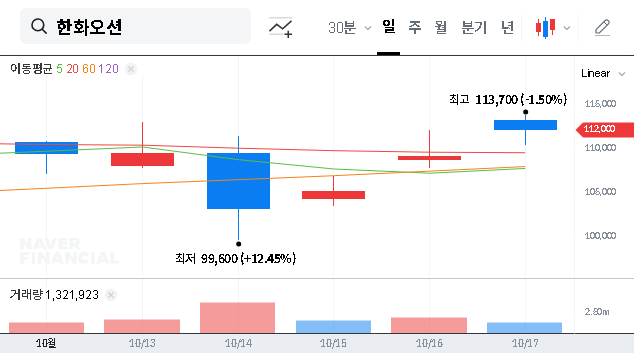
    The global shipbuilding industry is watching closely as a potential landmark deal unfolds. News of HMM pursuing a colossal 3 trillion KRW order for advanced, eco-friendly LNG containerships has put a spotlight on Hanwha Ocean Co., Ltd. (042660), a frontrunner for the contract. This development has significant implications for the Hanwha Ocean stock price and the company’s future in the competitive world of green maritime technology. As speculation mounts, investors are eager to understand the opportunities and risks tied to this transformative order.

    This analysis will break down the situation, examining the background of the deal, the strategic importance of LNG technology, and the potential scenarios that could dramatically influence Hanwha Ocean’s trajectory.

    Decoding the HMM Ship Order and Hanwha’s Position

    The catalyst for this market buzz was a report from the Seoul Economic Daily on October 17, 2025, detailing HMM’s ambitious investment plan to accelerate its ‘decarbonization voyage.’ In response, Hanwha Ocean promptly issued a clarification. According to the Official Disclosure on DART, the company confirmed that contract negotiations are indeed underway but emphasized that nothing has been finalized. Hanwha Ocean has committed to a re-disclosure upon contract confirmation or by November 14, 2025, setting a critical timeline for investors.

    While negotiations are confirmed, the outcome remains uncertain. This period of ambiguity requires a careful, scenario-based approach to evaluating the potential impact on Hanwha Ocean stock.

    Potential Scenarios & Market Impact

    The confirmation or failure of this LNG containership order will create significant ripples. Here’s a breakdown of the potential outcomes for Hanwha Ocean and its stakeholders.

    Positive Scenario: The Contract is Secured

    Winning this contract would be a monumental victory for Hanwha Ocean, solidifying its market leadership and financial stability. Key benefits would include:

    • Revenue & Backlog Surge: A 3 trillion KRW injection would dramatically boost revenue projections and swell the company’s order backlog, ensuring production stability for years to come.
    • Technological Validation: Securing a major eco-friendly shipbuilding contract validates Hanwha’s technological prowess in LNG propulsion, a critical technology as the maritime industry pivots to meet stricter emissions standards set by bodies like the International Maritime Organization (IMO).
    • Enhanced Market Confidence: A successful bid would signal strong operational capability and competitiveness, likely leading to a positive re-rating of Hanwha Ocean stock by analysts and a surge in investor confidence.

    Negative Scenario: The Deal Falls Through

    Conversely, if negotiations fail or the contract is awarded to a competitor, the fallout could be significant due to the high expectations already priced into the market.

    • Stock Price Correction: The dissipation of positive market sentiment could trigger a sell-off, leading to a notable correction in the stock price as speculative gains are erased.
    • Competitive Concerns: Losing such a high-profile domestic order could raise questions about Hanwha Ocean’s competitiveness against rivals like Samsung Heavy Industries and HD Hyundai Heavy Industries, potentially impacting future bids.
    • Weakened Investor Sentiment: A failed bid could create prolonged uncertainty and lead investors to adopt a more cautious, ‘wait-and-see’ approach, dampening momentum.

    Investor Action Plan & Strategic Outlook

    Given the binary nature of this event, a prudent strategy is essential. The outcome of the HMM ship order negotiation is the single most important near-term catalyst for Hanwha Ocean.

    The primary action for any interested party is to closely monitor the re-disclosure scheduled for November 14, 2025. The details within—confirmation, final contract value, and delivery timelines—will be paramount. Following the announcement, investors should assess the market’s reaction and look for in-depth analysis from brokerage firms, which are currently limited.

    Beyond this single deal, it’s wise to conduct additional research into the company’s fundamentals. For more context, you can explore our Deep Dive into Global Shipbuilding Market Trends. Understanding Hanwha Ocean’s broader strategy, debt levels, and overall market position will provide a more complete picture for making informed, long-term investment decisions.

    (042660) Hanwha Ocean Stock: Analyzing the 3 Trillion KRW HMM LNG Containership Order 관련 이미지
  • (011200) HMM’s $3B Investment: A Deep Dive into the KRW 4 Trillion Strategy for Fleet Competitiveness

    (011200) HMM’s $3B Investment: A Deep Dive into the KRW 4 Trillion Strategy for Fleet Competitiveness

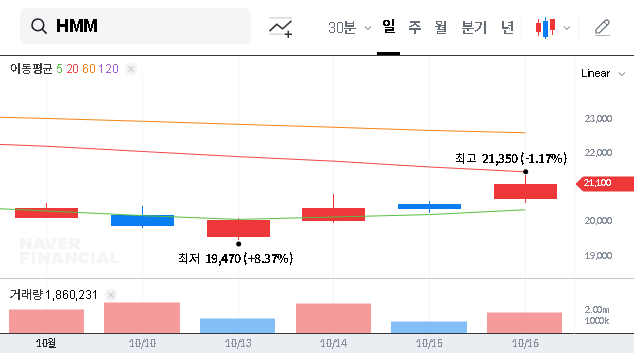
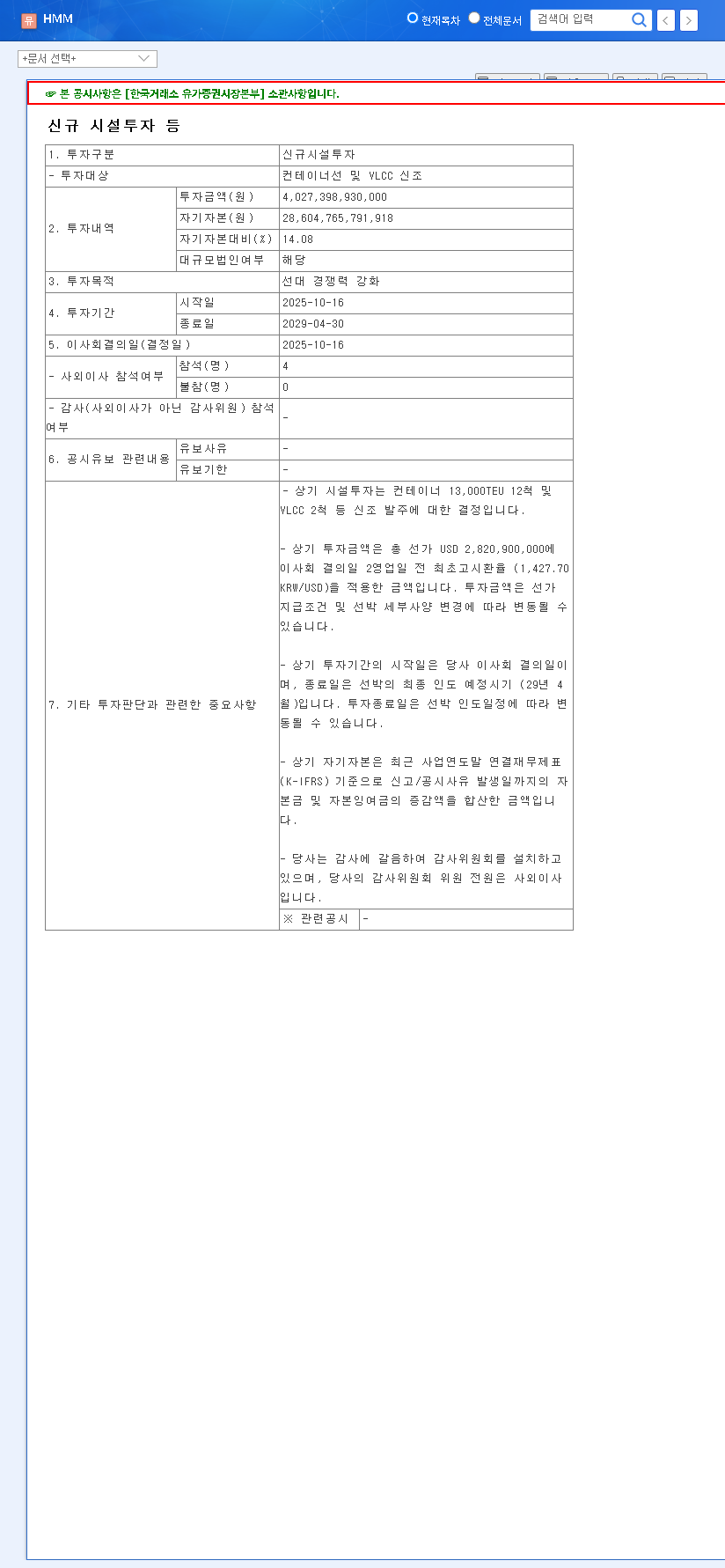
    In a bold declaration of intent amidst the volatile currents of the global shipping market, South Korean shipping giant HMM CO.,LTD has announced a landmark HMM investment of KRW 4.027 trillion (approximately $3 billion USD). This strategic capital injection is aimed squarely at revolutionizing its fleet and cementing its position as a global maritime leader. The official announcement can be reviewed in the company’s public disclosure (Source: DART).

    This comprehensive analysis will dissect the multifaceted implications of this decision, exploring the blueprint for replacing aging vessels with advanced eco-friendly ships, the potential financial pressures, and the overarching vision for the future. For stakeholders and investors, understanding both the immense opportunities and the inherent risks is paramount.

    Deconstructing the KRW 4 Trillion HMM Investment

    Scheduled to unfold over a 3.5-year period from October 2025 to April 2029, this investment represents 14.08% of HMM’s total capital. The core objective is to procure new, state-of-the-art container ships and Very Large Crude Carriers (VLCCs). This is not merely a fleet expansion; it’s a strategic overhaul designed to significantly boost HMM fleet competitiveness and build a foundation for long-term, sustainable growth in a rapidly evolving global shipping market.

    This monumental investment is a clear signal of HMM’s ambition to lead, not just participate, in the next era of global shipping—an era defined by efficiency, sustainability, and scale.

    The Upside: Strategic Advantages and Opportunities

    Driving Fleet Competitiveness and Efficiency

    The primary benefit lies in the modernization of the fleet. Replacing older vessels with new-builds offers a cascade of advantages. These next-generation ships are engineered for superior fuel efficiency, drastically cutting operational costs—a critical factor with fluctuating bunker fuel prices. Furthermore, their design incorporates the latest environmental technologies, ensuring compliance with stringent international regulations like those from the International Maritime Organization (IMO). This proactive stance on sustainability not only reduces carbon footprint but also future-proofs the fleet against upcoming regulatory changes.

    Expanding Market Share and Boosting Profitability

    With a larger, more efficient fleet, HMM is positioned to expand its global market share. The new container ships will likely feature higher TEU (twenty-foot equivalent unit) capacities, allowing for greater economies of scale on major trade lanes. The VLCC investment diversifies HMM’s revenue streams, providing a strategic hedge against the cyclical nature of the container shipping market by tapping into the global crude oil transportation sector.

    The Downside: Navigating Risks and Financial Headwinds

    An investment of this magnitude is not without significant risks that require careful management and investor consideration.

    • Increased Financial Burden: The most immediate concern is the strain on HMM’s balance sheet. This large-scale capital expenditure will likely increase the company’s debt-to-equity ratio and interest expenses in the short to medium term. The cost of borrowing could also rise depending on global interest rate trends.
    • Market Volatility and ROI Uncertainty: The profitability of these new assets is heavily dependent on the health of the global shipping market. An economic downturn, geopolitical instability, or a slump in freight rates could delay the return on investment.
    • Execution and Operational Risks: The shipbuilding process itself carries risks, including potential construction delays, cost overruns, or issues with new technologies. Integrating these massive vessels into existing service loops requires flawless logistical planning.

    Investor Outlook and Strategic Recommendations

    This HMM investment is a calculated, long-term play. While short-term stock price volatility is possible due to financial concerns, the strategic rationale is sound. For investors, a nuanced approach is critical. The focus should be on HMM’s potential to emerge as a more dominant, efficient, and sustainable player in the years to come. For more insights on market trends, you can explore our 2024 Shipping Industry Outlook.

    Key areas to monitor include HMM’s quarterly financial reports for debt management, global freight indices (like the SCFI), shipbuilding progress reports, and shifts in international environmental policy. A disciplined, long-term perspective, coupled with a keen awareness of market dynamics, will be essential for navigating this transformative period for HMM.

    (011200) HMM's $3B Investment: A Deep Dive into the KRW 4 Trillion Strategy for Fleet Competitiveness 관련 이미지
  • (071970) HD Hyundai Marine Engine Stock: Why NPS’s 8.26% Stake Is a Major Bull Signal

    (071970) HD Hyundai Marine Engine Stock: Why NPS’s 8.26% Stake Is a Major Bull Signal

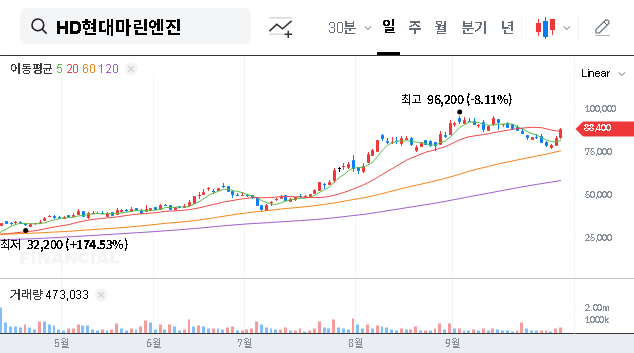
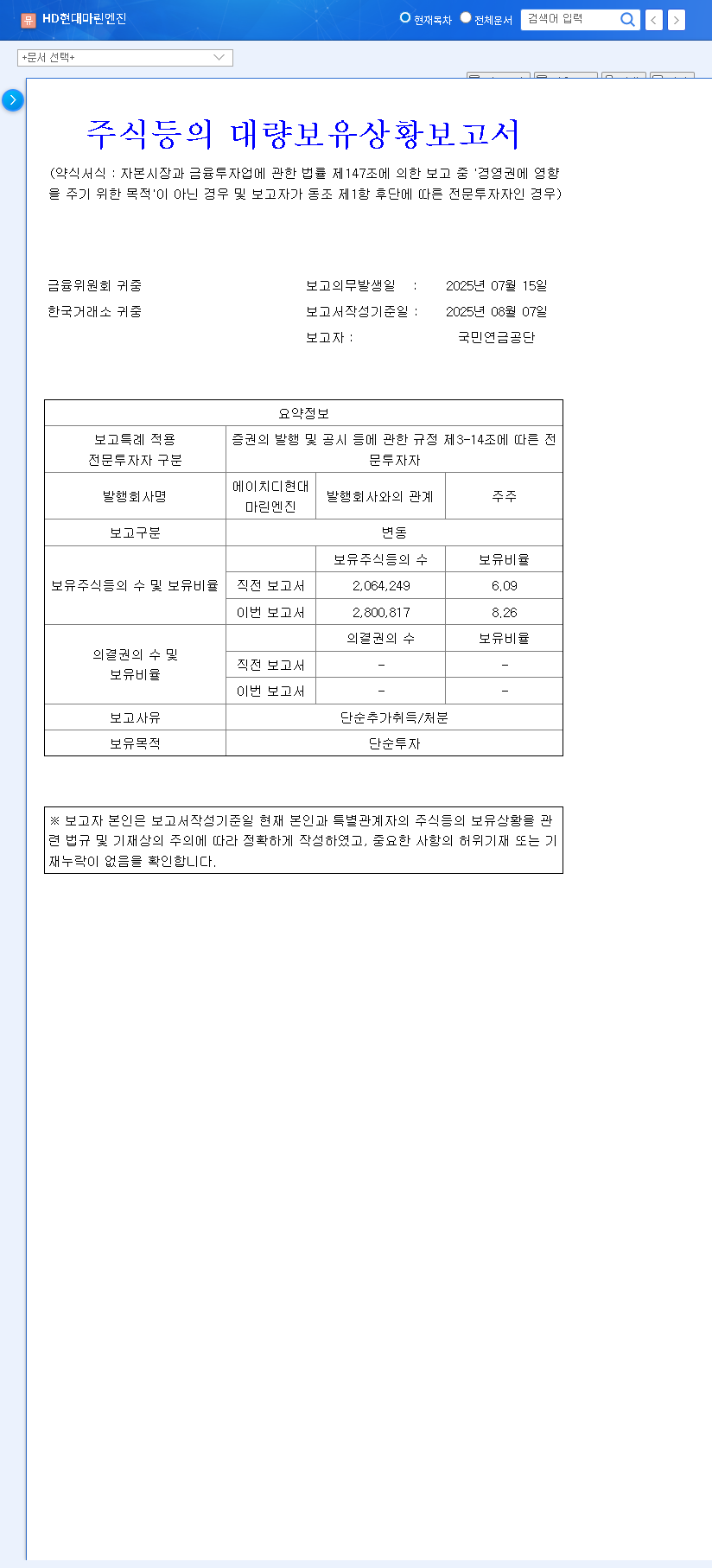
    In a significant market development, HD Hyundai Marine Engine has captured the spotlight as Korea’s largest institutional investor, the National Pension Service (NPS), substantially increased its ownership stake. This move, escalating from 6.09% to 8.26%, is more than a simple transaction; it’s a powerful vote of confidence in the company’s trajectory and a critical signal for current and potential investors. But what does this major NPS investment truly signify for the future of HD Hyundai Marine Engine’s stock and its underlying corporate value?

    This comprehensive analysis unpacks the implications of this event, delving into the company’s robust fundamentals, the favorable macroeconomic environment, and the potential risks on the horizon. We will provide an expert perspective on how investors can strategically navigate these changes and what to watch for in the coming quarters.

    The Event: NPS Deepens Its Commitment to HD Hyundai Marine Engine

    The National Pension Service of Korea officially disclosed its increased shareholding in HD Hyundai Marine Engine Co., Ltd., bringing its total stake to 8.26%. This information was confirmed via an Official Disclosure on the DART system. While the stated purpose is ‘simple investment,’ the market interprets this as a profound endorsement. When a sophisticated, long-term investor like the NPS significantly raises its position, it signals a strong belief in the company’s sustainable growth and long-term value proposition.

    This isn’t just a portfolio adjustment; it’s a strategic affirmation. The NPS’s move enhances credibility and can act as a powerful catalyst for re-evaluating the HD Hyundai Marine Engine stock, potentially igniting positive momentum.

    Analyzing the Bull Case: Solid Fundamentals & Market Tailwinds

    The NPS’s confidence is not unfounded. It’s built on a foundation of solid financial performance, strategic market positioning, and a favorable industry outlook. Let’s explore the core strengths driving this optimism.

    Exceptional Business Performance & Financial Health

    Based on the H1 2025 report, HD Hyundai Marine Engine is firing on all cylinders. The company’s financials paint a picture of impressive growth and stability:

    • Revenue Growth: A remarkable 24.44% year-on-year increase in revenue, primarily driven by a 24% surge in its core marine engine business, which accounts for over 80% of total sales.
    • Profitability Surge: Operating profit skyrocketed by an astonishing 81.84%, demonstrating significant gains in operational efficiency and margin improvement.
    • Fortress Balance Sheet: The company proudly maintains a ‘debt-free management’ status, evidenced by a negative net debt-to-equity ratio. With over KRW 130 billion in cash reserves, its financial soundness is impeccable, providing resilience and flexibility.

    Strategic Alignment with Global Decarbonization Trends

    A key driver of growth is the global shipping industry’s shift towards sustainability. Stricter regulations from the International Maritime Organization (IMO) are compelling fleet owners to invest in eco-friendly, dual-fuel engines that can run on cleaner alternatives like LNG, methanol, and ammonia. HD Hyundai Marine Engine is a leader in this high-demand sector, perfectly positioned to capitalize on the multi-decade fleet renewal cycle. This trend is not a fleeting one; it’s a structural shift that provides a long-term revenue pipeline for the company. To learn more, read our analysis of the eco-friendly shipbuilding market.

    Navigating Potential Risks & Challenges

    Despite the overwhelmingly positive outlook, prudent investors must remain aware of potential headwinds. Acknowledging these risks is key to making a well-rounded investment decision regarding HD Hyundai Marine Engine.

    • Foreign Exchange Volatility: With a significant portion of its assets denominated in USD, the company’s pre-tax profit is exposed to currency fluctuations. Robust hedging strategies are crucial to mitigate this financial risk.
    • Operational Efficiency: The low utilization rates in the turbocharger 2ST (48.00%) and 4ST (10.67%) divisions represent an area for improvement. Boosting efficiency in this segment could unlock further profitability.
    • Competitive Landscape: The marine engine market is intensely competitive and subject to rapid technological shifts. Sustained investment in R&D is non-negotiable to maintain a leading edge.

    Investor Action Plan & Final Takeaway

    The combination of strong institutional investor confidence, stellar financial health, and powerful market tailwinds makes a compelling case for a mid-to-long-term investment in HD Hyundai Marine Engine. The NPS’s increased stake serves as a powerful validation of the company’s strategy and future prospects.

    Investors should consider the robust fundamentals as a strong foundation but must continue to monitor the identified risks. Watching for improvements in turbocharger utilization and tracking the company’s FX management strategies will be key to ensuring the investment thesis remains intact. As the world’s shipping fleet continues its green transition, HD Hyundai Marine Engine is well-captained to navigate the seas of opportunity ahead.

    (071970) HD Hyundai Marine Engine Stock: Why NPS's 8.26% Stake Is a Major Bull Signal 관련 이미지
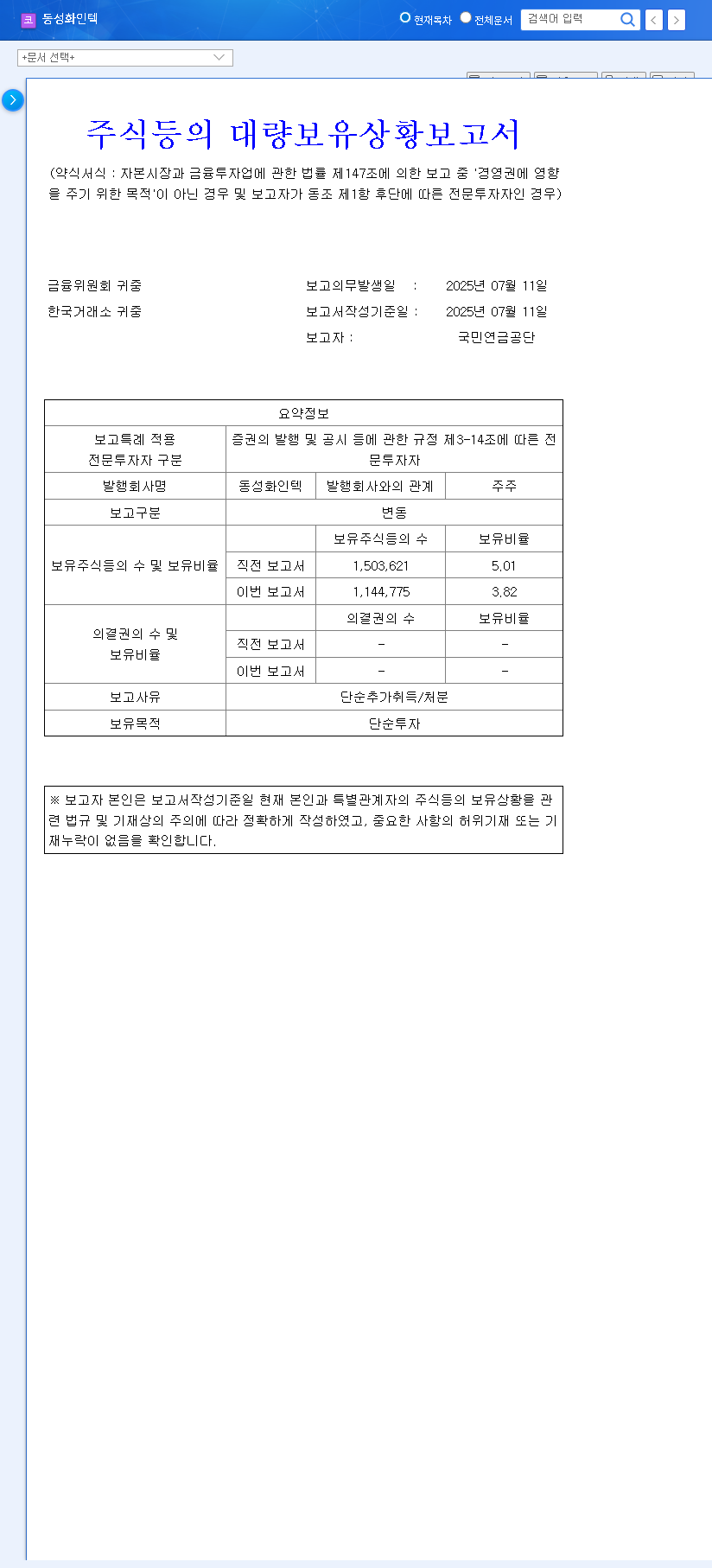
  • (033500) Dongsung Finetec Stock Analysis: Beyond the NPS Sale | Q2 2025 Deep Dive

    (033500) Dongsung Finetec Stock Analysis: Beyond the NPS Sale | Q2 2025 Deep Dive

    Recent news surrounding Dongsung Finetec (041750) has stirred the investment community, specifically the disclosure of the National Pension Service (NPS) reducing its stake. This move has understandably raised questions: Is this a signal of underlying weakness, or a routine portfolio adjustment? This comprehensive Dongsung Finetec investment analysis aims to look past the headlines, providing a detailed examination of the company’s Q2 2025 performance, its fundamental strengths, and the long-term outlook for its stock.

    We will dissect the company’s core business in the booming LNG sector, evaluate its future growth engines, and weigh the associated risks to offer investors a clear, actionable perspective on Dongsung Finetec’s intrinsic value.

    Deconstructing the NPS Share Sale: A Closer Look

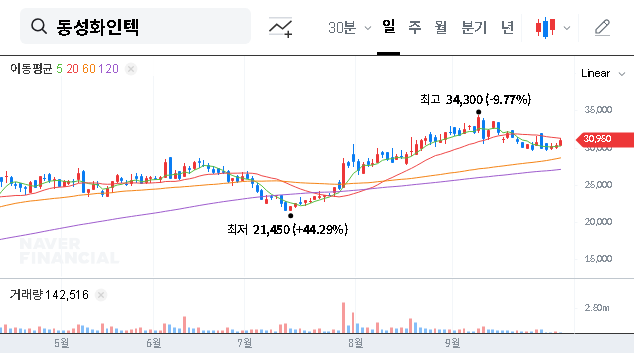
    On October 1, 2024, the National Pension Service filed a disclosure indicating it had sold a 1.19% stake in Dongsung Finetec, reducing its total ownership to 3.82%. According to the official filing, the purpose of the holding was cited as ‘simple investment,’ with the change attributed to ‘simple additional acquisition/disposal.’ You can view the Official Disclosure (Source: DART) for precise details.

    While a sale by a major institutional investor like the NPS can create short-term selling pressure and market apprehension, the context is crucial. The ‘simple investment’ classification suggests the NPS is not involved in management and the sale is likely part of a broader portfolio rebalancing strategy rather than a bearish verdict on Dongsung Finetec’s future. Institutional funds regularly adjust holdings to manage risk, lock in profits, or reallocate capital. Therefore, basing an investment thesis solely on this event would be misguided.

    Q2 2025 Performance: A Story of Robust Growth

    Dongsung Finetec’s Q2 2025 financial results paint a picture of a company with strong operational momentum. Both revenue and operating profit saw significant year-over-year increases, underscoring the health of its core operations.

    The Engine Room: PU Insulation Dominance

    The primary driver of this success, accounting for an impressive 96% of total revenue, is the Polyurethane (PU) insulation materials business. This division is critically positioned to benefit from several powerful global trends:

    • Global LNG Boom: As nations seek cleaner energy alternatives, the demand for Liquefied Natural Gas (LNG) is surging. According to the International Energy Agency (IEA), LNG trade is expected to grow substantially, necessitating a larger fleet of specialized LNG carriers.
    • Eco-Friendly Shipping: Strict international maritime regulations (like IMO 2020 and beyond) are pushing the shipping industry towards cleaner fuels, with LNG being a leading choice. Dongsung Finetec’s ultra-low temperature insulation is essential for safely transporting and using LNG on these vessels.

    Future Growth: The Refrigerant Recycle Business

    Looking ahead, Dongsung Finetec is cultivating a new growth driver in its refrigerant recycling business. With global environmental pacts like the Montreal and Paris Agreements tightening regulations on fluorinated gases, the demand for recycled and eco-friendly refrigerants is set to expand. This positions the company to capitalize on the growing circular economy and ESG (Environmental, Social, and Governance) trends, attracting a wider base of conscious investors.

    The core takeaway is that Dongsung Finetec’s stock performance will ultimately be driven by its fundamental earnings power and market leadership, not by the short-term portfolio decisions of a single institutional investor.

    Financial Health and Risk Assessment

    A company’s growth story is only compelling if it’s built on a solid financial foundation. As of Q2 2025, Dongsung Finetec has demonstrated significant improvements in this area. Its debt-to-equity ratio has fallen to a healthy 70.7%, indicating reduced financial risk and greater resilience. Furthermore, a substantial improvement in operating cash flow shows that its growth is not just on paper but is generating real cash, which can be used for reinvestment or returning value to shareholders. However, a prudent Dongsung Finetec investment analysis must also consider the risks:

    • Customer Concentration: A high dependence on its top four customers (accounting for 85.7% of revenue) is a notable risk. Any downturn affecting major shipbuilders could directly impact Dongsung Finetec’s order book.
    • Input Cost Volatility: The prices of key raw materials for PU foam, such as Polyol and MDI, can fluctuate with global oil prices, potentially squeezing profit margins.
    • Exchange Rate Fluctuations: As a global player, currency volatility can impact both revenue and the cost of imported raw materials.

    Investment Outlook and Final Recommendation

    While the NPS Dongsung Finetec share sale created temporary market noise, the company’s fundamentals remain strong and its growth trajectory is intact. The dominant position in a structurally growing market (LNG carriers), combined with a promising new business and improving financial stability, presents a compelling long-term investment case.

    Investors should focus on the company’s intrinsic value and its alignment with long-term global energy trends. For those interested in this sector, comparing this analysis with our guide to investing in industrial materials stocks could provide additional context. Our long-term outlook for Dongsung Finetec stock remains positive. We recommend investors look past the short-term volatility and consider accumulating positions, while remaining mindful of the identified risks, particularly customer concentration and commodity price cycles.

    (033500) Dongsung Finetec Stock Analysis: Beyond the NPS Sale | Q2 2025 Deep Dive 관련 이미지
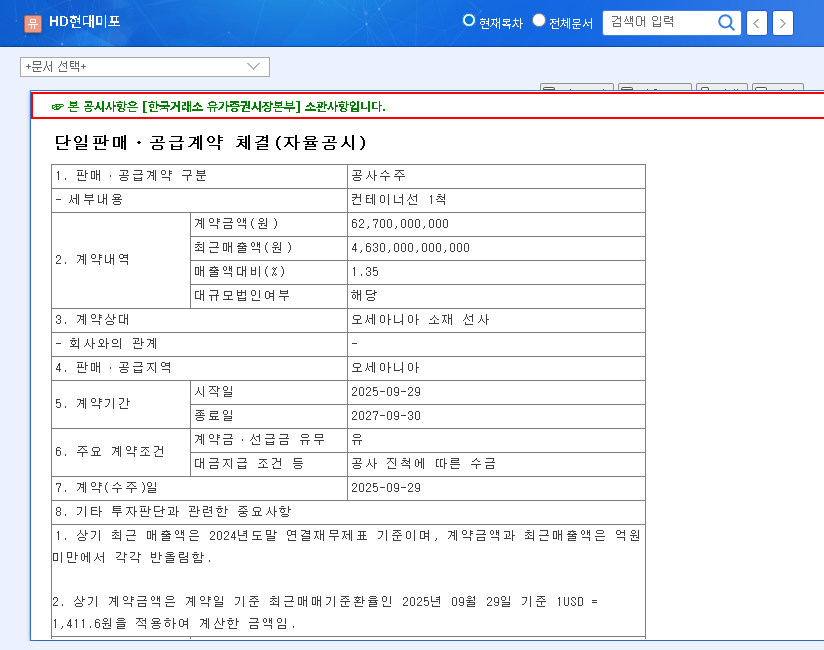
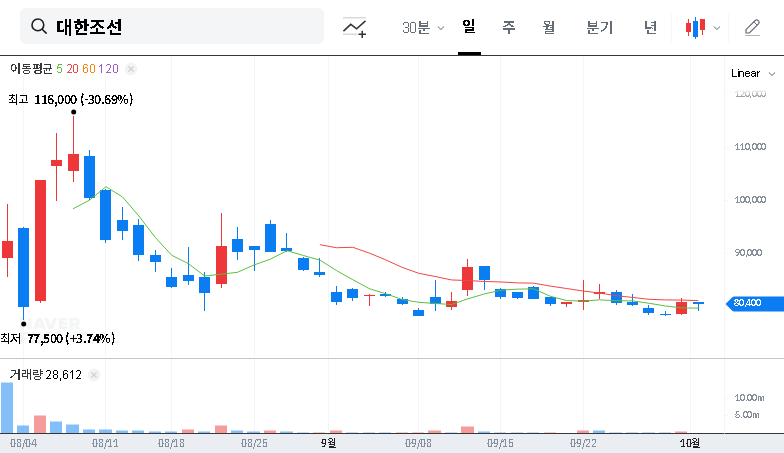
  • (439260) Daehan Shipbuilding Stock: Analysis of KRW 119.2B Tanker Order & Future Outlook

    (439260) Daehan Shipbuilding Stock: Analysis of KRW 119.2B Tanker Order & Future Outlook

    The outlook for Daehan Shipbuilding stock has received a significant boost following a major contract announcement that has captured investor attention. The company recently disclosed a substantial order for a crude oil tanker, a move that signals robust operational health and promising future revenue streams. This development is more than just a line item on an order book; it’s a critical indicator of the company’s competitive position and its potential for sustained growth in a dynamic global market.

    This comprehensive analysis will dissect the specifics of this new contract, evaluate its direct impact on Daehan Shipbuilding’s financials, and explore the broader industry trends that create both opportunities and challenges. For anyone considering an investment in Daehan Shipbuilding, understanding these interconnected factors is essential for making an informed decision.

    The Landmark KRW 119.2 Billion Crude Oil Tanker Order

    On October 1, 2025, Daehan Shipbuilding officially announced a landmark single sales and supply contract with a prominent Oceania-based shipowner. The official filing provides transparent details of this pivotal agreement (Source: Official DART Report).

    This contract for a 157,000 DWT crude oil tanker not only represents 11.09% of the company’s 2025 first-half revenue but also secures a stable production pipeline until late 2027, significantly enhancing revenue visibility.

    Key Contract Details

    • Contract Value: KRW 119.2 billion.
    • Vessel Type: One 157,000 DWT (Suezmax) crude oil tanker, a core product for the company.
    • Contract Partner: An established shipowner based in the Oceania region.
    • Project Timeline: September 30, 2025, to October 31, 2027.

    Why This Order Matters for Daehan Shipbuilding Stock

    This order arrives at a time when Daehan Shipbuilding is demonstrating remarkable fundamental strength, further amplified by a favorable shipbuilding industry outlook. The synergy between internal health and external market conditions presents a compelling case for investors.

    Strengthened Fundamentals: A Growth Story

    The first half of 2025 was transformative for Daehan Shipbuilding. The company posted a staggering 129% year-over-year increase in operating profit, achieving an impressive 21.9% margin. This isn’t just a cyclical upswing; it’s the result of strategic financial management, including a successful KOSPI market listing in August 2025 that bolstered its capital base. With a manageable debt-to-equity ratio of 117.5%, the company is well-positioned to fund future growth and innovation, such as developing eco-friendly vessels powered by LNG, ammonia, and methanol.

    Favorable Market & Macroeconomic Tailwinds

    The global push for decarbonization is a powerful catalyst. Stricter IMO environmental regulations are accelerating the replacement cycle for older, less efficient vessels, creating sustained demand for modern ships. According to leading maritime analysts, this trend is expected to continue for the next decade. Furthermore, as an export-driven company, Daehan Shipbuilding benefits from a strong USD/KRW exchange rate, which enhances the value of its international contracts when converted to local currency. Lowering benchmark interest rates in the U.S. also helps reduce financing costs for new projects.

    Investment Analysis: Potential vs. Risks

    This crude oil tanker order is a clear positive catalyst. It ensures predictable revenue, improves cash flow, and solidifies the company’s reputation as a leader in the mid-size tanker market. However, a comprehensive investment analysis requires a balanced view of the potential risks.

    Positive Investment Factors

    • Visible Earnings Growth: The new order provides a clear roadmap for revenue and profitability into 2027.
    • Solid Financial Footing: Strong H1 2025 performance and a healthy balance sheet provide a stable foundation.
    • Market Leadership: The order reinforces the company’s expertise in its core Suezmax and Aframax tanker segments.
    • Favorable Macro Environment: Strong exchange rates and demand for eco-friendly ships act as powerful tailwinds. For more context, see our complete guide to investing in the shipbuilding sector.

    Key Risks to Monitor

    • Global Economic Volatility: A significant economic slowdown could dampen shipping demand and new order flows.
    • Cost Fluctuations: The price of steel and other raw materials, along with currency shifts, can impact profitability on long-term contracts.
    • Intense Competition: The shipbuilding industry is highly competitive, with pressure from other major players in Korea and abroad.

    Conclusion: The KRW 119.2 billion order is a powerful validation of Daehan Shipbuilding’s strategy and capabilities. It provides a solid underpinning for the company’s stock value by enhancing earnings visibility and confirming its market leadership. While investors must remain vigilant of macroeconomic risks, the combination of strong fundamentals and favorable industry trends positions Daehan Shipbuilding stock as a compelling name to watch in the industrial sector.

    (439260) Daehan Shipbuilding Stock: Analysis of KRW 119.2B Tanker Order & Future Outlook 관련 이미지