Tag: Earnings Analysis

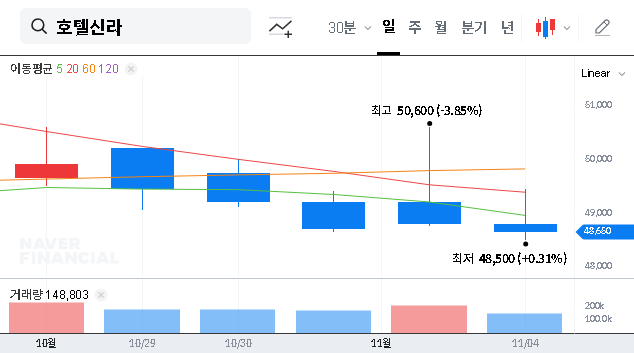
  • (008770) Hotel Shilla Earnings Analysis (2025 Q3): Stock Outlook & Deep Dive

    (008770) Hotel Shilla Earnings Analysis (2025 Q3): Stock Outlook & Deep Dive

    Hotel Shilla 2025 Q3 Earnings: A Comprehensive Breakdown

    The latest Hotel Shilla earnings report for Q3 2025 has sent ripples through the investment community, revealing a performance that fell significantly short of market consensus. This detailed Hotel Shilla analysis unpacks the preliminary results, examining the persistent headwinds in the crucial Travel Retail (TR) division against the encouraging resilience of the Hotel & Leisure segment. For investors holding or watching Hotel Shilla stock, understanding these dynamics is paramount.

    With operating profit missing estimates by 37%, the report highlights a challenging quarter. This analysis dissects what happened, why, and the critical factors that will shape the company’s future trajectory and stock valuation.

    The Numbers: 2025 Q3 Performance vs. Expectations

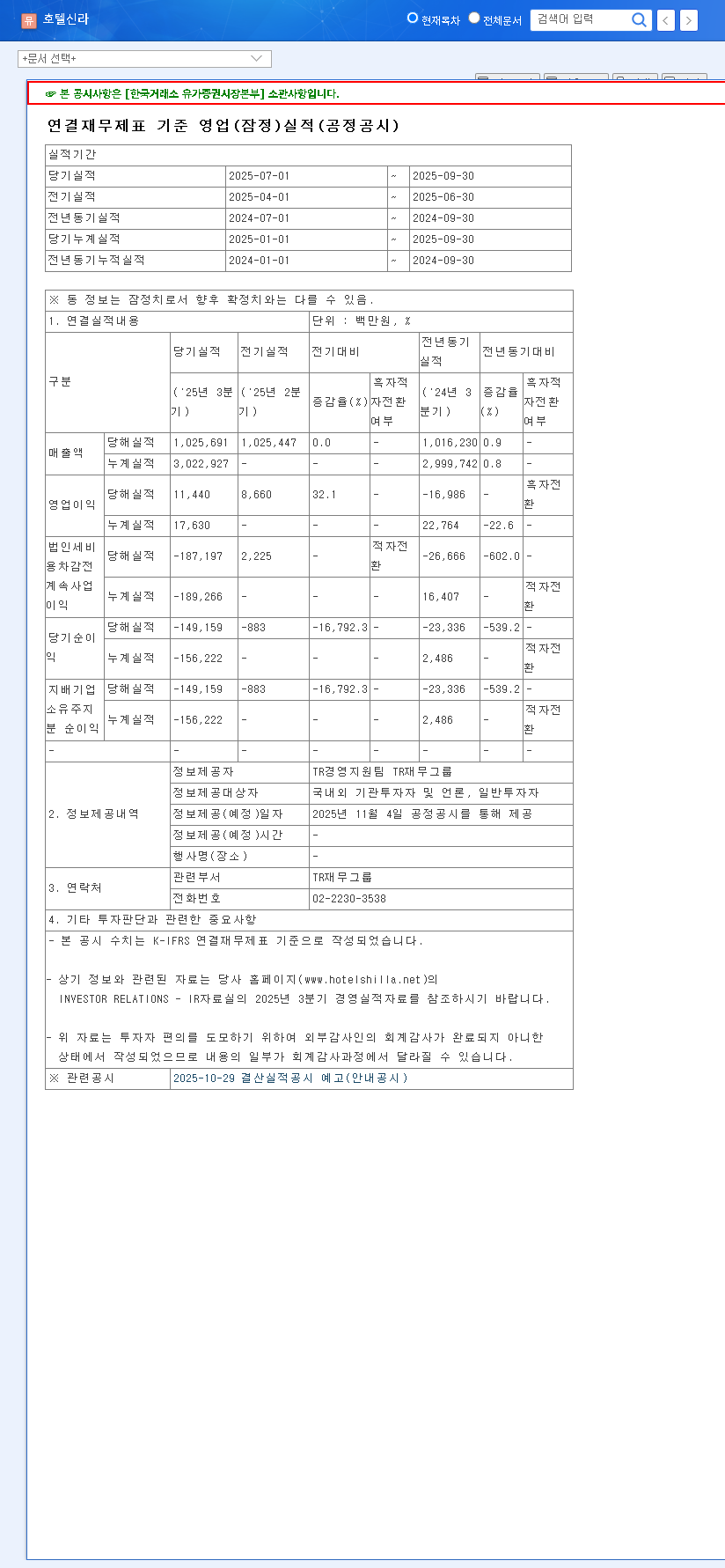
    HOTEL SHILLA CO.,LTD’s preliminary financial results for the third quarter of 2025 were a clear disappointment for the market. The significant miss on key profitability metrics signals underlying pressures that require close scrutiny.

    • Revenue: 1,025.7 billion KRW (5% below market expectation of 1,076.0 billion KRW)
    • Operating Profit: 11.4 billion KRW (a staggering 37% below market expectation of 18.0 billion KRW)
    • Net Income: -149.2 billion KRW (a significant loss, 111% below the expected loss of -70.8 billion KRW)

    The severity of the miss, particularly in operating and net income, is expected to weigh heavily on investor sentiment in the short term. For a granular look at the financials, investors can review the company’s Official Disclosure on DART.

    Divisional Deep Dive: A Tale of Two Segments

    The Struggling Travel Retail (TR) Division

    The duty-free business, historically the engine of Hotel Shilla’s growth, remains its biggest challenge. The operating losses in the Travel Retail division are not a new phenomenon but a continuation of structural issues exacerbated by the current economic climate. The core problems include:

    • Slow Chinese Tourist Recovery: The anticipated wave of returning Chinese group tourists has been more of a trickle, with individual travelers showing more cautious spending habits. The large-scale reseller (‘daigou’) market has also shifted, reducing high-volume sales.
    • Intense Competition: The Korean duty-free landscape is fiercely competitive. This environment, combined with high fixed costs like airport rents, squeezes margins and makes profitability a constant battle.
    • Adverse Exchange Rates: An appreciating KRW against the USD negatively impacts the cost of goods sold for imported products and diminishes the price advantage for foreign shoppers.

    The Resilient Hotel & Leisure Division

    In stark contrast, the Hotel & Leisure segment has been a pillar of strength. Capitalizing on the post-pandemic travel boom, this division has posted consistent growth. Strong occupancy rates and higher average daily rates (ADR) at its flagship properties, The Shilla Seoul and Shilla Jeju, have been major contributors. The strong KRW has also incentivized domestic travel, channeling more demand towards high-end local resorts and boosting this division’s performance, partially offsetting the gloom from the TR side.

    Macroeconomic Headwinds Impacting the Hotel Shilla Analysis

    The broader economic environment, as detailed by sources like global economic reports, is a double-edged sword for Hotel Shilla. High interest rates are increasing the company’s debt servicing costs, directly impacting the bottom line and contributing to the large net loss. Meanwhile, volatile exchange rates and fluctuating commodity prices create uncertainty in both operational costs and consumer demand patterns.

    Investment Outlook: What’s Next for Hotel Shilla Stock?

    Given the disappointing Hotel Shilla earnings, investors must adopt a cautious and analytical approach. The short-term outlook for the Hotel Shilla stock is likely to be bearish. However, a medium-to-long-term view requires monitoring several key factors:

    • TR Profitability Strategy: Can management successfully renegotiate airport leases, optimize merchandising, and attract a more diverse customer base beyond Chinese tour groups?
    • Source of Net Loss: A thorough investigation is needed to see if the net loss is due to one-off impairments or reflects a sustained deterioration in financial health.
    • Pace of Chinese Tourism Recovery: This remains the single most significant variable for the TR division’s revival. Any positive policy changes or travel trends from China could be a powerful catalyst.

    While the current results are concerning, the strength of the Hotel & Leisure brand and the potential for an eventual TR recovery could present long-term value. Investors should stay informed by reading the full quarterly report and learning more about the intricacies of the Korean duty-free market dynamics before making any decisions.
    (008770) Hotel Shilla Earnings Analysis (2025 Q3): Stock Outlook & Deep Dive 관련 이미지
  • (109610) SY CO., LTD. Stock Forecast (109610): A Deep Dive Analysis & 2025 Investment Strategy

    (109610) SY CO., LTD. Stock Forecast (109610): A Deep Dive Analysis & 2025 Investment Strategy

    Investors are closely watching SY CO., LTD. stock (109610) following a recently disclosed Major Shareholding Status Report. While changes in ownership can signal shifts in management stability, a truly informed investment decision requires a much deeper look. It’s critical to move beyond the headlines and conduct a thorough fundamental analysis of the company’s intrinsic value, financial health, and the broader macroeconomic landscape.

    This comprehensive report breaks down the key details of the shareholding changes and provides a meticulous SY CO., LTD. fundamental analysis based on its 2025 half-year report. We will explore its profitability, growth drivers, and critical risk factors to offer a clear, actionable investment strategy for the future of the 109610 stock.

    The Shareholding Report: What Really Changed?

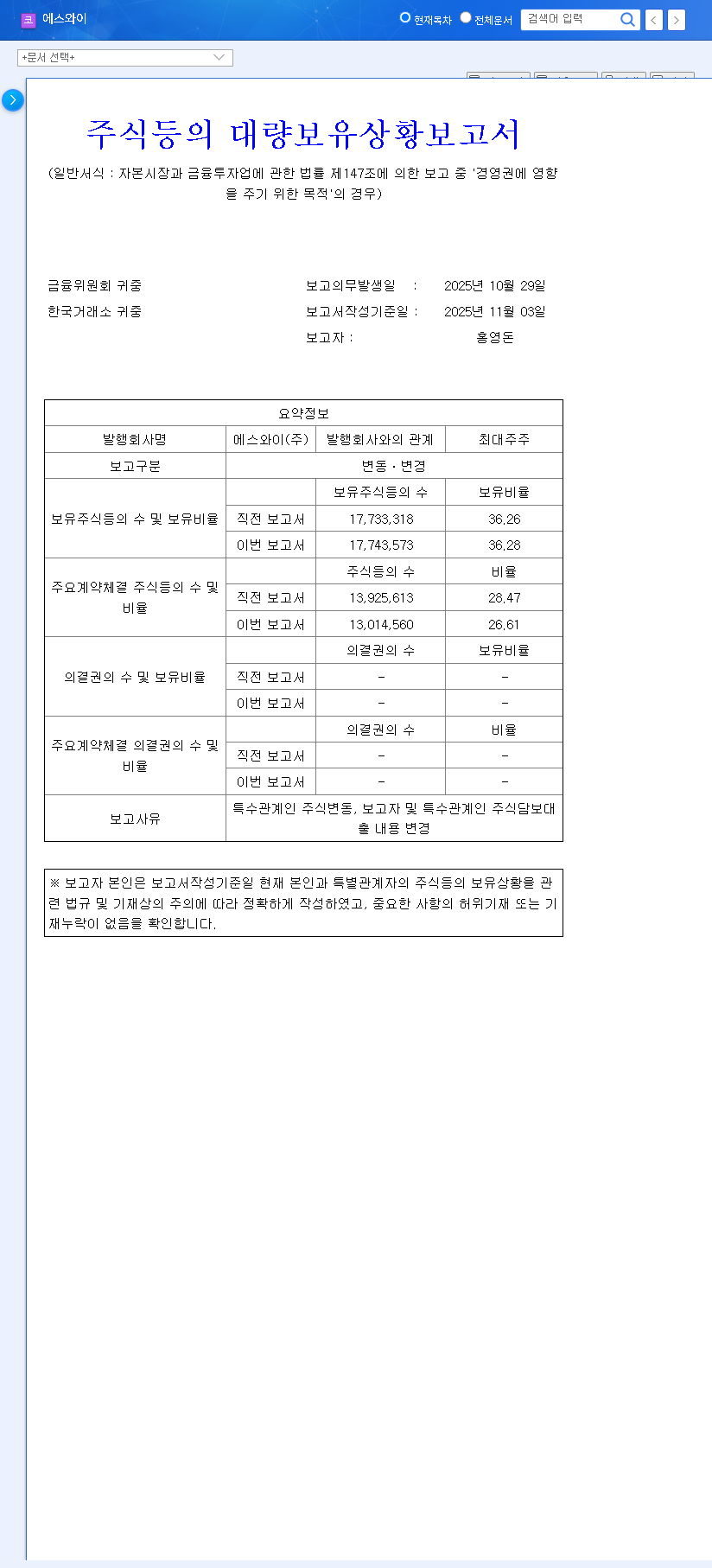
    On November 5, 2024, SY CO., LTD. filed its Major Shareholding Status Report, an event that warrants careful consideration. The full details can be viewed in the Official Disclosure (DART). Here are the key takeaways:

    • Minor Stake Increase: The total shareholding of CEO Hong Young-don and related parties increased fractionally from 36.26% to 36.28%.
    • Purpose: The stated purpose for the holding is to influence management control, signaling a move to consolidate leadership and stabilize operations.
    • Transaction Details: The change resulted from SB Holdings Co., Ltd. purchasing 307,689 shares, while related party Kim Ok-ju sold 327,291 shares.

    This subtle increase can be interpreted as a strategic move by the core leadership to reaffirm their commitment and tighten their grip on the company’s direction. While not a dramatic shift, it suggests a focus on long-term stability from the top.

    SY CO., LTD. Fundamental Analysis: Beyond the Numbers

    To understand the true value of SY CO., LTD. stock, we must look at its operational performance and financial health as detailed in the 2025 half-year report.

    Profitability and Revenue Challenges

    The company’s top-line performance shows signs of strain. Consolidated revenue for the first half of 2025 was KRW 252,238 million, a 12.6% decrease year-over-year. This slump is primarily attributed to a slowdown in the domestic construction market, affecting key products like sandwich panels and deck plates, compounded by a steep 46.3% decline in exports.

    Interestingly, the company reported a net profit of KRW 16,231 million, a positive turnaround. However, this figure is heavily skewed by a one-time gain of KRW 15,740 million from the sale of investment shares in SY Steeltech. The core operating profit margin fell sharply from 12.11% to 5.22%, indicating that the underlying business profitability has weakened. This is a critical distinction for any stock analysis of 109610.

    Financial Health and Risk Factors

    The balance sheet reveals several areas that require monitoring:

    • High Debt Load: The debt-to-equity ratio remains elevated at 107.56%. While manageable, this level of debt can increase financial risk during periods of rising interest rates. For context, you can learn more about what constitutes a healthy debt-to-equity ratio on Investopedia.
    • Rising Inventory: Inventory assets have increased to KRW 68,551 million, suggesting a potential burden from sluggish sales that could lead to future write-downs.
    • External Volatility: The company is vulnerable to raw material price swings and currency fluctuations. A 5% change in the USD exchange rate could impact after-tax profit by approximately KRW 1.8 billion.
    • Litigation Risk: Seven ongoing lawsuits represent a potential, unquantified financial liability.

    Growth Drivers and Future Outlook

    Despite the challenges, SY CO., LTD. is actively pursuing several avenues for growth. Success in these areas is key to the long-term SY CO., LTD. stock forecast. Initiatives include overseas expansion in Vietnam and Nepal, R&D in eco-friendly and solar panels, and business diversification into new subsidiaries like SY Green Energy and SY Cosmetics. The performance of these new ventures will be crucial in offsetting the slowdown in its core construction materials business.

    Investor Action Plan & Final Recommendation

    Considering all factors, a cautious and patient approach is warranted. The management’s move to stabilize control is a modest positive, but it does not outweigh the fundamental headwinds the company is facing.

    Key Watch Points for Investors:

    • Core Profitability: Look for a recovery in revenue and operating profit margin from the main business, independent of one-off gains.
    • New Venture Success: Monitor for tangible revenue and profit contributions from new businesses and overseas expansion.
    • Financial Deleveraging: Watch for progress in reducing the debt-to-equity ratio and managing inventory levels effectively. To learn more about financial health, see our Guide to Analyzing Financial Reports.

    Overall Opinion: SY CO., LTD. is at a crossroads. While leadership appears stable, the company must prove it can restore profitability in its core operations and successfully execute its diversification strategy. At this time, a ‘Wait-and-See’ approach is the most prudent strategy. Investors should closely monitor upcoming earnings reports for signs of a fundamental turnaround before committing capital.

    Disclaimer: This analysis is for informational purposes only. All investment decisions are the sole responsibility of the investor.

    (109610) SY CO., LTD. Stock Forecast (109610): A Deep Dive Analysis & 2025 Investment Strategy 관련 이미지
  • (247540) ECOPRO BM Q3 2025 Earnings: A Deep Dive Analysis for Investors

    (247540) ECOPRO BM Q3 2025 Earnings: A Deep Dive Analysis for Investors

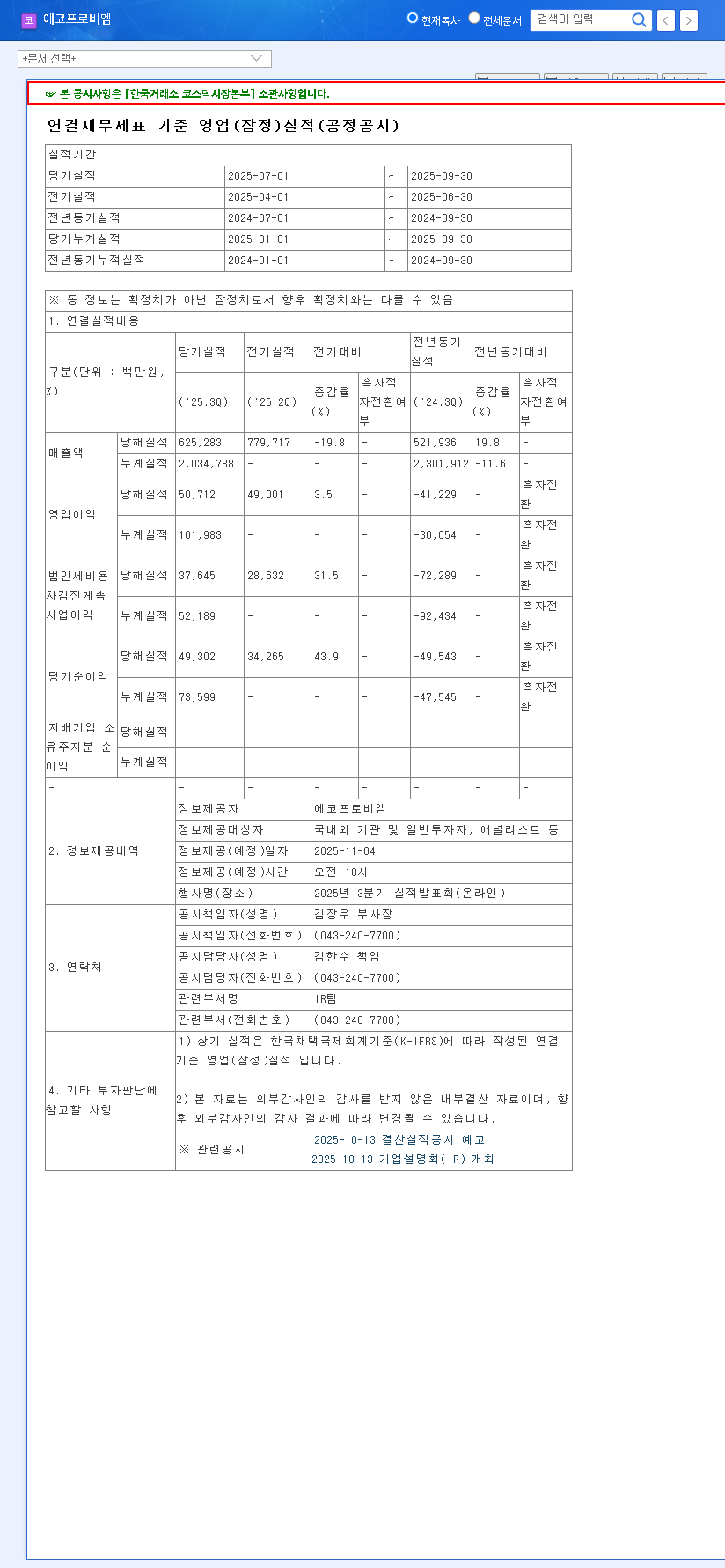
    The latest ECOPRO BM Q3 2025 earnings report presents a complex but revealing picture for investors in the secondary battery industry. The company, a critical player in the global electric vehicle (EV) supply chain, announced provisional results that, on the surface, seem contradictory: a significant dip in revenue that missed market expectations, yet a surprising surge in operating profit that beat them. This detailed ECOPRO BM earnings analysis unpacks these results, examines the underlying causes, and provides a strategic outlook for current and potential investors. For an official breakdown, you can view the Official Disclosure on DART.

    While top-line revenue faced headwinds, ECOPRO BM’s ability to bolster bottom-line profitability demonstrates a resilient operational core. The key question for investors is whether this is a sustainable trend or a temporary feat of cost management.

    Q3 2025 Earnings: The Key Figures

    ECOPRO BM’s provisional Q3 2025 performance can be summarized as a masterclass in profitability defense amidst challenging market conditions. Here are the headline numbers that caught the market’s attention:

    • Revenue: KRW 625.3 billion (17% below market consensus).
    • Operating Profit: KRW 50.7 billion (15% above market consensus).
    • Operating Profit Margin: 8.1% (a notable improvement both Quarter-on-Quarter and Year-on-Year).
    • Net Income: Provisional switch to a deficit, signaling non-operating pressures.

    Analysis: Deconstructing the Mixed Results

    Understanding the divergence between revenue and profit is crucial to forming a clear investment thesis for the ECOPRO BM stock. Let’s dissect the primary factors driving these outcomes.

    The Revenue Shortfall Explained

    The 20.1% Quarter-on-Quarter revenue decline can be attributed to a confluence of factors. Primarily, a temporary slowdown in the global EV market growth rate led major customers, such as Samsung SDI and SK On, to adjust their inventory levels. This downstream caution directly impacted orders for ECOPRO BM’s cathode materials. This sensitivity to short-term market shifts is a critical characteristic of the industry, but it underscores the importance of monitoring broader automotive and economic trends, as reported by sources like Bloomberg’s EV outlook.

    The Bright Spot: A Masterclass in Profitability

    Despite the challenging revenue environment, the company’s ability to exceed operating profit expectations is the standout story of the ECOPRO BM Q3 2025 earnings. This achievement highlights a successful internal focus on operational excellence. Key drivers include rigorous cost-cutting measures, enhanced production yields, supply chain optimizations, and a strategic shift towards a higher mix of premium, high-value-added cathode products. This demonstrates a maturing business model capable of defending margins even when top-line growth is stalled.

    Unpacking the Net Income Deficit

    The shift to a net income deficit requires careful scrutiny. This was likely driven by non-operating factors. Potential culprits include foreign exchange losses from a volatile KRW/USD rate impacting import costs of raw materials, increased financial costs associated with funding aggressive capacity expansion, or other one-time non-recurring expenses. Investors must await the finalized report to understand the precise nature and potential recurrence of these charges.

    Investment Outlook and Strategic Action Plan

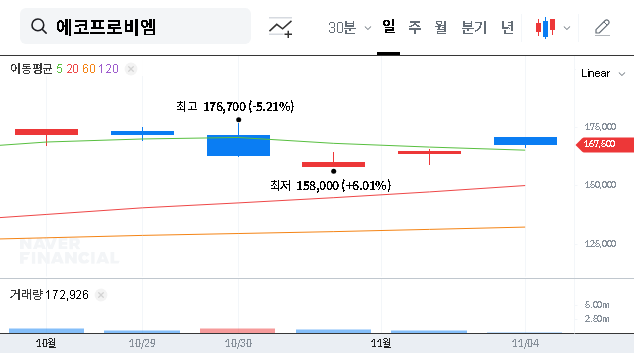
    Considering the structural growth of the secondary battery industry, ECOPRO BM’s technological leadership and aggressive expansion plans keep its long-term potential intact. However, near-term volatility is expected. The stock price will likely be a battleground between the negative sentiment from the revenue miss and the positive surprise of strong profitability.

    Action Plan for Investors

    For those evaluating their position, a ‘Neutral’ but watchful stance is prudent. The company’s fundamental strengths are clear, but confirmation of a revenue recovery and sustainable profitability is needed. Monitor the following key areas closely:

    • Customer Demand Signals: Watch for announcements from key clients about inventory normalization and production ramp-ups.
    • Margin Sustainability: Can the 8.1% operating margin be maintained or improved as revenue potentially rebounds in Q4 and beyond?
    • CAPA Expansion Updates: Track the progress and financial burn rate of new production facilities in North America and Europe, which are critical for long-term growth.
    • Net Income Drivers: Scrutinize the final Q3 report for the specific causes of the net loss and the company’s plan to mitigate these factors. You can learn more in our guide to investing in the battery supply chain.

    In conclusion, ECOPRO BM’s Q3 2025 earnings reflect a company in a phase of maturation, flexing its operational muscles during a period of market softness. While the revenue figures warrant caution, the underlying profitability suggests a robust business ready to capitalize when demand accelerates. Prudent investors will watch for signs of that acceleration before making their next move.

    (247540) ECOPRO BM Q3 2025 Earnings: A Deep Dive Analysis for Investors 관련 이미지
  • (000400) Lotte Non-Life Insurance Q3 2025 Earnings: A Deep Dive into Profit Growth & Solvency Risks

    (000400) Lotte Non-Life Insurance Q3 2025 Earnings: A Deep Dive into Profit Growth & Solvency Risks

    For investors tracking the financial sector, the latest preliminary report from Lotte Non-Life Insurance presents a fascinating and complex picture. The company’s Q3 2025 earnings reveal a significant surge in profitability, a welcome sign after previous volatility. However, this profit growth is set against a backdrop of declining revenue and concerns over its capital adequacy. This comprehensive analysis will dissect these results, explore the underlying drivers, and evaluate the critical risks, providing a clear outlook for potential and current investors.

    Lotte Non-Life Insurance Q3 2025 Earnings at a Glance

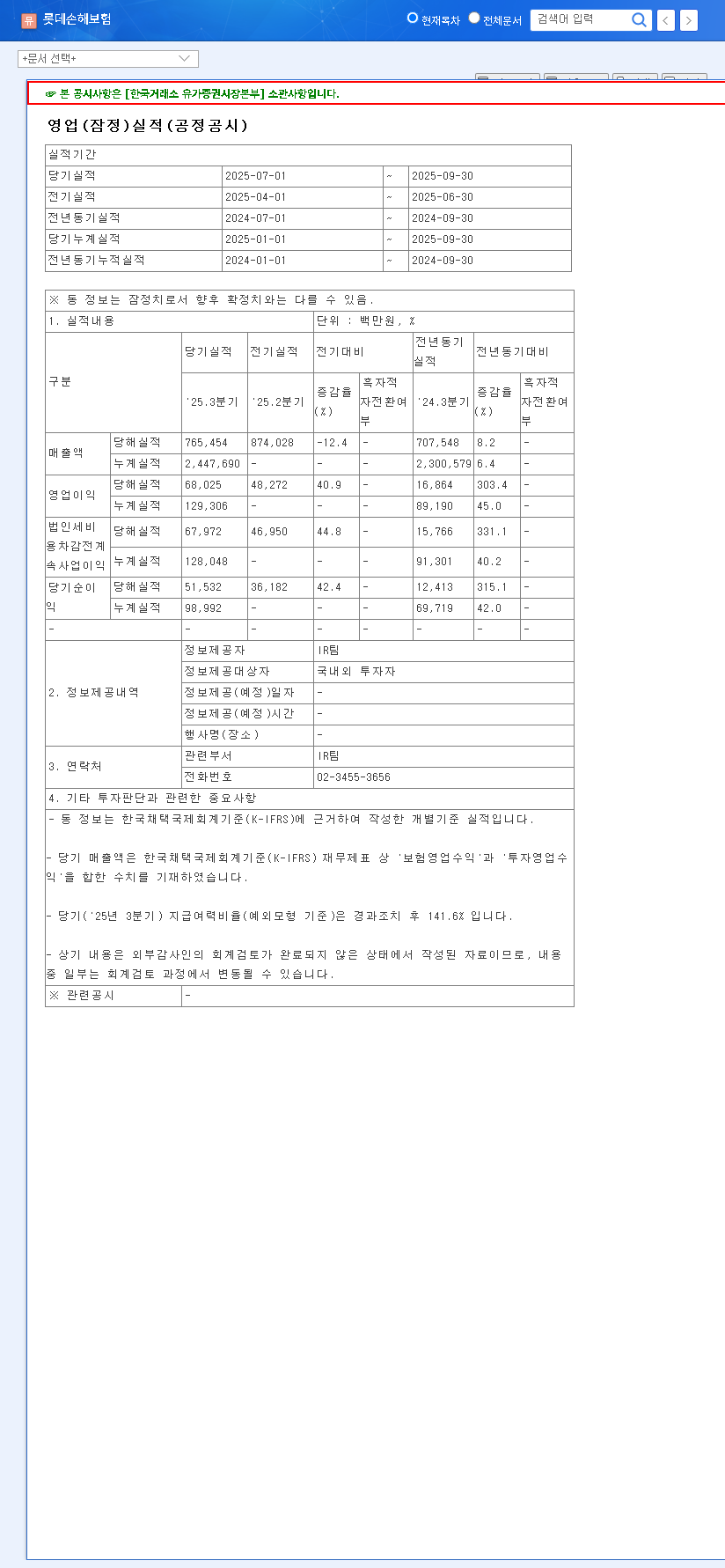
    Lotte Non-Life Insurance has released its preliminary operating results for the third quarter of 2025, showing a remarkable turnaround in profitability. Here are the headline figures:

    • Revenue: KRW 765.5 billion (a decrease from Q2)
    • Operating Profit: KRW 68 billion (a 40.8% increase quarter-over-quarter)
    • Net Profit: KRW 51.5 billion (a 42.3% increase quarter-over-quarter)

    These figures, derived from the company’s official filing, paint a clear picture of enhanced operational efficiency. For verification, you can view the Official Disclosure (DART). The primary takeaway is the impressive profit jump despite lower top-line revenue, signaling a potential strategic shift towards higher-margin business lines or improved asset management.

    Analyzing the Drivers of Profitability

    Core Operational Improvements

    The sharp increase in operating and net profit suggests that the value-driven strategies implemented by Lotte Non-Life Insurance are beginning to bear fruit. This could stem from several factors, including more disciplined underwriting, a reduction in the loss ratio for key insurance products, or superior performance from its investment portfolio. The resolution of negative one-off factors from the second quarter likely also played a significant role in this recovery.

    Macroeconomic Tailwinds

    The broader economic environment has provided a mixed but potentially favorable landscape. A high-interest-rate environment can bolster investment returns for insurers, who hold vast portfolios of fixed-income securities. Furthermore, favorable exchange rate movements (rising KRW/USD and KRW/EUR) can create translation gains on foreign currency assets, boosting the bottom line. These external factors are crucial for understanding the sustainability of the current profit levels. For more on this, you can read about how interest rates impact insurance companies.

    While the Q3 profit surge is a strong positive signal, the declining K-ICS solvency ratio introduces a critical element of risk that investors must not overlook. It’s a classic case of balancing short-term performance with long-term financial stability.

    The Elephant in the Room: K-ICS Solvency Ratio

    A critical metric for any insurer is its solvency ratio, which measures its ability to meet long-term debt obligations. In Korea, this is measured by the K-ICS (Korean Insurance Capital Standard). The latest report reveals a concerning trend for Lotte Non-Life Insurance:

    • K-ICS Ratio (Exception Model): 129.46%
    • K-ICS Ratio (Standard Model): 103.70%

    While these figures are above the regulatory minimum, they represent a decline from previous periods. A falling K-ICS solvency ratio can be a red flag, indicating potential future pressure to raise capital, which could dilute existing shareholders, or a reduced capacity for aggressive investment and growth. This is a significant risk factor that counterbalances the positive earnings news.

    Investor Playbook & Future Outlook

    The Q3 2025 results for Lotte Non-Life Insurance are encouraging, but it is premature to declare a complete fundamental recovery. Cautious optimism is the most prudent approach. Investors should closely monitor the following key areas in upcoming quarters:

    • Profit Sustainability: Is the Q3 performance an anomaly, or can the company maintain this level of profitability? Look for consistent operating margins.
    • Revenue Trend Reversal: A continued decline in revenue, even with high profits, could signal a shrinking market share. Watch for a stabilization or return to top-line growth.
    • K-ICS Ratio Management: Any further deterioration in the solvency ratio would be a major concern. Look for management commentary and actions aimed at shoring up their capital base. You can review our archive of Lotte’s past performance reports for historical context.

    In conclusion, Lotte Non-Life Insurance has demonstrated a strong improvement in its core earnings power. However, the accompanying risks, particularly the declining solvency ratio, require careful and continuous monitoring. The path forward will depend on the company’s ability to manage these competing forces effectively.

    (000400) Lotte Non-Life Insurance Q3 2025 Earnings: A Deep Dive into Profit Growth & Solvency Risks 관련 이미지
  • (214430) i3system Inc. Stock Analysis (Q3 2025): Revenue Up, Profits Down – A Buy?

    (214430) i3system Inc. Stock Analysis (Q3 2025): Revenue Up, Profits Down – A Buy?

    Investors are closely watching i3system Inc. after its recent earnings announcements have painted a complex picture of its financial health. This i3system Inc. stock analysis provides a deep dive into the preliminary Q3 2025 results and the amended half-year report, offering crucial insights for anyone considering an investment. While a strong revenue recovery is a positive signal, lingering questions about profitability create a challenging environment for predicting future stock price movements.

    Our goal is to dissect the numbers, explore the underlying fundamentals, and provide a clear, actionable perspective. We’ll examine the company’s core strengths in the defense sector, its potential for civilian market expansion, and the macroeconomic factors at play. Use this comprehensive report to understand the dual nature of i3system Inc.’s current standing and to formulate a more informed investment strategy.

    Q3 2025 Earnings: A Story of Revenue Recovery and Profit Squeeze

    According to the company’s preliminary Q3 2025 results, i3system Inc. reported a significant revenue rebound. However, a closer look at the profitability metrics reveals a more nuanced and concerning trend. The official data for these results can be verified in the company’s Official Disclosure on DART.

    Key Financial Figures for Q3

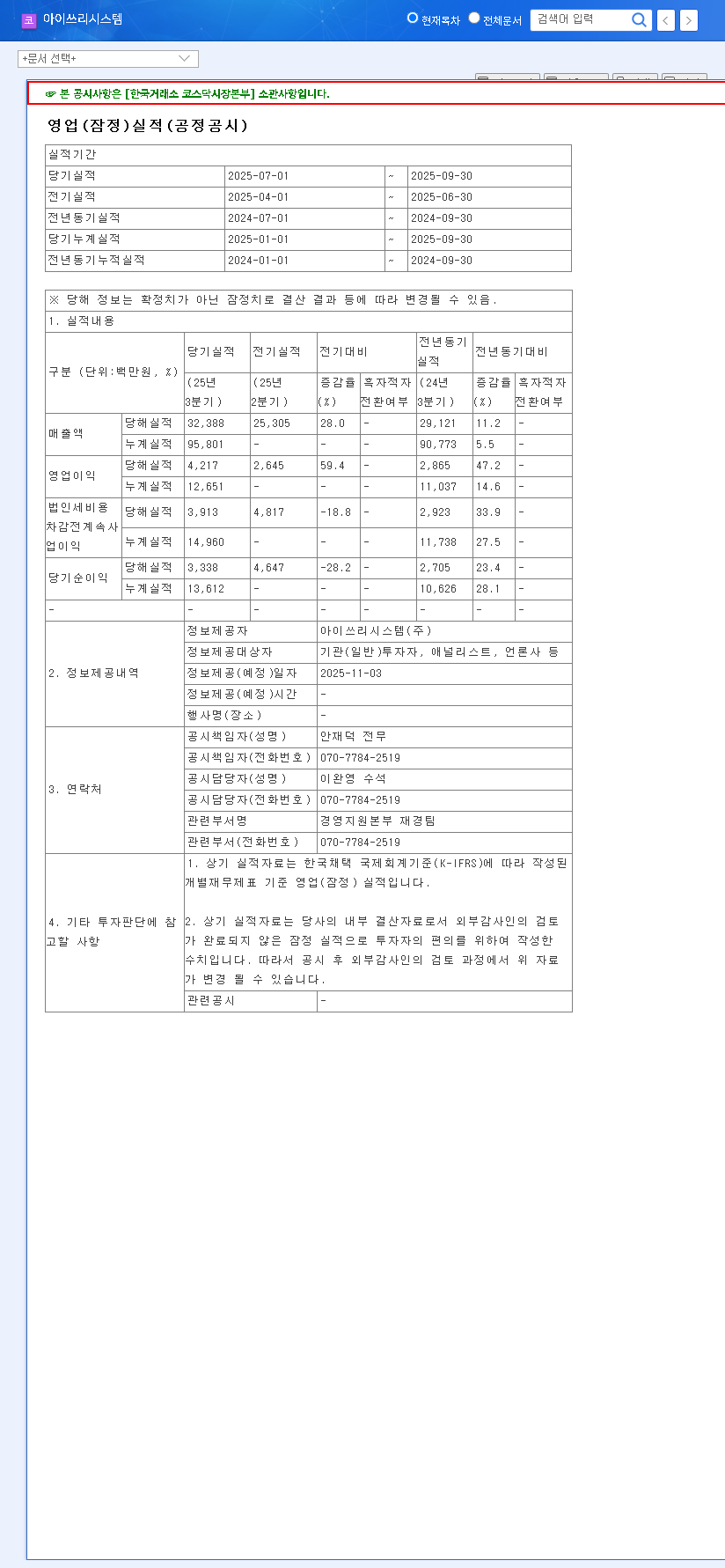
    • Revenue: KRW 32.4 billion, a healthy 28% increase quarter-over-quarter (QoQ).
    • Operating Profit: KRW 4.2 billion, up 61.5% QoQ but down a notable 27.6% from the Q1 high.
    • Net Income: KRW 3.3 billion, representing a decline of 28.3% QoQ and 34% from Q1.
    • Net Profit Margin: Shrunk to 10.2%, a significant drop from 13.1% in Q1 and 18.2% in Q2.

    While the top-line revenue growth is encouraging, the sharp decline in net profit margin compared to previous quarters is a red flag that warrants close scrutiny. This suggests rising costs or pricing pressures could be eroding the company’s profitability.

    Detailed i3system Inc. Stock Analysis & Fundamentals

    To truly understand the i3system stock price potential, we must look beyond a single quarter. The company’s unique market position, macroeconomic influences, and historical performance metrics provide a more complete picture.

    Defense Stability and Civilian Growth Engine

    i3system Inc. has built a formidable moat with its unique technology in infrared and X-ray imaging sensors. Its exclusive role as a supplier for the defense sector ensures a stable and predictable revenue stream, underpinned by rising global security concerns and domestic defense budgets. However, the real long-term growth story may lie in the civilian sector. The expansion of its sensor technology into high-growth areas like autonomous vehicles (ADAS and night vision), industrial drones, and Internet of Things (IoT) devices could unlock significant new revenue channels and drive the next phase of growth.

    Macroeconomic Tailwinds and Headwinds

    The broader economic climate presents both opportunities and risks for i3system Inc. A key positive factor is the rising KRW/USD exchange rate. As the company holds net foreign currency assets, a stronger dollar translates directly into foreign exchange gains, potentially boosting the bottom line. Conversely, rising interest rates globally could increase borrowing costs, although the impact is expected to be limited given the company’s current financial structure. For more on how these factors affect valuations, see our guide to Analyzing Tech Stocks in a Volatile Market.

    The Concerning Decline in ROE

    One of the most critical metrics for evaluating a company’s efficiency is Return on Equity (ROE). As explained by authoritative sources like Investopedia, ROE measures how effectively management is using investors’ equity to generate profits. For i3system, the historical trend is worrying. After peaking at 19.11% in 2022, ROE has fallen dramatically to 5.46% in 2024, with projections suggesting a further drop. This decline indicates a significant weakening in profitability and capital efficiency, a trend that investors cannot ignore.

    Investment Outlook: Balancing Positives and Negatives

    Considering all factors, the outlook for investing in i3system is mixed. The stock has seen a significant rally in 2025, but the recent profitability slowdown could cap further appreciation in the short term.

    Positive Factors

    • Stable Defense Foundation: Predictable revenue from a growing defense industry.
    • Favorable Exchange Rates: Potential for foreign exchange gains.
    • Civilian Market Potential: Significant long-term growth opportunities.

    Cautionary Factors

    • Q3 Profitability Slowdown: Declining profit margins are a major concern.
    • Declining ROE Trend: Weakening capital efficiency over the past few years.
    • High Market Expectations: The stock could correct if Q4 results don’t show a strong profit recovery.

    The upcoming Q4 earnings report will be a critical catalyst. Investors should maintain a long-term perspective but closely monitor profitability metrics for signs of improvement. Tangible progress in the civilian sector will be key to justifying the stock’s recent valuation gains.

    (214430) i3system Inc. Stock Analysis (Q3 2025): Revenue Up, Profits Down – A Buy? 관련 이미지
  • (019770) SEOYON TOPMETAL Stock (019770): Investment Analysis of Shareholder Stake Increase & Financials

    (019770) SEOYON TOPMETAL Stock (019770): Investment Analysis of Shareholder Stake Increase & Financials

    A recent development in SEOYON TOPMETAL stock (019770) has captured the market’s attention: a significant share acquisition by its major shareholder. This move, explicitly intended to ‘influence management rights,’ raises a critical question for investors. Is this a vote of confidence signaling future growth, or merely a defensive maneuver to stabilize a company facing fundamental headwinds? This comprehensive SEOYON TOPMETAL investment analysis will dissect the shareholder action, delve into the concerning H1 2025 financial report, and evaluate the macroeconomic landscape to provide a clear, actionable outlook.

    The Major Shareholder’s Move: A Deeper Look

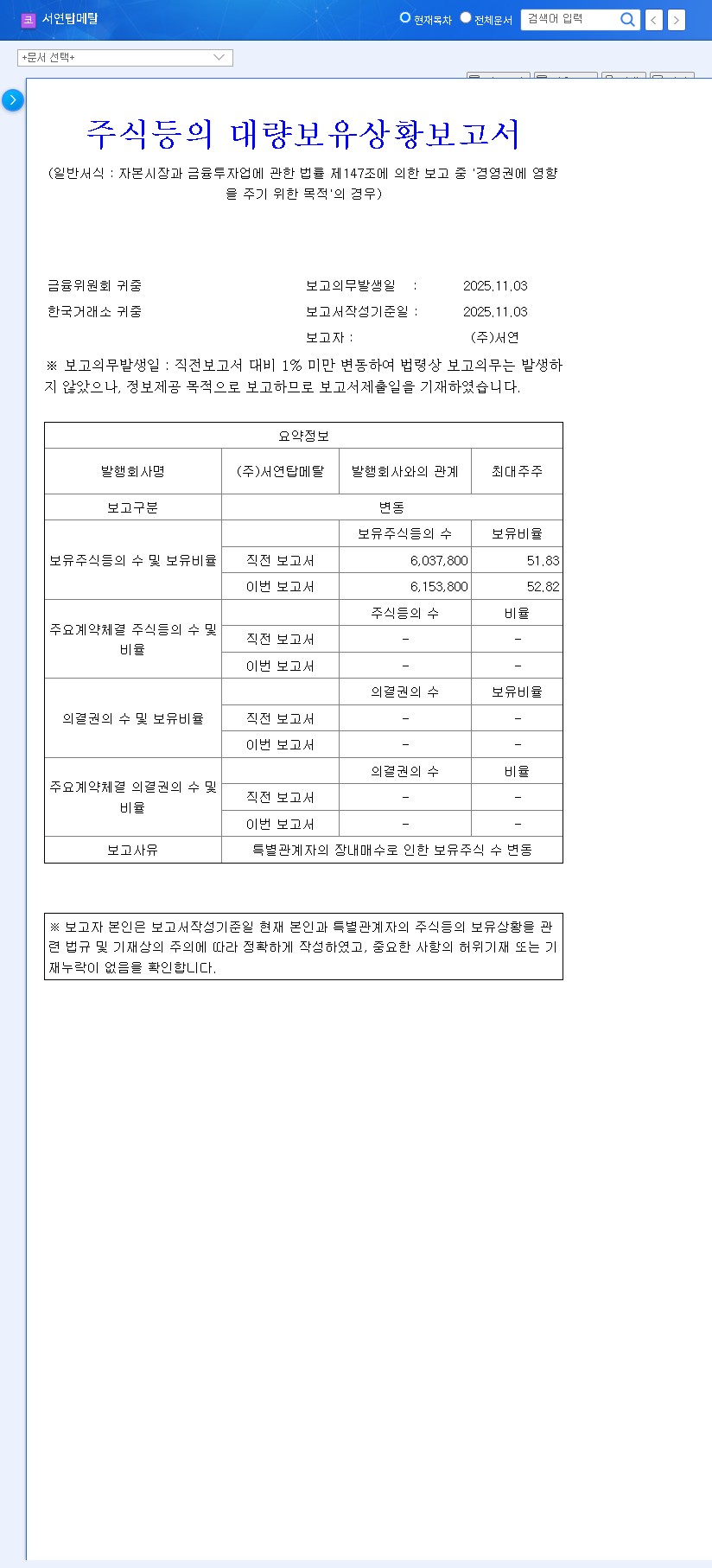
    SEOYON TOPMETAL recently disclosed that related parties, led by ‘Seoyon’, executed open market purchases to bolster their holdings. The total stake increased from 51.83% to 52.82%, a rise of 0.99 percentage points. While seemingly small, the stated purpose—’influence on management control’—is highly significant. This action solidifies the major shareholder’s control well above the 50% threshold, signaling a commitment to steer the company’s long-term strategy and enhance corporate value. The details of this transaction were made public in an Official Disclosure on DART (Korea’s electronic disclosure system).

    For the market, such a move is often interpreted as a bullish signal. It suggests insiders believe the company’s stock is undervalued and are willing to invest their own capital. This can temporarily boost investor sentiment and provide a floor for the stock price. However, this confidence must be weighed against the company’s actual performance.

    Fundamental Headwinds: Analyzing the H1 2025 Financials

    Despite the shareholder’s positive action, the SEOYON TOPMETAL financials for the first half of 2025 paint a challenging picture. Several key indicators point to persistent issues that cannot be ignored.

    The core problem remains: declining revenue across all key business segments paired with eroding profitability. This suggests deep-seated operational or market-related challenges that a change in shareholding alone cannot fix.

    Persistent Revenue Decline

    In Q2 2025, total revenue fell to KRW 103.8 billion, a stark 11.6% decrease year-over-year. This was not isolated to one area; all major business units—injection molds, press molds, and machinery—suffered revenue drops ranging from 30-50%. The poor performance of the core mold business is a significant red flag for the company’s primary revenue stream.

    Worsening Profitability

    Compounding the revenue issue, profitability has significantly deteriorated. A rising cost of goods sold (COGS) and increased selling, general, and administrative (SG&A) expenses have squeezed margins. Consequently, both operating profit and net profit saw substantial year-over-year declines, confirming a negative trend in operational efficiency and financial health.

    Structural Vulnerabilities and Strategic Risks

    A thorough SEOYON TOPMETAL investment analysis must look beyond the immediate numbers to the underlying business structure, which reveals several vulnerabilities.

    • High Cyclical Sensitivity: The company’s focus on automotive molds and construction equipment parts makes it highly susceptible to global economic cycles. A slowdown, as indicated by recent global economic reports, directly translates to lower demand from its key industries, leading to earnings volatility.
    • Heavy Customer Concentration: Approximately 70% of revenue comes from a small pool of clients, including HD Hyundai Infracore and Seoyon E-Hwa. This over-reliance means any operational shift, inventory adjustment, or performance dip at these clients has an outsized negative impact on SEOYON TOPMETAL.
    • Insufficient R&D Investment: An R&D investment ratio of just 0.14% of revenue is critically low. In an era of rapid technological change (e.g., EV transition, smart manufacturing), this lack of investment raises serious concerns about the company’s ability to innovate and secure long-term growth engines.

    Investor Outlook and Strategic Recommendations

    The major shareholder’s stake increase is a clear positive signal of internal confidence. However, it is not a panacea for the company’s fundamental issues. A prudent investment in SEOYON TOPMETAL stock requires cautious optimism backed by tangible evidence of a turnaround. For more background, you can review our guide to investing in automotive suppliers.

    Investors should focus on the following key areas before committing capital:

    • Evidence of a Performance Turnaround: Look for concrete signs of revenue stabilization and profitability improvement in the upcoming H2 2025 and H1 2026 reports. Monitor key customer order books and industry-wide demand trends.
    • Strategic Shifts and Management Efficiency: Watch for announcements related to cost-cutting, productivity enhancements, and, most importantly, strategic moves into new, high-value-added business segments to diversify revenue and secure future growth.
    • Continued Shareholder Actions: Observe if the major shareholder continues to increase their stake or makes other strategic announcements. This will be a key indicator of their long-term vision and confidence in the company’s direction.

    In conclusion, while the shareholder news provides a short-term psychological boost, investment in SEOYON TOPMETAL (019770) should be predicated on a demonstrable improvement in its underlying financial and operational health. Without this, any stock price appreciation may be limited and unsustainable.

    (019770) SEOYON TOPMETAL Stock (019770): Investment Analysis of Shareholder Stake Increase & Financials 관련 이미지
  • (443250) RevuCorporation Inc. Stock Analysis: Q3 2025 Earnings Miss & Short-Form Growth Potential

    (443250) RevuCorporation Inc. Stock Analysis: Q3 2025 Earnings Miss & Short-Form Growth Potential

    Investor attention is sharply focused on RevuCorporation Inc. following its preliminary Q3 2025 earnings announcement. The results, which fell short of market expectations for both revenue and operating profit, have sent ripples of concern through the investment community. However, this immediate challenge is juxtaposed with the company’s significant growth potential in the booming short-form content market, creating a complex and pivotal moment for the firm.

    This comprehensive RevuCorporation Inc. stock analysis will dissect the Q3 2025 performance, evaluate its core business fundamentals, and explore the broader market dynamics. We aim to provide clear, expert insights into its future trajectory and offer strategic guidance for potential investors. Can RevuCorporation Inc. navigate its current headwinds and solidify its position as a leader in the next wave of digital advertising?

    Deconstructing the Q3 2025 Earnings Miss

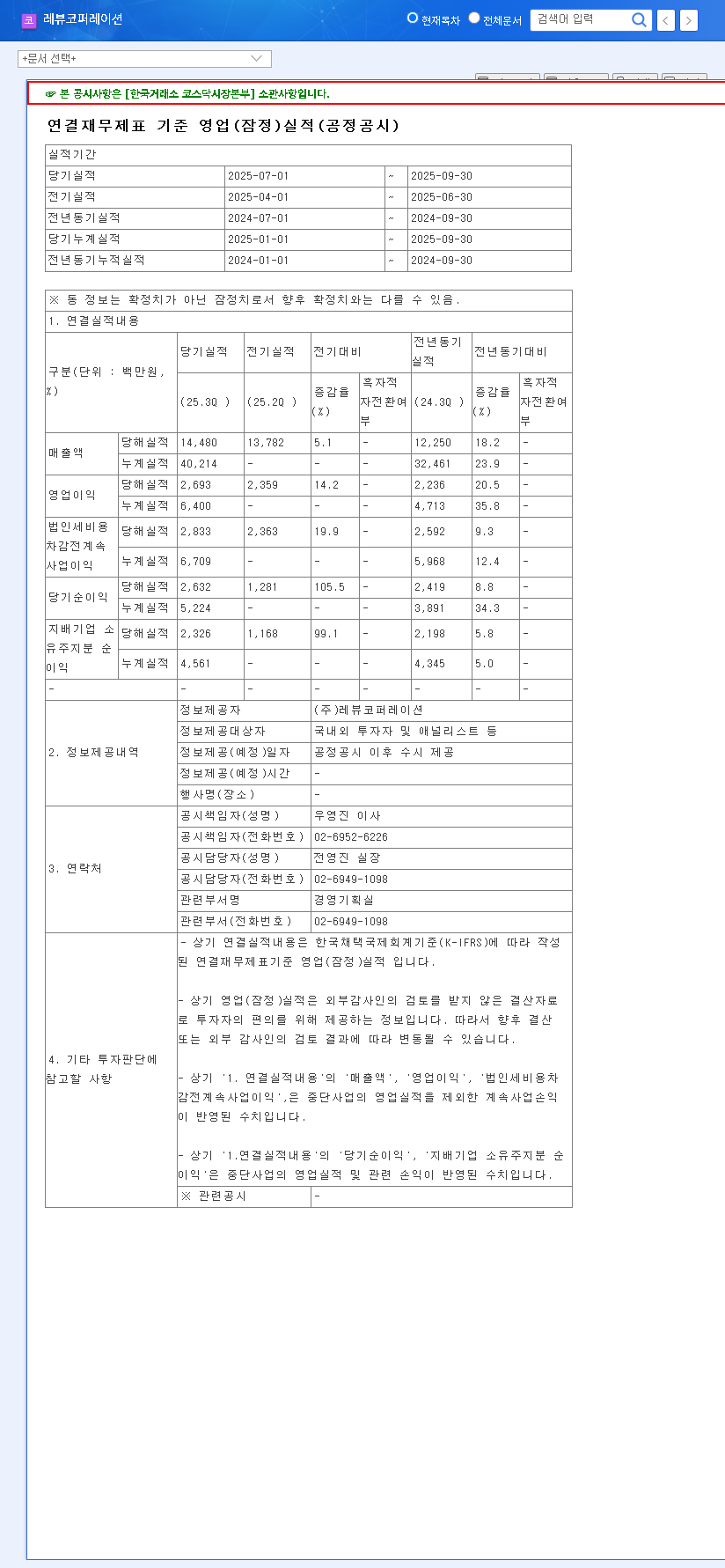
    On November 3, 2025, the influencer marketing specialist RevuCorporation Inc. released its preliminary consolidated financial results for the third quarter. The numbers revealed a performance gap that has understandably unsettled the market. The full Official Disclosure provides granular detail, but the key takeaways are as follows:

    • Revenue: KRW 14.5 billion, falling 8% short of the estimated KRW 15.7 billion.
    • Operating Profit: KRW 2.7 billion, a 7% decrease from the projected KRW 2.9 billion.
    • Net Profit: KRW 2.3 billion.

    This underperformance signals potential softness in the company’s core operations and raises questions about its near-term growth trajectory, likely leading to a cautious stance from investors in the immediate future.

    Company Fundamentals: A Tale of Two Stories

    The Core Influencer Marketing Engine

    RevuCorporation Inc. built its name as a premier influencer marketing platform, expertly connecting brands with influencers via a sophisticated proprietary system. This model has diversified into several key services, including nano/micro-influencer matching (RevuService), macro/mega campaigns (CastingService), and international expansion (GlobalService). However, recent performance, including a 20.6% YoY revenue decrease in H1 2025, indicates that this core business is facing significant competitive and market pressures.

    The Strategic Pivot to Short-Form Content

    The most compelling part of the RevuCorporation Inc. story is its forward-looking acquisition of Shorttte Co., Ltd., a specialized short-form content agency. This move positions the company directly in the fastest-growing segment of digital advertising. While the broader company’s revenue fell in H1, Shorttte’s revenue grew by 6.8%. This highlights a critical strategic shift: leveraging the explosive growth of platforms like TikTok, YouTube Shorts, and Instagram Reels to offset stagnation in traditional influencer campaigns. The success of this integration is paramount to the company’s long-term valuation.

    The central question for any RevuCorporation Inc. stock analysis is whether the high-growth engine of its short-form content division can accelerate fast enough to outpace the deceleration in its legacy business segments.

    Opportunities and Threats: A Balanced View

    Key Growth Catalysts (Opportunities)

    • Dominance in a Niche Market: The short-form video ad market is expanding rapidly. As noted by industry experts at Statista, user engagement in this format is unparalleled, and RevuCorporation Inc. has a first-mover advantage through Shorttte.
    • Technology-Driven Efficiency: The company’s use of big data and AI in its matching platform can create a significant competitive moat, improving margins and campaign effectiveness over time.
    • Improving Financial Health: Despite profit dips, the company has reduced its total liabilities and improved its debt-to-equity ratio to a healthy 33.28%, indicating prudent financial management.

    Significant Headwinds (Threats)

    • Persistent Underperformance: The Q3 2025 earnings miss isn’t an isolated incident; it continues a trend of declining revenue and profit, which could erode investor confidence.
    • Subsidiary Risks: The impairment losses related to subsidiaries like Mate IM and Shorttte (KRW 607 million) are a financial drag and highlight potential integration and operational challenges.
    • Fierce Market Competition: The digital advertising and influencer marketing spaces are notoriously competitive. Larger players and new disruptive platforms could squeeze margins further.

    Investment Strategy for RevuCorporation Inc.

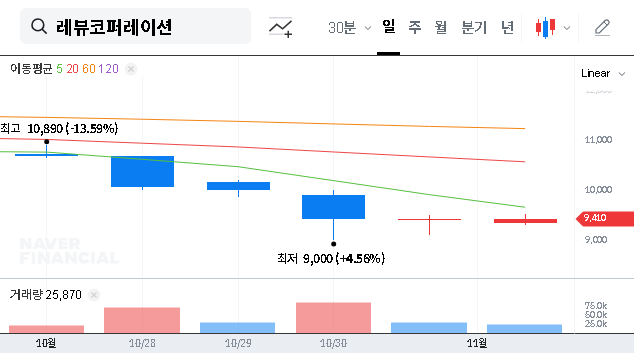
    Given the conflicting signals, a nuanced investment approach is necessary. The disappointing Q3 2025 earnings will likely exert downward pressure on the stock in the short term.

    Short-Term Outlook (1-3 months): Caution is advised. The market will need time to digest the earnings miss. Investors should wait for signs of stabilization or a clear strategic response from management before considering new positions.

    Mid-to-Long Term Outlook (6-18 months): The focus should be on evidence of a successful strategic pivot. Long-term investors should monitor these key performance indicators:

    • Short-Form Segment Growth: Is Shorttte’s revenue contribution growing as a percentage of total revenue each quarter? Are its profit margins improving?
    • Core Business Stabilization: Are there signs that the revenue decline in the legacy RevuService and CastingService is slowing or reversing? For more on this, read our guide on how to analyze marketing platform performance.
    • Resolution of Subsidiary Issues: Are further impairment losses avoided? Does management provide a clear plan for turning around underperforming assets?

    In conclusion, while RevuCorporation Inc. faces immediate and tangible challenges, its strategic investment in the high-growth short-form content market presents a compelling, albeit risky, long-term opportunity. The coming quarters will be critical in demonstrating whether this pivot can create sustainable value and justify a bullish RevuCorporation Inc. stock analysis.

    (443250) RevuCorporation Inc. Stock Analysis: Q3 2025 Earnings Miss & Short-Form Growth Potential 관련 이미지
  • (032620) UBCARE Q3 2025 Earnings: A Deep Dive into Profitability Challenges & Future Outlook

    (032620) UBCARE Q3 2025 Earnings: A Deep Dive into Profitability Challenges & Future Outlook

    The latest UBCARE Q3 2025 earnings report has sent ripples through the investment community, painting a complex picture of a company at a crossroads. While UBCARE CO., LTD. (유비케어) managed to post a slight increase in revenue, a notable decline in operating and net profits has raised significant questions about its underlying financial health and future trajectory. This analysis will provide a comprehensive breakdown of the report, diagnose the core causes of this profitability squeeze, and offer a forward-looking perspective for investors.

    We will explore how strategic investments in AI and digital healthcare are weighing on short-term results and what the current macroeconomic climate means for the company’s path forward. This deep dive offers the essential UBCARE stock analysis needed to navigate the challenges and opportunities ahead.

    Breaking Down the UBCARE Q3 2025 Earnings Report

    According to the preliminary operating results, UBCARE’s financial performance for the third quarter of 2025 reveals a critical disconnect between top-line growth and bottom-line results. These figures, released in their official corporate filing (Source: Official DART Disclosure), lay out the core numbers:

    • Revenue: KRW 50.6 billion (a slight increase quarter-over-quarter)
    • Operating Profit: KRW 3 billion (a significant decrease)
    • Net Profit: KRW 1.9 billion (a notable decline)

    The trend is concerning. After a brief recovery in profitability in late 2024, the downward slide has resumed in 2025. The most alarming signal is the drop in operating profit despite higher revenues, pointing toward fundamental issues in cost structure or business segment performance.

    Unpacking the Core Reasons for Profitability Deterioration

    Several factors are converging to erode UBCARE’s margins. Understanding them is key to assessing the company’s ability to orchestrate a turnaround.

    1. Margin Compression and Rising SG&A Costs

    The preliminary operating profit margin stands at a low 5.93%. This is a direct result of two pressures: declining sales in the lower-margin distribution business and a simultaneous increase in Selling, General, and Administrative (SG&A) expenses. These expenses often include crucial investments in marketing, R&D personnel, and administrative overhead. The inability to translate higher revenue into higher profit suggests that cost controls are not keeping pace with growth, or the revenue mix is shifting towards less profitable activities.

    2. Financial Complexities from Subsidiary Investments

    Corporate structuring has introduced new financial variables. The consolidation of Vivbros Co., Ltd. has increased intangible assets (goodwill) on UBCARE’s balance sheet. While this reflects the value of the acquisition, it also carries future risk. Goodwill must be tested for impairment annually, and if its value is deemed to have decreased, it can lead to significant write-downs that hurt net income. The deconsolidation of Crener Healthcom Co., Ltd. further complicates year-over-year comparisons, making a clear analysis of UBCARE profitability more challenging.

    3. The Lag Between Innovation Investment and Monetization

    UBCARE is commendably investing in future growth engines like AI-powered contact centers and advanced digital healthcare platforms. However, these ambitious projects require substantial upfront capital and operational expenditure. Currently, these investments are a drag on profitability without contributing meaningfully to revenue. This highlights a classic growth-stage dilemma: the immediate need for profit versus the long-term imperative to innovate. The market is now keenly watching for a clear strategy to monetize these technological advancements.

    UBCARE finds itself at a critical juncture: balancing long-term innovation with the immediate need for improved cost control and profitability. The path to monetizing its advanced digital healthcare solutions is now under intense scrutiny.

    Investor Outlook: Navigating the Path Forward

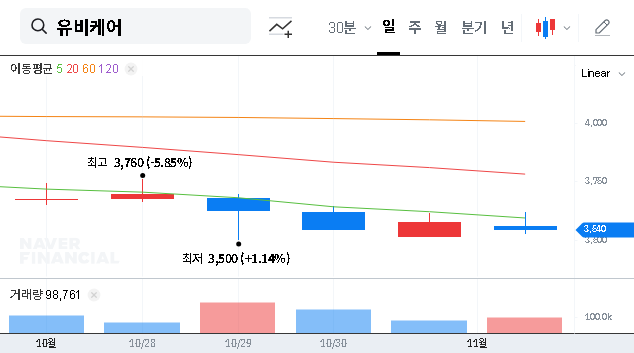
    Given the challenges highlighted in the UBCARE Q3 2025 earnings, investors should adopt a cautious and analytical approach. In the short term, the disappointing results may exert downward pressure on the stock price. The long-term trajectory, however, will be defined by management’s ability to execute on several key fronts.

    Key Areas for Investor Scrutiny

    • Profitability Improvement Strategy: Look for concrete plans to enhance cost efficiency, particularly in the distribution segment, and to rein in SG&A growth.
    • Monetization Milestones: The company must demonstrate tangible progress in turning its AI and digital health investments into revenue streams. This aligns with broader trends in the Korean digital healthcare market, where profitability is becoming a key differentiator.
    • Transparent Communication: Proactive and clear communication from management regarding these challenges and their strategic solutions will be crucial for restoring market confidence. Investors can gain further context by reading reports on the global digital health market from authoritative sources like reputable business analysts.

    In conclusion, while UBCARE holds a strong position in a promising industry, its current profitability issues are a significant hurdle. The Q3 2025 results serve as a wake-up call. The company’s future success, and its stock’s performance, will depend entirely on its ability to navigate these operational and financial challenges while proving the long-term value of its technological bets.

    (032620) UBCARE Q3 2025 Earnings: A Deep Dive into Profitability Challenges & Future Outlook 관련 이미지
  • (272290) INNOX Advanced Materials Q3 2025 Earnings: In-Depth Investment Analysis & Future Outlook

    (272290) INNOX Advanced Materials Q3 2025 Earnings: In-Depth Investment Analysis & Future Outlook

    This comprehensive investment analysis of the INNOX Advanced Materials Q3 2025 earnings report reveals a company at a pivotal crossroads. With its foundational IT materials division providing unwavering stability and its ambitious new secondary battery business poised for explosive growth, INNOX presents a compelling case for investors. This deep dive will dissect the latest financial performance, explore the key drivers behind each business segment, and provide a strategic outlook for those considering a position in this dynamic company.

    INNOX Advanced Materials Q3 2025 Earnings: Key Highlights

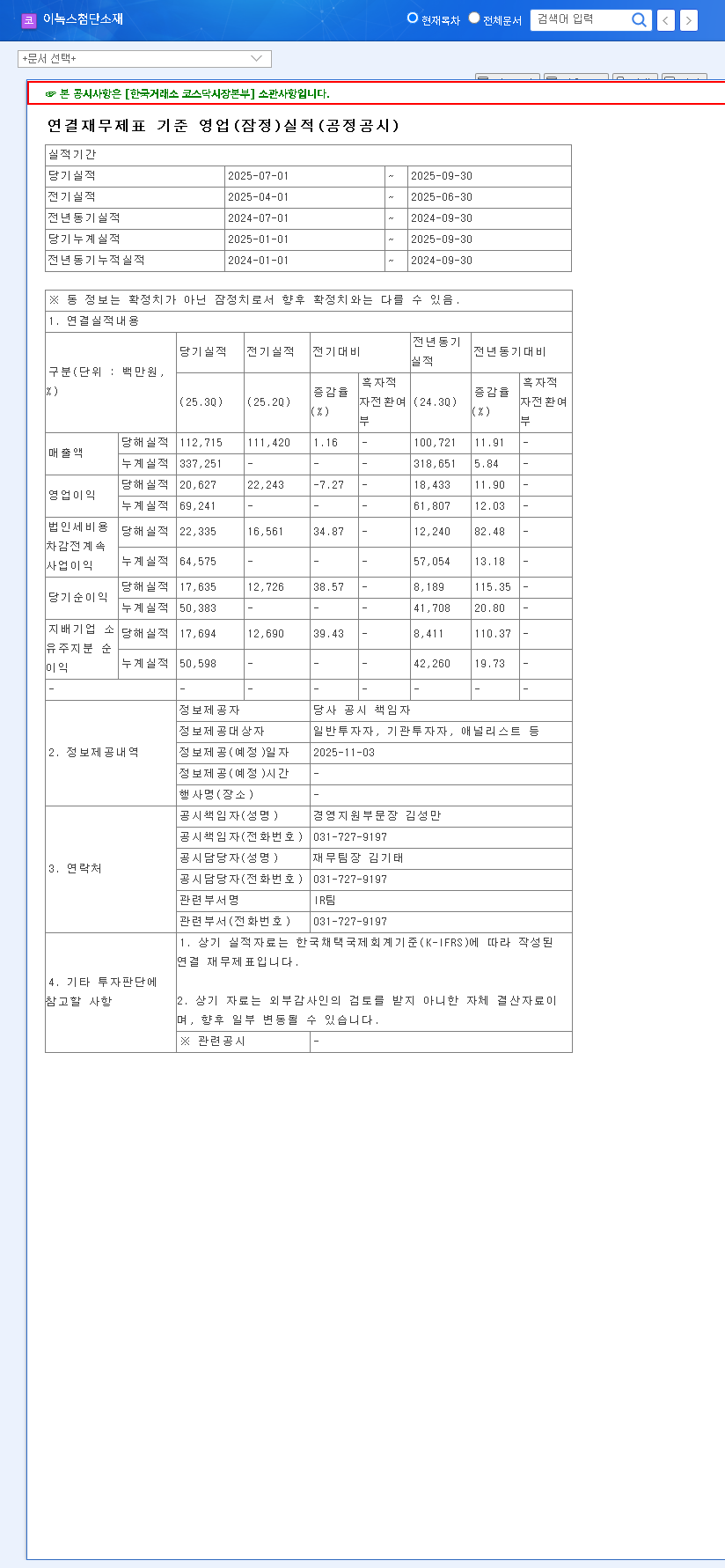
    On November 3, 2025, INNOX Advanced Materials Co., Ltd. released its provisional consolidated financials, which largely surpassed market expectations, signaling robust operational health. The official disclosure can be reviewed directly from the source: Official DART Report.

    The Q3 2025 results demonstrated strong top-line and bottom-line performance, with both revenue and net income exceeding analyst consensus. This outperformance underscores the company’s resilience and strategic execution.

    Performance vs. Market Estimates

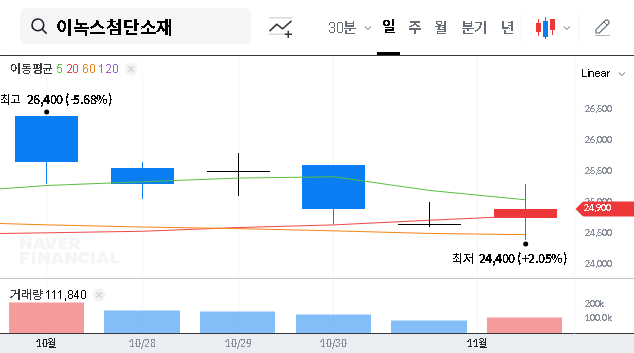
    • Revenue: KRW 112.7 billion, comfortably exceeding the market estimate of KRW 102.0 billion.
    • Operating Profit: KRW 20.6 billion, perfectly in line with the market estimate of KRW 20.6 billion.
    • Net Income: KRW 17.7 billion, a significant beat over the market estimate of KRW 15.5 billion.

    While operating profit saw a slight decrease from the previous quarter, likely due to strategic reinvestments, the strong net income figure is a highly positive signal for investors, indicating efficient management and financial health.

    The Bedrock: Stable IT Materials Division

    The core of INNOX Advanced Materials‘ current success is its IT materials division. This segment is a consistent generator of revenue and profit, thanks to its high-tech product portfolio and established market position.

    Key Contributors to IT Stability

    • OLED Materials: As a dominant revenue source, these materials are crucial for the production of next-generation displays in smartphones, tablets, and televisions.
    • Semiconductor PKG Materials: The company’s push for localization and expansion in the advanced packaging market is creating new avenues for growth, aligning with global trends in chip manufacturing. For more context, you can read our deep dive into the semiconductor industry.

    The Future: Igniting the Secondary Battery Growth Engine

    The most exciting element of the INNOX story is its strategic entry into the secondary battery materials business. This move is designed to capture a share of the rapidly expanding electric vehicle (EV) market and transform the company’s long-term growth trajectory. The planned operation of its first lithium hydroxide line in H1 2026 marks a critical milestone toward commercialization.

    Strategic Investment vs. Short-Term Profitability

    Embarking on such a large-scale venture naturally involves significant upfront costs. Increased capital expenditure, R&D, and operational expenses for the new battery division may temporarily suppress operating profit and key metrics like ROE (Return on Equity) and EPS (Earnings Per Share). However, this is a calculated investment in a high-growth sector. As experts predict for the global EV battery market, the potential rewards for established suppliers of critical materials like lithium hydroxide are immense.

    Financial Health and Risk Management

    A thorough investment analysis must also consider financial resilience and external risks. INNOX Advanced Materials demonstrates a strong foundation in this regard.

    Solid Financial Footing

    With a consolidated debt-to-equity ratio of 77.02%, the company maintains a healthy balance sheet. This provides the financial flexibility needed to fund its expansion into the battery sector without over-leveraging. The consistent growth in total equity, even with the major investment in INNOX Lithium Co., Ltd., is a testament to its sound financial management.

    Navigating Macroeconomic Headwinds

    Like any global manufacturer, INNOX is exposed to macroeconomic variables. Key factors to monitor include currency exchange rate fluctuations, rising interest rates that could increase borrowing costs, and volatile raw material and logistics prices. The company’s ability to manage these external pressures will be critical to sustaining profitability.

    Investment Outlook and Strategic Recommendations

    The INNOX Advanced Materials Q3 2025 earnings confirm a positive trajectory. The stock’s performance since H2 2024 reflects growing investor optimism about the battery business. The better-than-expected net income in Q3 could provide further short-term momentum.

    A Long-Term Investment Strategy

    • Focus on the Horizon: Value will be driven by the successful execution of the secondary battery strategy. Investors should look beyond short-term profit dips and focus on long-term milestones.
    • Monitor Key Milestones: Track the progress of the INNOX Lithium factory construction, mass production timelines, customer acquisition announcements, and lithium price trends.
    • Evaluate Risk Management: Assess the company’s ongoing financial health and its proactive strategies for managing macroeconomic risks like interest rate changes and currency volatility.

    In conclusion, INNOX Advanced Materials is successfully balancing the profitability of its present with aggressive investment in its future. While execution risks in the competitive battery market remain, the company’s strong foundation and clear strategic vision make it a compelling name to watch for long-term growth investors.

    (272290) INNOX Advanced Materials Q3 2025 Earnings: In-Depth Investment Analysis & Future Outlook 관련 이미지
  • (036120) Seoul Information Service Inc. Q3 2025 Earnings: Deep Dive Analysis & Stock Outlook

    (036120) Seoul Information Service Inc. Q3 2025 Earnings: Deep Dive Analysis & Stock Outlook

    The latest Seoul Information Service Inc. Q3 2025 earnings report, released November 3, 2025, has sent ripples of concern through the investment community. After a period of promising growth, the company reported a startling decline in both revenue and profit, raising critical questions about its future trajectory. Is this a temporary setback or a sign of deeper, more systemic issues?

    This in-depth financial analysis dissects the Q3 results, exploring the core reasons behind the slump and providing a strategic outlook for current and potential investors. We will move beyond the surface-level numbers to evaluate business segment performance, market pressures, and the company’s fundamental financial health to guide your investment decisions.

    Q3 2025 Earnings at a Glance: The Sobering Numbers

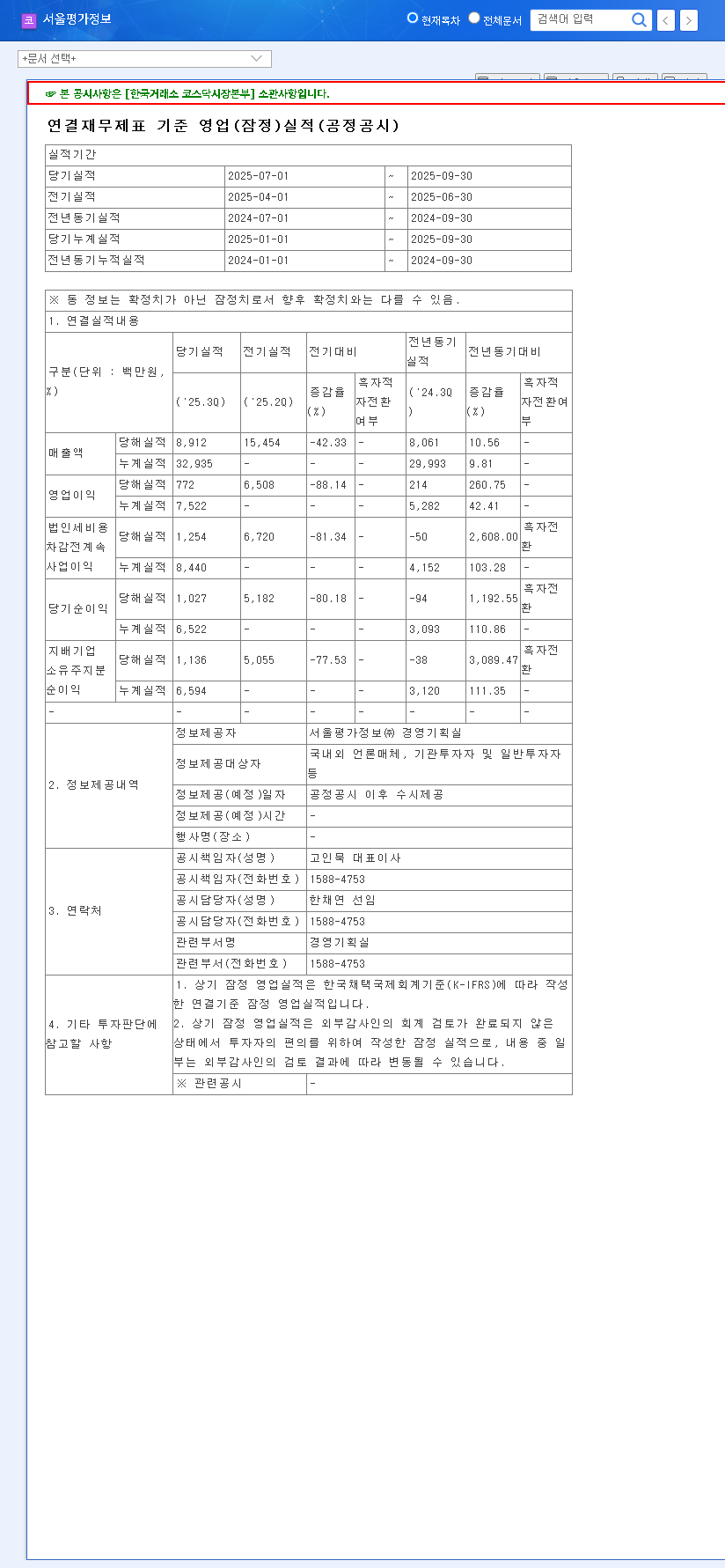
    The preliminary figures from the Seoul Information Service Inc. Q3 2025 earnings announcement revealed a significant contraction compared to the previous quarter (Q2 2025). These numbers, detailed in the company’s Official Disclosure, mark a return to the lower performance levels of late 2024 and early 2025.

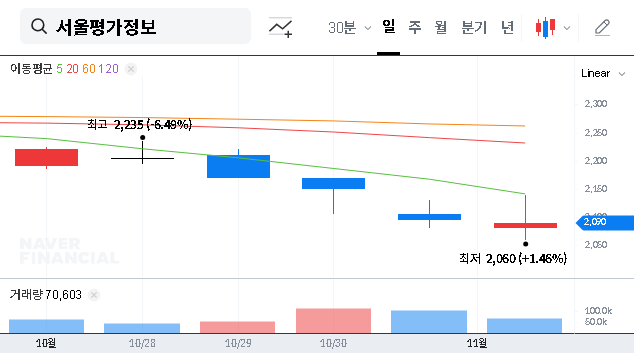
    • Quarterly Revenue: KRW 8.9 billion, a stark 42.6% decrease from Q2’s KRW 15.5 billion.
    • Quarterly Operating Profit: KRW 0.8 billion, an alarming 87.7% plunge from Q2’s KRW 6.5 billion.
    • Quarterly Net Profit: KRW 1.1 billion, a 78.8% drop from Q2’s KRW 5.2 billion.

    The 87.7% freefall in operating profit is the most significant red flag. It suggests that beyond just lower sales, the company’s core profitability and operational efficiency deteriorated sharply within a single quarter.

    Unpacking the Decline: A Financial Analysis

    Several compounding factors likely contributed to this poor quarterly performance. Understanding them is key to assessing whether the company can mount a recovery.

    Profitability Pressures and Performance Trends

    While the revenue decline is significant, the collapse in profit margins is more concerning. The company’s operating and net profit margins have been trending downwards since 2023, and the Q3 results accelerate this negative pattern. The robust growth seen in the primary credit inquiry segment during the first half of 2025 appears to have lost its momentum, indicating an urgent need for management to implement profitability improvement measures. Investors should watch for announcements related to cost-cutting, operational streamlining, or pricing strategy adjustments.

    Fundamental Financial Health Concerns

    A look at the long-term fundamentals reveals potential weaknesses. The projected Return on Equity (ROE), a key indicator of how effectively a company uses shareholder funds, is forecasted to drop to a meager 1.23% in 2025. You can learn more about how ROE impacts investment analysis on high-authority sites like Investopedia. Furthermore, a high debt-to-equity ratio of 230.13% and a low current ratio of 33.20% (as of 2024) signal that the company’s financial structure requires significant improvement to weather economic volatility.

    Business Segment and Market Headwinds

    The company faces challenges on multiple fronts:

    • Subsidiary Drag: The poor performance of its subsidiary, Seoul Credit Rating Inc., which saw its own revenue fall by 42.4% in H1 2025, is a significant burden on consolidated results.
    • Legal Risks: With pending lawsuits totaling KRW 6.483 billion, the company faces potential financial burdens and uncertainty that could spook investors.
    • Intense Competition: While the MyData market offers growth potential, fierce competition for data acquisition is compressing margins and making it difficult to establish a dominant position.

    Stock Outlook and Action Plan for Investors

    Given the negative surprise of the Seoul Information Service Inc. Q3 2025 earnings, the stock is likely to face downward pressure in the short term. A thoughtful investment strategy is required.

    Short-Term Strategy (1-3 Months)

    Caution is advised. Investors should adopt a ‘wait-and-see’ approach, closely monitoring for management’s official explanation of the Q3 underperformance and any concrete plans for a turnaround. Avoid making impulsive decisions based on the initial price drop. Look for signs of stabilization and a clear recovery narrative before considering a new position.

    Mid-to-Long-Term Strategy (6-18 Months)

    For a long-term hold, a deeper evaluation is necessary. The key to future value lies in the company’s ability to reinforce its core credit inquiry business, successfully monetize new ventures like the MyData platform, and improve its overall financial discipline. For context, you can compare these results with our previous financial analysis of Seoul Information Service Inc. to track performance trends. Success in these areas could present a valuable entry point for patient investors once the current uncertainty subsides.

    Disclaimer: This report is based on publicly available preliminary information. Investment decisions should be made based on your own research and risk tolerance.

    (036120) Seoul Information Service Inc. Q3 2025 Earnings: Deep Dive Analysis & Stock Outlook 관련 이미지