Tag: Convertible Bonds

  • (348080) Quratis CB Conversion: In-Depth Investor Analysis & Stock Price Outlook

    (348080) Quratis CB Conversion: In-Depth Investor Analysis & Stock Price Outlook

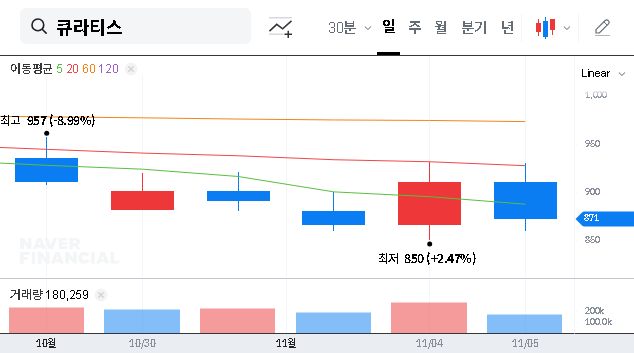
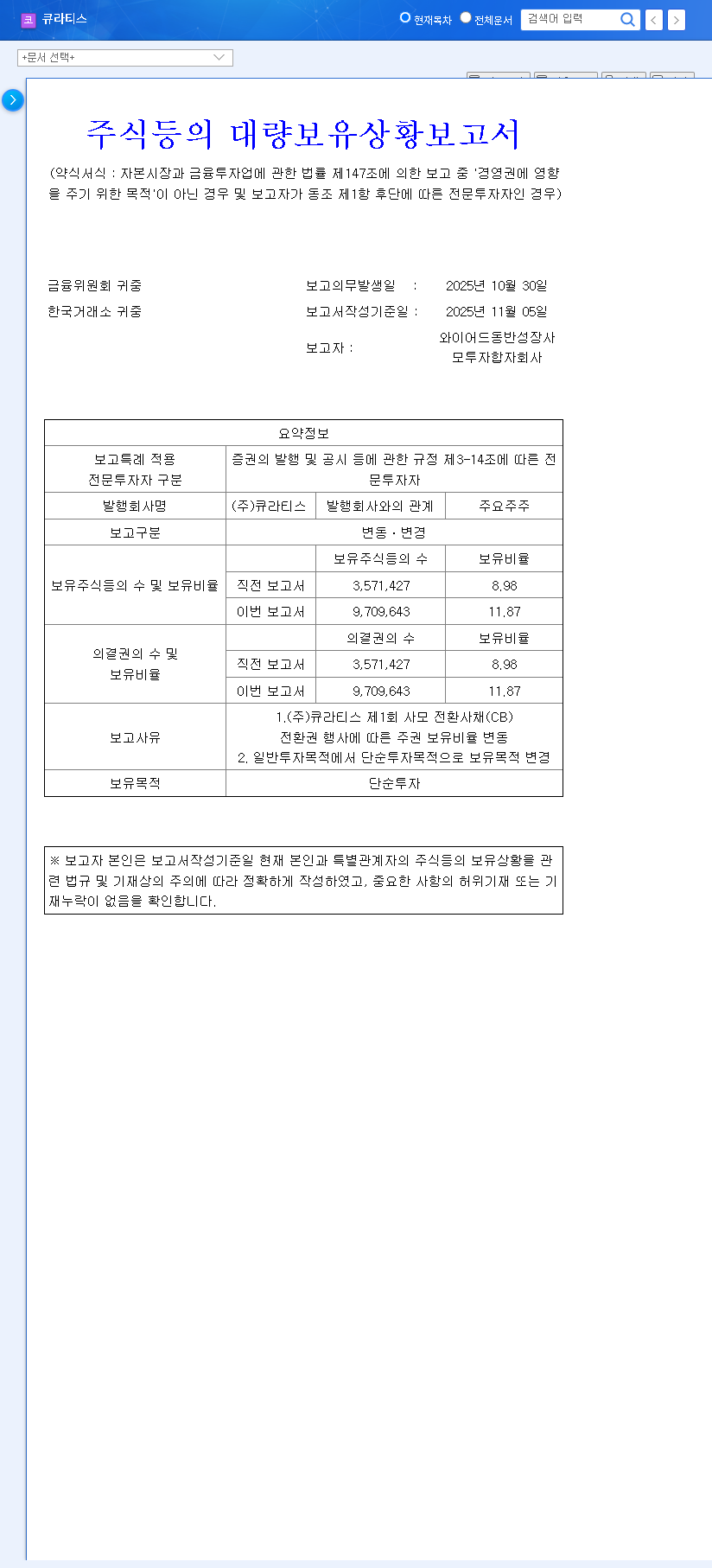
    The recent Quratis CB conversion event has sent ripples through the investor community, prompting a critical re-evaluation of Quratis Inc.’s stock potential. On November 5, 2025, Wired Dongban Growth Private Equity Fund made a significant move by exercising its conversion rights on private convertible bonds (CBs), boosting its stake in the biotech firm from 8.98% to 11.87%. This action, coupled with a strategic shift in investment purpose, signals strong confidence but also raises questions about future stock volatility. For investors, understanding the nuances of this development is crucial for making informed decisions.

    This comprehensive Quratis investor analysis will dissect the event, explore the company’s underlying fundamentals, and provide a strategic outlook on what this means for the Quratis stock price and your investment portfolio.

    Decoding the Quratis CB Conversion Event

    The core of the news revolves around a major shareholder, Wired Dongban Growth Private Equity Fund, converting its debt instrument (convertible bonds) into equity (company shares). This move is significant for two primary reasons: the substantial increase in their shareholding and the change in their stated investment purpose from ‘general investment’ to ‘simple investment’. You can view the Official Disclosure on the DART system for full transparency. This signals that the fund is not seeking to influence company management but is focused purely on the investment’s financial return, which could imply an eventual sale for profit.

    What are Convertible Bonds (CBs)? In simple terms, a convertible bond is a type of debt security that the holder can convert into a specified number of shares of the issuing company’s common stock. Companies use them to raise capital at a lower interest rate, while investors are attracted by the potential for higher returns if the company’s stock price increases.

    Quratis Inc. Fundamentals: A Look Under the Hood

    To understand the context of the Quratis CB conversion, we must assess the company’s core business and financial health.

    Promising Vaccine Pipeline

    Quratis’s long-term value is heavily tied to its research and development. Key pipelines are showing steady progress:

    • QTP101 (Tuberculosis Vaccine): A next-generation vaccine for adults, a crucial area in global health, is progressing smoothly through clinical trials. Success here could tap into a significant and underserved market.
    • QTP104 (mRNA COVID-19 Vaccine): Development continues, positioning Quratis within the advanced field of mRNA technology, which has applications beyond COVID-19. You can learn more in our guide on mRNA Vaccine Technology Explained.

    Stable CDMO Business Growth

    Beyond its own R&D, Quratis’s Contract Development and Manufacturing Organization (CDMO) business, operating from its Osong bioplant, provides a stable revenue stream. This segment has shown consistent growth in service revenue, offering a financial cushion and validating the company’s manufacturing capabilities.

    Financial Health Check

    Recent rights offerings have successfully shored up the company’s balance sheet, increasing cash reserves and improving liquidity. However, a notable concern remains the surge in derivative liabilities associated with its convertible bonds. While the conversion reduces debt, the accounting for these complex financial instruments requires careful and continuous monitoring by investors.

    Impact Analysis: The Road Ahead for Quratis Stock

    The Quratis CB conversion introduces both opportunities and risks that could influence its stock price in the short and long term.

    • Positive Signal & Market Confidence: An institutional investor increasing its stake is a powerful vote of confidence in Quratis Inc.’s future. This can attract other investors and build positive momentum, potentially driving up the Quratis stock price.
    • Improved Financial Structure: By converting debt to equity, the company’s debt-to-equity ratio improves. This strengthens the balance sheet, making Quratis appear more financially stable and attractive to fundamentally-driven investors.
    • Risk of Short-Term Volatility: The ‘simple investment’ purpose suggests the fund may sell its shares to realize a profit if the stock price rises significantly. This potential for a large block of shares to hit the market could create downward pressure and short-term price volatility.
    • Share Dilution Concern: The creation of new shares to facilitate the conversion dilutes the ownership stake of existing shareholders. While the impact here is somewhat contained, it is a factor that can weigh on investor sentiment.

    Strategic Guide for Quratis Investors

    Given these factors, a prudent investment strategy is essential. The global macroeconomic environment, with shifting interest rate policies as reported by sources like Bloomberg, adds another layer of complexity. Investors should therefore align their approach with their risk tolerance and investment horizon.

    For the Long-Term Investor:

    Focus on the fundamentals. The success of the QTP101 and QTP104 clinical trials and the continued growth of the CDMO business are the true long-term value drivers. View the CB conversion as a positive validation of this potential but stay focused on R&D milestones and quarterly financial reports.

    For the Short-Term Trader:

    Be prepared for volatility. The ‘simple investment’ clause creates an overhang risk. Monitor trading volumes and be aware of potential price swings. The positive sentiment could create short-term buying opportunities, but a clear exit strategy is crucial to manage the risk of the major shareholder cashing out.

    In conclusion, the Quratis CB conversion is a multifaceted event, best viewed as a bullish signal from a major institutional investor. It strengthens the company’s financial standing and boosts confidence. However, investors must remain vigilant, monitoring for short-term volatility while keeping a close eye on the fundamental progress that will ultimately determine the long-term success of Quratis Inc.
    (348080) Quratis CB Conversion: In-Depth Investor Analysis & Stock Price Outlook 관련 이미지
  • (437730) SAMHYUN’s KRW 22.3B Investment: A Game-Changer for Robotics, Defense & AAM?

    (437730) SAMHYUN’s KRW 22.3B Investment: A Game-Changer for Robotics, Defense & AAM?

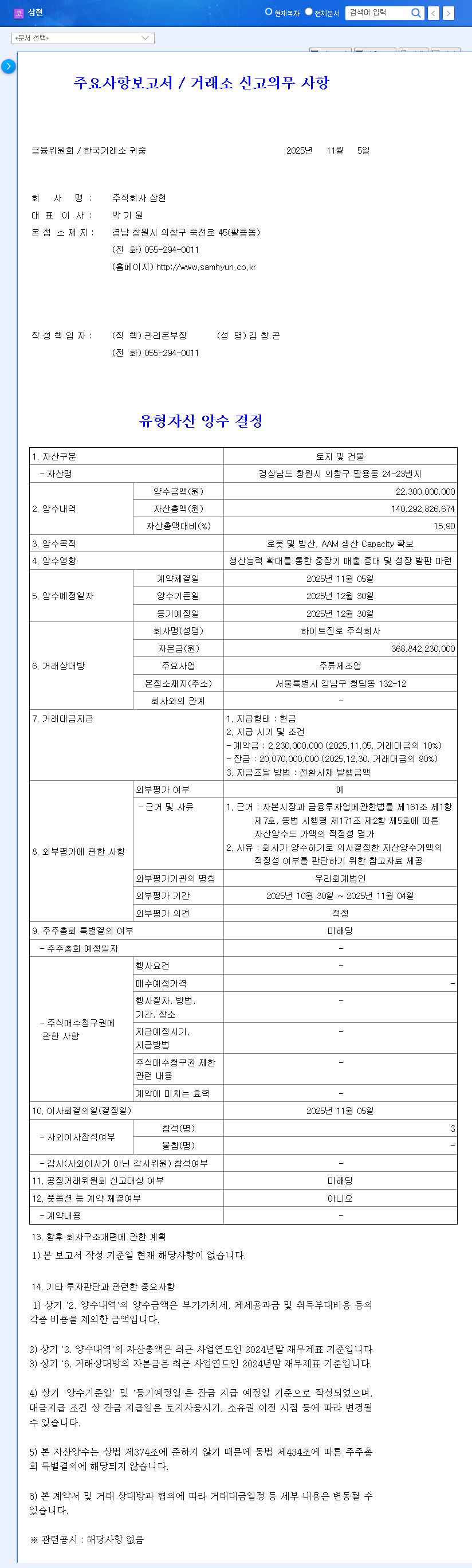
    The recent SAMHYUN investment of KRW 22.3 billion into a new production facility has sent ripples through the market. For SAMHYUN CO.,LTD, a leader in integrated motor, controller, and reducer solutions, this is more than just an acquisition; it’s a bold declaration of its future ambitions. This strategic move aims to massively scale up production capabilities for high-growth sectors: Robotics, Defense, and Advanced Air Mobility (AAM). While the long-term vision is compelling, it arrives amidst concerns over short-term financial burdens and recent sluggish performance. This analysis delves deep into the implications of this pivotal decision, weighing the immense potential against the inherent risks.

    This acquisition is a calculated gamble, positioning SAMHYUN to dominate future industries. The core question for investors is whether the company can navigate the short-term financial pressures to realize its long-term, high-growth potential.

    The Landmark KRW 22.3 Billion Acquisition

    On November 5, 2025, SAMHYUN CO.,LTD officially announced its decision to acquire land and buildings in Uichang-gu, Changwon-si, Gyeongsangnam-do. Valued at KRW 22.3 billion, this tangible asset represents a significant 15.90% of the company’s total assets. The acquisition is set to be finalized with a cash payment on December 30, 2025, funded through the issuance of convertible bonds (CBs). This move establishes a core production hub intended to serve as the launchpad for the company’s next phase of growth. The complete details can be reviewed in the Official Disclosure (DART).

    Strategic Rationale: Why This SAMHYUN Investment Matters

    Despite potential short-term financial strains, the company’s leadership sees this investment as a non-negotiable step toward securing future dominance. The core motivations are multifaceted and forward-looking.

    1. Securing Future-Proof Production Capacity

    The primary driver is to proactively meet the exponential demand forecasted in robotics, defense, and AAM. These are not just growth areas; they are the future of industry. By expanding its robotics production and defense manufacturing capabilities, SAMHYUN aims to solidify its position as a key supplier for major clients like Hyundai Motor Group and Hanwha Group, while preparing for a surge in new orders. The AAM market, in particular, represents a blue-ocean opportunity for advanced mobility solutions. You can learn more about this emerging sector in this comprehensive guide to Advanced Air Mobility.

    2. Laying the Foundation for Long-Term Value

    This facility is more than just buildings and land; it’s the foundation for sustained, long-term revenue growth. By expanding the application of its core 3-in-1 (motor, controller, reducer) solutions, SAMHYUN is aiming to increase market share and drive corporate value. This also enables diversification into other promising areas like electric ships and advanced agricultural machinery, reducing reliance on traditional automotive components. To better understand their core technology, you can read our analysis on SAMHYUN’s integrated solutions.

    A Balanced Analysis: Opportunities vs. Risks

    Any investment of this magnitude carries both immense potential and significant risk. A prudent investor must consider both sides of the coin.

    Positive Impacts: Maximizing Growth Potential

    • Strengthened Market Position: Expanded production capacity allows SAMHYUN to confidently bid on larger contracts and accommodate increasing order volumes, directly fueling revenue growth.
    • Accelerated New Growth Engines: This tangible commitment to future sectors sends a powerful signal to the market, which can positively impact long-term corporate valuation.
    • Demonstrated Funding Capability: Successfully raising KRW 22.3 billion via convertible bonds confirms market confidence and the company’s ability to secure substantial capital for strategic projects.

    Negative Factors & Key Considerations

    • Short-Term Financial Burden: The acquisition will strain cash flow. The interest payments and potential stock dilution from the convertible bonds are critical factors to monitor.
    • Time-to-Revenue Lag: It will take time for the new facility to become operational and for the expanded capacity to translate into measurable revenue and profitability.
    • Market & Performance Uncertainty: Given the company’s sluggish performance in H1 2025 and stock price trends, a swift turnaround is necessary to justify the investment and appease investor concerns.

    Investor Action Plan & Outlook

    For investors evaluating the SAMHYUN investment, a phased monitoring approach is recommended. While the long-term potential is clear, short-term vigilance is crucial. It is essential to monitor quarterly reports for signs of revenue growth from the new business segments and to track the company’s cash flow management post-acquisition.

    What is the primary reason for SAMHYUN’s investment?

    The main goal is to secure large-scale production capacity for the rapidly growing Robotics, Defense, and AAM (Advanced Air Mobility) sectors, which are central to its strategy for future revenue growth.

    How will this investment affect SAMHYUN’s finances?

    In the short term, the KRW 22.3 billion acquisition will increase the financial burden due to the large cash outlay and obligations from the convertible bonds. Key risks include interest expenses and potential stock dilution.

    What should investors monitor moving forward?

    Investors should adopt a cautious but optimistic approach. Key metrics to watch include the facility’s operational timeline, new order intake in the target sectors, cash flow management, and the company’s strategy regarding the convertible bonds. The ability to translate this massive investment into tangible profit improvements will be the ultimate measure of its success.

    (437730) SAMHYUN's KRW 22.3B Investment: A Game-Changer for Robotics, Defense & AAM? 관련 이미지
  • (205500) NEXUS Co., Ltd. (205500) Earnings Analysis: Q3 Stock Outlook & Investor Guide

    (205500) NEXUS Co., Ltd. (205500) Earnings Analysis: Q3 Stock Outlook & Investor Guide

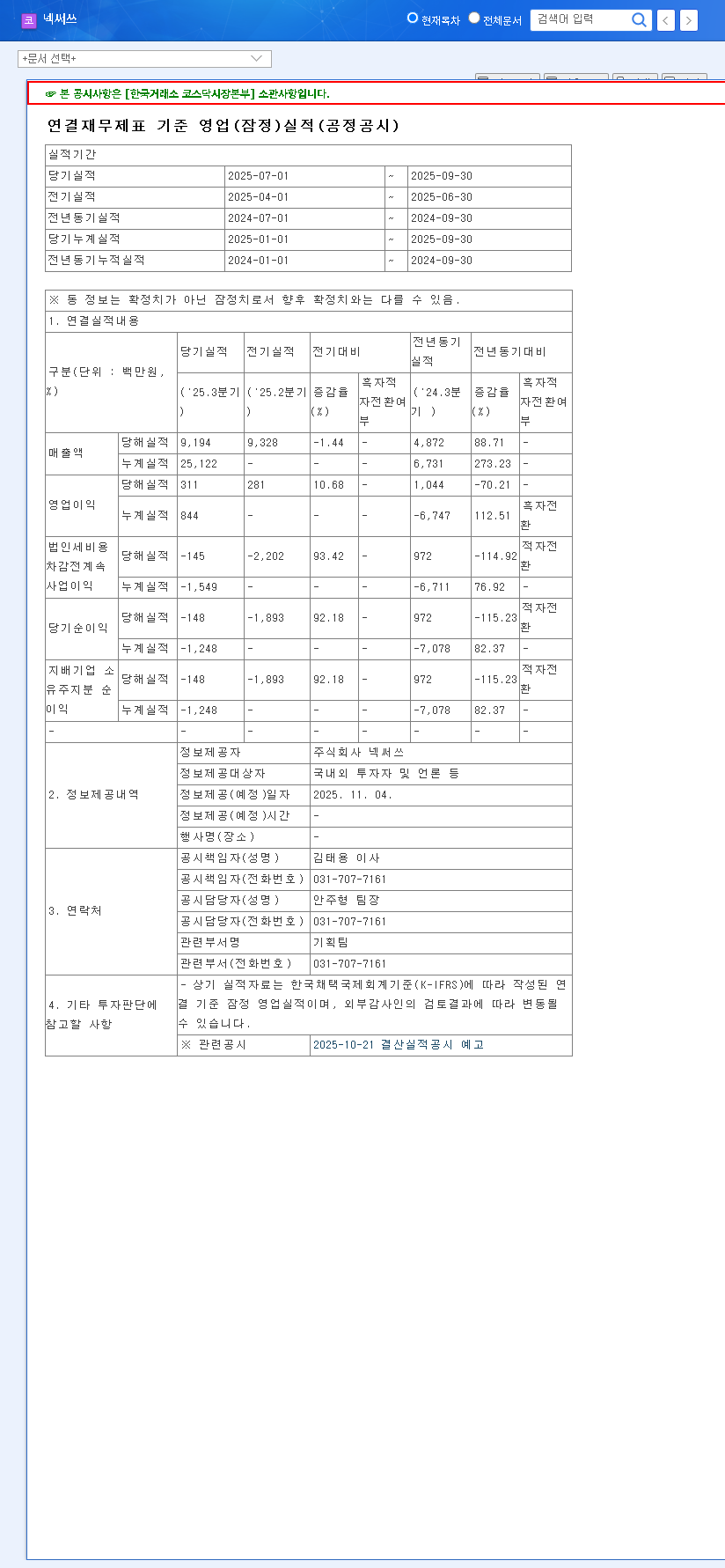
    The latest NEXUS Co., Ltd. earnings report for Q3 2025 has sent ripples of concern through the investment community. While top-line revenue shows impressive growth, a closer look reveals stagnant operating profits and a worrying dip into a net income deficit. Compounded by the termination of the anticipated ‘Dungeon Stalkers’ publishing contract and a significant 20 billion KRW convertible bond issuance, investors are rightly asking: what is the true financial health of NEXUS (205500), and what does the future hold for its stock?

    This comprehensive analysis provides a meticulous breakdown of the Q3 performance, dissects the company’s major strategic shifts, and evaluates the broader economic headwinds it faces. We will provide a clear, expert-driven NEXUS investment outlook to help you navigate this critical juncture.

    Deconstructing the Q3 2025 NEXUS Co., Ltd. Earnings Report

    On November 4, 2025, NEXUS Co., Ltd. released its preliminary Q3 earnings, painting a complex picture for stakeholders. The full details were published in the company’s Official Disclosure, but the key takeaways demand closer scrutiny.

    While revenue surged by an impressive 87.7% year-over-year to 9.2 billion KRW, the company’s profitability engine has stalled, raising fundamental questions about its operational efficiency and cost structure.

    Key Financial Metrics at a Glance

    • Revenue Growth vs. Profit Stagnation: Revenue reached 9.2 billion KRW, yet operating profit remained flat at 300 million KRW for the third consecutive quarter. This disconnect suggests that the cost of generating revenue is rising, eroding margins.
    • Net Income Deficit: The company reported a net income loss of 100 million KRW. While an improvement from the previous quarter’s 1.9 billion KRW loss, a persistent inability to achieve net profitability is a significant red flag.
    • Major Strategic Shifts: The period was marked by the termination of the ‘Dungeon Stalkers’ contract and the issuance of 20 billion KRW in convertible bonds, both carrying substantial long-term implications.

    Strategic Pivots and Financial Pressures

    Understanding the NEXUS Co., Ltd. stock potential requires looking beyond the numbers and into the strategic decisions shaping its future. Two recent events are particularly crucial.

    The ‘Dungeon Stalkers’ Contract Termination

    The cancellation of the publishing agreement for ‘Dungeon Stalkers’ creates immediate uncertainty. It reduces near-term revenue forecasts and raises questions about the recovery of invested capital. However, this move could also be a strategic pivot. By shedding a potentially underperforming or resource-intensive project, NEXUS may be freeing up capital and talent to focus on core competencies or more promising ventures. For a deeper understanding of how gaming companies evaluate their project pipelines, you can review our guide to gaming industry investments.

    The 20 Billion KRW Convertible Bond: A Double-Edged Sword

    Securing 20 billion KRW provides a vital cash infusion for R&D and new growth initiatives. However, this funding comes at a steep price. The 8.0% annual coupon rate translates to 1.6 billion KRW in interest expenses per year, a significant burden for a company struggling with profitability. Furthermore, the ‘convertible’ nature of these bonds means they can be converted into company stock in the future, which could dilute the value of existing shares—a major concern for current investors.

    Macroeconomic and Industry Headwinds

    NEXUS does not operate in a vacuum. Broader economic trends, as reported by sources like Reuters, are creating a challenging environment for growth-focused tech companies.

    • High-Interest Rate Pressure: Global high-interest rates make debt (like the 8% bond) more expensive and reduce the present value of future earnings, which tends to depress the stock prices of growth companies.
    • Exchange Rate Volatility: With approximately 63.5% of sales coming from overseas, fluctuations in the KRW/USD and KRW/EUR exchange rates can have a direct and significant impact on reported revenue and profits.
    • Gaming Industry Slowdown: Projections for a shrinking South Korean gaming market in 2024 add another layer of risk, making the success of new game launches more critical than ever.

    Investor Takeaway: A Cautious NEXUS Investment Outlook

    In the short term, the combination of weak profitability and strategic uncertainty is likely to exert downward pressure on the NEXUS Co., Ltd. stock price. Investor confidence has been shaken, and a clear path to profitability is needed to restore it.

    A comprehensive 205500 stock analysis suggests that a turnaround is possible but contingent on several key factors. Investors should adopt a cautious stance and closely monitor the following:

    • Utilization of Capital: Watch for clear announcements and successful execution of new projects funded by the 20 billion KRW bond.
    • Path to Profitability: Look for concrete improvements in operating margins and a return to positive net income in subsequent NEXUS Co., Ltd. earnings reports.
    • Management Communication: Transparent communication from management regarding their strategy for managing debt, mitigating currency risk, and restoring investor trust is paramount.

    NEXUS stands at a crossroads. The capital it has raised offers an opportunity for a powerful reset, but the financial and strategic risks are undeniable. Prudent investors will wait for tangible proof of a successful turnaround before committing capital.

    (205500) NEXUS Co., Ltd. (205500) Earnings Analysis: Q3 Stock Outlook & Investor Guide 관련 이미지
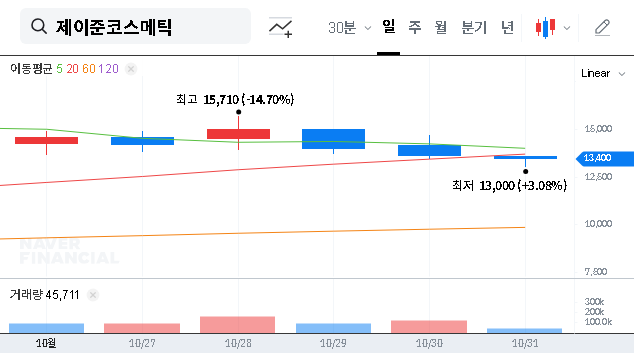
  • (025620) Jayjun Cosmetic Stock: An In-depth Analysis of Roa Property’s Convertible Bond Investment

    (025620) Jayjun Cosmetic Stock: An In-depth Analysis of Roa Property’s Convertible Bond Investment

    In a significant market development, cosmetics firm Jayjun Cosmetic has captured the attention of investors following a major acquisition of its convertible bonds. The key player, Roa Property, has taken a substantial 6.95% stake, signaling a strong vote of confidence. But does this strategic move pave the way for a bright future for the Jayjun Cosmetic stock, or does it mask underlying financial vulnerabilities? This analysis provides a comprehensive look at the implications for current and potential investors.

    The Catalyst: Roa Property’s Convertible Bond Acquisition

    On November 3, 2025, a public disclosure revealed that Roa Property/Korea acquired the 36th series of Jayjun Cosmetic convertible bonds, establishing a new 6.95% ownership stake. This is not just a passive investment; it’s a calculated move that injects fresh capital and, more importantly, market confidence into a company facing significant headwinds. For those unfamiliar, a convertible bond (CB) is a type of debt security that the holder can convert into a specified number of shares of common stock. This hybrid instrument offers investors the potential for equity upside while providing some downside protection, making this CB acquisition a particularly noteworthy event.

    This large-scale acquisition can be seen as a strong bet on the future value of Jayjun Cosmetic, looking past current financial struggles towards the potential success of its strategic diversification.

    The Core Dilemma: New Hope vs. Weak Fundamentals

    A Company Under Pressure

    It’s crucial to understand the context of this investment. The financial landscape for Jayjun Cosmetic has been challenging. The Q2 2025 semi-annual report highlighted several areas of concern:

    • A significant accumulated deficit of approximately 145.3 billion KRW.
    • Deteriorating revenue streams and declining profitability in its core cosmetics business.
    • Multiple ongoing litigation risks that could pose further financial burdens.
    • Existing liabilities from previous convertible bonds and derivatives.

    These factors paint a picture of a company in need of a strategic overhaul, which makes Roa Property’s investment all the more intriguing.

    The Turnaround Strategy: Diversification and New Capital

    Amidst these difficulties, Jayjun Cosmetic is not standing still. The company is actively pursuing business diversification into high-growth sectors, namely healthcare and financial investment. This capital injection from the CB acquisition is vital fuel for these new ventures. The move suggests that Roa Property sees significant untapped potential, either in a rebound of the core cosmetics business or, more likely, in the successful execution of this new strategic direction.

    For those wishing to review the primary source documentation, the official filing provides complete details. You can view the Official Disclosure on the DART system. Understanding these reports is a key skill, and you can learn more by reading our guide to analyzing corporate filings.

    Investor Outlook: Balancing Opportunity and Risk

    While the investment is a positive signal, it is not a silver bullet. The short-term impact on the Jayjun Cosmetic stock price may be limited until tangible results from the new business ventures emerge. Investors must adopt a balanced perspective, weighing the potential long-term rewards against the very real risks.

    Key Factors to Monitor Moving Forward:

    • New Business Progress: Track milestones and revenue generation from the healthcare and financial investment divisions. Their success is paramount.
    • Stock Dilution Risk: The conversion of these bonds into stock will increase the number of outstanding shares, potentially diluting the value for existing shareholders. Monitor the conversion price and timing closely.
    • Fundamental Improvement: Look for signs of recovery in the core business, such as improving margins, reduced debt, and positive cash flow.
    • Management Actions: Observe how the new capital is deployed and whether management demonstrates transparency and efficiency in its strategic execution.

    In conclusion, Roa Property’s investment in Jayjun Cosmetic is a pivotal event that introduces both opportunity and complexity. Prudent investors will move beyond the headline, performing deep due diligence and continuously monitoring the company’s progress in strengthening its financial foundation and executing its growth strategy.

    (025620) Jayjun Cosmetic Stock: An In-depth Analysis of Roa Property's Convertible Bond Investment 관련 이미지
  • (117730) T-Robotics CB/BW Conversion: A Deep Dive into Share Dilution & Stock (117730) Analysis

    (117730) T-Robotics CB/BW Conversion: A Deep Dive into Share Dilution & Stock (117730) Analysis

    The recent T-Robotics CB/BW conversion announcement has sent ripples through the investment community. For stakeholders in T-Robotics co., Ltd. (117730), the news of over 570,000 new shares hitting the market raises critical questions about share dilution, stock price volatility, and the company’s long-term viability. This comprehensive analysis will dissect the official disclosure, evaluate the company’s precarious financial health, and provide a clear robotics investment strategy for navigating the challenges ahead.

    We will explore the immediate risks and potential long-term benefits of this financial maneuver, offering investors a data-driven perspective to inform their next steps concerning their T-Robotics stock holdings.

    Understanding the T-Robotics CB/BW Conversion Details

    On November 3, 2025, T-Robotics officially disclosed the exercise of conversion rights for its Convertible Bonds (CBs) and Bonds with Warrants (BWs). This is not just financial jargon; it’s a significant event with tangible consequences for the market. To understand why, let’s break down the numbers.

    • New Shares Issued: A total of 574,881 new shares are set to be listed.
    • Listing Date: The new shares will officially begin trading on November 14, 2025.
    • Market Impact: This issuance represents approximately 2.80% of the company’s total outstanding shares, a notable increase that directly leads to concerns about share dilution.
    • Conversion Price: The shares were converted at a price of KRW 8,767 each.

    The specifics of this event can be verified via the company’s Official Disclosure (Source: DART). Understanding these instruments is key; for more information, you can read our guide on how convertible bonds impact stock value.

    A Deep Dive into T-Robotics’ Troubling Fundamentals

    The timing of this conversion is critical because it coincides with a period of significant financial distress for T-Robotics. A thorough 117730 stock analysis reveals a company grappling with several fundamental weaknesses.

    1. Worsening Profitability and Revenue Decline

    In the first half of 2025, T-Robotics reported a 14.1% year-on-year drop in sales to KRW 23.64 billion. More alarmingly, the company’s profitability has cratered, swinging from a profit to an operating loss of KRW -0.73 billion and a staggering net loss of KRW -17.24 billion. This decline is not an isolated issue but is rooted in sluggish sales of its core products—vacuum and logistics robots—and exacerbated by rising financial costs associated with its CBs and BWs.

    2. Precarious Financial Health

    The balance sheet paints an equally grim picture. Total liabilities have swelled to KRW 82.05 billion, pushing the debt-to-equity ratio to a worrying 247.1%. Simultaneously, substantial net losses have eroded total equity by over 33%. This combination of rising debt and shrinking equity signals heightened financial instability and potential liquidity risks that investors cannot ignore.

    The core issue is that the T-Robotics CB/BW conversion is happening not from a position of strength, but during a period of significant operational and financial weakness, amplifying the risk of share dilution.

    Stock Price Impact: Short-Term Pain vs. Long-Term Gain?

    The influx of new shares will inevitably impact the T-Robotics stock price. The key is to differentiate between immediate reactions and the long-term outlook.

    Short-Term: The Shadow of Share Dilution

    In the short term, the market’s primary fear is share dilution. With over 570,000 new shares available, the supply increases, which can place downward pressure on the stock price. This is especially true when bondholders who converted at KRW 8,767 decide to sell their shares to lock in profits, given the current market price is significantly higher. This potential wave of selling, combined with the company’s poor fundamentals, could lead to heightened price volatility and a negative sentiment among existing shareholders.

    Long-Term: A Path to Recovery?

    Despite the short-term headwinds, there is a potential silver lining. Converting debt to equity helps clean up the balance sheet by reducing the company’s debt burden. This can improve financial stability over the long run. Furthermore, T-Robotics still possesses a technological edge, particularly in the OLED vacuum robot sector, which holds significant growth potential. For this potential to be realized, however, the company must demonstrate a clear and decisive turnaround in its business operations and profitability. According to market analysis from authoritative sources like Bloomberg, investor confidence hinges on a company’s ability to execute a recovery plan effectively.

    Investment Strategy: What Should Investors Do Now?

    Navigating this period requires a clear-eyed and strategic approach. The correct action depends on your position and risk tolerance.

    • Existing Shareholders: Brace for potential short-term volatility. It is crucial to re-evaluate your investment thesis. Is your belief in the company’s long-term technology story strong enough to withstand the current financial turmoil?
    • Potential Investors: Extreme caution is advised. This is not the time for speculative buying. A prudent approach would be to wait for concrete signs of a business recovery, such as improved quarterly earnings reports and a stronger balance sheet, before considering an entry point.
    • The Company’s Role: T-Robotics management must engage in proactive and transparent communication with the market. Presenting a credible turnaround plan is essential to restoring investor confidence and mitigating the negative impact of the share issuance.

    Disclaimer: This analysis is for informational purposes only and does not constitute investment advice. All investment decisions should be made based on your own research and financial situation. No responsibility is assumed for any investment outcomes.

    (117730) T-Robotics CB/BW Conversion: A Deep Dive into Share Dilution & Stock (117730) Analysis 관련 이미지
  • (299170) WSI Convertible Bond Exercise: A Deep Dive into Stock Impact & 2025 Investor Strategy

    (299170) WSI Convertible Bond Exercise: A Deep Dive into Stock Impact & 2025 Investor Strategy

    The recent announcement from WSI Co., Ltd. (WSI, 299170) regarding its latest convertible bond exercise has captured the attention of the investment community. This financial maneuver, while common, can have significant ripple effects on a company’s stock price, shareholder value, and overall financial stability. For investors, understanding the nuances of this event is critical to navigating market uncertainty and making informed decisions.

    This comprehensive analysis will delve into the specifics of the WSI convertible bond exercise, evaluate the company’s current fundamental health, and project the potential short-term and long-term impacts. We will provide a clear, actionable investment strategy to help you understand what this means for the future of WSI’s stock.

    Understanding the WSI Convertible Bond Exercise

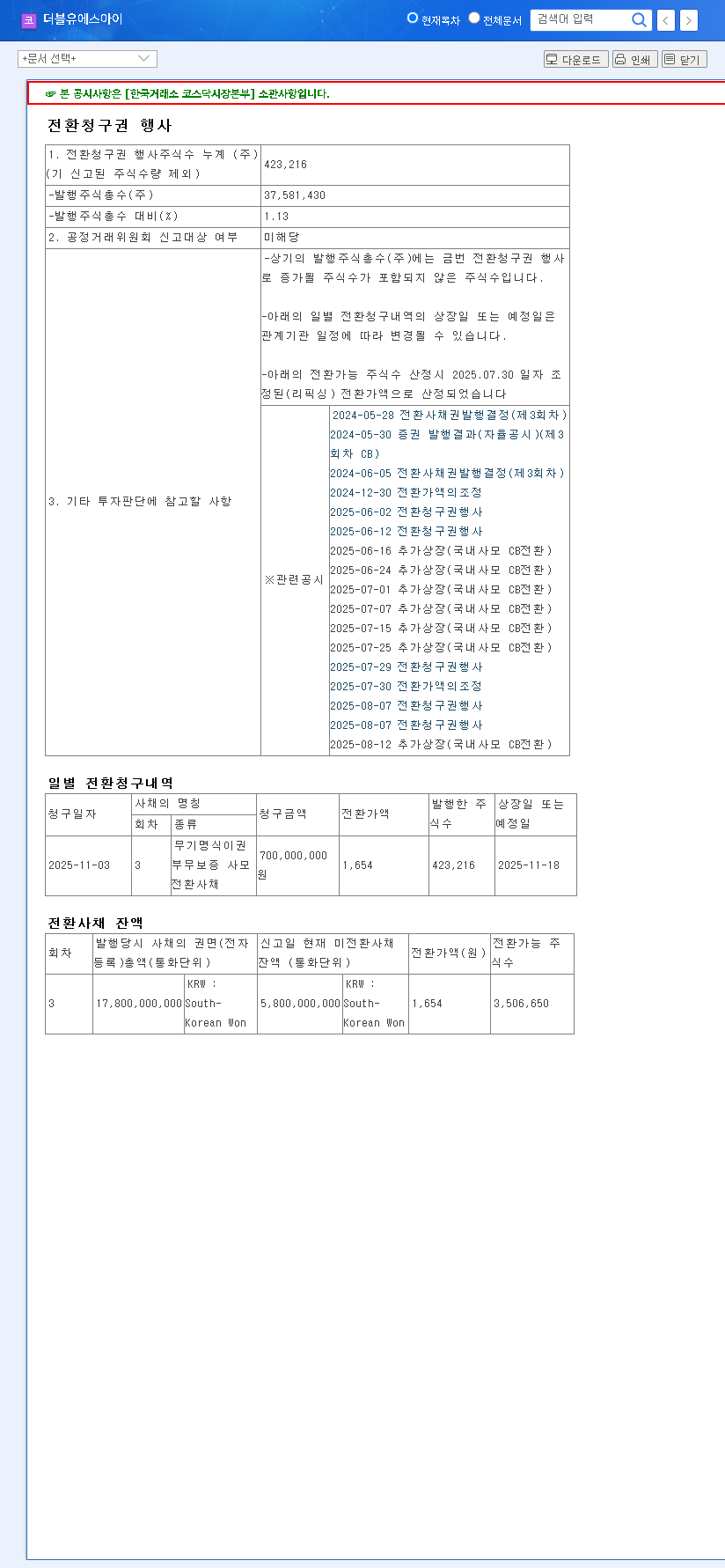
    On November 3, 2025, WSI officially disclosed that holders of its convertible bonds chose to exercise their right to convert debt into equity. In simple terms, investors are swapping their bonds for company shares. For a deeper understanding of the mechanics, you can read more about what convertible bonds are on authoritative financial sites.

    The key details of this specific event, based on the Official Disclosure, are as follows:

    • Total Shares Issued: 423,216 new shares will be listed.
    • Conversion Price: The bonds were converted at a price of KRW 1,654 per share.
    • Market Impact Scale: This volume represents just 1.13% of the current market capitalization, suggesting a limited immediate dilution effect.
    • Listing Date: The new shares are scheduled to begin trading on November 18, 2025.

    This conversion will increase the total number of outstanding shares, which can influence stock price dynamics, especially in the short term.

    WSI Stock Analysis: A Look at the Fundamentals

    To understand the true convertible bond impact, we must look beyond the event itself and conduct a thorough WSI stock analysis. The company is at a crossroads, balancing aggressive expansion with pressing financial challenges.

    Aggressive Expansion into High-Growth Sectors

    WSI is actively investing to secure future revenue streams by diversifying its portfolio. Key initiatives include:

    • Pharmaceuticals: Acquired a stake in Introbiopharma, entering the pharma manufacturing and R&D space.
    • Medical Robotics: Established Easymedibot Co., Ltd. to develop the ‘U-Bot’ surgical assistant robot.
    • Medical Devices: Secured supply contracts for cardiovascular interventional devices and expanded into spinal implant distribution.

    These moves position WSI in lucrative, forward-looking industries. However, such ambitious growth requires significant capital, which leads to the company’s current financial pressures.

    Current WSI Financial Status & Risk Factors

    The company’s 2025 semi-annual report paints a picture of short-term strain. The first half saw a 37.1% year-over-year drop in sales and a 77.4% plunge in operating profit, resulting in a net loss. This is largely attributed to M&A costs, R&D spending, and derivative valuation losses. Furthermore, borrowings have increased to fund this expansion, raising concerns about financial soundness in a high-interest-rate environment. You can learn more about assessing company health in our guide to fundamental analysis.

    The core challenge for WSI is managing its short-term financial burdens while ensuring its long-term growth investments begin to generate returns. The convertible bond exercise is a strategic step in this balancing act.

    Analyzing the Impact of the WSI Convertible Bond Exercise

    This event will have distinct effects in the short and long term.

    Short-Term Outlook: Volatility and Selling Pressure

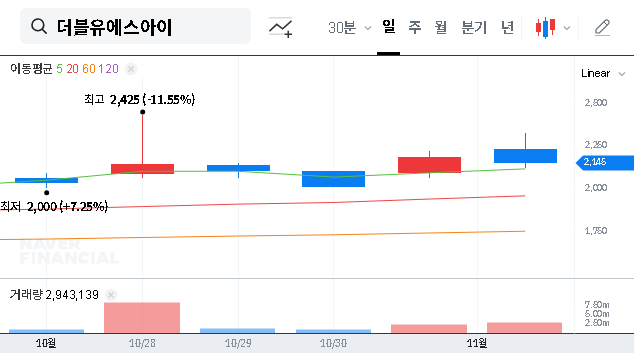
    The most immediate convertible bond impact will likely be increased stock volatility. With the current stock price (KRW 2,145) trading nearly 30% above the conversion price (KRW 1,654), bondholders have a strong incentive to sell their newly acquired shares to lock in profits. This can create a temporary supply-demand imbalance, putting downward pressure on the stock price around the November 18 listing date. The increase in share liquidity could also lead to higher trading volumes.

    Mid- to Long-Term Outlook: A Healthier Balance Sheet

    From a long-term perspective, the WSI convertible bond exercise is a positive development for the company’s financial structure. Key benefits include:

    • Debt Reduction: Converting debt to equity directly lowers the company’s liabilities and reduces its debt-to-equity ratio.
    • Improved Financial Soundness: A stronger balance sheet improves creditworthiness and reduces the burden of interest payments, freeing up cash flow for operations and investment.
    • Limited Dilution: Since the new shares represent only 1.13% of the market cap, the dilution of value for existing shareholders is minimal.

    Investor Strategy & Recommendations

    Considering all factors, investors should adopt a cautious yet watchful approach. The long-term vision is promising, but short-term hurdles are undeniable.

    1. Adopt a Cautious Stance: Acknowledge the risks presented by the recent weak financial performance and the cash burn from expansion before committing capital.

  • 2. Monitor for Performance Turnaround: Pay close attention to upcoming quarterly earnings reports. Look for tangible signs that the company’s investments in pharma and robotics are beginning to translate into revenue and profit growth.

    3. Watch for Further Capital Events: Keep an eye on disclosures for any additional bond exercises or capital increases, as these could further impact the stock’s dynamics.

    4. Plan for Short-Term Volatility: Be prepared for price fluctuations around the new share listing date. This could present a strategic entry point for long-term investors who are confident in the company’s growth story.

    In conclusion, while WSI’s convertible bond exercise signals a positive step towards deleveraging and strengthening its financial foundation, the company’s stock remains a play on future growth. Success hinges on its ability to turn ambitious expansion projects into profitable realities. Continuous monitoring is key.

(299170) WSI Convertible Bond Exercise: A Deep Dive into Stock Impact & 2025 Investor Strategy 관련 이미지
  • (064260) Danal Convertible Bond Conversion (064260): A Deep Dive for Investors

    (064260) Danal Convertible Bond Conversion (064260): A Deep Dive for Investors

    The recent announcement regarding the Danal convertible bond conversion has sent ripples through the investment community. For shareholders of Danal Co., Ltd. (064260), this corporate action presents a classic dilemma: the promise of a strengthened balance sheet versus the immediate threat of share dilution. This comprehensive analysis will dissect the event, examine its implications for Danal’s stock price, and provide a strategic roadmap for investors navigating this pivotal moment.

    We’ll explore the company’s fundamentals, the specifics of the conversion, and what this move signals about management’s long-term vision. Is this a defensive move to shore up finances, or a proactive step to fund future growth? Let’s find out.

    Deconstructing the Announcement: Key Details

    On October 31, 2025, Danal, a leader in the mobile payment space, officially disclosed the exercise of its convertible bond (CB) conversion rights. You can view the Official Disclosure via the DART report. Here are the critical figures investors need to know:

    • New Shares Issued: 1,147,957 common shares.
    • Impact on Total Shares: An increase of approximately 1.56%.
    • Conversion Price: KRW 3,136 per share.
    • Expected Listing Date: November 14, 2025.

    Essentially, bondholders are trading their debt instruments for equity in the company. To understand the full picture, it’s helpful to review why companies use these financial tools. For more general information, you can learn about the mechanics of convertible bonds on high-authority financial sites like Investopedia.

    The core tension for investors is clear: The company gets much-needed capital without taking on new debt, but existing shareholders will own a slightly smaller piece of the pie. The key is whether that new capital can generate more value than the dilution it causes.

    The Double-Edged Sword: Impact on Investors

    This Danal convertible bond conversion creates both tailwinds and headwinds for the company and its stock price. A balanced perspective is crucial.

    The Positive Case: Capital Enhancement and Confidence

    The infusion of capital is the most significant benefit. Based on its 2025 semi-annual report, Danal has seen rising liabilities and a widening net loss. This conversion directly addresses these concerns:

    • Improved Financial Structure: The new equity strengthens the balance sheet, reducing the debt-to-equity ratio and potentially lowering financing costs in the future.
    • Fuel for Growth: This capital can be deployed into promising new ventures like AI and virtual assets, or used to shore up unprofitable segments.
    • Favorable Pricing: With a current stock price of KRW 8,060, the conversion price of KRW 3,136 is highly attractive to bondholders, but it also means the market currently values the company far higher than the conversion price, suggesting the dilution’s impact might be absorbed without significant panic.

    The Negative Case: Share Dilution and Performance Pressure

    On the other hand, the immediate mathematical effect of issuing new shares cannot be ignored.

    • Ownership Dilution: Each existing share now represents a slightly smaller percentage of the company. This also impacts metrics like Earnings Per Share (EPS), as profits are spread across more shares.
    • Short-Term Price Pressure: An influx of over a million new shares on or around the listing date (November 14) could create temporary selling pressure, leading to price volatility.
    • Increased Urgency: This move puts a spotlight on management’s performance. The market will expect a clear and swift strategy for how this new capital will be used to generate returns and improve profitability. Failure to do so will amplify the negative effects of the Danal share dilution.

    Strategic Outlook: What Investors Should Monitor

    Beyond the initial market reaction, the long-term impact on Danal’s stock price will hinge on execution. Here’s what discerning investors should be watching:

    1. 1. Path to Profitability: The most critical factor. Look for clear communication and, more importantly, tangible results in improving the bottom line. Are they cutting losses in underperforming divisions? Are new ventures showing signs of monetization?
    2. 2. Capital Allocation Plan: How exactly will the proceeds be used? A detailed plan for debt reduction, strategic investments, or R&D will provide confidence. Vague promises will be met with skepticism. To learn more, read our guide on evaluating a company’s financial health.
    3. 3. Shareholder Value Initiatives: How does the company plan to offset the dilution? This could include share buyback programs in the future, increased dividends once profitability is restored, or a clear growth strategy that promises a much larger pie for everyone.

    In conclusion, the Danal convertible bond conversion is not an inherently ‘good’ or ‘bad’ event. It is a strategic trade-off. For now, it buys the company financial flexibility and time. The ultimate verdict on this move, however, will be written in the company’s future earnings reports and its ability to turn this capital into sustainable growth.

    (064260) Danal Convertible Bond Conversion (064260): A Deep Dive for Investors 관련 이미지
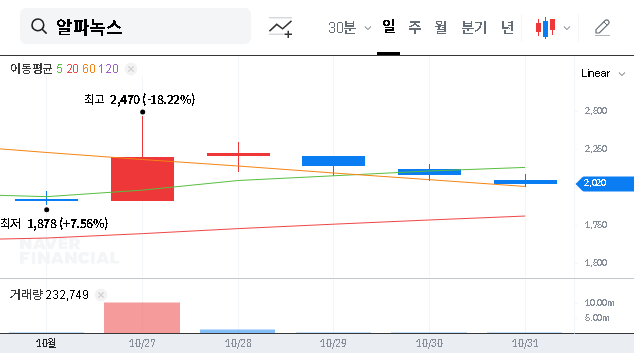
  • (043100) Alphanox Co.,Ltd. (043100) Analysis: Is its AI Future Worth the Financial Risk?

    (043100) Alphanox Co.,Ltd. (043100) Analysis: Is its AI Future Worth the Financial Risk?

    This comprehensive Alphanox Co.,Ltd. (043100) investment analysis reveals a company at a critical crossroads. On one hand, its ambitious pivot into the artificial intelligence sector, marked by a name change to ‘AlphaAI’, promises a high-growth future. On the other, severe financial red flags and management instability cast a long shadow over its prospects. For investors, the key question is whether the potential reward of its AI ambitions justifies the significant underlying risks.

    We will dissect the company’s recent disclosures, evaluate its fundamental health, and provide a strategic roadmap to help you make an informed decision about Alphanox Co.,Ltd. in this volatile market.

    Decoding the Official Disclosure

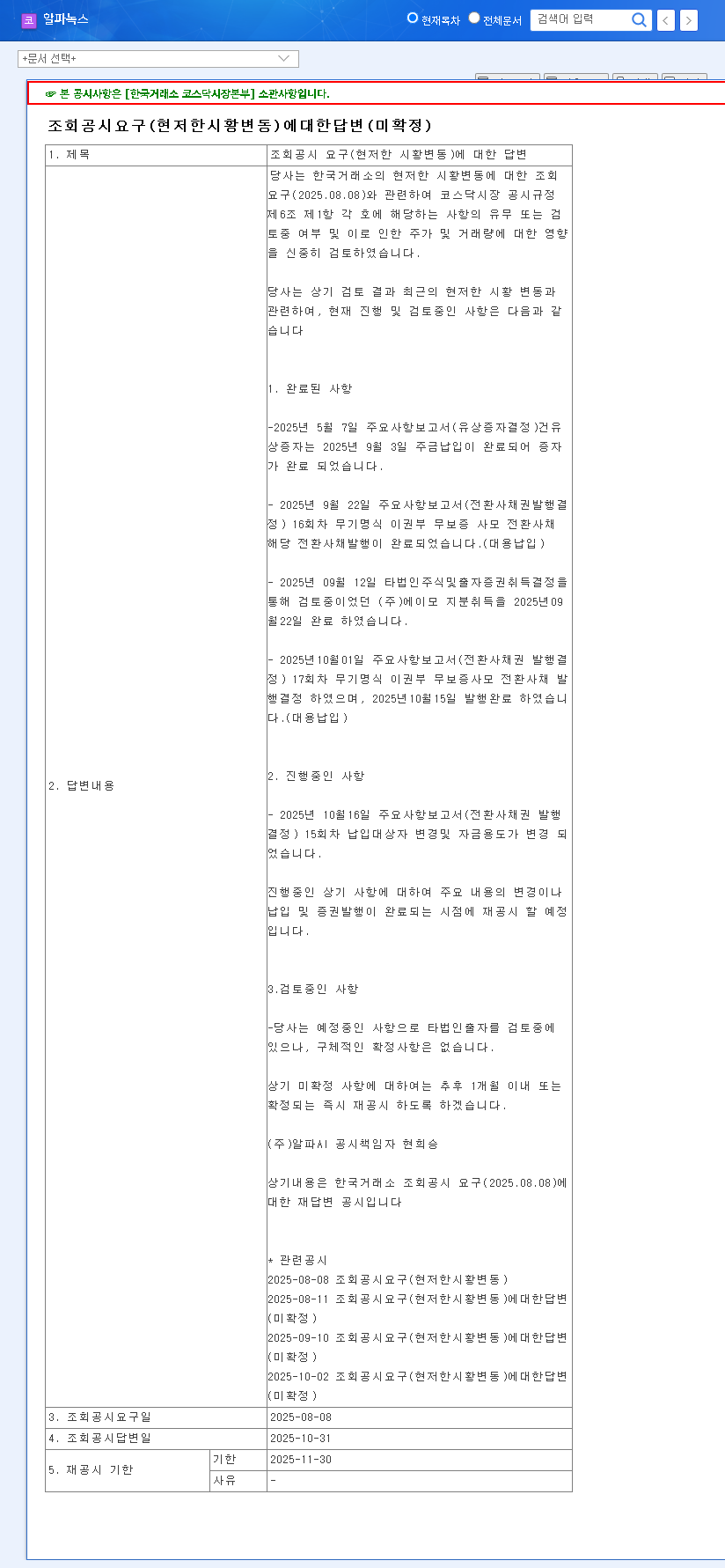
    In response to an inquiry from the Korea Exchange regarding significant market volatility, Alphanox filed a disclosure on October 31, 2025. This document provides a transparent look into recent corporate actions. You can view the full Official Disclosure (Source: DART) for complete details. The key takeaways include:

    • Completed Actions: The company successfully completed a capital increase, the issuance of its 16th and 17th convertible bonds, and the acquisition of Aimo Co., Ltd. shares. These steps indicate progress in securing capital and executing its strategic vision.
    • Ongoing Matters: There are unresolved changes related to the payment recipient and use of funds for the 15th convertible bonds, signaling potential complications in its financing activities.
    • Under Review: Alphanox is still reviewing a planned investment in other corporations, with no concrete details confirmed. This adds a layer of uncertainty for investors.

    The Bull Case: The Promise of ‘AlphaAI’

    A Strategic Pivot to a High-Growth Sector

    The most compelling argument for investing in Alphanox Co.,Ltd. is its decisive move into AI. By rebranding as ‘AlphaAI‘ and updating its articles of incorporation, the company has signaled a clear commitment to securing a new engine for growth. While specifics are emerging, this pivot could unlock significant value if executed properly. The acquisition of Aimo Co., Ltd. is a tangible first step in this new direction. Furthermore, its established medical business, which focuses on orthopedic implants, maintains a strong domestic market share and benefits from FDA certification, providing a foundation of stable, albeit modest, revenue. For more on this topic, you can read our guide to analyzing tech stocks.

    The Bear Case: A Cascade of Financial Risks

    Understanding the Alphanox Financial Risk Profile

    Despite the AI hype, a sober look at the company’s financials reveals serious concerns. The H1 2025 report shows a pattern of declining revenue, persistent operating losses, and negative operating cash flow. The company is heavily reliant on short-term borrowings and frequent capital raises (convertible bonds, etc.), which dilutes shareholder value and increases financial volatility. This pattern of capital raising points to a significant Alphanox financial risk that cannot be ignored.

    The most alarming red flag is the ‘disclaimer of audit opinion’ for its semi-annual review. This means the auditors were unable to obtain sufficient evidence to form an opinion on the financial statements, a severe warning of potential accounting irregularities or profound business uncertainty. According to authoritative financial sources, this is one of the most critical risks an investor can face.

    Adding to this instability are recent changes in the largest shareholder, which can disrupt long-term strategy and create management friction. These fundamental weaknesses present a high barrier to sustainable growth and must be resolved before long-term confidence can be established.

    Investment Strategy and Final Verdict

    Given the dual nature of Alphanox Co.,Ltd.—a promising future versus a precarious present—a cautious and highly strategic approach is necessary.

    Investor Action Plan

    • Short-Term Approach: The high volatility makes short-term trading extremely risky. Any position should be considered speculative. Investors should closely monitor upcoming disclosures regarding the 15th convertible bonds and the planned corporate investments for any signs of positive resolution.
    • Mid- to Long-Term Approach: A long-term investment is not advisable until there is clear evidence of a turnaround. Key milestones to watch for include: tangible revenue from the new AlphaAI business, a return to positive operating cash flow, the resolution of the audit opinion disclaimer, and stabilization of management.

    In conclusion, Alphanox Co.,Ltd. (043100) is a classic high-risk, high-reward play. The allure of its AI pivot is strong, but it is currently overshadowed by severe financial instability. Prudent investors should remain on the sidelines, waiting for concrete signs of fundamental improvement before committing capital.

    Frequently Asked Questions

    What are the main business areas of Alphanox (AlphaAI)?

    Alphanox is pivoting to AI-related businesses under its new name, ‘AlphaAI’. It also maintains its legacy medical business, which manufactures orthopedic implants and surgical instruments, and a smaller healthcare division.

    Is Alphanox Co.,Ltd. financially stable?

    No. Based on its H1 2025 report, the company faces significant financial instability, including operating losses, negative cash flow, and a high reliance on debt. The disclaimer of audit opinion is a major red flag regarding its financial health.

    What is the biggest risk when investing in Alphanox?

    The biggest risk is its precarious financial health, crystallized by the disclaimer of audit opinion. Until the company can demonstrate a clear path to profitability and resolve its accounting uncertainties, the risk of capital loss remains very high.

    (043100) Alphanox Co.,Ltd. (043100) Analysis: Is its AI Future Worth the Financial Risk? 관련 이미지
  • (025620) Jayjun Cosmetic Stock (025620) Analysis: Homecast Stake Acquisition & Future Outlook

    (025620) Jayjun Cosmetic Stock (025620) Analysis: Homecast Stake Acquisition & Future Outlook

    The outlook for Jayjun Cosmetic stock (025620) has entered a new, uncertain chapter. A significant development recently sent ripples through the investment community: Homecast Co., Ltd. has acquired a substantial stake in the struggling K-beauty company. This move forces a critical question for current and potential investors: Is this the catalyst that finally turns the tide for Jayjun Cosmetic, or just another false dawn? This comprehensive analysis will dissect the acquisition, evaluate its potential impact on the Jayjun Cosmetic stock price, and outline the key factors investors must monitor moving forward.

    We will delve into the company’s underlying financial health, the strategic implications of Homecast’s involvement, and the persistent risks that cloud its future. By examining both the opportunities and the threats, we aim to provide a clear, actionable perspective on this pivotal moment for Jayjun Cosmetic.

    The Landmark Event: Homecast’s Strategic Stake Acquisition

    On October 31, 2025, a significant corporate filing revealed a major shift in Jayjun Cosmetic’s ownership structure. Homecast Co., Ltd. announced its acquisition of the company’s 36th series of convertible bonds (CBs), thereby securing a 6.23% stake. This transaction, which stemmed from the dissolution of the Y2K Consortium, effectively positions Homecast as a new major shareholder. The official details of this acquisition are publicly available, as confirmed by this Official Disclosure (DART). But what does this mean in practical terms for the future of the company and its stock?

    Homecast’s entry as a major shareholder introduces a powerful new variable into the equation for Jayjun Cosmetic. While it presents a potential lifeline, the company’s deep-seated fundamental weaknesses cannot be overlooked.

    Analyzing the Impact on Jayjun Cosmetic Stock

    This acquisition is a double-edged sword, presenting both tantalizing opportunities and significant risks. A balanced Jayjun Cosmetic stock analysis requires a careful look at both sides of the coin.

    The Bull Case: Potential for a Turnaround

    • Strategic Influence & Management Oversight: Homecast’s 6.23% stake is large enough to influence corporate strategy. Their active participation could bring fresh perspectives, enforce greater financial discipline, and drive a more focused turnaround plan.
    • Improved Financial Health: The investment itself signals a vote of confidence and provides liquidity. It could pave the way for further capital injections, helping Jayjun Cosmetic fund new business diversification efforts in healthcare and financial investments—sectors that require significant upfront capital. For more on diversification, see our guide to corporate growth strategies.
    • Renewed Market Confidence: The news could attract short-term speculative interest, boosting the stock price. If Homecast outlines a clear and convincing long-term vision, it could begin to rebuild trust with the broader market.

    The Bear Case: Persistent Risks and Uncertainty

    • Dilution from Convertible Bonds: The stake was acquired via convertible bonds. When Homecast eventually converts these bonds into common shares, it will increase the total number of shares outstanding, diluting the value for existing shareholders.
    • Weak Core Fundamentals: As noted by financial analysts at authoritative financial news outlets, a single investment doesn’t fix underlying business problems. The 2025 semi-annual report highlights continuous operating losses, deteriorating profitability, and negative operating cash flow. The core cosmetics business remains weak.
    • Unproven Diversification Strategy: While diversifying into healthcare and finance sounds promising, these ventures are in their infancy with no concrete plans or proven results. This strategy carries significant execution risk.
    • Ongoing Litigation Risk: The company is embroiled in an ongoing lawsuit with RF Standard Co., Ltd. over sales commissions. An unfavorable outcome in the appeal could result in a significant financial burden, further straining its already fragile finances.

    Investment Thesis & Key Monitoring Points

    Given the high degree of uncertainty, the current investment opinion on Jayjun Cosmetic stock (025620) is one of cautious observation. The risk/reward profile is unfavorable until there is tangible evidence of a fundamental turnaround. Investors should closely monitor the following developments:

    • Homecast’s Strategic Plan: Watch for any announcements from Homecast regarding their specific plans for management participation and the strategic direction for Jayjun Cosmetic.
    • Quarterly Financial Reports: Scrutinize the next few earnings reports for any signs of improvement in the core cosmetics business’s profitability and operating cash flow.
    • New Business Milestones: Look for concrete progress in the healthcare and financial investment ventures, such as partnerships, product launches, or initial revenue generation.
    • Litigation Updates: Monitor the outcome of the appeal in the RF Standard Co., Ltd. lawsuit, as it represents a major financial overhang.

    In conclusion, while Homecast’s investment opens the door to potential restructuring and growth, it is far from a guarantee. The path to recovery for Jayjun Cosmetic is fraught with challenges. Prudent investors should wait for clear, quantifiable signs of fundamental improvement before considering a position in the stock.

    (025620) Jayjun Cosmetic Stock (025620) Analysis: Homecast Stake Acquisition & Future Outlook 관련 이미지
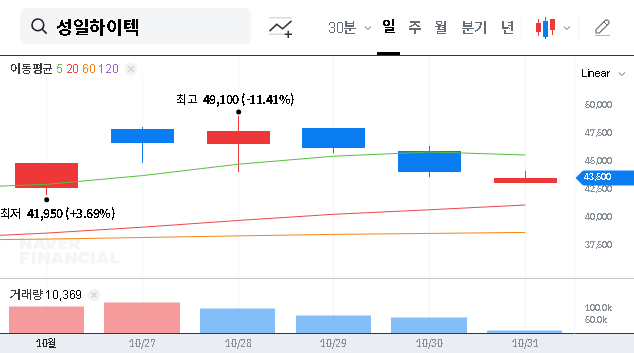
  • (365340) SungEel HiTech Stock Analysis: Orion’s Major Sale & What It Means for Investors

    (365340) SungEel HiTech Stock Analysis: Orion’s Major Sale & What It Means for Investors

    The market for SungEel HiTech stock has been buzzing after a significant filing revealed a major institutional investor, Orion Asset Management, drastically reduced its holdings. This news has left many retail and institutional investors asking a critical question: Is this a sign of trouble ahead, or simply a strategic portfolio adjustment? For anyone holding or considering a SungEel HiTech investment, understanding the nuances of this event is paramount.

    This comprehensive analysis will dissect the details of Orion’s stake sale, evaluate the current financial health and market position of SungEel HiTech, and provide a clear, forward-looking perspective. We’ll explore both the bullish tailwinds and the bearish headwinds to help you navigate the volatility and make a well-informed decision about the future of your SungEel HiTech stock position.

    The Catalyst: Orion Asset Management’s Stake Reduction

    On October 31, 2025, Orion Asset Management officially disclosed a substantial reduction in its stake in SungEel HiTech Co., Ltd. (365340). According to the filing, their ownership plummeted from 5.68% down to just 1.06%, a divestment of 4.62 percentage points. The full details can be verified in the Official Disclosure (DART).

    Crucially, this change wasn’t a standard open-market sell-off. It occurred as Orion Asset Management exercised its call option on convertible bonds (CBs). This detail is important because it suggests the move was tied to a pre-existing financial instrument and its maturity, rather than a sudden loss of faith in SungEel HiTech’s core business. For an institutional investor whose stated purpose was “simple investment,” this could be interpreted as a strategic capital management decision or profit-taking maneuver.

    Fundamental Deep Dive: Is SungEel HiTech Stock a Buy?

    To truly perform a SungEel HiTech stock analysis, we must look beyond a single transaction and examine the company’s underlying strengths and weaknesses.

    The Bull Case: Long-Term Growth and Industry Tailwinds

    • Explosive Industry Growth: SungEel HiTech is a key player in the secondary battery (EV battery) recycling industry. With the global shift to electric vehicles, the volume of end-of-life batteries is set to skyrocket, creating a massive, long-term demand for its services.
    • Favorable Regulatory Environment: Strict regulations like Europe’s Critical Raw Materials Act (CRMA) and EU battery recycling mandates are not obstacles but powerful catalysts. They force manufacturers to use recycled materials, creating a guaranteed market for companies like SungEel HiTech.
    • Global Expansion: The company is actively building a global footprint, highlighted by its new facility in Indiana, USA. This expansion positions it to serve key automotive markets directly and build a resilient global value chain.

    The Bear Case: Short-Term Performance and Financial Strain

    • Deteriorating Financials: In the first half of 2025, SungEel HiTech reported a 28.5% decrease in sales and swung to an operating loss. This is a direct result of the global EV market slowdown, as reported by sources like Bloomberg, coupled with falling raw material prices and heightened competition.
    • High Debt Load: The company’s debt-to-equity ratio has surged to 287.72%. In a high-interest-rate environment, this level of debt creates a significant burden on profitability due to escalating interest payments.
    • Reduced R&D Investment: A noticeable cut in R&D spending raises concerns about the company’s ability to maintain its technological edge in developing next-generation recycling for LFP and solid-state batteries.

    The core challenge for any SungEel HiTech investment is balancing the immense long-term potential of the battery recycling industry against the company’s immediate financial and operational headwinds.

    Market Impact and Investment Strategy

    Orion’s sale will likely have a negative short-term impact on the SungEel HiTech stock price. The introduction of a large block of shares can create a supply-demand imbalance, while the departure of a major institutional name may spook less-confident investors. This creates downward pressure.

    However, from a long-term perspective, this is more of a technical market event than a fundamental red flag. The core growth story of battery recycling remains intact. Therefore, a prudent investment strategy should be two-tiered:

    • Short-Term (Cautious): Acknowledge the potential for further price declines due to share overhang. A wait-and-see or staggered buying approach is advisable. Avoid making large commitments until the stock price finds a stable support level.
    • Long-Term (Conditional Optimism): The company’s long-term appeal is strong, but conditional. Investors should closely monitor key performance indicators before building a large position. This includes a return to profitability, successful ramp-up of the Indiana plant, and a clear strategy to manage its debt. For more on this sector, see our guide to investing in recycling technology stocks.

    Frequently Asked Questions (FAQ)

    Q1: Why did Orion Asset Management sell its SungEel HiTech stock?

    Orion reduced its stake from 5.68% to 1.06% by exercising a call option on convertible bonds. This suggests the action was part of a pre-planned capital management strategy related to that specific financial instrument, rather than a sudden negative verdict on the company’s future.

    Q2: Should I be worried about SungEel HiTech’s recent financial performance?

    Yes, the H1 2025 performance decline and high debt are significant concerns that require close monitoring. However, these are weighed against the company’s strong position in a high-growth industry, creating a classic risk/reward scenario for investors.

    Q3: What are the biggest growth drivers for SungEel HiTech?

    The primary growth drivers are the accelerating adoption of electric vehicles, which creates a future supply of batteries to recycle, and tightening government regulations that mandate the use of recycled materials in new batteries, effectively guaranteeing future demand.

    (365340) SungEel HiTech Stock Analysis: Orion's Major Sale & What It Means for Investors 관련 이미지