Tag: Convertible Bond

  • (156100) L&K BIOMED CB Conversion: A Deep Dive on Stock Dilution & Future Growth

    (156100) L&K BIOMED CB Conversion: A Deep Dive on Stock Dilution & Future Growth

    The recent L&K BIOMED CB conversion has become a major talking point for investors. L&K BIOMED CO., LTD. announced the exercise of convertible bond (CB) conversion rights, a financial maneuver that, while common, often creates uncertainty. The impending listing of over 240,000 new shares understandably raises concerns about short-term stock dilution. However, it also serves as a strong signal of positive company valuation, as the current stock price is trading well above the bond’s conversion price. This comprehensive analysis will explore the nuances of this event, dissecting the company’s fundamentals and the macroeconomic factors at play to provide investors with a clear, actionable outlook.

    While the L&K BIOMED CB conversion may introduce short-term volatility, the company’s long-term trajectory hinges on fundamental improvements in profitability and strategic execution in its high-growth markets.

    Event Overview: Deconstructing the CB Conversion

    What Exactly Happened?

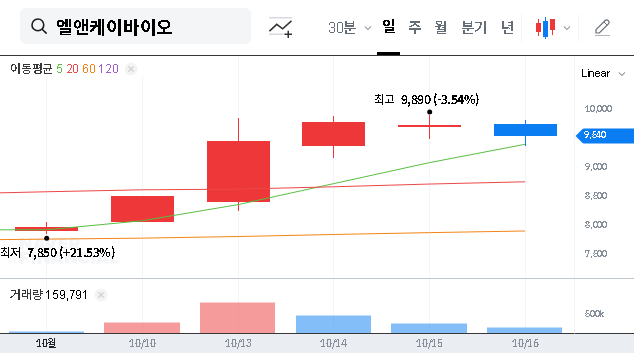
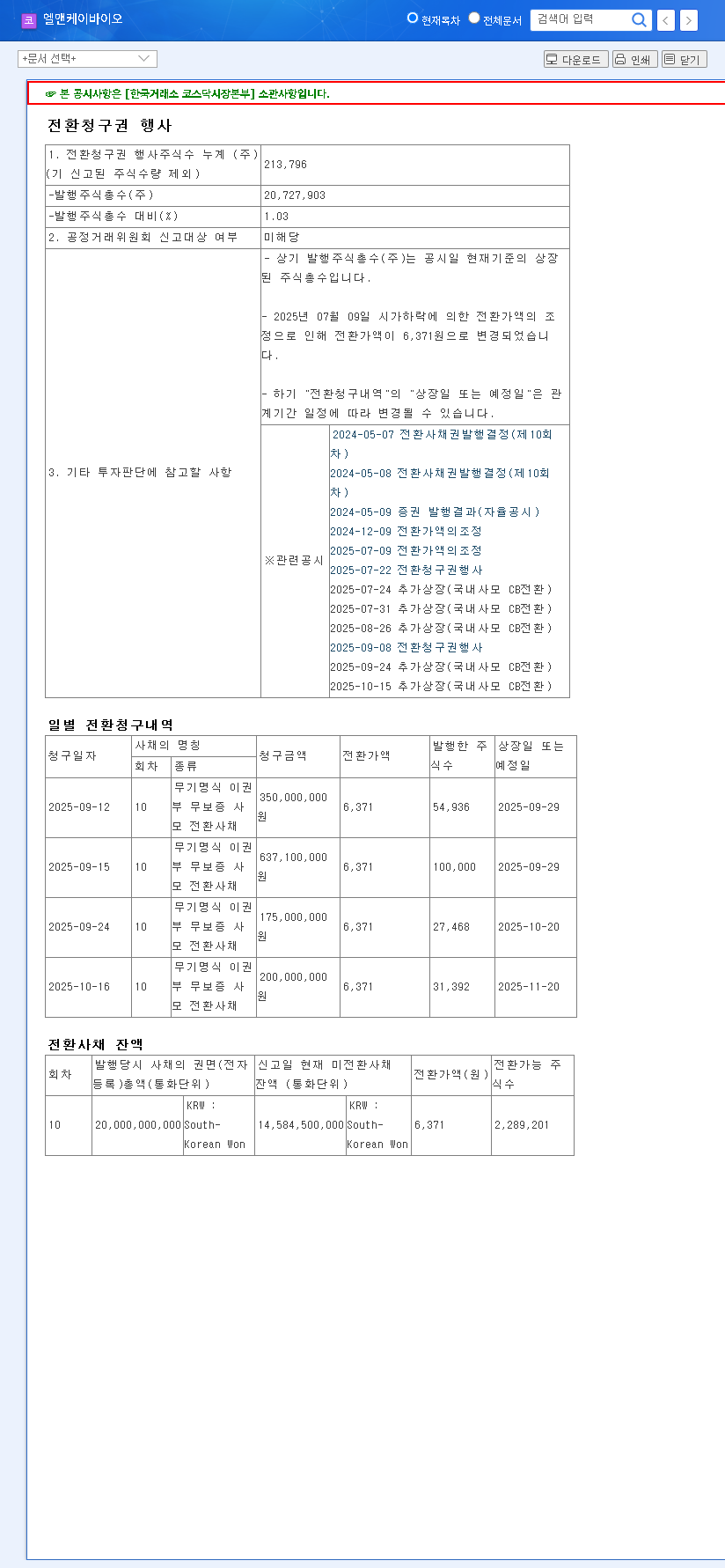
    On October 27, 2025, L&K BIOMED (156100) confirmed that holders of its convertible bonds were exercising their right to convert that debt into equity. According to the Official Disclosure filed on DART, this action will result in the issuance of 245,313 new common shares. These shares, scheduled for listing on November 20, 2025, represent approximately 1.18% of the company’s market capitalization at the time of the announcement. The established conversion price is 6,371 KRW per share.

    Why Is This Happening Now?

    The primary catalyst for this conversion is a simple but powerful financial incentive. The market price of L&K BIOMED stock (9,680 KRW) is substantially higher—by over 50%—than the conversion price (6,371 KRW). This significant premium creates a compelling arbitrage opportunity for bondholders to convert their debt into more valuable stock and realize an immediate profit. From a broader perspective, this is a bullish indicator, suggesting that the market’s valuation of the company has grown considerably since the bonds were first issued. A convertible bond is a hybrid security that offers investors features of both debt and equity. For a deeper understanding, you can learn more about their mechanics from a high-authority source like Investopedia.

    Analyzing the Impact on L&K BIOMED Stock

    The convertible bond impact can be bifurcated into immediate, short-term effects and more crucial mid-to-long-term considerations tied to the company’s underlying health.

    Short-Term: Navigating Dilution and Sentiment

    The most immediate consequence is the potential for stock dilution. An increase in the number of outstanding shares means that the company’s earnings are spread thinner, which can negatively affect Earnings Per Share (EPS).

    • Price Pressure: The introduction of 1.18% new shares can create an overhang, potentially leading to downward pressure on the stock price as the market absorbs the new supply.
    • Investor Psychology: Existing shareholders may react cautiously, concerned about the dilution of their ownership stake. This can temporarily weaken investor sentiment.
    • Profit-Taking: The converting bondholders are likely to sell some of their newly acquired shares to lock in profits, adding to the selling pressure in the near term.

    Mid-to-Long-Term: Fundamentals are Paramount

    While the capital structure changes, the L&K BIOMED CB conversion has a limited direct effect on the company’s core business operations. The long-term stock performance will be dictated by its ability to generate profits and execute its growth strategy. A critical point of concern is the reported net loss of 30.14 billion KRW in the first half of 2025. This was attributed to rising SG&A expenses and other costs. Future stock appreciation depends heavily on management’s ability to control these costs and improve profitability. On the other hand, L&K BIOMED has several powerful growth drivers:

    • Strong Overseas Growth: Sales from the Americas have been robust, showcasing strong international demand.
    • Market Potential: The global spinal implant market is a growing sector, providing a favorable tailwind.
    • Innovation Pipeline: With FDA-approved products and expansion into new areas like thoracic implants, the company demonstrates strong R&D capabilities. For more detail, you can read our complete overview of L&K BIOMED’s product pipeline.

    Investor Action Plan & Strategic Outlook

    Given the circumstances, a measured and informed approach is essential. Investors should consider the following strategic points:

    • Monitor Profitability Metrics: Pay close attention to upcoming quarterly earnings reports. Look for signs of improving margins, effective cost controls, and tangible revenue from new business segments.
    • Assess Further Dilution Risk: Keep an eye on the company’s balance sheet and financial statements for any indication of future convertible bond issuances or other dilutive financing activities.
    • Track Macroeconomic Factors: As a global company, L&K BIOMED is exposed to currency fluctuations. Monitor the USD/KRW exchange rate and global interest rate trends, as they can impact both revenue and investor sentiment.

    In conclusion, the L&K BIOMED CB conversion is a classic case of short-term pain for potential long-term gain. While the immediate stock dilution is a valid concern, the event itself underscores the market’s growing confidence in the company’s value. Prudent investors should look past the near-term noise and focus on the fundamental execution that will truly drive the value of their L&K BIOMED stock over time.
    (156100) L&K BIOMED CB Conversion: A Deep Dive on Stock Dilution & Future Growth 관련 이미지
  • (069460) DAEHO AL Convertible Bond (069460): A 2025 Investor’s Guide to Stock Impact & Dilution Risk

    (069460) DAEHO AL Convertible Bond (069460): A 2025 Investor’s Guide to Stock Impact & Dilution Risk

    The recent announcement of the DAEHO AL convertible bond issuance has sent ripples through the investment community. For stakeholders in DAEHO AL Co.,Ltd. (069460), this ₩10 billion capital raise represents a critical juncture. It’s a strategic move that promises fuel for growth but also introduces the significant risk of shareholder value dilution. Is this the catalyst for a new era of expansion, or a necessary evil that will weigh on stock prices?

    This comprehensive analysis will dissect the issuance, exploring its mechanics, potential convertible bond stock impact, and the underlying company fundamentals. We will equip you with the insights needed to refine your DAEHO AL investment strategy in light of this pivotal financial event.

    Understanding the ₩10 Billion DAEHO AL Convertible Bond

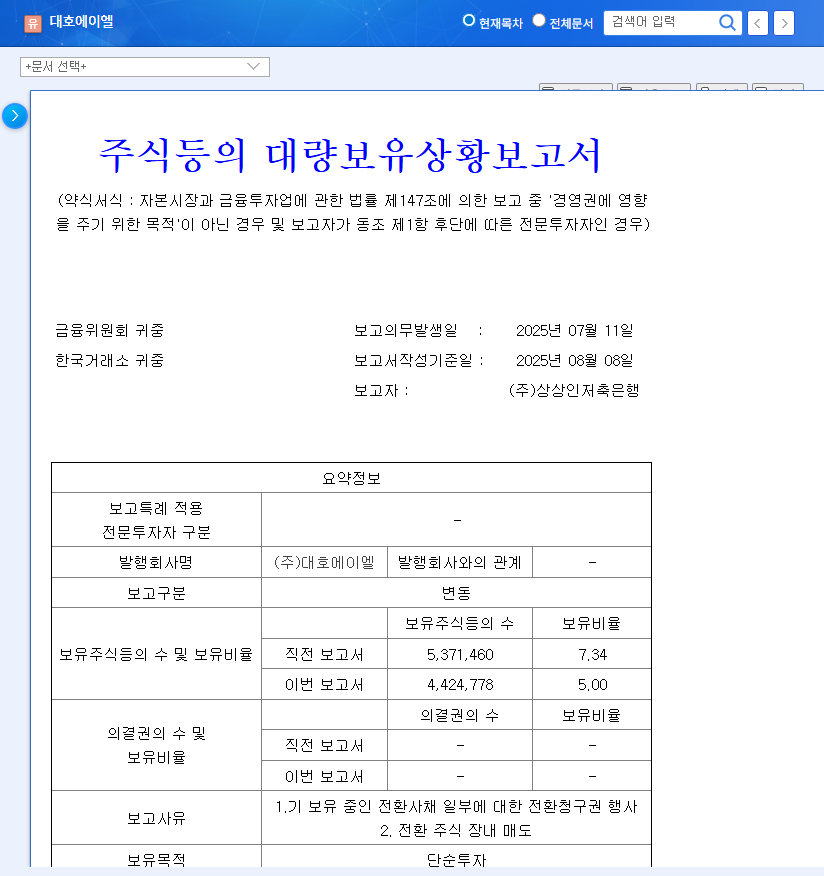
    On October 27, 2025, DAEHO AL officially announced its decision to issue ₩10 billion in convertible bonds (CBs) through a private placement. This method of fundraising is often chosen to secure capital from strategic institutional investors without the complexities of a public offering. A convertible bond is a hybrid security that acts as debt but can be converted into a predetermined number of the company’s common stock shares.

    Key Details of the Issuance

    • Total Issuance Size: ₩10 billion
    • Issuance Method: Private Placement to institutional investors.
    • Key Investors: Sangsangin Plus Savings Bank, Sangsangin Savings Bank.
    • Conversion Price: ₩1,834 per share.
    • Conversion Period: From November 5, 2026, to October 5, 2028.
    • Coupon & Maturity Rates: 1.0% coupon rate and 6.0% yield-to-maturity.
    • Source: Official Disclosure (DART Report)

    Analyzing the Stock Impact: A Double-Edged Sword

    For investors, the critical question is how this CB issuance will affect DAEHO AL’s stock value. The answer lies in balancing the potential for growth against the certainty of future dilution.

    The Bull Case: Potential Upsides for Investors

    • Fuel for Strategic Growth: The primary use of the ₩10 billion is to fund business diversification, including new subsidiaries and equity investments. Successful execution in high-growth areas like battery materials or clean energy could significantly boost long-term revenue and profitability.
    • Improved Financial Structure: While initially debt, the conversion of these bonds into stock will strengthen the company’s balance sheet by increasing equity and reducing the debt-to-equity ratio, making the company more financially robust.
    • Low-Cost Capital: With a 1.0% coupon rate, the immediate interest burden is minimal, allowing the company to deploy capital efficiently without being hampered by high financing costs, a significant advantage in a volatile interest rate environment.

    The Bear Case: Critical Risks to Consider

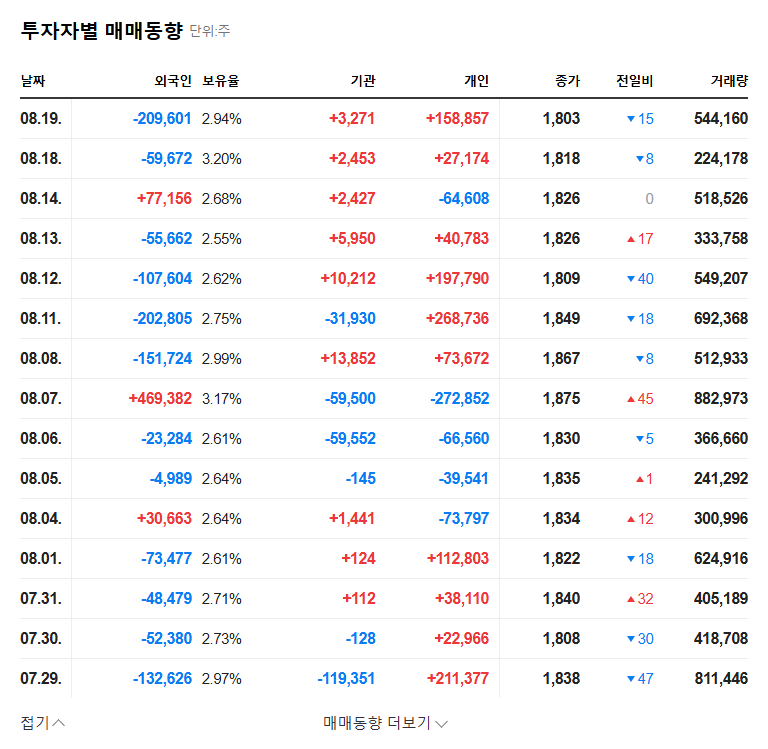
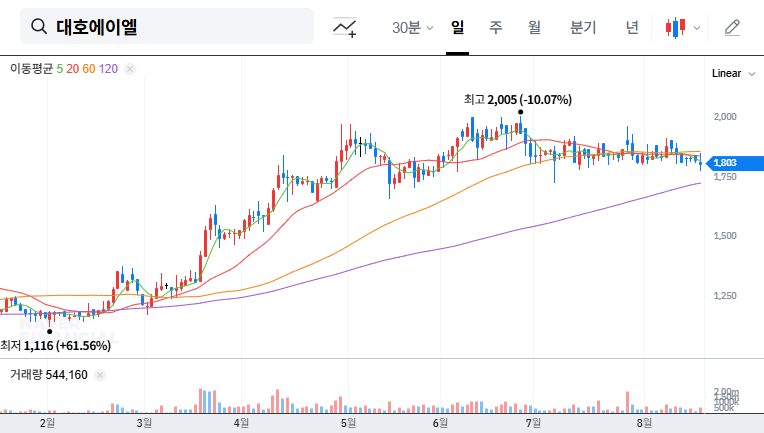
    • Inevitable Share Dilution: This is the most significant risk. When the bonds are converted, the total number of outstanding shares will increase, which can dilute the ownership stake and earnings per share (EPS) for existing shareholders. With the current stock price (₩1,877) already above the conversion price (₩1,834), conversion is highly probable.
    • Execution Risk: The success of this capital raise hinges on the company’s ability to generate a return on investment that outpaces the cost of dilution. If the new ventures fail to deliver on their promise, the company will be left with a diluted shareholder base and a weakened financial position.
    • Increased Market Volatility: The overhang of potential share conversion can create uncertainty and lead to increased stock price volatility. The market will be closely watching for conversion triggers and the performance of the new business segments.

    The core challenge for any DAEHO AL investment is to weigh the tangible promise of funded growth against the mathematical certainty of future stock dilution. Success depends entirely on execution.

    Company Fundamentals & Market Outlook

    The decision to issue the DAEHO AL convertible bond was not made in a vacuum. The company’s current financial health and the broader market environment provide crucial context.

    DAEHO AL’s 2025 half-year report showed a significant increase in operating profit and net income despite a decrease in revenue, signaling improved profitability and effective cost management. The company’s strategic pivot from its traditional aluminum business to new growth sectors is a clear indication of its forward-looking strategy. However, risks like fluctuating exchange rates and environmental regulations remain. The broader market shows stability in oil prices and shipping indices, with a trend towards interest rate cuts, which could create a favorable environment for DAEHO AL’s growth initiatives.

    Strategic Investor Checklist & Final Verdict

    This convertible bond issuance is a defining moment for DAEHO AL. For investors, a cautious and well-researched approach is paramount. Consider the following points before making a decision.

    Actionable Insights for DAEHO AL Investors

    • Monitor Conversion Activity: Keep a close eye on the conversion period (starting Nov 2026) and any announcements of bond conversions. This will be the primary indicator of the timing and scale of share dilution.
    • Track New Business Performance: The ultimate success metric is the ROI from the new ventures. Scrutinize quarterly reports for revenue and profit contributions from the new segments. You can learn more by reading our guide on Understanding Financial Statements for Investors.
    • Analyze the Price-to-Conversion Ratio: The wider the gap between the market stock price and the ₩1,834 conversion price, the higher the incentive for bondholders to convert. This ratio is a key leading indicator of potential dilution pressure.

    In conclusion, the DAEHO AL convertible bond is a calculated risk. If the management team effectively deploys this capital into high-return ventures, the resulting growth could more than offset the dilution, leading to long-term value creation. However, investors must remain vigilant, weighing the optimistic growth narrative against the concrete financial mechanics of the deal.

    Disclaimer: This analysis is for informational purposes only and is based on publicly available data. The ultimate responsibility for any investment decision rests with the individual investor.

    (069460) DAEHO AL Convertible Bond (069460): A 2025 Investor's Guide to Stock Impact & Dilution Risk 관련 이미지
    (069460) DAEHO AL Convertible Bond (069460): A 2025 Investor's Guide to Stock Impact & Dilution Risk 관련 이미지
  • (117730) T-Robotics Convertible Bond: A Deep Dive on Share Dilution & Investment Strategy

    (117730) T-Robotics Convertible Bond: A Deep Dive on Share Dilution & Investment Strategy

    The upcoming T-Robotics convertible bond conversion is a pivotal event for investors in T-Robotics co., Ltd. (117730). With the company navigating sluggish performance, the exercise of conversion rights for nearly 470,000 shares presents a classic conflict: the immediate risk of share dilution versus the long-term potential for a healthier financial structure. This comprehensive analysis unpacks the event’s mechanics, examines the company’s current financial state, and provides a strategic roadmap for investors to navigate the potential volatility.

    Understanding the T-Robotics convertible bond event isn’t just about the numbers; it’s about weighing short-term market pressure against the company’s long-term strategic financial adjustments. Prudent investors will look beyond the immediate dilution.

    Deep Dive into the T-Robotics Convertible Bond Event

    On October 27, 2025, T-Robotics is set to issue approximately 470,000 new shares. This action stems from the exercise of conversion rights attached to its convertible bonds. For context, a convertible bond is a type of debt security that the holder can convert into a specified number of a company’s shares. While it allows companies to raise capital at a lower interest rate, the conversion can lead to an increased number of shares outstanding, a phenomenon known as share dilution.

    Key Details of the Conversion

    • Event Trigger Date: October 27, 2025
    • Shares to be Issued: 469,941 shares, representing a 2.36% share dilution effect.
    • Conversion Price: 8,767 KRW
    • Reference Stock Price: 14,710 KRW (as of October 27, 2024)
    • Actual Conversion Dates: November 6 and November 11, 2025

    The most critical factor here is the substantial discount. The conversion price of 8,767 KRW is significantly lower than the current market price. This creates a powerful incentive for bondholders to convert their debt into equity and potentially sell the newly acquired shares for an immediate profit, leading to increased selling pressure on the 117730 stock.

    A Company Under Pressure: T-Robotics Financial Analysis

    The timing of this conversion is crucial, as it coincides with a period of financial weakness for T-Robotics, as revealed in its H1 2025 report.

    1. Weak H1 2025 Performance

    The company’s performance has raised concerns. Consolidated revenue fell 14.2% year-over-year to 23.64 billion KRW, largely due to declining sales in its vacuum robot and autonomous logistics robot segments. More alarmingly, T-Robotics posted an operating loss of 0.73 billion KRW and a staggering net loss of 17.23 billion KRW. A significant portion of this net loss (15.77 billion KRW) was attributed to non-cash derivative liability valuation losses related to its convertible bonds, reflecting market volatility and the bonds’ terms.

    2. Deteriorating Financial Structure

    The balance sheet tells a similar story. Total liabilities have swelled by 9.9%, while total equity has plummeted by 33.5%. This has caused the debt-to-equity ratio to surge from a manageable 142.8% to a precarious 247.1%. Such a high ratio indicates significant financial risk and can make it harder for the company to secure future financing. For a deeper understanding of these metrics, you might want to review our guide on how to analyze a company’s financial health.

    Strategic Investor Playbook for the 117730 Stock

    Given the dual pressures of T-Robotics share dilution and underlying financial weakness, investors need a clear strategy.

    Short-Term Approach (High Risk)

    In the short term, the supply overhang from the newly converted shares will likely exert downward pressure on the stock price. Traders should be cautious. A phased buying strategy on significant dips could be considered, but only after the market shows signs of absorbing the new supply. Waiting until after the conversion dates of November 6 and 11, 2025, to assess the price action is a prudent move.

    Mid-to-Long-Term Perspective (Fundamental Focus)

    The long-term outlook for the T-Robotics investment strategy depends entirely on fundamental improvements. The conversion’s positive side effect is that debt is swapped for equity, which will automatically lower the high debt-to-equity ratio and improve the balance sheet. Long-term investors should focus on:

    • Revenue Recovery: Can the company reignite growth in its vacuum and autonomous robot segments?
    • Path to Profitability: Watch for improvements in operating margins and a reduction in net losses in subsequent quarterly reports.
    • Macroeconomic Tailwinds: Monitor factors like interest rates and currency exchange rates, which can impact manufacturing costs and export profitability.

    Conclusion: Navigating the T-Robotics Conversion

    The T-Robotics convertible bond conversion is a double-edged sword. It presents a clear short-term headwind due to share dilution, amplified by the company’s weak financial footing. However, it also offers a necessary step toward deleveraging and strengthening the financial structure for the long haul. Cautious, well-informed decision-making based on a thorough analysis of upcoming earnings reports and market conditions will be paramount for any investor considering the 117730 stock. For complete transparency, investors should review the Official Disclosure (Source: DART) regarding this event.

    (117730) T-Robotics Convertible Bond: A Deep Dive on Share Dilution & Investment Strategy 관련 이미지
  • (307180) IL CO.,LTD. Convertible Bond Incineration: A Masterstroke or a Red Flag? (2025 Analysis)

    (307180) IL CO.,LTD. Convertible Bond Incineration: A Masterstroke or a Red Flag? (2025 Analysis)

    The recent announcement regarding the IL CO.,LTD. convertible bond incineration has sent ripples through the investment community. The company’s decision to eliminate ₩3.29 billion in debt by burning its 5th series convertible bonds (CBs) is a significant move. But in light of its current financial headwinds, investors are asking a critical question: Is this a strategic maneuver to enhance shareholder value and stabilize finances, or is it a move that could strain an already precarious liquidity situation? This comprehensive financial analysis will unpack the decision, explore the underlying fundamentals, and provide a clear outlook for investors.

    Understanding the ₩3.29B Convertible Bond Incineration

    On October 24, 2025, IL CO.,LTD. confirmed via a board resolution its intent to incinerate ₩3.29 billion of its 5th series private convertible bonds. This action, scheduled for October 31, 2025, follows an agreement with bondholders to acquire the bonds before their maturity date. The official filing provides the complete details of this transaction (Official Disclosure). In essence, the company is spending cash to remove this specific debt from its books permanently.

    For context, a convertible bond is a type of debt security that the holder can convert into a predetermined number of the issuing company’s shares. While they offer companies a way to raise capital at a lower interest rate, they carry the risk of future share dilution, which can reduce earnings per share (EPS) and potentially lower the stock’s value.

    By incinerating these bonds, IL CO.,LTD. eliminates both the debt obligation and the future risk of share dilution from this specific series, a move with complex implications for its financial future.

    A Deep Dive: IL CO.,LTD.’s Financial Health Under the Microscope

    This decision cannot be analyzed in a vacuum. IL CO.,LTD., a manufacturer of LED lighting and beauty devices, is navigating a period of intense financial difficulty while simultaneously trying to pivot into new growth areas like mobility and secondary battery materials. A closer look at its fundamentals reveals a troubling picture.

    Severe Financial Deterioration

    • Plummeting Revenue: In the first half of 2025, consolidated revenue fell by 34.8% year-over-year to ₩54.365 billion. The company swung to a significant operating loss of ₩36.261 billion.
    • High Leverage: With total borrowings of ₩86.715 billion, the company’s debt-to-equity ratio stands at a concerning 80.3%. This high leverage makes it vulnerable to interest rate fluctuations and increases its financial risk profile.
    • Accumulated Deficits: A history of accumulated deficits further raises red flags about the company’s long-term financial soundness and profitability.

    Strategic Pains: New Ventures vs. Existing Slump

    While the company’s investment in new business areas is commendable, these ventures are yet to yield tangible results and require significant capital. Simultaneously, the core lighting business is underperforming dramatically, posting a staggering operating loss of ₩22.667 billion. This creates a difficult balancing act: funding future growth while the primary revenue engine is failing. To learn more about assessing such financial situations, you can review our guide to analyzing corporate financial statements.

    The Two Sides of the Coin: Analyzing the Bond Incineration

    The convertible bond incineration presents a classic duality for investors—a mix of clear benefits and significant potential downsides.

    The Upside: Boosting Shareholder Value and Stability

    • Immediate Debt Reduction: Removing ₩3.29 billion in debt instantly improves the balance sheet, reduces the debt ratio, and lowers future interest expense payments.
    • Enhanced Shareholder Value: By eliminating the possibility of these bonds converting to stock, the company prevents the dilution of existing shares. This protects EPS and can be a catalyst for stock price appreciation.
    • Positive Market Signaling: The move can be interpreted as a sign of confident management taking proactive steps to clean up the company’s financial structure.

    The Risks: Liquidity Strain and Investment Trade-Offs

    • Aggravated Liquidity Burden: Spending ₩3.29 billion in cash is a substantial outlay for a company already facing financial distress. This could severely tighten short-term cash flow.
    • Questionable Priorities: Is this the best use of capital? These funds could arguably be better spent on R&D for new businesses or shoring up the struggling lighting division.
    • Potential for More Fundraising: To compensate for this cash outlay, the company might need to raise more capital soon through methods like rights offerings, which could dilute shares anyway and negatively impact the stock price.

    Conclusion: An Investor Action Plan

    IL CO.,LTD.’s decision to incinerate its convertible bonds is a bold but risky move. While it offers clear benefits in debt reduction and preventing share dilution, it comes at a high cost to a company with limited resources. The long-term success of this strategy hinges entirely on whether the company can achieve a fundamental operational turnaround.

    Investors should carefully monitor the following key indicators in the coming quarters:

    • Profitability of Core Business: Look for any signs of recovery or stabilization in the LED lighting division’s operating margins.
    • New Venture Progress: Watch for announcements of contracts, partnerships, or revenue generation from the mobility and battery material segments.
    • Liquidity Position: Analyze upcoming quarterly reports for cash flow statements and current ratios to ensure the company is not facing an imminent cash crunch.
    • Future Capital Raising: Be cautious of any announcements regarding new share or debt offerings, as this could signal that the incineration has strained finances too much.

    (307180) IL CO.,LTD. Convertible Bond Incineration: A Masterstroke or a Red Flag? (2025 Analysis) 관련 이미지
  • (007460) Aprogen Convertible Bond Sale: An In-Depth Stock Analysis (007460)

    (007460) Aprogen Convertible Bond Sale: An In-Depth Stock Analysis (007460)

    Recent corporate disclosures from Aprogen, Inc. (007460) have sent ripples through the investment community, centering on a significant Aprogen convertible bond sale by a related party. For current and prospective investors, this event raises critical questions: Is this a sign of financial distress, a strategic maneuver, or something else entirely? This comprehensive Aprogen stock analysis will dissect the disclosure, evaluate the company’s underlying fundamentals, and provide a clear, forward-looking investment thesis to navigate the uncertainty surrounding Aprogen’s future.

    Deconstructing the Aprogen Convertible Bond Sale

    On October 24, 2025, a mandatory disclosure revealed that Aprogen’s majority shareholder, G-Base, saw its stake slightly reduced. This was triggered when a related entity, Apptochrome Co., Ltd., sold 2,597,402 shares of the company’s 27th series of convertible bonds (CBs) in an off-market transaction. A convertible bond is a type of debt security that the holder can convert into a predetermined number of the company’s shares. While the disclosure frames this as a change intended to influence management, the market often interprets such sales as a potential need for liquidity.

    The transaction, which had a conversion price of KRW 770 per share, introduces a significant number of potential new shares into the market, a concept known as dilution. For a detailed breakdown, investors can review the Official Disclosure (DART).

    Fundamental Analysis: A Company of Contrasts

    To understand the implications of the Aprogen convertible bond sale, we must look at the company’s financial health and business structure. Aprogen is a company with two very different core operations, creating a complex risk profile.

    Financial Red Flags: Profitability and Debt

    Aprogen’s financial statements paint a concerning picture. Despite its pharmaceutical division comprising over half its sales, overall profitability is weak. The biopharmaceutical arm, intended to be the future growth engine, consistently posts significant operating losses. This leads to a troubling reliance on external financing.

    • High Debt Ratio: As of mid-2025, total liabilities surged to approximately KRW 309.5 billion against assets of KRW 808.4 billion. This spike is driven by borrowings and CB issuances, raising serious questions about the company’s financial stability.
    • Cash Flow Concerns: While operating cash flow recently turned positive, this was primarily due to financing activities, not core business profits. A continued dependence on fundraising to stay afloat is a major red flag for investors.

    Dual Engines: Stable Metals vs. High-Risk Bio

    Aprogen’s business is split between a steady, cash-generating metal division and a high-risk, high-reward biopharmaceutical division. The metal division, specializing in hardfacing with long-term clients like POSCO, provides a stable foundation. In contrast, the biopharma division holds the key to explosive growth through its pipeline of four biosimilars and treatments for brain diseases like Parkinson’s. However, this potential is fraught with peril.

    The core challenge for any Aprogen investment thesis is balancing the stability of its legacy business against the immense R&D costs, clinical trial risks, and intense competition facing its biopharmaceutical ambitions.

    Stock Impact: Analyzing the Fallout

    The recent CB sale is likely to cast a long shadow over Aprogen’s stock price, with negative factors far outweighing any potential positives.

    • Stock Dilution & Overhang: The most direct impact is the threat of share dilution. The 2.5 million shares from the CB sale create a significant ‘overhang,’ meaning there is a large block of shares that could be sold into the market, suppressing the stock price and capping any potential rallies.
    • Negative Market Sentiment: The sale reinforces the market’s perception that the company may be struggling for liquidity to fund its costly R&D pipeline. This perception can deter new investment and encourage existing shareholders to sell. To better understand this financial instrument, you can learn more about convertible bonds from Investopedia.
    • Management Confidence: While the majority shareholder’s stake is still dominant, any sale by insiders or related parties can subtly erode investor confidence in management’s long-term conviction.

    Investment Strategy for Aprogen (007460) Stock

    Given the significant headwinds, a highly conservative and cautious approach is warranted. Our Aprogen stock analysis suggests segmenting the investment strategy into short-term and long-term outlooks.

    Short-Term: Maintain a Defensive Stance

    In the short term, the stock price is likely to remain under pressure. It is advisable to adopt a ‘wait-and-see’ approach until the company provides more clarity on its future funding plans and the rationale behind the CB sale. Technical indicators should be monitored closely for signs of further breakdown below recent lows.

    Long-Term: Monitoring for Key Catalysts

    A long-term investment in Aprogen is a speculative bet on its biopharma pipeline. For those with a high risk tolerance, there are several key catalysts to monitor before considering a position. This approach is similar to what’s outlined in our guide to analyzing biotech stocks.

    • Clinical Trial Progress: Tangible success and regulatory approval for key biosimilars, such as AP063 (a Herceptin biosimilar), would be a game-changer.
    • Financial Improvement: A clear, demonstrated path to improved profitability and a reduction in the company’s high debt ratio is non-negotiable.
    • Macro-Environment Shift: A more favorable interest rate environment could lower the cost of capital and provide some relief, but this should not be the primary investment thesis.

    Conclusion: High Risk Overshadows Potential

    In conclusion, while Aprogen, Inc. holds long-term potential in its biopharmaceutical ambitions, the company is currently plagued by significant financial weaknesses. The recent Aprogen convertible bond sale exacerbates existing concerns about liquidity, share dilution, and overall financial health. Until there is concrete evidence of a turnaround—marked by clinical success and improved financials—investors are strongly advised to exercise extreme caution. The risks, for now, appear to substantially outweigh the potential rewards.

    (007460) Aprogen Convertible Bond Sale: An In-Depth Stock Analysis (007460) 관련 이미지
    (007460) Aprogen Convertible Bond Sale: An In-Depth Stock Analysis (007460) 관련 이미지
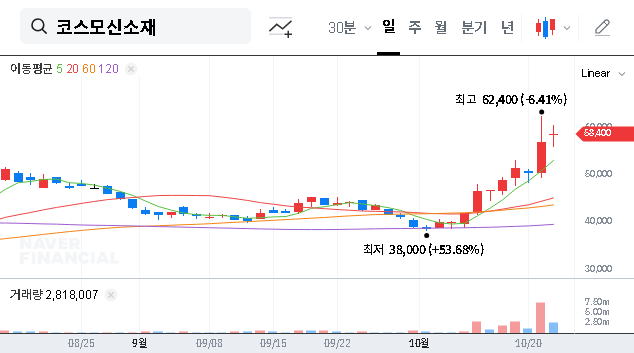
  • (005070) COSMO ADVANCED MATERIALS & TECHNOLOGY Funding: A Deep-Dive Stock Analysis for Investors

    (005070) COSMO ADVANCED MATERIALS & TECHNOLOGY Funding: A Deep-Dive Stock Analysis for Investors

    Investors are closely watching the potential COSMO ADVANCED MATERIALS & TECHNOLOGY funding initiative, a significant move that could total approximately 340 billion KRW. This strategic consideration, which includes convertible bonds and a rights offering, sparks both optimism for future growth and concern over potential stock dilution. For investors, this moment is a critical crossroads: does this capital raise signal a powerful new chapter for the company, or does it introduce unacceptable risk?

    This comprehensive analysis dissects the company’s fundamentals, the dual-edged sword of the funding proposal, and the macroeconomic factors at play. We provide a clear-eyed view to help you navigate the uncertainty and develop a well-informed investment strategy for COSMO ADVANCED MATERIALS & TECHNOLOGY.

    Analyzing the ₩340 Billion Funding Proposal

    On October 24, 2025, reports surfaced that COSMO ADVANCED MATERIALS & TECHNOLOGY CO., LTD is exploring a major capital infusion. While no final decision has been confirmed, the company has stated a re-disclosure is expected within three months. The initial details were made public in an official filing. (Source: Official DART Disclosure). Let’s unpack what this initiative means by first looking at the company’s current health.

    Company Fundamentals: A Snapshot

    COSMO’s business is diversified across release film for MLCCs, recycled toner, and its primary revenue driver: cathode active materials for secondary batteries, which accounts for over 73% of sales. Understanding its recent performance is key to any COSMO stock analysis.

    In the first half of 2025, the company saw a significant downturn, with sales at 234 billion KRW (a 58.96% YoY decrease) and operating profit plummeting to 1.57 billion KRW (a 93.7% YoY decrease). This was largely due to reduced customer orders in its core secondary battery segment.

    Despite this, the company’s financial structure shows signs of resilience. Investments in tangible assets for production line expansion have increased, while total liabilities have decreased. This suggests a strategic focus on long-term growth even amidst short-term headwinds. An improving cash flow from operations further reinforces this cautious optimism.

    The Two Sides of the Funding Coin

    A 340 billion KRW funding initiative is a transformative event with both significant upside potential and considerable risks for current shareholders.

    Positive Impacts: Fueling Future Growth

    • Enhanced Financial Stability: This capital would immediately strengthen the balance sheet, providing a buffer against market volatility and reducing financial risk.
    • Investment in Core Competencies: The funds are expected to expand production capacity for secondary battery materials, a critical step to compete in the growing global EV market. For more on this trend, see this in-depth report on the EV market from industry analysts.
    • Restored Market Confidence: Successfully executing a large-scale funding plan signals strong leadership and a clear vision for the future, which could restore investor confidence and attract new capital.

    Negative Impacts: The Investor Risk Analysis

    • Share Dilution Risk: A COSMO rights offering would create new shares, diluting the ownership stake of existing investors and potentially putting downward pressure on the stock price in the short term.
    • Convertible Bond Overhang: Convertible bonds can create an ‘overhang’ effect, where the potential for future share conversions can cap the stock’s upward momentum as it approaches the conversion price.
    • Execution Uncertainty: Since the plan is not finalized, any failure to proceed could be viewed negatively by the market, leading to sell-offs driven by disappointment and uncertainty.

    Strategic Investor Action Plan

    The future movement of COSMO’s stock will be heavily influenced by two main factors: the final details of the COSMO ADVANCED MATERIALS & TECHNOLOGY funding and the pace of recovery in its core battery materials business.

    Investors should prepare for increased short-term volatility. A prudent approach is essential.

    Checklist for Prudent Investors:

    • Monitor Disclosures: Pay close attention to official announcements regarding the rights offering size, issue price, and convertible bond terms. These details will determine the extent of dilution.
    • Assess Industry Recovery: Track order recovery and production normalization in the secondary battery sector. A strong rebound could outweigh the negative impact of dilution. You can learn more by reading our guide to understanding cathode active materials.
    • Evaluate Long-Term Vision: If the company effectively communicates a clear roadmap for using the funds to achieve market leadership, it may present a compelling long-term investment case, even with short-term price pressure.

    Ultimately, this funding initiative is a pivotal moment. For the company, it’s a chance to secure its future. For investors, it demands careful diligence and a clear-headed assessment of risk versus reward.

  • (307180) IL CO.,LTD. Convertible Bond: A Deep Dive into the 9 Billion KRW Issuance

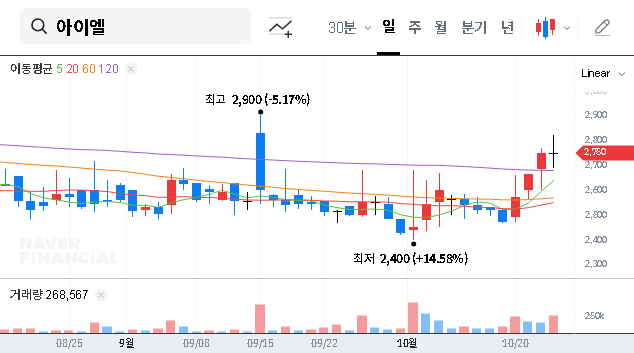
    (307180) IL CO.,LTD. Convertible Bond: A Deep Dive into the 9 Billion KRW Issuance

    The recent announcement of IL CO.,LTD.’s convertible bond issuance has sent ripples through its investor community. The company aims to raise 9 billion KRW, a significant sum representing over 11% of its market capitalization. For investors, this news presents a critical question: is this a strategic move to fuel future growth, or does it signal an impending stock dilution risk that could harm existing shareholders? This comprehensive analysis will break down the mechanics of the issuance, its potential impacts, and what investors should be monitoring closely.

    We will delve into the specifics of this corporate fundraising effort, examining the terms, the implications for the company’s financial health, and the crucial factors that will determine its success.

    What is a Convertible Bond (CB)?

    Before dissecting the specifics, it’s essential to understand the financial instrument at play. A convertible bond is a hybrid security that combines features of both debt and equity. Initially, it functions like a traditional bond, paying interest to the bondholder. However, it also includes an option for the holder to convert the bond into a predetermined number of the company’s common shares at a specified price. This unique structure makes it an attractive fundraising tool, often allowing companies to secure capital at a lower interest rate than standard debt.

    For IL CO.,LTD., this convertible bond issuance provides immediate cash while offering investors a potential upside if the company’s stock performs well, creating a scenario where debt can transform directly into equity.

    Deep Dive: The IL CO.,LTD. Convertible Bond Issuance Details

    The terms of a CB issuance are critical for understanding its potential impact. Here’s a summary of the key details from the Official Disclosure:

    • Issuance Amount: 9 billion KRW (Approx. 11.7% of market cap)
    • Issuance Method: Private Placement to Sangsangin Plus Savings Bank & Sangsangin Savings Bank
    • Conversion Price: 2,691 KRW
    • Minimum Adjustment Price (Refixing Floor): 1,884 KRW
    • Interest Rates: 2.0% (Surface) / 6.0% (Maturity)
    • Conversion Period: Oct 31, 2026 – Sep 30, 2028

    The private placement to specific financial institutions suggests a streamlined fundraising process and implies a degree of confidence from these investors in IL CO.,LTD.’s future prospects.

    Potential Impacts: The Two Sides of the Coin

    This fundraising event is a classic double-edged sword, presenting both significant opportunities and tangible risks.

    The Upside: Fueling Growth and Financial Flexibility

    On the positive side, securing 9 billion KRW provides IL CO.,LTD. with vital capital. This infusion of cash can be used to strengthen the balance sheet, invest in research and development, fund strategic acquisitions, or expand operations. If the company effectively deploys these funds into high-return projects, the resulting growth in corporate value could far outweigh any negative effects. Furthermore, if the stock price rises above the conversion price, bondholders are likely to convert their debt to equity. This process deleverages the company, reducing its debt-to-equity ratio and strengthening its financial structure without requiring a cash outlay for debt repayment.

    The Downside: The Specter of Stock Dilution Risk

    The primary concern for existing shareholders is stock dilution risk. When the convertible bonds are converted, new shares are issued. This increases the total number of shares outstanding, thereby ‘diluting’ the ownership percentage of each existing shareholder. If the entire 9 billion KRW bond is converted at the price of 2,691 KRW, approximately 3.34 million new shares would be created. This potential influx of shares can also create an ‘overhang’ effect, where the market anticipates the future supply of shares, potentially putting downward pressure on the stock price.

    Action Plan for IL CO.,LTD. Investors

    Given the dual nature of this IL CO.,LTD. convertible bond, proactive monitoring is key. Investors should focus on the following areas:

    • Clarity on Fund Utilization: The most crucial element is how the 9 billion KRW will be spent. Watch for company announcements detailing the specific projects or investments. A clear, strategic plan for growth inspires confidence.
    • Monitor Financial Performance: Track quarterly earnings reports post-issuance. Look for improvements in revenue, profitability, and key metrics like the debt-to-equity ratio. To learn more, read our guide on Understanding Corporate Financial Statements.
    • Track Stock Price vs. Conversion Price: The relationship between the market price and the 2,691 KRW conversion price will dictate the likelihood of conversion. A sustained price above this level makes conversion and potential dilution more probable.

    Frequently Asked Questions (FAQ)

    What is the main risk of IL CO.,LTD.’s CB issuance for shareholders?

    The primary risk is stock dilution. If the bonds are converted into shares, the total number of shares increases, which can reduce the ownership stake and potentially the value per share for existing investors unless the company’s overall value grows proportionally.

    What does the ‘Minimum Adjustment Price’ of 1,884 KRW mean?

    This is a safety net for the bond investors. It means that even if IL CO.,LTD.’s stock price falls significantly, the conversion price cannot be adjusted below 1,884 KRW. This protects bondholders but can increase the potential number of shares issued (and thus dilution) if triggered.

    Is this IL CO.,LTD. convertible bond issuance a good or bad sign?

    It is neither inherently good nor bad; its outcome depends entirely on execution. Securing funds for growth is a positive step. However, the ultimate success will be determined by how effectively management invests this capital to generate returns that exceed the cost of capital and the impact of dilution.

    (307180) IL CO.,LTD. Convertible Bond: A Deep Dive into the 9 Billion KRW Issuance 관련 이미지
  • (340810) SECERN AI Convertible Bond (₩3B): Analysis, Stock Impact & Investor Guide

    (340810) SECERN AI Convertible Bond (₩3B): Analysis, Stock Impact & Investor Guide

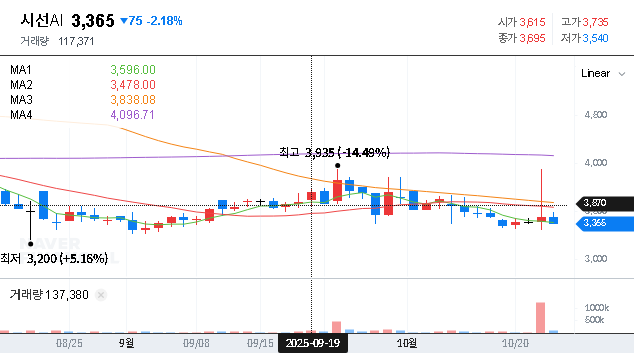
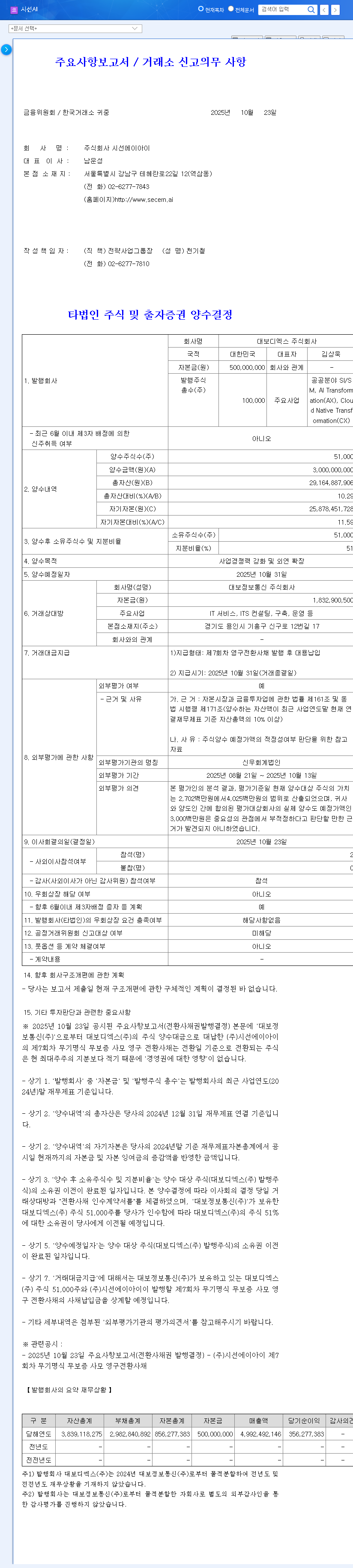
    SECERN AI Co., Ltd. (stock code: 340810) has made a significant financial move, announcing the issuance of a ₩3 billion private placement SECERN AI convertible bond. This news has sent ripples through the investment community, presenting both a potential catalyst for growth and the looming risk of stock dilution. For current and prospective shareholders, understanding the nuances of this financial instrument is critical for making informed decisions. Is this a sign of strength or a necessary measure that could harm shareholder value down the line?

    This comprehensive analysis will dissect the SECERN AI convertible bond issuance from every angle. We’ll explore the strategic reasons behind the move, break down the potential impact on the SECERN AI stock price, and provide a clear action plan for investors navigating this pivotal event.

    Unpacking the Details of the ₩3 Billion Issuance

    On October 23, 2025, SECERN AI formally announced its decision through a public filing. A convertible bond is a hybrid security that acts like a loan but gives the bondholder the option to convert their debt into a predefined number of the company’s common stock shares. For a full breakdown, you can review the Official Disclosure (DART Source). Here are the crucial terms of this deal:

    • Total Issuance Amount: ₩3 billion, a significant capital injection for the company.
    • Issuance Method: A private placement to specific investors, including DAEBO Information & Communications.
    • Conversion Price: ₩3,648 per share. This is the price at which bondholders can convert their debt into equity.
    • Coupon Rate: 0%. SECERN AI will not pay regular interest on this debt, preserving cash flow.
    • Yield to Maturity: 3%. If the bonds are not converted, bondholders will receive a 3% annualized return at maturity.
    • Conversion Period: Begins one year after issuance, from October 31, 2026.

    The Strategic Rationale: Why Raise Capital Now?

    A company like SECERN AI doesn’t raise ₩3 billion without a clear purpose. The primary driver is to secure operating funds to fuel growth and strategic initiatives. This capital can be deployed in several high-impact areas, such as accelerating research and development in its core AI technologies, expanding into new markets, or strengthening its financial position against competitors. The 0% coupon rate is particularly advantageous, as it allows the company to access significant funds without the immediate pressure of interest payments, a major benefit for its short-term financial health.

    This fundraising signals ambition. The participation of a strategic investor like DAEBO Information & Communications can be seen as a strong vote of confidence in SECERN AI’s long-term vision and technological roadmap.

    Analyzing the Impact: Opportunity vs. Risk

    The issuance of a SECERN AI convertible bond creates a classic duality for investors. The potential outcomes depend heavily on how effectively the company utilizes the new capital and how the market reacts.

    The Bull Case: Fueling Growth and Investor Confidence

    On the positive side, this ₩3 billion infusion can be a powerful growth catalyst. If used to successfully develop and launch new products, it could lead to substantial revenue growth and a higher SECERN AI stock price. The fact that an established entity like DAEBO is investing sends a strong positive signal to the market about SECERN AI’s perceived value and potential. This can attract further institutional investment and improve overall market sentiment.

    The Bear Case: The Inevitable Risk of Stock Dilution

    The most significant risk for existing shareholders is stock dilution. If the stock price rises above the ₩3,648 conversion price, bondholders will be incentivized to convert their debt into stock. This increases the total number of shares outstanding, which dilutes the ownership stake of each existing shareholder. For a deeper understanding of this financial concept, resources like Investopedia provide excellent explanations. Essentially, each existing share represents a smaller piece of the company pie. Furthermore, if the funds are not used efficiently, the company is left with a future debt obligation (the 3% yield to maturity) without the corresponding business growth, creating a financial drag.

    An Action Plan for Smart Investors

    Navigating this event requires vigilance. Investors should not react impulsively but rather adopt a strategic, monitoring approach.

    • Monitor Fund Utilization Plans: Pay close attention to company announcements, press releases, and earnings calls. Look for specific details on how the ₩3 billion will be deployed. Concrete plans for R&D or expansion are positive signs.
    • Track the Stock Price vs. Conversion Price: The ₩3,648 conversion price is now a key technical level. As the stock price approaches or surpasses this benchmark, the probability of conversion and subsequent dilution increases.
    • Re-evaluate Company Fundamentals: This event should be analyzed in the context of the company’s overall health. Continue to review financial statements and market performance. For more context, you can read our Deep Dive into SECERN AI’s Q3 Earnings.

    In conclusion, the SECERN AI convertible bond issuance is a pivotal moment. While it secures vital capital for growth, it introduces a tangible risk of stock dilution. The ultimate impact will be determined by management’s execution and the market’s response, making continuous, informed monitoring the best strategy for any investor.

    (340810) SECERN AI Convertible Bond (₩3B): Analysis, Stock Impact & Investor Guide 관련 이미지
  • (092780) DYP CO.,LTD ₩10B Convertible Bond: A Deep Dive for Investors

    (092780) DYP CO.,LTD ₩10B Convertible Bond: A Deep Dive for Investors

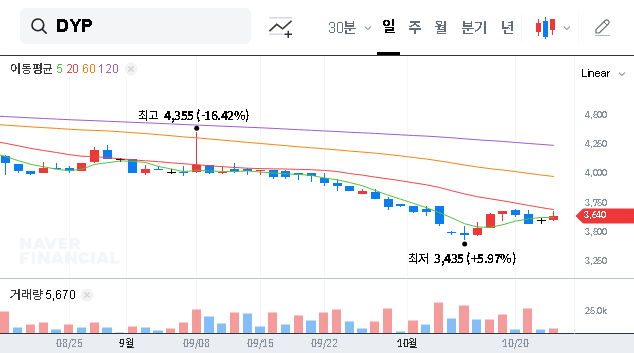
    DYP CO.,LTD has made a significant financial move, announcing a ₩10 billion private convertible bond issuance. This major capital injection, representing over 17% of its market capitalization, has sent ripples through the investment community. For current and prospective shareholders, this is a critical moment. It signals potential for ambitious growth but also introduces the tangible risk of share dilution. Is this a strategic masterstroke or a red flag? This analysis will dissect the DYP CO.,LTD convertible bond deal, providing the clarity needed to make informed investment decisions.

    We will explore the mechanics of the issuance, the strategic rationale behind it, the potential upside, and the critical risks every investor must understand, including the dreaded share dilution risk.

    The Core Details: A ₩10 Billion Private Placement CB

    On October 23, 2025, DYP CO.,LTD officially disclosed its plan to issue ₩10 billion in private convertible bonds (CBs). A convertible bond is a hybrid security that starts as debt but can be converted into a preset number of the company’s common shares. Because this is a private placement, the bonds were not offered to the public but to a select group of institutional investors. The official terms can be reviewed in the company’s Official Disclosure filed with DART.

    Here are the key parameters of the deal:

    • Issuance Amount: ₩10 billion (approx. 17.32% of market cap)
    • Conversion Price: ₩3,626 per share
    • Minimum Adjustment Price (Refixing): ₩2,539 per share
    • Interest Rate (Coupon & Maturity): 0.0%
    • Conversion Period: October 31, 2026 – September 30, 2030
    • Key Investors: Aone Supreme KOSDAQ Venture and other Aone-affiliated funds

    The Upside: Fueling Future Growth at Zero Cost

    Companies don’t raise this amount of capital without a plan. The primary motivation behind the DYP CO.,LTD convertible bond issuance is to fund strategic initiatives that can significantly enhance corporate value over the long term.

    Strategic Capital for Expansion

    This ₩10 billion war chest can be deployed for R&D, facility expansion, new market entry, or even strategic acquisitions. If managed effectively, this capital can create far more value than the potential cost of dilution, leading to a higher stock price in the future.

    Zero-Interest Financing

    A standout feature is the 0.0% coupon and maturity yield. DYP CO.,LTD secures a massive amount of cash without the burden of ongoing interest payments. This is incredibly favorable and reflects strong investor confidence in the company’s future stock performance, as their return is entirely dependent on the equity conversion.

    The Downside: Analyzing the Share Dilution Risk

    While the growth story is compelling, investors must weigh it against the potential risks, chief among them being the share dilution risk. This occurs when the CBs are converted into new shares, increasing the total number of shares outstanding and reducing each existing shareholder’s ownership percentage.

    The core trade-off is clear: accept potential future dilution in exchange for immediate capital that could propel the company’s growth and, ultimately, its stock price to new heights.

    Understanding the Conversion Mechanics

    With a conversion price of ₩3,626, close to the current price, immediate conversion is unlikely. Investors will wait for the stock price to rise significantly above this level to profit. However, the ‘refixing’ clause is critical. If the stock price falls, the conversion price can be adjusted down to a minimum of ₩2,539. This protects the bondholders but increases the potential number of new shares that can be created, amplifying the dilution risk for existing shareholders.

    The Influence of Institutional Holders

    The Aone-affiliated funds are sophisticated investors. Their decision on when to convert their bonds will have a significant impact on the stock. Monitoring their behavior and any related market chatter will be a key part of any ongoing investment strategy for DYP CO.,LTD.

    Investor Action Plan & Strategy

    This private placement CB event is not a simple buy or sell signal. A proactive and informed approach is required. Here’s how to navigate the situation:

    • Demand Clarity on Fund Usage: Watch for company announcements detailing exactly how the ₩10 billion will be used. A clear, compelling growth plan can justify the dilution risk.
    • Perform Deep Fundamental Analysis: Go beyond this single event. Re-evaluate the company’s core financials, competitive position, and management team. Our guide to fundamental analysis can help you get started.
    • Monitor Price Action: Keep a close eye on the stock price relative to the ₩3,626 conversion price and the ₩2,539 refixing floor. This gap will signal market sentiment and potential conversion pressure.

    In conclusion, the DYP CO.,LTD convertible bond issuance is a classic case of risk versus reward. The company gains a significant, interest-free runway for growth, while shareholders take on the risk of future dilution. A successful deployment of this capital could make the dilution a minor footnote in a major growth story. Conversely, a failure to generate value would make the dilution all the more painful. Cautious monitoring and a focus on long-term strategy are paramount.

    (092780) DYP CO.,LTD ₩10B Convertible Bond: A Deep Dive for Investors 관련 이미지
  • (188040) BIO PORT KOREA CB Conversion: An In-Depth Analysis for Investors

    (188040) BIO PORT KOREA CB Conversion: An In-Depth Analysis for Investors

    The recent news regarding the BIO PORT KOREA CB conversion rights exercise has created significant buzz among investors. Corporate actions like these often present a complex mix of potential risks and rewards. For shareholders and prospective investors, understanding the mechanics and implications of this event is crucial for making informed financial decisions.

    This article provides a detailed breakdown of the BIO PORT KOREA convertible bond event, exploring the core reasons behind it, the potential impact on stock prices due to shareholder dilution, and actionable strategies for navigating the coming weeks. We will delve into the numbers, analyze the market dynamics, and equip you with the knowledge to assess the situation clearly.

    Understanding Convertible Bonds (CBs)

    Before analyzing the specific event, it’s essential to understand what a convertible bond is. A CB is a type of hybrid security that starts as a bond but includes an option for the holder to convert it into a predetermined number of the issuing company’s common shares. Companies issue CBs to raise capital at a lower interest rate than traditional bonds, offering the conversion feature as an incentive for investors.

    The BIO PORT KOREA CB Conversion: Key Details

    BIO PORT KOREA has officially announced the exercise of conversion rights for its 1st Tranche Convertible Bonds. This means bondholders are choosing to swap their debt holdings for equity. The details, as outlined in the Official Disclosure on DART (Source), are critical for this analysis.

    Event Snapshot

    • Company: BIO PORT KOREA (바이오포트)
    • New Shares to be Issued: 250,445
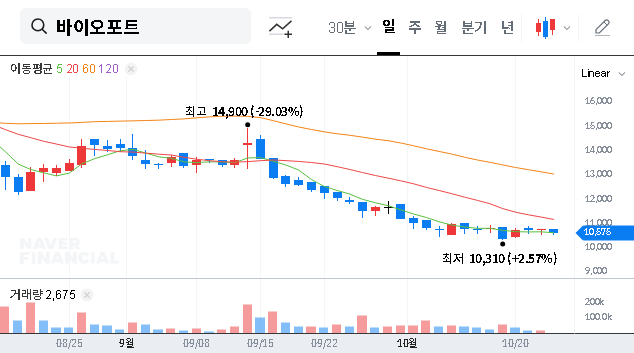
    • Ratio to Market Cap (as of 10/23/2025): 5.65%
    • Conversion Price: KRW 6,728 per share
    • Current Stock Price (as of 10/23/2025): KRW 10,575 per share
    • Expected Listing Date for New Shares: November 17, 2025

    The primary motivation for this conversion is clear: a significant opportunity for conversion arbitrage. With the stock trading well above the conversion price, bondholders can lock in substantial profits by converting their bonds to shares and selling them on the open market.

    Analyzing the Impact on BIO PORT KOREA’s Stock

    The introduction of nearly 251,000 new shares can create significant ripples. It’s essential to weigh the negative pressures against any potential positive signals.

    The Negative Pressure: Dilution and Stock Overhang

    The most immediate and significant risk is shareholder dilution. The issuance of new shares means the company’s net profit is now divided among a larger number of shares, reducing the earnings per share (EPS) for existing investors. This can exert downward pressure on the stock price.

    Furthermore, the market must contend with the concept of “stock overhang.” This refers to the potential for a large block of new shares to be sold into the market, creating an oversupply. The fear of this impending sell-off can depress the stock price even before the shares are officially listed.

    The Potential Silver Lining

    While the short-term outlook may seem bearish, there are potential positives. First, converting debt to equity strengthens the company’s balance sheet by reducing liabilities. Second, not all new shareholders will necessarily sell immediately. Some may believe in the company’s long-term vision and choose to hold their new equity, mitigating the immediate selling pressure.

    Investor Action Plan: A Strategic Approach

    Given the limited information on broader market sentiment, a cautious and research-driven approach is paramount. Hasty decisions are ill-advised.

    Short-Term Strategy (Pre- and Post-Listing)

    • Monitor Trading Volume: Keep a close eye on trading volumes around the November 17 listing date. A sharp increase could signal significant selling pressure.
    • Analyze Price Action: Observe how the stock price reacts to key support and resistance levels. This can provide clues about market sentiment.

    Mid- to Long-Term Strategy

    Long-term success depends on looking past this single event and focusing on the company’s underlying value. For a complete picture, refer to our guide on how to analyze corporate fundamentals.

    • Fundamental Deep Dive: Research BIO PORT KOREA’s financial health, business model, competitive landscape, and growth prospects. Does the company have a strong foundation?
    • Review Analyst Reports: Seek out professional analysis and market expectations for the company and its sector to gauge broader sentiment.
    • Examine Precedent: Look at how similar companies have performed after their own CB conversion events to identify potential patterns.

    Conclusion: Prudence and Diligence are Key

    The BIO PORT KOREA CB conversion is a pivotal event where short-term risks of dilution and selling pressure are significant. However, these factors must be weighed against the company’s fundamental, long-term value. Investors should prioritize thorough research and careful monitoring over emotional reactions. By understanding the forces at play and focusing on the company’s intrinsic worth, you can formulate a sound investment strategy that aligns with your financial goals.

    (188040) BIO PORT KOREA CB Conversion: An In-Depth Analysis for Investors 관련 이미지