Tag: Convertible Bond

  • (148250) RN2 Technologies Stock (148250): A Deep Dive into RHC’s CB Acquisition & Future Outlook

    (148250) RN2 Technologies Stock (148250): A Deep Dive into RHC’s CB Acquisition & Future Outlook

    The outlook for RN2 Technologies stock (KRX: 148250) has entered a new phase of speculation and analysis following a significant financial maneuver. RHC Investment Partners has acquired a substantial stake via convertible bonds (CBs), prompting investors to question the future trajectory of the company’s share price and fundamental value. This deep-dive report unpacks the event, analyzes its potential impact, and provides a clear investment strategy to navigate the opportunities and risks ahead.

    We’ll explore everything from the specifics of the deal to the core business of RN2 Technologies, ensuring you have the comprehensive insight needed for informed decision-making.

    The Catalyst: RHC’s Convertible Bond Acquisition

    On November 3, 2025, the market took notice when RHC Investment Partners filed a large-scale holding report concerning RN2 Technologies Co., Ltd. According to the Official Disclosure, the core of this event is the acquisition of new convertible bonds that, if converted, would represent a 7.05% stake in the company. While the stated purpose is ‘simple investment,’ such a move always warrants closer inspection.

    • Reporting Entity: RHC Investment Partners
    • Target Company: RN2 Technologies Co., Ltd. (148250)
    • Key Detail: New acquisition of convertible bonds (CBs) for a 7.05% potential stake.
    • Stated Purpose: Simple investment.

    Who is RN2 Technologies? A Look at the Core Business

    To understand the investment, one must first understand the company. RN2 Technologies is a specialized manufacturer of radio frequency (RF) components. These are not everyday consumer items but are critical building blocks for advanced technology, primarily in the telecommunications and defense industries. Their products, such as couplers, attenuators, and terminators, are essential for managing signal power in 5G base stations and sophisticated military radar systems. While the company has demonstrated consistent revenue growth, driven by the global 5G rollout, its profitability has been a persistent challenge, making this new capital infusion a pivotal event.

    Understanding Convertible Bonds: A Double-Edged Sword

    A convertible bond is a hybrid security—it starts as a loan (a bond) that pays interest, but it gives the holder the option to convert it into a predetermined number of common shares. This unique structure presents both opportunities and risks. You can learn more about the technicals from high-authority sources like Investopedia.

    The Upside: A Vote of Confidence and Flexible Capital

    RHC’s investment signals a positive assessment of RN2 Technologies’ future. They are betting on the company’s growth potential. For RN2, this provides crucial capital that can be used for R&D, expanding production, or improving its financial structure without the immediate dilution that a direct stock offering would cause.

    The Downside: The Threat of Future Share Dilution

    The primary risk for existing shareholders is dilution. If and when RHC converts these bonds into stock, the total number of outstanding shares will increase. This can decrease the ownership percentage and earnings per share for existing investors, potentially putting downward pressure on the stock price.

    While the entry of a new, significant investor is a vote of confidence, the path for RN2 Technologies stock is now influenced by the dual forces of growth potential and the overhang of potential dilution.

    Analyzing the Impact on RN2 Technologies Stock

    The immediate impact on the RN2 Technologies stock price is likely neutral to slightly positive, driven by market sentiment. However, the long-term direction will depend entirely on how events unfold.

    Short-Term Market Reaction

    In the short term, the news may attract traders and generate positive buzz. However, savvy investors will remain cautious, aware of the potential for dilution. This creates a balance between buying interest and watchful waiting, likely leading to increased volatility but no major breakout without further news.

    Medium to Long-Term Fundamental Drivers

    The long-term performance hinges on two factors: RHC’s strategy and RN2’s execution. Will RHC remain a passive investor, or will they seek to influence management? More importantly, can RN2 Technologies use this opportunity to finally solve its profitability challenges and capitalize on its strong position in the 5G market? The ultimate driver of the stock price will be tangible improvements in the company’s intrinsic value.

    A Prudent Investment Strategy

    Given the mix of potential and risk, a cautious and well-researched approach is essential. Investors should consider the following steps:

    • Monitor CB Conversion Terms: Keep a close eye on the conversion price and maturity date of the bonds. Any moves by RHC to convert will be a significant market signal.
    • Track Fundamental Performance: Focus on quarterly earnings reports. Look for margin improvements and updates on new contracts or technological advancements. This is more important than the daily stock price fluctuations.
    • Analyze the Broader Sector: The performance of the RN2 Technologies stock is tied to the 5G and defense sectors. Read our latest analysis of 5G component manufacturers for broader context.
    • Adopt a Long-Term Perspective: This event is not a short-term catalyst for a massive price surge. Real value creation will take time. Only invest if you believe in the company’s long-term ability to improve its fundamentals.

    Frequently Asked Questions (FAQ)

    Q1: What is the single most important event for RN2 Technologies right now?

    A1: The acquisition of convertible bonds representing a potential 7.05% stake by RHC Investment Partners. It introduces a significant new investor and potential for both capital infusion and share dilution.

    Q2: Is this CB acquisition good or bad for RN2 Technologies stock?

    A2: It’s neutral with both positive and negative potential. It’s positive because it shows confidence from an institutional investor. It’s negative due to the risk of future share dilution, which could harm existing shareholders’ value.

    Q3: How does this affect existing shareholders?

    A3: If the bonds are converted to stock, the total number of shares increases, which can dilute the value and ownership percentage of existing shareholders. The stock price may become more volatile as the market anticipates the conversion.

    Q4: What should I watch for as an investor?

    A4: Focus on the company’s fundamental improvements—specifically, whether they can improve profitability. Also, monitor any news regarding RHC’s investment strategy and the timing of a potential bond-to-stock conversion.

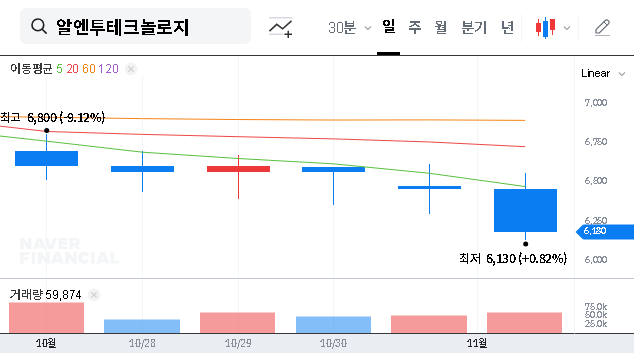
    (148250) RN2 Technologies Stock (148250): A Deep Dive into RHC's CB Acquisition & Future Outlook 관련 이미지
  • (092780) DYP CO.,LTD Stock (092780): Aone Investment Analysis & 2025 Financial Deep Dive

    (092780) DYP CO.,LTD Stock (092780): Aone Investment Analysis & 2025 Financial Deep Dive

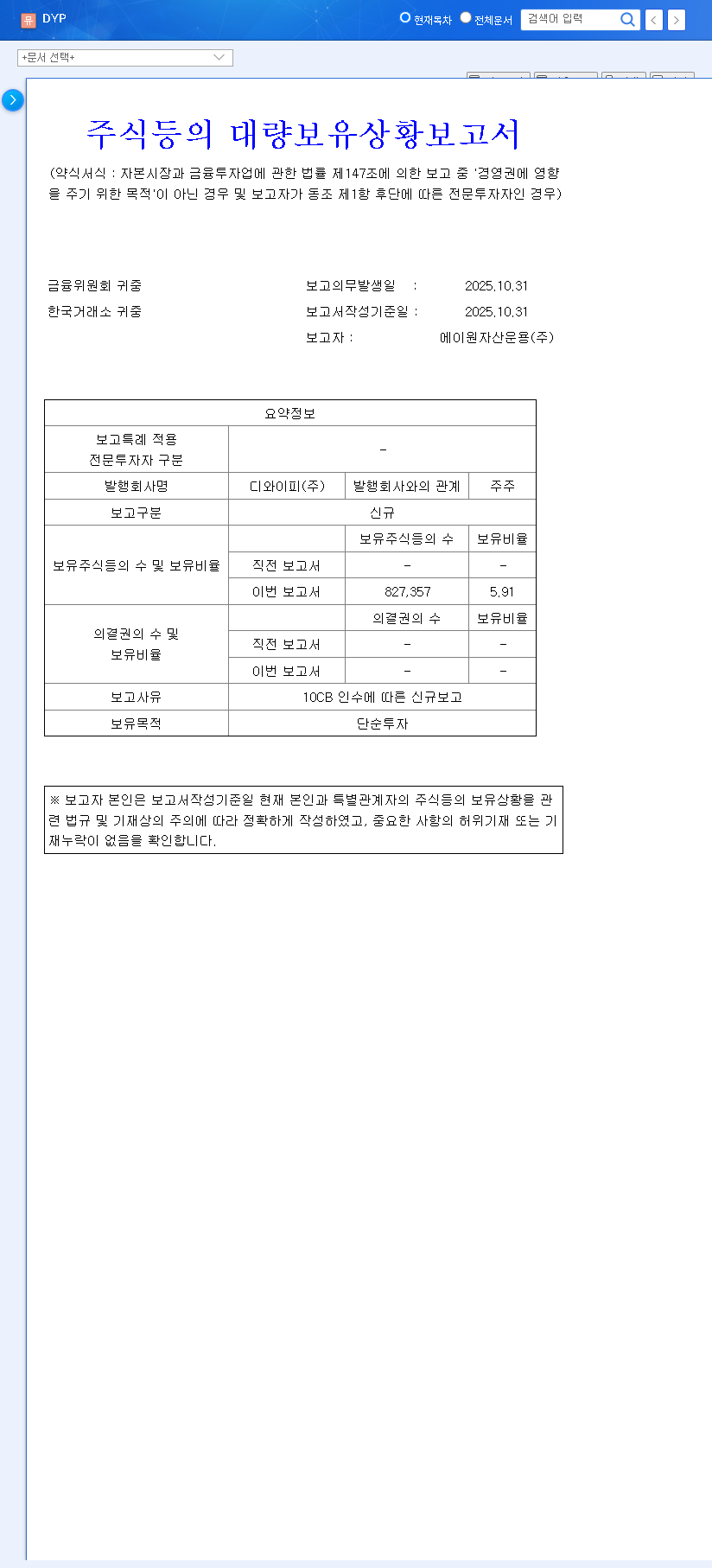
    An intriguing development has emerged for DYP CO.,LTD stock (092780), catching the eye of market watchers. Aone Asset Management recently acquired a 5.91% stake through a convertible bond purchase. While institutional investment often signals confidence, this move comes at a time when DYP’s underlying financials appear strained. Does this represent a strategic bet on a future turnaround, or is it a high-risk play amidst significant challenges?

    This comprehensive DYP investment analysis will dissect the company’s Q2 2025 financial report, evaluate the true impact of Aone’s investment, and provide a clear, expert perspective for investors. We will explore whether this event is a genuine catalyst for growth or a temporary distraction from the core issues plaguing the company’s performance.

    The Aone Asset Management Investment: What Does It Mean?

    On November 4, 2025, a disclosure revealed that Aone Asset Management purchased the 10th series of convertible bonds (10CB), effectively giving them a 5.91% stake in DYP CO.,LTD. The stated purpose is ‘simple investment,’ suggesting a passive role for now. This information comes directly from the Official Disclosure. While this news can create positive short-term momentum, a deeper look into DYP fundamentals is essential to understand the long-term implications.

    An institutional player entering the scene can suggest they see undervalued potential. However, the investment is through convertible bonds, which carry the future risk of share dilution if converted. This makes it crucial to analyze the company’s core financial health to determine if the foundation can support new growth.

    The core question for investors is stark: Does Aone’s investment signal a bottoming-out for DYP CO.,LTD stock, or is it an attempt to catch a falling knife? The answer lies within the company’s financial statements.

    Deep Dive: Analyzing the 2025 Half-Year Report

    To grasp the context of Aone’s move and project the future trajectory of the 092780 stock, we must examine the company’s recent performance. The latest report reveals several concerning trends.

    1. Deteriorating Financial Performance

    The financial health of DYP is under pressure from multiple angles, painting a challenging picture.

    • Sliding Revenue: Consolidated revenue fell to 216.7 billion KRW. This decline is directly linked to a sluggish automotive market recovery and unfavorable exchange rate movements, impacting core sales.
    • Profitability Collapse: Operating profit plummeted to just 3.6 billion KRW, and the company swung to a net loss of 2.3 billion KRW, a stark reversal from the 7.1 billion KRW profit seen in the prior year. This was driven by rising costs, administrative expenses, and a crippling increase in financial costs to 8.5 billion KRW.
    • Soaring Debt: The consolidated debt ratio has climbed to a worrying 220.96%. This rising leverage, fueled by new borrowings, significantly weakens the company’s financial stability and increases its vulnerability to interest rate hikes.

    2. Business Environment: The EV Transition Dilemma

    DYP’s core business remains in pistons for internal combustion engines (ICE), a segment facing long-term decline with the global shift to electric vehicles (EVs). While the company is wisely investing in eco-friendly components for hydrogen and EV thermal management, this division is not yet large enough to offset the weakness in its legacy operations. Their established relationships with major automakers like Hyundai-Kia, GM, and BMW provide a stable customer base, but the industry’s transition remains a fundamental threat and opportunity. For more context on this shift, investors can review expert analysis on the global EV market from authoritative sources.

    Investor Outlook: A Cautious Approach is Warranted

    While the vote of confidence from Aone Asset Management is noteworthy, it does not erase the significant fundamental headwinds facing DYP CO.,LTD. The path to a sustainable recovery for DYP CO.,LTD stock depends entirely on tangible improvements in profitability and financial management, not just on investor sentiment. This is a classic case where market excitement must be tempered with a sober analysis of the facts.

    Investors considering a DYP investment should adopt a cautious and highly vigilant strategy. Before committing capital, it’s crucial to see evidence of a real turnaround. To learn more about evaluating companies in this sector, you can read our guide to analyzing automotive supplier stocks.

    Key Monitoring Points for DYP Stock

    • Aone’s Next Move: Watch for any change from their ‘simple investment’ stance. Any move towards exercising conversion rights or demanding board representation would be a major signal.
    • Full-Year Performance: The upcoming 2025 annual report is critical. Look for signs of cost control, debt reduction, and, most importantly, revenue growth in the eco-friendly vehicle components division.
    • Convertible Bond Details: Understand the conversion price and maturity date of the 10CB to assess the potential for future share dilution.
    • Market Reaction: Monitor trading volume and price action. Sustained high volume and price strength could indicate broader market confidence, while a quick fade would suggest the news has little lasting impact.

    In conclusion, without a clear and sustained improvement in its core business and financial structure, it is difficult to expect this single investment event to catalyze a significant, long-term rise in the DYP CO.,LTD stock price.

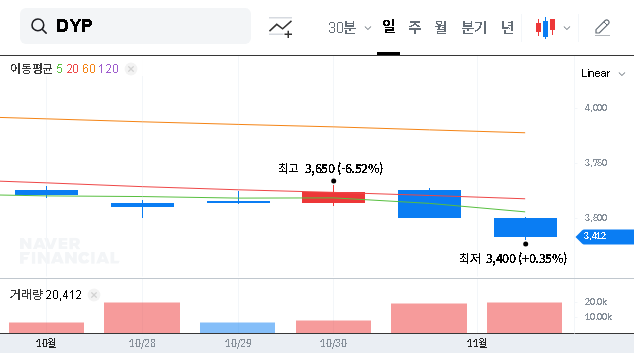
    (092780) DYP CO.,LTD Stock (092780): Aone Investment Analysis & 2025 Financial Deep Dive 관련 이미지
  • (298000) Hyosung Chemical CB Issuance: A Deep Dive into the ₩100B Lifeline

    (298000) Hyosung Chemical CB Issuance: A Deep Dive into the ₩100B Lifeline

    In a critical move for its financial future, Hyosung Chemical Corporation, currently under a stock trading suspension, has announced a significant ₩100 billion Hyosung Chemical CB issuance. This decision, backed by its parent company, Hyosung Corporation, acting as the sole investor, has sent ripples through the market. Is this a strategic masterstroke to secure much-needed liquidity and navigate a financial crisis, or is it a temporary patch that signals deeper, long-term uncertainties? This comprehensive analysis will dissect the issuance, evaluate the company’s fundamentals, and project the potential consequences for its corporate value and stock price.

    We will explore the intricacies of this financial maneuver, providing investors with the in-depth insights needed to make informed decisions about Hyosung’s stock and future prospects.

    Breaking Down the ₩100 Billion Issuance

    On October 31, 2025, Hyosung Chemical Corporation officially disclosed its plan to issue Convertible Bonds (CBs) valued at ₩100 billion. This strategic capital raise is a direct response to the company’s pressing need to enhance liquidity and fortify its financial structure. The full details were made public in the company’s Official Disclosure on the DART system.

    Key Details of the Convertible Bonds

    • Issuance Amount: A substantial ₩100 billion.
    • Issuance Method: Private placement exclusively to its parent company, Hyosung Corporation.
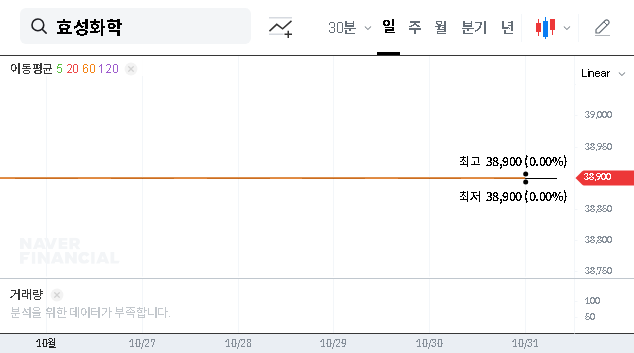
    • Conversion Price: Set at ₩38,900, a significant 35% premium over the last traded stock price of ₩28,786.
    • Coupon & Maturity Rate: A fixed rate of 4.0% per annum.
    • Payment Date: Scheduled for December 3, 2025.

    The Context: Why is Hyosung Chemical Raising Capital Now?

    This decision wasn’t made in a vacuum. The Hyosung Chemical CB issuance is a direct consequence of the severe financial headwinds the company has been facing. An analysis of its performance in the first half of 2025 reveals a troubling picture that necessitates such a significant intervention.

    The company’s core chemical business is under pressure, with declining profitability and a heavy debt burden. This capital injection is less of a growth initiative and more of a critical stabilization effort.

    Financial Health Analysis (H1 2025)

    • Profitability Crisis: Despite consolidated sales of ₩1.19 trillion, the core chemical segment posted a staggering operating loss of ₩61.1 billion. One-time gains from asset sales masked the underlying operational weaknesses.
    • Crushing Debt: Total liabilities stand at ₩2.28 trillion, with a high concentration of short-term borrowings that threaten financial stability and increase risk.
    • Negative Cash Flow: The company’s operations are not generating enough cash to sustain themselves, a clear sign of insufficient internal cash generation.
    • Trading Suspension: The stock has been suspended since March 2025 pending a listing eligibility review, placing it in a high-risk category for investors.

    Potential Impacts: A Double-Edged Sword

    The issuance of these Convertible Bonds is expected to have a mixed and complex impact on Hyosung Chemical’s future, presenting both opportunities and risks that investors must carefully weigh.

    The Upside: Liquidity and a Vote of Confidence

    The most immediate benefit is the ₩100 billion cash infusion, which provides a desperately needed lifeline to manage short-term liabilities and stabilize operations. Furthermore, the fact that the parent company, Hyosung Corporation, is the sole investor sends a powerful message of commitment. This act can be interpreted as a strong vote of confidence, signaling that the parent company is dedicated to steering its subsidiary through the crisis, which may help calm market anxieties.

    The Downside: Dilution Risk and Interest Burden

    The primary risk associated with any Convertible Bond is future stock dilution. If the company’s fortunes turn and the stock price surpasses the ₩38,900 conversion price, these bonds could be converted into new shares. This would increase the total number of outstanding shares, diluting the value and Earnings Per Share (EPS) for existing stockholders. For more on this, financial news outlets like Reuters provide excellent explainers on such instruments. Additionally, the 4.0% interest rate adds an annual ₩4 billion financial burden to a company already struggling with profitability.

    Investor Outlook and Prudent Strategy

    For current and potential investors, the Hyosung Chemical CB issuance should be viewed with extreme caution. It is a single piece of a much larger, more complex puzzle. The company’s long-term survival and growth depend not on this one-time cash injection, but on a fundamental turnaround of its core business.

    Key Factors to Monitor

    • Listing Status: The most critical variable is the outcome of the eligibility review. Whether trading resumes is paramount.
    • Core Business Profitability: Watch for tangible signs that operating losses in the chemical division are shrinking and a path to profitability is emerging.
    • Use of Funds: How the ₩100 billion is deployed is crucial. Prioritizing debt repayment to improve the balance sheet would be a positive signal.

    Conclusion: A Cautious Approach is Advised

    In conclusion, while the CB issuance provides Hyosung Chemical with immediate relief, it is not a silver bullet. The company’s path to recovery is fraught with challenges, including operational inefficiencies, high debt, and the uncertainty of its listing status. Investors should hold off on any decisions until there is concrete evidence of a sustainable business turnaround and a favorable resolution to the trading suspension. This event is a critical chapter in Hyosung Chemical’s story, but the final outcome remains to be written.

    (298000) Hyosung Chemical CB Issuance: A Deep Dive into the ₩100B Lifeline 관련 이미지
  • (179900) UTI INC. Convertible Bond: In-Depth Analysis & Stock Investment Strategy

    (179900) UTI INC. Convertible Bond: In-Depth Analysis & Stock Investment Strategy

    The recent announcement of the UTI INC. (유티아이) convertible bond issuance, valued at KRW 52 billion, has sent ripples through the investment community. This move represents a critical juncture for the company: it’s a strategic effort to fund promising new ventures like Flexible Glass, yet it also adds to a growing mountain of debt amidst deteriorating profitability. For investors, this raises a crucial question: is this a calculated risk for explosive growth or a sign of deepening financial distress?

    This comprehensive analysis will dissect the details of the UTI INC. convertible bond, evaluate the company’s current financial health, and outline a clear investment strategy to help you navigate the potential risks and rewards. We will explore what this means for the UTI INC. stock and your portfolio.

    Breaking Down the KRW 52 Billion Convertible Bond

    On November 27, 2025, UTI INC. is set to finalize a private convertible bond issuance amounting to a substantial KRW 52 billion. This figure is not insignificant, representing roughly 10.81% of the company’s market capitalization. A convertible bond is a type of debt security that the holder can convert into a specified number of shares of the issuing company’s common stock. For a deeper understanding, you can learn more about how convertible bonds work on Investopedia.

    The key terms of this issuance, as per the Official Disclosure (DART), are crucial for investors to understand:

    • Investor: The primary investor is ‘Seven Bridge No.6 Unique Glass Private Investment Partnership.’
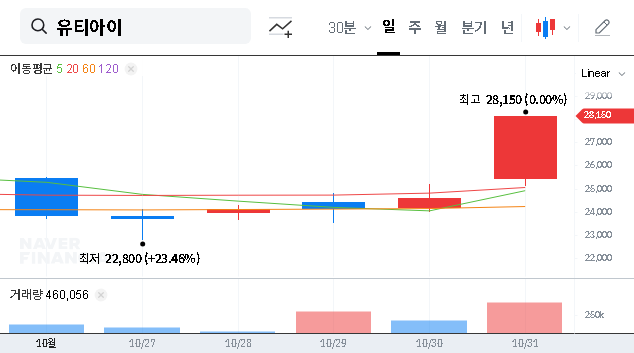
    • Conversion Price: Set at KRW 24,575, a figure dramatically higher than the current stock price.
    • Conversion Period: The bonds can be converted into common stock anytime between November 27, 2026, and October 27, 2030.

    UTI INC.’s Financial Landscape: A Tale of Two Futures

    To understand the motive behind this massive capital raise, we must look at the company’s current state. UTI INC. is at a crossroads, with promising technological advancements clashing with troubling financial metrics.

    The Bull Case: Growth Through Innovation

    • Diversification into High-Growth Markets: UTI INC. is strategically pivoting from its core business of smartphone camera cover glass to advanced materials like Flexible Glass and TGV substrates. This positions them in a rapidly growing sector crucial for next-generation displays and electronics.
    • Key Strategic Alliance: The partnership with industry giant Corning is a significant vote of confidence. This collaboration enhances UTI’s technological edge, particularly in Hard Coating technology, and opens doors to a wider market and revenue streams.
    • Anticipated Order Expansion: There is market anticipation for an increase in new project orders in 2025, which could significantly boost revenue and begin to turn the financial tide.

    The Bear Case: Mounting Financial Pressures

    • Deteriorating Profitability: As of H1 2025, revenue fell 8.0% year-over-year to KRW 10.23 billion, while the operating loss widened to KRW 19.29 billion. This trend is unsustainable without a major turnaround.
    • Soaring Debt: Total debt reached KRW 101.55 billion, an increase of 17.9% from the previous year-end. This new KRW 52 billion bond will further inflate this figure, increasing interest expenses and financial risk.
    • Underutilization of Core Assets: The production utilization for camera window manufacturing is at a low 17.6%. This inefficiency adds to fixed cost burdens and puts pressure on margins.

    The core conflict for UTI INC. is clear: can the promise of future technology like Flexible Glass generate returns fast enough to overcome the immediate and significant financial challenges? This convertible bond is the fuel for that engine, but it also increases the weight of the vehicle.

    Investment Strategy: Navigating the UTI INC. Stock

    Given the complex situation, a nuanced UTI investment strategy is required. A ‘wait and see’ approach with a neutral stance is prudent, while closely monitoring key performance indicators.

    Short-Term vs. Long-Term Outlook

    Short-Term (3-6 months): Expect continued volatility and potential downward pressure on the UTI INC. stock. The market will likely react negatively to the increased debt load and the specter of future share dilution. The extremely high conversion price reduces immediate dilution risk but creates a psychological ceiling for the stock price.

    Mid-to-Long-Term (1-3 years): The outlook is entirely dependent on execution. The success of the Flexible Glass business is the primary catalyst. If UTI INC. can successfully leverage the new capital to scale this business, secure major contracts, and demonstrate a clear path to profitability, the long-term upside could be substantial.

    Key Monitorables for Investors

    Before considering an investment, monitor these critical factors, which you can learn more about in our guide to analyzing tech stocks:

    • Quarterly Financial Reports: Look for any signs of revenue stabilization, margin improvement, or a reduction in the rate of cash burn.
    • New Business Milestones: Watch for announcements of new patents, client acquisitions for Flexible Glass, or positive updates from the Corning partnership.
    • Debt Management: Pay attention to the company’s debt-to-equity ratio and any further fundraising activities.

    Frequently Asked Questions (FAQ)

    What kind of business does UTI INC. (유티아이) operate?

    UTI INC. primarily manufactures camera window cover glass for smartphones. It is actively diversifying into advanced materials, focusing on high-growth areas like Flexible Glass and TGV substrates.

    What are the short-term impacts of the KRW 52 billion convertible bond issuance?

    In the short term, the issuance is likely to exert downward pressure on the stock price. This is due to concerns over increased financial burden from the new debt and the potential for future stock dilution, which can weigh on investor sentiment.

    What is the long-term investment outlook for UTI INC.?

    The long-term success of UTI INC. hinges on its new ventures. If the company can successfully commercialize its Flexible Glass technology, secure significant orders, and achieve profitability, the investment could prove highly rewarding. The key is execution.

    What are the main risks when investing in UTI INC.?

    The primary risks include the failure of its new business ventures to gain market traction, continued financial losses, the heavy burden of its rising debt, and the potential for significant stock dilution if and when the convertible bonds are exercised.

    (179900) UTI INC. Convertible Bond: In-Depth Analysis & Stock Investment Strategy 관련 이미지
  • (064260) DANAL Convertible Bond (064260) Exercise: A Deep Dive for Investors

    (064260) DANAL Convertible Bond (064260) Exercise: A Deep Dive for Investors

    The recent announcement regarding the large-scale DANAL convertible bond exercise has sent ripples through the investment community. DANAL CO., LTD. (064260), a key player in the fintech and payment solutions market, is set to issue 4,591,830 new shares. This move comes at a critical time, as the company navigates a challenging financial landscape marked by declining revenues and significant losses in the first half of 2025. For existing and potential investors, this event raises crucial questions about stock value dilution, corporate strategy, and the future DANAL stock price trajectory.

    This comprehensive analysis delves into the specifics of the DANAL convertible bond event, its potential repercussions on the stock, and the strategic considerations investors should make. We will break down the company’s current financial health, explore the short-term risks, and identify the long-term opportunities that could emerge from this pivotal financial maneuver.

    The Mechanics of the DANAL Convertible Bond Exercise

    At its core, a convertible bond is a type of debt security that the holder can convert into a predetermined number of the issuing company’s shares. DANAL’s recent disclosure, confirmed in its Official Disclosure, outlines a significant conversion event. Let’s examine the key figures:

    • New Shares Issued: 4,591,830
    • Proportion of Market Cap: 6.66%
    • Scheduled Conversion Date: November 13, 2025
    • Conversion Price: KRW 3,136
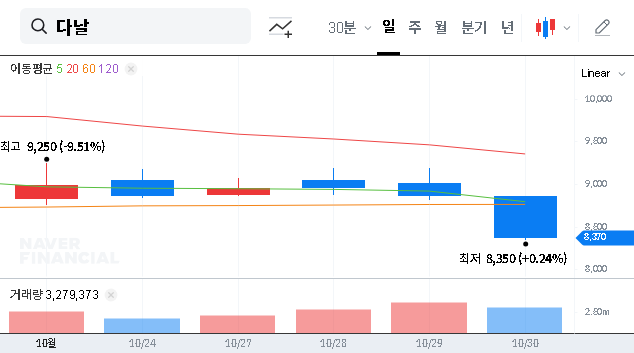
    • Recent Stock Price (for comparison): KRW 8,370

    The most striking detail is the vast difference between the conversion price and the current market price. This gap creates a substantial arbitrage opportunity for bondholders, incentivizing them to convert their bonds to equity and potentially sell the shares on the open market for a significant profit.

    DANAL’s Financial Health: A Challenging Backdrop

    This bond conversion isn’t happening in a vacuum. A thorough DANAL financial analysis reveals a company facing considerable headwinds, which amplifies the importance of this event.

    Deteriorating H1 2025 Performance

    The first half of 2025 painted a concerning picture for DANAL. Revenue fell by 9.7% year-on-year to KRW 113.207 billion, while the consolidated net loss ballooned to KRW 20.17 billion. Furthermore, total debt climbed 18.1% to KRW 514.336 billion, pushing the debt-to-equity ratio higher and signaling increased financial risk for the company.

    In a climate of rising interest rates and economic uncertainty, a heavy debt load can severely constrain a company’s ability to invest in growth and innovate.

    Sluggish Business Segments

    Across its main divisions, DANAL is encountering friction. The Commerce Division is struggling against intense market competition, while the Digital Content Division has seen a prominent revenue decline. Even the Franchise Division has yet to show significant profitability improvements despite rebranding efforts. This multi-front struggle suggests that a turnaround will require more than just a capital injection; it will demand a robust strategic pivot.

    Impact on DANAL Stock Price and Investor Strategy

    The exercise of the DANAL convertible bond will have immediate and long-term consequences that investors must carefully weigh.

    Short-Term: Share Dilution and Selling Pressure

    The introduction of nearly 4.6 million new shares will dilute the ownership stake of existing shareholders. Think of it like a pizza: if more slices are cut from the same pie, each slice becomes smaller. This dilution, combined with the high likelihood of bondholders selling their newly acquired shares to lock in profits, creates a significant supply overhang. This is a classic recipe for short-term downward pressure on the DANAL stock price.

    Long-Term: The Critical Role of Fund Utilization

    The long-term outlook is less certain and hinges entirely on one factor: how DANAL uses the new capital. By converting debt to equity, the company improves its balance sheet on paper. However, this is only a cosmetic fix if the underlying business doesn’t improve.

    • Positive Scenario: The funds are strategically deployed into high-growth areas, such as its AI and Paycoin initiatives, or used to retire more expensive debt. This could lead to a genuine business turnaround and long-term value creation that outweighs the initial dilution.
    • Negative Scenario: The capital is used merely to cover operational shortfalls without addressing the core issues of declining revenue and profitability. In this case, the stock dilution will be permanent without any corresponding increase in fundamental value.

    Key Takeaways for Investors

    Navigating this period requires a cautious and informed approach. While the market may react negatively in the short term, savvy investors should focus on the underlying fundamentals and the company’s strategic actions. For further reading, you can explore our guide to fintech stock analysis.

    Monitor these key factors closely:

    • Official Fund Use Plan: Watch for detailed announcements from DANAL on how the capital will be invested.
    • Future Earnings Reports: The next few quarterly reports will be crucial in showing whether a turnaround is taking hold.
    • Progress in New Ventures: Look for tangible results and user adoption from their AI and Paycoin projects.

    In conclusion, the DANAL convertible bond exercise is a double-edged sword. It presents immediate risks of dilution and price volatility but also offers the company a chance to recapitalize and fuel a potential recovery. A prudent investment decision will depend on a comprehensive analysis of DANAL’s long-term growth strategy versus its current financial vulnerabilities.

    (064260) DANAL Convertible Bond (064260) Exercise: A Deep Dive for Investors 관련 이미지
  • (138360) Hyupjin Co., Ltd. Convertible Bond: A Deep Dive for Investors (2025 Analysis)

    (138360) Hyupjin Co., Ltd. Convertible Bond: A Deep Dive for Investors (2025 Analysis)

    The market is buzzing after Hyupjin Co., Ltd. announced a significant capital raise through a ₩10 billion Convertible Bond (CB) issuance. For investors, this news raises a critical question: is this a launchpad for explosive growth or a hidden landmine that could dilute the value of their shares? This comprehensive analysis of the Hyupjin Co., Ltd. Convertible Bond will unpack the financial implications, stock price impact, and key factors you must consider to make an informed decision.

    First, What Exactly is a Convertible Bond?

    Before diving into Hyupjin’s specifics, it’s crucial to understand the instrument they’re using. A convertible bond is a hybrid security that acts like a loan to the company, paying interest to the bondholder. However, it comes with a special feature: the option to convert the bond into a predetermined number of the company’s common shares at a specific price. For investors, it offers the relative safety of a bond with the potential upside of a stock. For the company, it’s often a way to raise capital at a lower interest rate than a traditional loan. You can learn more about the mechanics from authoritative sources like Investopedia.

    The Hyupjin CB Issuance: Key Details

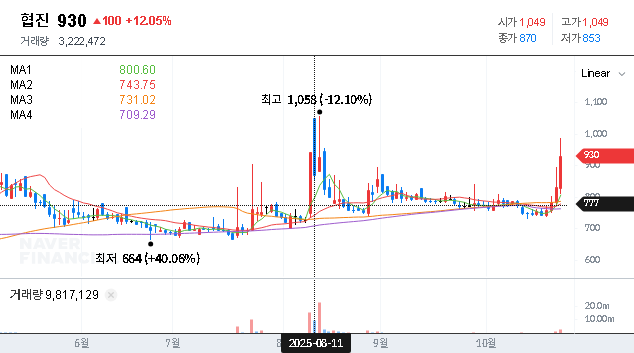
    On October 29, 2025, Hyupjin Co., Ltd. filed its official decision to issue the convertible bonds. The ₩10 billion sum is substantial, representing 22.71% of the company’s market capitalization. Here are the critical details from the announcement:

    • Issuing Company: Hyupjin Co., Ltd. (Market Cap: ₩48.3 billion)
    • Issuance Amount: ₩10 billion (22.71% of market cap)
    • Issuance Method: Private Placement (Key Investor: IR Holdings)
    • Conversion Price: ₩848 (vs. current stock price of ₩930)
    • Conversion Period: Nov 28, 2026 – Oct 28, 2028
    • Maturity Interest Rate: 3.00%
    • Source: Official Disclosure (DART Report)

    Why Raise Capital Now?

    The stated purpose is to secure operating funds. This could mean several things: fueling R&D for a new product line, expanding into new markets, or simply strengthening the balance sheet to navigate economic uncertainty. The choice of a private placement to a specific investor, IR Holdings, suggests a strategic partnership is also at play, allowing for faster capital injection and potentially aligning with a long-term strategic partner.

    The Double-Edged Sword: Impact of the Hyupjin CB Issuance

    For shareholders, a convertible bond investment decision requires weighing the potential for growth against the undeniable risk of dilution.

    The Upside: Fuel for Future Growth

    The best-case scenario is that Hyupjin uses this ₩10 billion to create significant value. If the capital leads to successful projects that boost revenue and profitability, the long-term stock appreciation could far outweigh any initial negative sentiment or dilution. This is the narrative the company wants investors to believe.

    The Downside: The Specter of Share Dilution Risk

    This is the primary concern. The conversion price of ₩848 is below the current stock price of ₩930, making it very likely that bondholders will convert their bonds into stock. When this happens, new shares are created, and the ownership percentage of existing shareholders decreases. This is known as share dilution.

    Share dilution means your slice of the corporate pie gets smaller. Even if the company’s total value grows, your personal investment value might not grow as quickly, or could even decline, if the number of new shares is too high.

    Context is Key: Hyupjin’s History and Financial Health

    An investment decision cannot be made in a vacuum. A complete Hyupjin stock analysis must consider the company’s past and present. Hyupjin has a troubled history, including delisting risks and allegations of embezzlement. While trading resumed in 2023, investor confidence remains fragile. Recent financials show only a marginal surplus, largely from investments rather than its core business. This capital raise, therefore, seems more about securing a lifeline for future opportunities than expanding from a position of strength. For a deeper understanding of financial health, it’s wise to learn how to analyze company fundamentals.

    Investor Action Plan: What to Watch For

    Given the dual nature of this Hyupjin Co., Ltd. Convertible Bond issuance, investors must remain vigilant. Here are the key points to monitor:

    • Use of Funds: Demand transparency on how the ₩10 billion is spent. Look for specific announcements on new projects, R&D, or acquisitions. Vague statements are a red flag.
    • Stock Price vs. Conversion Price: Keep a close eye on the stock price relative to the ₩848 conversion price. The wider the gap, the higher the incentive to convert and the greater the share dilution risk.
    • Core Business Performance: Ignore non-operational gains. Focus on whether the company’s primary business is growing revenue and improving profit margins in quarterly reports.
    • Investor Actions: Monitor the actions of IR Holdings. Are they holding for the long term, or will they convert and sell shares quickly? Their strategy will significantly impact the stock.

    In conclusion, Hyupjin’s CB issuance is a high-stakes move. It presents a potential pathway to recovery and growth but carries significant risks for current shareholders. Prudent investors should proceed with extreme caution, conducting thorough due diligence and closely monitoring the company’s execution on its promises.

    (138360) Hyupjin Co., Ltd. Convertible Bond: A Deep Dive for Investors (2025 Analysis) 관련 이미지
  • (115180) Qurient Convertible Bond (₩12.8B): Investor’s Deep Dive on Stock Impact & Strategy (115180)

    (115180) Qurient Convertible Bond (₩12.8B): Investor’s Deep Dive on Stock Impact & Strategy (115180)

    The recent announcement of the Qurient convertible bond issuance has sent ripples through the investment community. Qurient Co., Ltd. (115180), a clinical-stage biotech company focused on novel drug development, revealed its plan to raise ₩12.8 billion. For a company navigating the high-stakes, capital-intensive world of pharmaceuticals, this move is a critical lifeline. However, for investors, it presents a complex scenario: is this a vote of confidence in Qurient’s promising pipeline, or a warning sign of potential stock dilution and financial strain?

    This comprehensive analysis will dissect the Qurient CB issuance, examining its immediate and long-term effects on the Qurient stock price. We will explore the fundamentals of the company, the strategic rationale behind the funding, and provide a clear, actionable investment framework for current and prospective shareholders.

    Understanding the ₩12.8 Billion Qurient Convertible Bond Issuance

    On October 29, 2025, Qurient officially disclosed its decision to issue ₩12.8 billion in convertible bonds (CBs) via a private placement. This sum represents approximately 1.85% of the company’s market capitalization at the time of announcement. For full transparency, the filing can be reviewed in the Official Disclosure on DART.

    A Convertible Bond (CB) is a type of debt security that the holder can convert into a specified number of shares of common stock in the issuing company. It’s a hybrid financial instrument, offering the safety of a bond with the upside potential of a stock. For more on this, Investopedia explains in detail.

    Key Terms of the Issuance

    • Total Amount: ₩12.8 billion
    • Method: Private placement to a consortium of investment funds.
    • Conversion Price: ₩19,072 per share.
    • Minimum Adjustment Price (Refixing): ₩13,351 per share.
    • Interest Rates: 0.0% coupon rate, but a 3.0% maturity yield.
    • Payment Date: November 6, 2025.

    The ‘Why’: Fueling R&D in a Cash-Burn Industry

    Like most novel drug development companies, Qurient operates in a state of planned financial loss. The journey from preclinical research to commercialization is long and astronomically expensive. For the first half of 2025, the company reported an operating loss of ₩13.4 billion. This Qurient convertible bond is not a sign of failure, but a standard strategic maneuver in biotech investment to secure vital capital for ongoing R&D.

    The funds are essential for advancing Qurient’s key clinical pipelines, primarily Mociclip (Q901) for cancer treatment and Adrixetinib (Q702), an Axl/Mer/CSF1R inhibitor. Mociclip, in particular, is a source of high expectations due to its promising preclinical data and a co-development deal with a major global pharmaceutical partner. This capital injection ensures these critical trials can proceed without delay, which is paramount to unlocking the company’s long-term value. For a deeper look at similar financial strategies, check out our guide to biotech stock analysis.

    Analysis of Impact on Qurient Stock Price

    The Bull Case: Confidence and Continuity

    • R&D Runway Secured: The ₩12.8 billion provides a crucial financial runway, de-risking the company’s operations for the near future and allowing management to focus on clinical execution.
    • Vote of Confidence: The participation of venture capital firms like SBI Innovative Growth Fund is a strong positive signal. These sophisticated investors have conducted extensive due diligence, and their investment implies confidence in Qurient’s technology and management.
    • Future Balance Sheet Health: Should the stock price rise significantly and the bonds convert to equity, Qurient’s debt will be reduced, strengthening its financial structure without a cash outlay.

    The Bear Case: Dilution Overhang and Financial Burden

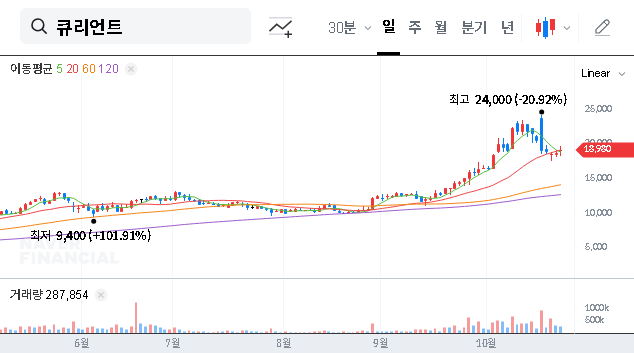
    • The Conversion Price Gap: The most glaring issue is the massive gap between the current stock price (around ₩85) and the conversion price (₩19,072). This makes near-term conversion virtually impossible and signals that the new investors are betting on a monumental, long-term turnaround.
    • Potential Stock Dilution: While not an immediate threat, the bonds represent a future overhang. If the company achieves clinical success and the stock price soars, the conversion of these bonds would introduce new shares to the market, diluting the ownership stake of existing shareholders. At the minimum refixing price of ₩13,351, this issuance could create over 958,000 new shares.
    • Maturity Burden: If the stock price fails to appreciate and the bonds do not convert, Qurient will be obligated to repay the principal plus the 3.0% maturity yield. For a company still in its loss-making phase, this future financial obligation is a tangible risk.

    Investment Strategy & Outlook for Qurient (115180)

    The Qurient CB issuance is a neutral-to-slightly-positive event in the short term but a pivotal data point for long-term investors. It confirms the company has the capital to proceed, shifting the focus squarely onto execution.

    For Short-Term Traders: This news is unlikely to be a significant catalyst. The stock will remain volatile and driven by broader market sentiment and any upcoming clinical data announcements, not by this financing event. The conversion price gap may even weigh on sentiment.

    For Long-Term Investors: Your thesis should not change. The investment case for Qurient rests entirely on the success of its drug pipelines. This financing simply keeps the dream alive. The key is to monitor clinical trial progress, partnership updates, and potential technology transfer news. The ultimate determinant of the Qurient stock price will be scientific and clinical outcomes, not financial engineering.

    In conclusion, while the Qurient convertible bond provides essential fuel, the engine of growth remains its innovative science. Investors should view this as a necessary step that enables the company to pursue its long-term vision, while remaining keenly aware of the inherent risks and dilutive potential down the road.

    (115180) Qurient Convertible Bond (₩12.8B): Investor's Deep Dive on Stock Impact & Strategy (115180) 관련 이미지
  • (138080) OE Solutions Convertible Bond: A Deep Dive on Stock Impact & Investor Strategy

    (138080) OE Solutions Convertible Bond: A Deep Dive on Stock Impact & Investor Strategy

    The recent announcement regarding the OE Solutions convertible bond conversion has sent ripples through the investment community, focusing a spotlight on the KOSDAQ-listed optical transceiver manufacturer, OE Solutions Co., Ltd. (KOSDAQ:138080). With the issuance of a significant number of new shares, existing shareholders are understandably concerned about the potential for share dilution and its subsequent impact on the stock price. While the company demonstrates impressive revenue growth, it continues to face profitability hurdles.

    This comprehensive analysis will dissect the details of this pivotal financial event. We’ll explore the immediate effects on stock value, delve into the company’s fundamental health, and outline a prudent investor strategy to navigate the potential volatility. This guide provides the critical information you need to make informed decisions about your position in OE Solutions.

    The Core Issue: Deconstructing the Convertible Bond Event

    At its heart, a convertible bond is a type of debt security that the holder can convert into a specified number of shares of the issuing company’s common stock. For investors, it offers the safety of a bond with the upside potential of a stock. For companies, it’s a way to raise capital at a lower interest rate. However, when the conversion rights are exercised, it leads to the creation of new shares.

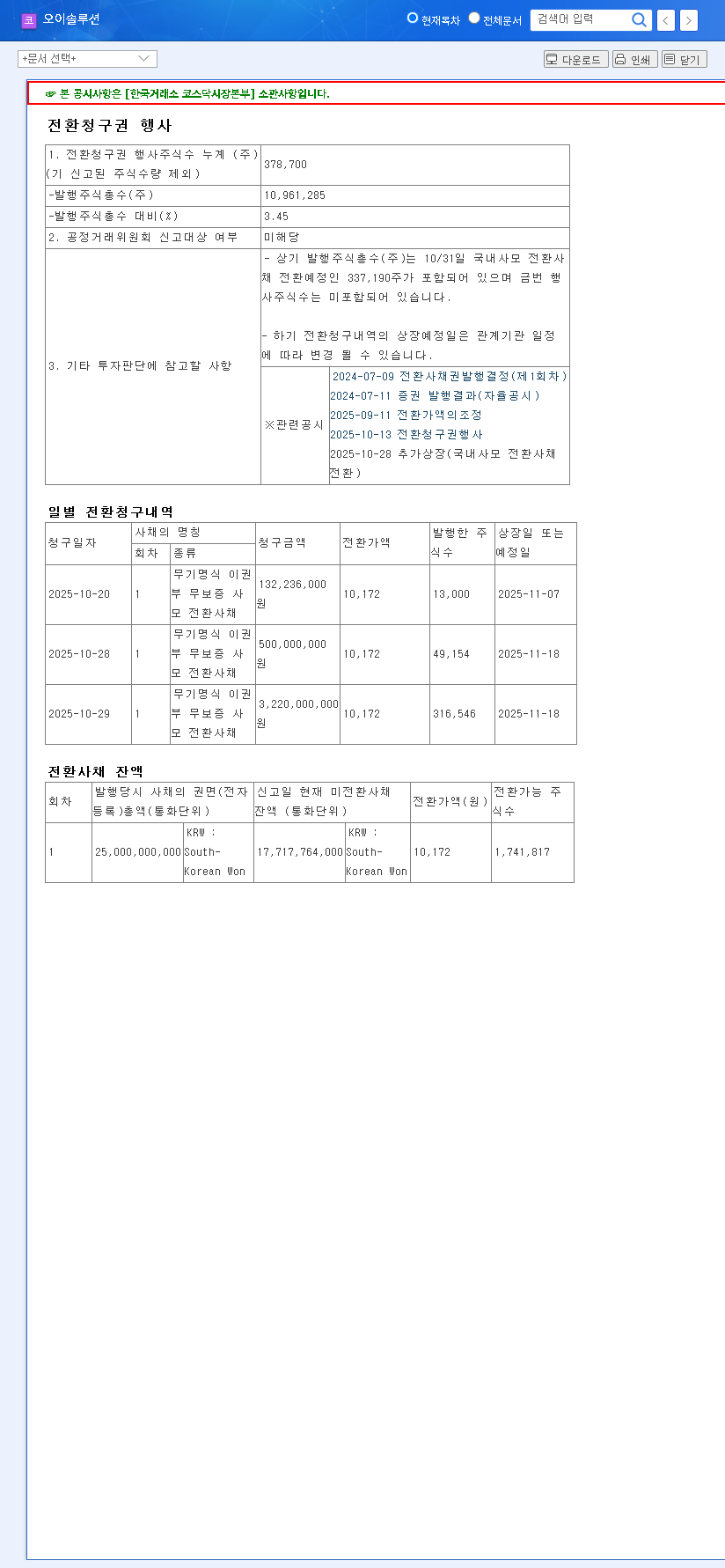
    Official Disclosure: OE Solutions is set to issue 378,700 new shares, representing 3.45% of its market capitalization, following the exercise of conversion rights. The conversion price is KRW 10,172, significantly below the recent market price. For complete details, see the Official Disclosure (DART).

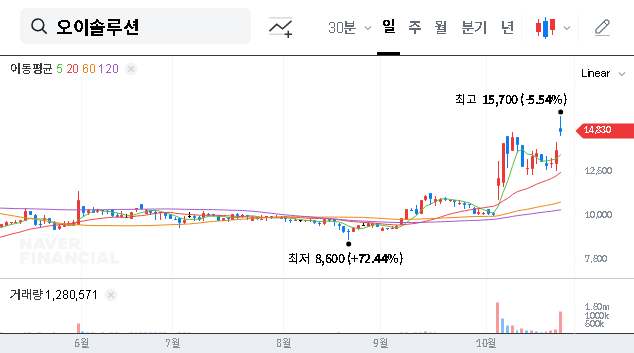
    The primary concern here is the large discrepancy between the conversion price (KRW 10,172) and the current stock price. This creates a powerful incentive for bondholders to convert their bonds to stock and immediately sell the newly issued shares on the open market for a quick profit. This anticipated selling pressure is a major catalyst for potential short-term price drops.

    Fundamental Analysis: A Tale of Growth and Unprofitability

    To understand the long-term stock trajectory, we must look beyond the OE Solutions convertible bond event and examine the company’s core health. OE Solutions operates in the high-tech space of optical transceivers, a critical component for modern data centers and communication networks. For a deeper understanding of this type of investment, you can review our guide on analyzing tech hardware stocks.

    The Bull Case (Reasons for Optimism)

    • Explosive Revenue Growth: The company posted a 92.1% year-over-year revenue increase in H1 2025, reaching KRW 29.9 billion. This signals strong market demand for its products.
    • Strategic Diversification: Management is actively expanding into new high-growth sectors, including laser application equipment and medical devices, which could create future revenue streams.
    • R&D Leadership: Continuous investment in research and development helps OE Solutions maintain a competitive edge in core optical technologies.

    The Bear Case (Headwinds & Risks)

    • Deteriorating Profitability: Despite soaring revenues, operating and net losses have widened to KRW 9.7 billion and KRW 10.7 billion, respectively. This cash burn is a significant concern.
    • Overhang from Debt: The remaining KRW 25 billion convertible bond represents a future risk of further share dilution or a significant repayment burden on the company’s cash flow.
    • Macroeconomic Pressures: As an exporter, OE Solutions is vulnerable to high interest rates, currency fluctuations, and volatile raw material costs, which can further squeeze margins. For more context, see Investopedia’s explanation of macroeconomic factors.

    Investor Playbook: Navigating the Volatility

    Given the conflicting signals—strong growth versus weak profitability and share dilution—a nuanced approach is necessary. The current investment opinion is Neutral, warranting a conservative and watchful stance.

    For Short-Term Traders:

    The primary risk is the downward pressure from the new shares hitting the market. Investors should brace for heightened volatility around the listing dates (Nov 7 & Nov 18, 2025). Any position should be managed with strict risk controls, such as stop-loss orders.

    For Mid-to-Long-Term Investors:

    The focus shifts from the temporary stock overhang to fundamental execution. The key question is whether management can translate its top-line growth into bottom-line profit. How the capital from the OE Solutions convertible bond is utilized for growth initiatives will be paramount.

    Key Monitoring Points for All Investors:

    • The actual volume of selling pressure once the new shares are listed.
    • Quarterly earnings reports, with a close eye on profit margins and cash flow statements.
    • Company announcements regarding progress in its new business ventures.
    • Future plans for managing the remaining convertible bond debt.

    In conclusion, while the OE Solutions convertible bond conversion presents clear short-term headwinds, the company’s long-term fate rests on its ability to achieve sustainable profitability. A cautious, data-driven investor strategy is the most sensible path forward.

    (138080) OE Solutions Convertible Bond: A Deep Dive on Stock Impact & Investor Strategy 관련 이미지
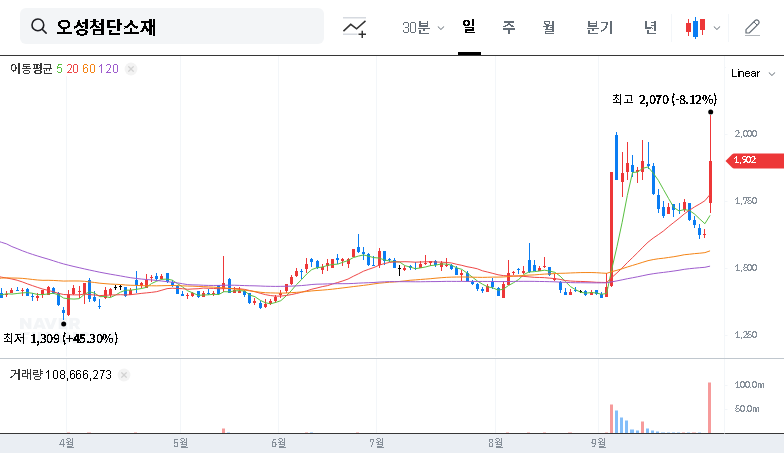
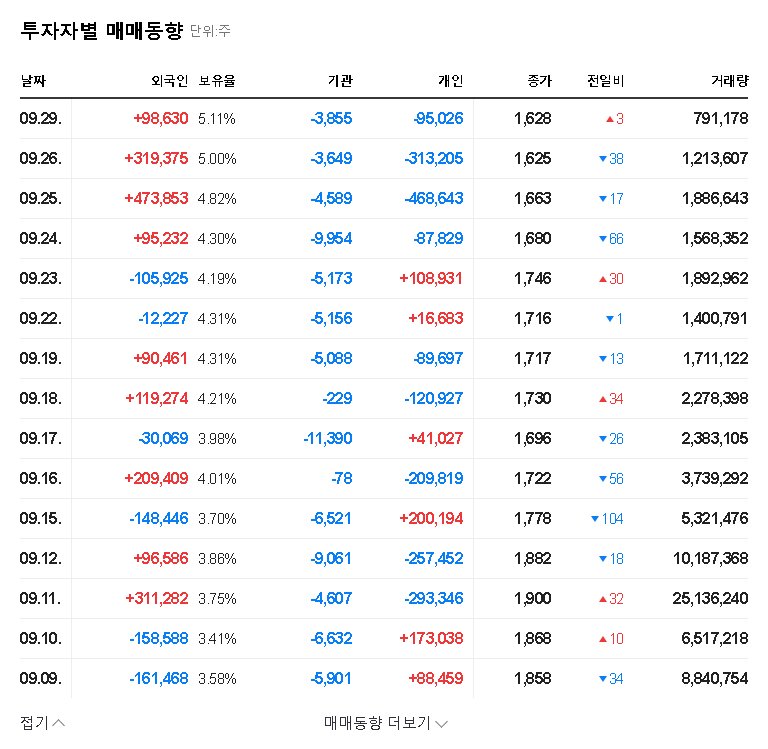
  • (052420) OSUNG ADVANCED MATERIALS Stock Analysis: Impact of Major CB Acquisition

    (052420) OSUNG ADVANCED MATERIALS Stock Analysis: Impact of Major CB Acquisition

    A significant financial maneuver has placed OSUNG ADVANCED MATERIALS CO., LTD. under the investor spotlight. Korea Bond Investment Management Co., Ltd. recently executed a strategic acquisition of convertible bonds (CBs), securing a new 5.82% stake in the company. While officially designated as a ‘simple investment,’ this move has sent ripples through the market, prompting a deeper look into the company’s future. This analysis will dissect the implications of this convertible bond acquisition, evaluate the core fundamentals of OSUNG ADVANCED MATERIALS, and assess the broader macroeconomic factors at play to provide a comprehensive investment outlook.

    The Core Event: A 5.82% Stake via Convertible Bonds

    On October 23, 2025, Korea Bond Investment Management acquired convertible bonds of OSUNG ADVANCED MATERIALS, marking a pivotal moment. According to the Official Disclosure filed on October 28, 2025, this transaction shifted their holding from 0% to a notable 5.82%. Understanding this requires knowing what convertible bonds are. Essentially, they are a form of debt that can be converted into a predetermined number of the company’s common stock, offering a hybrid of both debt and equity features. For a more detailed explanation, you can refer to authoritative sources like Investopedia’s guide on convertible bonds.

    Key Details of the Transaction:

    • Reporting Entity: Korea Bond Investment Management Co., Ltd.
    • Purpose of Holding: Stated as ‘Simple Investment’.
    • Change in Holding: From 0% to 5.82% post-issuance.
    • Mechanism: Acquisition of company-issued Convertible Bonds.

    Deep Dive into OSUNG ADVANCED MATERIALS’ Fundamentals

    Beyond this single event, a prudent investor must analyze the company’s underlying health. OSUNG ADVANCED MATERIALS presents a mixed but intriguing picture, characterized by strategic diversification efforts counterbalanced by risks in its legacy operations.

    Growth Drivers and Strengths

    The company is actively pursuing new growth engines to offset weaknesses in its traditional markets. The acquisitions of Chunji Shipping Co., Ltd. (logistics) and Hwail Pharmaceutical Co., Ltd. (pharmaceuticals) are pivotal steps in this business diversification strategy. These moves are viewed as positive long-term value creators. Furthermore, a stable financial position, underpinned by substantial cash and cash equivalents, provides a solid foundation for these new ventures.

    Risk Factors and Weaknesses

    Several challenges warrant caution. The core display materials business continues to face declining sales amidst a competitive global landscape. A concerning trend is the reduction in R&D investment, which could jeopardize long-term technological competitiveness—a critical factor in the advanced materials sector. Until the new business segments generate stable, tangible results, the company remains vulnerable to market shifts and the performance of its existing operations.

    The primary challenge for OSUNG ADVANCED MATERIALS is managing the transition: leveraging its financial stability to successfully scale new ventures while mitigating the decline in its legacy display materials business.

    Navigating Macroeconomic Headwinds

    No company operates in a vacuum. The performance of OSUNG ADVANCED MATERIALS is intrinsically linked to several key macroeconomic indicators:

    • Exchange Rate Sensitivity: With significant USD-denominated assets, currency fluctuations are a major factor. A 10% change in the KRW/USD rate is estimated to impact net profit by approximately 2.6 billion KRW. A rising dollar helps exports but inflates the cost of imported raw materials.
    • Interest Rate Environment: A climate of rising interest rates globally increases the cost of capital. This can make future funding more expensive and potentially dampen the company’s appetite for new investments and large-scale expansion.
    • Commodity and Freight Costs: Volatility in raw material prices can squeeze margins in the materials business. Simultaneously, the profitability of its logistics subsidiary, Chunji Shipping, is directly tied to global freight indices like the Baltic Tanker Index, which have shown recent declines.

    Investment Outlook and Action Plan

    Considering the CB acquisition, the company’s mixed fundamentals, and macroeconomic uncertainties, a cautious yet watchful stance is recommended. The acquisition by Korea Bond Investment Management is not an immediate catalyst for a stock re-rating, but rather a long-term factor to monitor. The potential for future share dilution upon conversion is real, but the immediate impact is limited.

    Therefore, the current investment outlook for OSUNG ADVANCED MATERIALS is a ‘Hold’ or ‘Watch’. The company’s strategic diversification is a significant positive, but the risks associated with its core business and the broader economy cannot be ignored.

    Key Monitoring Points for Investors:

    Investors should keep a close eye on the following developments. For more insights, you might also want to review our complete guide to the advanced materials sector.

    • Any announcement regarding the timing and price of the convertible bond conversion.
    • Quarterly performance reports, focusing on the revenue growth and profitability of the new pharmaceutical and logistics businesses.
    • Changes in the company’s R&D budget and any new technology announcements.
    • Management commentary on the impact of exchange rates and interest rates on earnings.

    ※ This analysis is for informational purposes only and is based on publicly available data. It does not constitute investment advice. All investment decisions should be made based on your own judgment and research.

    (052420) OSUNG ADVANCED MATERIALS Stock Analysis: Impact of Major CB Acquisition 관련 이미지
    (052420) OSUNG ADVANCED MATERIALS Stock Analysis: Impact of Major CB Acquisition 관련 이미지
  • (187660) Hyundai ADM Bio Inc. Conversion Claim: A Deep Dive for Investors (187660)

    (187660) Hyundai ADM Bio Inc. Conversion Claim: A Deep Dive for Investors (187660)

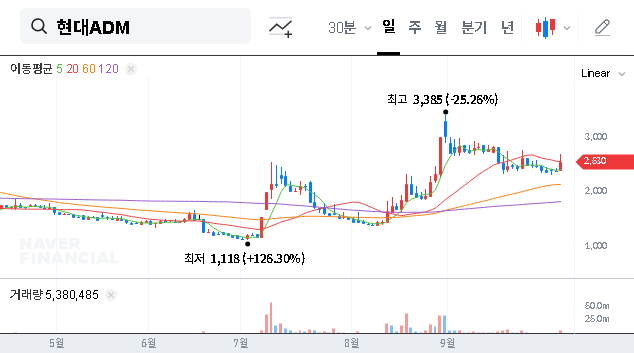
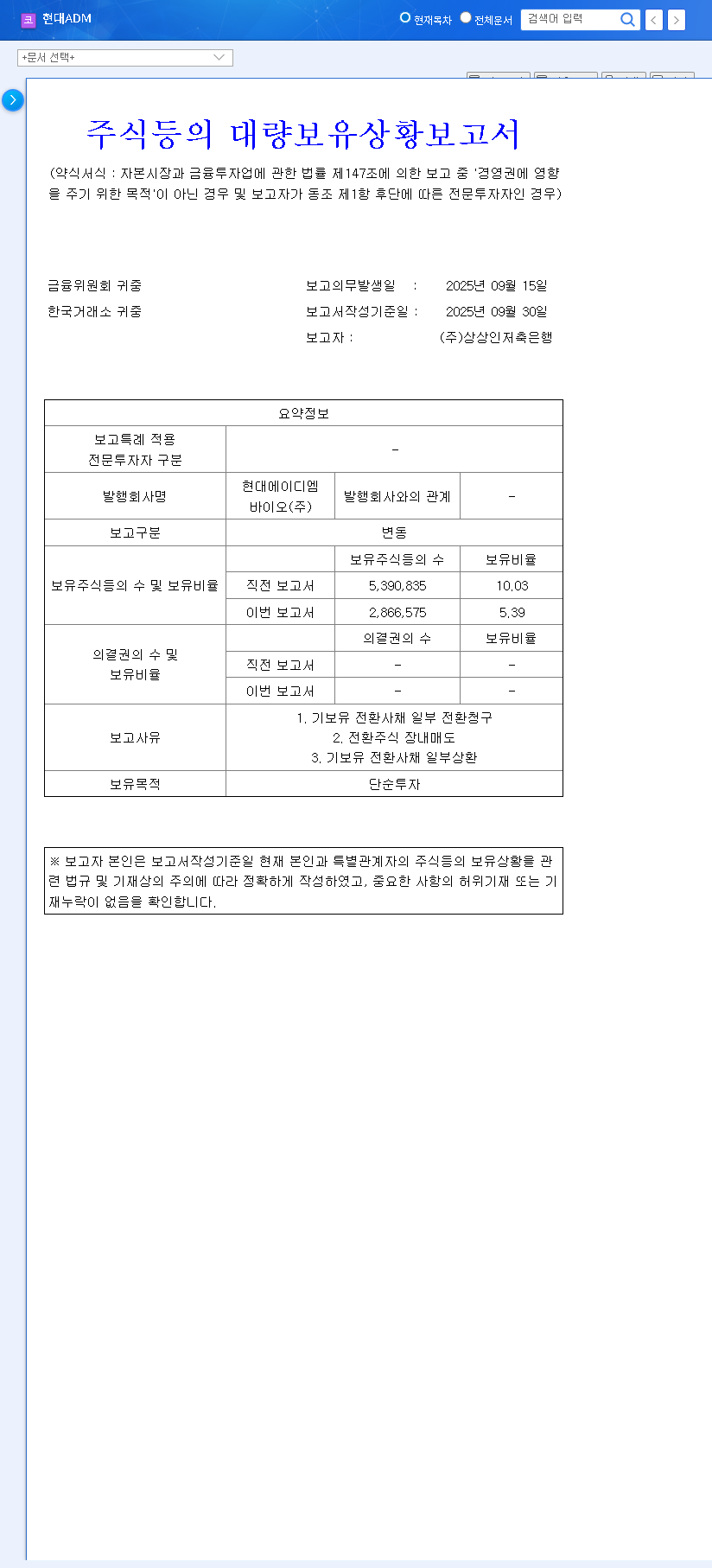
    Investors in Hyundai ADM Bio Inc. (Ticker: 187660) are closely watching an upcoming event that could significantly influence the stock’s trajectory. The recent Hyundai ADM Bio Inc. conversion claim has set the stage for 816,036 new shares to enter the market. This development raises critical questions about share dilution, short-term price pressure, and long-term value. This comprehensive analysis will break down the event, explore its potential impact on the stock price, and provide actionable insights for your investment strategy.

    We will delve into the company’s fundamentals, the mechanics of the conversion, and the broader macroeconomic context to give you a complete picture before making any decisions.

    Event Overview: The Hyundai ADM Bio Inc. Conversion Claim Explained

    On October 28, 2025, Hyundai ADM Bio Inc. formally announced that holders of its convertible bonds had exercised their rights to convert their debt into equity. This is a common financial instrument that allows companies to raise capital with the option for lenders to become shareholders later. According to the Official Disclosure filed on DART, this action triggers the creation of new shares.

    Here are the essential details of the event:

    • Number of New Shares: 816,036
    • Percentage of Market Cap: Represents 1.57% of current outstanding shares.
    • Conversion Price: KRW 1,484 per share.
    • New Listing Date: November 11, 2025.

    The key takeaway is that on November 11, 2025, a significant volume of new shares will become available for trading, purchased at a price far below the current market value. This creates a powerful incentive for bondholders to sell.

    Analyzing the Impact on Hyundai ADM Bio Inc. Stock Price

    Several factors will influence how the market reacts to this influx of new stock. Understanding each is crucial for anticipating potential price movements.

    1. The Inevitable Effect of Share Dilution

    The most direct consequence is share dilution. When the total number of outstanding shares increases, each existing share represents a smaller percentage of ownership in the company. While a 1.57% increase may seem minor, it can create negative sentiment and put downward pressure on the stock price as the company’s earnings are spread across more shares.

    2. The Arbitrage Opportunity and Selling Pressure

    With a current stock price of KRW 2,930 (as of Oct 28, 2025) and a conversion price of KRW 1,484, bondholders have a substantial unrealized profit. This large gap creates a strong incentive for them to immediately sell their newly acquired shares on the open market to lock in gains. This wave of selling, often referred to as ‘overhang,’ can temporarily overwhelm buying demand and drive the price down. Investors should monitor trading volumes closely around the listing date.

    3. Historical Price Action and Market Sentiment

    Hyundai ADM Bio Inc.’s stock has been in a prolonged downtrend since 2022. The introduction of selling pressure from this conversion claim could exacerbate this trend, especially if the broader market sentiment is bearish. Investors should consider technical indicators and support levels before making a decision. For more information on these financial instruments, a good primer on understanding convertible bonds can provide valuable context.

    Company Fundamentals: A Look Under the Hood

    While the conversion event is a technical headwind, the company’s underlying fundamentals will determine its long-term trajectory.

    • Stable CRO Business: The company’s Contract Research Organization (CRO) arm shows promise, with a secured order backlog of over KRW 22 billion. This provides a stable revenue stream.
    • Anticancer Drug Pipeline: Progress in drug development is ongoing, representing a high-risk, high-reward catalyst for future growth.
    • Financial Concerns: However, profitability is a concern. The company posted a net loss of KRW 1.84 billion in H1 2025, with negative operating cash flow. Recent capital increases and bond issuances have also increased financial leverage.

    Investment Strategy and Recommendations

    Given the high probability of short-term downward pressure from the Hyundai ADM Bio Inc. conversion claim, a cautious and strategic approach is warranted.

    • Adopt a Conservative Stance: In the immediate term, the risk of a price drop is high. It may be prudent to wait for the selling pressure to subside and for the stock price to find a new level of support.
    • Monitor Key Metrics: Watch for improvements in financial health, particularly a return to positive cash flow and profitability. Track progress in the CRO business and any significant milestones in the anticancer drug pipeline.
    • Consider the Long-Term Potential: For those with a long-term horizon, any significant price dip could present a buying opportunity if you believe in the company’s core business. For more on this, read our guide on How to Analyze Biotech Stocks.

    (187660) Hyundai ADM Bio Inc. Conversion Claim: A Deep Dive for Investors (187660) 관련 이미지