Tag: Convertible Bond

  • (024880) KPF CB Redemption Analysis (2025): A Deep Dive into Shareholder Value & Stock Outlook

    (024880) KPF CB Redemption Analysis (2025): A Deep Dive into Shareholder Value & Stock Outlook

    The recent news of the KPF CB redemption has captured significant market attention. KPF (케이피에프), a key player in industrial fasteners and automotive parts, announced its decision to redeem KRW 4.5 billion in convertible bonds (CBs). This move is far more than a simple balance sheet adjustment; it’s a powerful statement about the company’s confidence in its future and a direct commitment to enhancing KPF shareholder value. This detailed analysis will unpack the specifics of the redemption, its strategic implications, and provide a comprehensive KPF stock analysis for investors considering their next move.

    The Details: KPF’s Convertible Bond Redemption Announcement

    On November 14, 2025, KPF officially disclosed its decision to redeem its 8th series of unregistered, unsecured private convertible bonds. This strategic financial action involves a significant sum and has clear objectives tied to the company’s long-term shareholder return policy.

    • Event: Redemption of KRW 4.5 billion in treasury convertible bonds.
    • Primary Goal: A direct initiative to enhance shareholder value and prevent share dilution.
    • Key Impact: Eliminates the potential overhang of 1,096,224 shares (based on a KRW 4,105 conversion price) from entering the market.
    • Official Source: The details were confirmed in an Official Disclosure via DART, providing full transparency.

    This action follows the shareholder return policy announced earlier in October, reinforcing management’s commitment to its stated goals and building trust with the investment community.

    By proactively retiring these convertible bonds, KPF is sending an unequivocal message: the current share price does not reflect the company’s intrinsic value, and management is dedicated to protecting existing shareholders from future dilution.

    Analyzing the Impact: What This Means for KPF and Investors

    The decision to execute a KPF CB redemption is a multi-faceted event with significant positive implications, though it’s also important to consider the complete picture.

    The Upside: A Clear Path to Higher Shareholder Value

    • Elimination of Stock Dilution: Convertible bonds represent potential future shares. By buying them back, KPF prevents the share count from increasing. This directly boosts Earnings Per Share (EPS), a key metric investors use to value a company, as profits are divided among fewer shares.
    • Improved Financial Structure: Removing KRW 4.5 billion in debt from the balance sheet strengthens the company’s financial health. This can lead to improved credit metrics and lower future borrowing costs, contributing to long-term stability.
    • Enhanced Investor Confidence: Actions speak louder than words. This redemption demonstrates that management is actively working to create value, which can attract long-term investors and foster a positive market sentiment around the stock.

    A Balanced Perspective: Short-Term Considerations

    While overwhelmingly positive, the redemption involves a KRW 4.5 billion cash outlay. However, given KPF’s recently improved operating cash flow and solid financial standing, this is viewed as a manageable expenditure that represents a strategic investment in its own equity rather than a financial strain.

    Beyond the Redemption: KPF’s Core Business Fundamentals

    A comprehensive KPF stock analysis must look beyond this single event. The company’s underlying business strength is crucial for sustained growth.

    KPF boasts a diversified business portfolio across industrial fasteners, automotive parts, and shipbuilding cables. Its global strategy is a key strength, with subsidiaries in Vietnam, Japan, and China helping to secure cost competitiveness. Critically, the establishment of its U.S. subsidiary, TMC Texas Inc., positions KPF to capitalize on the ‘Buy America’ policy, a significant potential growth driver. This strategic move is explained in more detail in major financial publications like Bloomberg.

    Despite a slight revenue dip in Q3 2025, the company maintained strong operating profitability, underscoring its operational efficiency. The noted recovery in the shipbuilding cable segment is another positive indicator. However, investors should remain aware of risks such as raw material price volatility, foreign exchange fluctuations, and the potential impact of regulations like the EU’s Carbon Border Adjustment Mechanism (CBAM).

    Investment Thesis and Final Outlook

    The KPF CB redemption is a decidedly positive catalyst for the company. It serves as a strong vote of confidence from management and directly addresses the issue of potential share dilution, paving the way for a higher valuation and improved KPF shareholder value.

    Recommendations for Investors

    • Short-Term: The redemption news is likely to provide positive momentum for the stock. Investors should watch for increased trading volume and positive price action as the market digests this information.
    • Mid- to Long-Term: The focus should be on KPF’s execution of its growth strategy. Monitor the progress of its U.S. expansion, the performance of its core business segments, and the ongoing commitment to shareholder returns. For more details on their financials, see our Deep Dive into KPF’s Q3 Earnings.

    In conclusion, KPF’s strategic bond redemption, coupled with its solid operational fundamentals and global expansion plans, presents a compelling case for a positive investment outlook.
    (024880) KPF CB Redemption Analysis (2025): A Deep Dive into Shareholder Value & Stock Outlook 관련 이미지
  • (320000) HanWool Semiconductor Convertible Bond: A 2025 Investor’s Deep Dive

    (320000) HanWool Semiconductor Convertible Bond: A 2025 Investor’s Deep Dive

    The recent announcement of the HanWool Semiconductor convertible bond (CB) issuance has sent ripples through the investment community. The decision to raise KRW 5 billion through a privately placed CB raises a critical question: is this a savvy move to fuel future growth, or does it signal underlying financial strain and pose a significant dilution risk for current shareholders? This comprehensive guide will dissect every facet of this financial instrument, analyze the company’s strategy, and provide a clear roadmap for investors navigating this pivotal moment.

    We’ll explore the immediate implications and long-term potential, ensuring you have the data-driven insights needed to make an informed decision about your investment in HanWool Semiconductor.

    The Details: Breaking Down the HanWool Semiconductor CB Issuance

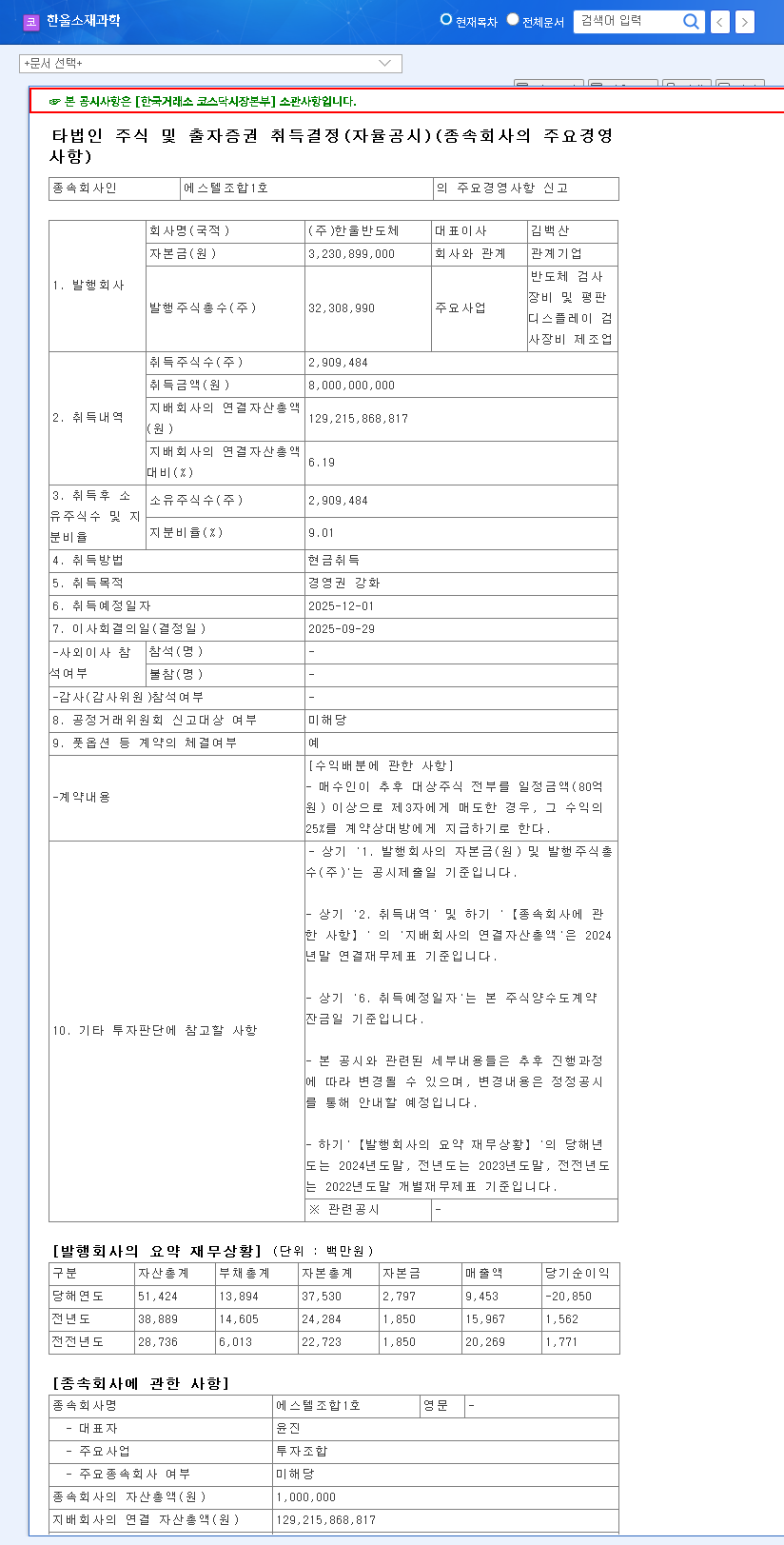
    On November 13, 2025, HanWool Semiconductor, Inc. officially confirmed its plan to issue a privately placed convertible bond valued at KRW 5 billion. As detailed in the Official Disclosure on DART (Source), the key terms are critical for investors to understand:

    • Investor: The entire issuance is allocated to ‘Excel Fund No. 1’.
    • Conversion Price: Set at KRW 1,928, which is a discount from the prevailing market price of KRW 2,200 at the time of the announcement.
    • Coupon & Maturity Rate: A fixed rate of 3% for both.
    • Payment & Conversion Timeline: Payment is due December 12, 2025, with the conversion period opening one year later on December 12, 2026.

    A convertible bond is a hybrid security that starts as a bond but can be converted into a specified number of common shares. The discounted conversion price (KRW 1,928) creates a strong incentive for the bondholder to convert to stock if HanWool’s share price remains above this level, leading to potential equity dilution. For more on this, see this comprehensive guide from Investopedia.

    Why Now? The Strategy Behind the Capital Injection

    This fundraising initiative is not happening in a vacuum. A look at HanWool’s 2025 semi-annual report reveals a company at a crossroads, facing significant headwinds but actively pivoting towards new, high-growth sectors.

    Confronting Financial Challenges

    The company has been battling declining revenue and widening operating losses. This is primarily due to a slowdown in the broader semiconductor and display industries, which has depressed sales of its core Film inspection equipment. Compounding this issue are rising administrative costs and the unpredictable nature of global exchange rates, which impacts a company with a 53% export ratio.

    Investing in a High-Tech Future

    Despite these pressures, HanWool is not standing still. The KRW 5 billion from the HanWool Semiconductor convertible bond is earmarked as strategic capital to fuel its expansion into promising new ventures:

    • AI Machine Vision: A rapidly growing field essential for automated quality control and inspection in advanced manufacturing.
    • Semiconductor IP: Developing and licensing intellectual property for chip designs, a high-margin business that leverages its core expertise.
    • Advanced Materials: Innovating in the materials space, which is fundamental to the next generation of semiconductors.

    This financing is a calculated move to bridge the gap from a challenging present to a potentially lucrative future, powered by innovation.

    The Investor’s Dilemma: Opportunity vs. Risk

    The Bull Case: Fuel for Growth

    The primary positive outcome is the injection of vital capital. This KRW 5 billion infusion improves liquidity and provides the necessary funds for R&D and strategic investments. If the new ventures in AI and semiconductor IP succeed, they could transform HanWool’s revenue streams and lead to significant long-term appreciation in shareholder value. This aligns with the company’s efforts to improve its financial health, as seen in previous capital increases and a focus on its extensive patent portfolio.

    The Bear Case: Dilution and Debt

    The most significant risk is equity dilution. If and when the bonds are converted, the total number of outstanding shares will increase, which can decrease the value and ownership stake of each existing share. The 3% interest on the bonds also adds a new financial burden. If the company’s turnaround is delayed, these interest payments could become a strain on cash flow. The private placement nature of the deal also means less transparency for retail investors. For more analysis on this topic, consider our guide to analyzing semiconductor stocks.

    Investor Takeaway: A Cautious but Watchful Approach

    The HanWool Semiconductor convertible bond is a double-edged sword. It presents a clear path to funding innovation but comes with the unavoidable risk of future dilution.

    The key factor for investors is execution. Your focus should be on monitoring the tangible progress of HanWool’s new business divisions. Are they securing contracts? Are they hitting R&D milestones? Is the capital being deployed effectively to generate future revenue?

    While the conversion price suggests a short-term stock price collapse is unlikely, the overhang of potential new shares will persist. A prudent strategy involves closely tracking the company’s quarterly reports for signs of fundamental improvement while keeping an eye on macroeconomic factors like the recovery of the front-end semiconductor industry. This is an investment that requires patience and diligent monitoring.

    (320000) HanWool Semiconductor Convertible Bond: A 2025 Investor's Deep Dive 관련 이미지
    (320000) HanWool Semiconductor Convertible Bond: A 2025 Investor's Deep Dive 관련 이미지
  • (417010) NanoTIM Convertible Bond (KRW 10B): An Expert Analysis for Investors

    (417010) NanoTIM Convertible Bond (KRW 10B): An Expert Analysis for Investors

    The recent announcement of a NanoTIM convertible bond (CB) issuance for KRW 10 billion has sent ripples through the investment community. For a company like NanoTIM Co. Ltd. (417010), navigating the turbulent EV market, this capital injection is a critical move. But is it a lifeline that signals a turnaround, or a temporary fix for deeper financial issues? This comprehensive analysis breaks down the implications of the NanoTIM CB issuance for the company’s future and its stock price, providing investors with the clarity needed to make informed decisions.

    We will dissect the purpose of these funds, NanoTIM’s current financial standing, the market challenges it faces, and the potential impact—both positive and negative—on shareholder value. Let’s explore what this strategic financial move truly means.

    Key Details of the NanoTIM Convertible Bond Issuance

    NanoTIM has moved to secure KRW 10 billion through this CB issuance, a sum that represents 8.27% of its market capitalization. This isn’t just a loan; it’s a vote of confidence from several professional private equity funds, including IBK Investment & Securities, Shinyoung Multi Strategy, and Timefolio, who are the primary investors. The official terms, as detailed in their public filing (Official Disclosure), outline a clear structure:

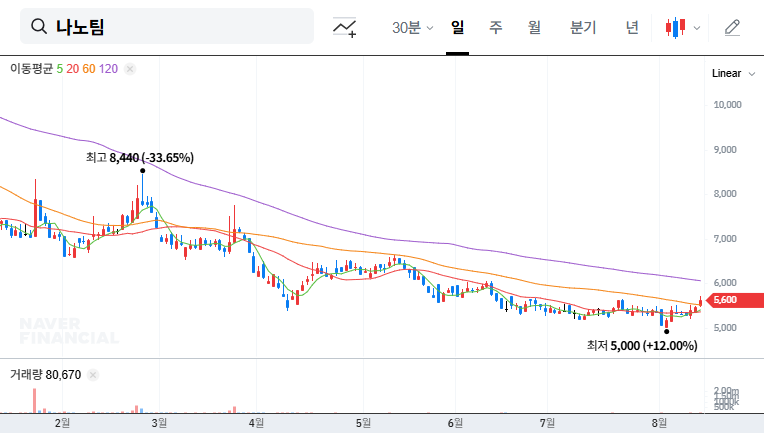
    • Conversion Price: Set at KRW 5,500, a price point dramatically higher than the current share price of ~KRW 385.
    • Payment & Conversion Timeline: The payment date is set for November 21, 2025, with a conversion period spanning from November 21, 2026, to October 21, 2030.

    This structure means there is no immediate threat of share dilution, as the bonds cannot be converted into stock until late 2026. The high conversion price is particularly noteworthy, suggesting investors are betting on a significant long-term increase in the NanoTIM stock price.

    Diagnosing NanoTIM’s Financial Health

    The necessity of this convertible bond becomes clear when examining NanoTIM’s recent financial performance. The company faces significant headwinds, which this capital aims to address.

    Performance and Profitability Concerns

    In the first three quarters of 2025, NanoTIM’s cumulative revenue saw a 6.7% year-on-year decline to KRW 30.23 billion. More concerningly, its operating profit flipped from a KRW 5.44 billion surplus to a KRW 0.32 billion deficit. This shift indicates mounting operational pressures and a struggle for profitability in the current market. Furthermore, cash flow from operations remains negative at -KRW 16.49 billion, highlighting an urgent need for liquidity.

    Rising Debt and Financial Soundness

    With rising liabilities, the company’s debt-to-equity ratio has climbed from 97.71% to a more concerning 137.34%. This indicates increased financial risk and leverage. While the CB issuance provides immediate cash, it also adds to the overall debt burden until conversion. For more information on assessing company debt, investors can review resources like this guide to financial statement analysis.

    Despite these challenges, NanoTIM is channeling funds into future growth drivers, most notably the development of thermal runaway prevention pads, a critical safety component for EV batteries.

    The Double-Edged Sword: Impact of the CB Issuance

    The NanoTIM convertible bond carries both significant opportunities and potential risks that investors must weigh carefully.

    The Upside: Liquidity and Growth Fuel

    • Essential Funding: The KRW 10 billion provides a crucial lifeline, securing operating funds and enabling investment in promising new ventures like the aforementioned EV safety products.
    • Institutional Backing: The participation of professional investors is a strong endorsement of NanoTIM’s long-term vision and technology potential.
    • Limited Short-Term Dilution: With conversion more than two years away and a high price target, the immediate risk of diluting existing shareholder value is minimal.

    The Potential Risks: Debt and Future Dilution

    On the other hand, the CB issuance increases total liabilities, which means higher interest expenses and a redemption burden if the bonds are not converted at maturity. In the long term, should the stock price rise and conversion rights be exercised, the increase in outstanding shares could dilute the value of existing equity. This is a common challenge in capital-intensive industries, as documented by sources like Reuters on EV market trends.

    Investment Strategy and Outlook for NanoTIM (417010)

    For investors, the NanoTIM CB issuance should be viewed as a single piece of a larger puzzle. The company’s future success, and by extension its stock price, hinges on its ability to execute its strategic plans.

    The key determinant for long-term growth will be tangible results: a return to profitability, successful commercialization of new technologies like the thermal runaway prevention pads, and an overall improvement in financial structure. The significant gap between the current stock price and the KRW 5,500 conversion price is a clear indicator that the bondholders expect a dramatic turnaround.

    In conclusion, this convertible bond provides NanoTIM with the breathing room and capital needed to pursue its growth ambitions. It is a positive step for securing short-term stability. However, the long-term rewards for shareholders are entirely dependent on the company’s ability to translate this financial runway into fundamental business improvements. Cautious monitoring of quarterly earnings and new business milestones is paramount.

    (417010) NanoTIM Convertible Bond (KRW 10B): An Expert Analysis for Investors 관련 이미지
  • (091440) HanWool Materials Science Convertible Bond (091440): A Deep Dive for Investors

    (091440) HanWool Materials Science Convertible Bond (091440): A Deep Dive for Investors

    The recent announcement regarding the HanWool Materials Science convertible bond exercise for its 4th series has captured the attention of the investment community. For any shareholder of HanWool Materials Science, Inc. (091440), understanding the nuances of such a corporate action is crucial. It directly impacts the number of outstanding shares, which can lead to stock price volatility and a re-evaluation of the company’s long-term prospects. This event isn’t just a footnote in a financial report; it’s a significant development that warrants a detailed analysis.

    This comprehensive guide will break down the specifics of this convertible bond exercise, explore the underlying financial health of HanWool Materials Science, and provide strategic insights for both short-term traders and long-term investors. Is this a sign of financial strengthening or a warning of impending share dilution? Let’s dive in.

    The Details of the Convertible Bond Exercise

    HanWool Materials Science, Inc. has officially confirmed the exercise of conversion rights on its 4th series convertible bonds. According to the Official Disclosure, this action will result in the issuance of 488,281 new shares. These shares are set to be listed on December 04, 2025. This issuance represents approximately 1.66% of the company’s total outstanding shares, a non-trivial amount that the market will have to absorb.

    Key figures to note are the conversion price of 2,304 KRW per share, compared to the recent stock price of 2,810 KRW (as of Nov 13, 2025). This 22% premium is a critical factor influencing investor behavior.

    Company Fundamentals: A Tale of Two Stories

    To understand the full impact of the HanWool Materials Science stock valuation, we must look at the company’s underlying health, which is currently a study in contrasts.

    Persistent Challenges in Core Operations

    The company’s traditional telecommunications business is struggling. It faces a difficult financial environment characterized by declining revenue and widening operating losses. This has led to a precarious financial structure, including sustained capital impairment and poor liquidity. Compounding these issues are concerns about management stability, stemming from frequent leadership changes and outstanding legal liabilities.

    Promising Ventures on the Horizon

    Despite the headwinds, HanWool is not standing still. The company is making strategic investments into high-growth sectors to forge new revenue streams. These key initiatives include:

    • Semiconductor Materials: A push into the competitive photoresist market, a critical component in semiconductor manufacturing.
    • GFRP Rebar Distribution: Tapping into the construction industry with Glass Fiber Reinforced Polymer (GFRP) rebar, a modern alternative to steel.

    While these ventures hold significant promise, they also carry inherent risks, including market entry barriers and the long road to commercial viability and profitability. For more information on evaluating such ventures, you can read our Guide to Analyzing Tech Stocks.

    Impact on HanWool Materials Science Stock Price

    A convertible bond exercise creates a push-and-pull effect on a company’s stock price. Understanding both sides is essential for developing a sound investment thesis.

    The Bull Case: Financial Strengthening

    On the positive side, converting debt into equity is a deleveraging event. It reduces the company’s debt-to-equity ratio, which strengthens the balance sheet and can improve creditor and investor confidence. Furthermore, the significant gap between the conversion price and the current market price can be interpreted by some as a signal of underlying value, potentially creating a price floor or support level in the short term.

    The Bear Case: Share Dilution and Supply Overhang

    The most immediate negative impact is share dilution. The addition of nearly 500,000 new shares increases the total share count, which can dilute the earnings per share (EPS) for existing stockholders. Moreover, bondholders converting at 2,304 KRW have a built-in incentive to sell their new shares on the open market to lock in profits at the current price of 2,810 KRW. This potential wave of selling creates a supply overhang that can put significant downward pressure on the stock price, especially in the days following the new listing.

    Investment Strategy: A Cautious Outlook

    Given the complex factors at play, a cautious and well-researched approach is paramount for any investor considering 091440 stock.

    Short-Term Strategy (Trading)

    • Monitor Supply Pressure: Keep a close eye on trading volume after December 4, 2025. Heavy selling pressure could provide a short-term entry point closer to the conversion price.
    • Price Level Awareness: The conversion price of 2,304 KRW may act as a psychological support level. A drop to this level could be met with buying interest.

    Mid-to-Long-Term Strategy (Investing)

    • Focus on Fundamentals: The long-term value of the stock hinges on the success of its new ventures. Look for tangible progress, such as contracts, revenue generation, and market share gains in the semiconductor and GFRP businesses.
    • Financial Health Scrutiny: Analyze future quarterly reports for signs of improved profitability, positive cash flow, and a genuinely stronger balance sheet beyond the effects of the corporate bond conversion.
    • Management Stability: Any signs of stable leadership and a clear, consistent corporate strategy will be a strong positive indicator for long-term investors.

    In conclusion, the HanWool Materials Science convertible bond exercise is a multifaceted event. While it improves the company’s capital structure on paper, it introduces short-term market risks and does not inherently solve the fundamental challenges in its core business. Investors should proceed with caution, weighing the potential for short-term volatility against the long-term promise of the company’s strategic pivot.

    (091440) HanWool Materials Science Convertible Bond (091440): A Deep Dive for Investors 관련 이미지
    (091440) HanWool Materials Science Convertible Bond (091440): A Deep Dive for Investors 관련 이미지
  • (091440) HanWool Materials Science Stock: Analysis of Convertible Bond Exercise & 2025 Investment Outlook

    (091440) HanWool Materials Science Stock: Analysis of Convertible Bond Exercise & 2025 Investment Outlook

    Investors in HanWool Materials Science, Inc. are at a critical juncture following a significant corporate action. A recent, large-scale exercise of convertible bond conversion rights is set to release over 370,000 new shares into the market. This move comes at a time when the company is already navigating turbulent waters, marked by underperformance in its core business and the heavy financial burden of new ventures. This comprehensive analysis will dissect the event, evaluate the company’s current financial health, and provide a detailed stock outlook and investment strategy for concerned shareholders.

    We will explore whether this convertible bond exercise is a procedural formality or a warning sign of deeper issues, and what it means for the future value of HanWool Materials Science stock.

    The Catalyst: A Closer Look at the Convertible Bond Exercise

    On November 12, 2025, HanWool Materials Science officially announced the exercise of conversion rights pertaining to its 4th series convertible bonds. The full details were released in the company’s Official Disclosure. This action will result in 379,772 new shares being listed, which represents approximately 1.31% of the company’s total market capitalization. These shares are scheduled to enter the market in two tranches at a conversion price of KRW 2,304: 217,012 shares on November 20 and 162,760 shares on December 2.

    For existing shareholders, the primary concern is immediate: the dilution of their equity. The introduction of new shares can spread the company’s value across a larger base, potentially putting downward pressure on the stock price. However, to formulate a sound investment strategy, we must look beyond this single event and analyze the company’s fundamental health.

    The recent convertible bond exercise is not an isolated event, but a symptom of deeper financial strains and a high-stakes bet on the success of unproven new ventures. Understanding the context is key to forecasting the stock outlook.

    Financial Health Check: A Deep Dive into HanWool’s Fundamentals

    The 2025 H1 semi-annual report paints a challenging picture for HanWool Materials Science. A combination of declining revenues, significant operating losses, and a heavy debt load reveals a company under considerable stress.

    Struggling Core Business Divisions

    • Communication Business: This division has seen a staggering 78% year-over-year revenue drop. Despite a growing 5G market, fierce competition and reduced capital expenditure from key clients have crippled performance.
    • AI/IoT Business: While more stable, this division is not delivering the expected growth. Its reliance on distribution rather than proprietary technology limits its scalability and profitability, making it vulnerable.
    • Materials Business: This segment is defined by uncertainty. A massive KRW 42 billion investment in semiconductor materials has yet to generate any revenue, while the existing GFRP rebar business is under review for continuation.

    Deteriorating Financial Structure

    The company’s financial metrics raise several red flags:

    • Plummeting Profitability: H1 2025 revenue fell by 73% YoY, resulting in an operating loss of KRW 12.15 billion and a net loss of KRW 16.77 billion.
    • Negative Cash Flow: Operating cash flow was a negative KRW 74.45 billion, indicating the core business is burning cash instead of generating it.
    • Rising Debt: Continuous issuance of convertible bonds (CBs) and bonds with warrants (BWs) has inflated the company’s debt levels, with a recent KRW 700 billion 7th series CB issuance set to add further strain. To learn more about these complex instruments, read our guide on understanding convertible bonds.

    Investment Strategy: Navigating the Uncertainty

    Given the challenging environment, a prudent and well-researched investment strategy is essential for anyone holding or considering HanWool Materials Science stock. Macroeconomic factors, such as currency volatility and interest rates, also play a role, as noted by leading financial sources like Reuters.

    Short-Term Approach: Caution and Observation

    In the immediate term, investors should adopt a ‘watch and wait’ approach. The market’s reaction on the listing dates of November 20 and December 2 will be telling. An influx of shares could trigger heightened volatility and downward price pressure. Aggressive buying is not recommended until the dust settles and there are clear signs of operational improvement.

    Long-Term Outlook: Focus on Key Turnaround Catalysts

    The long-term value of HanWool Materials Science hinges entirely on its ability to execute a successful turnaround. The investment strategy should focus on monitoring these key performance indicators:

    • Semiconductor Business Success: This is the company’s biggest gamble. Watch for progress updates, mass production timelines, and, most importantly, the first signs of revenue generation.
    • Core Business Revival: Any signs of stabilization or recovery in the Communication and IoT divisions would be a major positive signal.
    • Financial Discipline: Monitor the company’s debt-to-equity ratio and its ability to manage interest expenses. Successful management of the new KRW 700 billion bond will be critical.

    Frequently Asked Questions

    What is the immediate impact of the convertible bond exercise?

    The immediate impact is the issuance of 379,772 new shares. This increases the total number of shares outstanding, which can dilute the value for existing shareholders and likely cause short-term stock price volatility and downward pressure.

    What is the current financial status of HanWool Materials Science?

    As of the first half of 2025, the company’s financial status is precarious. It is experiencing a sharp decline in revenue, significant operating losses, negative cash flow from operations, and a high debt-to-equity ratio exacerbated by recent bond issuances.

    Is the company’s new semiconductor business a reason for optimism?

    The semiconductor business represents a potential high-growth opportunity, but it is also a significant risk. A KRW 42 billion investment has been made, but no revenue has been generated yet. Its success is a critical, but currently uncertain, factor for the company’s future.

    Disclaimer: This article is for informational purposes only and is based on publicly available information. It should not be construed as financial advice or a recommendation to buy or sell any security. Investment decisions should be made at the investor’s own discretion after conducting their own thorough research.

    (091440) HanWool Materials Science Stock: Analysis of Convertible Bond Exercise & 2025 Investment Outlook 관련 이미지
    (091440) HanWool Materials Science Stock: Analysis of Convertible Bond Exercise & 2025 Investment Outlook 관련 이미지
  • (049630) JAEYOUNG SOLUTEC Convertible Bond (049630): A 2025 Investor’s Guide

    (049630) JAEYOUNG SOLUTEC Convertible Bond (049630): A 2025 Investor’s Guide

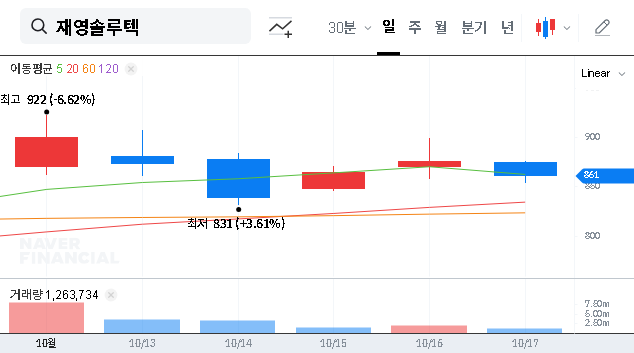
    Investors in JAEYOUNG SOLUTEC CO.,LTD. (049630) are at a critical juncture. The company’s recent announcement regarding a large-scale JAEYOUNG SOLUTEC convertible bond exercise has sent ripples through the market. With millions of new shares on the horizon, stakeholders are asking crucial questions: Will this strengthen the company’s financial footing or lead to painful stock dilution? This comprehensive analysis will dissect the situation, providing a clear-eyed view of the company’s fundamentals, the market environment, and a prudent investment strategy to navigate the changes ahead.

    The Core Event: The 2025 Convertible Bond Conversion

    At the heart of the discussion is a major financial event. JAEYOUNG SOLUTEC has officially announced a significant exercise of its convertible bonds. For investors, understanding the precise details is the first step toward making an informed decision. This isn’t just a routine financial maneuver; it’s a move that will materially alter the company’s share structure.

    Event Snapshot: JAEYOUNG SOLUTEC’s CB Conversion
    New Shares to be Listed: 7,552,870
    Scheduled Listing Date: November 26, 2025
    Conversion Price: 662 Korean Won (KRW) per share
    Market Impact: Represents 6.90% of current market capitalization.
    Source: Official Disclosure (DART)

    Analyzing Financial Health: A Look at Q3 2025 Performance

    To understand the context of the JAEYOUNG SOLUTEC convertible bond exercise, we must examine the company’s recent financial performance. The cumulative Q3 2025 results paint a mixed picture of growth in one area and pressure in another.

    Revenue Growth vs. Profitability Decline

    On the surface, a 30% year-on-year revenue increase looks robust, driven primarily by strong sales from the nano-optics division. However, this top-line growth did not translate to the bottom line. Operating profit saw a significant decrease, squeezed by rising costs of sales, higher administrative expenses, and inventory valuation losses. This signals a critical deterioration in profitability that investors cannot ignore.

    Improved Financial Structure

    A bright spot is the company’s balance sheet. The conversion of previous bonds and an increase in capital surplus boosted total equity by about 16%. Coupled with an aggressive strategy of repaying borrowings, this has led to a healthier debt-to-equity ratio of 154.03%. This is a key reason companies utilize convertible bonds—to clean up their financial structure without taking on more traditional debt.

    Impact on JAEYOUNG SOLUTEC Stock (049630): A Double-Edged Sword

    The upcoming JAEYOUNG SOLUTEC convertible bond listing presents both opportunities and risks for the stock price. Navigating this requires a balanced perspective.

    The Upside: Potential Positives

    • Strengthened Balance Sheet: The conversion directly reduces debt and increases capital, enhancing financial stability and potentially making the company more attractive to long-term investors.
    • Increased Trading Liquidity: The influx of over 7.5 million new shares will increase the public float, which can lead to higher trading volumes and potentially more stable price action over time.
    • Short-Term Momentum: With the current stock price significantly higher than the 662 KRW conversion price, there is a strong incentive for bondholders to convert and sell for a profit, which can create complex but potentially positive trading dynamics.

    The Downside: Potential Risks

    • Share Dilution: This is the most significant risk. The new shares dilute the ownership stake of existing shareholders, meaning each share now represents a smaller piece of the company. You can learn more about the effects of stock dilution on high-authority financial sites.
    • Selling Pressure: Bondholders converting at 662 KRW will be highly motivated to sell their new shares to realize profits, especially if the market price remains high. This wave of selling could put significant downward pressure on the stock price around the listing date.
    • Valuation Concerns: Given the weak Q3 profitability, the current stock price may already be considered high by some analysts. The addition of new shares could amplify these valuation concerns.

    Investment Strategy & Outlook

    Given these competing factors, a nuanced strategy is required. Blind optimism or pessimism is ill-advised.

    Short-Term Approach (Pre- and Post-Listing)

    In the immediate term, caution is paramount. The period surrounding the November 26, 2025 listing date will likely see heightened volatility. Aggressive buying is risky due to the potential for significant selling pressure from converting bondholders. A prudent strategy is to observe the market’s reaction and wait for the supply/demand imbalance to stabilize.

    Mid- to Long-Term Approach

    The long-term case for JAEYOUNG SOLUTEC stock rests on its core business fundamentals, particularly the growth and technological edge of its nano-optics division. For further reading, you might be interested in our deep dive into the nano-optics industry. The key catalyst for a positive long-term outlook will be a demonstrated improvement in profitability. Investors should closely monitor future earnings reports for a return to robust operating profit. The improved financial structure post-conversion is a solid foundation, but it must be followed by operational success.

    In conclusion, the JAEYOUNG SOLUTEC convertible bond event is a defining moment. While it achieves the positive goal of deleveraging the company, the associated risks of dilution and short-term volatility demand a cautious and well-researched investment approach.

    (049630) JAEYOUNG SOLUTEC Convertible Bond (049630): A 2025 Investor's Guide 관련 이미지
  • (102940) KOLON LIFE SCIENCE Convertible Bond: 2025 Investor’s Deep Dive & Stock Impact Analysis

    (102940) KOLON LIFE SCIENCE Convertible Bond: 2025 Investor’s Deep Dive & Stock Impact Analysis

    The recent announcement of the KOLON LIFE SCIENCE convertible bond (CB) issuance for ₩30 billion has sent ripples through the investment community. This strategic financial move is designed to fuel future growth but introduces critical variables that investors must understand. This deep-dive analysis will dissect the CB issuance, explore its potential impact on the KOLON LIFE SCIENCE stock price, and outline a comprehensive investment strategy to navigate the opportunities and risks ahead, including the crucial concern of share dilution.

    Understanding the ₩30 Billion CB Issuance

    On November 11, 2025, KOLON LIFE SCIENCE Inc. finalized its decision to raise ₩30 billion through a private placement of convertible bonds. But what does this mean? A convertible bond is a hybrid security that acts like a bond, providing regular interest payments, but can be converted into a predetermined number of the company’s common stock. It offers investors the safety of a bond with the upside potential of an equity investment. For more on the mechanics, you can review this comprehensive guide on convertible securities.

    Key Terms of the KOLON LIFE SCIENCE Convertible Bond

    The specifics of this CB issuance are crucial for any investment analysis. Here are the core details as per the Official Disclosure from DART:

    • Issuance Amount: ₩30 billion, representing about 6.85% of the company’s total capital.
    • Issuance Method: Private placement to specific funds, including Green ESG Growth and Woori Corporate Financial Stability funds.
    • Conversion Price: ₩32,820, set at a slight premium to the stock price at the time of announcement (₩32,400).
    • Coupon & Maturity Rates: A 0.0% coupon rate (no regular interest payments) but a 5.0% yield-to-maturity, incentivizing conversion.
    • Conversion Period: From November 26, 2026, to October 26, 2055.

    Analysis: The Bull vs. Bear Case

    This capital injection presents a classic risk/reward scenario. How the market prices the KOLON LIFE SCIENCE stock will depend on which narrative gains more traction.

    The Bull Case: Fueling Future Growth

    Optimists will point to the strategic use of funds. The capital is widely expected to be funneled into the company’s Bio business, specifically for pipeline development and commercialization. The 0% coupon rate is a significant vote of confidence; it implies that investors are betting on capital appreciation through stock conversion rather than seeking fixed income. This structure reduces the immediate financial burden on KOLON LIFE SCIENCE, allowing it to invest heavily in R&D, which could unlock substantial long-term value.

    The Bear Case: The Specter of Share Dilution

    The primary concern is share dilution. When bondholders convert their bonds into stock, new shares are created. This increases the total number of shares outstanding, potentially reducing the ownership percentage and earnings per share (EPS) for existing shareholders. If the stock price fails to rise above the conversion price, the company faces a maturity repayment burden, which could strain finances if the capital hasn’t generated sufficient returns. Furthermore, this issuance does not resolve pre-existing risks, such as the ongoing Invossa-related litigation, which remain a drag on sentiment.

    For investors, the issuance represents a classic risk/reward scenario: weigh the near-term risk of share dilution against the long-term potential for R&D-fueled growth.

    Updated Investment Strategy & Outlook

    A prudent investment strategy requires careful monitoring of key catalysts and risk factors. The short-term impact on the stock is likely to be negative to neutral as the market digests the potential for dilution. However, the mid-to-long-term trajectory will be dictated by the company’s execution.

    What Investors Should Monitor:

    • Fund Utilization Plan: Demand transparency from the company on exactly which R&D projects will receive funding. Progress and milestones in the Bio pipeline are now paramount.
    • Conversion Tracking: As the conversion period begins in 2026, keep an eye on the volume of conversions. This will be the clearest indicator of the actual rate of share dilution.
    • Risk Management: Look for updates on the Invossa litigation and other fundamental risks. Positive developments could serve as powerful catalysts. For more on this, see our guide to evaluating risk in biotech stocks.

    Ultimately, this KOLON LIFE SCIENCE convertible bond is a bet on the company’s future. If management can effectively deploy this capital to accelerate its Bio business and achieve key milestones, the long-term value created could far outweigh the short-term concerns of dilution.

    (102940) KOLON LIFE SCIENCE Convertible Bond: 2025 Investor's Deep Dive & Stock Impact Analysis 관련 이미지
  • (046120) Orbitech Convertible Bond: A Deep Dive for Investors (Stock Dilution & Analysis)

    (046120) Orbitech Convertible Bond: A Deep Dive for Investors (Stock Dilution & Analysis)

    The recent announcement of the Orbitech convertible bond (CB) issuance, a KRW 5 billion capital injection, has sparked intense debate among investors. While the move secures much-needed liquidity for the company, it simultaneously raises valid concerns about potential stock dilution and its impact on shareholder value. For those invested in or monitoring Orbitech, this decision represents a critical juncture that demands careful analysis.

    This comprehensive guide provides a deep dive into Orbitech’s CB issuance. We will dissect the terms, evaluate the company’s underlying financial health, weigh the potential benefits against the risks, and offer a strategic framework to help you make an informed investment decision.

    Understanding the Orbitech Convertible Bond Terms

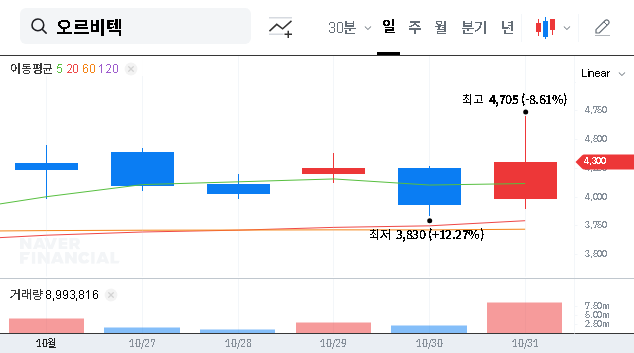
    On November 10, 2025, Orbitech Co., Ltd. finalized a private placement for KRW 5 billion in convertible bonds. The primary investors in this offering are Finednc and Codes. Understanding the specifics of this deal is the first step in any thorough Orbitech stock analysis. The full details can be reviewed in the Official Disclosure (DART).

    Key Financial Details

    • Conversion Price: Set at KRW 3,967 per share, which is slightly below the market price of KRW 4,130 at the time of the announcement. This incentivizes conversion into stock.
    • Interest Rates: Both the coupon rate and the maturity yield are 0%. This indicates that bondholders are not seeking interest payments but are banking on capital gains from converting the bonds into equity.
    • Timeline: The payment date for the bonds is December 26, 2025. The conversion period, during which bondholders can request to swap their bonds for stock, runs from December 26, 2026, to November 26, 2028.

    Why Now? Orbitech’s Pressing Need for Capital

    The decision to issue an Orbitech CB is directly tied to the company’s recent financial performance. While Orbitech has maintained a steady stream of revenue from its core nuclear, ISI, and aerospace divisions, profitability has become a major concern. As of the first half of 2025, operating losses have widened, signaling an urgent need for both capital and operational improvements.

    The primary challenge stems from a high cost of goods sold (COGS) ratio, particularly within the aerospace and ISI segments. This has eroded margins and put significant pressure on the company’s financial health, making this capital raise a defensive necessity.

    While the company’s net income saw some improvement due to non-operational gains from financial asset valuations, this masks the underlying weakness in its core business activities. This disconnect highlights that without fundamental changes to its cost structure, the company’s long-term stability remains at risk.

    The Bull Case vs. The Bear Case for Investors

    For any Orbitech investment, it’s crucial to weigh the positive implications of this fundraising against the significant risks it introduces.

    Potential Positives (The Bull Case)

    • Improved Financial Stability: The KRW 5 billion infusion provides immediate short-term liquidity, strengthening the balance sheet and allowing the company to fund operations and strategic initiatives.
    • Vote of Confidence: A private placement to specific investors like Finednc and Codes can be interpreted as a sign of external confidence in Orbitech’s long-term business model and recovery potential.
    • Future Growth Catalyst: If used effectively to improve the cost structure and invest in profitable areas, this capital could fuel a turnaround, ultimately driving the stock price higher and making the eventual conversion a net positive for all shareholders.

    Potential Negatives (The Bear Case)

    The most significant risk is stock dilution. When the convertible bonds are exchanged for common stock, the total number of outstanding shares increases. This means each existing share represents a smaller percentage of ownership in the company, which can decrease earnings per share and depress the stock price. To learn more, you can read a detailed explanation of how stock dilution affects shareholders on high-authority sites like Investopedia.

    • High Conversion Likelihood: With a 0% interest rate and a conversion price below the current market price, conversion is the only path to profit for bondholders, making future dilution almost certain.
    • Masking Deeper Issues: The capital raise might be seen as a temporary fix that fails to address the core problem: a lack of operational profitability. Without a clear plan to reduce the COGS ratio, the company could find itself in a similar position in the future.

    Investor Strategy: Navigating the Path Forward

    The Orbitech convertible bond issuance is a pivotal event. In the short term, the market will likely react to the infusion of cash, but the overhang of potential dilution will remain a headwind. The long-term trajectory of Orbitech’s stock will depend entirely on how effectively management deploys this new capital.

    Actionable Checklist for Investors

    • Monitor Profitability Metrics: Pay close attention to Orbitech’s upcoming H2 2025 earnings reports. Look for specific evidence of margin improvement and a reduction in the COGS ratio.
    • Track the Conversion Price vs. Market Price: As the stock price moves, the incentive to convert will change. A significant rise in stock price would make conversion and subsequent selling by bondholders more likely.
    • Analyze Industry Tailwinds: Keep an eye on the broader outlook for the nuclear and aerospace industries. Positive sector trends could provide a lift to Orbitech and help offset the dilution pressure.

    In conclusion, Orbitech’s decision is a calculated risk. For investors, this is not a simple buy or sell signal but a call for heightened diligence. A prudent investment strategy requires a comprehensive assessment of the company’s ability to translate this financial lifeline into tangible, sustainable improvements in its core business profitability.

    (046120) Orbitech Convertible Bond: A Deep Dive for Investors (Stock Dilution & Analysis) 관련 이미지
  • (243070) HUONS Convertible Bond: 2025 Deep Dive for Investors & Stock Impact Analysis

    (243070) HUONS Convertible Bond: 2025 Deep Dive for Investors & Stock Impact Analysis

    HUONS CO., LTD. (243070) has captured the market’s attention with its recent announcement of a significant private placement. The decision to issue a HUONS convertible bond (CB) worth 7.1 billion KRW is a strategic financial maneuver aimed at securing capital for future growth. For current and potential investors, this raises critical questions: What does this fundraising mean for the company’s trajectory? And more importantly, how will it impact the HUONS stock price and long-term value?

    This comprehensive analysis will dissect the intricacies of the HUONS CB issuance. We will delve into the company’s current financial health, explore the potential market repercussions, and provide a clear, actionable investment outlook to help you navigate this development with confidence. For a deeper look at company filings, you can view the Official Disclosure on DART.

    The Details: What is the HUONS Convertible Bond?

    On November 10, 2025, HUONS confirmed its plan to raise 7.1 billion KRW through a private convertible bond offering. A convertible bond is a hybrid security that starts as debt but includes an option for the bondholder to convert it into a predetermined number of the company’s common shares. This method of HUONS fundraising is often used by companies to secure capital at a lower interest rate than traditional loans.

    Key Issuance Terms

    • Issuance Amount: 7.1 billion KRW
    • Subscriber: J&Alpha Co., Ltd. (a professional investment firm)
    • Conversion Price: 32,002 KRW
    • Conversion Period: December 25, 2025, to October 25, 2030

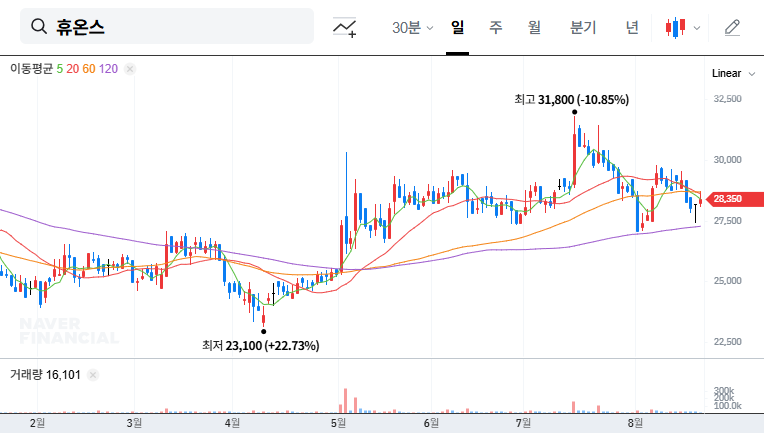
    A crucial detail is the conversion price of 32,002 KRW, which represents a significant 13.1% premium over the stock’s price of 28,300 KRW at the time of the announcement. This premium is a strong indicator of confidence from both the issuer and the investor, suggesting a shared belief that the company’s stock value will appreciate in the future.

    Why Now? A Look at HUONS’ Financial Health

    To understand the timing of this HUONS convertible bond, we must analyze the company’s recent performance and strategic priorities based on its H1 2025 report. While revenue shows steady growth, profitability presents a more complex picture.

    Fundamental Strengths and Weaknesses

    • Stable Sales: H1 sales grew 1.73% year-over-year to 301.866 billion KRW, demonstrating a resilient business foundation.
    • Profitability Challenge: Operating profit (-29.5%) and net profit (-35.2%) declined, primarily due to increased R&D spending, new subsidiary costs, and higher SG&A expenses. Improving margins is a key short-term objective.
    • Future Growth Initiatives: The company is actively expanding its portfolio through acquisitions like PanGen Co., Ltd., and by increasing its FDA-approved items for the U.S. market. For more on market trends, see our latest pharmaceutical industry analysis.
    • Stronger Balance Sheet: The debt-to-equity ratio has improved to 63.64%, indicating enhanced financial stability.

    This capital raise appears designed to fuel growth initiatives while the core business works to improve profitability. The funds will likely be allocated to high-potential R&D projects and facility investments that can drive long-term value.

    Potential Stock Price Impact: A Double-Edged Sword

    The issuance of a convertible bond can influence a company’s stock price in several ways, creating both opportunities and risks for investors.

    The key determinant of the bond’s impact will be how effectively HUONS deploys the new capital. Successful investment in growth engines will lead to value creation, while inefficient use could simply increase the company’s debt burden.

    The Bull Case (Positive Factors)

    If the 7.1 billion KRW is invested effectively, leading to successful new product launches or market expansion, it can significantly enhance long-term corporate value and drive the HUONS stock price higher. The investment by a professional firm like J&Alpha Co., Ltd. also serves as a vote of confidence, signaling that external experts see untapped potential in HUONS. This can attract more institutional and retail investors, as noted by sources like Bloomberg.

    The Bear Case (Negative Factors)

    The primary risk is share dilution. If the stock price rises above 32,002 KRW and bondholders convert their debt to equity, the number of outstanding shares will increase. This can place downward pressure on the stock price in the short term as the market absorbs the new supply. Furthermore, if the company fails to generate returns from its investments and the stock languishes below the conversion price, the bond will remain as debt, increasing financial leverage and interest expenses.

    Conclusion & Investment Outlook: Hold and Monitor

    Considering all factors, our HUONS investment analysis leads to a ‘Hold’ rating. The HUONS CB issuance is a forward-looking strategic move, but the company’s current profitability challenges and the potential for future share dilution warrant a cautious approach.

    Key Monitoring Points for Investors:

    • Capital Deployment: Watch for announcements on how the 7.1 billion KRW is being utilized. Are there new R&D breakthroughs or successful market entries?
    • Profitability Recovery: Scrutinize the next few quarterly earnings reports for signs of margin improvement and cost control.
    • Stock Price vs. Conversion Price: Track the stock’s performance relative to the 32,002 KRW conversion price, as this will dictate the likelihood and timing of potential dilution.

    Investors should wait for clear evidence that the capital is generating tangible results and that profitability is on an upward trend before increasing their position.

    (243070) HUONS Convertible Bond: 2025 Deep Dive for Investors & Stock Impact Analysis 관련 이미지
    (243070) HUONS Convertible Bond: 2025 Deep Dive for Investors & Stock Impact Analysis 관련 이미지
  • (462510) LAMEDITECH Convertible Bond (462510): A Deep Dive for Investors on Stock Price Impact & Future Growth

    (462510) LAMEDITECH Convertible Bond (462510): A Deep Dive for Investors on Stock Price Impact & Future Growth

    The recent announcement by KOSDAQ-listed LAMEDITECH Co., Ltd. (462510) regarding its decision to issue ₩8.3 billion in convertible bonds has sent ripples through the investment community. This strategic financial maneuver presents a classic dilemma: it secures vital liquidity for future growth but also introduces the risk of share dilution and increased financial complexity. This deep dive will comprehensively analyze the LAMEDITECH convertible bond issuance, its potential impact on the company’s stock, and what it means for your investment strategy.

    We will explore LAMEDITECH’s corporate fundamentals, stock price trends, and the broader market context to provide a clear, multi-faceted perspective. If you’re seeking to make an informed decision amidst this uncertainty, this analysis offers the crucial insights you need.

    Deconstructing the LAMEDITECH Convertible Bond Issuance

    On November 7, 2025, LAMEDITECH filed a material disclosure report detailing its plan to issue ₩8.3 billion in convertible bonds (CBs) via private placement. A convertible bond is a type of debt security that the holder can convert into a specified number of shares of common stock in the issuing company. It’s a hybrid financial instrument, exhibiting features of both debt and equity. For a deeper understanding, you can review this guide on how convertible bonds work from an authoritative source.

    Key Details of the Issuance

    • Total Amount: ₩8.3 billion, representing 11.81% of the total issuance.
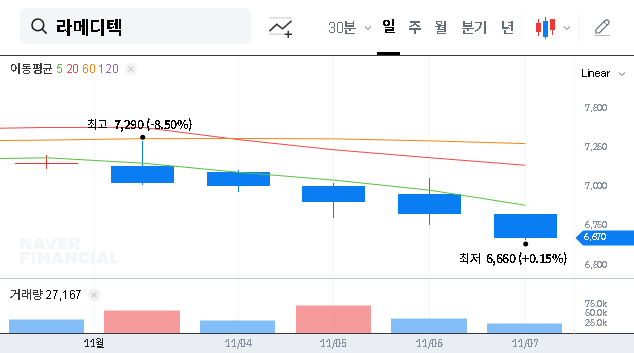
    • Conversion Price: Set at ₩7,043, which is a 5.6% premium over the closing price of ₩6,670 on the decision date.
    • Conversion Period: From November 17, 2026, to October 17, 2030.
    • Official Source: Details can be verified in the Official Disclosure on DART.

    Why Now? A Look at LAMEDITECH’s Financial Health

    To understand the rationale behind this financing move, we must examine the company’s current financial landscape, which presents both compelling strengths and notable weaknesses.

    The Bull Case: Growth and Innovation

    • Strong Revenue Growth: Half-year revenue for 2025 surged by approximately 26% year-over-year, driven by its core laser and aesthetic/medical device segments.
    • Commitment to R&D: The company maintains a high ratio of R&D expenses to revenue, signaling a strong focus on innovation and securing future technological advantages.

    The Bear Case: Profitability and Financial Strain

    • Persistent Losses: Despite revenue growth, LAMEDITECH recorded operating and net losses in H1 2025, continuing its deficit trend.
    • High Overhead: Significant selling, general, and administrative (SG&A) expenses remain a major hurdle to achieving profitability.
    • Underperforming Segment: The laser blood collection device business has seen a significant revenue decline, dragging down overall performance.

    Given this context, the LAMEDITECH convertible bond issuance appears to be a strategic move to bridge the gap between its growth ambitions and its current cash flow challenges.

    The core challenge for LAMEDITECH is to translate this new capital into tangible, profitable growth before potential share dilution erodes investor confidence. The success of this gambit rests entirely on execution.

    Investor Action Plan: Key Metrics to Monitor

    For current and prospective investors, the LAMEDITECH convertible bond announcement shifts the focus to a few critical performance indicators. Prudent investment decisions will require close monitoring of the following:

    • Capital Deployment & ROI: Track how the ₩8.3 billion is used. Look for specific announcements on new product development, global market expansion, or facility upgrades, and whether these investments generate measurable revenue.
    • Path to Profitability: Scrutinize quarterly earnings reports for improvements in the deficit structure. Is the company making concrete efforts to reduce its high SG&A expenses? Are there plans to revitalize or divest the underperforming business segments?
    • Stock Price vs. Conversion Price: Keep an eye on the stock price relative to the ₩7,043 conversion price. As the stock approaches or surpasses this level, the risk of share dilution becomes more immediate, which could create downward pressure. To learn more, see our guide on Analyzing KOSDAQ Tech Stocks.

    In conclusion, while the LAMEDITECH convertible bond issuance may cause short-term market anxiety, it provides the company with the fuel needed to execute its long-term growth strategy. The ultimate outcome hinges on management’s ability to use these funds efficiently and steer the company toward sustainable profitability. A patient, long-term perspective is essential for investors navigating this pivotal moment.

    (462510) LAMEDITECH Convertible Bond (462510): A Deep Dive for Investors on Stock Price Impact & Future Growth 관련 이미지