Tag: Clinical trial

  • (206650) EuBiologics mRNA Vaccine (mCOV): A Deep Dive into its Phase 1 IND and Investment Potential

    (206650) EuBiologics mRNA Vaccine (mCOV): A Deep Dive into its Phase 1 IND and Investment Potential

    The development of the EuBiologics mRNA vaccine, known as ‘mCOV’, marks a pivotal moment for the company and a significant development in the post-pandemic biotech landscape. Since the global success of mRNA technology, companies worldwide have raced to harness its potential. EuBiologics has now officially joined this race, applying for a Phase 1 Investigational New Drug (IND) approval for its mCOV candidate, which targets SARS-CoV2 variants. This move is far more than a simple pipeline addition; it represents a strategic pivot that could redefine the company’s future growth drivers and technology portfolio.

    This deep-dive analysis will explore the critical implications of this IND application for EuBiologics, examining the potential upside for investors, the inherent risks, and the key milestones to watch. We will break down what this announcement means for EuBiologics stock and its long-term valuation.

    The Landmark Announcement: Phase 1 IND Application for mCOV

    On October 1, 2025, EuBiologics submitted its application for a Phase 1 IND to regulatory authorities, a crucial first step in human clinical trials. The company made this public through an Official Disclosure on the DART system. The primary goal of this initial phase is to rigorously evaluate the safety, tolerability, and preliminary immunogenicity of the mCOV vaccine in a cohort of healthy adults aged 19 to 64. For a company like EuBiologics, with a current market capitalization of KRW 473.9 billion and a strong foundation in its cholera vaccine business, this venture into cutting-edge mRNA technology signals a bold new chapter that has captured significant market attention.

    The successful progression of the mCOV EuBiologics mRNA vaccine could fundamentally reshape the company’s position, transforming it from a niche vaccine producer into a significant player in the modern biopharmaceutical landscape.

    Why This Matters: Strategic Upside and Growth Drivers

    The IND application for the mCOV vaccine is a cornerstone of EuBiologics’ long-term growth strategy. The potential positive impacts are multifaceted:

    • Pipeline Diversification & Tech Enhancement: Entering the mRNA space allows EuBiologics to build upon its existing vaccine expertise with next-generation biotechnology. This not only enhances its R&D capabilities but also positions it to compete in a rapidly evolving market, expanding future growth potential beyond its current portfolio.
    • Alignment with Global Market Trends: The COVID-19 pandemic established mRNA technology as the new gold standard in rapid vaccine development. By developing a variant-targeting mRNA vaccine, EuBiologics aligns perfectly with global health priorities and market demand, potentially unlocking significant new revenue streams upon successful commercialization. For context, this is the same technology that powered vaccines from Pfizer and Moderna.
    • Improved Investor Sentiment: The prospect of a high-value, high-tech growth engine is a powerful catalyst for attracting investor interest and driving positive market sentiment. A successful biotech investment narrative built around the EuBiologics mRNA vaccine platform could lead to a significant re-rating of the company’s valuation.

    A Prudent Perspective: Risks and Market Headwinds

    While the outlook is promising, investors must consider the potential risks and the challenging macroeconomic environment.

    Clinical and Commercialization Hurdles

    Clinical trials are inherently risky. A Phase 1 trial, while foundational, is just the first of many steps defined by global health authorities like the World Health Organization (WHO). Key risks include:

    • Trial Outcomes: Unforeseen safety issues or a lack of desired immunogenicity could lead to development delays or complete discontinuation.
    • Long Timelines & High Costs: The journey from a Phase 1 IND to commercial launch requires multiple, costly trial phases and regulatory approvals. Significant time and capital are needed before any revenue is generated, creating long-term uncertainty.
    • Intense Competition: The mRNA vaccine market is crowded with large, well-funded competitors. EuBiologics will need to demonstrate a clear advantage to capture market share.

    Financial and Market Considerations

    The financial commitment to R&D will be substantial. Increased spending on the mCOV vaccine program could pressure short-term profitability. While macroeconomic trends of stabilizing interest rates may improve liquidity and favor new investments, the biotech sector remains sensitive to market volatility.

    Investor Action Plan & Key Milestones to Watch

    Overall, the mCOV IND application is a major positive catalyst for EuBiologics’ long-term potential. The investment thesis is one of strategic expansion, building a high-growth engine atop a stable existing business. For more on how we analyze such opportunities, see our guide on evaluating clinical trial data for biotech stocks.

    Investment Opinion: Positive with Cautious Optimism

    Investors should monitor the following key points closely:

    • Phase 1 Clinical Results: This is the most critical near-term milestone. Positive data on safety and immunogenicity will be a major de-risking event.
    • Broader R&D Pipeline: Track the progress of other vaccine candidates (e.g., Typhoid, Meningococcal) to assess overall portfolio health.
    • CRMO Business Performance: Monitor the growth of its contract research, development, and manufacturing business for signs of operational execution.
    • Financial Health: Scrutinize quarterly reports for the impact of increased R&D spending on cash burn and profitability.

    (206650) EuBiologics mRNA Vaccine (mCOV): A Deep Dive into its Phase 1 IND and Investment Potential 관련 이미지
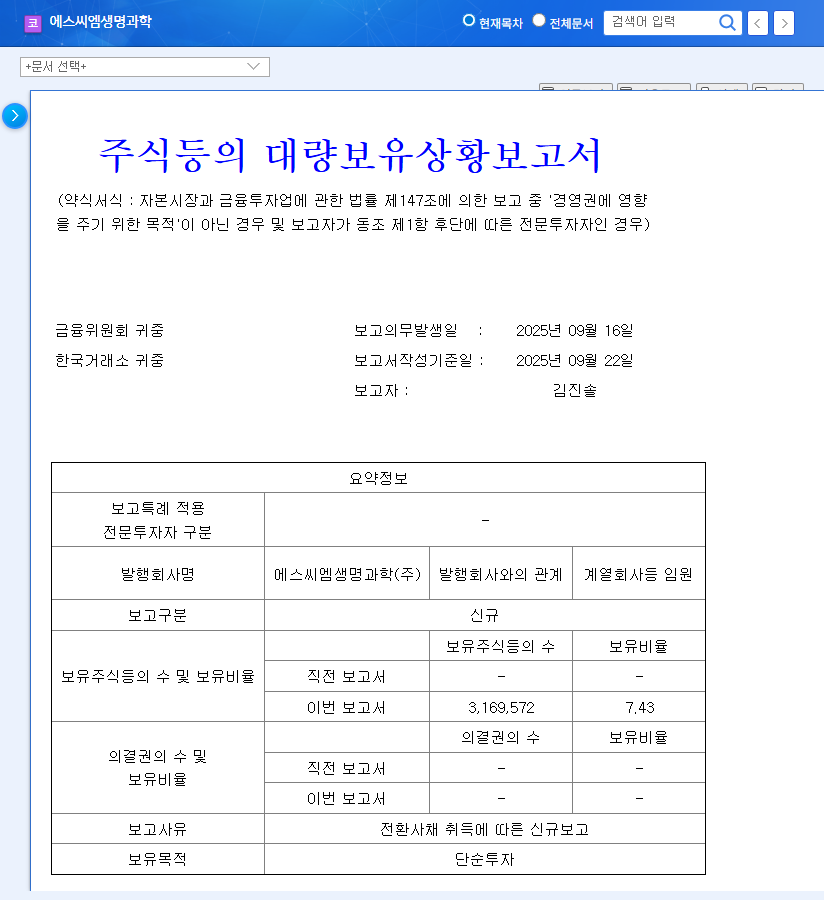
  • SCM Life Science Stock Forecast: Jin-sol Kim Acquires 7.43% Stake – Is it a Buy Signal?


    SCM Life Science Stock Forecast: Jin-sol Kim Acquires 7.43% Stake - Is it a Buy Signal? 대표 차트 이미지


    Jin-sol Kim Acquires 7.43% of SCM Life Science: What Happened?

    On September 22, 2025, Jin-sol Kim announced the acquisition of a 7.43% stake in SCM Life Science through the purchase of convertible bonds. This move has sparked market interest, as it could signify more than just a passive investment.

    Why is This Stake Acquisition Important?

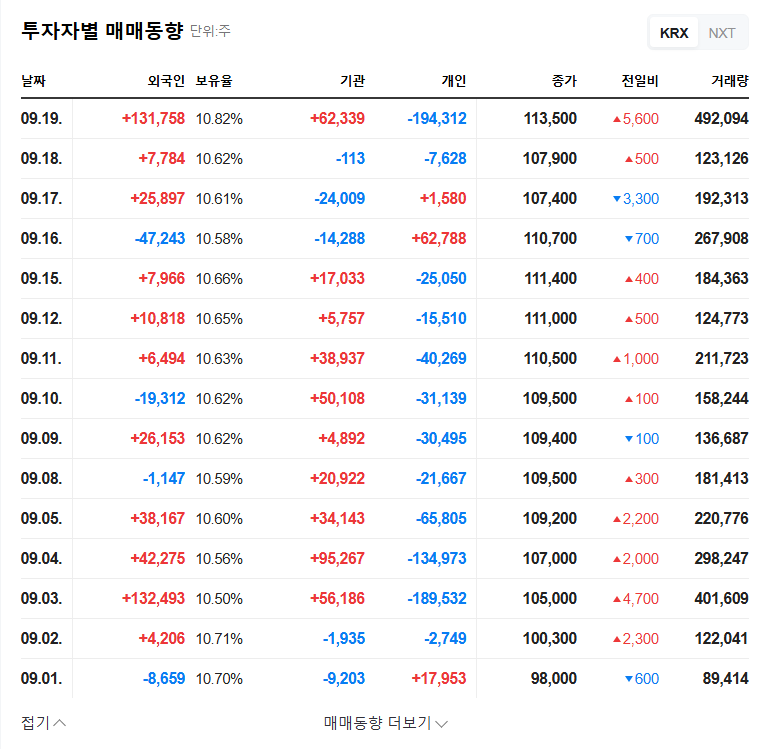
    This stake acquisition can be interpreted as a positive signal for SCM Life Science’s future value. Following recent positive momentum, including a successful capital increase and progress in clinical trials for stem cell therapies, the arrival of a new investor further boosts expectations for growth potential. However, there are factors to consider, such as the potential stock dilution from convertible bonds and the new investor’s intentions regarding management participation.

    Impact on Investors

    • Positive Aspects:
      • Securing growth momentum through new investment
      • High growth potential in the stem cell therapy sector
      • Possession of differentiated core technology (layered cell culture method)
    • Negative Aspects:
      • High R&D expenses and accumulated deficit
      • Affiliate (Coimmune) risk
      • Potential stock dilution due to convertible bonds

    Investment Action Plan: What to Watch

    Before making an investment decision, carefully review the following:

    • Jin-sol Kim’s future stake increase and management participation plans
    • Clinical progress and commercialization strategy of key pipelines
    • Risks related to Coimmune and financial impact
    • SCM Life Science’s financial soundness and profitability improvement efforts


    Frequently Asked Questions (FAQ)

    Will Jin-sol Kim’s investment positively impact SCM Life Science’s stock price?

    While the investment can be seen as a positive market signal, the actual impact on the stock price depends on various factors. Thoroughly analyzing the company’s fundamentals and market conditions before investing is crucial.

    What are SCM Life Science’s key pipelines?

    SCM Life Science’s main pipelines include treatments for chronic Graft-versus-Host Disease (SCM-CGH) and acute pancreatitis and atopic dermatitis (SCM-AGH).

    What are the key considerations for investing in SCM Life Science?

    Investors should consider the company’s high R&D expenses, affiliate risks, and potential dilution from convertible bonds. Additionally, the inherent uncertainty of clinical trial results in the biotech industry should be acknowledged.


    SCM Life Science Stock Forecast: Jin-sol Kim Acquires 7.43% Stake - Is it a Buy Signal? 관련 이미지
    SCM Life Science Stock Forecast: Jin-sol Kim Acquires 7.43% Stake - Is it a Buy Signal? 관련 이미지


  • STCube IR Analysis: Will Nelmastobart Clinical Trial Results Create an Investment Opportunity?


    STCube IR Analysis: Will Nelmastobart Clinical Trial Results Create an Investment Opportunity? 대표 차트 이미지


    STCube IR: What’s it about?

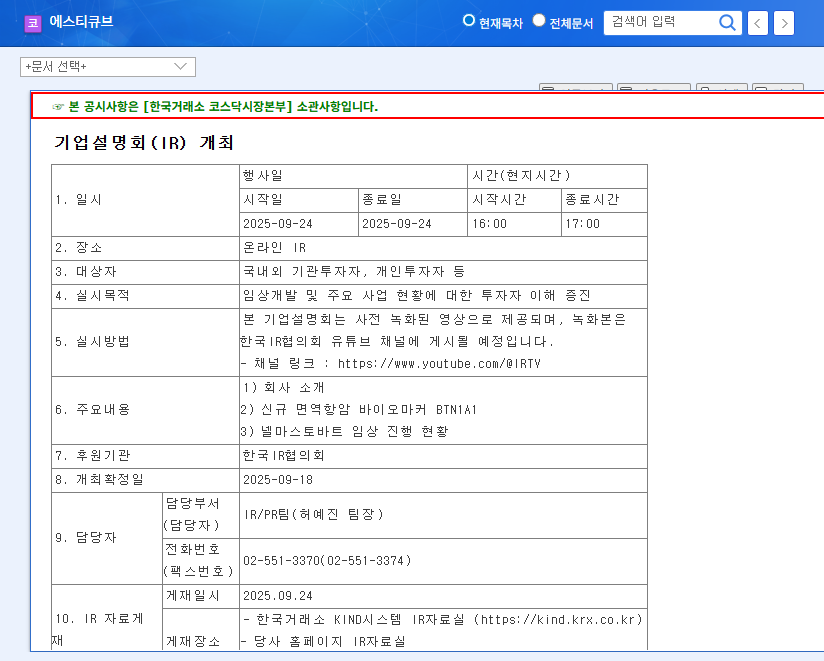
    STCube will share information on the clinical development status of the immuno-oncology drug ‘Nelmastobart’ and the new biomarker BTN1A1 at its IR on September 24th. In particular, Nelmastobart’s clinical data and any new BTN1A1-related announcements are expected to draw investors’ attention.

    Why is this IR important?

    The stock prices of bio companies are heavily influenced by the success of new drug development. This IR is a crucial opportunity for STCube to enhance investor confidence and build positive investment momentum by transparently disclosing the progress of its core pipeline. Additional explanations regarding the recent correction of its business report are also anticipated.

    How will the IR affect the stock price?

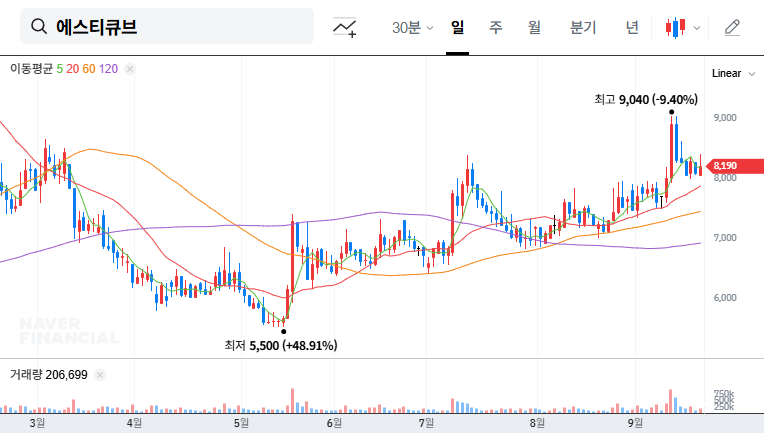
    Positive clinical trial results could drive up the stock price. However, if the results fall short of market expectations, they could trigger a decline. Considering that STCube’s stock price has historically been sensitive to major events like clinical trial announcements, the stock price volatility is likely to increase depending on the content of this IR. The current investment sentiment in the bio sector and the macroeconomic environment can also influence the stock price.

    Investor Action Plan

    Investors should carefully analyze the IR announcements and focus on the clinical progress of ‘Nelmastobart’ and information on BTN1A1. Develop an investment strategy by comparing it with market expectations, and make prudent investment decisions considering the volatility and risks of the bio sector.


    Frequently Asked Questions

    When is the STCube IR scheduled?

    It is scheduled for September 24, 2025.

    What are the main topics of the IR?

    The main topics are the clinical progress of Nelmastobart and information related to BTN1A1.

    How will the IR affect the stock price?

    Positive clinical results could drive up the stock price, but if the results fall short of market expectations, they could trigger a decline.


    STCube IR Analysis: Will Nelmastobart Clinical Trial Results Create an Investment Opportunity? 관련 이미지
    STCube IR Analysis: Will Nelmastobart Clinical Trial Results Create an Investment Opportunity? 관련 이미지


  • Biosolution Applies for Australian Clinical Trial Approval for Cartiroid: Investment Analysis and Outlook

    Biosolution Applies for Australian Clinical Trial Approval for Cartiroid: Investment Analysis and Outlook 대표 차트 이미지

    Cartiroid’s Australian Clinical Trial Application: What Does It Mean?

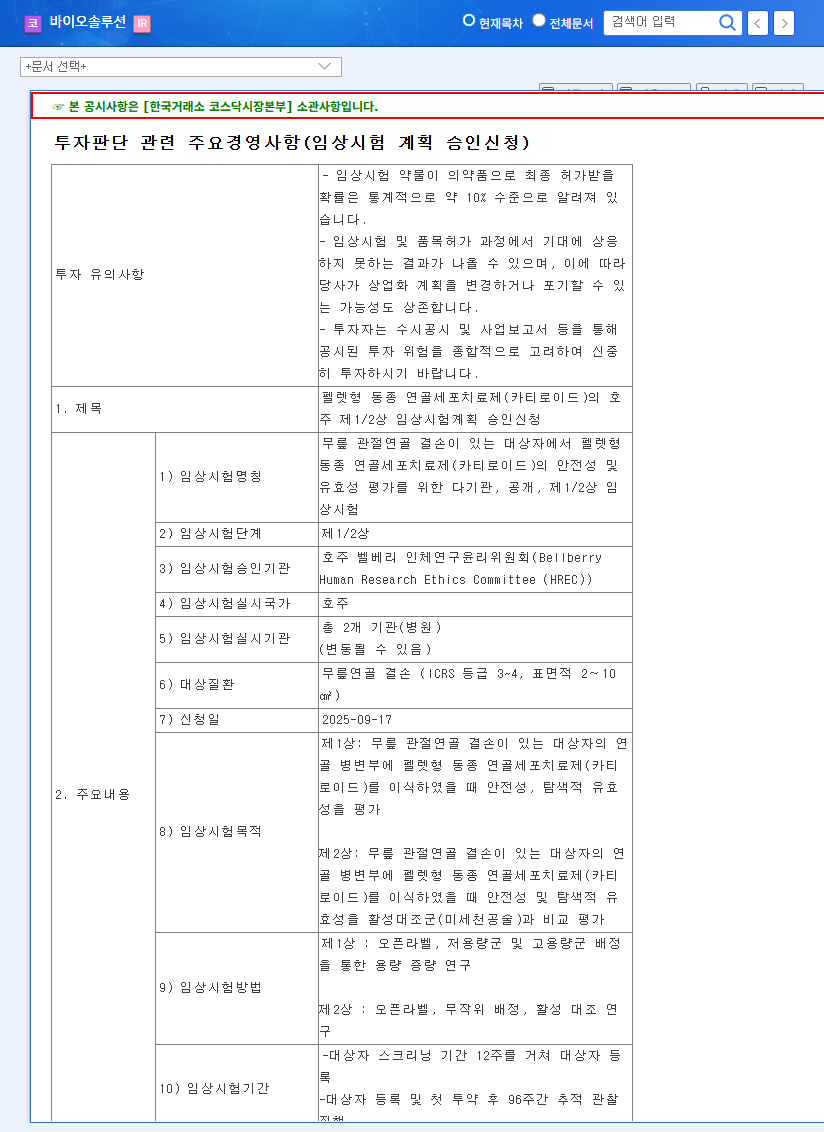
    On September 17, 2025, Biosolution submitted an Investigational New Drug (IND) application for Cartiroid to the Bellberry Human Research Ethics Committee (HREC) in Australia. This Phase 1/2 clinical trial will evaluate the safety and efficacy of Cartiroid in patients with knee cartilage defects. Phase 2 will specifically assess exploratory efficacy by comparing Cartiroid to a microfracture control group.

    What Does Clinical Success Mean for Biosolution?

    Cartiroid’s Australian clinical trial entry holds the potential to create significant growth momentum for Biosolution. Successful clinical outcomes could lead to:

    • Pipeline Expansion: Cartiroid strengthens the existing cell therapy lineup and diversifies the company’s portfolio.
    • Validation of Technology: Australian clinical trial approval serves as a testament to Biosolution’s R&D capabilities and global-level technology.
    • Global Market Entry: The Australian trial could pave the way for entry into major markets like North America and Europe.

    Key Checkpoints for Investors

    Before making any investment decisions, consider the following risk factors:

    • Uncertainty of Clinical Success: Clinical trials do not guarantee success, and failure can significantly impact the company’s value.
    • High R&D Costs: Clinical trials are expensive, potentially straining the company’s finances.
    • Intensifying Competition: The cell therapy market is becoming increasingly competitive, highlighting the importance of differentiated competitive advantages.

    Developing Your Investment Strategy

    If you are considering investing in Biosolution, we recommend the following strategies:

    • Short-term Investors: Focus on the Australian clinical trial approval results and initial clinical data releases.
    • Long-term Investors: Continuously monitor clinical progress, pipeline diversification, financial health, and the competitive landscape.

    Frequently Asked Questions

    What condition does Cartiroid aim to treat?

    Cartiroid is a pellet-type allogeneic chondrocyte therapy designed to treat patients with knee cartilage defects.

    When will the Australian clinical trial begin?

    The exact start date is yet to be announced and will be confirmed after approval from Australian regulatory authorities.

    What other cell therapies does Biosolution develop?

    Biosolution is developing a range of cell therapies, including CartiLife and KeraHeal.

    Biosolution Applies for Australian Clinical Trial Approval for Cartiroid: Investment Analysis and Outlook 관련 이미지
    Biosolution Applies for Australian Clinical Trial Approval for Cartiroid: Investment Analysis and Outlook 관련 이미지
  • Hyundaibio Expands Dengue Fever Treatment Trials: Investment Opportunity?


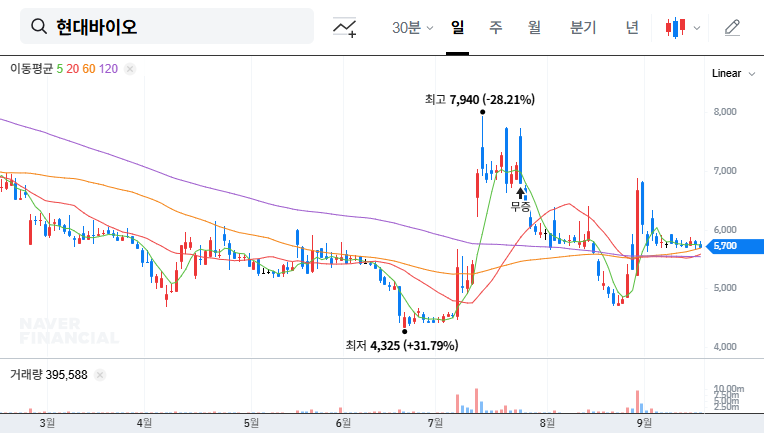
    Hyundaibio Expands Dengue Fever Treatment Trials: Investment Opportunity? 대표 차트 이미지


    What Happened? Hyundaibio Applies for Clinical Trial Amendment Approval

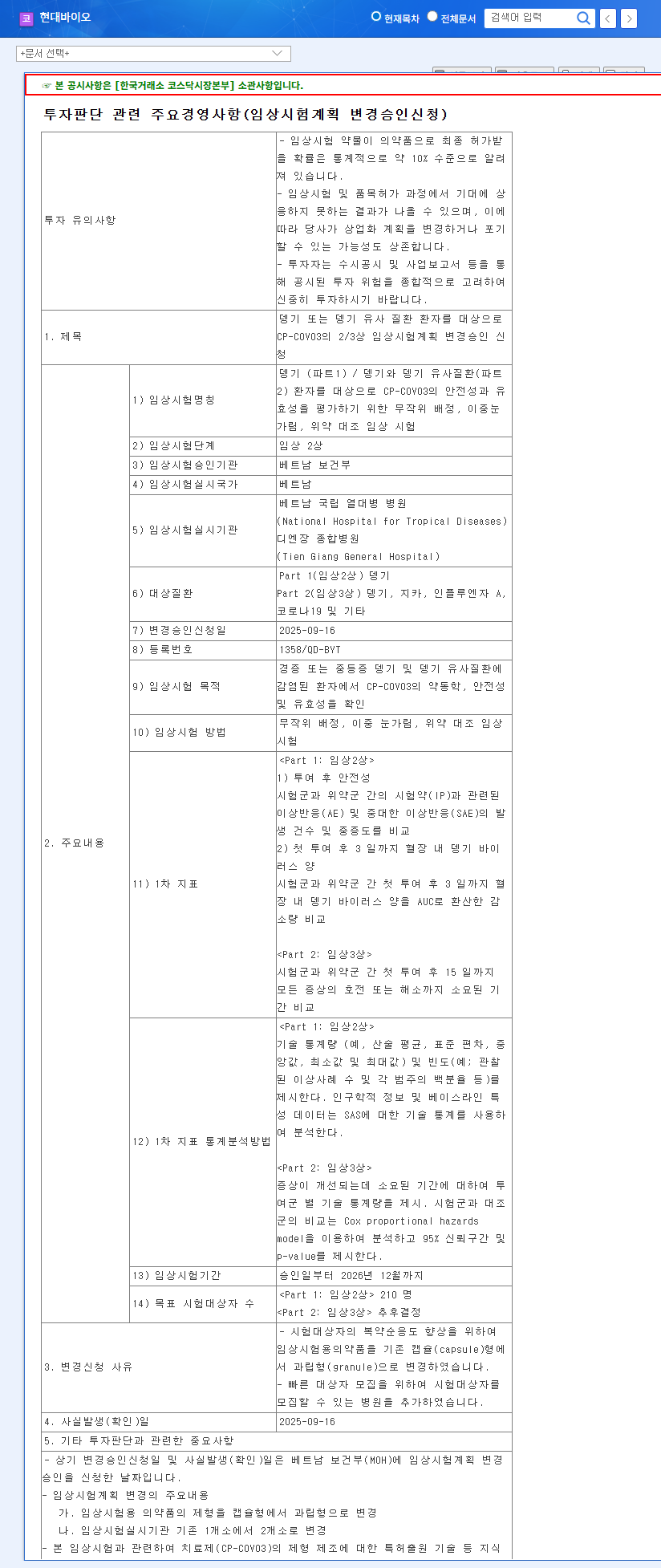
    On September 16, 2025, Hyundaibio applied to the Vietnamese Ministry of Health (MOH) for approval to amend its Phase 2/3 clinical trial plan for CP-COV03 for dengue fever and dengue-like illnesses. The main changes are as follows:

    • • Change in drug formulation: Capsule → Granule
    • • Expansion of clinical trial sites: 1 → 2

    Why is Trial Expansion Important?

    This amendment to the clinical trial plan signifies Hyundaibio’s proactive commitment to developing a dengue fever treatment. Changing the dosage form to granules enhances patient convenience, and expanding the clinical trial sites allows for the collection of more patient data. These changes are expected to improve the reliability of clinical results and positively impact market entry for the dengue fever treatment.

    What’s Next? Analyzing Opportunities and Risks

    Positive Impacts

    • • Accelerated clinical trial progress and increased result reliability
    • • Expanded potential for entry into the Southeast Asian dengue fever treatment market
    • • Strengthening of technology and intellectual property rights

    Potential Risks

    • • Uncertainty of clinical trial results
    • • Financial burden due to increased R&D costs
    • • Intensified competition in the dengue fever treatment market
    • • Uncertainty regarding regulatory approval from the Vietnamese Ministry of Health

    What Should Investors Do? Action Plan

    If considering investing in Hyundaibio, investors should carefully check the following:

    • • Continuous monitoring of Phase 2/3 clinical trial progress and results
    • • Review of the company’s financial status and funding plans
    • • Analysis of the competitive landscape in the dengue fever treatment market
    • • Analysis of the impact of changes in macroeconomic indicators

    Hyundaibio has high growth potential but also carries risks. Investment decisions should be made carefully based on sufficient information.


    FAQ

    What is Hyundaibio’s dengue fever treatment?

    Hyundaibio’s dengue fever treatment candidate is CP-COV03. It is currently undergoing Phase 2/3 clinical trials in Vietnam to confirm its therapeutic effect on dengue fever and dengue-like illnesses (Zika, influenza A, COVID-19, etc.).

    What are the key changes in this clinical trial plan amendment?

    The main changes are the change in drug formulation from capsules to granules and the expansion of clinical trial sites from one to two.

    What are the key points to consider when investing?

    Investment decisions should be made cautiously, considering uncertainties such as the success of clinical trials, financial burden, market competition, and regulatory approvals. It is crucial to continuously monitor clinical results and the company’s financial status.


    Hyundaibio Expands Dengue Fever Treatment Trials: Investment Opportunity? 관련 이미지
    Hyundaibio Expands Dengue Fever Treatment Trials: Investment Opportunity? 관련 이미지


  • AprilBio Stock Forecast: Major Shareholder Stake Changes and Their Impact


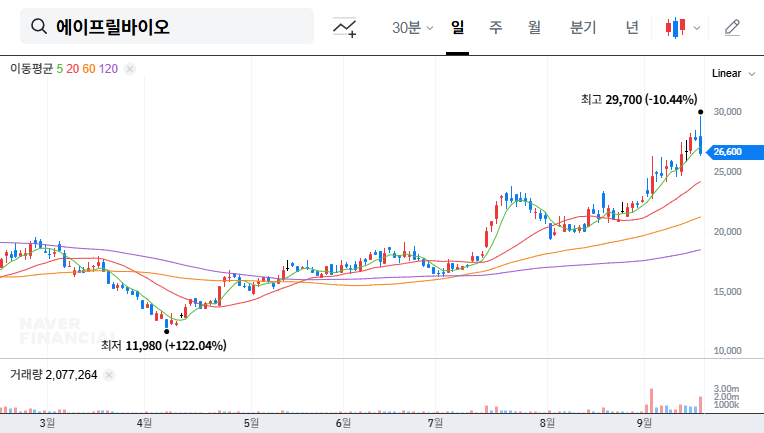
    AprilBio Stock Forecast: Major Shareholder Stake Changes and Their Impact 대표 차트 이미지


    1. What Happened? Changes in AprilBio’s Shareholder Structure

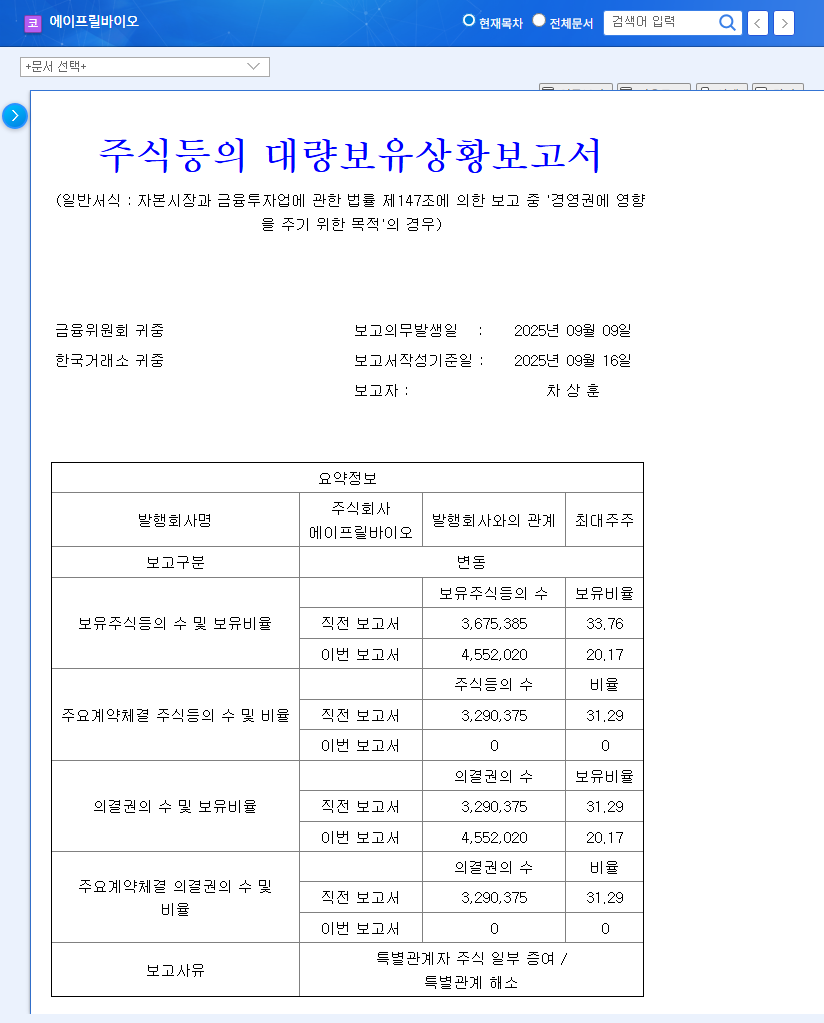
    The stake held by CEO Sang-Hoon Cha and related parties decreased from 33.76% to 20.17%. This was due to gifts within the family and some over-the-counter sales by related parties. This is interpreted as a part of personal asset management or tax planning rather than a weakening of management control. However, the future movements of major shareholders require continuous monitoring.

    2. Why is it Important? Potential for Short-Term Stock Volatility

    The decrease in the stake of major shareholders may have a negative impact on the stock price in the short term. However, if there is no significant change in the company’s fundamentals, this impact is expected to be limited.

    3. AprilBio’s Corporate Value: Fundamental Analysis

    AprilBio is a promising new drug development company based on SAFA platform technology. Technology transfer agreements with global pharmaceutical companies such as Lundbeck and Evommune demonstrate the company’s technological prowess. The clinical development results of key pipelines such as APB-A1 and APB-R3 will be the key drivers of future stock prices.

    4. What Should Investors Do? Action Plan

    • Continuous monitoring of major shareholder changes: Pay attention to the reasons for stake changes and future moves of Sang-Hoon Cha and other related parties.
    • Focus on clinical development results of key pipelines: Focus on announcements regarding the clinical results of APB-A1 and APB-R3.
    • Monitoring macroeconomic and industry trends: Establish an investment strategy by considering interest rate fluctuations and global bio market trends.


    FAQ

    Does the decrease in CEO Sang-Hoon Cha’s stake signify a change in management?

    Currently, it’s not an immediate threat to management, but it’s necessary to monitor future changes.

    What is AprilBio’s core technology?

    It is developing new drugs with advantages such as increased half-life and low immunogenicity based on the SAFA platform technology.

    What are AprilBio’s main pipelines?

    These include APB-A1 (autoimmune diseases) and APB-R3 (inflammatory diseases), which are currently in clinical development.

    What are the precautions for investing in AprilBio?

    Clinical development results and changes in major shareholder stakes should be closely monitored. It should be noted that bio investment has high growth potential but also carries risks.


    AprilBio Stock Forecast: Major Shareholder Stake Changes and Their Impact 관련 이미지
    AprilBio Stock Forecast: Major Shareholder Stake Changes and Their Impact 관련 이미지


  • Onconik Therapeutics’ Jacubojung Clinical Trial Update: Investment Analysis

    Jacubojung Clinical Trial Plan Change: What Happened?

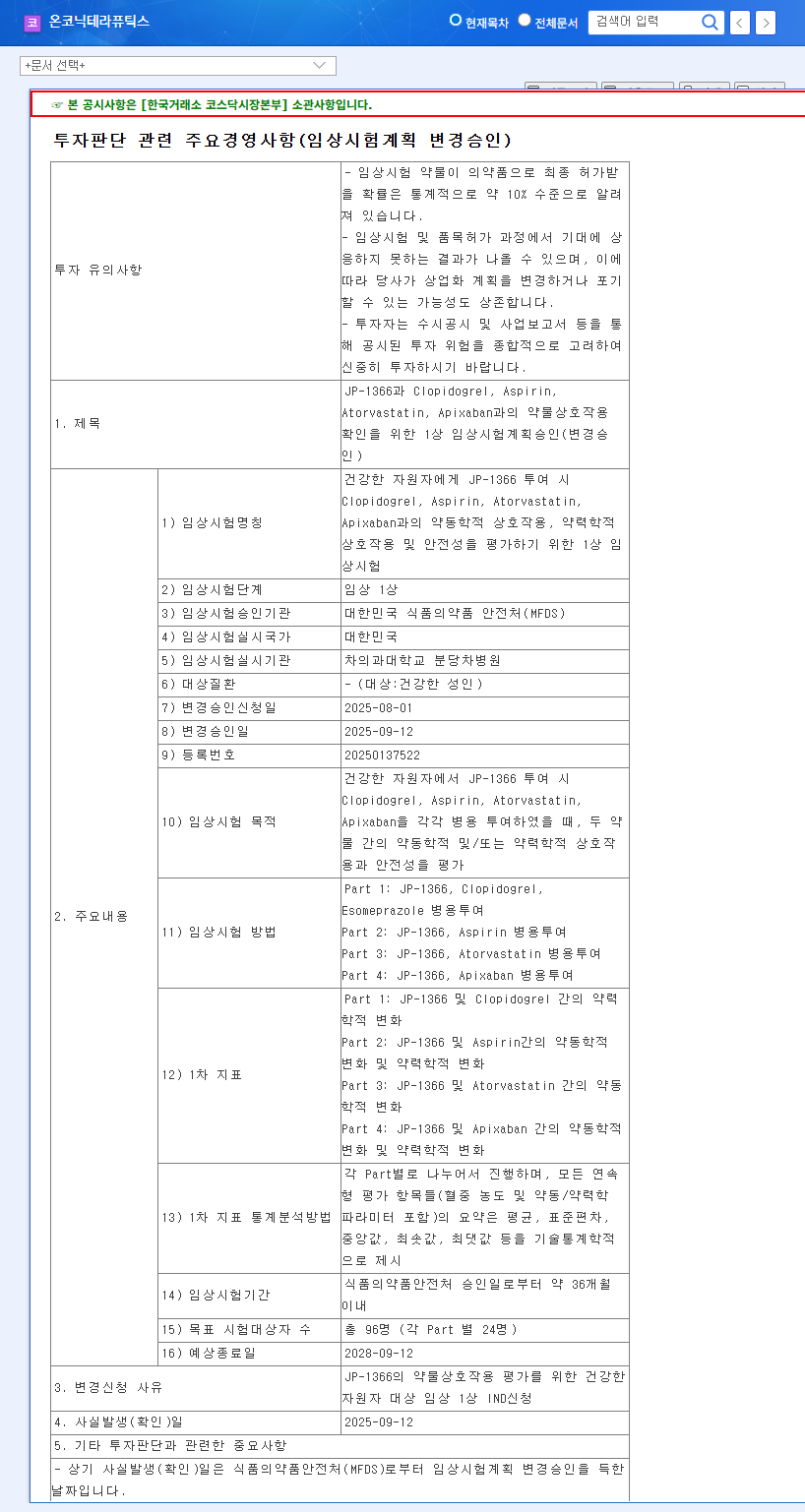
    Onconik Therapeutics has received approval to amend its Phase 1 clinical trial plan for Jacubojung (JP1366), a treatment for acid-related gastrointestinal diseases. This amendment focuses on investigating drug interactions, marking a crucial step towards expanding the application and enhancing the safety profile of Jacubojung.

    Why is this Approval Important?

    This approval is a positive sign, confirming the continued development of Jacubojung and demonstrating Onconik’s R&D capabilities. It can serve as a stepping stone to explore applicability to a wider range of patients and open doors for further technology transfer and partnership opportunities. Additionally, it is expected to further solidify the long-term business value of Jacubojung, which has already seen successful domestic launch and approval for gastric ulcer indication.

    So, What’s the Investment Strategy?

    This event can be interpreted as slightly positive. While short-term stock fluctuations may be limited, it offers a chance to assess Onconik Therapeutics’ long-term growth potential. However, investors must also consider the inherent uncertainties of clinical development and the potential for additional time and cost requirements.

    Investor Action Plan

    • Short-term investors: Significant stock price fluctuations are not anticipated, suggesting a wait-and-see approach may be prudent.
    • Mid- to long-term investors: Consider investing in Onconik Therapeutics’ growth potential. Closely monitor upcoming clinical trial results, technology transfer agreements, and other key events to adjust investment strategies accordingly.

    Key Points to Watch

    • Phase 1 clinical trial results
    • Market expansion and sales growth of Jacubojung
    • Progress of Nesuparib clinical development
    • Potential global technology transfer agreements
    What does the Jacubojung clinical trial plan change approval mean?

    It means additional clinical trials will be conducted to assess Jacubojung’s drug interactions. This will strengthen safety and efficacy data, and explore its potential use in diverse patient populations.

    How will this approval affect Onconik Therapeutics’ stock price?

    It’s expected to have a slightly positive impact. Short-term fluctuations may be limited, but it reinforces the company’s long-term growth potential.

    What should investors pay attention to?

    Investors should focus on the upcoming Phase 1 clinical trial results, market expansion and sales of Jacubojung, progress of Nesuparib clinical development, and potential global technology transfer agreements.

  • EnCell IR Analysis: Investment Strategies After the September Corporate Briefing

    EnCell IR Analysis: Investment Strategies After the September Corporate Briefing 대표 차트 이미지

    1. What was discussed at the EnCell IR?

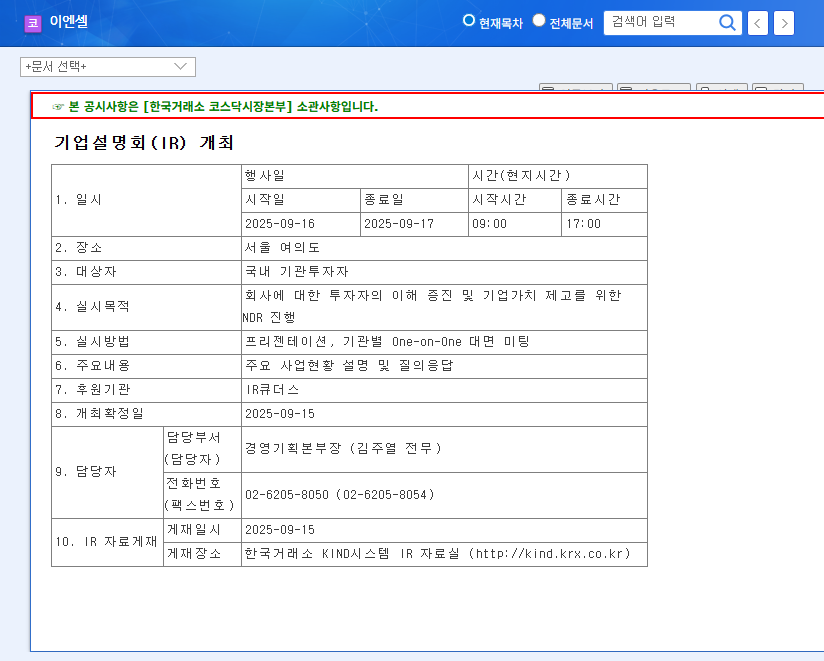
    EnCell presented its current business status and future growth strategies at its corporate briefing on September 16th. The main content included the clinical progress of its core pipeline, EN001, the competitiveness of its CDMO business, and plans for new business ventures. The focus was particularly on addressing investor concerns about the continued stock decline since its special listing and emphasizing the company’s fundamentals and growth potential.

    2. Why pay attention to EnCell now?

    EnCell has high growth potential due to its innovative pipeline targeting the rare disease treatment market and its CDMO facility, the only one in Korea capable of simultaneous cell and virus production. However, operating losses due to R&D investment and the inherent uncertainties of new drug development act as investment risks. This IR is a crucial opportunity to present clear solutions to these risk factors and restore market confidence.

    3. How should one invest in EnCell?

    Investment in EnCell requires a long-term perspective. Rather than being swayed by short-term stock fluctuations, investors should focus on the company’s fundamentals and growth potential. It is necessary to thoroughly analyze the IR materials and Q&A content and carefully review the clinical progress of its core pipeline, the order outlook for the CDMO business, and the growth potential of new businesses. It’s also essential to adjust investment strategies while paying attention to changes in macroeconomic indicators and investor sentiment in the bio sector.

    4. Action Plan for Investors

    • Analyze IR materials and Q&A: Check key information such as EN001 clinical progress plan, CDMO order outlook, and new business plans.
    • Check risk factors: Review the possibility of reversing the declining sales trend, the efficiency of R&D expenditure, and the probability of successful clinical trials.
    • Monitor macroeconomic indicators: Analyze the impact of fluctuations in interest rates, exchange rates, and oil prices on the bio sector.
    • Maintain a long-term perspective: Focus on strengthening core competencies and business performance rather than short-term stock price movements.
    • Diversify investments and approach with caution: Consider financial performance and uncertainties, increasing investment weight after confirming turnaround signals.

    Frequently Asked Questions

    What is EnCell’s core pipeline?

    EN001 is the core pipeline, and it is being developed as a treatment for CMT, DMD, and sarcopenia. Safety and efficacy have been confirmed in Phase 1 clinical trials, and it has been designated as an orphan drug.

    How is EnCell’s CDMO business performing?

    EnCell operates a CDMO business based on Korea’s only GMP facility capable of simultaneous cell and virus production. While the market is expected to have high growth potential, the business has recently shown a declining sales trend.

    What are the precautions for investing in EnCell?

    The main risk factors are continued operating losses, uncertainties in new drug development, and declining CDMO sales. Before making investment decisions, careful judgment should be made through analyzing IR materials, checking risk factors, and monitoring macroeconomic indicators.

    EnCell IR Analysis: Investment Strategies After the September Corporate Briefing 관련 이미지
    EnCell IR Analysis: Investment Strategies After the September Corporate Briefing 관련 이미지
  • Onconik Therapeutics Receives Approval for Zacuvo Phase 1 Trial Modification: Investment Analysis


    Onconik Therapeutics Receives Approval for Zacuvo Phase 1 Trial Modification: Investment Analysis 대표 차트 이미지


    What Happened?

    Onconik Therapeutics announced on September 15, 2025, that it received approval from the Ministry of Food and Drug Safety (MFDS) for a modification to its Phase 1 clinical trial plan for Zastaprazan (Zacuvo), a treatment for digestive diseases caused by excessive gastric acid secretion. The purpose of this clinical trial is to evaluate the safety and efficacy of Zacuvo when administered in combination with other medications.

    Why is This Approval Important?

    This clinical trial modification approval is more than just a procedural step. It holds the key to Onconik Therapeutics’ future, influencing Zacuvo’s safety verification, potential expansion of indications, and even its global market entry.

    • Enhanced Safety and Increased Trust: Securing safety data on combination therapy with various drugs can enhance trust among medical professionals and patients.
    • Expansion of Indications and Enhanced Competitiveness: Securing additional indications and developing combination therapies can give Zacuvo a competitive edge over other drugs.
    • Accelerated Technology Export and Global Market Entry: Robust clinical data can positively influence negotiations for overseas market entry and technology export.

    So, What’s the Investment Strategy?

    In the short term, a buy or hold strategy is valid due to the positive momentum and the high potential for stock price increase. In the medium to long term, continuous monitoring of clinical results, sales growth trends, and Nesuparib’s development status is necessary.

    Investment Considerations

    • Pay attention to the timing and content of clinical trial results announcements.
    • Understand Zacuvo’s market share and competitive landscape.
    • Analyze the progress and likelihood of success of Nesuparib development.


    FAQ

    What is Zacuvo?

    Zacuvo is the 37th domestically developed new drug in Korea, used to treat conditions caused by excessive gastric acid secretion, such as gastroesophageal reflux disease (GERD) and gastric ulcers.

    What is the significance of this clinical trial modification approval?

    It’s a crucial step towards evaluating the safety and efficacy of Zacuvo when used in combination with other medications, paving the way for broader prescription and enhanced market competitiveness.

    What other pipelines does Onconik Therapeutics have?

    In addition to Zacuvo, Onconik Therapeutics is developing Nesuparib, a dual PARP/Tankyrase inhibitor for cancer treatment.


    Onconik Therapeutics Receives Approval for Zacuvo Phase 1 Trial Modification: Investment Analysis 관련 이미지
    Onconik Therapeutics Receives Approval for Zacuvo Phase 1 Trial Modification: Investment Analysis 관련 이미지


  • Paratekxis Korea (formerly BridgeBio Therapeutics) Stock Forecast: Is Digital Asset Venture a Key to Overcoming Crisis?


    What Happened?

    BridgeBio Therapeutics changed its name to Paratekxis Korea in August 2025 and added a digital asset business to its portfolio. The CEO was also replaced. These changes come amidst a challenging business environment, including uncertain Phase 2 clinical trial results for its key pipeline, BBT-877, and six consecutive years of net losses.

    Why This Change?

    The continuous losses and uncertainty surrounding the core pipeline threatened the company’s very existence. The move into the digital asset business appears to be a bold decision aimed at reducing the uncertainties of new drug development and securing new growth engines. The company is preparing for this transformation by securing funds through rights offerings and convertible bond issuances.

    What’s Next?

    While venturing into the digital asset business opens up new growth possibilities, it also increases uncertainty. The company’s future hinges on the development progress of its existing pipeline (BBT-207, BBT-301, BBT-401, etc.), the concrete plans for its digital asset business, and its performance. Predicting success at this stage is difficult.

    What Should Investors Do?

    • Cautious Approach: Before making any investment decisions, carefully analyze the pipeline’s development status, fundraising capabilities, and the digital asset business plan.
    • Information Gathering: Continuously monitor the company’s IR activities and public disclosures to stay updated.
    • Market Monitoring: Pay close attention to the overall investment sentiment in the bio sector, interest rates, exchange rate fluctuations, and other macroeconomic and industry trends.


    FAQ

    What are Paratekxis Korea’s main pipelines?

    They include BBT-207, BBT-877, BBT-301, and BBT-401. BBT-877, a candidate for idiopathic pulmonary fibrosis, held high expectations, but there are uncertainties regarding its phase 2 clinical trial results.

    Why did Paratekxis Korea enter the digital asset business?

    This is interpreted as a strategy to mitigate the uncertainties of the existing new drug development business and secure new growth engines. It appears to be an attempt to overcome continuous net losses and uncertainties surrounding clinical trial results of the core pipeline.

    Should I invest in Paratekxis Korea?

    The company presents both high growth potential and significant risk factors. Investments should be approached with caution, and decisions should be made after carefully analyzing the pipeline’s development progress, fundraising capabilities, and the digital asset business plan. This analysis is not investment advice, and the responsibility for investment lies with the individual investor.