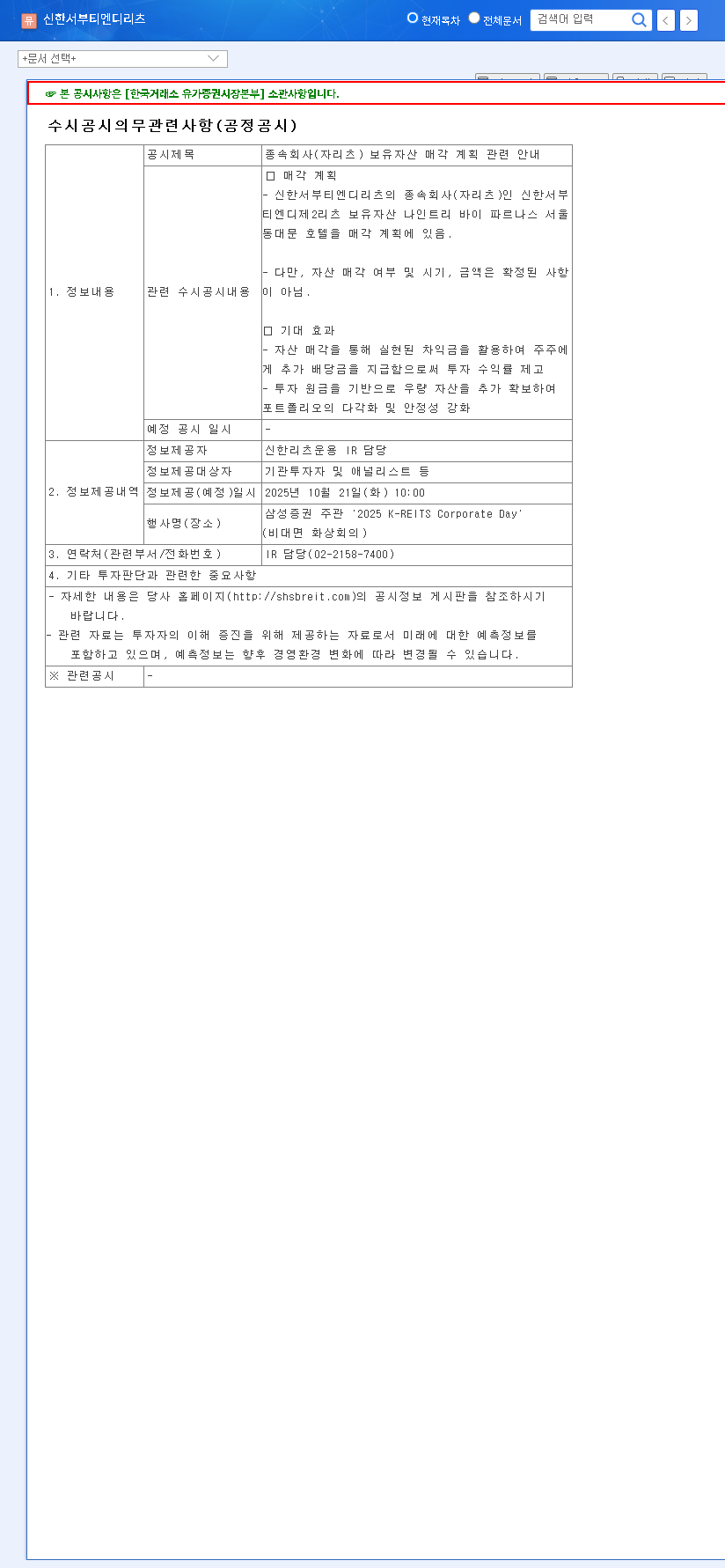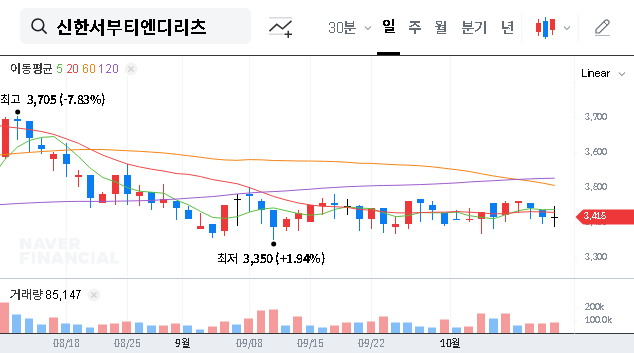
For investors tracking the dynamic world of Real Estate Investment Trusts (REITs), the latest quarterly report from Shinhan Seobu T&D REIT Co., Ltd. is a critical piece of intelligence. Released on October 27, 2025, this report provides a transparent look into the company’s financial health, operational performance, and strategic direction amid a complex economic landscape. You can view the complete filing here: Official Disclosure (DART).
This analysis will dissect the key findings from the Q3 report, balancing the promising indicators of growth against the significant financial headwinds. We’ll explore whether its stable rental income can outweigh the challenges of rising interest rates and a growing debt load, providing a clear, actionable outlook for both current and potential investors.
Core Financials: A Tale of Two Tapes
The Q3 2025 report for Shinhan Seobu T&D REIT paints a dual picture. On one hand, operational performance shows resilience and growth. On the other, macroeconomic pressures are clearly impacting the bottom line.
The Bright Spots: Growth and Stability
Several positive factors suggest a solid operational foundation and potential for long-term value creation.
- •Impressive Asset Growth: Total assets have swelled by 13.1% year-on-year, reaching 1.1 trillion KRW. This expansion, largely in core investment properties, enhances the REIT’s portfolio and potential for future revenue streams.
- •Robust Operating Revenue: The first half of the 10th fiscal year saw operating revenue climb to 27 billion KRW, a 49.2% increase YoY. Operating profit also rose by 32.4% to 15.78 billion KRW, driven by high occupancy rates and favorable rental adjustments.
- •Reliable Rental Income: The majority of the REIT’s properties maintain near-100% occupancy, ensuring a predictable and stable cash flow—the lifeblood of any successful real estate investment.
- •Supportive Market Environment: The broader Korean REIT market continues to expand, bolstered by supportive government policies and a growing investor appetite for alternative income-generating assets.
The Headwinds: Debt and Financial Costs
Despite strong operations, significant financial risks require careful monitoring.
- •Consolidated Net Loss: The company reported a net loss of 0.59 billion KRW. This was primarily caused by a sharp 16.82 billion KRW spike in financial costs (interest expenses) due to rate hikes and increased borrowing.
- •Rising Debt Levels: Total debt surged by 17.6% YoY to 753.25 billion KRW. Consequently, the debt-to-equity ratio has climbed to a significant 2.17 times, signaling increased financial leverage and risk.
- •Key Asset Occupancy Lag: The Gwanghwamun G-Tower, a key property, has a relatively low occupancy rate of 87.8%. Improving this figure is crucial for maximizing rental income and asset performance.
- •Tenant Risk: While not yet impacting financials, the corporate rehabilitation proceedings for Homeplus Co., Ltd., a master lease tenant, present a potential future risk to rent collection and contract stability.
The core challenge for Shinhan Seobu T&D REIT is clear: can its strong operational revenue growth outpace the escalating burden of its financial costs in a high-interest-rate environment? The answer will define its trajectory for the coming year.
Future Outlook & Investor Strategy
The path forward for the Shinhan Seobu T&D REIT will be heavily influenced by its ability to navigate external market forces, particularly interest rate trends. Continued rate hikes would further pressure profitability, while a shift towards rate cuts could provide significant relief.
Actionable Advice for Investors
For Existing Investors: The focus should be on vigilance. Closely examine the REIT’s upcoming reports for progress on debt management and cost-control strategies. Sustained operational growth is positive, but any further deterioration of the bottom line due to interest expenses should be a red flag. Hold your position, but be prepared to reassess based on the next quarter’s financial health indicators.
For New Investors: A cautious, wait-and-see approach is prudent. The current risk profile, dominated by a high debt ratio and interest rate sensitivity, suggests waiting for a clearer signal of financial stabilization. An attractive entry point may emerge when the company demonstrates a tangible plan to reduce its debt burden or when macroeconomic conditions (i.e., interest rate cuts) become more favorable.
Key Monitoring Points Going Forward
- •Debt Ratio and Interest Expense Trends: Is the debt-to-equity ratio stabilizing or decreasing? Are interest costs being managed effectively?
- •Gwanghwamun G-Tower Occupancy: Watch for any improvement in leasing activity at this key asset, as it’s a direct path to increased revenue.
- •Dividend Policy Sustainability: How will the current net loss impact future dividend distributions, a key attraction for REIT investors?
- •Management’s Strategic Response: Look for clear communication from leadership regarding their strategy to navigate the current financial challenges.
In conclusion, Shinhan Seobu T&D REIT stands at a crossroads. Its portfolio of quality assets generates strong operational results, but this strength is being tested by significant financial pressures. Informed investment decisions will depend on a careful analysis of the data provided in this Q3 report and a continuous monitoring of the key risk factors outlined above.