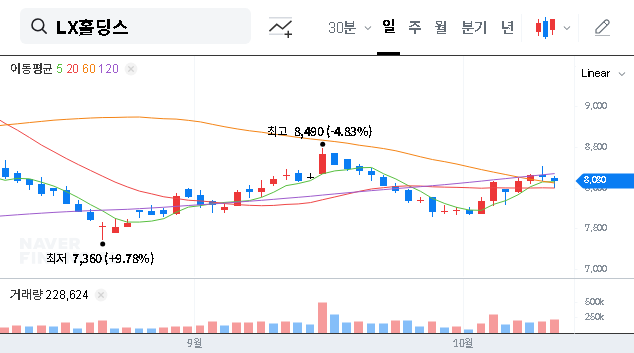
The announcement of the LX Holdings Gwanghwamun Building acquisition for a staggering ₩512 billion (approx. $380 million USD) has ignited intense discussion across financial markets. This landmark deal, representing nearly 27% of the company’s total assets, is far more than a simple real estate transaction; it’s a bold strategic maneuver that could redefine LX Holdings’ future. As a pivotal investment, it presents a compelling mix of immense opportunity and significant financial exposure.
While securing a prestigious headquarters in Seoul’s core business district promises long-term benefits, the sheer scale of the capital outlay raises critical questions. Will this move catalyze growth and enhance shareholder value, or will the financial burden constrain the company’s agility in the short term? This analysis provides a comprehensive deep dive into the deal’s mechanics, strategic rationale, potential upsides, and inherent risks for investors.
Deconstructing the Landmark Deal
The Core Details of the Acquisition
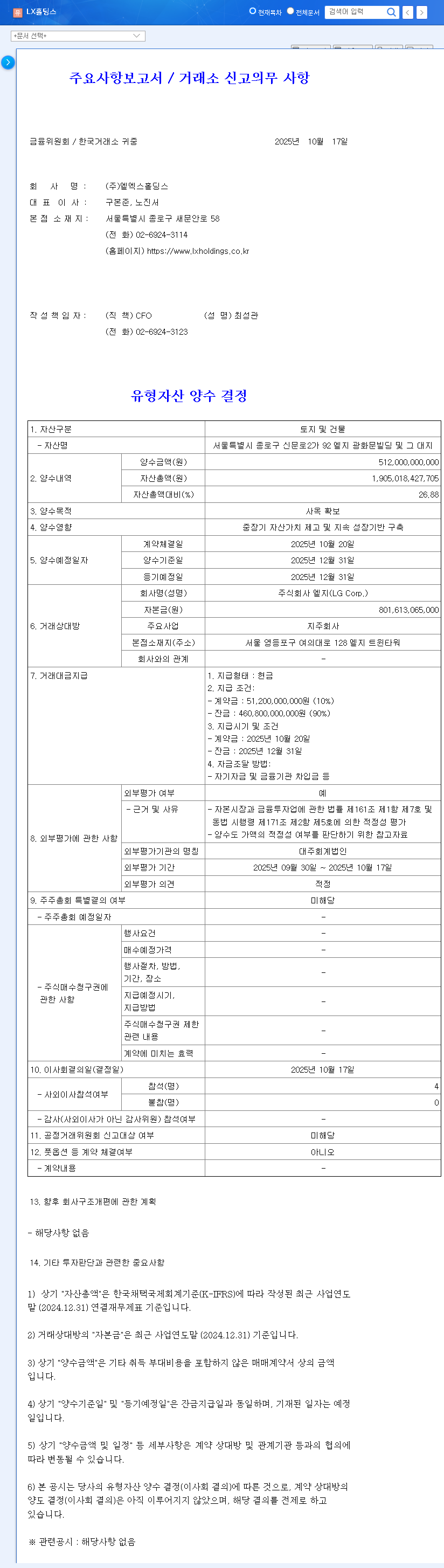
On October 27, 2023, LX Holdings formalized its intent to acquire the ‘LG Gwanghwamun Building’ and its underlying land from LG Corp. The official transaction details, as outlined in the public disclosure, paint a picture of a carefully structured, high-value transfer.
- •Asset: The LG Gwanghwamun Building, a prime commercial property in Seoul’s central business district.
- •Purchase Price: ₩512 billion, paid in cash.
- •Payment Schedule: A 10% down payment (₩51.2B) by Oct 20, 2025, with the 90% balance (₩460.8B) due by Dec 31, 2025.
- •Funding Sources: A combination of existing corporate funds and new borrowings from financial institutions.
The complete financial filing can be reviewed in the Official Disclosure (DART), which provides the authoritative source for this transaction.
This acquisition is a strategic declaration. By securing a flagship asset in Gwanghwamun, LX Holdings is not just buying an office; it’s investing in brand prestige, operational synergy, and long-term financial stability.
Strategic Analysis: Opportunity vs. Risk
The Potential Upside: A Foundation for Growth
The rationale behind the LX Holdings Gwanghwamun Building acquisition is multi-faceted. Consolidating various group entities under one roof is expected to dramatically enhance management efficiency, breaking down silos, reducing rental expenses, and fostering a more unified corporate culture. This physical integration can accelerate decision-making and boost employee morale. Furthermore, owning prime Seoul commercial real estate provides a stable, tangible asset anticipated to appreciate over time, strengthening the company’s balance sheet. This move provides a solid foundation for future expansion and talent acquisition, signaling stability and ambition to the market. For more on market trends, see the latest reports from authoritative sources like Bloomberg’s real estate analysis.
The Inherent Risks: A Financial Tightrope
The primary concern is the immense financial burden. Mobilizing ₩512 billion will significantly impact LX Holdings’ liquidity and debt profile. The vague funding plan of ‘self-funds and borrowings’ leaves investors questioning the cost of capital and the terms of future loans. A rise in interest rates could make this debt significantly more expensive. Moreover, the Seoul commercial real estate market, while stable, is not immune to macroeconomic headwinds. A downturn could lead to asset value depreciation, undermining one of the key justifications for the purchase. Finally, the transition from renter to owner introduces new operational costs, including property taxes, maintenance, and management fees, which will impact cash flow.
Investor Action Plan & Key Questions
For those invested in or watching LX Holdings, this is a critical juncture. A proactive and analytical approach is necessary. Investors should prioritize monitoring the following key areas as more information becomes available.
What is the detailed funding strategy?
Scrutinize upcoming announcements for specifics on the debt-to-equity ratio for this purchase. Understanding the interest rates and repayment schedules is crucial to assessing the long-term financial impact. A heavily leveraged deal increases risk significantly.
How will this impact operational cash flow?
Investors should look for pro-forma financial statements that project the impact of new operating costs (taxes, maintenance) against the savings from eliminated rent. A clear, positive net effect on cash flow would be a strong bullish signal. You can compare this to our analysis of LX Holdings’ Q3 financials.
What is the company’s broader capital allocation plan?
This large investment in LX Holdings real estate raises questions about opportunity cost. How does this acquisition fit within the company’s overall growth strategy? Will it limit their ability to invest in R&D, M&A, or other core business ventures? A clear articulation from management is needed.
Conclusion: A Calculated Gamble on the Future
The LX Holdings Gwanghwamun Building acquisition is a defining moment for the company. It’s a calculated gamble that trades short-term financial flexibility for long-term strategic advantages. While the potential for enhanced efficiency and asset appreciation is undeniable, the financial risks are substantial. Prudent investors will maintain a watchful eye, demanding clarity on funding and strategy as this monumental chapter in LX Holdings’ story unfolds.
Leave a Reply