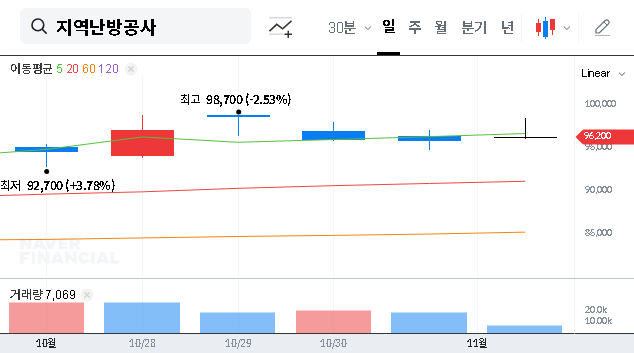
The upcoming Q3 2025 earnings report for KOREA DISTRICT HEATING CORPORATION (KDHC), ticker 071320, represents a critical juncture for investors. Scheduled for November 7, 2025, this Investor Relations (IR) presentation is far more than a routine financial update. It is a comprehensive look into the company’s operational health, strategic direction, and resilience in a volatile energy market. For stakeholders, this event will provide vital clues about KDHC’s ability to navigate high debt, manage large-scale investments, and capitalize on its core strengths. This in-depth analysis will break down the fundamental factors, potential market reactions, and a strategic roadmap for evaluating your KDHC investment strategy.
This IR is a pivotal moment to assess the balance between KDHC’s stable, foundational heating business and the challenges plaguing its electricity segment, all set against a complex macroeconomic backdrop.
Event Details: The Q3 2025 Investor Briefing
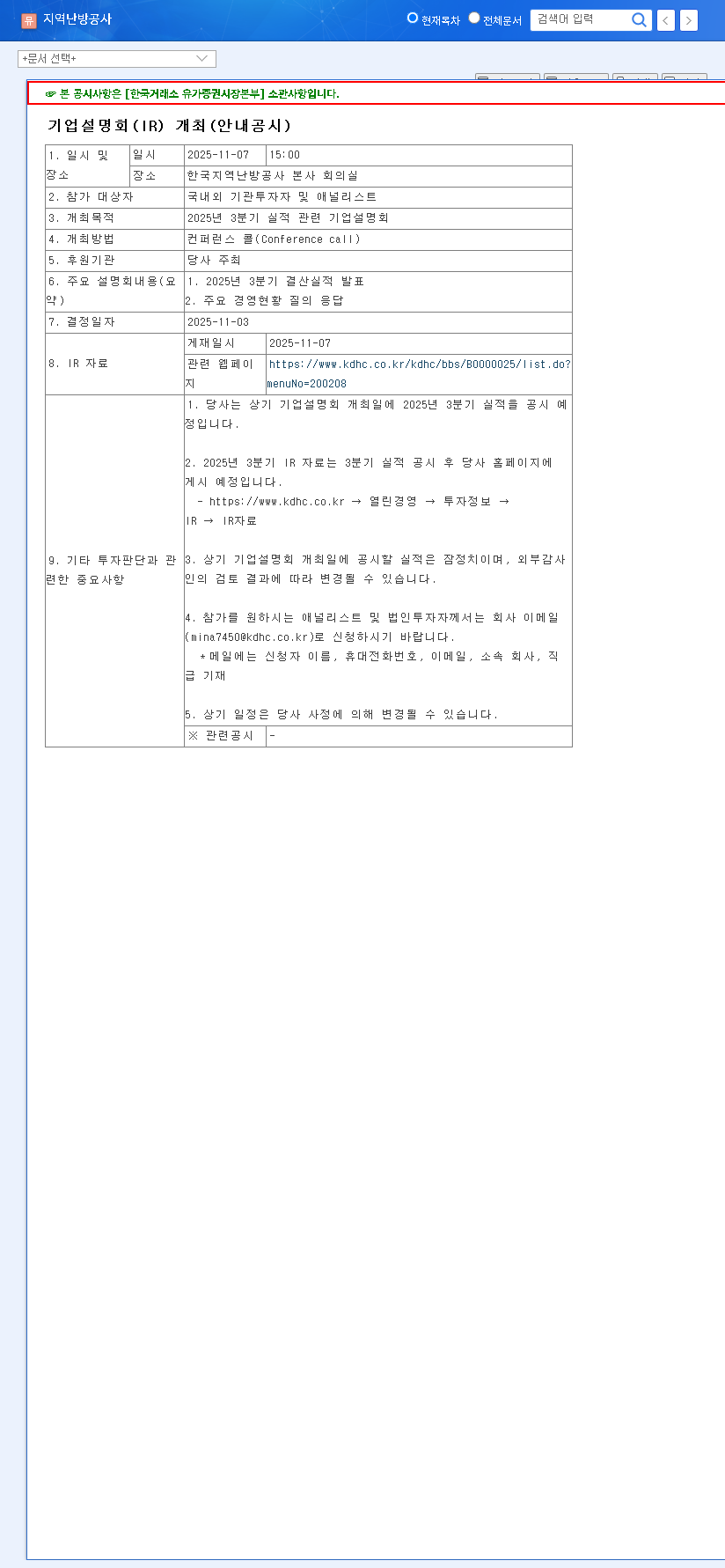
KOREA DISTRICT HEATING CORPORATION has officially scheduled its corporate IR for November 7, 2025, at 3:00 PM (KST). The session will feature a detailed presentation of the third-quarter financial results, followed by a crucial Q&A session with management. As a public enterprise with a significant market presence, KDHC aims to use this platform to enhance transparency and directly address investor concerns. The full details can be found in the Official Disclosure (DART).
Fundamental Analysis: The Bull vs. Bear Case for KDHC
Understanding the company’s core strengths and weaknesses is essential before analyzing the 071320 earnings report. The investment thesis for KDHC is a tale of two sectors, balanced by strategic growth initiatives and weighed down by financial and market risks.
Positive Factors: Stability and Future Growth
- •Rock-Solid Heat Sector Revenue: The demand for district heating is largely inelastic, providing a stable and predictable revenue stream that forms the company’s financial bedrock. This consistent cash flow is a significant defensive characteristic.
- •Strategic Growth Investments: KDHC is not standing still. Major projects, including the Suwon Combined Heat and Power Plant replacement and the Goyang Changneung District Energy initiative, are poised to become long-term growth engines, diversifying the business and aligning with modern ESG standards.
- •Favorable Cost Environment: A global downward trend in Liquefied Natural Gas (LNG) prices serves as a significant tailwind, easing the burden of raw material costs and potentially boosting margins if the trend continues.
Negative Factors & Risks: The Challenges Ahead
- •High Debt Ratio: A debt-to-equity ratio of 236.57% (as of H1 2025) is a major red flag. In a rising interest rate environment, this high leverage can significantly increase interest expenses and squeeze profitability.
- •Underperforming Electricity Sector: Intense competition and declining wholesale electricity prices have eroded the profitability of this segment. Investors will be keenly watching for any signs of a turnaround or a strategic pivot.
- •New Project Investment Burden: While promising for the future, these large-scale projects require massive capital outlays, introducing execution risk and further straining the balance sheet in the short to medium term.
- •Macroeconomic Headwinds: The performance of KOREA DISTRICT HEATING CORPORATION is directly tied to global markets. A strengthening USD against the KRW increases import costs for LNG, while rising interest rates amplify debt service costs.
Investor Takeaways & Strategic Checklist
The KDHC Q3 2025 IR is an opportunity to pressure-test the company’s narrative. A positive outcome hinges on management’s ability to present a convincing plan. If Q3 earnings meet or beat expectations and the company provides a clear, confident outlook on its new projects and cost controls, the stock could see significant positive momentum. Conversely, a miss on earnings or vague commentary on risks could amplify investor concerns and lead to downward pressure.
Prudent investors should prepare by focusing on the following:
- •Scrutinize Segment Performance: Look for specific data on the profitability drivers and detractors in both the heat and electricity sectors. Is the electricity division stabilizing?
- •Evaluate Project Milestones: Seek concrete updates on the progress, budget adherence, and expected ROI for the Suwon and Goyang Changneung projects.
- •Listen to the Macro Outlook: Pay close attention to management’s commentary on hedging strategies against currency fluctuations and their plans for managing debt in a shifting interest rate landscape.
- •Assess Market Reaction: Monitor trading volume and price action following the IR to gauge institutional sentiment and adjust your investment strategy accordingly.
Ultimately, the outlook for KOREA DISTRICT HEATING CORPORATION stock will depend on its ability to execute its growth strategy while navigating significant financial headwinds. For further context on energy market trends, investors can consult authoritative sources like the International Energy Agency (IEA). To learn more about portfolio diversification, consider reading our guide on building a resilient investment portfolio.
Leave a Reply