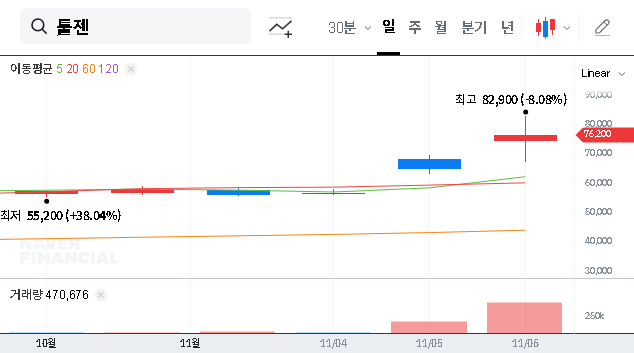
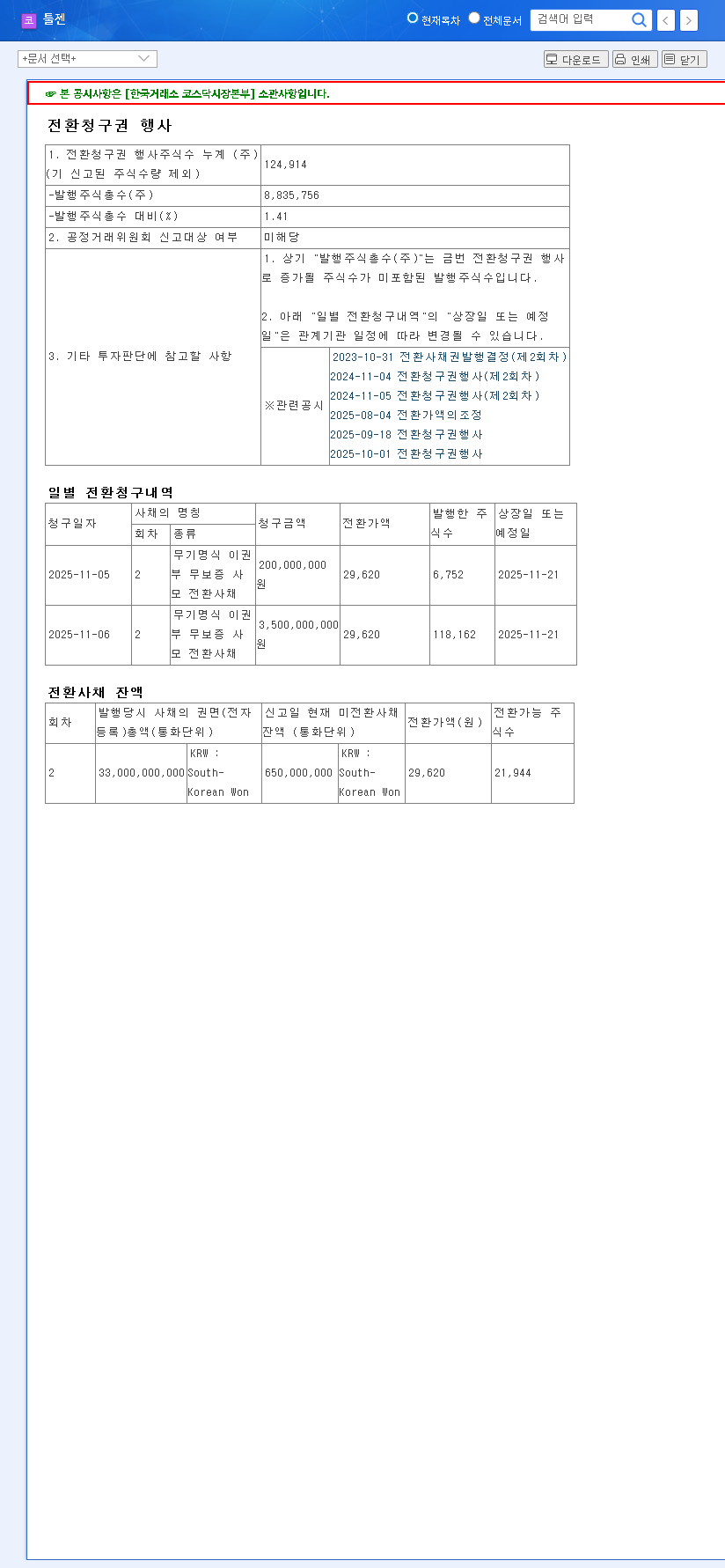
The recent ToolGen convertible bond conversion has sent ripples through the investment community, raising both opportunities and critical questions. On November 6, 2025, the pioneering gene-editing firm announced the conversion of bonds into 124,914 new shares. This move, representing 1.41% of market capitalization, is set to impact the company’s stock and financial standing. However, a glaring data anomaly within the announcement—a reported stock price of KRW 7 versus a conversion price of KRW 29,620—demands careful scrutiny.
This comprehensive analysis will dissect the ToolGen convertible bond conversion, explore its effects on stock value, and provide a strategic roadmap for current and prospective investors. We will place special emphasis on the importance of verifying financial data and understanding the long-term fundamentals of this innovative biotech leader.
Understanding the Convertible Bond Announcement
First, it’s essential to understand what a convertible bond is. It’s a type of debt security that the holder can convert into a specified number of shares of common stock in the issuing company. For ToolGen, this conversion signifies that bondholders have chosen to become shareholders, trading their debt holdings for equity.
The key details of the announcement, as per the Official Disclosure, are as follows:
- •Event Date: November 6, 2025
- •New Shares to be Listed: 124,914
- •Percentage of Market Cap: 1.41%
- •Listing Date for New Shares: November 21, 2025
- •Conversion Price: KRW 29,620 per share
The most critical factor for investors is the massive, logic-defying disparity between the conversion price (KRW 29,620) and a reported current stock price of KRW 7. This strongly indicates a data reporting error that must be independently verified before making any investment decisions.
Analyzing the Impact on ToolGen Stock
Short-Term: Stock Dilution and Price Pressure
The immediate effect of listing 124,914 new shares is stock dilution. With more shares in circulation, the ownership stake of existing shareholders is reduced proportionally. This increase in supply can create short-term downward pressure on the stock price as the market absorbs the new equity. The market’s reaction will largely depend on its perception of the company’s future prospects versus the immediate dilution risk.
Long-Term: Improved Financial Health
From a long-term perspective, this convertible bond conversion is a positive sign for ToolGen’s financial stability. By converting debt into equity, the company effectively cleans up its balance sheet. This leads to a lower debt-to-equity ratio, reduced interest payment obligations, and an overall stronger financial foundation. A healthier balance sheet can make the company more attractive to institutional investors and better positioned to weather economic downturns or fund future research and development.
ToolGen’s Fundamentals: A Double-Edged Sword
Understanding ToolGen’s core business is vital to assessing the long-term implications of this financial maneuver. The company is a global leader in gene-editing, a field with immense growth potential. For more on this sector, see our guide to investing in biotech stocks.
Strengths and Core Assets
- •Unmatched Tech Portfolio: ToolGen is unique in possessing patents for all three generations of gene-editing technologies (ZFN, TALEN, and CRISPR/Cas9).
- •CRISPR Dominance: As the only Asian company with original CRISPR patents, it holds a significant competitive advantage in a key market.
- •Future Growth: Diversification into therapeutics and seed development opens up massive potential revenue streams.
Weaknesses and Financial Headwinds
- •Cash Burn: Like many biotech firms in the R&D phase, ToolGen faces operating losses and a high cash burn rate due to intensive research investment.
- •Path to Profitability: The journey from groundbreaking technology to commercialized, profitable products is long and fraught with regulatory hurdles.
- •Market Competition: The gene-editing space is becoming increasingly crowded, with global giants vying for market share.
Investment Strategy and Recommendations
Given the complexity of the situation, investors should adopt a cautious and diligent approach. The ToolGen convertible bond conversion is not a simple event but a multi-faceted development with both positive and negative signals.
1. Prioritize Data Verification: Before all else, confirm the accurate, current stock price of ToolGen from a reliable financial terminal. The reported KRW 7 figure is almost certainly an error, and the actual spread between the market price and the KRW 29,620 conversion price is the single most important factor in assessing the immediate market impact.
2. Assess Long-Term Vision: Look beyond the short-term stock dilution. The key driver of ToolGen’s future value lies in its ability to commercialize its patent portfolio. Monitor clinical trial progress, partnership announcements, and regulatory approvals.
3. Monitor Financial Health: While the conversion improves the balance sheet, keep a close watch on the company’s cash flow and operating expenses. Future capital raises could lead to further dilution, making efficient use of current funds paramount.
In conclusion, while the conversion brings immediate dilution risk, it strengthens ToolGen’s financial footing for the long road ahead. The ultimate success of an investment in ToolGen will depend not on this single financial event, but on the company’s scientific and commercial execution in the revolutionary field of gene editing.
Leave a Reply