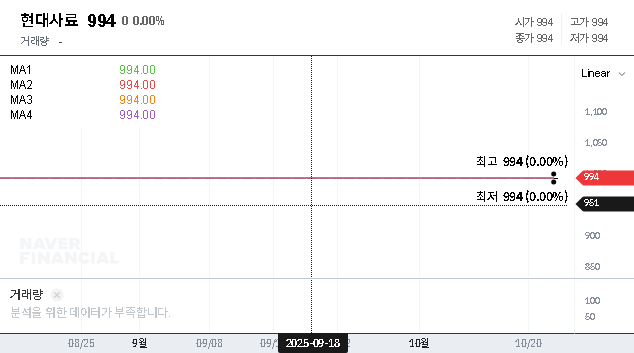
News of the recent HYUNDAI FEED Inc. stock seizure has sent ripples through the investment community, raising critical questions about stock stability and corporate governance. A court has ordered a provisional seizure of shares held by Tteulanchae Engineering & Construction, the major shareholder of HYUNDAI FEED Inc. (016790). This event is more than a legal formality; it’s a significant development that introduces uncertainty and potential risk. For any HYUNDAI FEED Inc. investor, understanding the nuances of this situation is paramount for making informed decisions.
This in-depth analysis breaks down the details of the seizure, explores the potential short-term and long-term consequences, and provides a strategic action plan for current and prospective shareholders.
What Happened? Deconstructing the Provisional Seizure
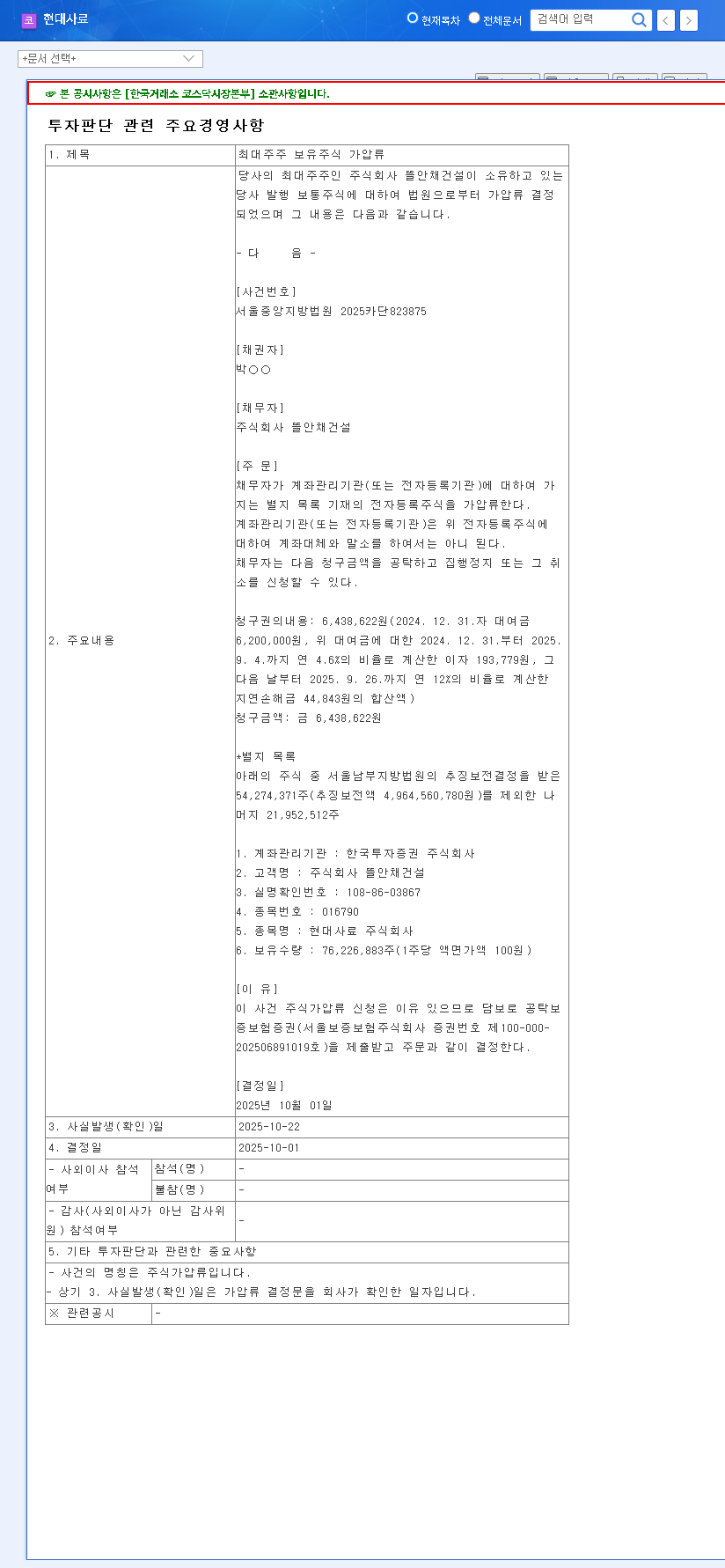
On October 22, 2025, the Seoul Central District Court enacted a provisional seizure on a significant block of HYUNDAI FEED Inc. shares. This action was initiated by a creditor, Mr. Park, against the company’s largest shareholder, Tteulanchae Engineering & Construction Co., Ltd., over an outstanding debt claim.
Key Details of the Court Order
- •Affected Entity: Tteulanchae Engineering & Construction, the major shareholder.
- •Affected Shares: 21,952,512 common shares of HYUNDAI FEED Inc.
- •Claim Amount: KRW 281,203,660, covering loans and penalties.
- •Legal Effect: The shares are effectively frozen, preventing their sale or transfer by the debtor.
It’s critical to note this provisional stock seizure is separate from a previous forfeiture preservation order on 54,274,371 other shares. This new development layers additional pressure and magnifies existing market concerns about a potential stock overhang.
A provisional seizure doesn’t mean the shares have been sold. It’s a legal ‘hold’ to secure a creditor’s claim. However, it signals financial distress within the major shareholder, which is a significant red flag for investors.
Why This Matters: The Impact of Major Shareholder Risk
The financial troubles of a major shareholder can cast a long shadow over an otherwise healthy company. For any HYUNDAI FEED Inc. investor, the primary concern is the escalating major shareholder risk and its potential to destabilize the company’s value.
Short-Term Stock Price Volatility
The market dislikes uncertainty. The immediate fear is that these seized shares could eventually be liquidated on the open market to settle the debt. This ‘overhang’ of potential supply can put significant downward pressure on the stock price as investors preemptively sell to avoid a future downturn. This can trigger heightened trading volume and sharp, negative price fluctuations.
Mid-to-Long-Term Management Instability
Beyond immediate price action, the stability of HYUNDAI FEED Inc.’s management is at stake. A financially distressed major shareholder may be unable to provide strategic support or could be forced to sell its stake, leading to an ownership change. This uncertainty can disrupt long-term strategy, delay key business decisions, and erode overall investor confidence in the company’s future direction.
Investor Action Plan: Navigating the Uncertainty
In this volatile environment, a cautious and informed approach is essential. Rather than making rash decisions, investors should focus on monitoring key developments and re-evaluating the company’s core strengths.
Key Points for Future Monitoring
- •Legal Progress: Keep track of how Tteulanchae Engineering & Construction responds—whether they deposit funds to cancel the seizure or if the case proceeds to a main lawsuit.
- •Company Communications: Pay close attention to official statements from HYUNDAI FEED Inc.’s management regarding the situation. Transparent communication is key to restoring confidence.
- •Financial Health: Re-evaluate the fundamentals of HYUNDAI FEED Inc. itself, separate from its shareholder’s issues. Is the core business still strong? For guidance, you can review resources on how to analyze company fundamentals.
- •Market Sentiment: Monitor news from authoritative financial sources like Reuters to gauge broader market reaction and analysis.
For direct verification of the event, investors should consult the primary source documentation. The Official Disclosure filed with the Financial Supervisory Service (DART) provides the definitive legal record of this provisional seizure.
Frequently Asked Questions
Q1: What does this HYUNDAI FEED Inc. stock seizure mean in simple terms?
It’s a temporary court order that prevents the major shareholder, Tteulanchae E&C, from selling or transferring its shares. This is a creditor’s tool to ensure a debt can be paid later, but it highlights financial instability at the shareholder level.
Q2: How will this likely affect HYUNDAI FEED Inc.’s stock price?
In the short term, expect negative pressure. The risk of a future forced sale (overhang) and general uncertainty often leads to investor anxiety and selling, which can drive the price down.
Q3: Are HYUNDAI FEED Inc.’s own finances in trouble?
Not directly. The debt belongs to the shareholder, Tteulanchae E&C, not HYUNDAI FEED Inc. However, the shareholder’s problems can indirectly impact HYUNDAI FEED Inc. through management instability and damaged investor confidence.
Q4: What is the best course of action for investors right now?
Exercise caution. Avoid panic-selling. Instead, closely monitor the legal proceedings and official company statements. Use this opportunity to reassess the company’s fundamental value and adjust your risk management strategy accordingly.
Leave a Reply