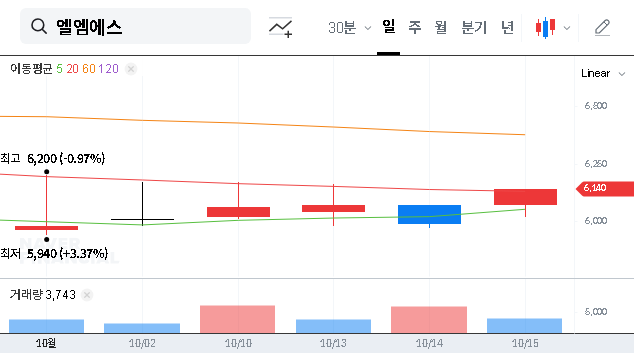
The recent announcement regarding the LMS treasury stock disposal has sent ripples through the investment community, placing the 54.6 billion KRW company under intense scrutiny. LMS Co.,Ltd.’s decision to offload 1,490,000 treasury shares—a significant 16.75% of its total outstanding shares—is a major corporate action with profound implications. This move could either be a strategic masterstroke to fuel future growth or a red flag signaling underlying financial pressures. For investors, understanding the nuances of this decision is paramount.
This in-depth analysis unpacks the reasons behind the sale, explores the potential positive and negative consequences for the stock price, and provides a clear action plan for current and prospective shareholders. By examining the facts and strategic context, you can make a more informed decision about your investment portfolio.
The Core Details of the Disposal
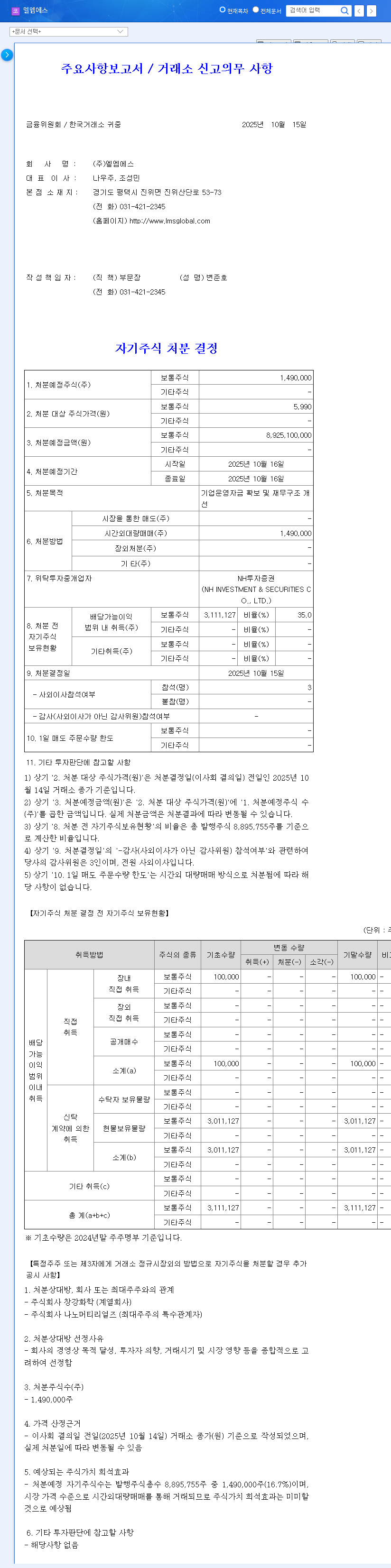
On October 15, 2025, LMS Co.,Ltd. formally announced its plan to sell 1,490,000 treasury shares. This transaction, handled by NH Investment & Securities, is expected to generate approximately 8.9 billion KRW. The stated purposes are to secure essential operating funds and to fortify the company’s financial structure. You can view the Official Disclosure on DART for complete transparency. The sheer size of this disposal, representing nearly 17% of all shares, guarantees it will be a market-moving event.
What Exactly is Treasury Stock?
Before diving deeper, it’s crucial to understand what treasury stock is. These are shares that the company had previously issued and then repurchased from the open market. They are held in the company’s ‘treasury’ and are not included in the count of outstanding shares, meaning they don’t have voting rights or receive dividends. Companies sell treasury stock for various reasons, making the motivation behind the sale a key analytical point.
Analyzing the Impact of the LMS Treasury Stock Disposal
A corporate action of this magnitude has a dual nature, presenting both significant opportunities and considerable risks. The final outcome hinges entirely on the company’s strategic execution.
The critical question for investors isn’t just why the sale is happening, but rather: How will the newly acquired 8.9 billion KRW be utilized to generate future value?
The Bull Case: A Catalyst for Growth
From a positive perspective, this capital injection could be a transformative event for LMS. Here are the potential upsides:
- •Improved Financial Stability: The funds can be used to pay down debt, immediately improving the company’s debt-to-equity ratio. A stronger balance sheet reduces financial risk and can make borrowing cheaper in the future.
- •Fueling Innovation and Expansion: If LMS allocates the capital towards R&D, new product development, or expansion into new markets, this treasury stock sale could directly fund the next wave of corporate growth and profitability.
- •Enhanced Liquidity: Securing operating funds mitigates short-term cash flow concerns, allowing management to focus on long-term strategy rather than day-to-day financial survival.
The Bear Case: Share Dilution and Market Concerns
Conversely, investors must be aware of the potential negative ramifications, which are primarily centered around value dilution and market perception.
- •Inevitable Share Dilution: Re-introducing 1,490,000 shares into the market increases the total number of outstanding shares. This act of share dilution means each existing share now represents a smaller percentage of ownership in the company, potentially leading to a decrease in earnings per share (EPS).
- •Short-Term Price Pressure: The sudden increase in the supply of LMS stock can overwhelm demand in the short term. This supply-demand imbalance often exerts downward pressure on the stock price until the new shares are absorbed by the market.
- •Negative Signaling: If the company fails to clearly articulate a compelling growth plan for the funds, the market might interpret the sale as a sign of financial distress. This could erode investor confidence and negatively impact sentiment.
A Strategic Action Plan for Investors
Navigating the aftermath of the LMS treasury stock disposal requires a proactive and analytical approach. Instead of reacting to short-term price fluctuations, focus on the fundamentals:
- •Scrutinize the Fund Utilization Plan: This is the most critical step. Watch for official announcements detailing precisely how the 8.9 billion KRW will be spent. Are the plans specific, achievable, and aligned with a clear growth strategy?
- •Conduct a Deep Financial Health Check: Analyze LMS’s recent financial statements. Our guide on Understanding Corporate Balance Sheets can help. Look at cash flow, debt levels, and profitability trends to assess whether this move comes from a position of strength or weakness.
- •Monitor Market and Analyst Consensus: Keep an eye on reports from financial analysts and the broader market sentiment. A shift in consensus can provide valuable insights into how the professional community views this corporate finance maneuver.
- •Evaluate Management’s Track Record: Has the current leadership team demonstrated a history of prudent capital allocation? Past performance can be an indicator of future success in deploying these new funds effectively.
In conclusion, the LMS treasury stock disposal is a pivotal moment for the company. While the short-term market reaction may be volatile due to share dilution, the long-term impact on shareholder value will be determined by management’s ability to convert this capital into tangible growth and profitability. Informed, patient, and diligent investors will be best positioned to navigate this event successfully.
Leave a Reply