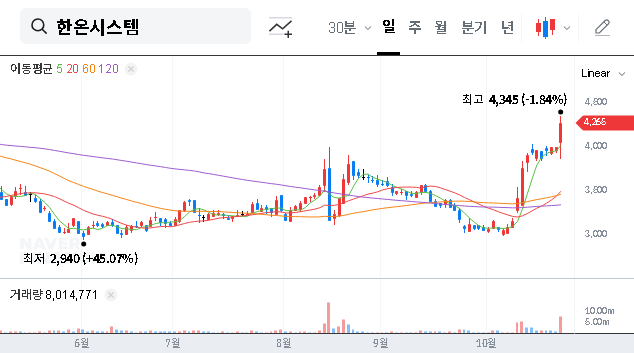
Investors are closely watching Hanon Systems stock as the global automotive thermal management leader navigates a complex market. A recent decision to dispose of treasury shares, coupled with a major change in its largest shareholder, has raised important questions. What does this mean for the company’s future, and how should you position your Hanon Systems investment strategy? This comprehensive analysis will break down the H1 2025 financial performance, the macroeconomic landscape, and the true impact of the treasury stock disposal to provide you with a clear, data-driven outlook.
The Catalyst: Treasury Stock Disposal Announcement
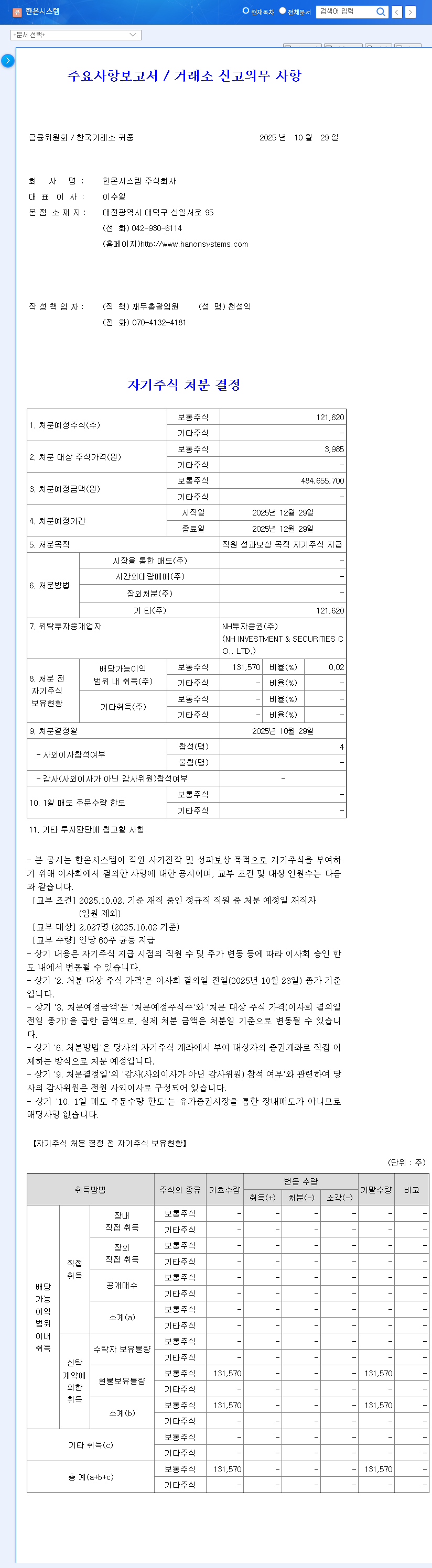
On October 29, 2025, Hanon Systems formally announced its plan to dispose of treasury shares. While such announcements can often cause market jitters, the purpose behind this move is crucial. The disposal is not for financing or M&A, but rather for employee performance compensation. This is a strategic tool designed to align employee interests with long-term shareholder value.
Key Details of the Disposal:
The company will dispose of 121,620 common shares, valued at approximately KRW 500 million, to reward employee performance. This transaction will be handled by NH Investment & Securities Co., Ltd. For full transparency, you can view the Official Disclosure (DART).
Financial Deep Dive: H1 2025 Performance
Understanding the company’s recent financial health provides critical context. While the headline figures show a mixed picture, the underlying details reveal a company in transition. An informed Hanon Systems analysis must look beyond the surface.
Revenue Growth Amid Profitability Pressures
In the first half of 2025, Hanon Systems demonstrated resilience with solid top-line growth:
- •Revenue: Reached KRW 5,475.5 billion, a healthy 10.3% increase year-on-year, fueled by strong relationships with Hyundai, Ford, and a recovering global auto market.
- •Operating Profit: Declined by 10.3% to KRW 85.4 billion. This was primarily due to higher SG&A costs, increased financing expenses from rising interest rates, and adverse foreign exchange impacts.
- •Net Loss: The company posted a net loss of KRW 37.7 billion. While still a loss, this marks an improvement from the previous year, suggesting that cost control measures are beginning to take effect.
A significant strategic shift occurred on January 3, 2025, when Hankook Tire & Technology Co., Ltd. became the largest shareholder. This move is widely seen as a long-term positive, promising synergies in customer diversification and R&D for next-generation automotive thermal management systems.
The Macroeconomic Gauntlet: Headwinds and Tailwinds
No company operates in a vacuum. The external environment presents both challenges and opportunities for Hanon Systems.
- •Currency & Interest Rates: A strong US Dollar and Euro are a double-edged sword, boosting export revenue values but increasing the burden of foreign-denominated debt. Stable but high interest rates continue to pressure financing costs.
- •Market Recovery: The global auto industry is on a path to recovery, which is a significant tailwind. More importantly, the secular growth of the electric vehicle (EV) market provides a massive opportunity for Hanon Systems, a key supplier of EV thermal solutions. You can explore the latest automotive market trends via high-authority sources for more context.
- •Geopolitical Risks: Rising protectionism and tariff volatility, particularly in key markets like the U.S., create uncertainty for the company’s global supply chain and export strategy.
Decoding the Impact on Hanon Systems Stock
The Hanon Systems treasury stock disposal is best viewed as a signal of management’s focus on long-term health rather than a short-term market event. The number of shares is minuscule (less than 0.025% of total outstanding shares), meaning the direct impact on supply and demand—and thus the stock price—will be negligible.
The Real Investment Thesis
The core of any Hanon Systems investment decision should not revolve around this minor share disposal. Instead, investors should focus on these fundamental drivers:
- •Path to Profitability: Can the company translate its revenue growth into sustainable profits? Watch upcoming quarterly reports for improvements in operating and net profit margins.
- •Synergy with Hankook Tire: Look for concrete evidence of synergy. Are new clients being signed? Are joint R&D projects being announced? This is the key to unlocking future growth.
- •EV Market Leadership: How is Hanon Systems solidifying its position in the EV thermal management space? This is the company’s most significant long-term growth driver. For more on this sector, read our complete guide to the EV supply chain.
Frequently Asked Questions
Q1: Why is Hanon Systems disposing of treasury stock?
The disposal is for employee performance compensation. It’s a strategic move to motivate staff and align their goals with the company’s long-term growth and shareholder value.
Q2: Will this treasury stock disposal hurt the stock price?
The short-term impact on the Hanon Systems stock price is expected to be minimal. The number of shares is too small to significantly affect market supply and demand.
Q3: What should investors focus on instead?
Investors should concentrate on fundamental business improvements: the company’s progress in restoring profitability, the tangible benefits and synergies emerging from the new partnership with Hankook Tire, and its competitive positioning in the high-growth EV market.
Leave a Reply